The Cold War.  A Hot War in reality.  Part 2

I have completed 100,000 words of my third novel of my new ‘Cold War’ trilogy. The Blue Effect is the third in the series, covering the hypothetical invasion of West Germany, the Federal Republic of Germany, by the Warsaw Pact in the mid 1980’s.  I will finish the fine tuning over the next couple of weeks, then off to the Editor. Book 1, ‘The Red Effect’, encompasses the intelligence build up leading to the Warsaw Pact strike against the NATO forces lined up against them. The Black Effect takes it a stage further. The Blue Effect? Well, you will find out in May 2014.

The Cold War era started very soon after the end of the second world war, when the communist east, led by the Soviet Union, and the Western world, led by the United States and its NATO allies, faced each across what became known as the ‘Iron Curtain’.
.

The capital of Germany, Berlin, was divided into four Sectors. The consequence being, that the three Western Allied powers now controlled territory deep within the Soviet Union Zone of Germany.

Over time, the tensions between the four Allied powers increased, eventually resulting in the Berlin blockade in 1948, when the Soviets attempted to starve West Berlin into submission and force the other three Allied powers out. This failed and the Soviets eventually relented, but an ever-increasing number of East Germans fled to the West; between 150,000 and 300,000 a year during 1951-1953. As a consequence restrictions were placed on movement between the divided country. From 1961, the border was closed and Berlin completely encircled, first by barbed wire, then bricks and finally a concrete wall, along with the infamous ‘death strip’.

Access was now restricted between Berlin and the West. A wall, 124 mile miles in length, was placed around the three sectors of West Berlin, cutting off the city from the rest of the world.

.
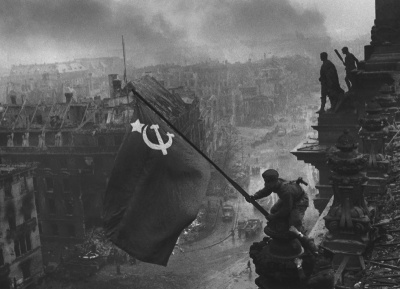
Cold war 9

The badly damaged Reichstag. Berlin 1945

The present day Reichstag. 2012.

.

An Iconic picture of the face-off between the West and the East.  The Cold War starts – October 1961
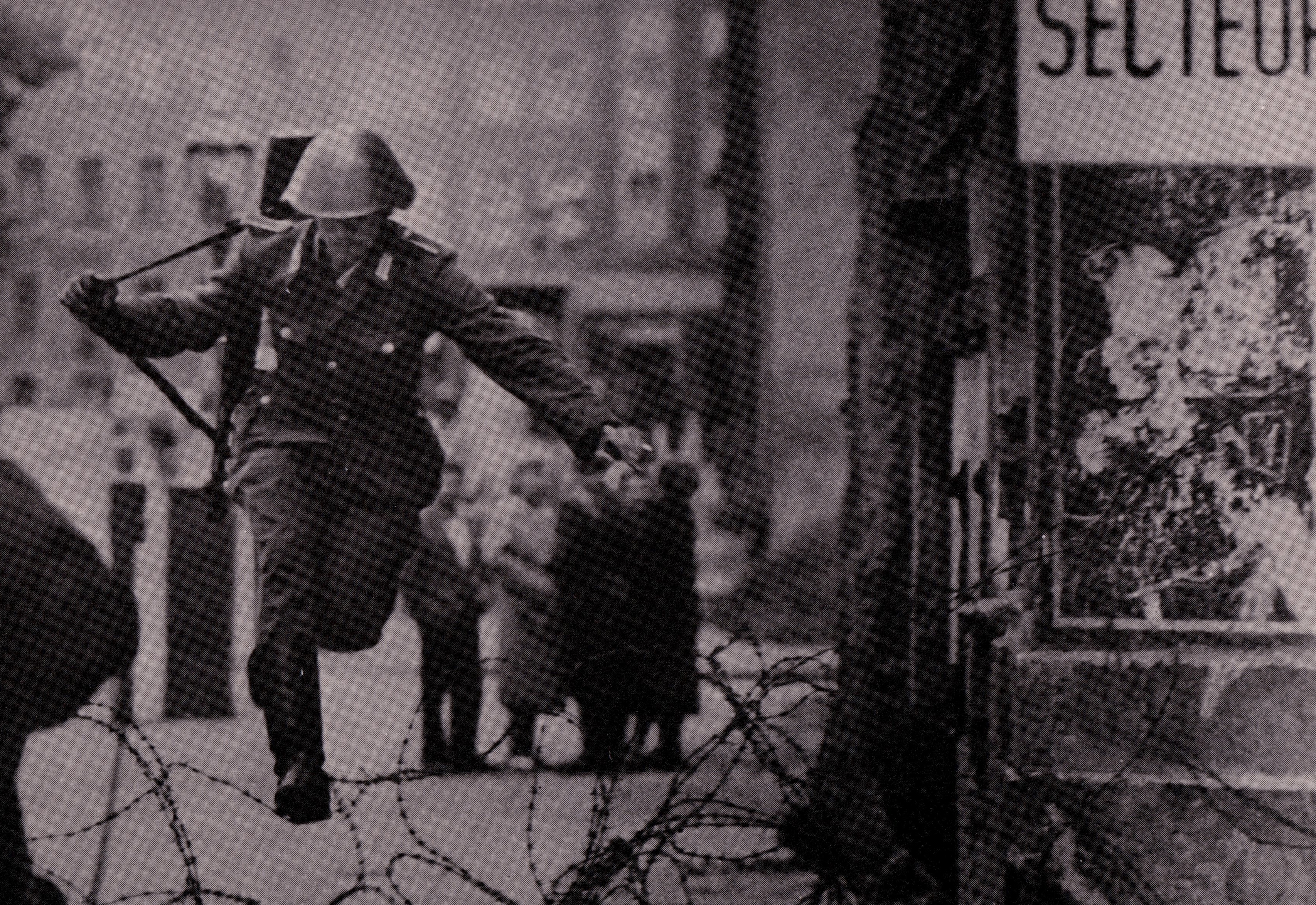
Another iconic picture of a GDR Border Guard fleeing across the barbed wire to the West -Berlin 1961


.

I shall cover various aspects of the two opposing forces, providing the backdrop and background information in preparation for the release of my three novels. In the meantime, you could always read my WW2 series, Devils with Wings. 🙂

In 1984/85, the Warsaw Pact was already a significant force, the Soviet Union in particular. For this, and the next Post, I will cover the Soviet and NATO strategic inventory, which was being modernised by both the Warsaw Pact and NATO.

.
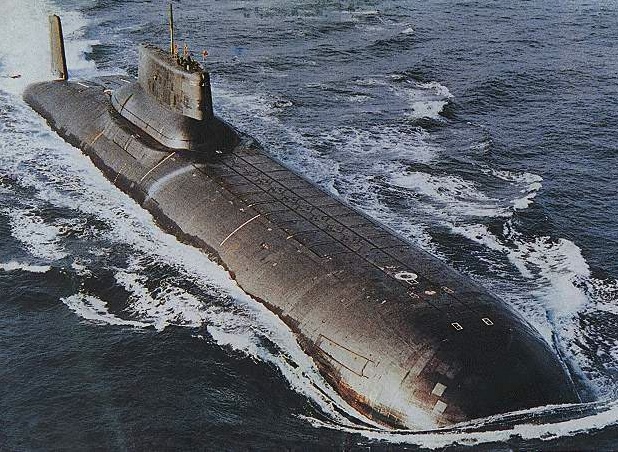
Soviet Typhoon Class submarine under way. 

Apart from the Intercontinental Ballistic Missiles in their Strategic arsenal, both the Soviet Union and NATO had a second arm that could be used to initiate a nuclear strike, Submarine launched Ballistic Missiles, SLBMs. What made these particularly important was their survivability and their ability to initiate a retaliatory strike. Should the Soviets, or NATO for that matter, decide to launch a massive pre-emptive nuclear strike that could potentially wipe out all fixed ICBM sites, all countries with SLBMs would be in a position to strike back. The ‘Assured Mutual Destruction’ concept.

The Soviet Union had 2 x H-II SSBN (SSBN Ballistic Missile carrying submarine) (3 x SS-N-5), 1 x H-III  SSBN (6 x SS-N-8), 23 x Y-I SSBN (16 x SS-N-6), 1 x Y-II (12 x SS-N-17), 18 x D-I SSBN (12 x SS-N-8), 4 x D-II SSBN (16 x SS-N-8), 14 x D-III SSBN (16 x SS-N-18) and 2 x Typhoon SSBN (20 x SS-N-20). Four more Typhoons were under construction.

.
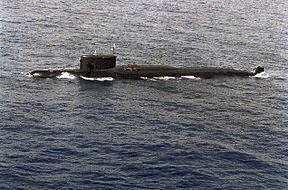
Cold War Years 017 (1)

A Russian Yankee Class SSBN, K-219.

The above is the Yankee Class SSBN. K-219 was lost at sea in 1986, after an explosion and fire onboard. This was the first Soviet submarine to have thermonuclear firepower comparable with their American and British counterparts.

.
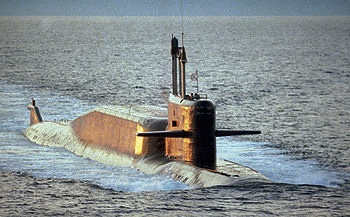
The above is a Delta Class SSBN, a D-IV. The time period I am covering in my novels, this would only have been in the building phase.

.

Delta II SSBN

The Delta III was equipped with a new battle management system, the Almaz-BDR, for the fire control of torpedoes in deep water. This was the first Soviet submarine that could launch any number of missiles in a single salvo and also the first to carry ballistic missiles with multiple independently targetable reentry vehicles (MIRVs). Each of the 16 missiles could carry 3-7 MIRVs.

.

Typhoon Class SSBN, the largest class of submarine ever built with a displacement of 48,000 tons.

.

These latest Russian submarines could patrol under the icecap and then surface to launch their missiles, negating the need to transit the Greenland-Iceland-United Kingdom, GIUK, gap.

.

The US, UK and France also possessed SSBNs

US – 4 x Ohio SSBN (24 x Trident) 7 x Ohio on order, 19 x Lafayette SSBN (16 x Poseidon) and 12 x Franklin Class SSBN (16 x Trident).

UK – 4 x Resolution Class SSBN (16 x Polaris A3 (3 x MIRV))

France – 4 x Redoutable Class SSBN (16 x M-20)

Ohio SSBN undergoing a conversion to an SSGN, a conventional missile submarine, in 2003.

.
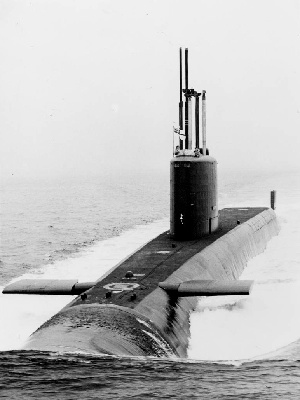
HMS Renown, one of four SSBNs, later replaced by the Vanguard Class of submarine, carrying Trident 2.

.

The French Redoutable Class SSBN

.
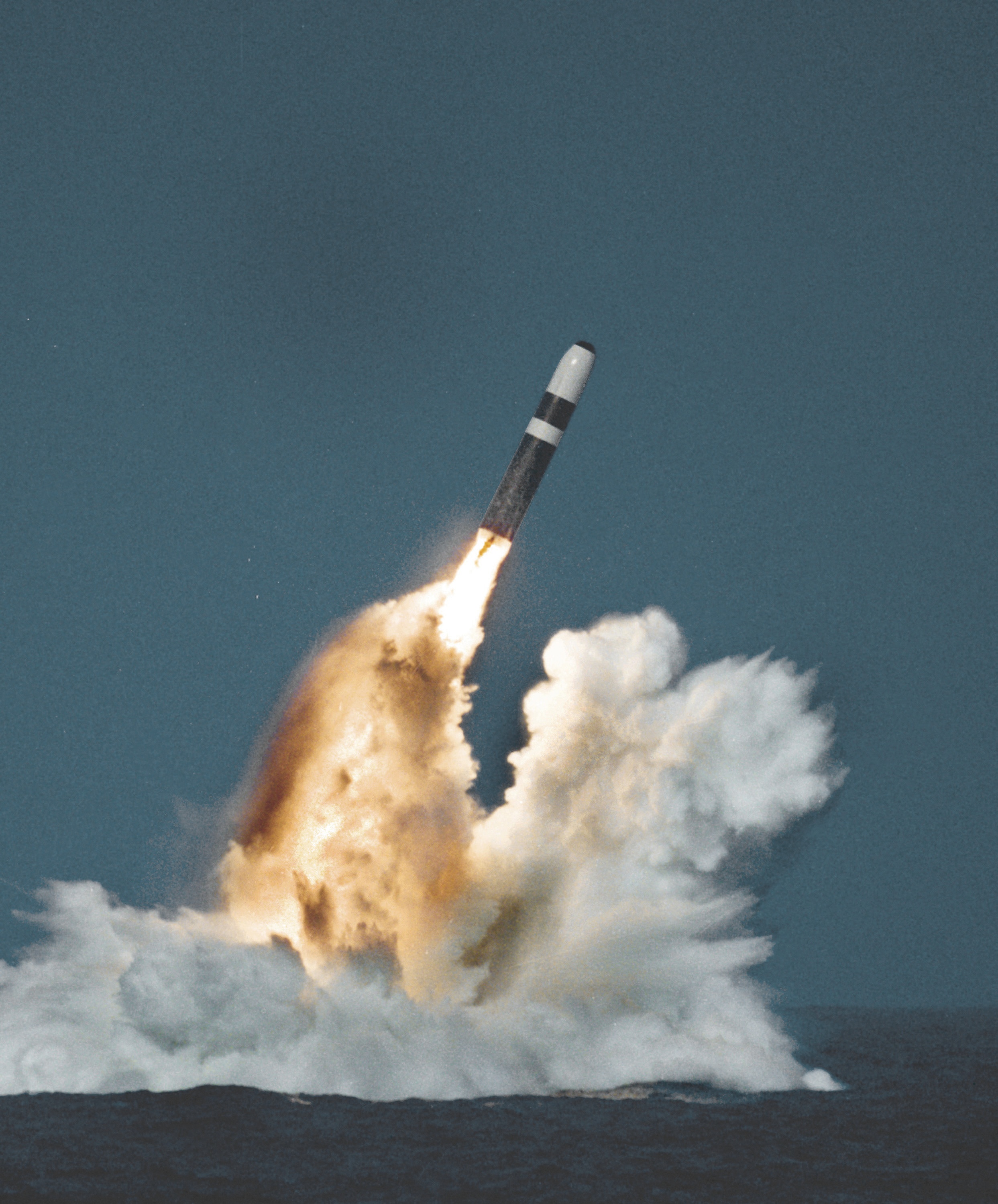
A Trident II missiles fires its first stage  SRB after an underwater launch from a Royal Navy Vanguard Class ballistic missile submarine.

.

There were also the conventional forces lined up along the Inner German Border, the visible barrier between the Federal Republic of Germany (FRG) and the German Democratic Republic (GDR), or better known as West and East Germany. I shall be covering their organisation and equipment over the coming months.

.

Ferret Mk 5, Scout Car with (4)  Swingfire Missiles. Swingfire was an anti-tank, wire guided missile capable of destroying any armoured fighting vehicle in its day, 1965 – 1970.

.

Weighing in the region of 4 1/2 tons, it travelled at a top speed of nearly 50mph. It had an armour thickness of 16mm, and a crew of 2.

.

Leopard C2, Main Battle Tank.

.

70mm armour, this tank was used by the Canadian Army.

.

42 tons, crew of 4 and a top speed of 40mph.

.

A 105mm gun was its main weapon, supported 2 x 7.62mm MGs

.

This was the preferred replacement for the British Centurion as the new Chieftain was seen as too powerful for anything other than a global conflict.

.
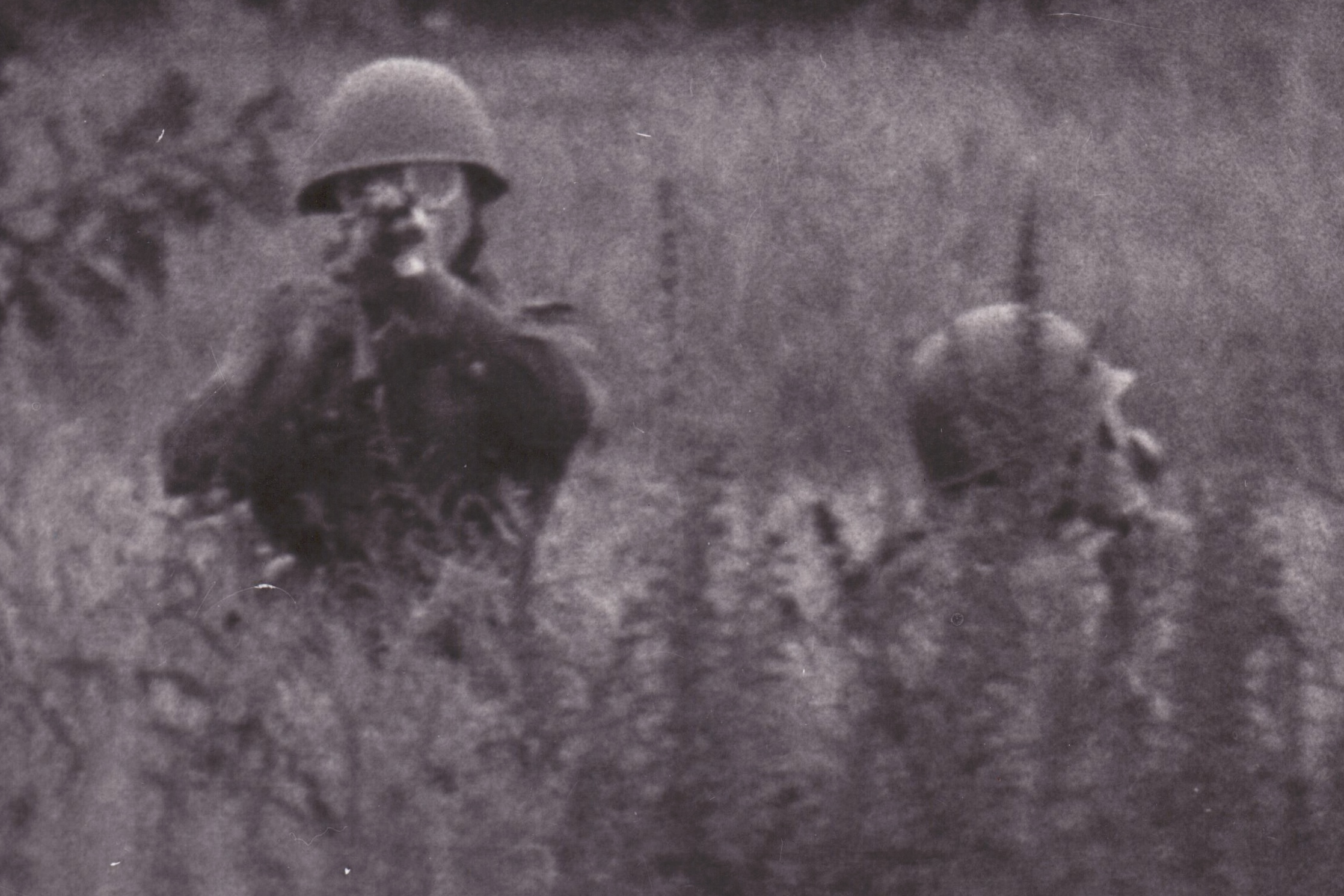

Soviet soldiers on exercise in East Berlin – East Berlin 1984

.
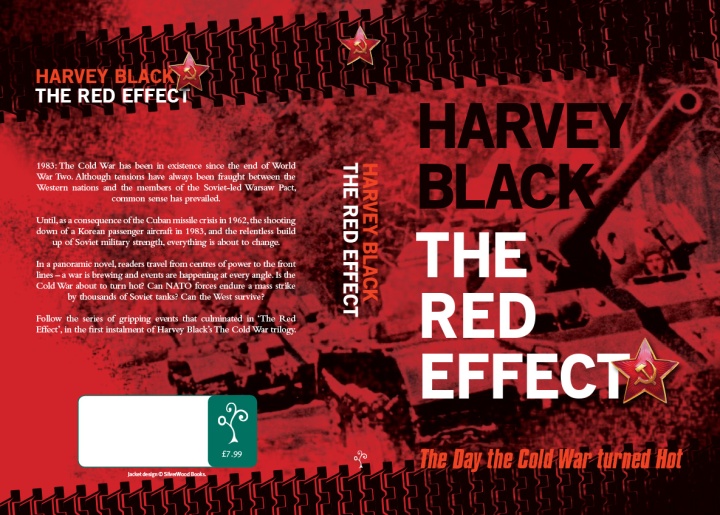
HarveyBlack-Red Effect150313

My intention is not to portray a particular message, but just share some of my research and experiences with you.  This above, The Red Effect is the first of my new ‘Cold War’ series. The Black Effect is now available. The Blue Effect is due out in May

Photographs and Blog are copyrighted to Harvey Black

The Cold War. A Hot war in reality.  Part 1

I have completed the second novel of my new ‘Cold War’ series. There will be three books in total, covering the hypothetical invasion of West Germany, the Federal Republic of Germany, by the Warsaw Pact in the mid 1980’s. Book 1, ‘The Red Effect’, will encompass the intelligence build up leading to the Warsaw Pact strike against the NATO forces lined up against them. The Black Effect follows on……

The Cold War era started very soon after the end of the second world war, when the communist east, led by the Soviet Union, and the Western world, led by the United States and its NATO allies, faced each across what became known as the ‘Iron Curtain’.

.

The capital of Germany, Berlin, was divided into four Sectors. The consequence being, that the three Western Allied powers now controlled territory deep within the Soviet Union Zone of Germany.

Over time, the tensions between the four Allied powers increased, eventually resulting in the Berlin blockade in 1948, when the Soviets attempted to starve West Berlin into submission and force the other three Allied powers out. This failed and the Soviets eventually relented, but an ever-increasing number of East Germans fled to the West; between 150,000 and 300,000 a year during 1951-1953. As a consequence restrictions were placed on movement between the divided country. From 1961, the border was closed and Berlin completely encircled, first by barbed wire, then bricks and finally a concrete wall, along with the infamous ‘death strip’.

Access was now restricted between Berlin and the West. A wall, 124 mile miles in length, was placed around the three sectors of West Berlin, cutting off the city from the rest of the world.

The badly damaged Reichstag. Berlin 1945

.

An Iconic picture of the face-off between the West and the East.  The Cold War starts – October 1961

Another iconic picture of a GDR Border Guard fleeing across the barbed-wire to escape to West -Berlin (1961)

The Reichstag, showing the Berlin Wall in place behind it. – West Berlin 1981.

I shall cover various aspects of the two opposing forces, providing the backdrop and background information my Cold War trilogy.

In 1984/85, the Warsaw Pact was already a significant force, the Soviet Union in particular. For this, and the next Post, I will cover the Soviet and NATO strategic inventory, which was being modernised by both the Warsaw Pact and NATO.

SS-19. In 1984/5, the Soviet Union had some 360 of these ICBM’s (Inter Continental Ballistic Missiles), most of them of the mod. 3 variety, with 6 MIRV’s (Multiple Independently targetable Reentry Vehicles), basically multiple nuclear warheads. 

The SS-19, deployed in 1982, was 27 metres in length, 2.5 metres wide and weighed in excess of 100,000 kilograms. It had a two-stage liquid fuel propulsion system with a PBV (Post-Boost Vehicle for a hot launch) which gave it a range of up to 10,000 kilometres. Mod 3 would carry a 550 kiloton yield (MIRV), whereas the Mod 2, would carry a 5 megaton yield warhead.

Apart from the SS-19’s, the most modern ICBM in their armoury, the Soviet Union had 520 x SS-11, 60 x SS-13, 150 x SS-17 (many being deployed with 4 MIRV’s) and 308 x SS-18 (Being upgraded to carry 10 MIRV’s).

.

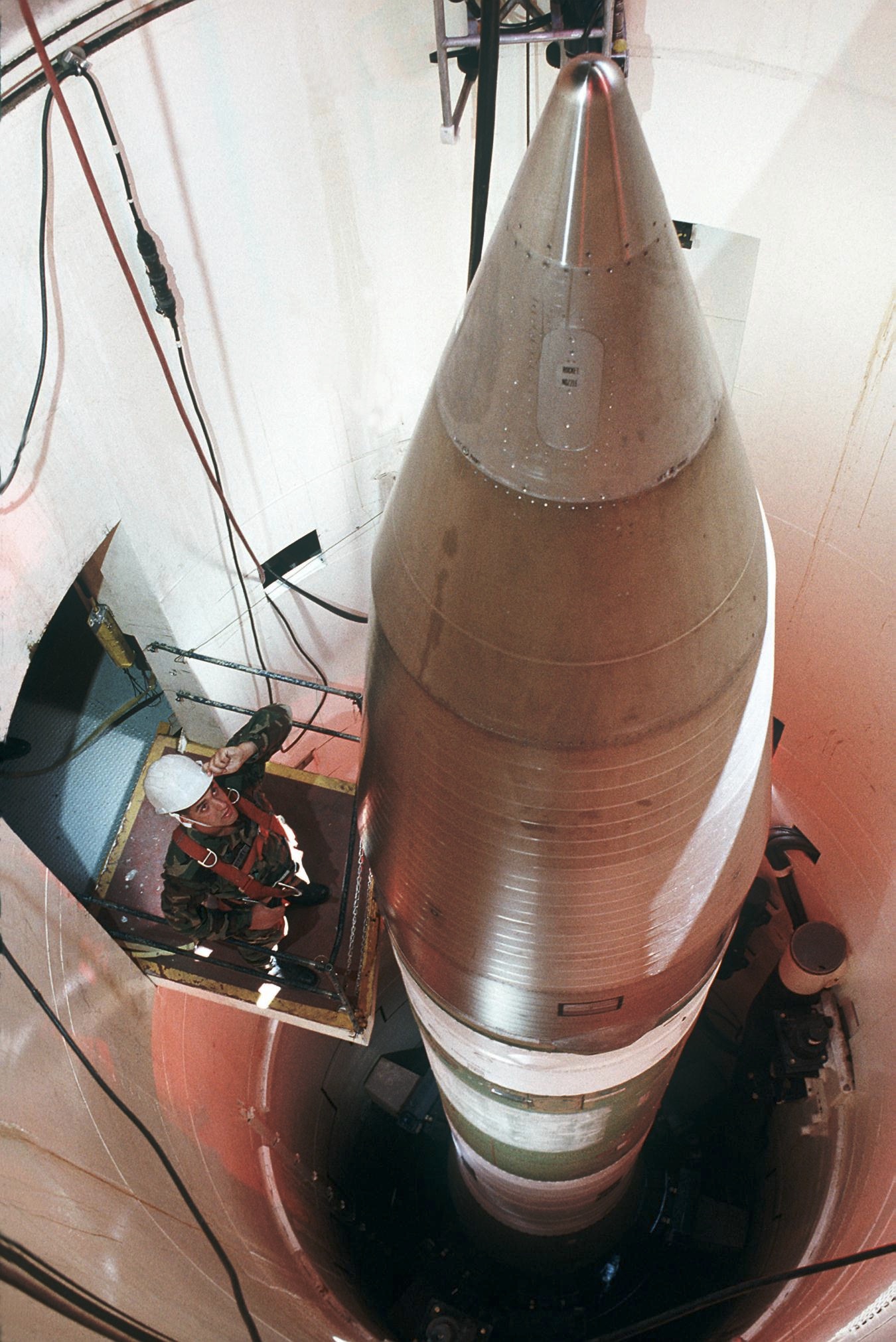
Minuteman III missile inside its Silo, 60 miles from Grand Forks Air Base, late 1980.

NATO too, in particular the United States, modernised their nuclear arsenal in the race to reach a state of ‘mutual assured destruction’. NATOs strategy was dependent on the Soviet Union believing that NATO would respond with an all out, devastating nuclear response to any aggressive moves they might make, whether Nuclear or Conventional. The focus very much on the Iron Curtain hot spot that stretched along the Inner German Border.  There were many incidents that came close to inciting a nuclear exchange.

NATO’s strategic forces (I shall cover bombers and submarines at a later date) were underpinned by the United Staes, United Kingdom and France. The US had 450 x LGM-30F (minuteman II), 550 x LGM-30G with 3 MIRV (minuteman III) and 37 x Titan 2, phasing out by the end of 1987.

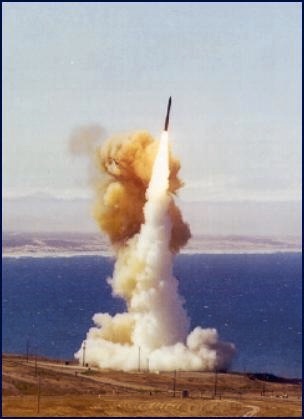
A minuteman III missile being launched. An ICBM, with a three-stage power plant, consisting of three solid-propellant rocket motors; first stage – Thiokol; second stage – Aerojet-General; third stage – United Technologies Chemical Systems Division.

With a height of 18 metres, diameter of just under 2 metres it weighed significantly less than the SS-19, at 36,000 kilograms. But it still had a range of over 6,000 miles and could travel at a speed in excess of 15,000 mph, Mach 23! It carried a warhead of  170 kilotons, 350 kilotons or up to 450 kilotons. With three MIRV’s, this was capable of a significant punch.

The British and French nuclear forces were very much submarine and air launched (apart from tactical nuclear weapons), I will cover those at a later date.

There were also the conventional forces lined up along the Inner German Border, the visible barrier between the Federal Republic of Germany (FRG) and the German Democratic Republic (GDR), or better known as West and East Germany. I shall be covering their organisation and equipment over the coming months.

.

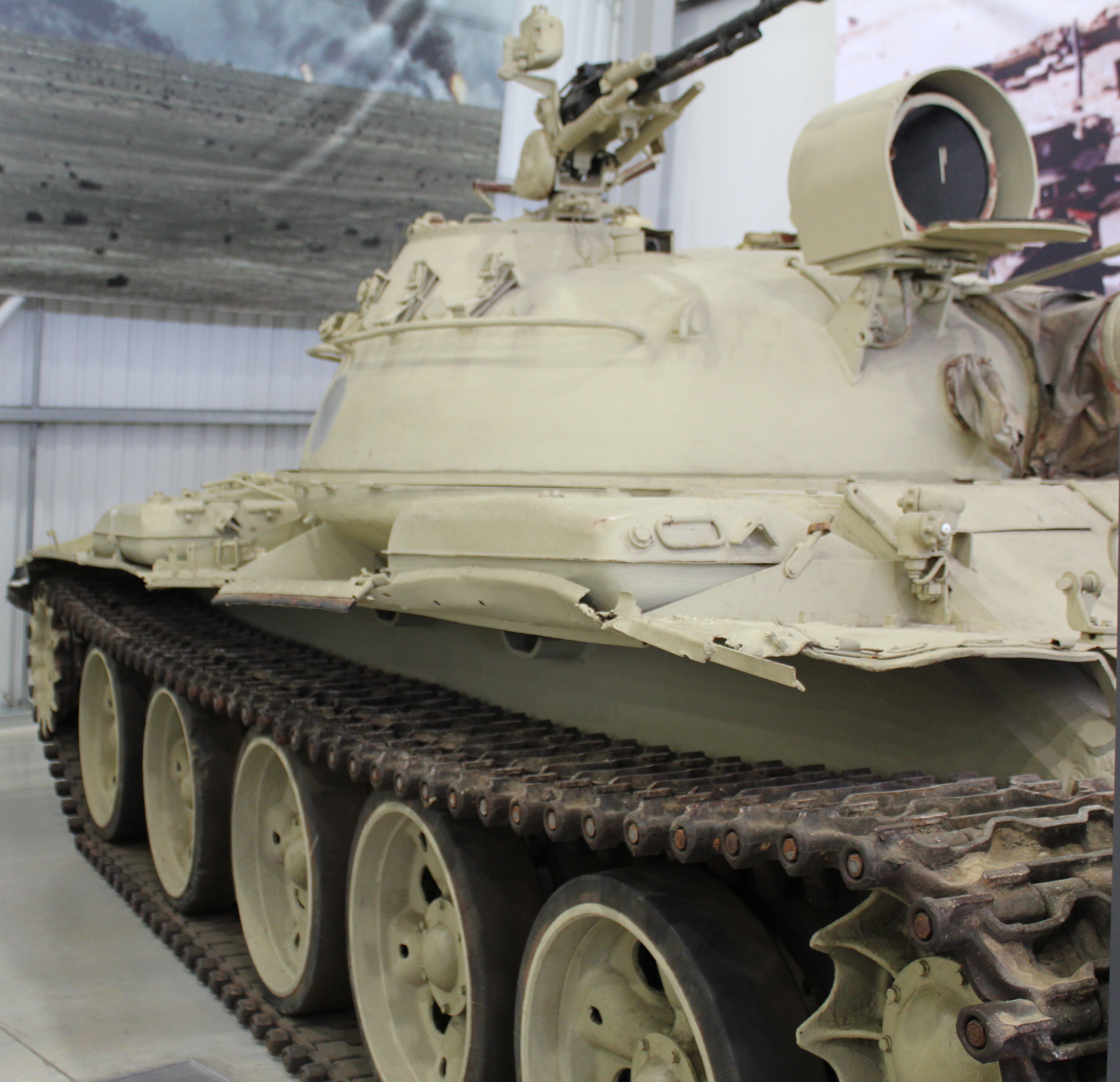
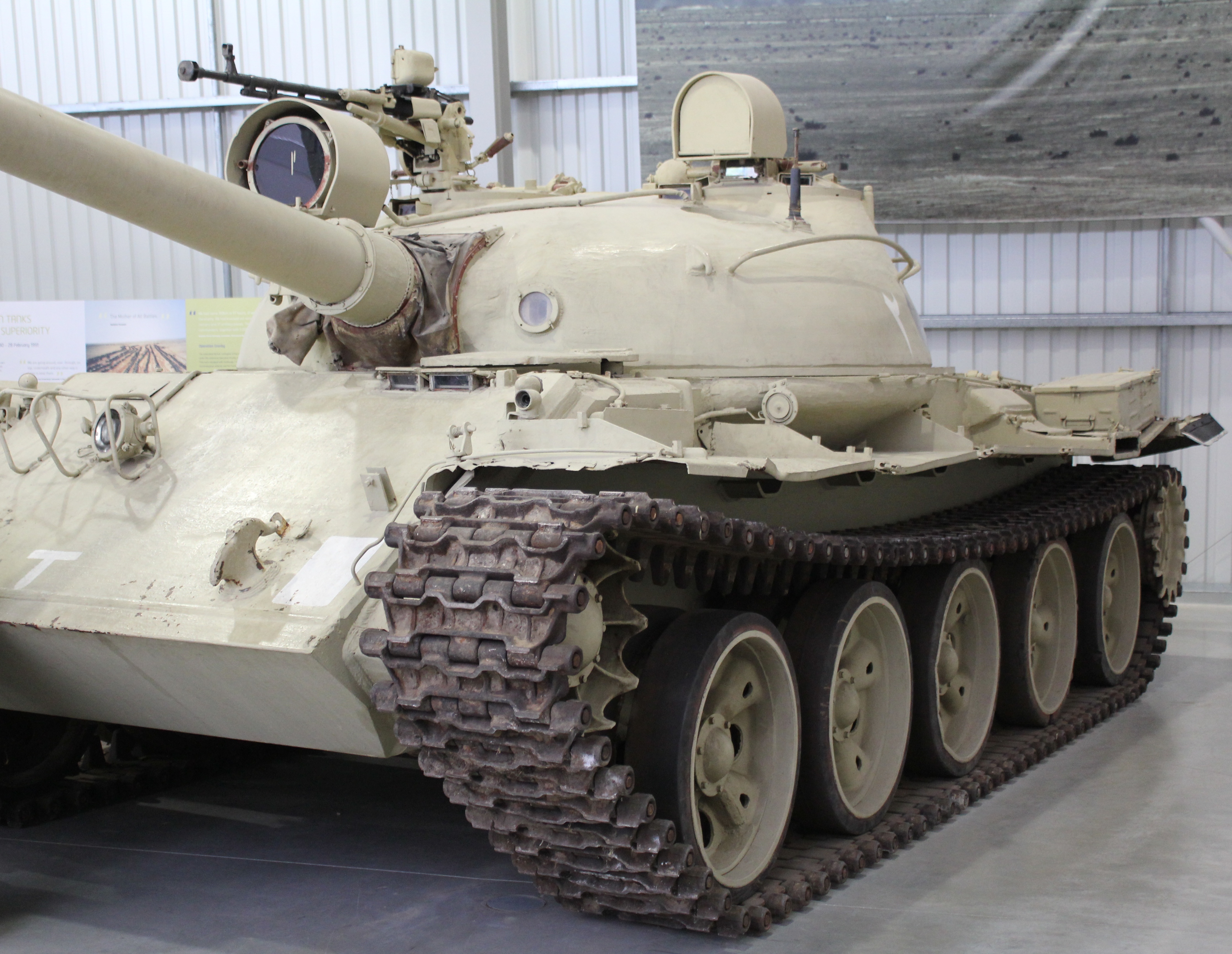
The T-62 might be an old tank, but in the early days it was the mainstay of the Soviet Army.

.

Weighing in the region of 40 tons, it could still travel at a top speed of nearly 50mph with its V-12, 38 litre engine.

.

This one, on display in the Bovington Tank Museum,  was captured from the Iraqi forces during the 1991 Gulf War.

.

Infrared searchlight on the right of the turret, next to the 115mm main gun.

.

These days the Infrared could easily be detected by modern equipment.

.

A Soviet T-62 in East Berlin.  – East Berlin, 1984


t-54/55 on parade – East Berlin 1984

Although it can be classed as an insignificant tank, and maybe not even referred to as a Main Battle Tank, when up against T-64’s, T-72’s and T-80’s, it is still very much in use across the world. One thing I would like to point out, in 1984/5, the Soviet Union had 35,000 T-54/55/62’s in service. The British Army at that time had less than a 1,000 MBTs. Quality versus quantity? Would we have had enough ammunition?

.

HarveyBlack-Red Effect150313

My intention is not to portray a particular message, but just share some of my research and experiences with you.  This is the first of my new ‘Cold War’ series, supporting the writing of my new ‘Cold War’ series of novels, covering the hypothetical invasion of West Germany by the Warsaw Pact in the 80’s. ‘The Red Effect’.

Photographs and Blog are copyrighted to Harvey Black

The Red Effect. Review in Military History Monthly.

I just wanted to share this review of The Red Effect, seen in Military History Monthly, with you.

The first novel in my ‘Cold War’ trilogy, The Red Effect, published by SilverWood Books, is now available. Thoroughly enjoyed writing it, as i do with all my novels. There will be three books in total, covering the hypothetical invasion of West Germany, the Federal Republic of Germany, by the Warsaw Pact in the mid 1980’s. Book 1, ‘The Red Effect’, encompasses part of the intelligence build up leading to the initial Warsaw Pact strike against the NATO forces lined up against them. The purpose of the next few posts is to give the reader some additional background information to enhance their reading experience.

. RedEffect72dpi-4 .

‘The Red Effect’ by Harvey Black – Available now. The Cold War that became a Hot War.

.

The Red Effect 002

Review of The Red Effect in Military History Monthly

.

The Blog is copyrighted to Harvey Black.

. HarveyBlack-Red Effect150313

‘The Red Effect’ by Harvey Black – Kindle and Paperback version out now! The Cold War that became a Hot War.
.

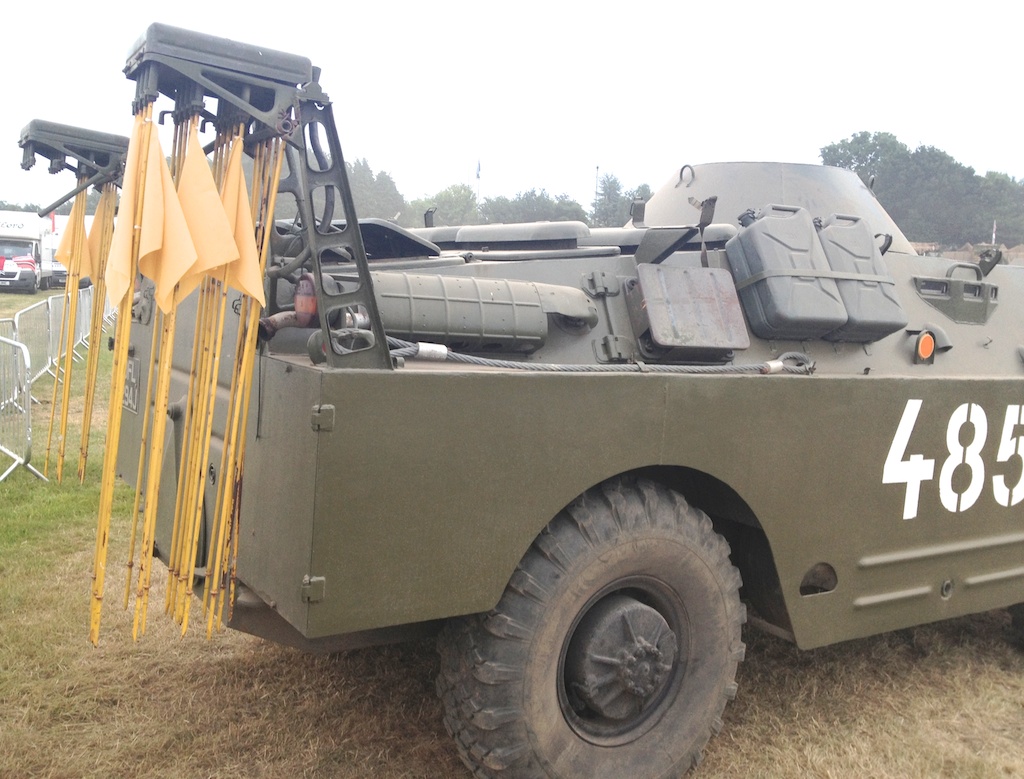
Cold War Kit. Part 7. Soviet BRDM Series

The first novel in my ‘Cold War’ trilogy, The Red Effect, published by SilverWood Books, is now available. Thoroughly enjoyed writing it, as i do with all my novels. There will be three books in total, covering the hypothetical invasion of West Germany, the Federal Republic of Germany, by the Warsaw Pact in the mid 1980’s. Book 1, ‘The Red Effect’, encompasses part of the intelligence build up leading to the initial Warsaw Pact strike against the NATO forces lined up against them. The purpose of the next few posts is to cover some of the Iconic pieces of equipment that would have played a part, should the Cold War have turned Hot.

. RedEffect72dpi-4 .

‘The Red Effect’ by Harvey Black – Available now. The Cold War that became a Hot War.
The Cold War era started very soon after the end of the second world war, when the communist east, led by the Soviet Union, and the Western world, led by the United States and its NATO allies, faced each across what became known as the ‘Iron Curtain’.

The perception of a potential Third World War, was generally one of a nuclear war. It may have come to that. In reality we will never know. But, one scenario is that of a conventional war. The massed forces of the Warsaw Pact against the supposedly technically superior, but weaker, NATO armies, that may well have escalated into a nuclear exchange. But a pure conventional war was just as likely.

Good reconnaissance is a key requirement of any army if they are to know where the enemy is and bring them to battle. The Soviet army places high importance on reconnaissance. There reconnaissance units were fairly large as they would be used for flanking protection and also be able to take on any enemy they came across.

.

Harvey Black 095

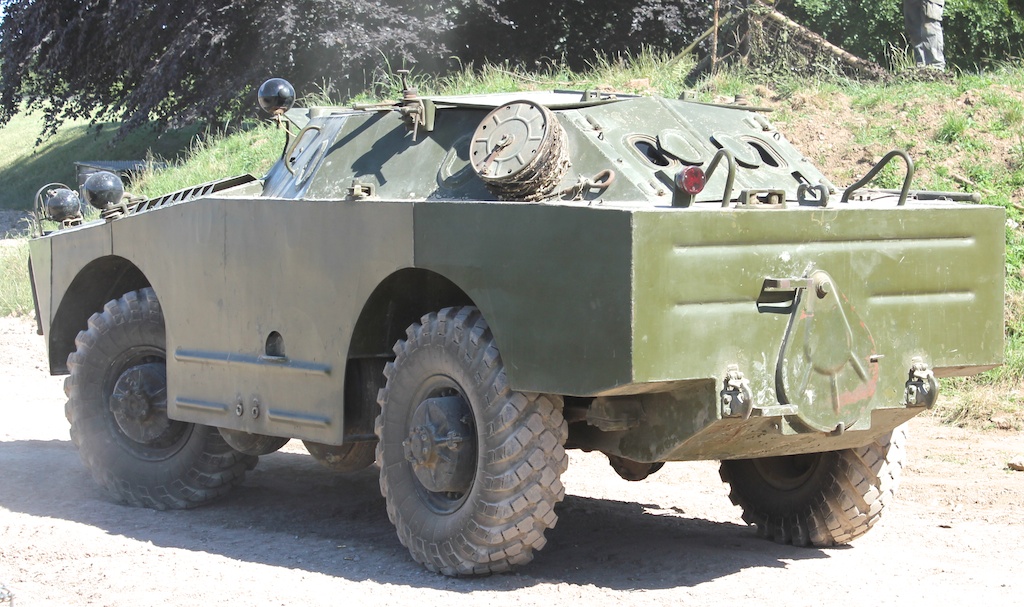
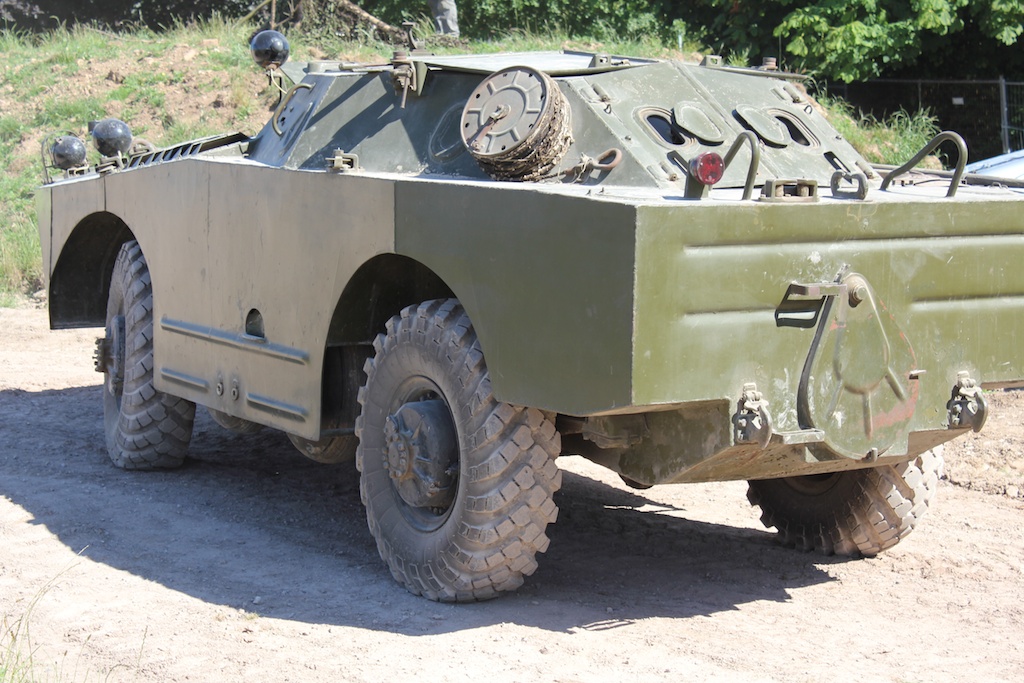
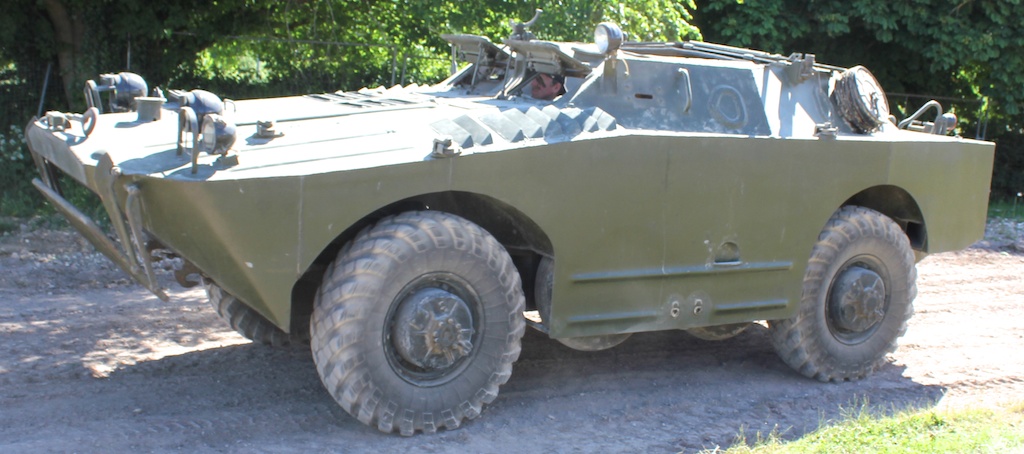
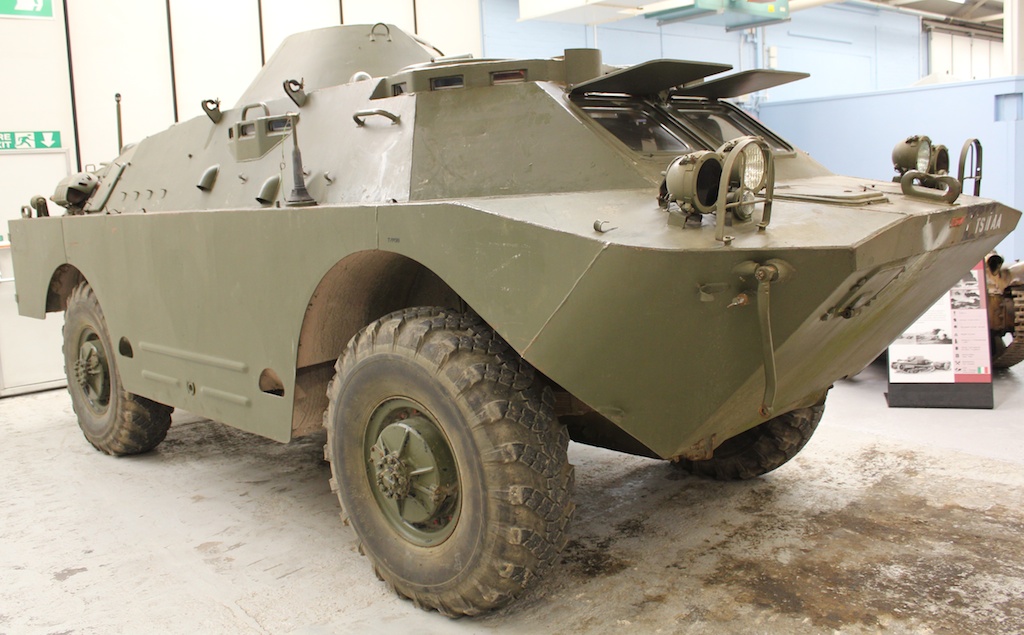
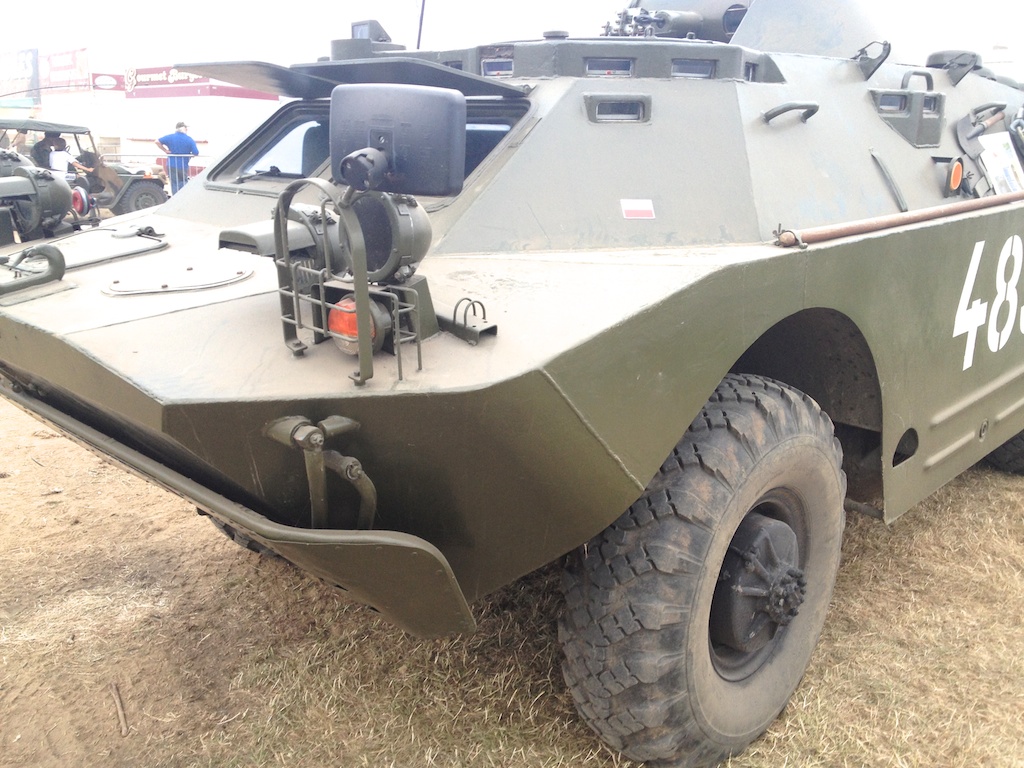
BRDM-1, was an amphibious scout car used by the Soviet army. It was last produced in 1966 ( 10,000 of them) and there are still approximately 600 in service throughout the world.

.

Harvey Black 096

With 10mm of armour and weighing 51/2 tons, it could travel at 90kph on the road and 9kph in the water.  At the rear you can see the armoured shutter that protected the water jet outlet that powered the vehicle through the water.

.

Harvey Black 098

BRDM.

.

Harvey Black 079

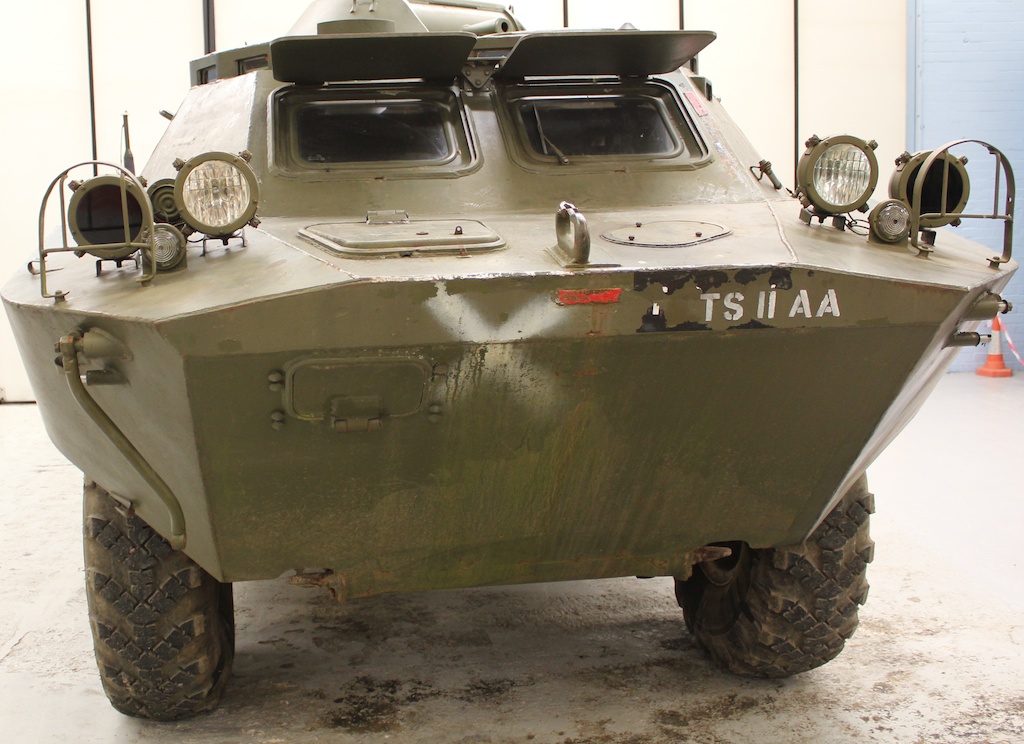
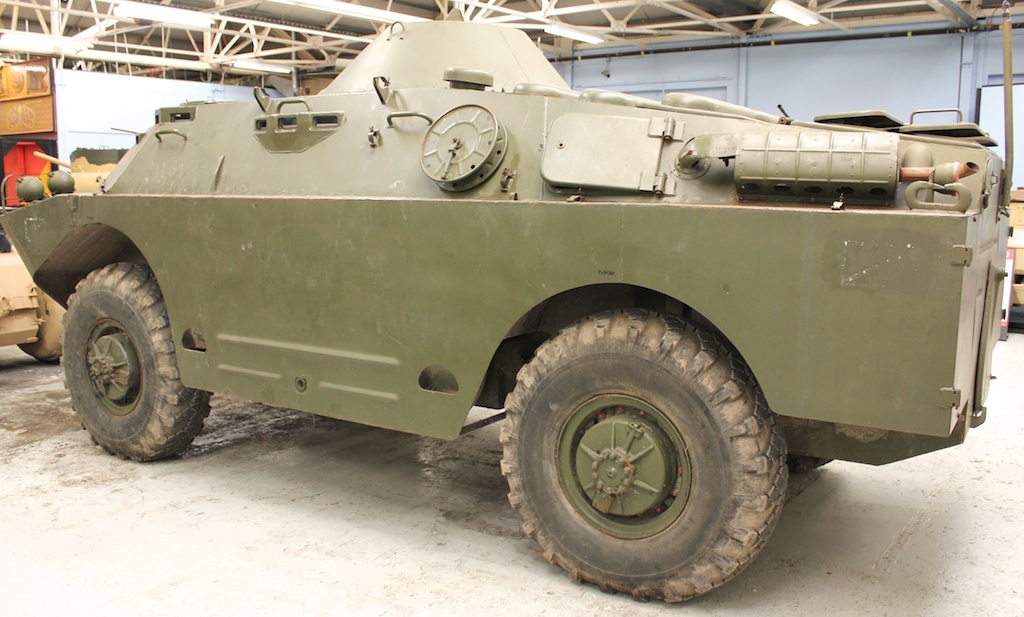
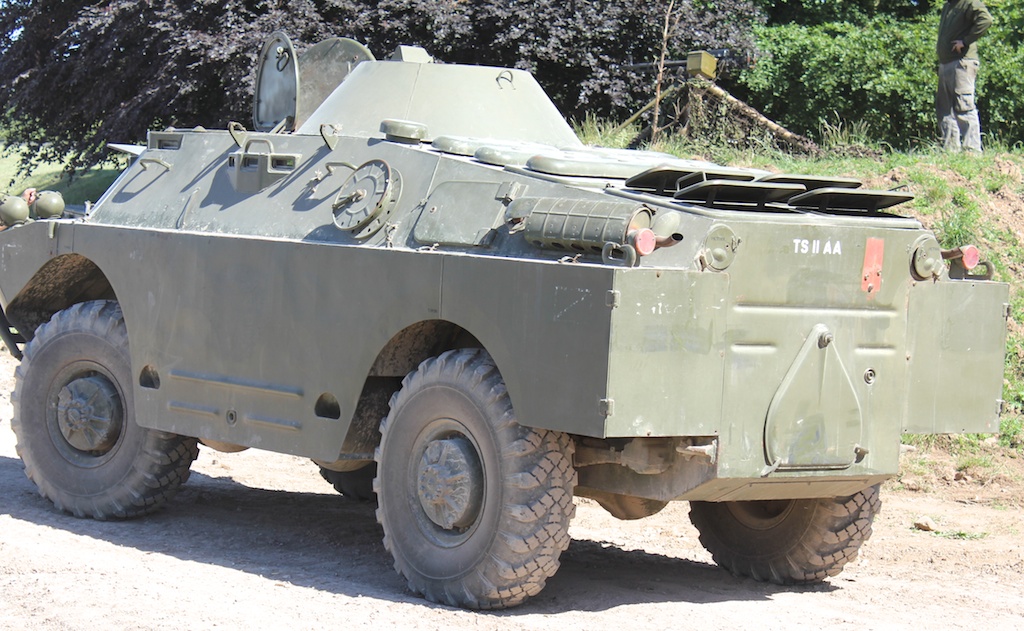
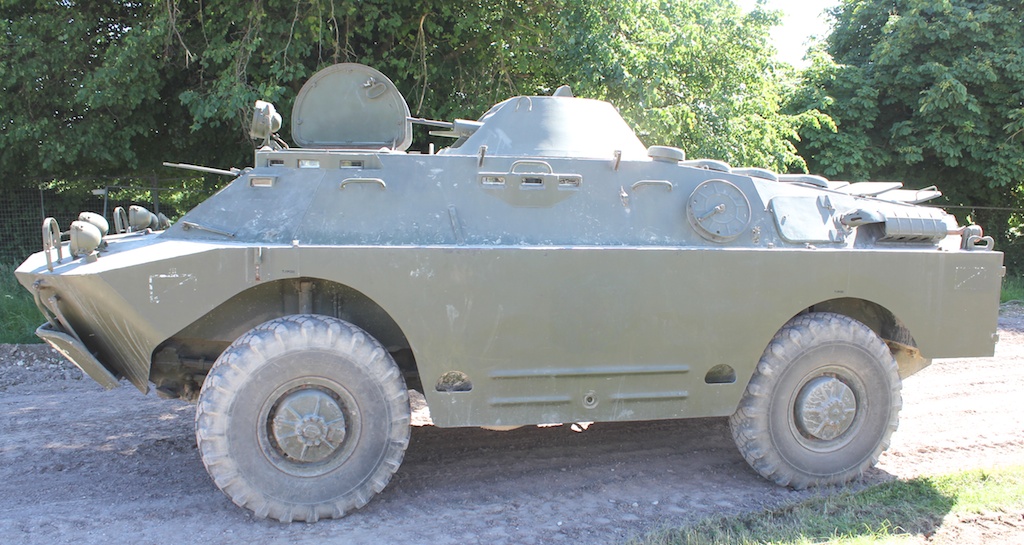
BRDM-2, the replacement for the BRDM-1.

.

Harvey Black 088
The BRDM-2 has a crew of 4, a driver, co-driver, commander and gunner.

.

Harvey Black 089
The boat shaped bow to improve its amphibious capability. The trim board would need to be lowered before it went into the water.

.

Harvey Black 090
Powered by a gasoline V-8 engine, it could reach top speeds of 100kph and 10kph in the water.

.

Harvey Black 091

Just like the BRDM-1, it had a centralised tire pressure regulating system which could adjust the pressure of all four tyres, even individually.

.

Harvey Black 092
The shutter conceals the circular water-jet, equipped with a four-bladed propeller at the rear.

.

Harvey Black 093
The turret mounted gun was a 14,5mm KPVT heavy machine gun with a coaxial mounted 7.62mm PKT general-purpose machine gun.

.

Harvey Black 094

Armour thickness. 10mm turret front and 7mm turret sides top and rear. Hull 7mm at the sides.

.

Harvey Black 080

The BRDM-2 had a number of variants.

.

Harvey Black 082

This one is a BRDM-2 rkh. .

.

Harvey Black 083

Used for radiological and chemical reconnaissance.

.

Harvey Black 084

Has two KZO-2 rectangular dispensers for emplacing warning posts around a contaminated area.

.

Harvey Black 087

Following the Gloster Meteor, the Vampire was the second jet fighter to enter service with the RAF.

.

Harvey Black 085

This vehicle would also have a GSA-12 gas detector, DP-5V dosimeter, DK-4K decontamination apparatus and semi-automatic detection devices.

.

Harvey Black 106

This is a BRDM-2 rkh that was captured from the Iraqi forces during the Gulf War.

.

Harvey Black 107

BRDM-2 rkh.

.

Harvey Black 101

Initially powered by a Halford H1 engine, called the ‘Goblin’.

.

Harvey Black 102

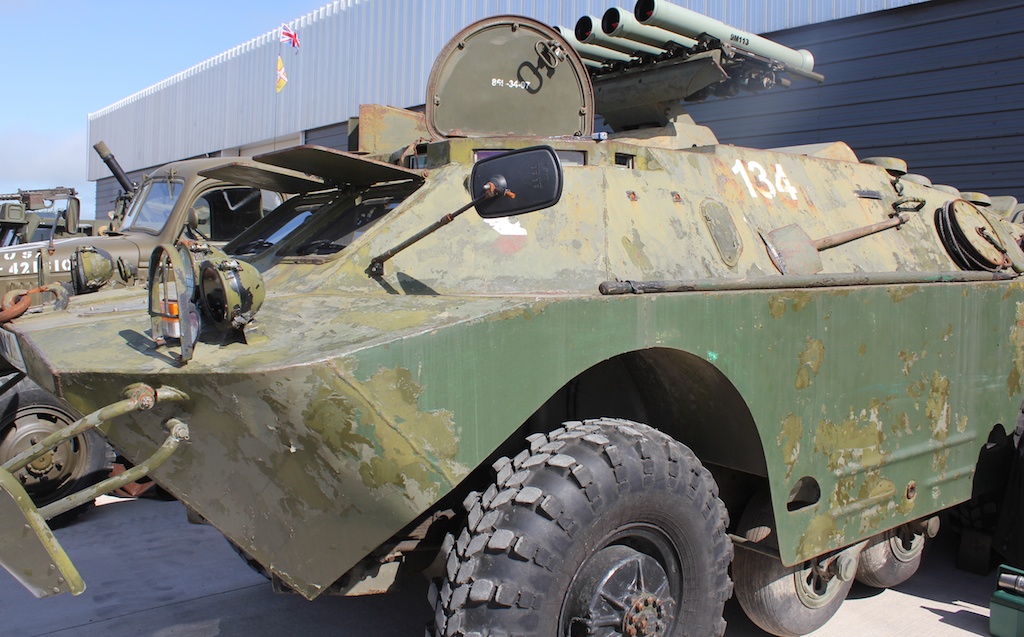
BRDM-2  9P148. Carries an AT-5 (Spandrel) ant-tank missile rail.

.

Harvey Black 103

Wire-guided SACLOS with a range of 4km.

.

Harvey Black 099

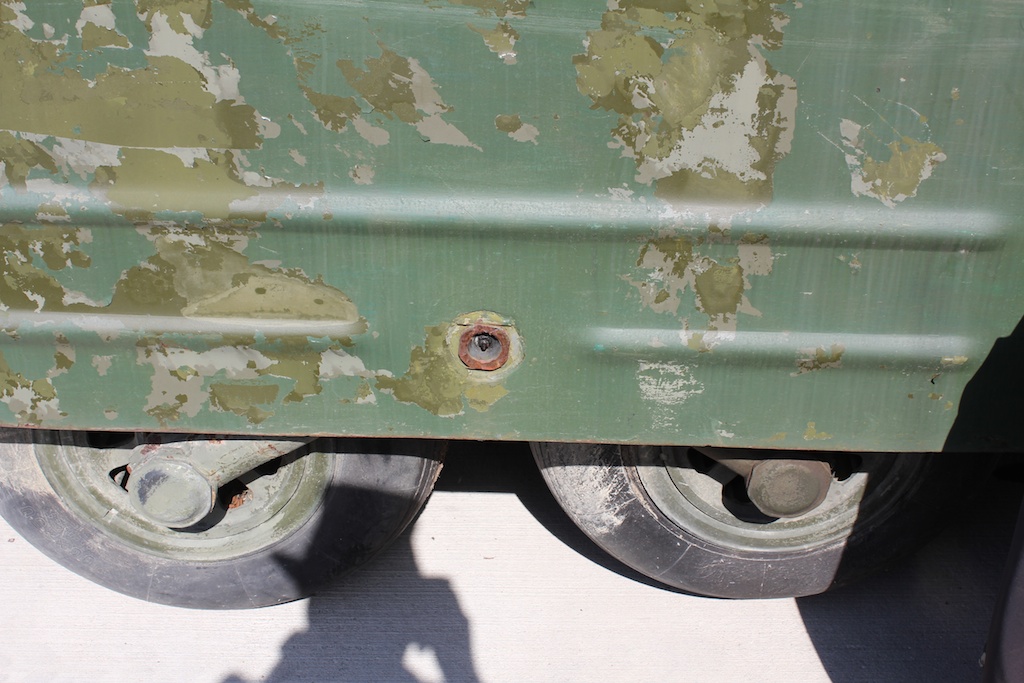
To assist with getting across ditches and rough terrain, the BRDM-2 has two pairs of chain-drivenbelly wheels in the centre beneath the vehicle.

.

Harvey Black 100

These can be lowered by the driver when needed.

.

.

I hope this has given you a further insight into what kit was around during the Cold War. On this occasion, it is Soviet. The equipment Photographs and Blog are copyrighted to Harvey Black.

. HarveyBlack-Red Effect150313

‘The Red Effect’ by Harvey Black – Kindle and Paperback version out now! The Cold War that became a Hot War. 

.

TBE revised - FOR SCREEN-1

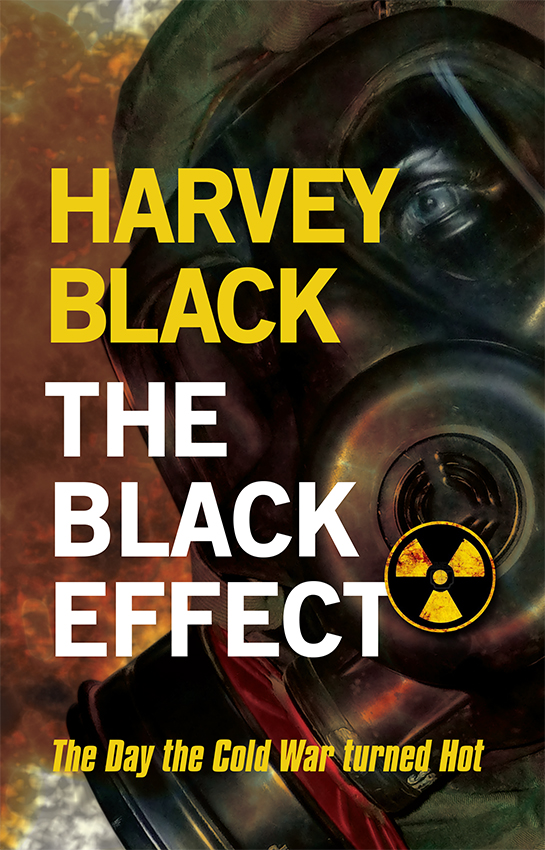
The Black Effect – Kindle and Paperback now out.