Barbarossa, Germany’s invasion of the Soviet Union. Part 3

I have just finished writing my third novel in the Devils with Wings series, Devils with Wings: Frozen Sun. The Fallschirmjager, after their successful battle taking Crete in only 10 days, are shipped to Poland to partake in Operation Barbarossa, the German invasion of the Soviet Union.

They leave temperatures in excess of forty degrees to be used, not in an airborne operation, but as a fire brigade, plugging gaps in the line around Leningrad. They were Army Group North’s strategic reserve.  They were quickly placed into the fray, fighting along the River Neva, where temperatures dropped to below -30 degrees, sometimes as low as -40. They were successful at plugging the gaps and preventing the Soviet Union from exploiting their bridgeheads over the River Neva, but at a price. Some units suffered up to 75% casualties. Many who had survived the assault on the Fortress Eben Emael, (Devils with Wings) and the fierce fighting on the Island of Crete (Devils with Wings: Silk Drop) met their fate in this bitter struggle with the atrocious weather and the never ending Soviet hordes.

The German Army, and the Fallschirmjager, were soon to experience the hostile Russian winters.

During the period of the 23rd – 27th June 1941, a major tank battle was fought between elements of General Hoepner’s 4th Panzer Group and the Russian 3rd Mechanised Corps, commanded by Major General Kurkin and the Russian 12th Mechanised Corps commanded by Major General Shestapolov.

4th Panzer Group advanced in two spearheads and broke through to the River Dubysa and Colonel General Kutznetsov ordered the two mechanised corps to take up counterattack positions ready to hit the German flanks.

By the end of the 22nd June, the German armour had penetrated 80 kilometres in their drive towards Leningrad. The next day, near a town called Raseiniai, Kutznetsov ordered his tanks to attack. Unfortunately for him, the Luftwaffe had detected the Russian armour and JU 88’s from Luftflotte 1 destroyed 40 vehicles, tanks and lorries. The battle lasted for 4 days, but he was eventually defeated.

It was here the German Army came across the KV heavy tanks for the first time, the Panzer 35(t) tanks and anti-tank weapons were practically ineffective against them. Below is a KV heavy tank.

Some of the types of equipment used in this biggest ever invasion of a country are shown below. Most of the photographs were taken at the Bovington Tank Museum.

Heavy Tank KV-1B. The tank that surprised the German Army.

.
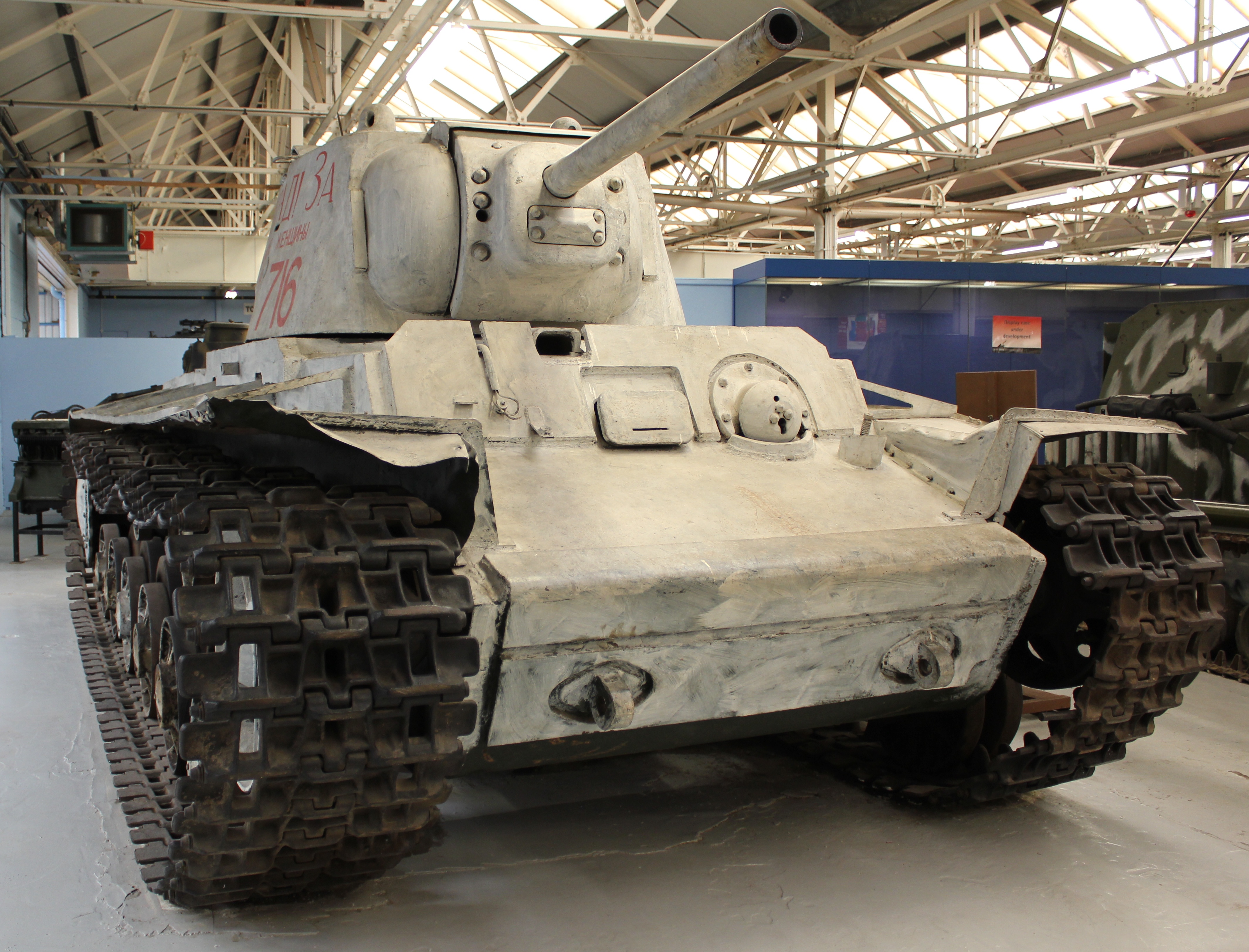
Armour 106mm, weighing 47 tons.

.

One 76.2mm main gun with 3 x 7.62mm MGs.

.

Large, crude, but very effective. Speed 34kph.

.

StuG III Ausf G. 

.

Built on the chassis of the Panzer III tank. 24 tons.

.
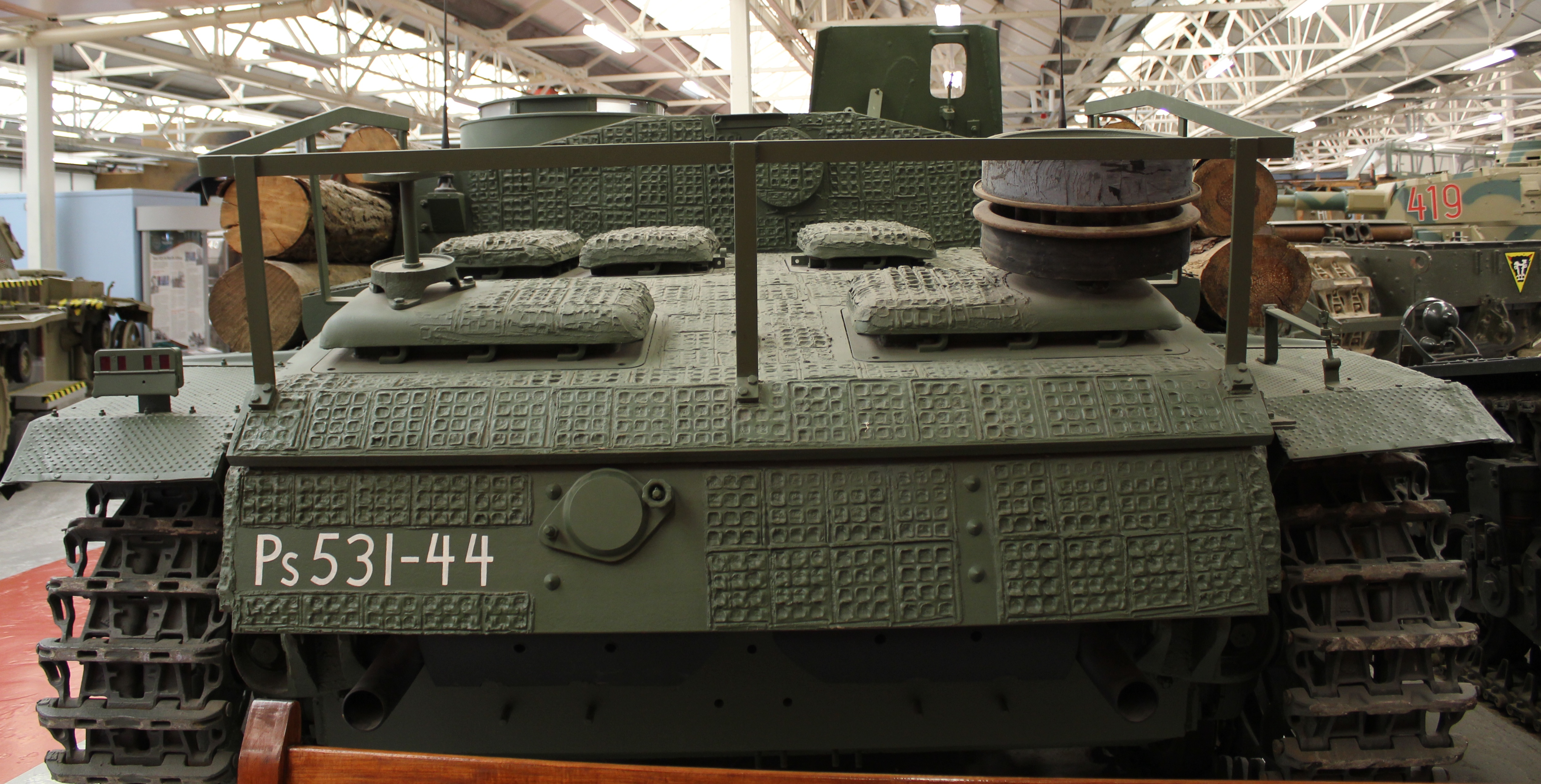
Originally designed to fulfil an infantry support role..

.

Crew of 4, top speed of  40kph.

.
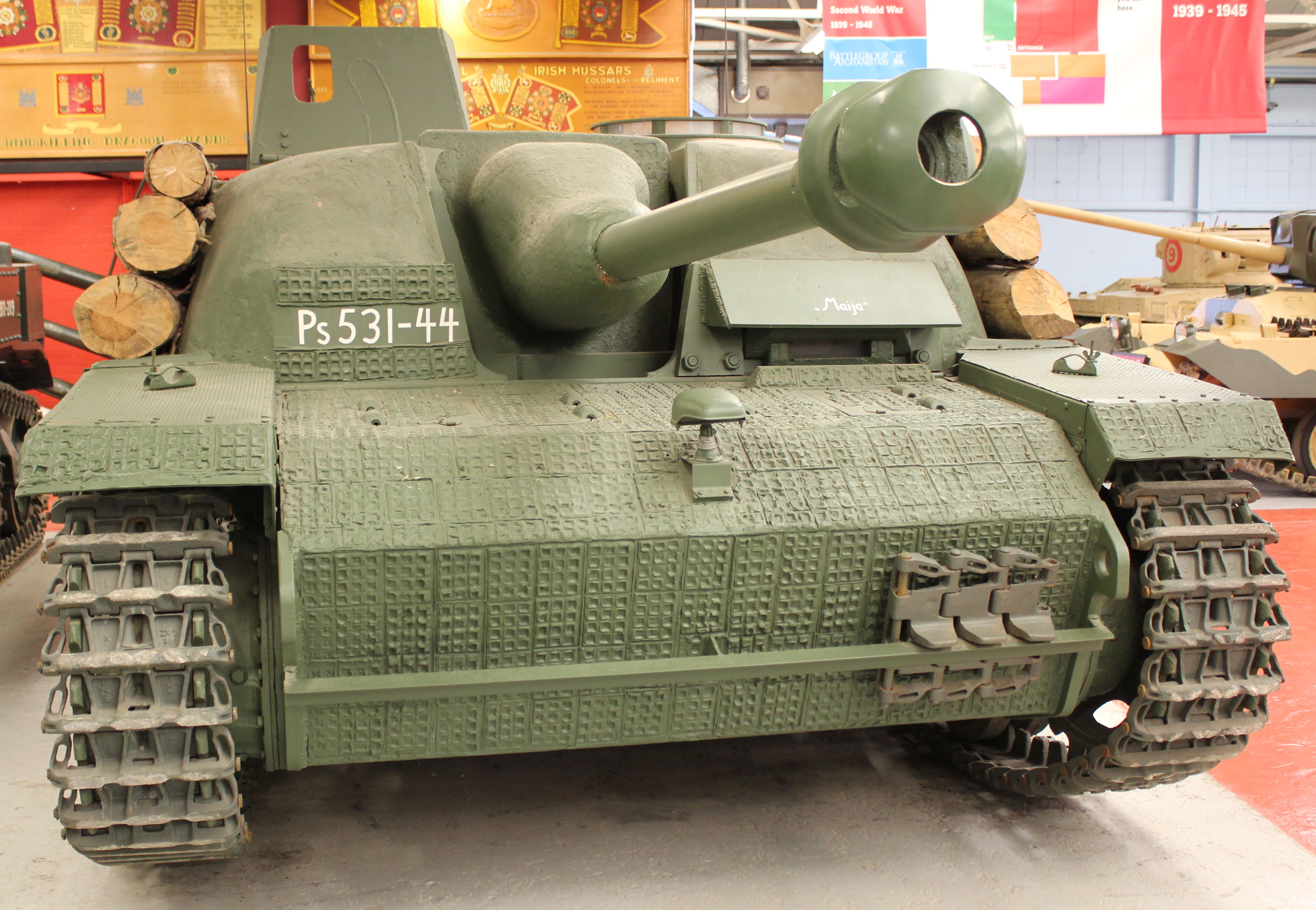
To combat the larger Russian tanks, such as the KV and T-34, it was later fitted with a high velocity 75mm stuck 40 L/43 gun.

.

The German Army later had its own large tanks. Jagdtiger – Tank Destroyer.

.
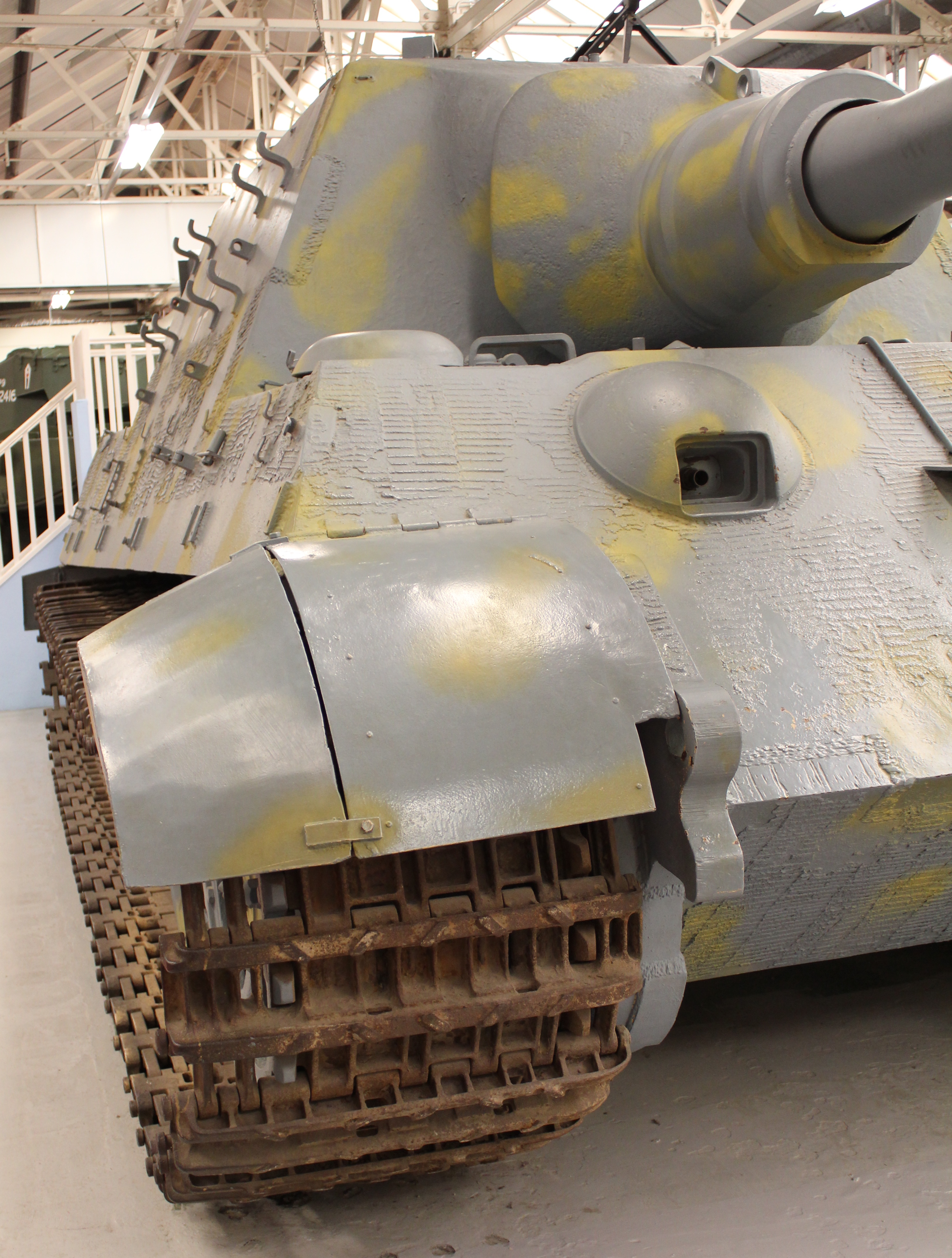
Jagdtiger SdKfz 186.  The official German designation was Panzerjager Tiger Ausf B

.

Weighing 71.7 tons with a top speed of 34kph.

.
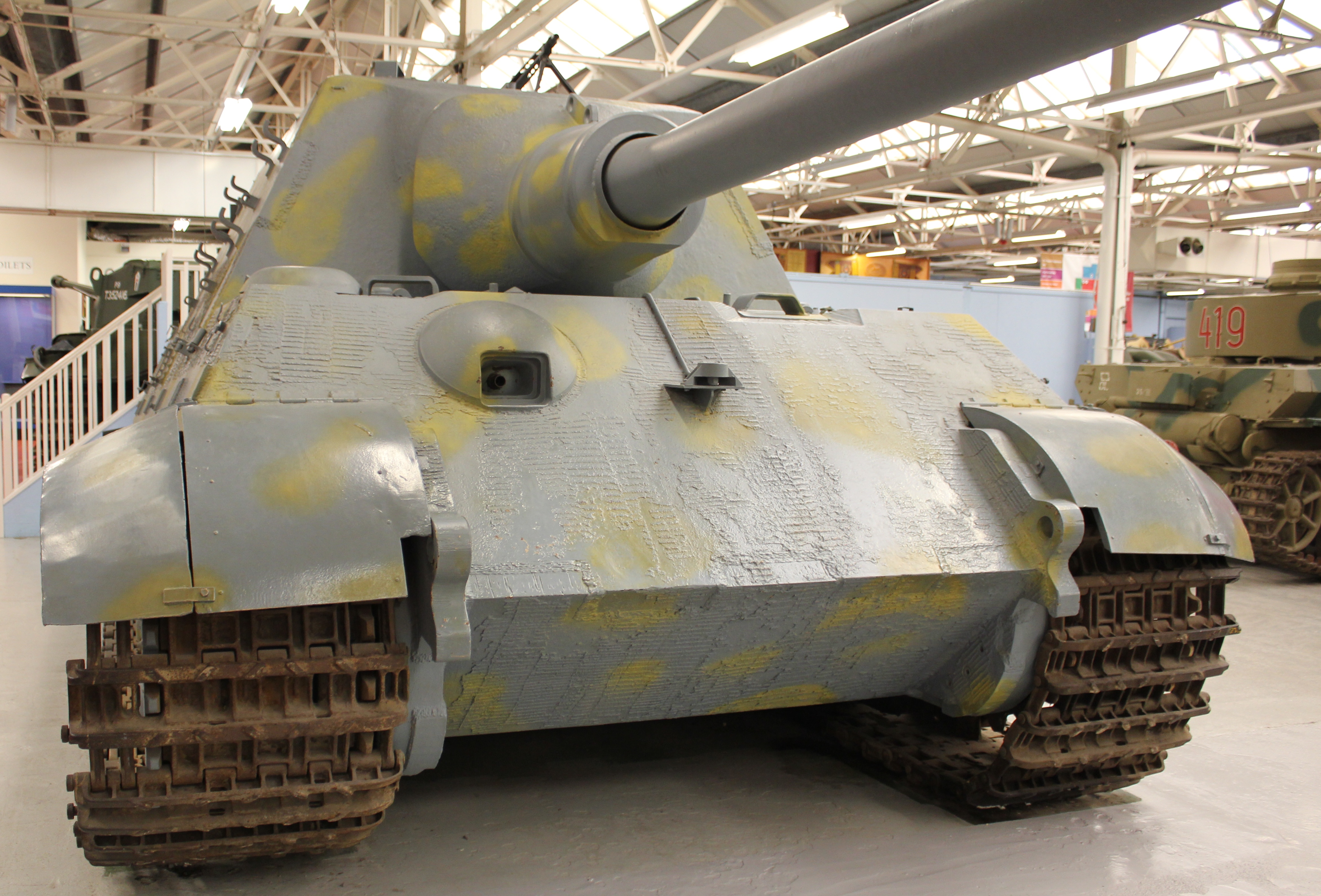
250mm of armour and a 128mm PaK 44 L/55.

.

 V-12 Maybach engine with Henschel suspension. 

.

Tortoise, another massive self-propelled gun built at the end of the war, weighing 78 tons.

.
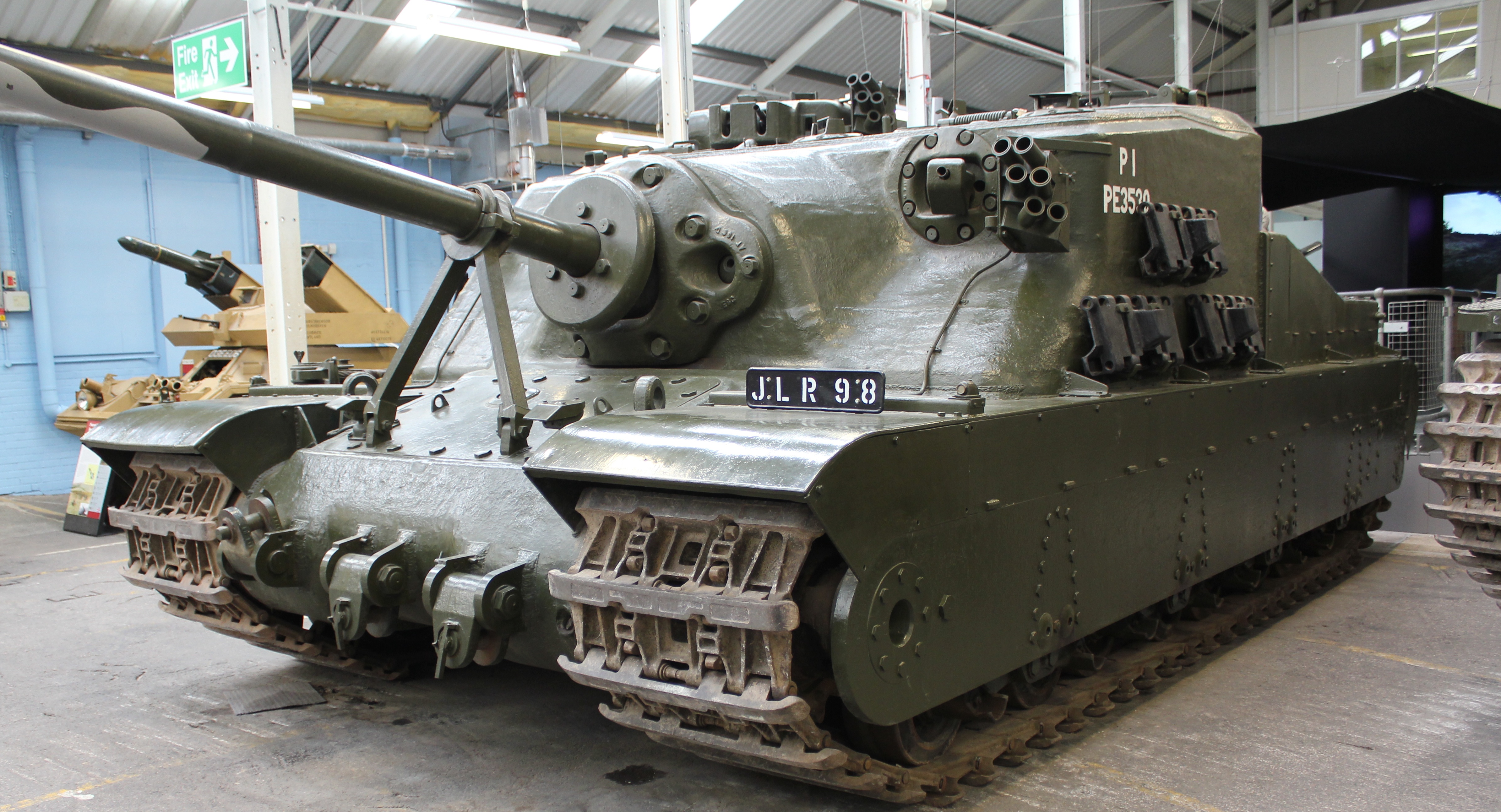
Armour thickness of 225mm, 94mm gun and a top speed of 19kph.

.

My intention is not to portray a particular message, but just share some of my photographs and information with you and help set the scene for my forthcoming novel.

Photographs are copyrighted to Harvey Black

Devils with Wings ref=sib_dp_kd

Devils with Wings: Silk drop ref=sib_dp_kd

Delhi to Katmandu, Part 4

In 2010, I went on an amazing trip, from Delhi to Katmandu. I just want to use this Post to share with you some of the photographs I took on the way. Both were amazing countries and India was particularly vibrant and exciting. Some of the photos were taken through vehicle windows, so i apologise for the poor quality.

I don’t propose to write very much, I am supposed to be editing my third novel,  Devils with Wings: Frozen Sun, and starting on my new ‘Cold War’ series. So please just enjoy the pictures.

The journey continues…

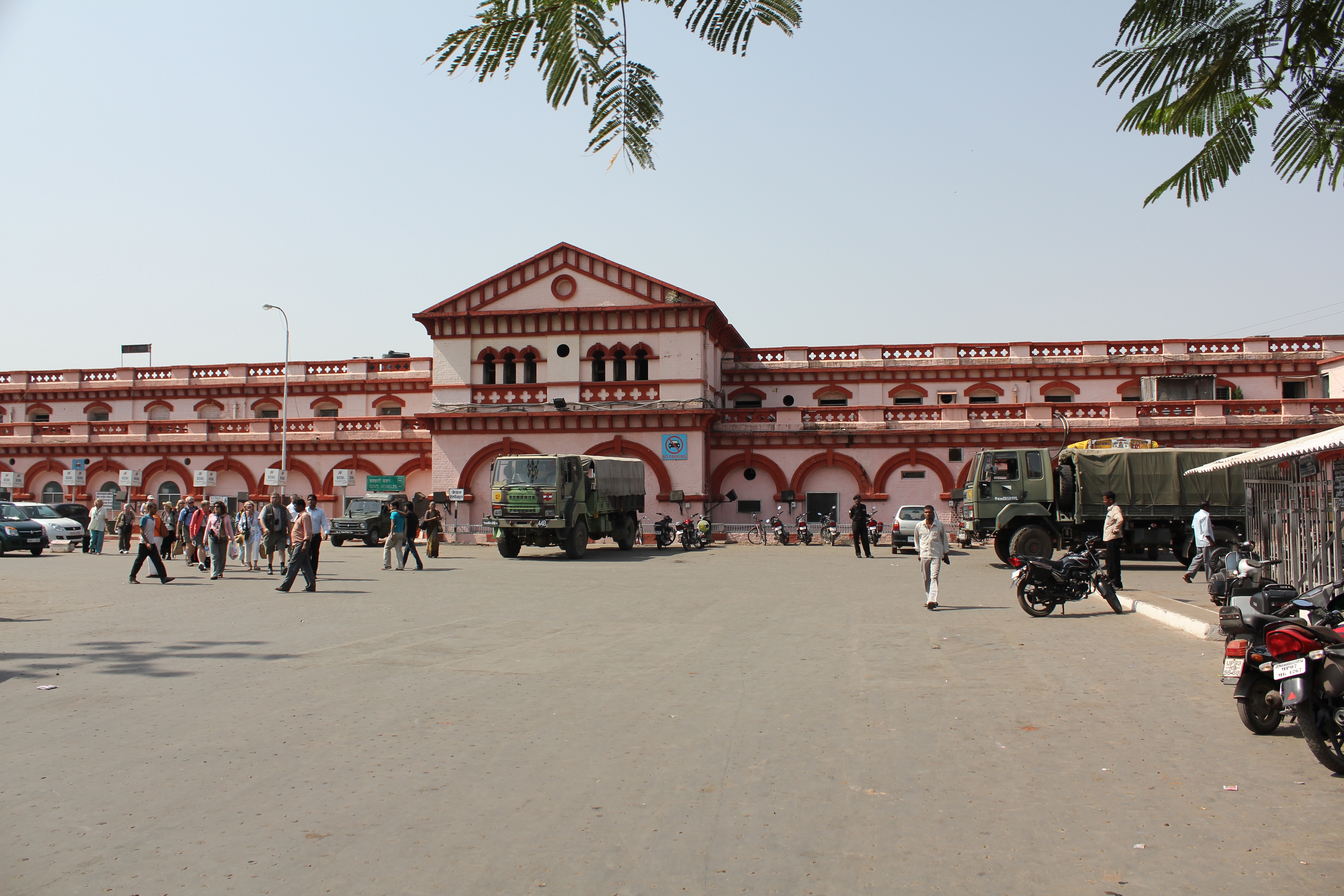
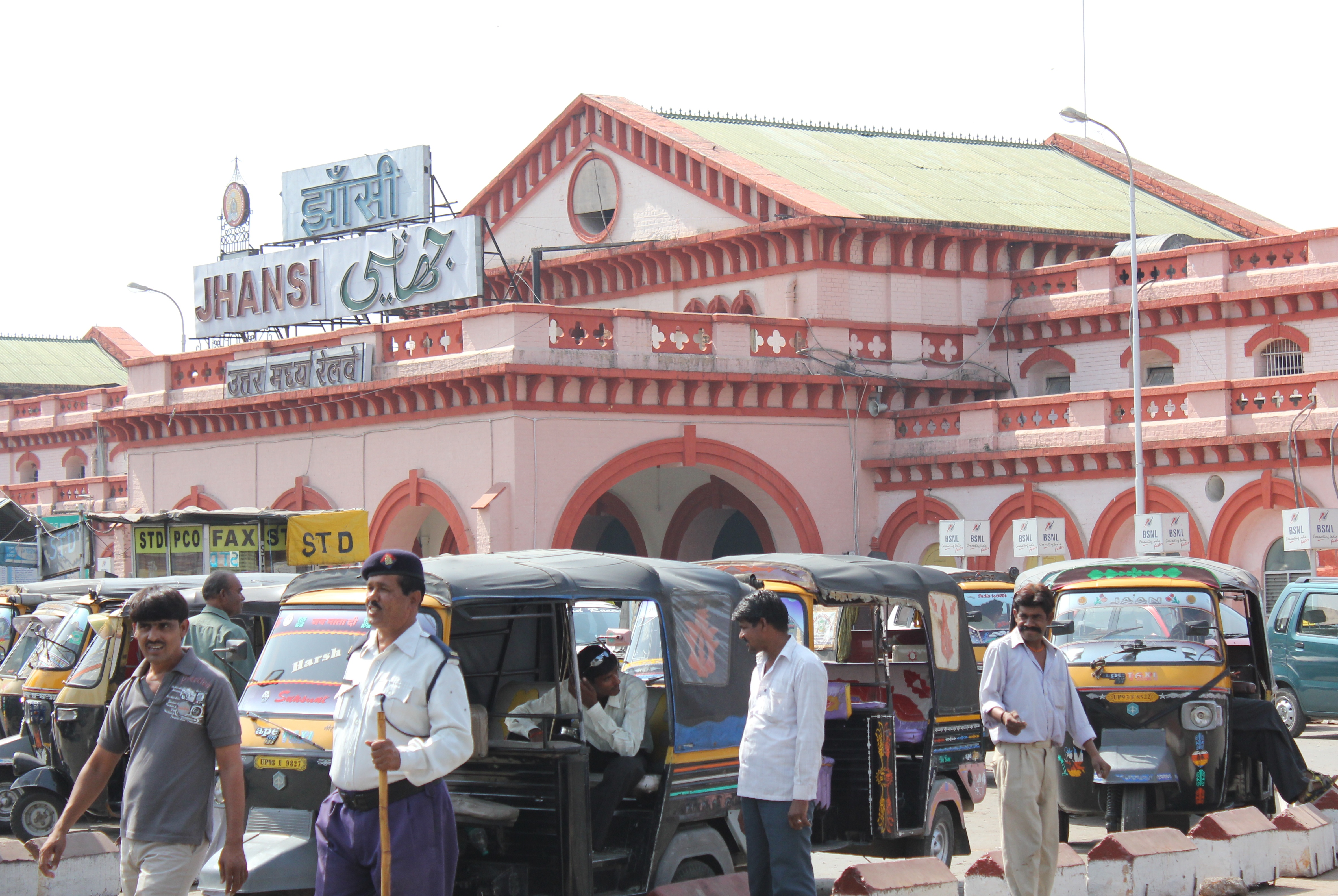
We started off from Agra’s railway station. Heading for Orchha, but stopping at Jhansi on the way. Just watching and being around the local population was fascinating and you were never bored. Even if you had a long wait, there was always something to catch your eye.

Saying goodbye to the Hotel at Jhansi, October 2010

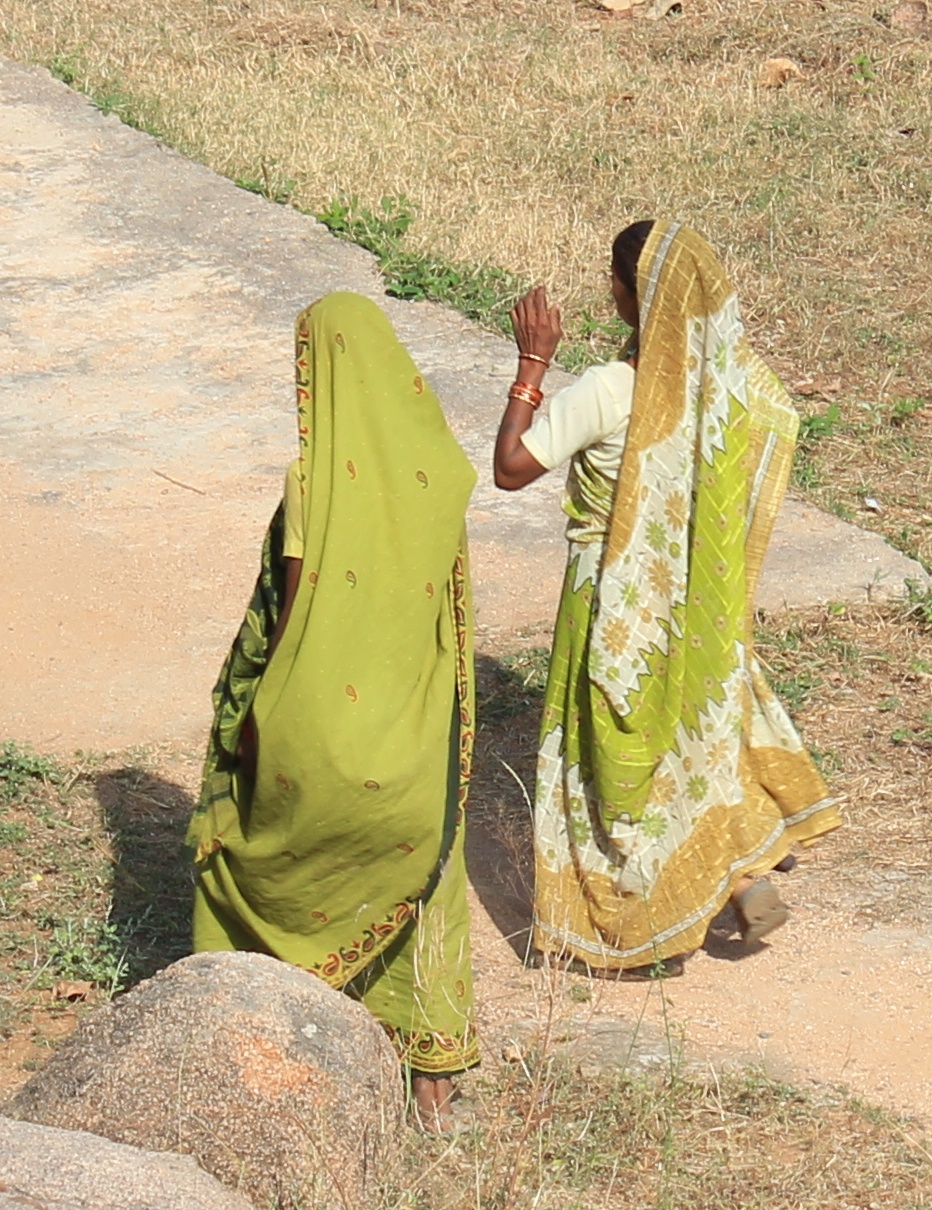
Some of the Hotel staff, beautiful outfits. October 2010.

Our next trip took us to Orchha, where we got to explore the town and visit Orchha Palace.

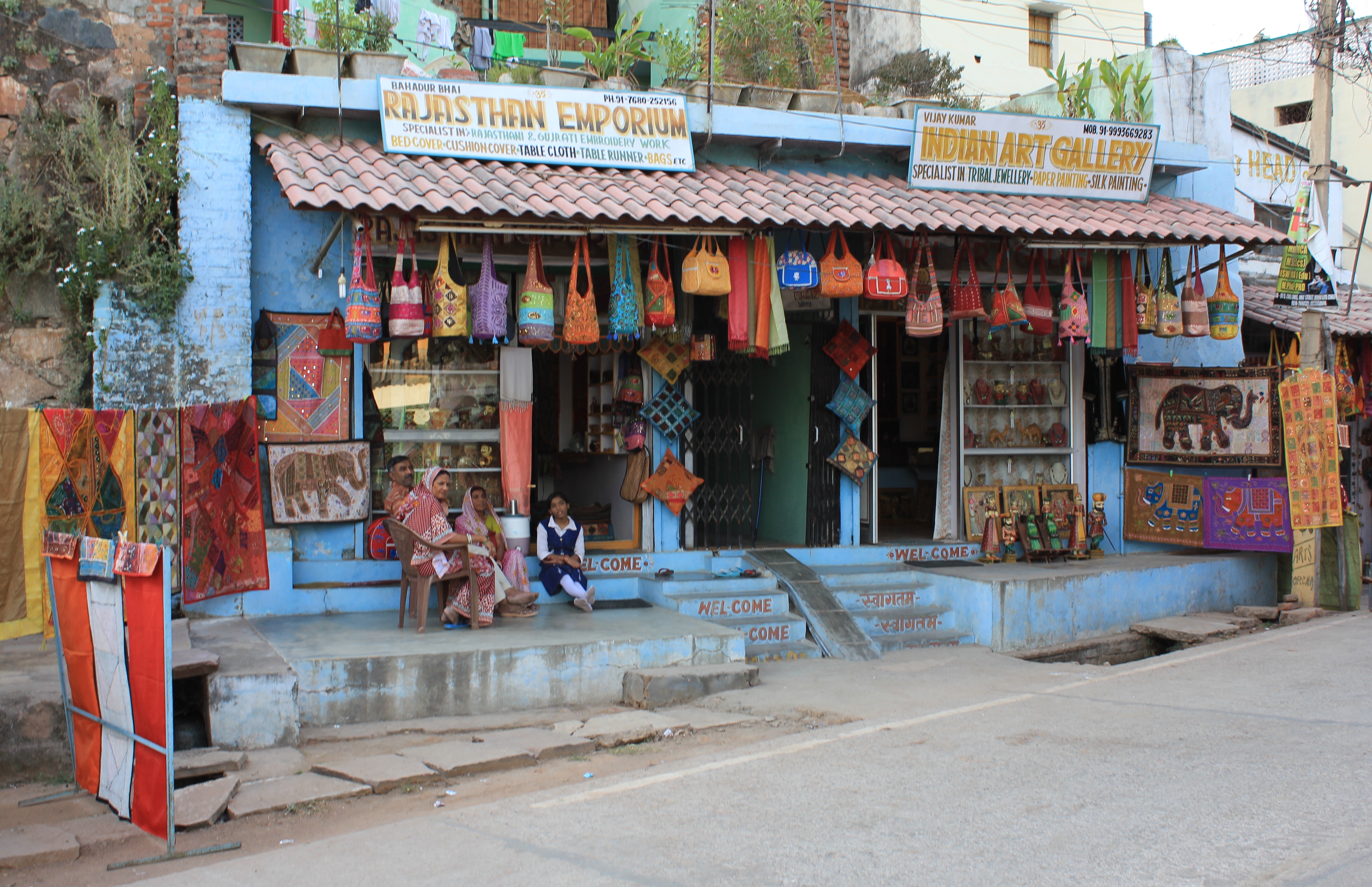
This is an Emporium, an Indian Art Gallery…October 2010

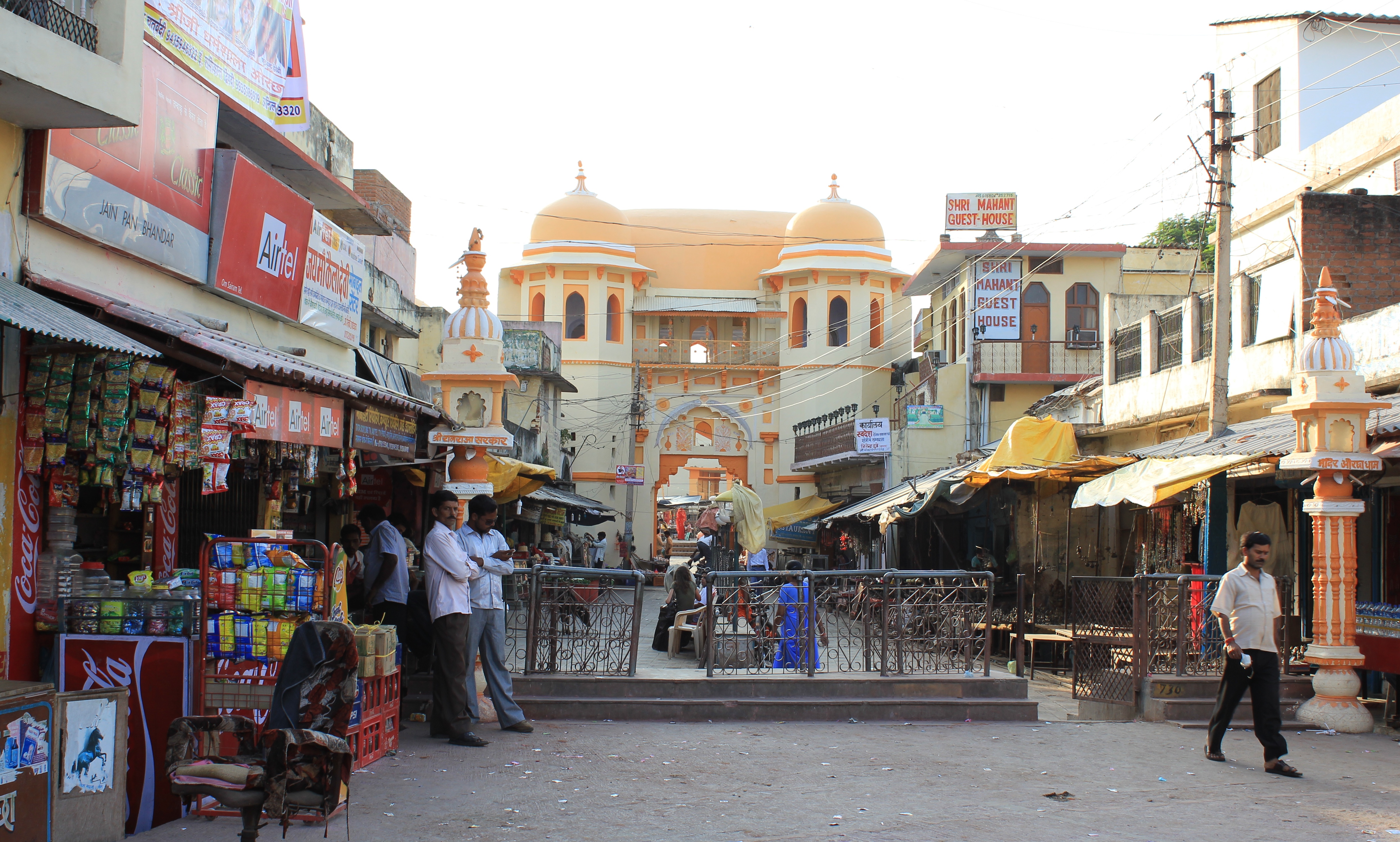
Orchha, a town in the Tikamgarh district of  Madhya Pradesh State. October 2010

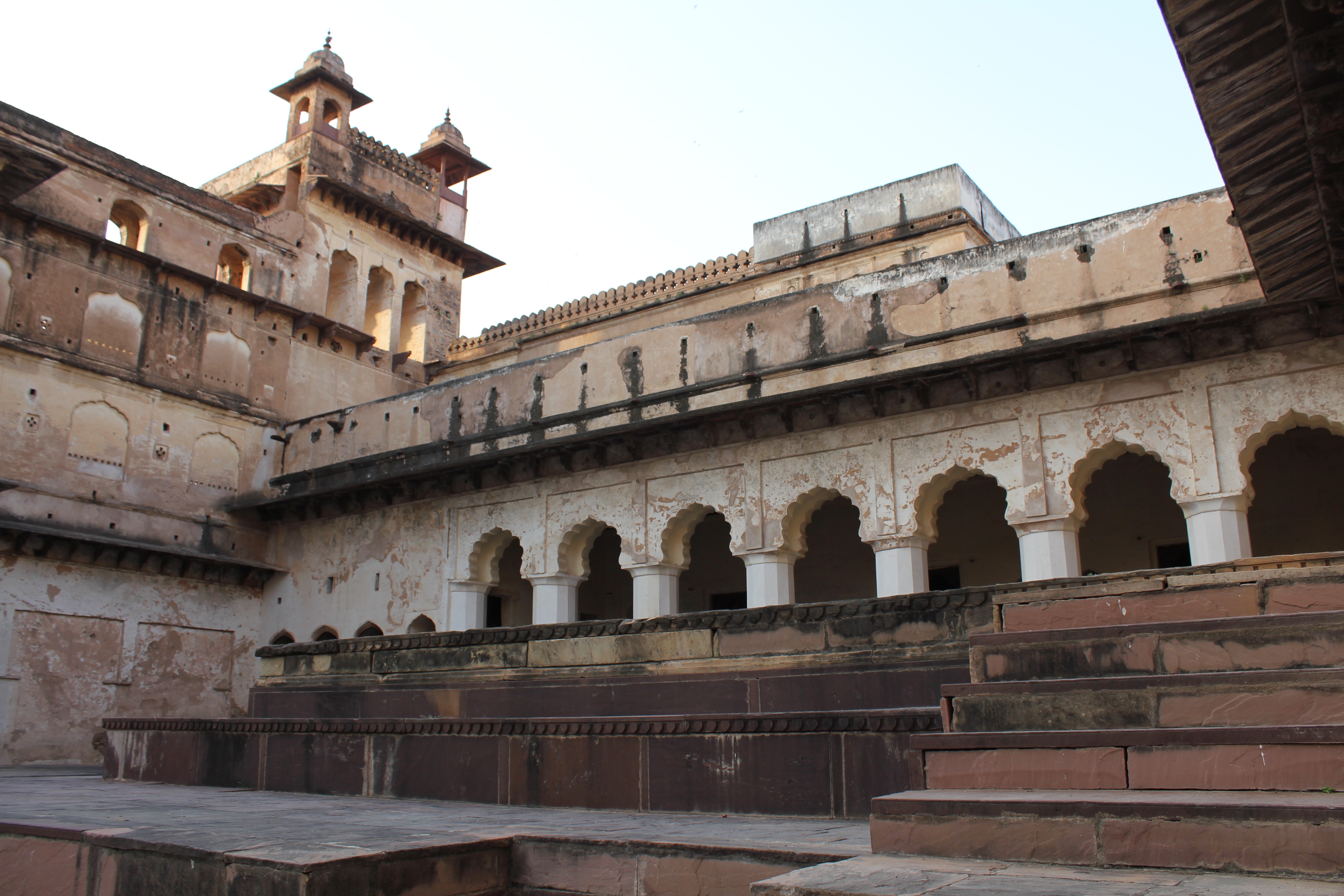
Orchha Palace. The town of Orchha was established by Maharaja Rudra Pratap Singh in 1501.

Orchha Palace. October 2010

He became the first King of Orchha, but died in an attempt to save a cow from a Lion.

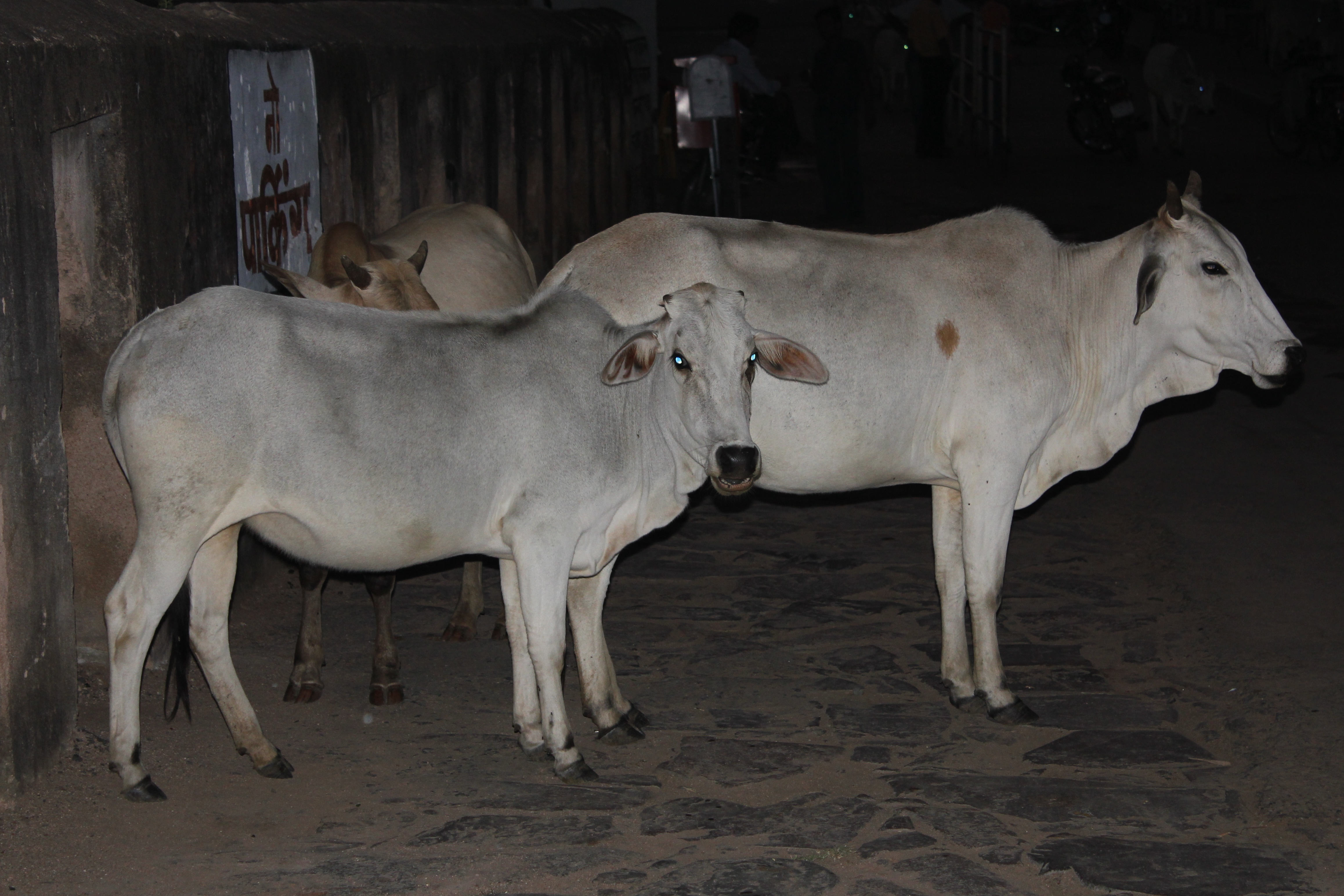
Such gentle creatures. Orchha October 2010.

Once inside, it was easy to find a toilet. A sign outside the toilet indicated that foreigners didn’t have to pay.  A couple of people stood in front of the sign, hiding it. Many went to the kiosk (well a table and two chairs outside) and paid. When i discovered this I went and go my money back. A good scam though.

Orchha Palace.  October 2010.


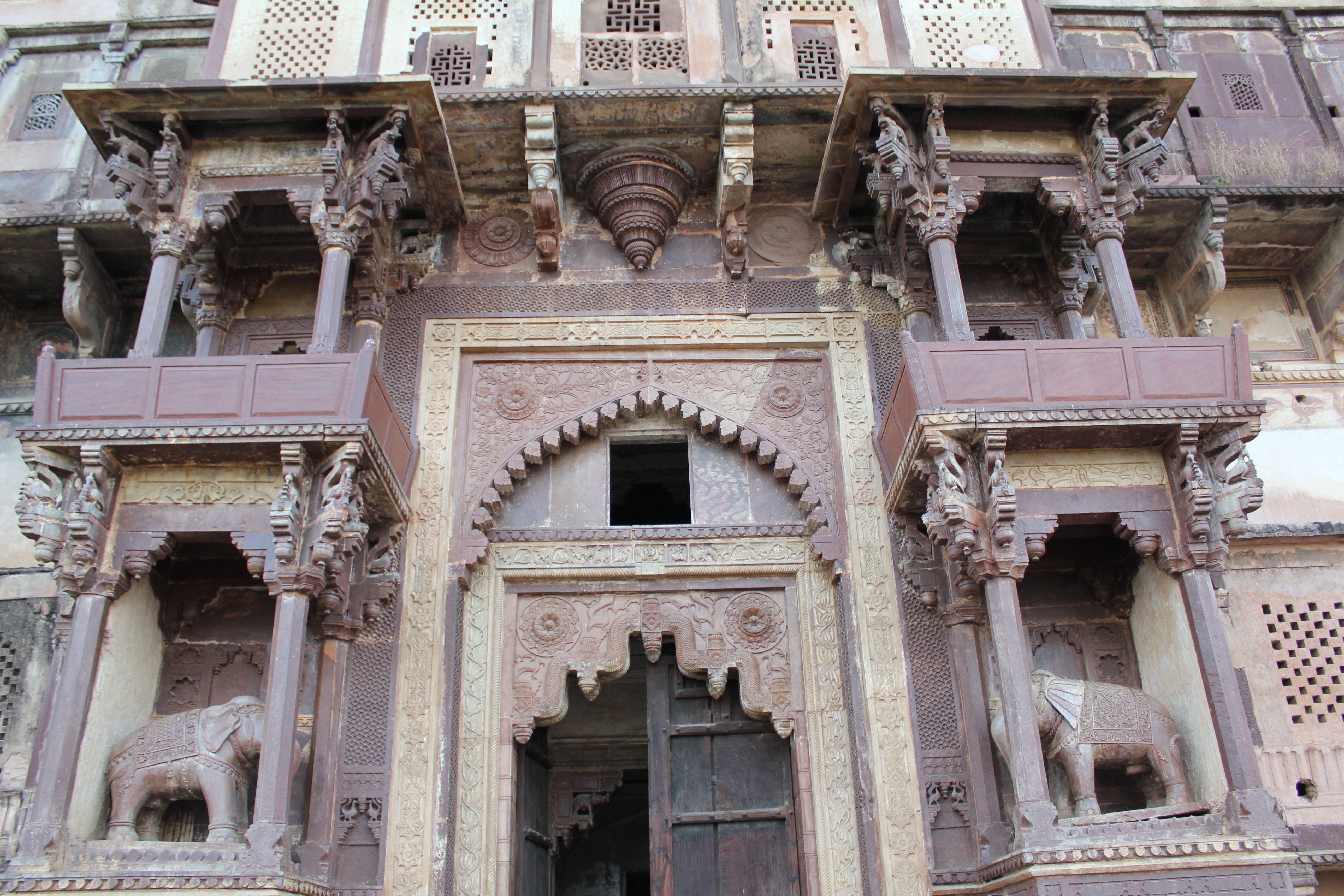
Orchha Palace. The palace-fort consists of several connected buildings built at different times. October 2010.

More of the palace-fort.

Within the fort complex is the Raaj Mahal.

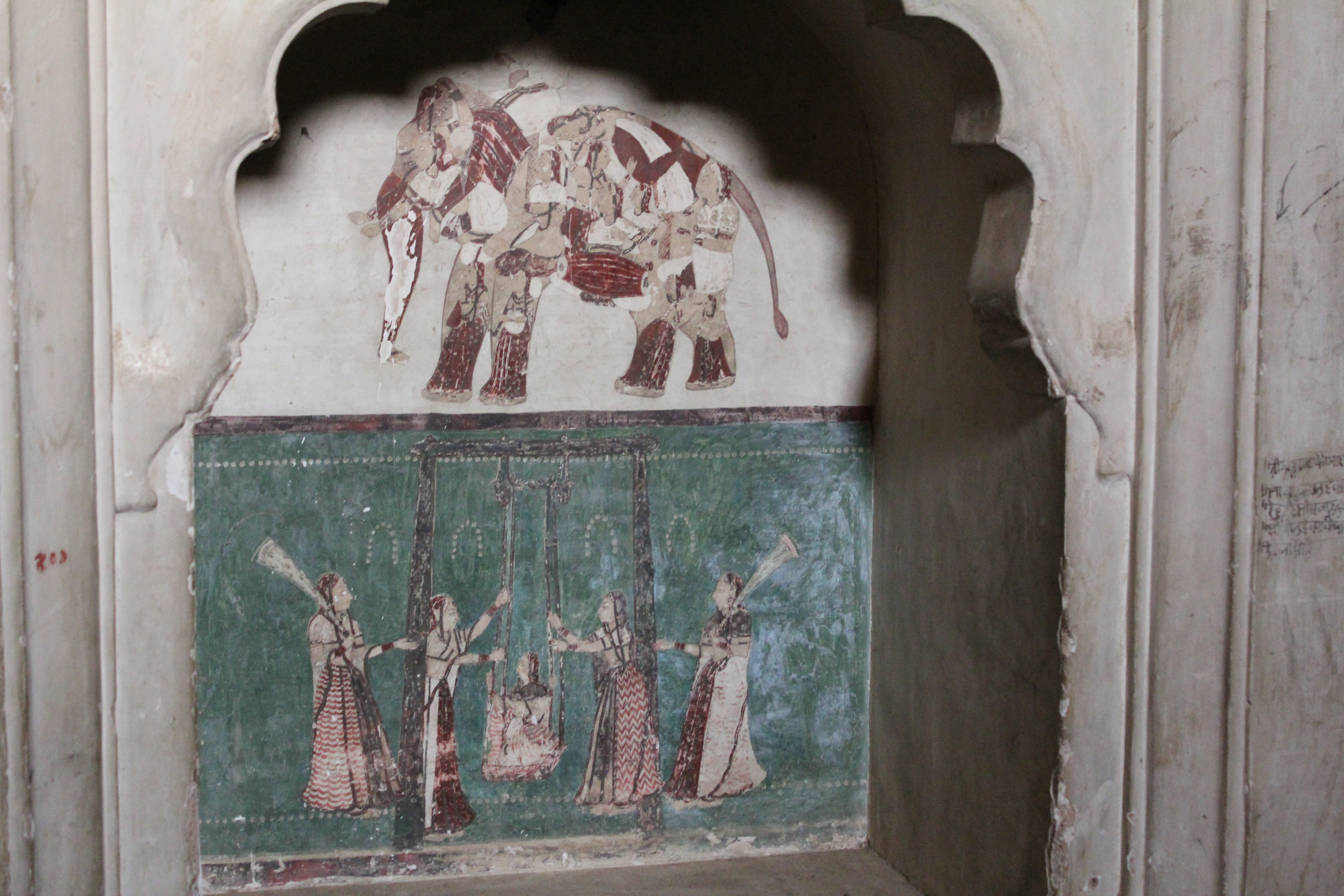
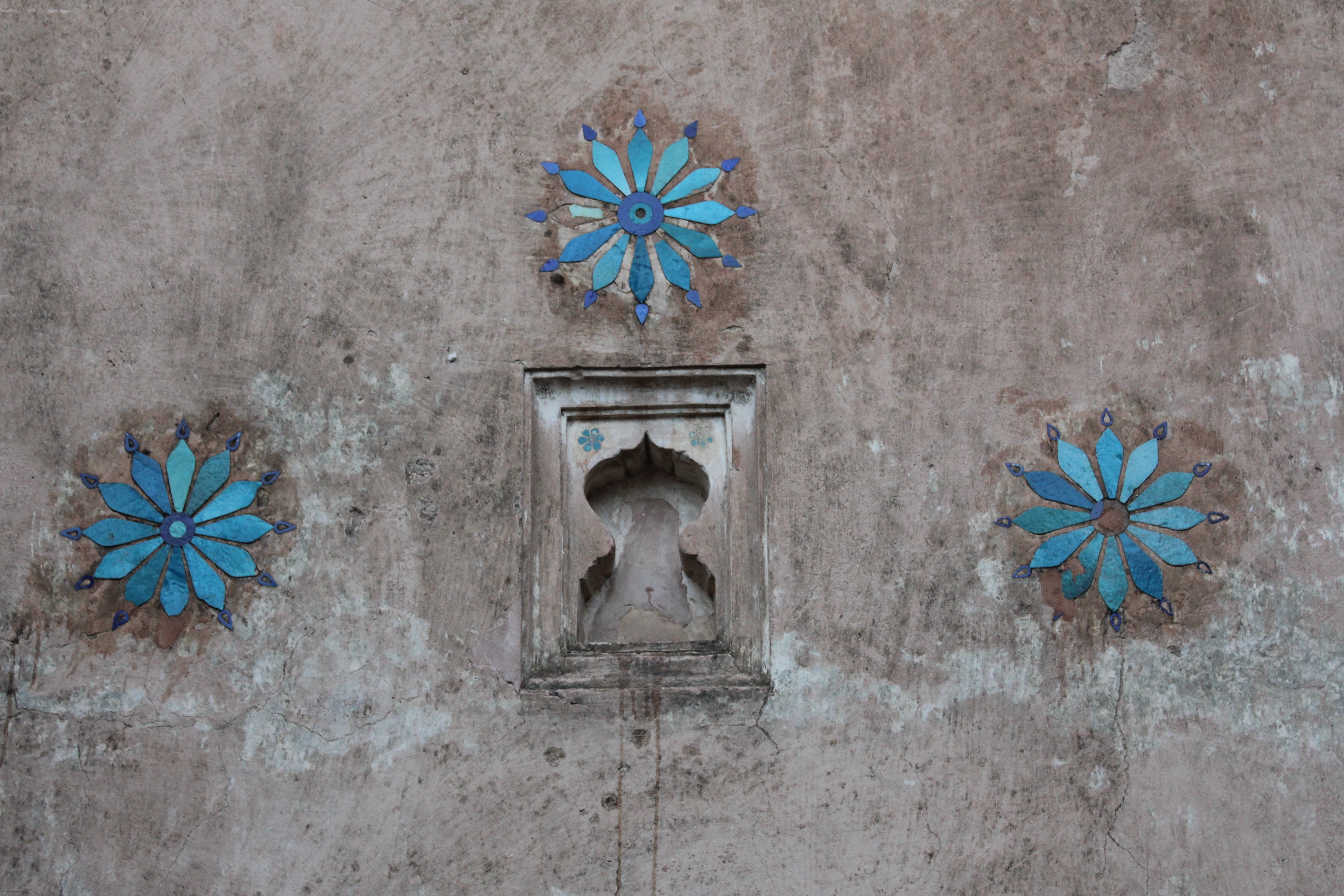
Religious murals in the Orchha palace-fort. October 2010.

I found the murals breathtaking, the photos don’t do them justice.

Palace-fort

Palace-fort

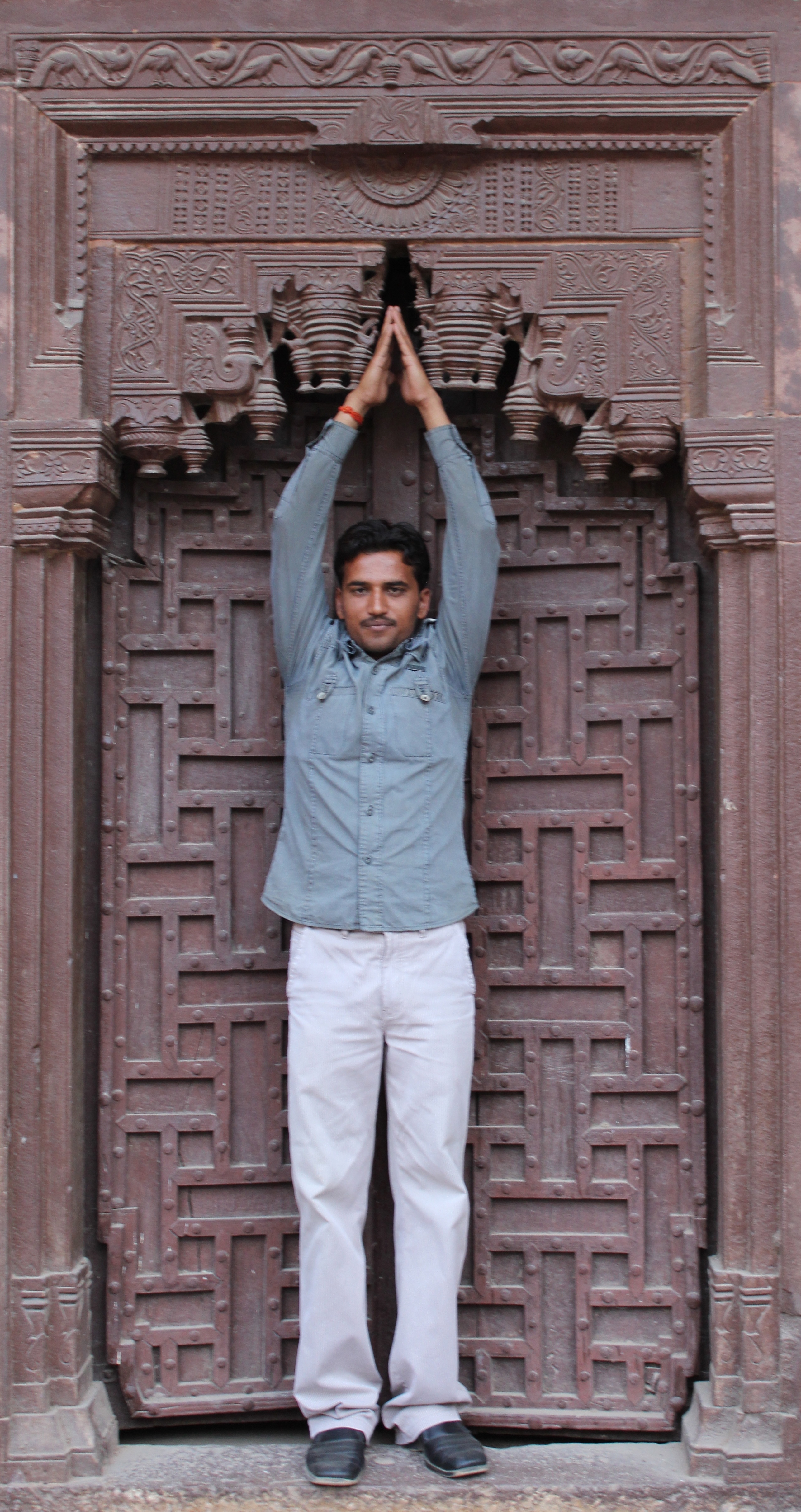
One of our guides demonstrating the purpose of the doorway’s particular design. Used for prayer.

Palace-fort

A photographers dream.

An indication of its size.

More detail. Orchha Palace-fort. October 2010.

It was quite late by the time we finished the tour.

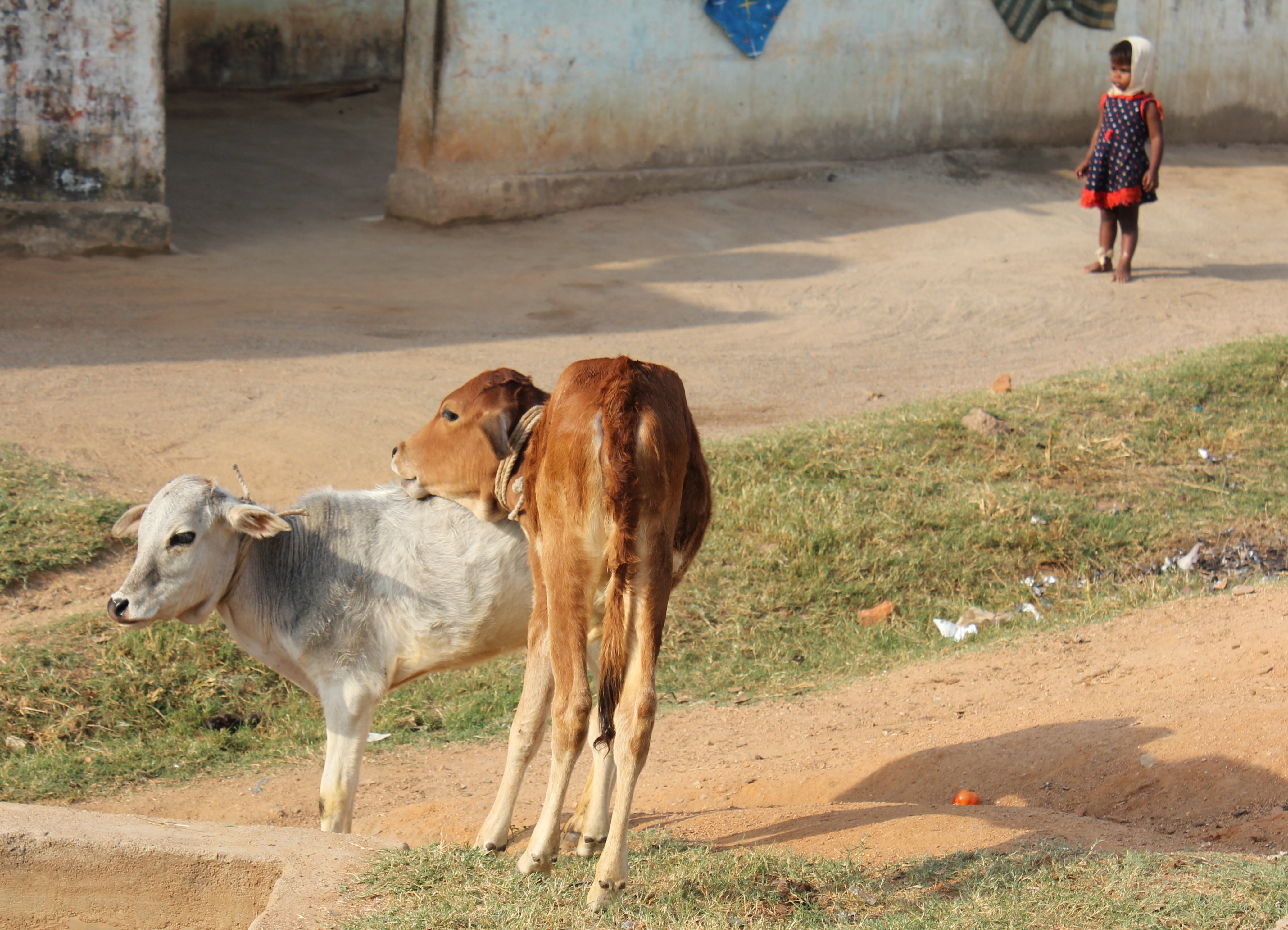
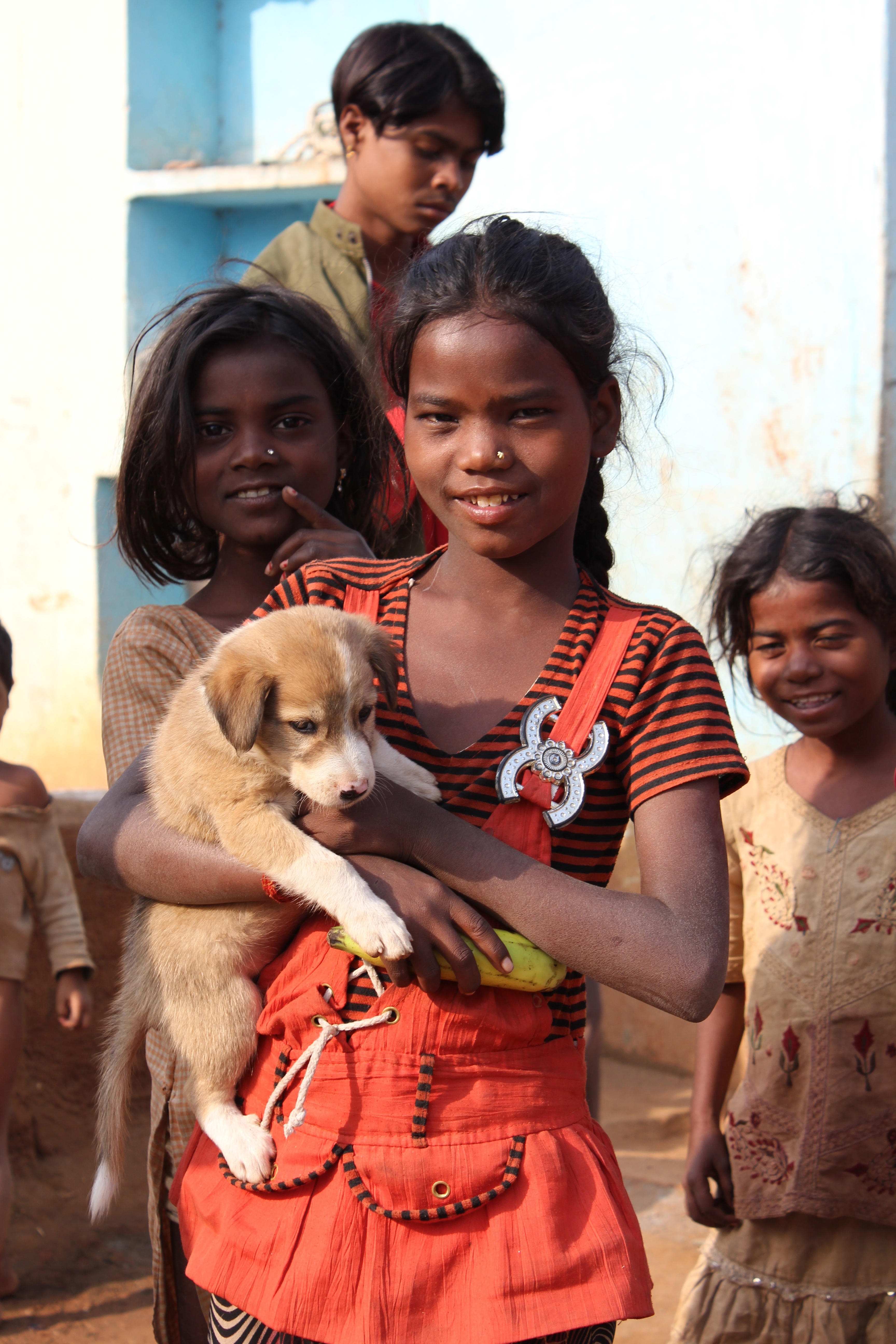
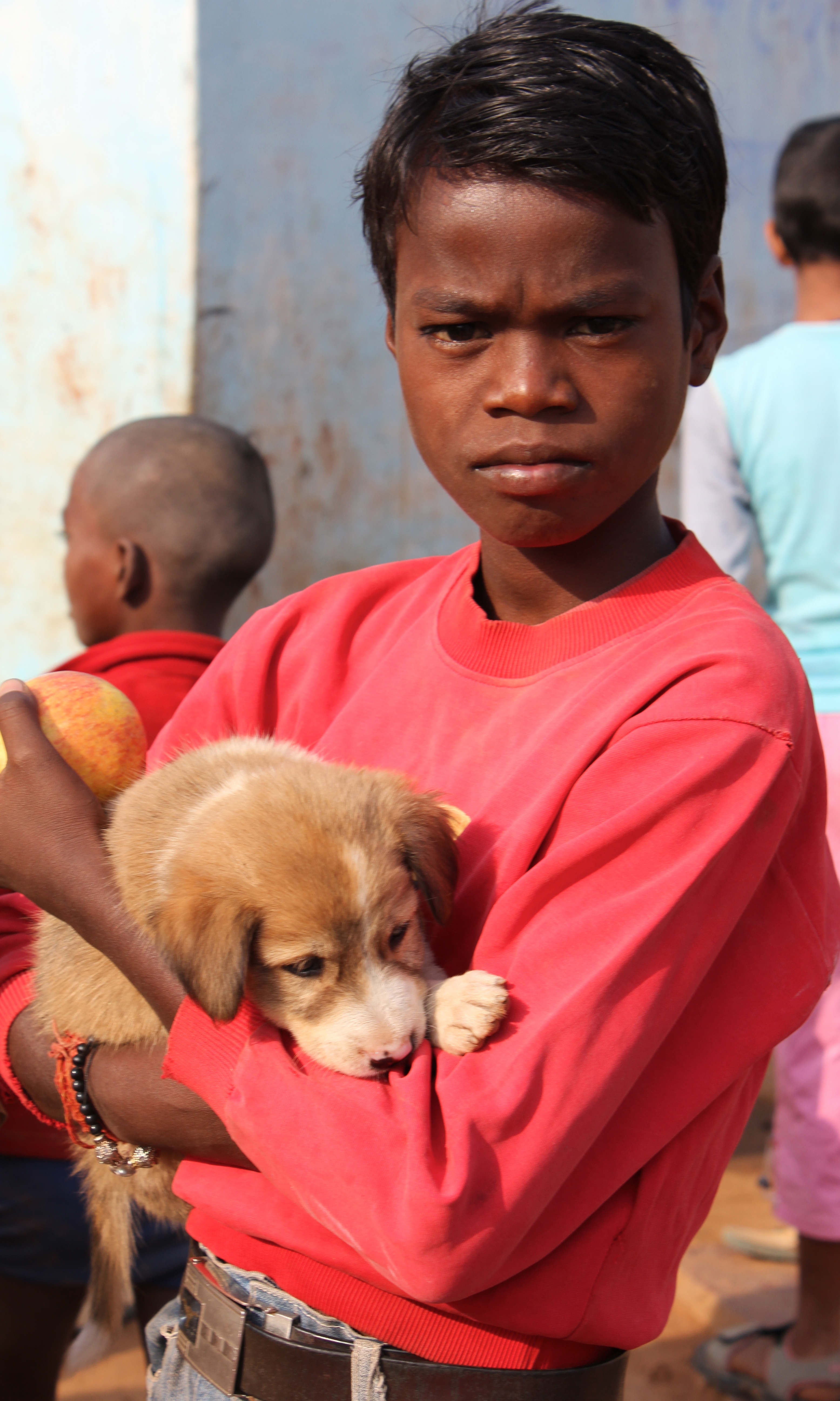
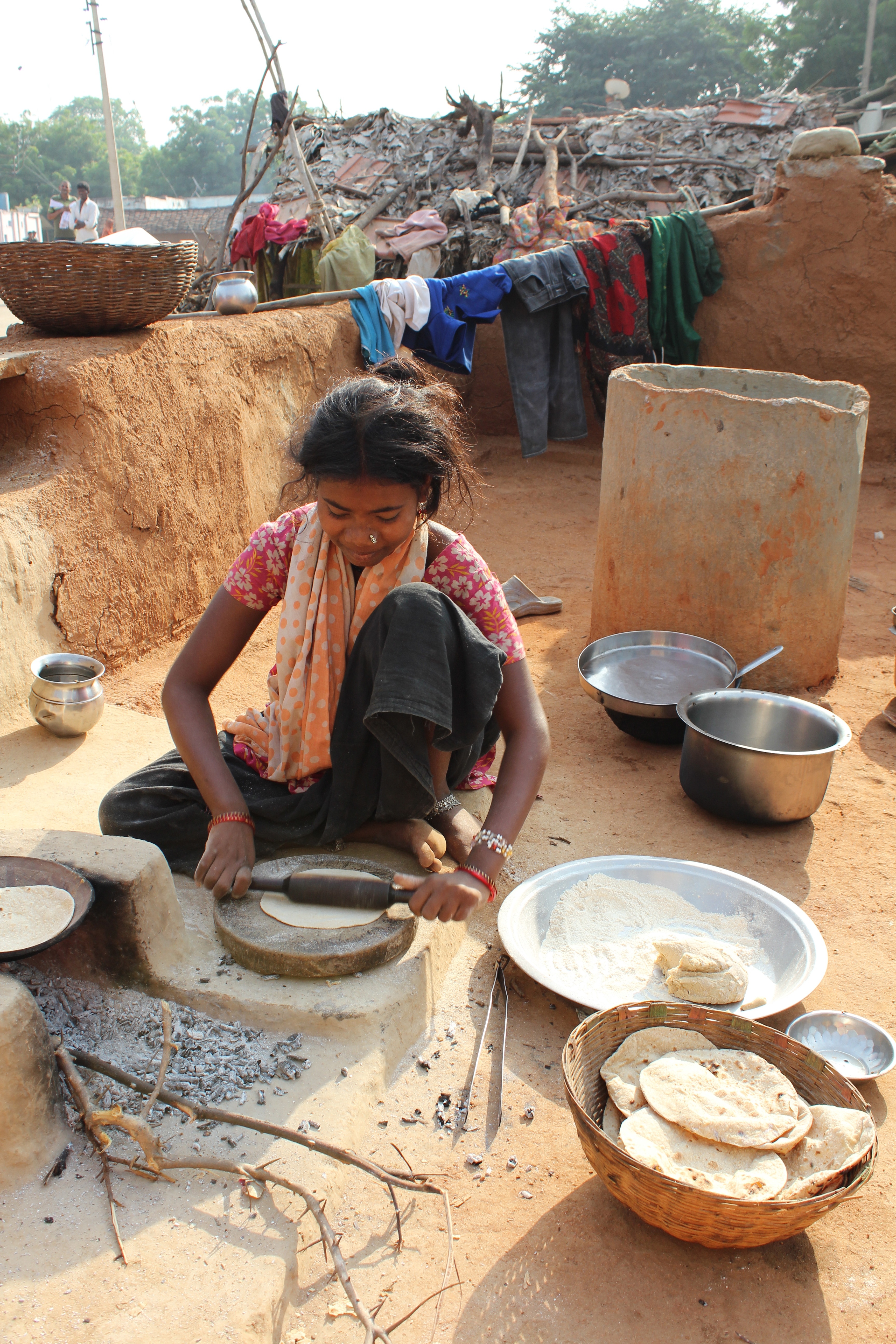
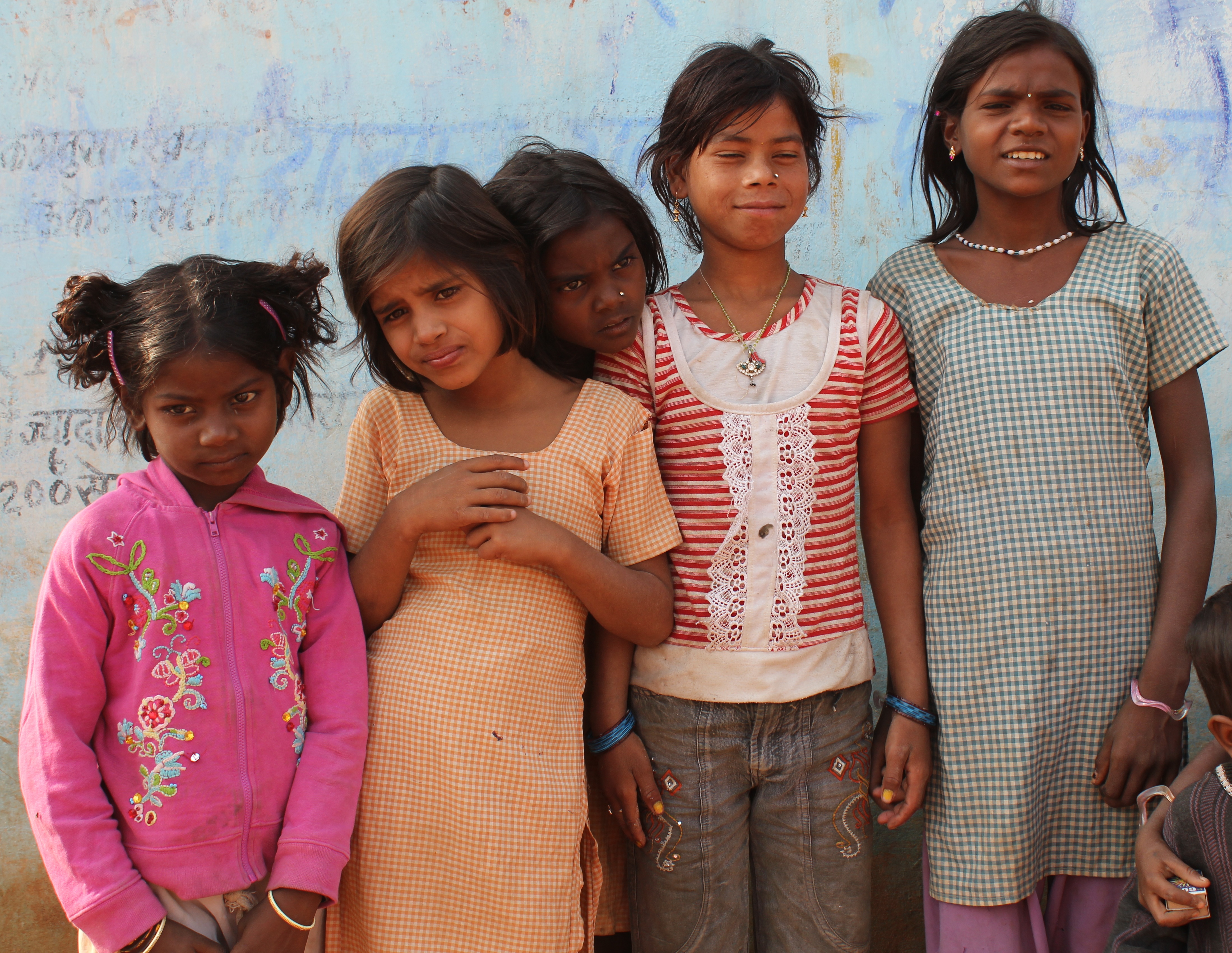
The next day our guide took us off piste to visit a local village.

Yes, they are cows.

They were friendly and pleased to see us.

They loved to look at the pictures on the camera afterwards and often asked for a second photo so they could pose.

Naan bread. beats anything you can get in the UK.

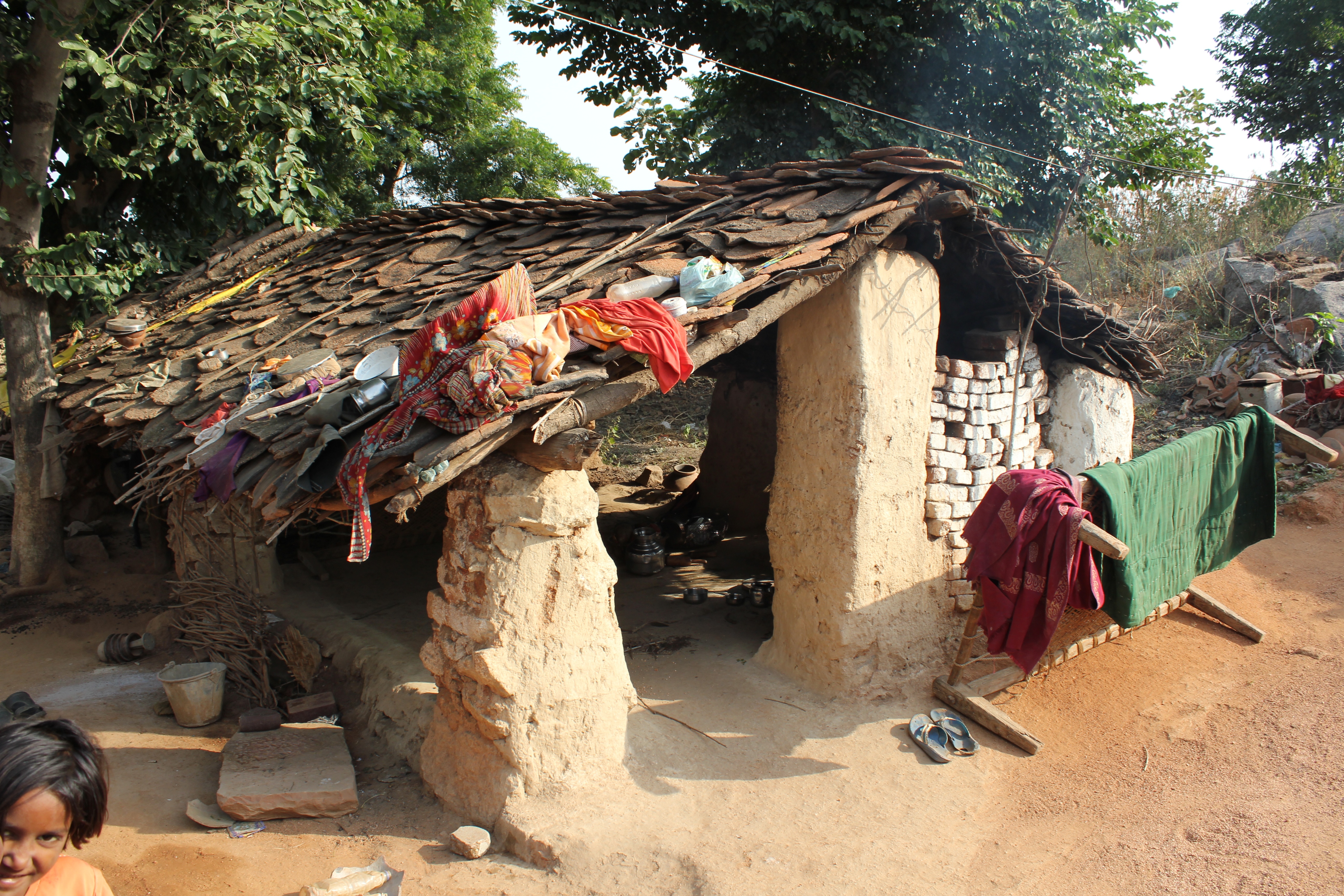
As poor as they were, they never seemed to stop smiling. They all appeared clean and smart.

One of the homes.

These small pots were used for a side order of olives or for wine.

Time to go, our journey taking us through the inner part of the village.

Back on the coach. On our way to the temples at Khajuraho and the famous kamasutra carvings.

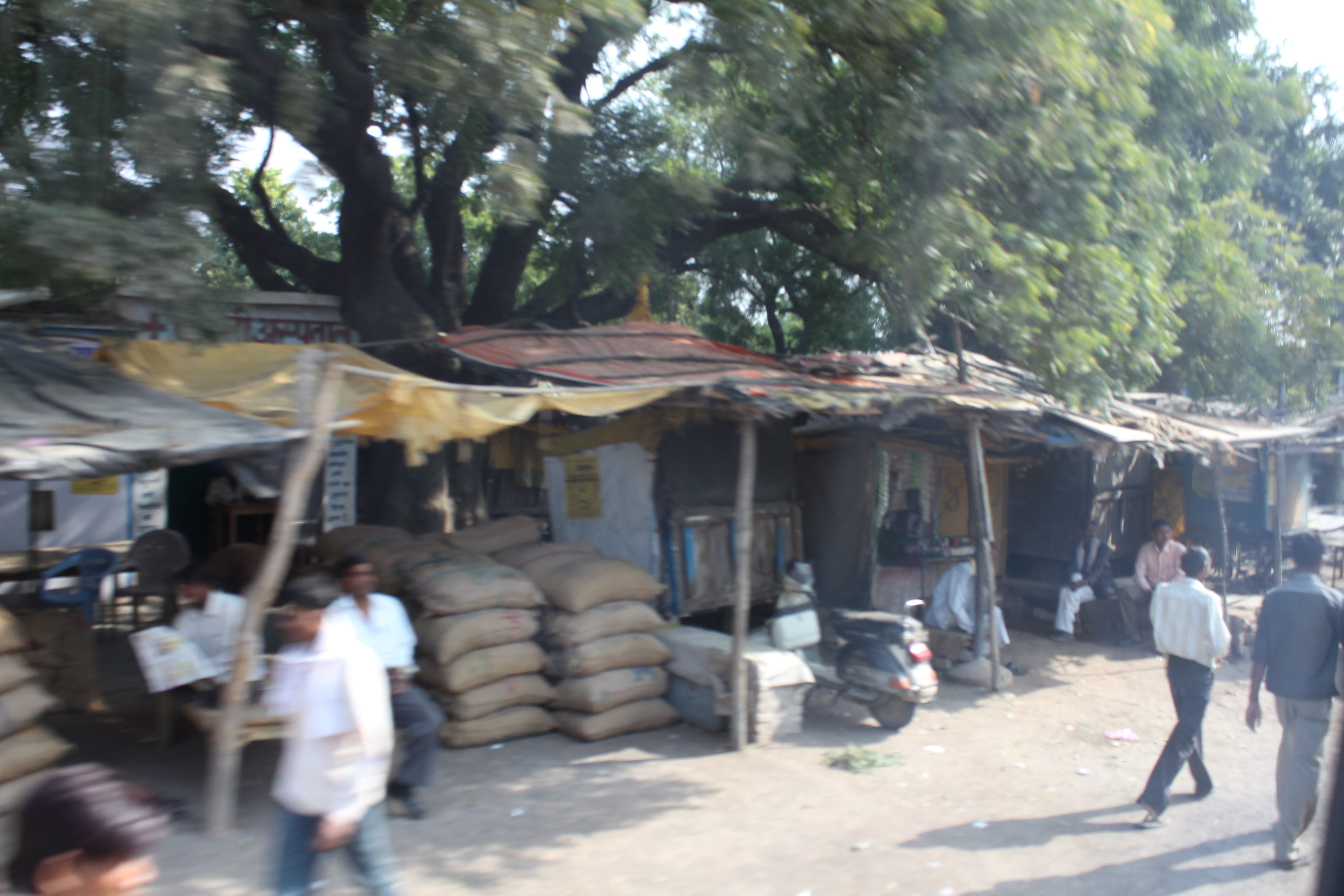
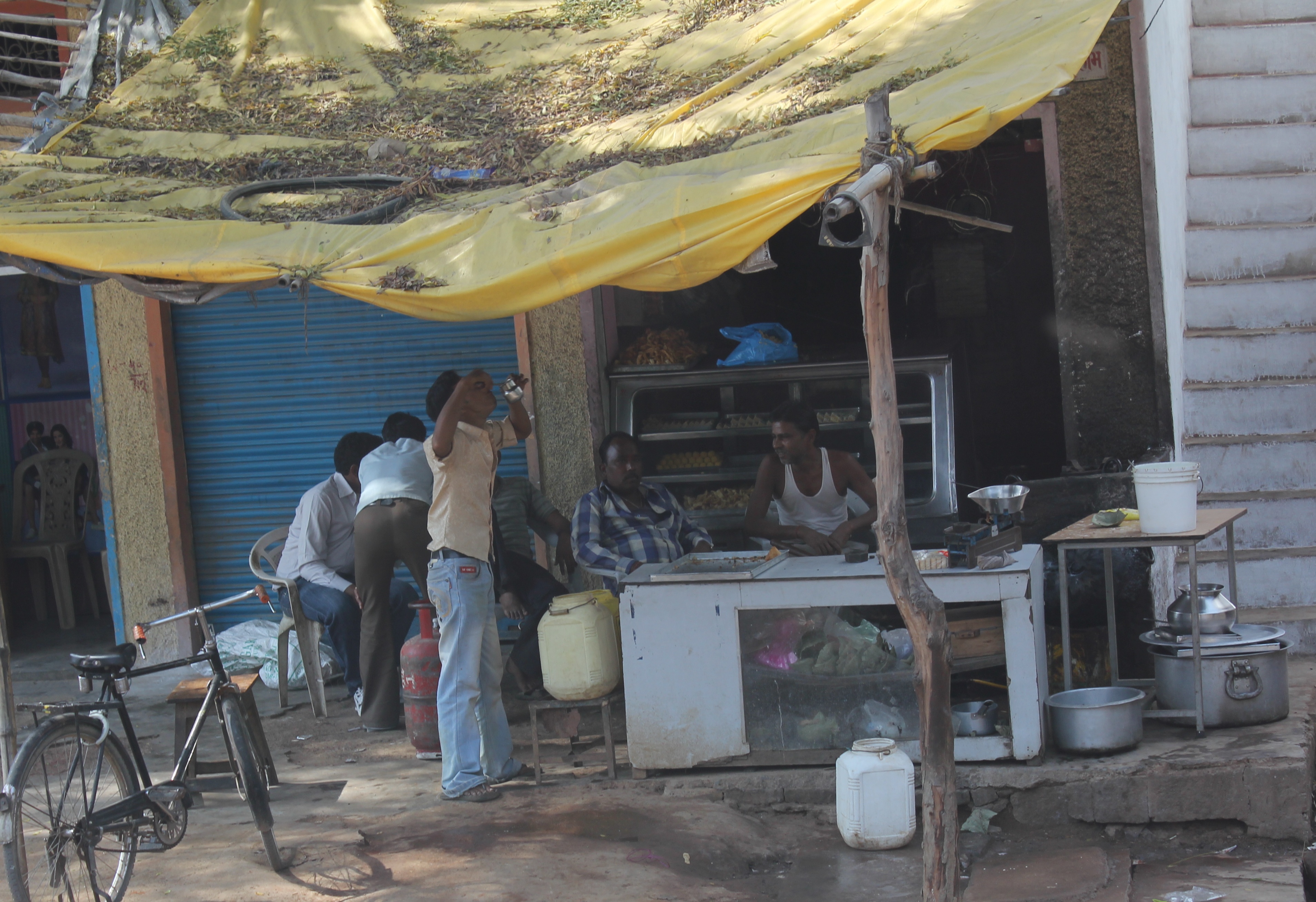
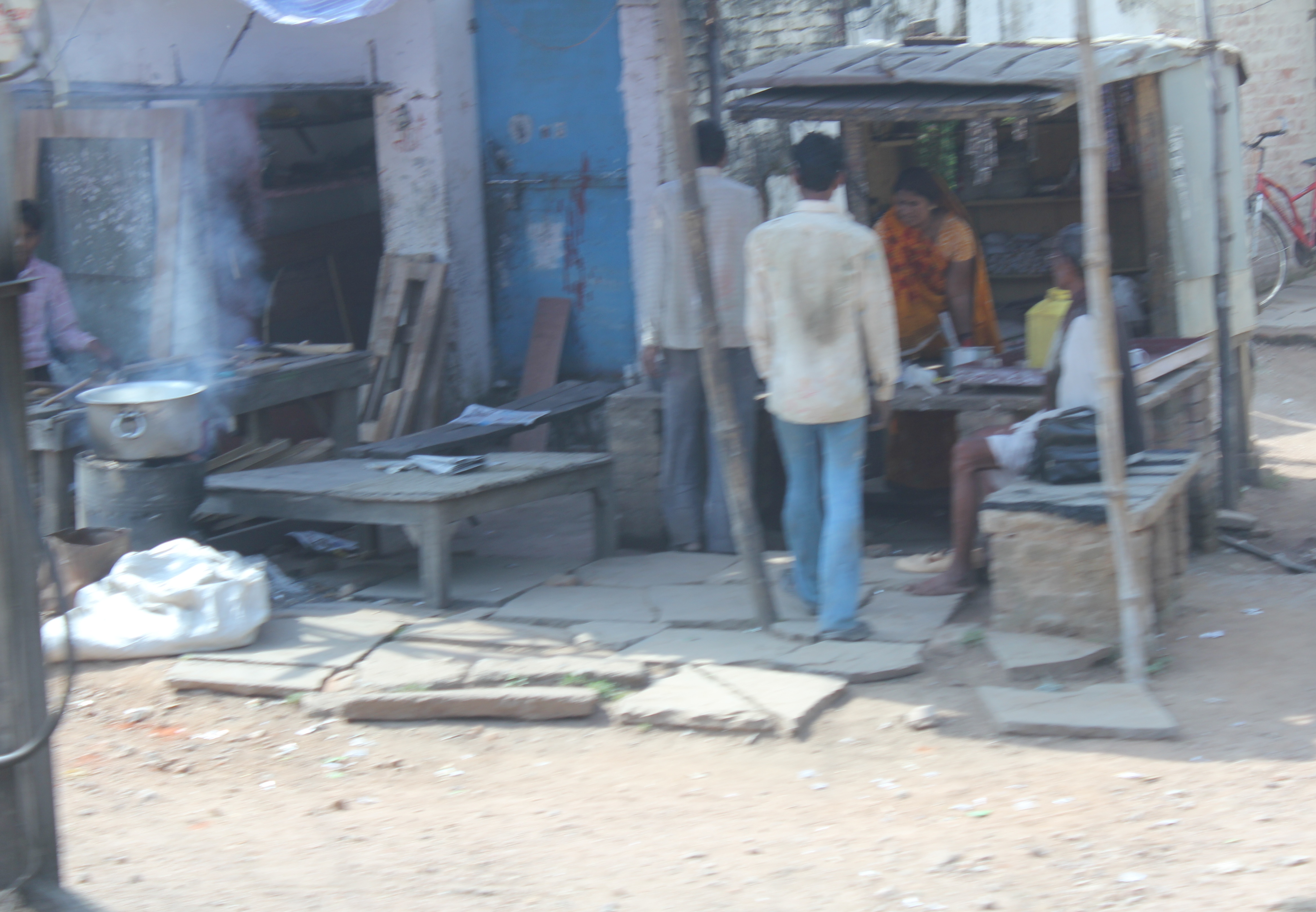
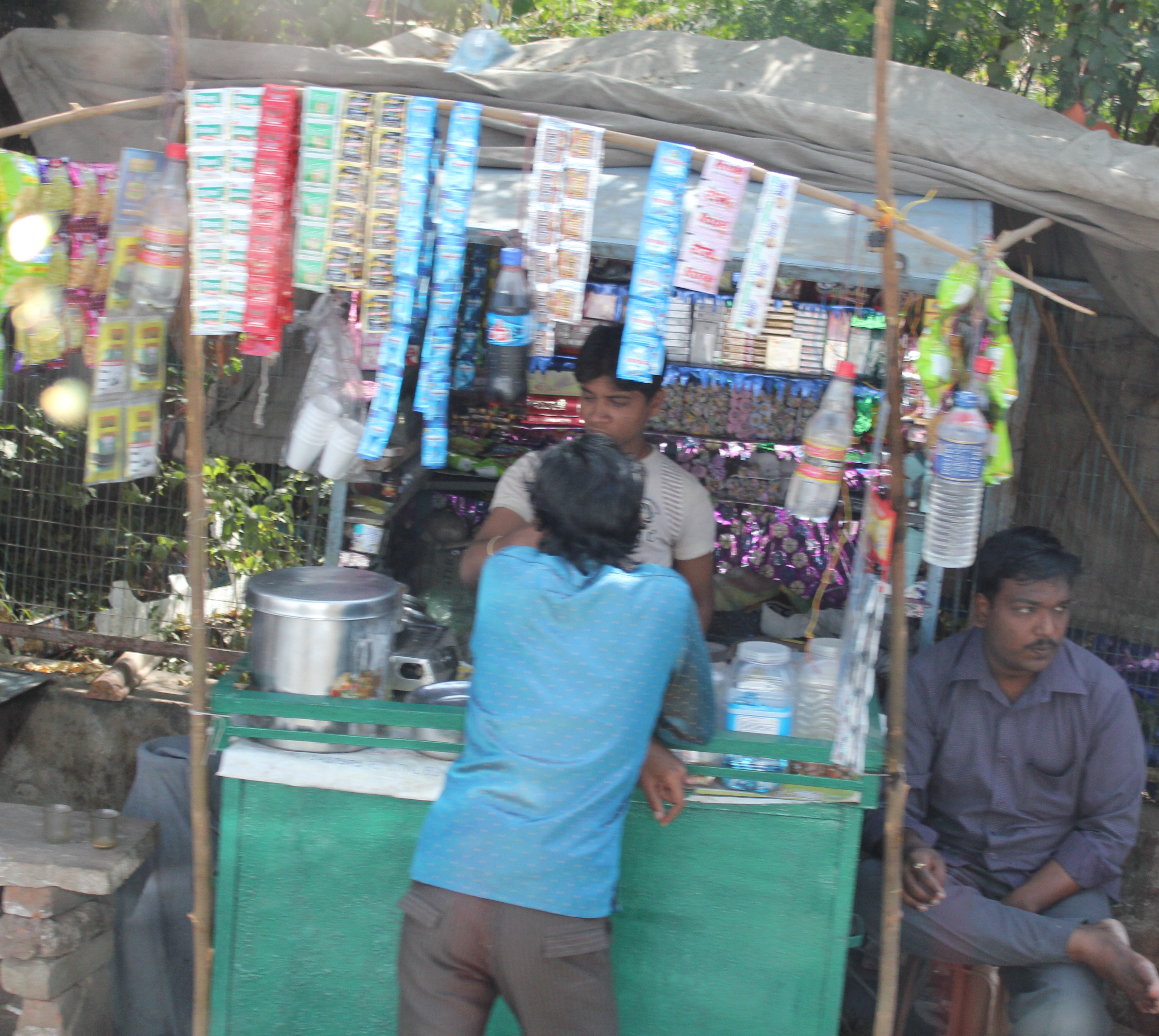
Lots of small businesses.

Open all hours.

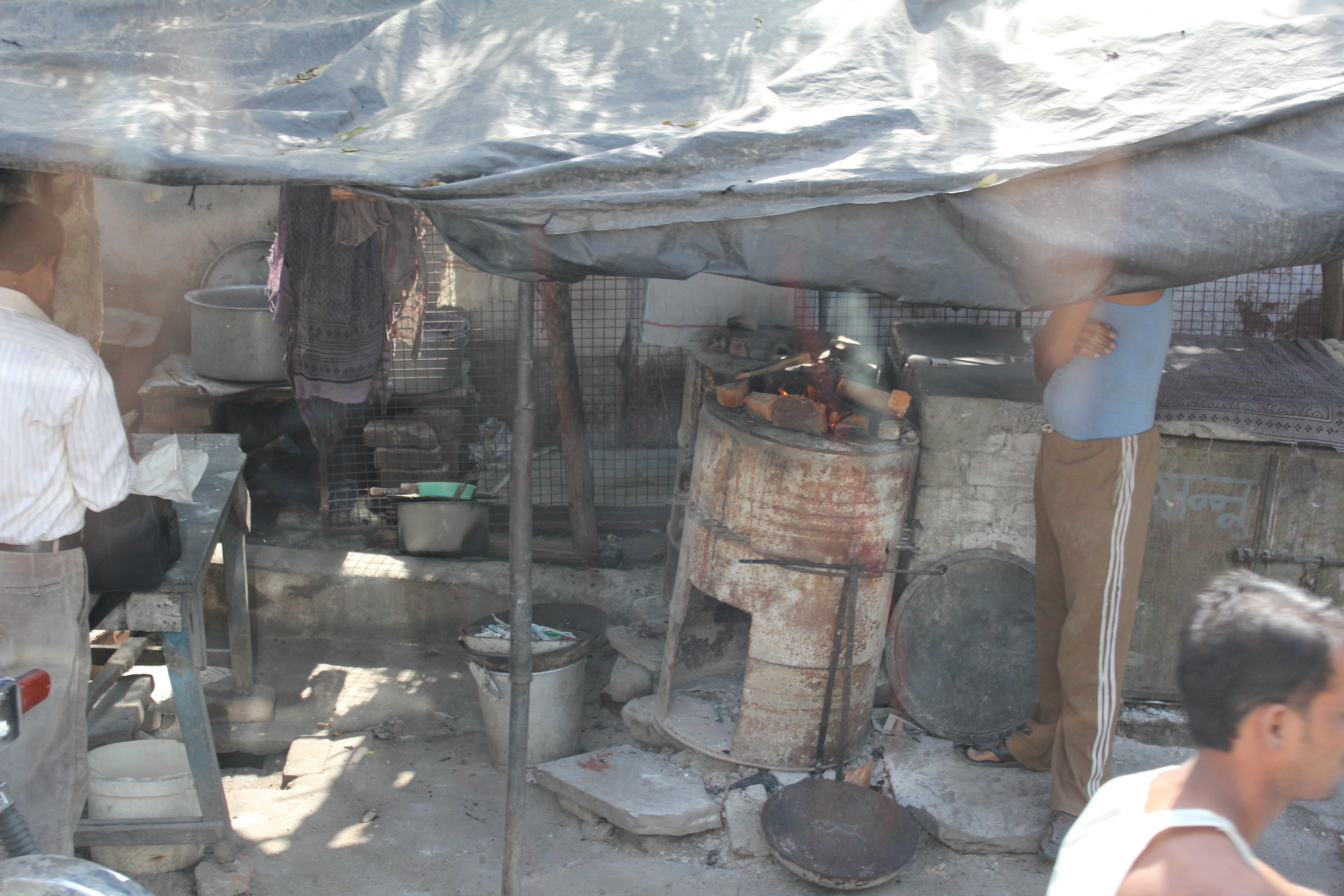
Lunch? Maybe not. Orchha, october 2010

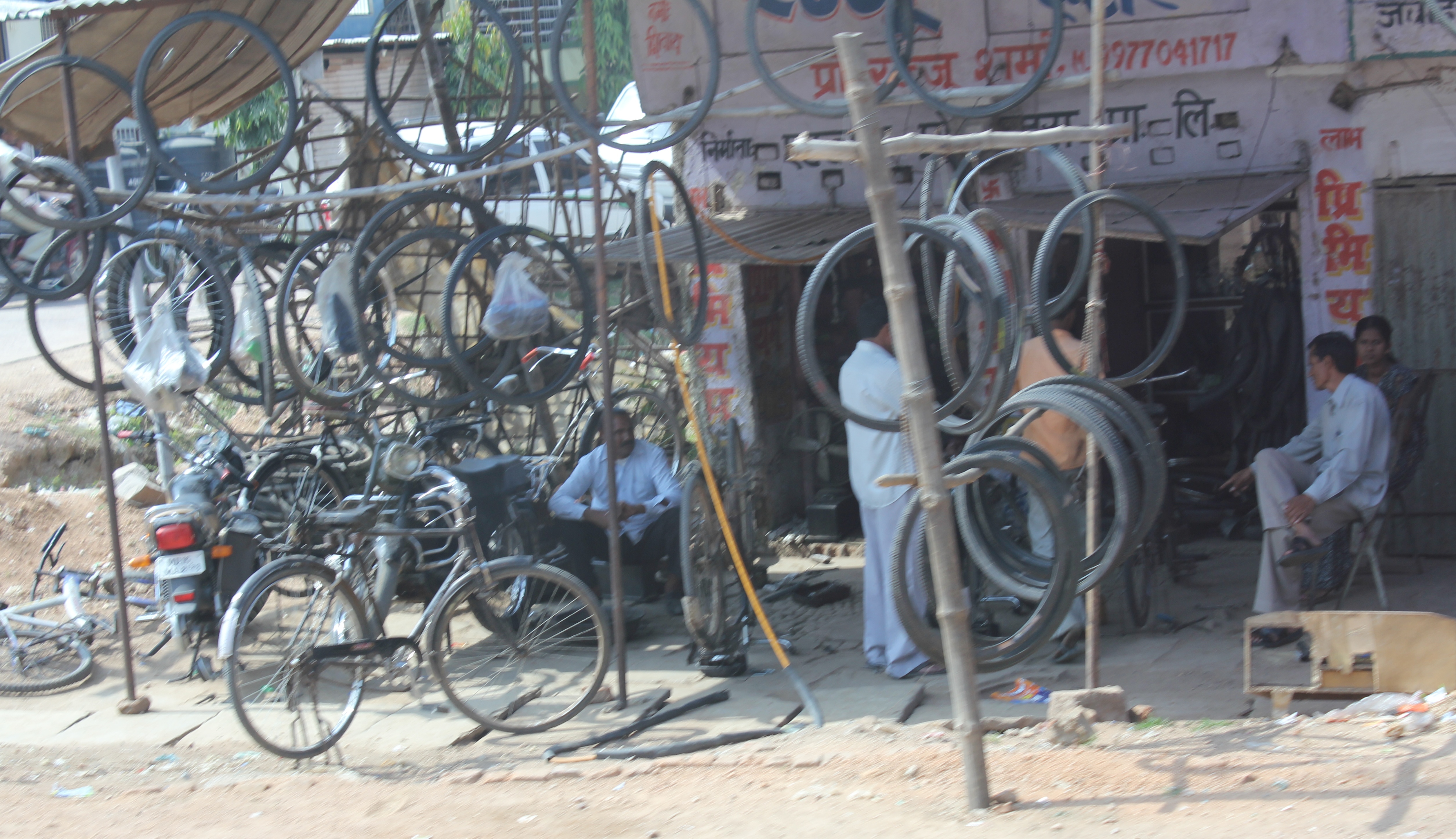
Never have to worry about spare parts for your bike.  October 2010

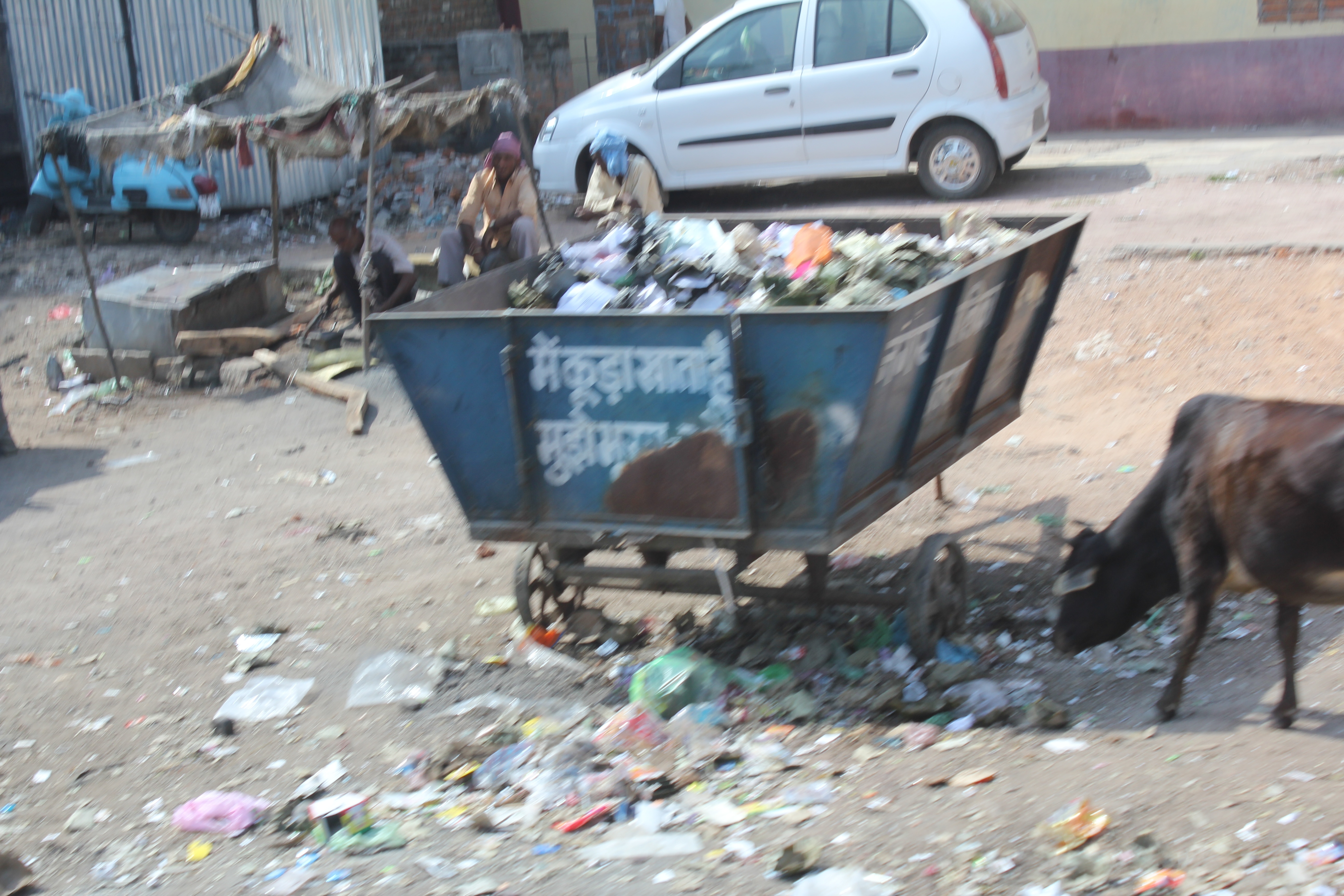
It was surprising how much rubbish was left lying around, animals often rummaged for food.

They seemed oblivious to it.  – Orchha, October 2010.

This was a mini factory, shop and home. Orchha – October 2010

Roadworks.

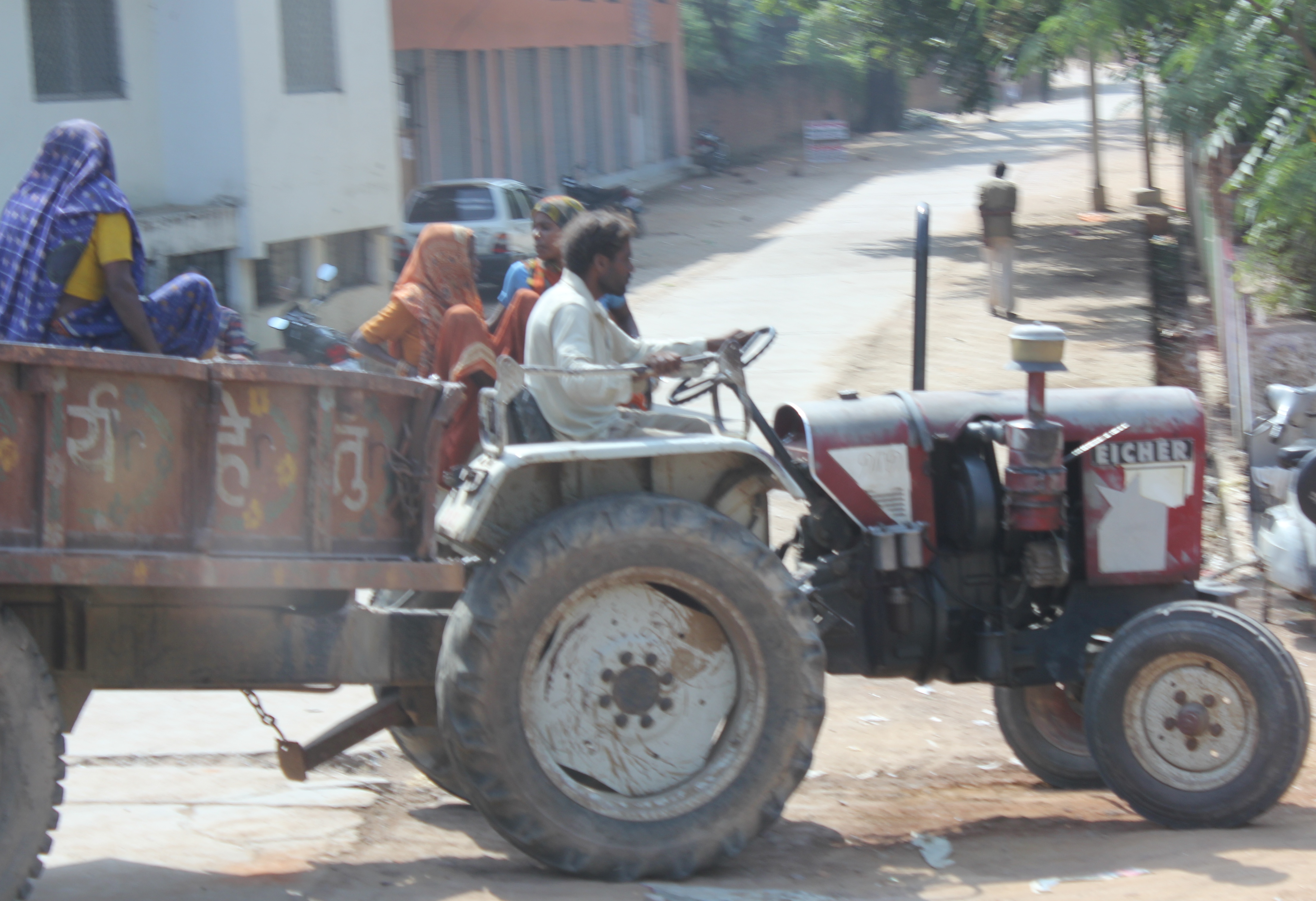
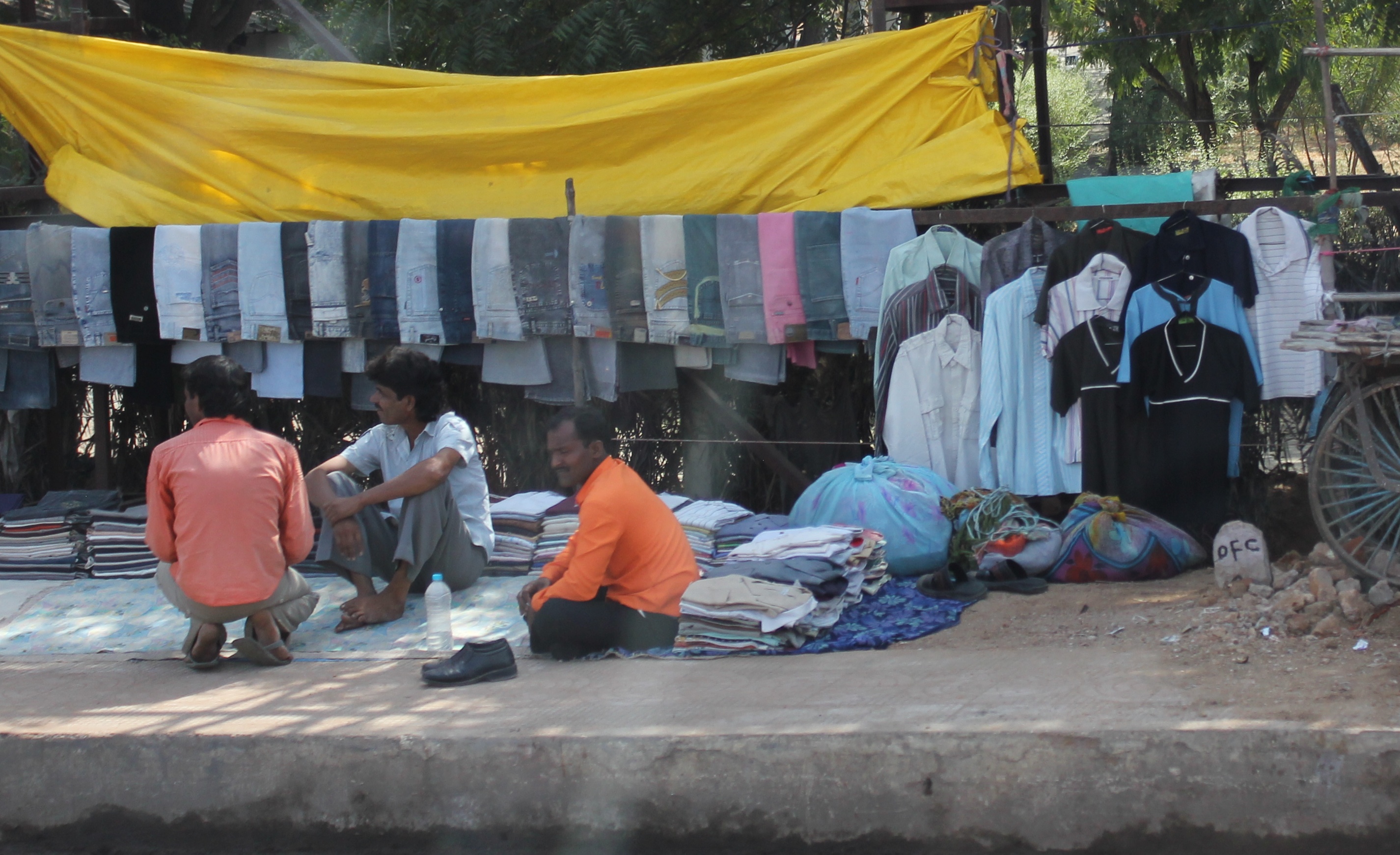
Time to take the family shopping. Orchha – October 2010.

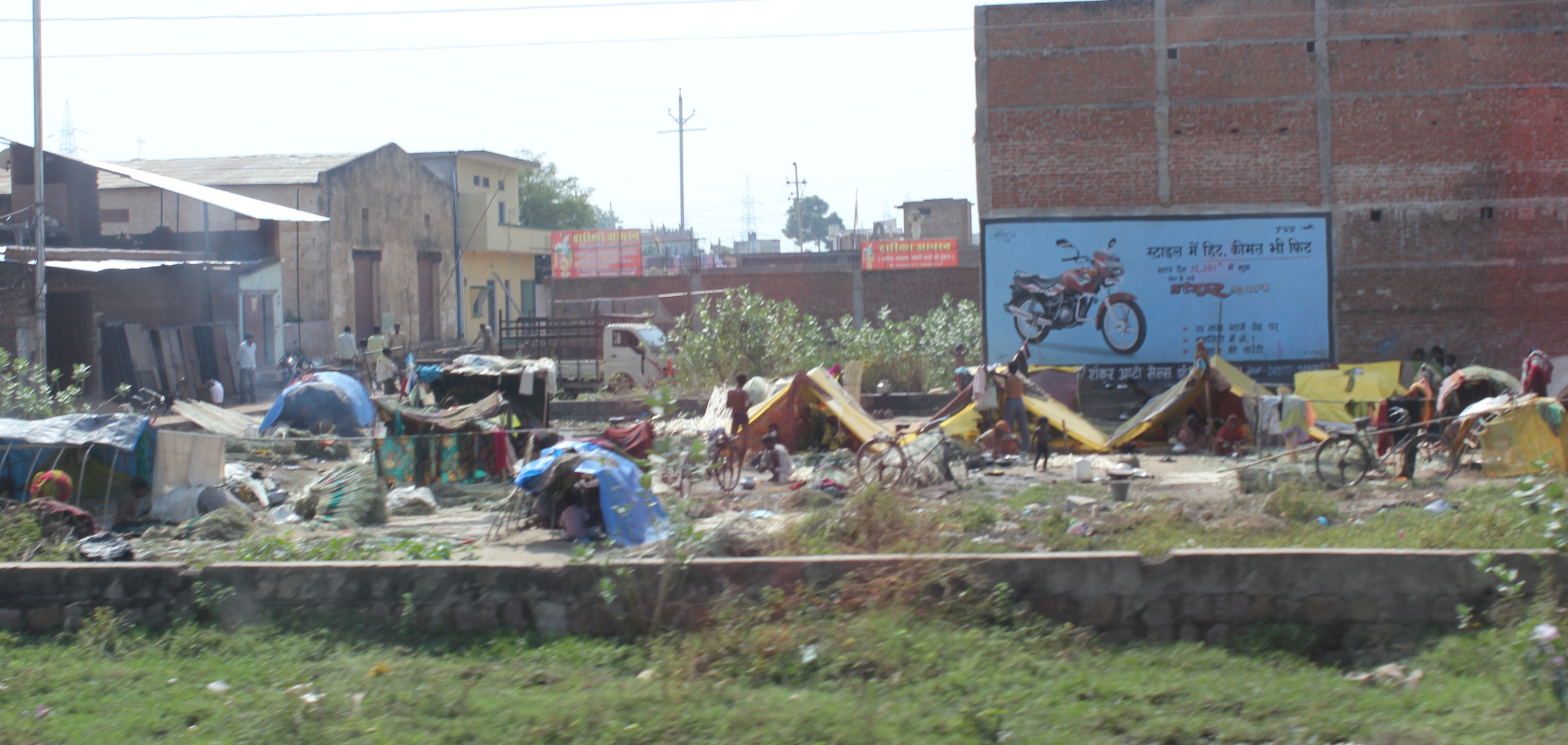
Tented areas like these (plastic sheeting) were a regular occurrence. Orchha 2010.

Yes, I am a mountain goat!!

Just a taster for the next Post. Varaha Temple October 2010.

The end

I hope you managed to stay awake, if so there will be a Part 5 next week. I visit the Varaha Temple in Khajaraho. The Post will just cover that visit, the pictures are astounding.

 Photographs copyrighted to Harvey Black.

<

Barbarossa, Germany’s invasion of the Soviet Union. Part 2

I have just finished writing my third novel in the Devils with Wings series, Devils with Wings: Frozen Sun. The Fallschirmjager, after their successful battle taking Crete in only 10 days, are shipped to Poland to partake in Operation Barbarossa, the German invasion of the Soviet Union.

They leave temperatures in excess of forty degrees to be used, not in an airborne operation, but as a fire brigade, plugging gaps in the line around Leningrad. They were Army Group North’s strategic reserve.  They were quickly placed into the fray, fighting along the River Neva, where temperatures dropped to below -30 degrees, sometimes as low as -40. They were successful at plugging the gaps and preventing the Soviet Union from exploiting their bridgeheads over the River Neva, but at a price. Some units suffered up to 75% casualties. Many who had survived the assault on the Fortress Eben Emael, (Devils with Wings) and the fierce fighting on the Island of Crete (Devils with Wings: Silk Drop) met their fate in this bitter struggle with the atrocious weather and the never ending Soviet hordes.

The German Army, and the Fallschirmjager, were soon to experience the hostile Russian winters.

Opposite Army Group North were two Soviet armies. The Group’s objective was to cross the River’s Neman and Daugava, the two largest obstacles barring their advance towards Leningrad.

At his disposal, Ritter von Lieb, the commander of Army Group North, had three armies and one air fleet, Luftlotte 1. The three armies, 16th Army, 18th Army and the 4th Panzer Army fielded 29 divisions between them.

Some of the types of equipment used in this biggest ever invasion of a country are shown below. Most of the photographs were taken at the Bovington Tank Museum.

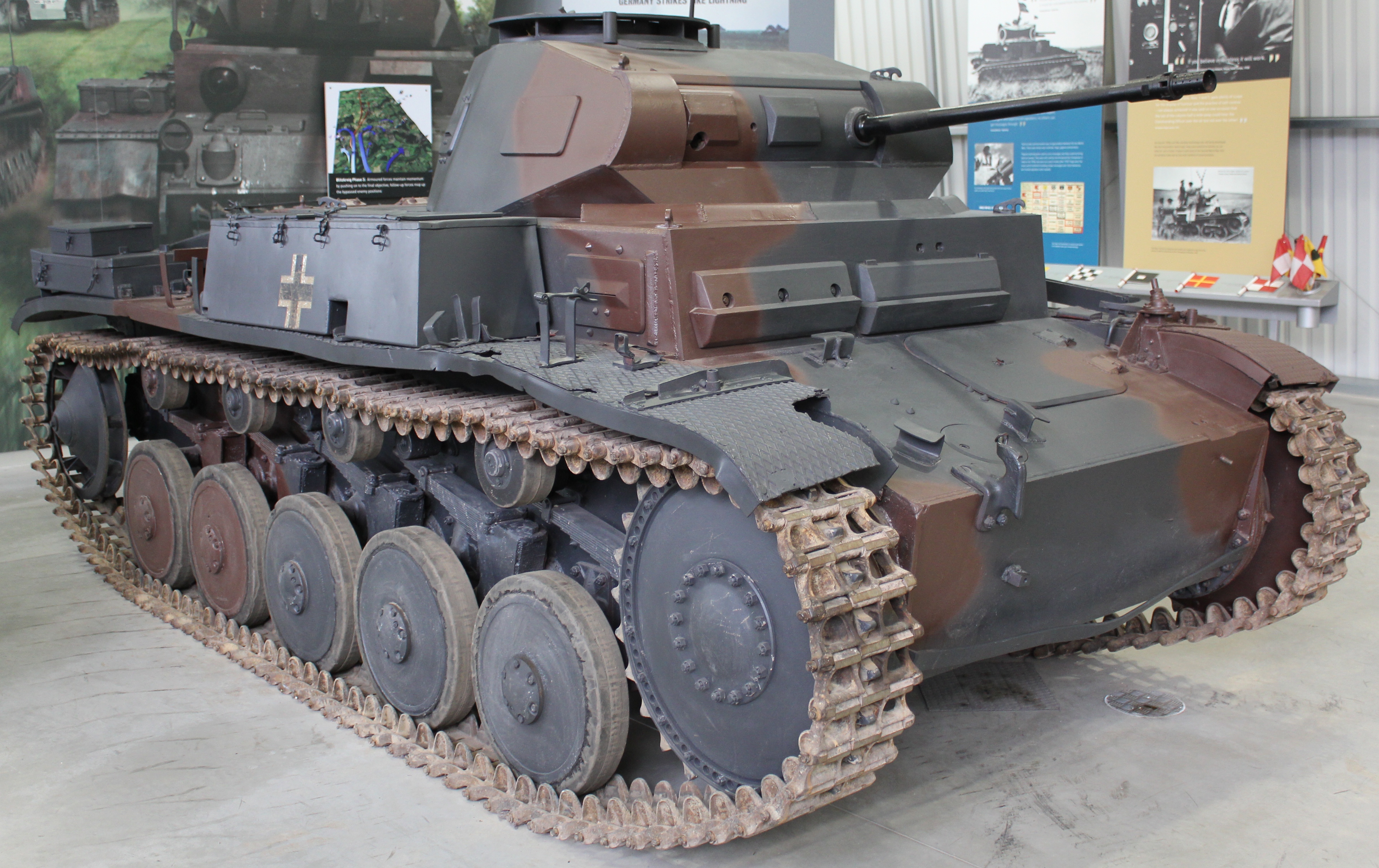
Panzer II. Used mainly as a reconnaissance tank. A top speed of 40 kph and a 20mm main gun.

Panzer II. This tank served with 10th Panzer Division in North Africa. It weighed 9.5 tons.

Panzer II. A crew of three with 33mm of armour for protection.

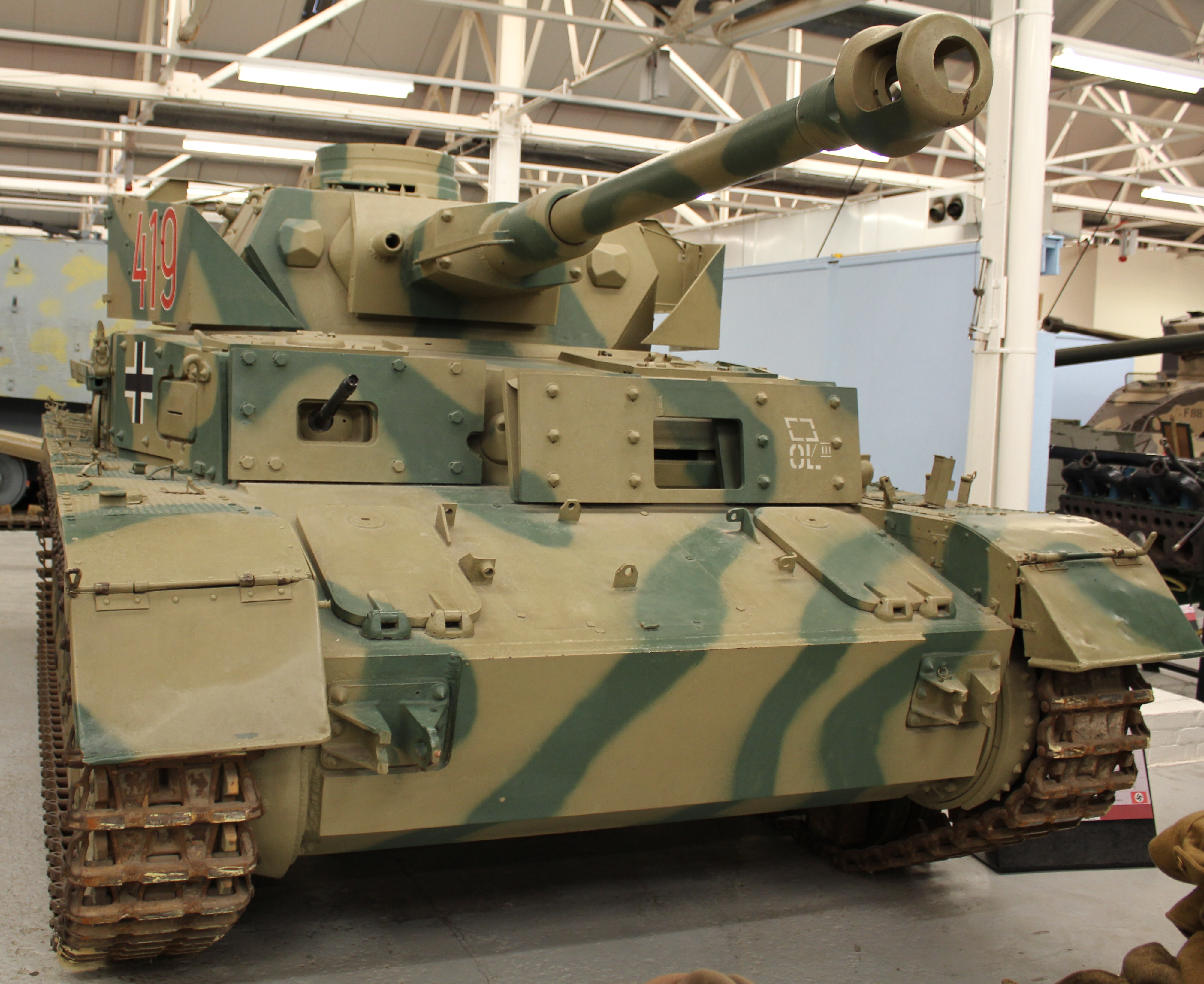
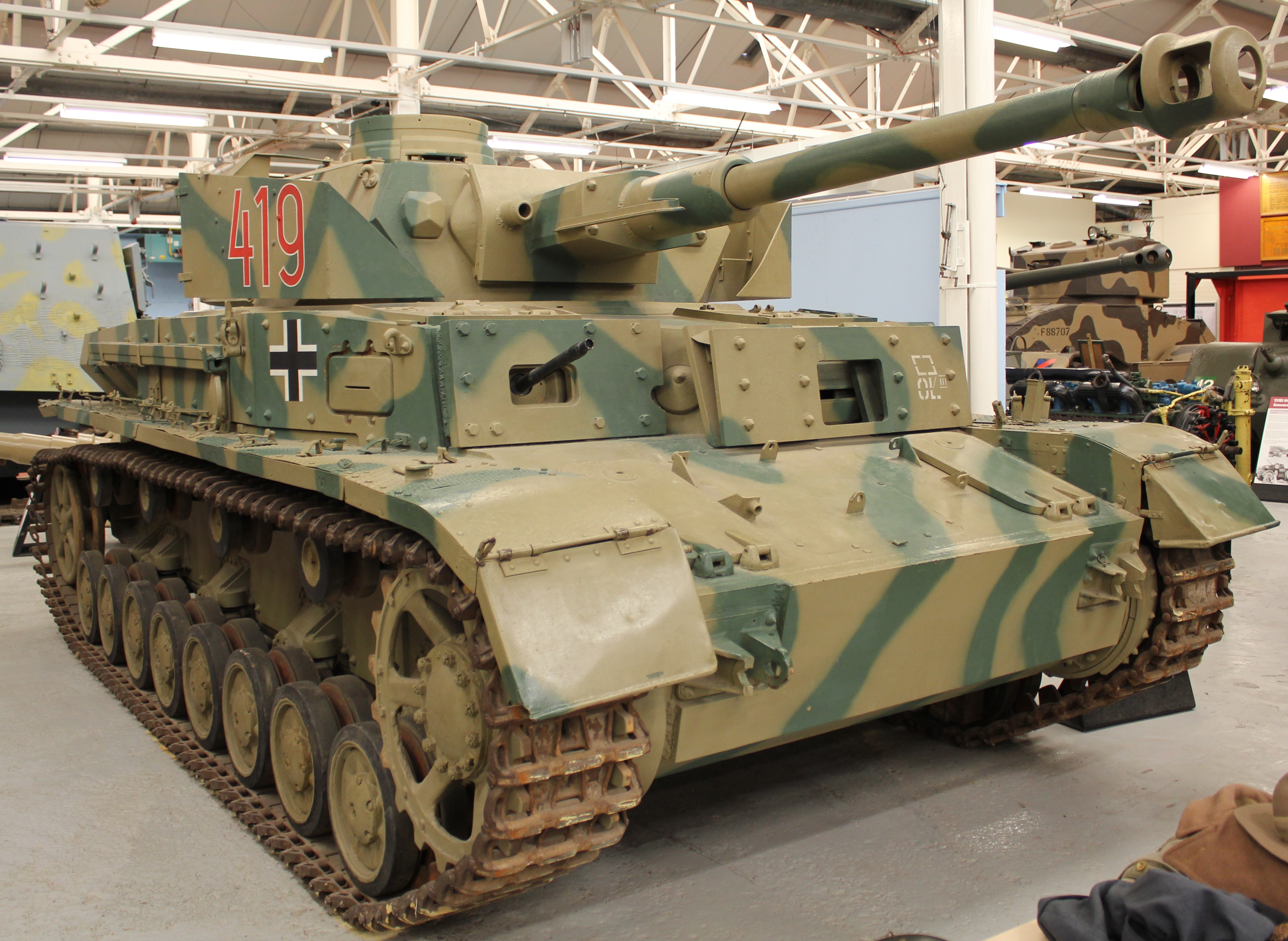
Panzer IV D/H with its 75mm main armament. 

Panzer IV. A German medium tank, weighing 25 tons.

Panzer IV. Armour thickness 30mm – D,  80mm – H.

Panzer IV, top speed of  38kph.

Panzer IV. The spaced armour around the turret  was to help reduce the effect of Russian anti-tank rifles.

Panzer IV had a crew of 5.

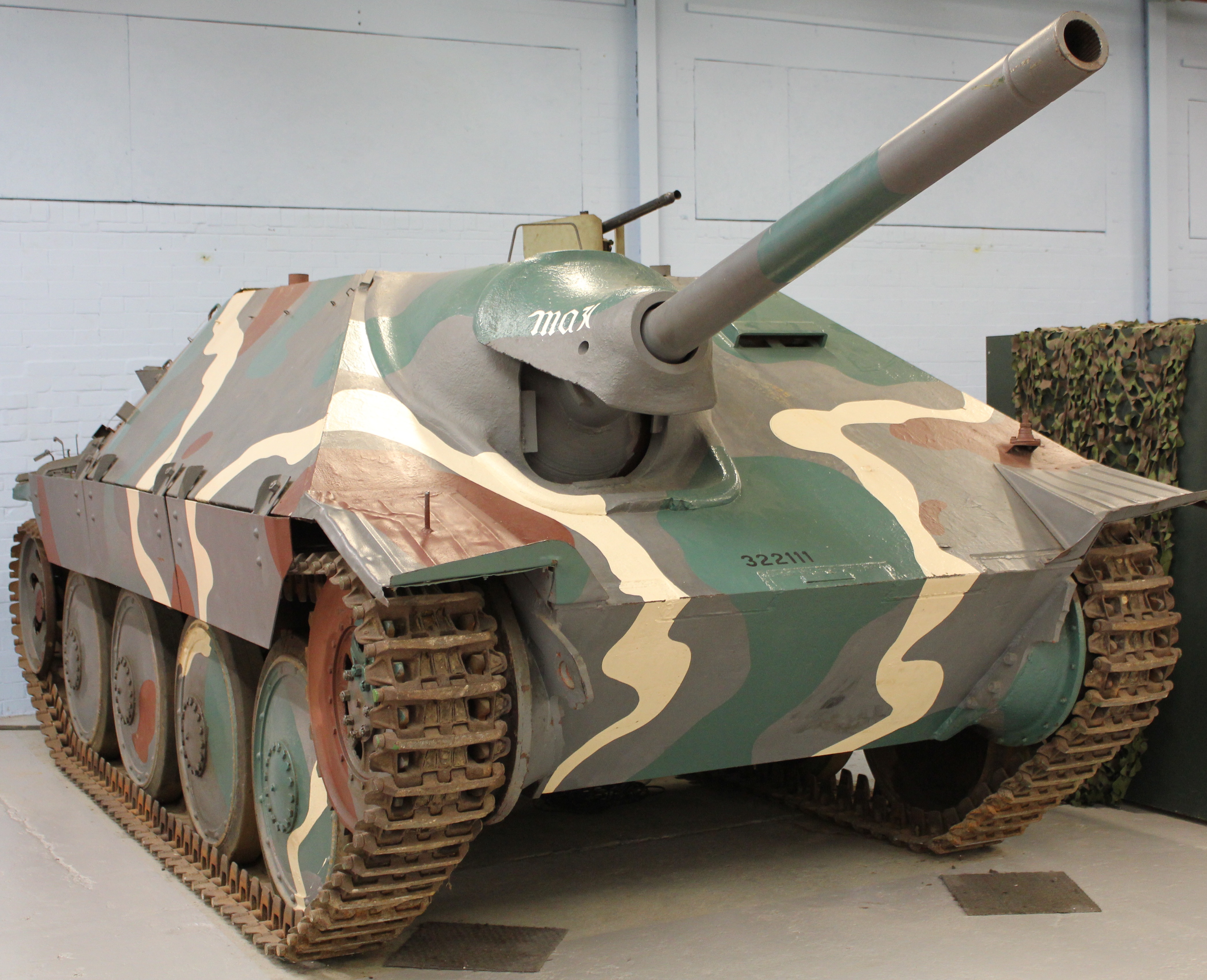
Hetzer Jagdpanzer 38(f). A compact and effective tank destroyer with its 75mm gun 

Hetzer Jagdpanzer 38(f). 15.75 tons, armour 60mm, crew 4, speed 42kph.

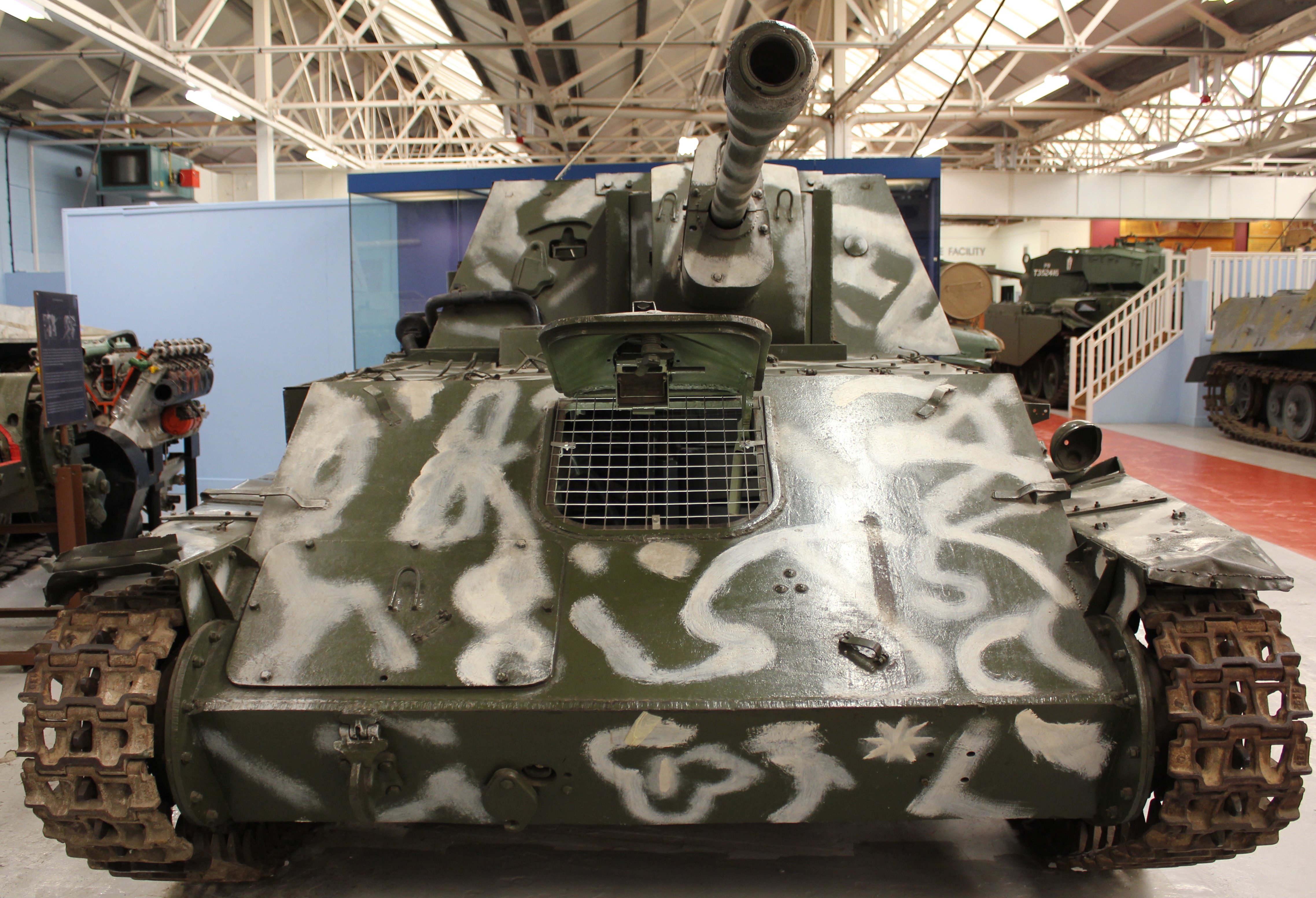
SU-76M, light mechanised gun. Zis-3, 76.2mm gun mounted on a T-70 chassis.

 SU-76M.10.2 tons, crew of 4 and top speed of 45kph. 

SU-76M. Armour 33mm. This one is a later model used by the Communist forces during the Korean War.

On the first day, Panzer Group 4’s 600 tanks crossed the River Neman and penetrated up to 80 kilometres. On reaching the area Raseiniai, the armoured units were counter attacked by 300 tanks of the 3rd and 12th Soviet Mechanised Corps. It took the German forces four days to encircle and destroy the Soviet armour. By the end of the first week, the Soviet Mechanised Corps had lost 90% of its strength.

My intention is not to portray a particular message, but just share some of my photographs and information with you and help set the scene for my forthcoming novel.

Photographs are copyrighted to Harvey Black

Devils with Wings ref=sib_dp_kd

Devils with Wings: Silk drop ref=sib_dp_kd
Devils with Wings: Frozen Sun ref=sib_dp_kd

In 2011, I went on an amazing trip, from Delhi to Katmandu. I just want to use this Post to share with you some of the photographs I took on the way. Both were amazing countries and India was particularly vibrant and exciting. Some of the photos were taken through vehicle windows, so i apologise for the poor quality.

I don’t propose to write very much, I am supposed to be editing my third novel,  Devils with Wings: Frozen Sun, and starting on my new ‘Cold War’ series. So please just enjoy the pictures.

Delhi to Katmandu, Part 3.

The journey continues…

We started off from Agra’s railway station. Heading for Orchha, but stopping at Jhansi on the way. Just watching and being around the local population was fascinating and you were never bored. Even if you had a long wait, there was always something to catch your eye.

Local shop, on my way to Agra railway station – Agra, October 2010

Some photos were taken through a coach or train (or aeroplane) window, so I apologise for the quality in advance.

Lots of cows. Agra october 2010

Oh, another one. The toilet is behind the cow and to the right. Agra October 2010

One thing we saw consistently was poverty. 

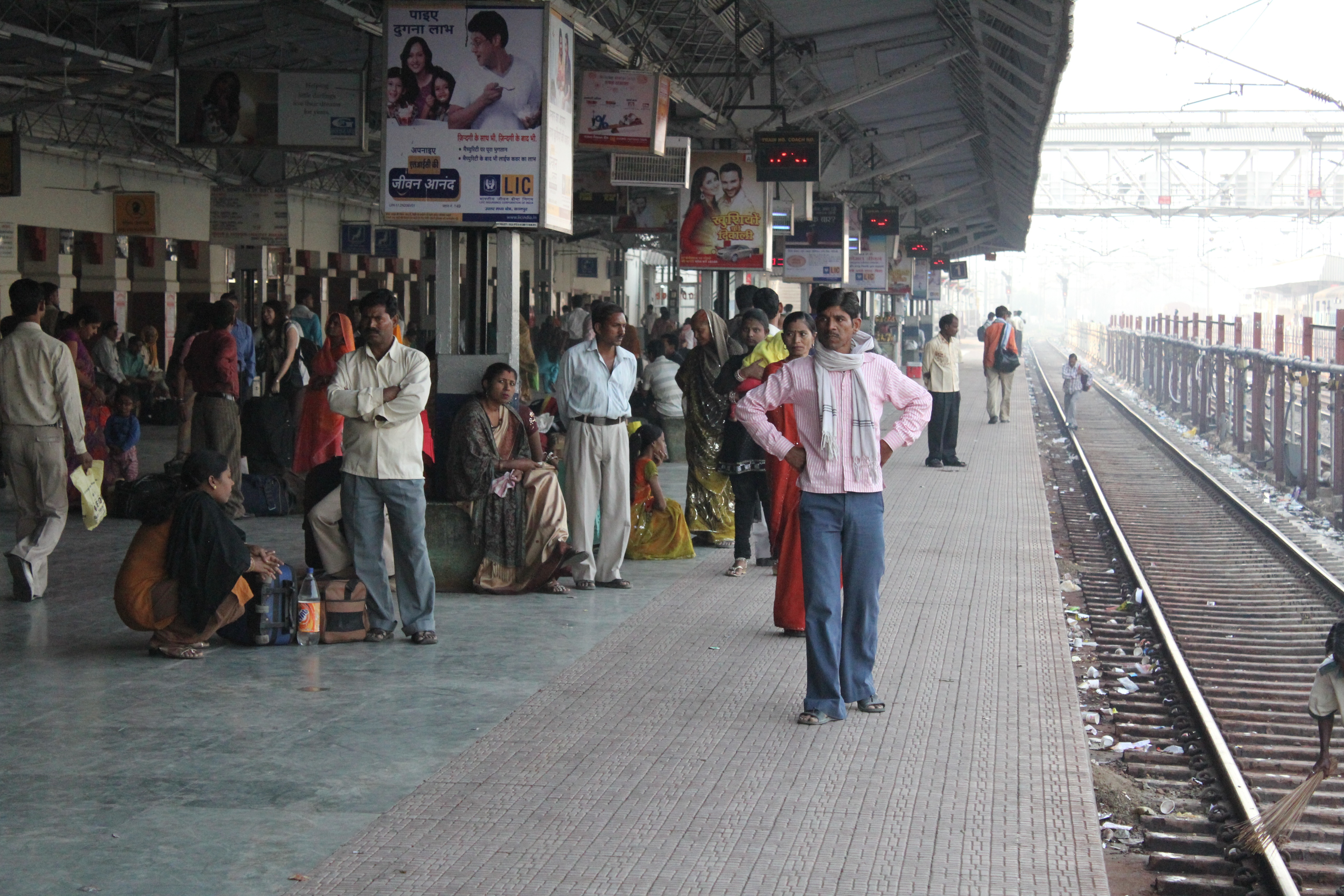
The platform, both directions. Agra Railway Station – October 2010.

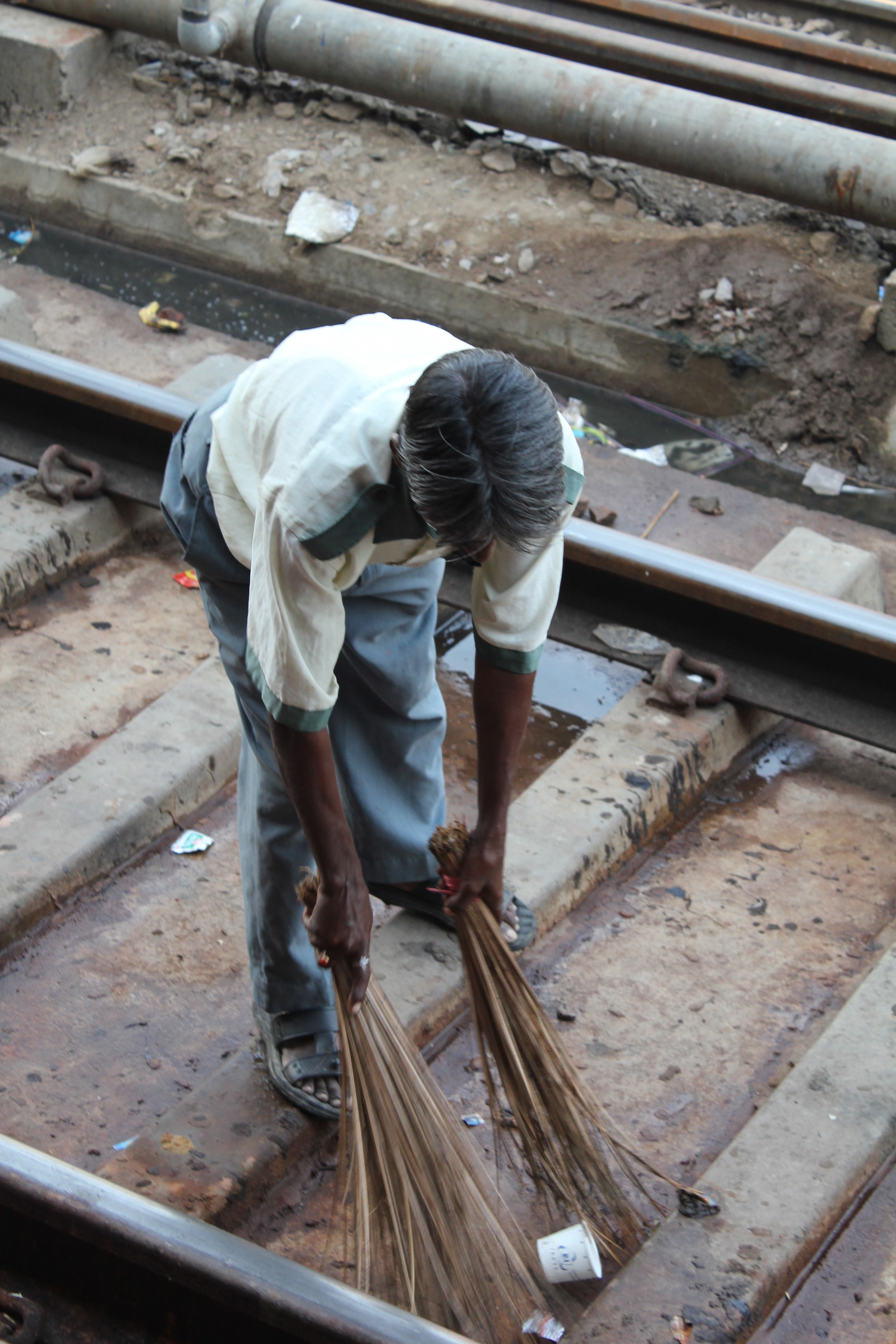
Your eyes are not deceiving you, he is sweeping up the railway lines. – October 2010

And he was still smiling.

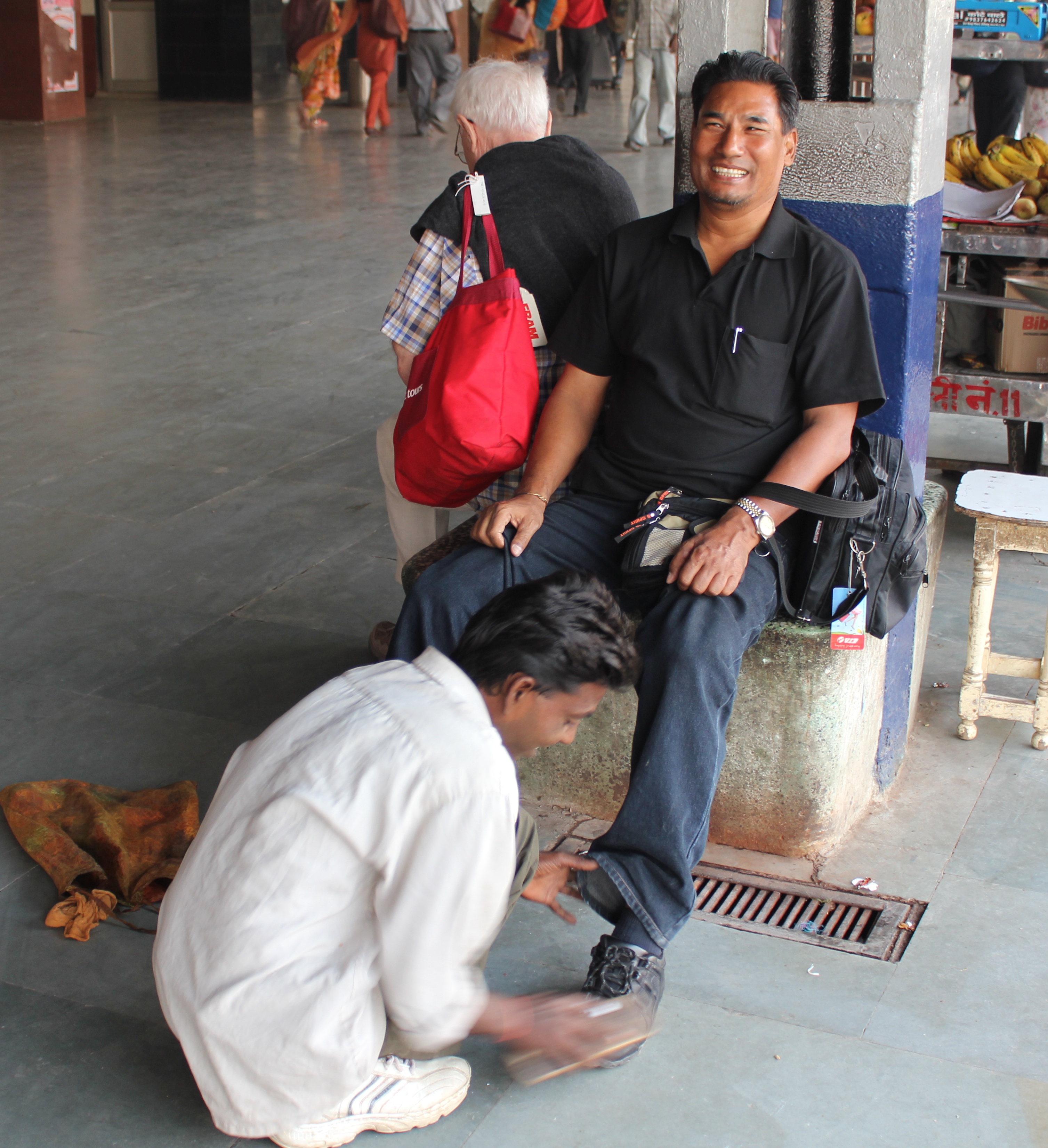
Our Nepalese guide having a shoe shine.

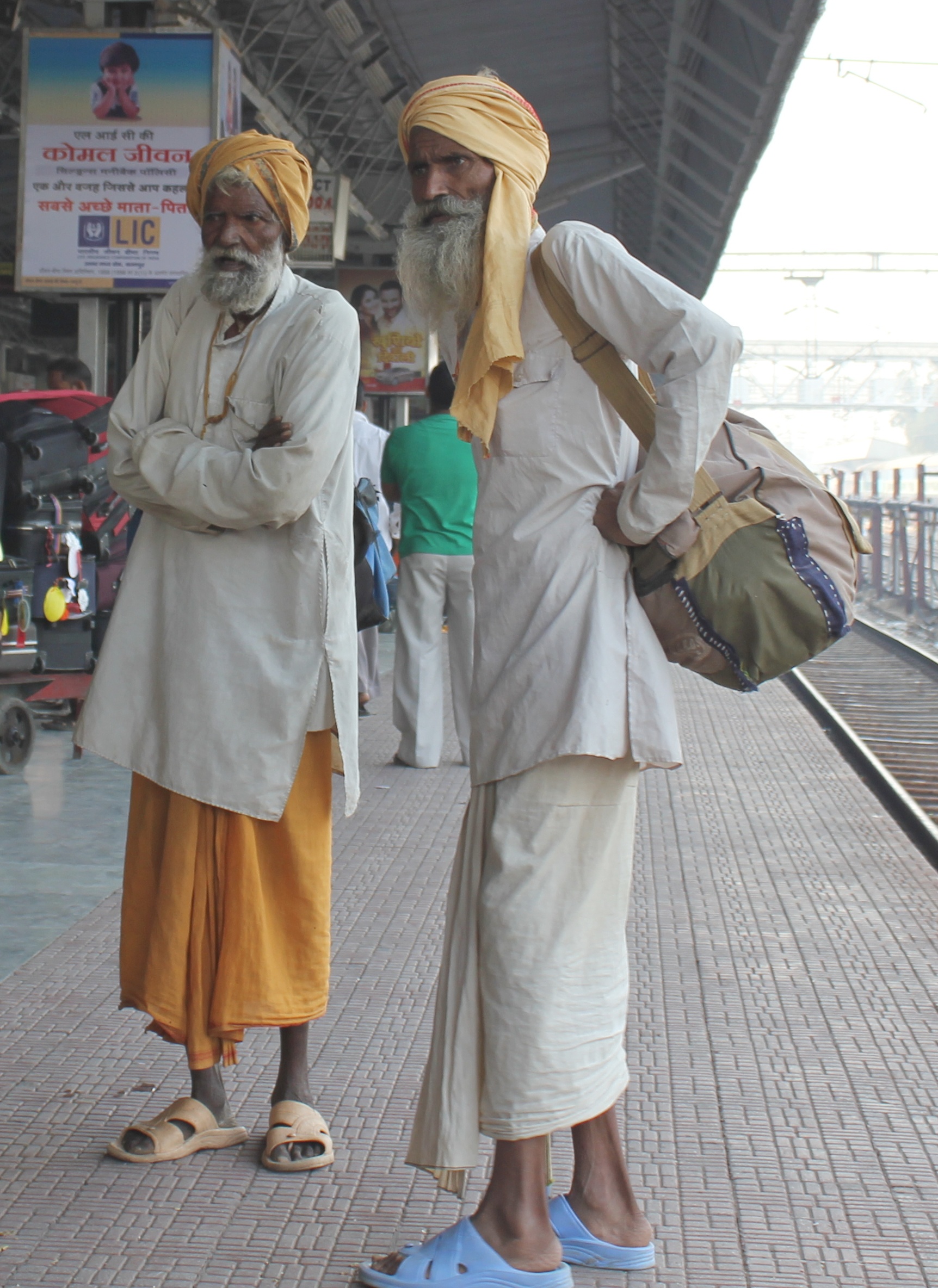
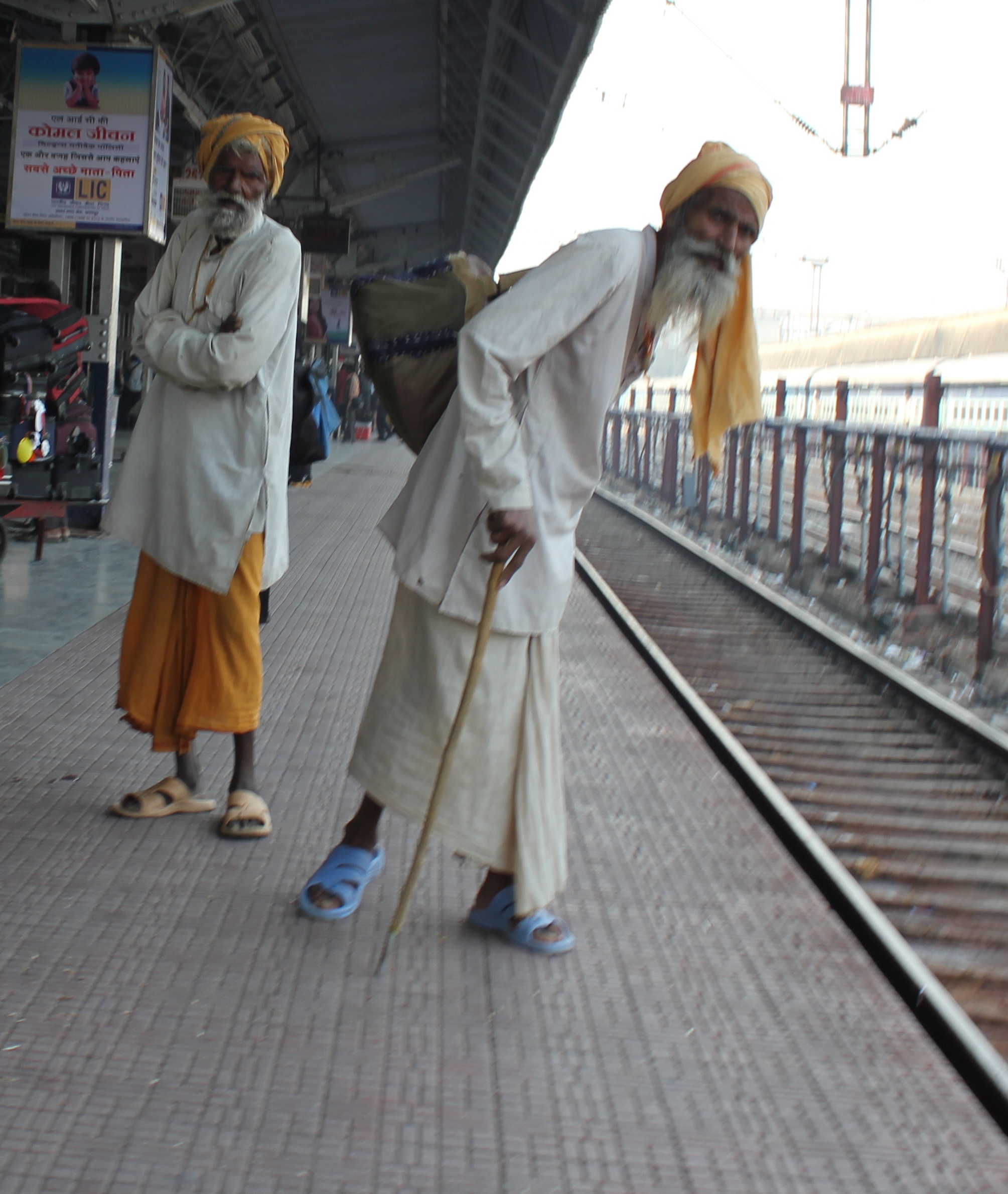
You met some amazing characters


Hmmmm, where is that damn train?

Time for lunch

The next few shots are from the train as it was moving.

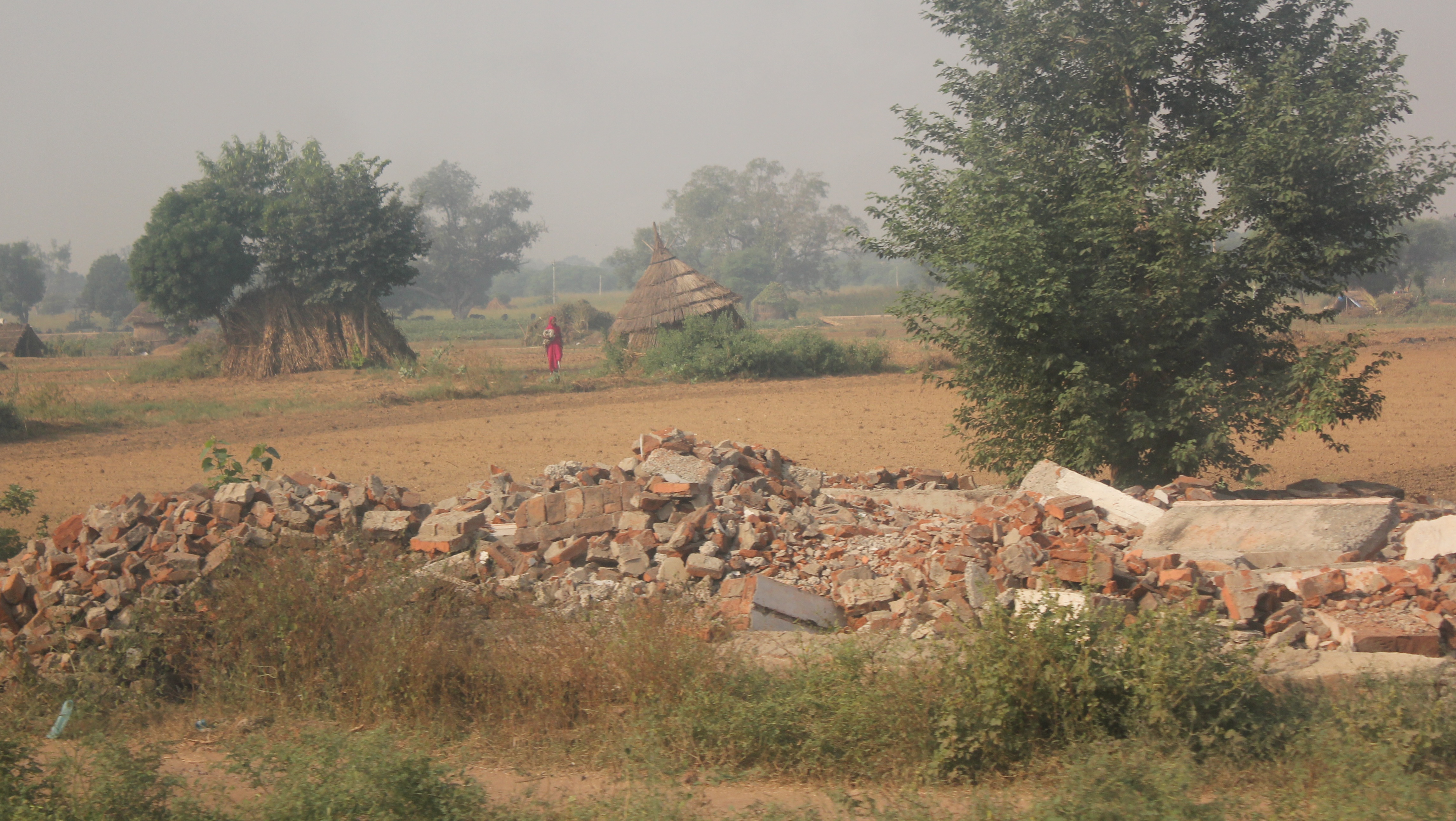
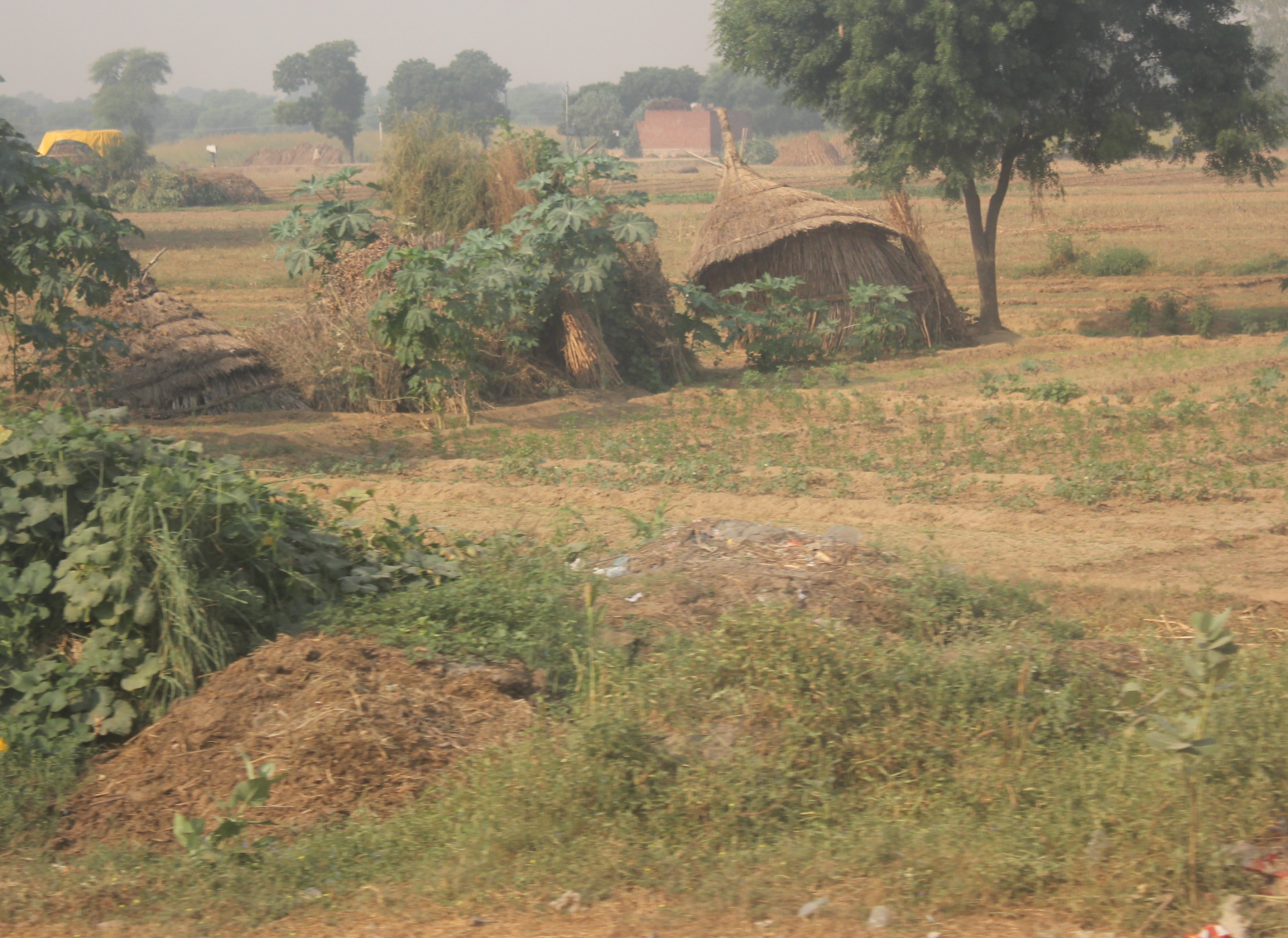
Farmers out in the fields, also where they live.  October 2010

The next shots speak for themselves so I won’t comment. Yes, there are some cows.

My neck is aching just watching them. October  2010

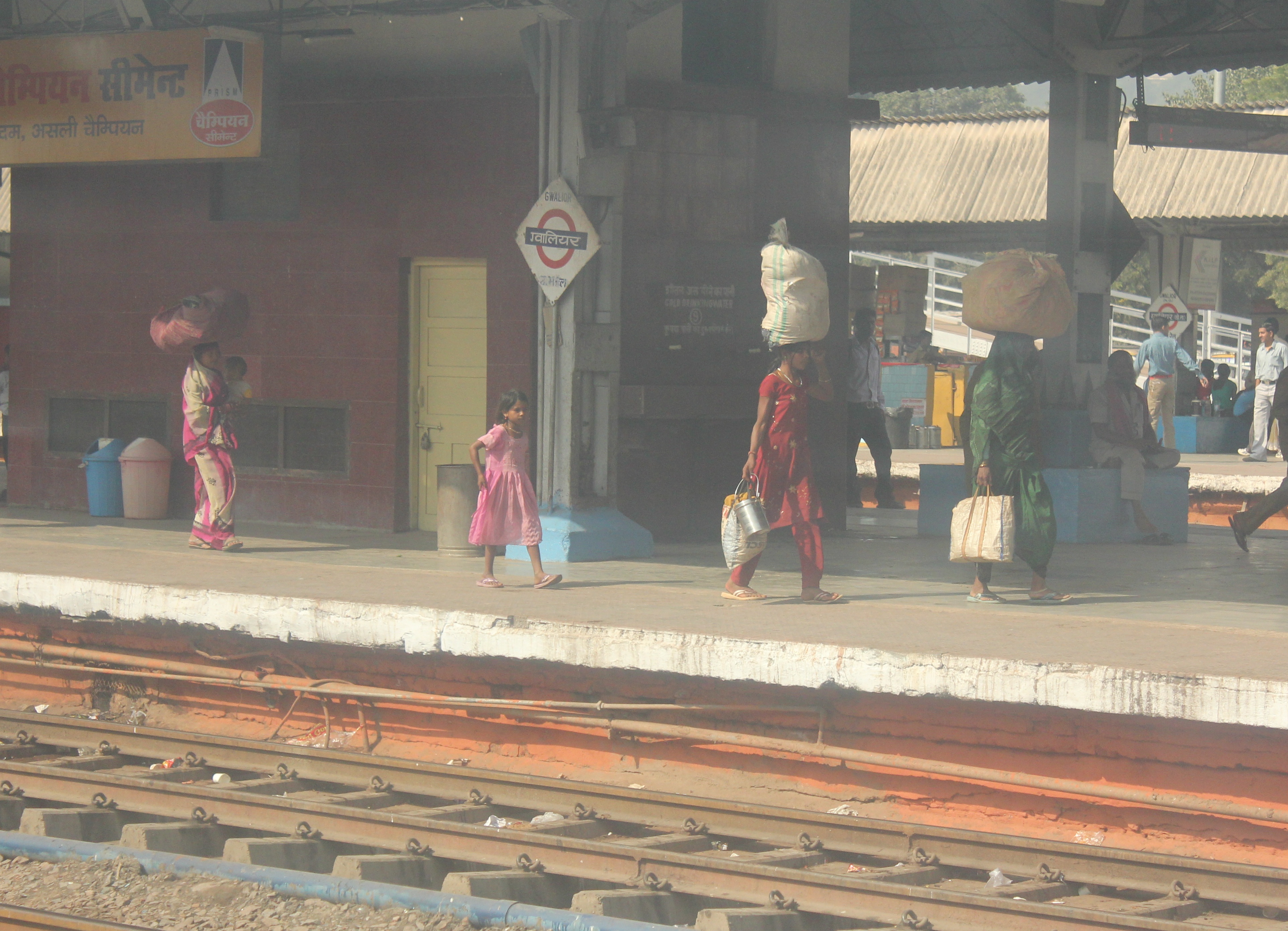
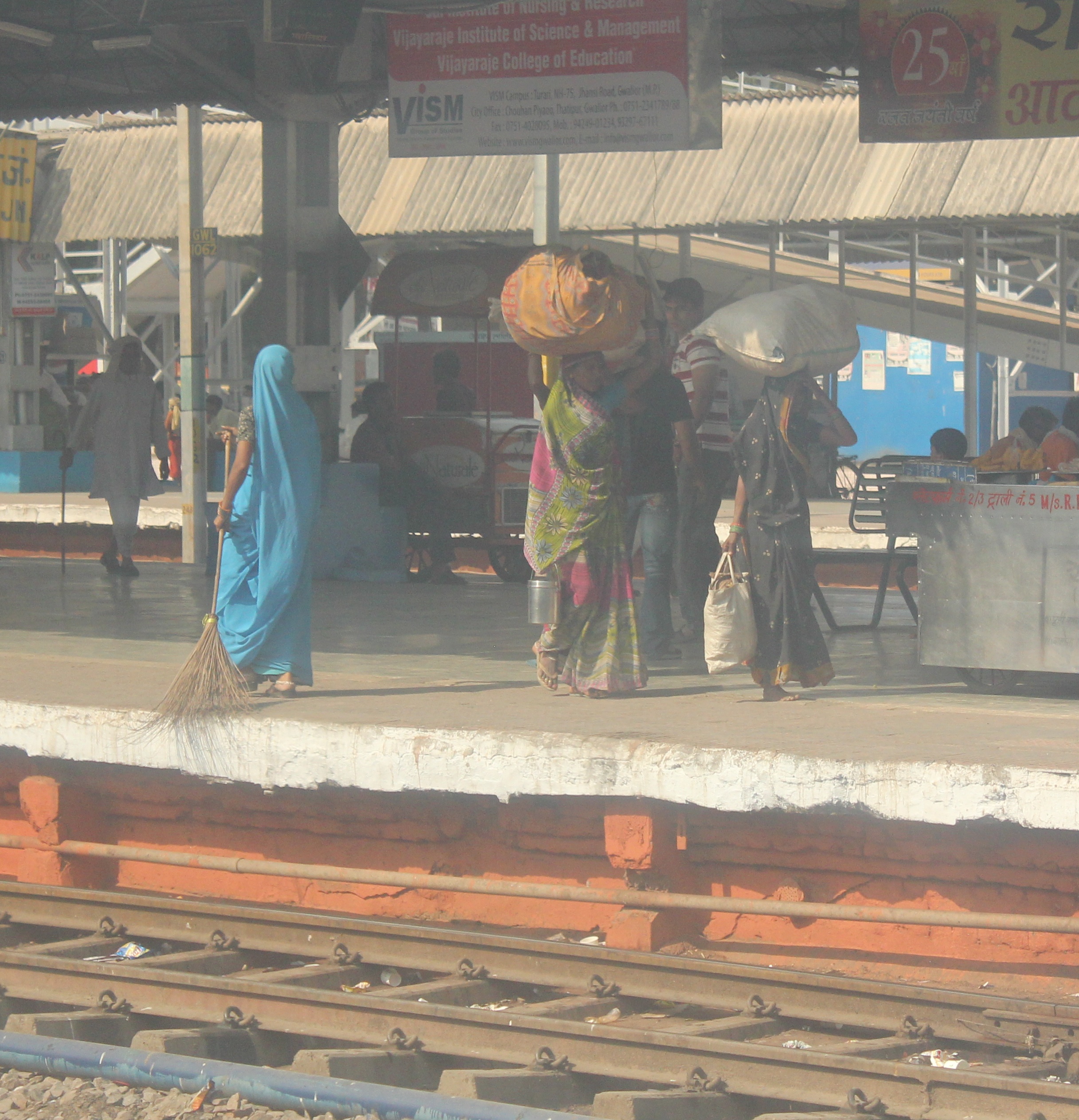
The women definitely appeared to be the most industrious – October 2010

Jhansi station. October 2010

 From here a short trip to the hotel.


The Shop

The Accommodation – October 2010

Marks & Spencer – October 2010

Not too much off the back please. Jhansi October 2010

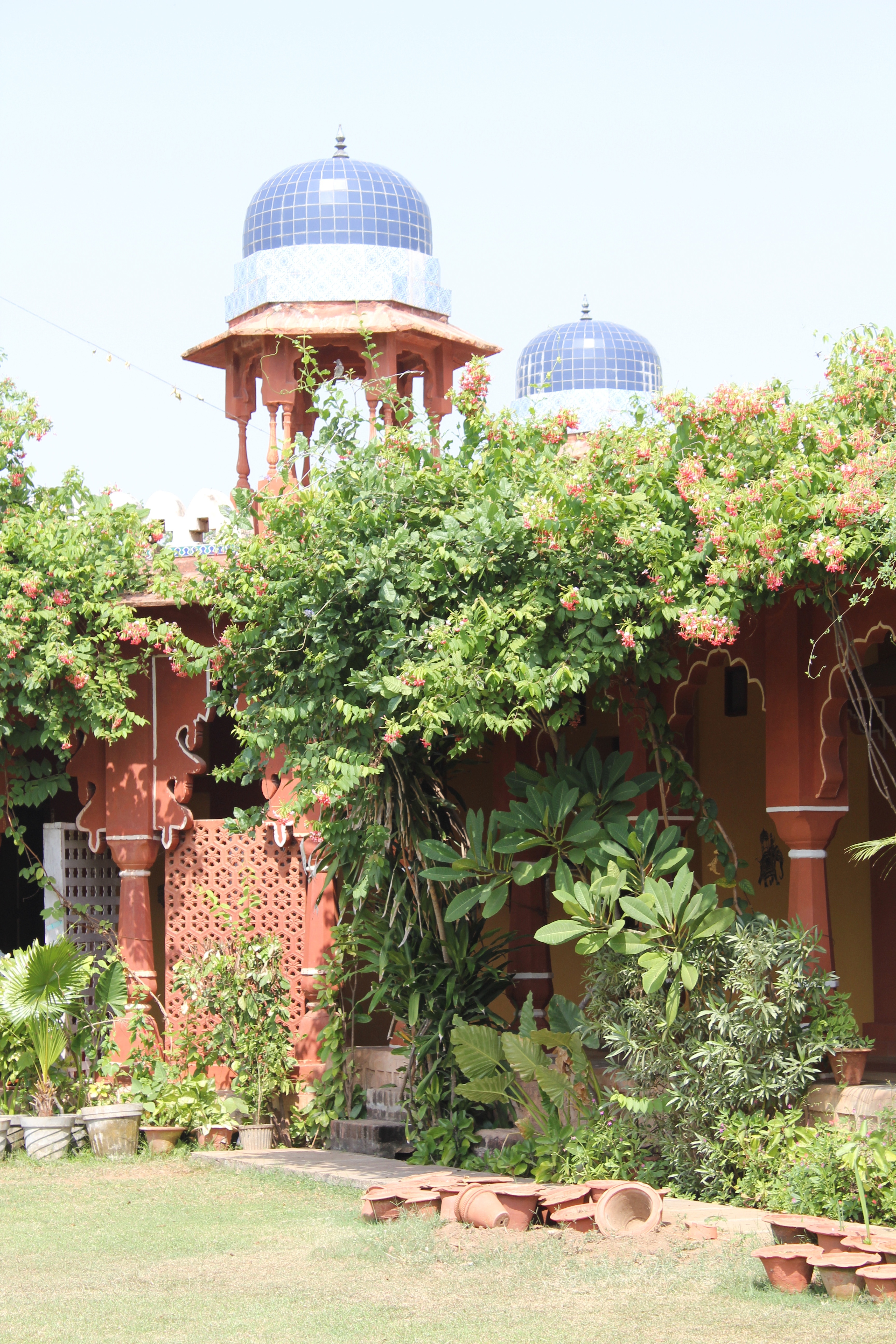
We arrive at the hotel. I put in a few photos because it was such a beautiful place to stay. Had a very colonial feel about it.

Curry and Japatis for dinner.

Our Porters await us while we have a G&T – 2010

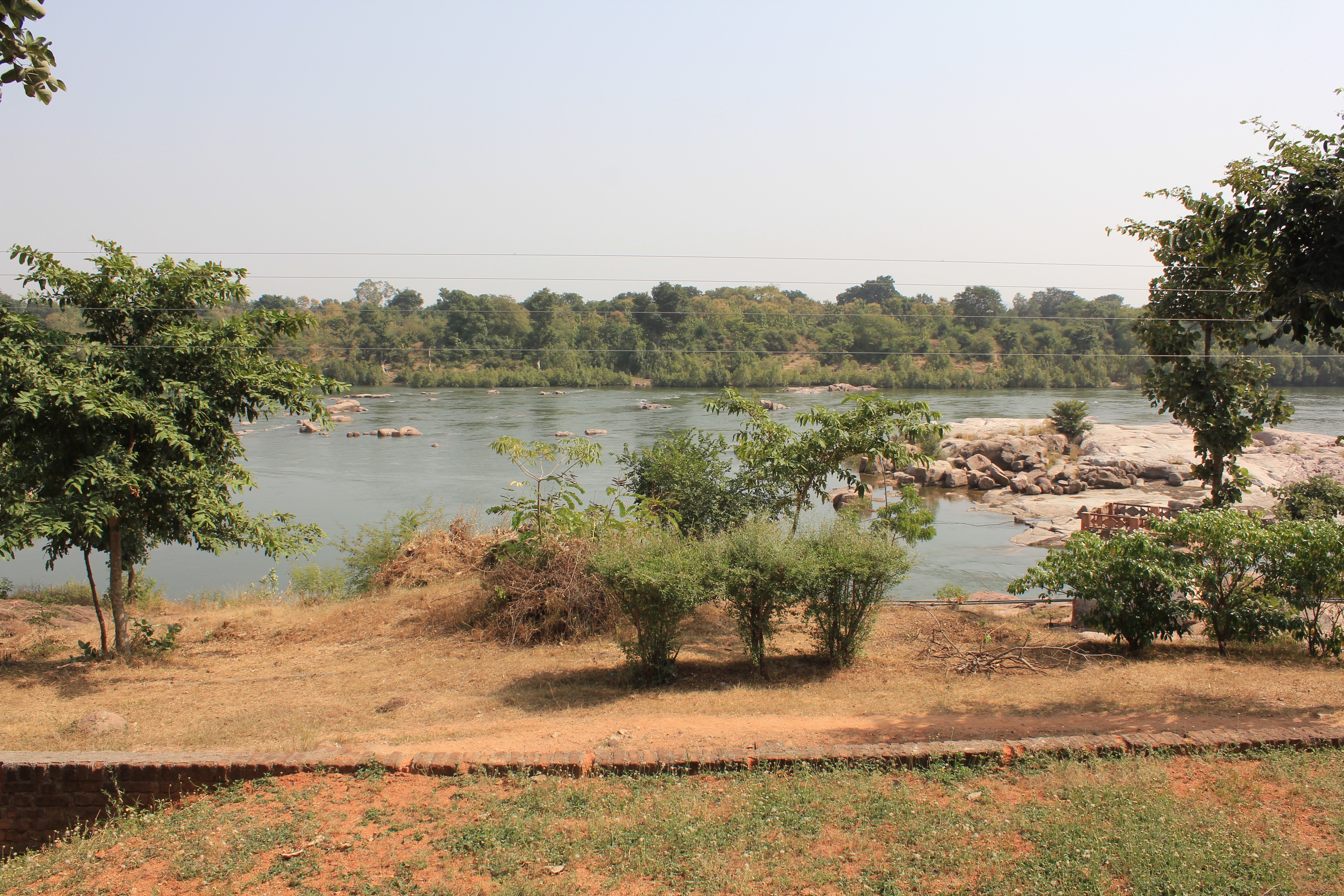
Views from our hotel bedroom.

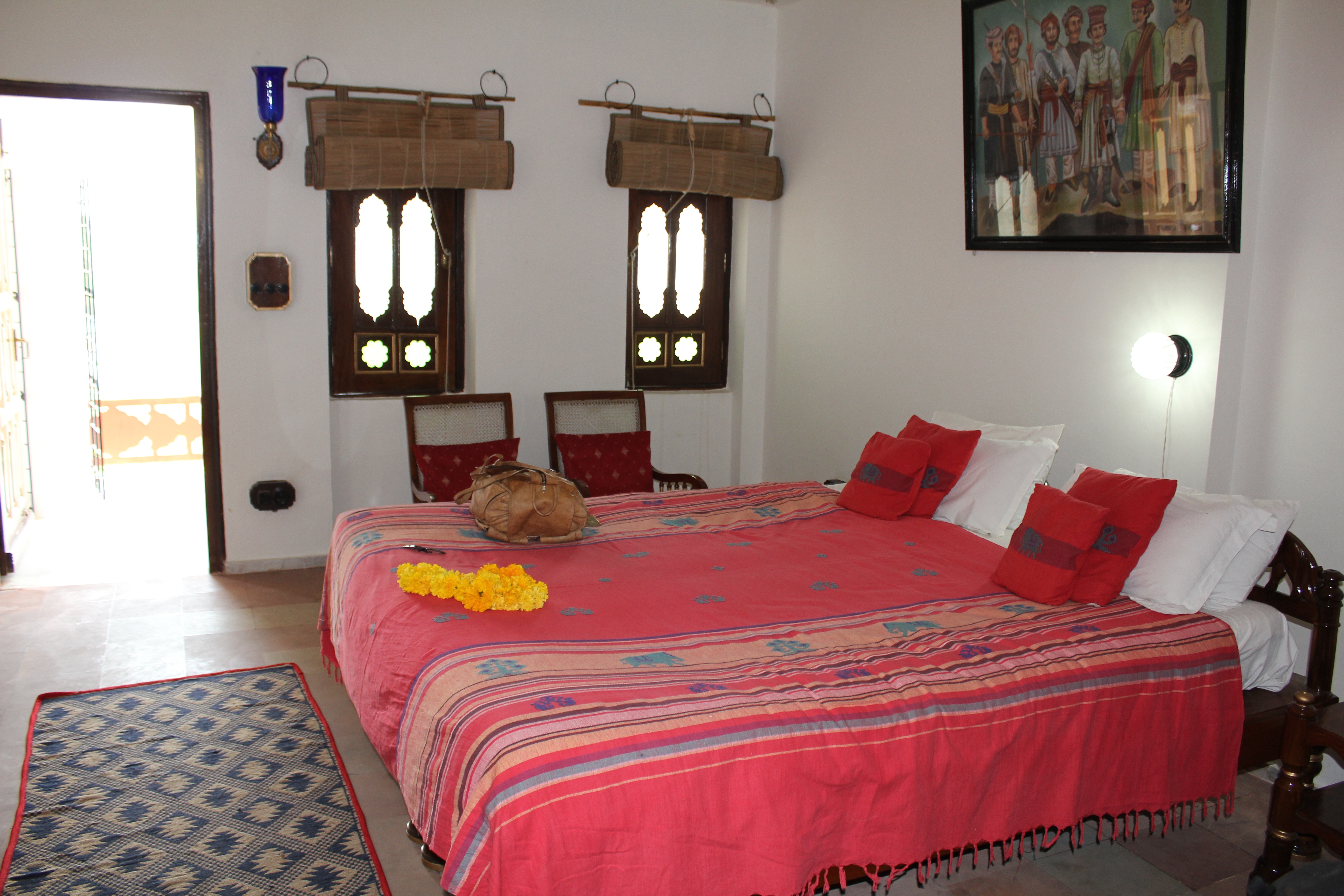
The room was excellent

Views from the roof of the hotel

Tomorrow is walkabout.

The end

I hope you managed to stay awake, if so there will be a Part 4 next week. I go walkabout, so there will be lots of pictures of the local town of Jhansi.

 Photographs copyrighted to Harvey Black.