WARNING – GRAPHIC PHOTOS – WARNING

During 1979/80, I served with Task Force Bravo, later known as 22nd Armoured Brigade, based in Northern West Germany. I took this as an opportunity to visit the Nazis concentration camp that was right on our doorstep. Unlike my previous Post on Auschwitz, the colour photographs were taken in 1979, and the quality wasn’t up to the standard of the Digital ones we’re used to today.

Again, it is not my intention to write the history of this notorious site, that has already been done, and by much better writers than me. I would just like to share some of my photography with you.
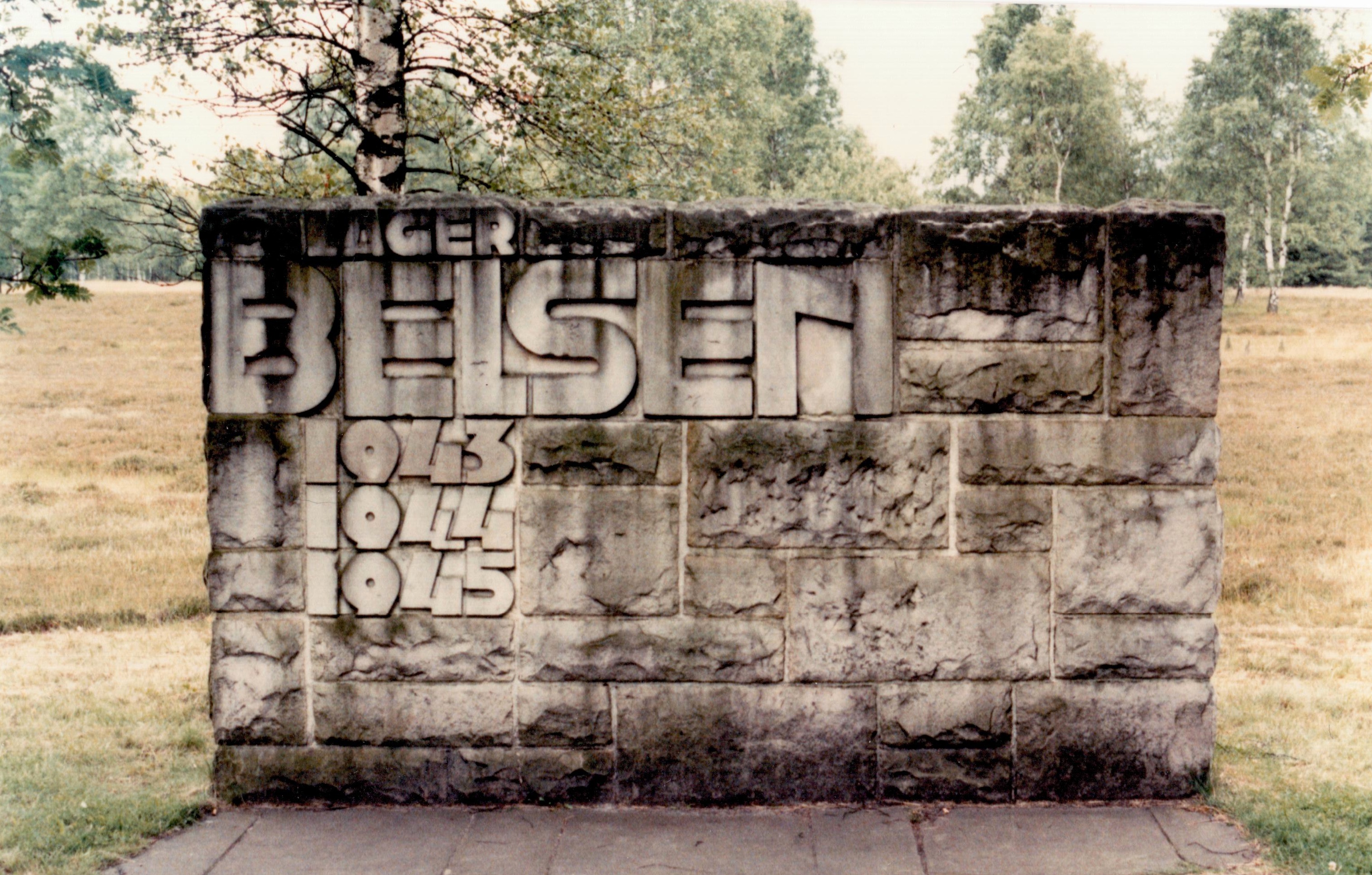
Bergen-Belsen, southwest of the town of Bergen near Celle. – 1979

 Very little remains there today, part from the mass graves  and a small covered area where photographs of the original site were displayed. I don’t know if it is still there.

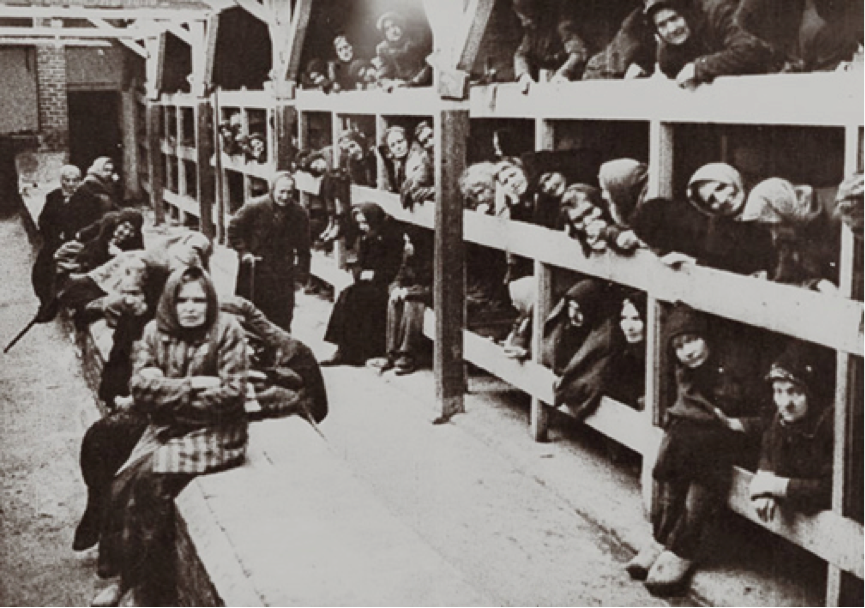
One of the barrack rooms after the camp was liberated. – 1945

From 1941 t0 1945, almost 20,000 Russian prisoners of war and over 50,000 other inmates died there. Many of them dying of typhus.
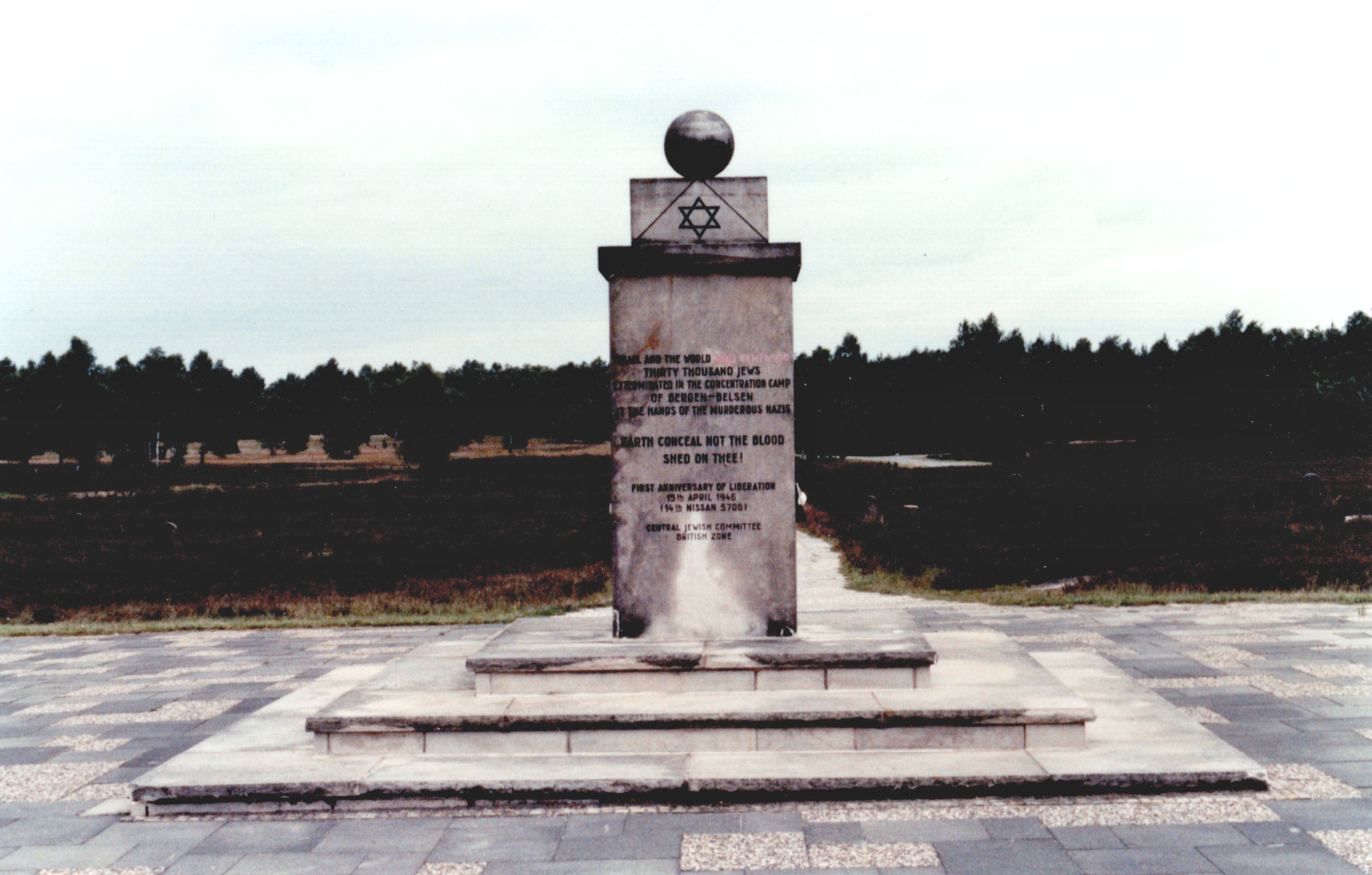
I think, this was roughly at the centre of the site. – 1979

The camp was liberated on the 15th April, 1945 by the British 11th Armoured Division. They discovered 53,000 prisoners inside, half starved and seriously ill, along with over 10,000 corpses.

The British soldiers had the unenviable task of clearing the dead bodies, but necessary to stop the spread of disease. – 1945
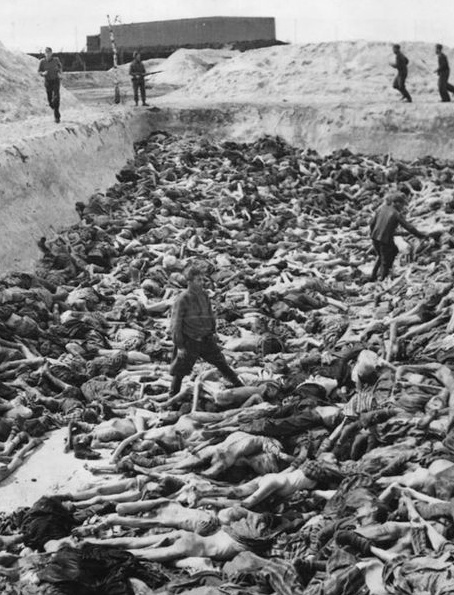
They were buried in Mass Graves, this one being Number 3. – 1945
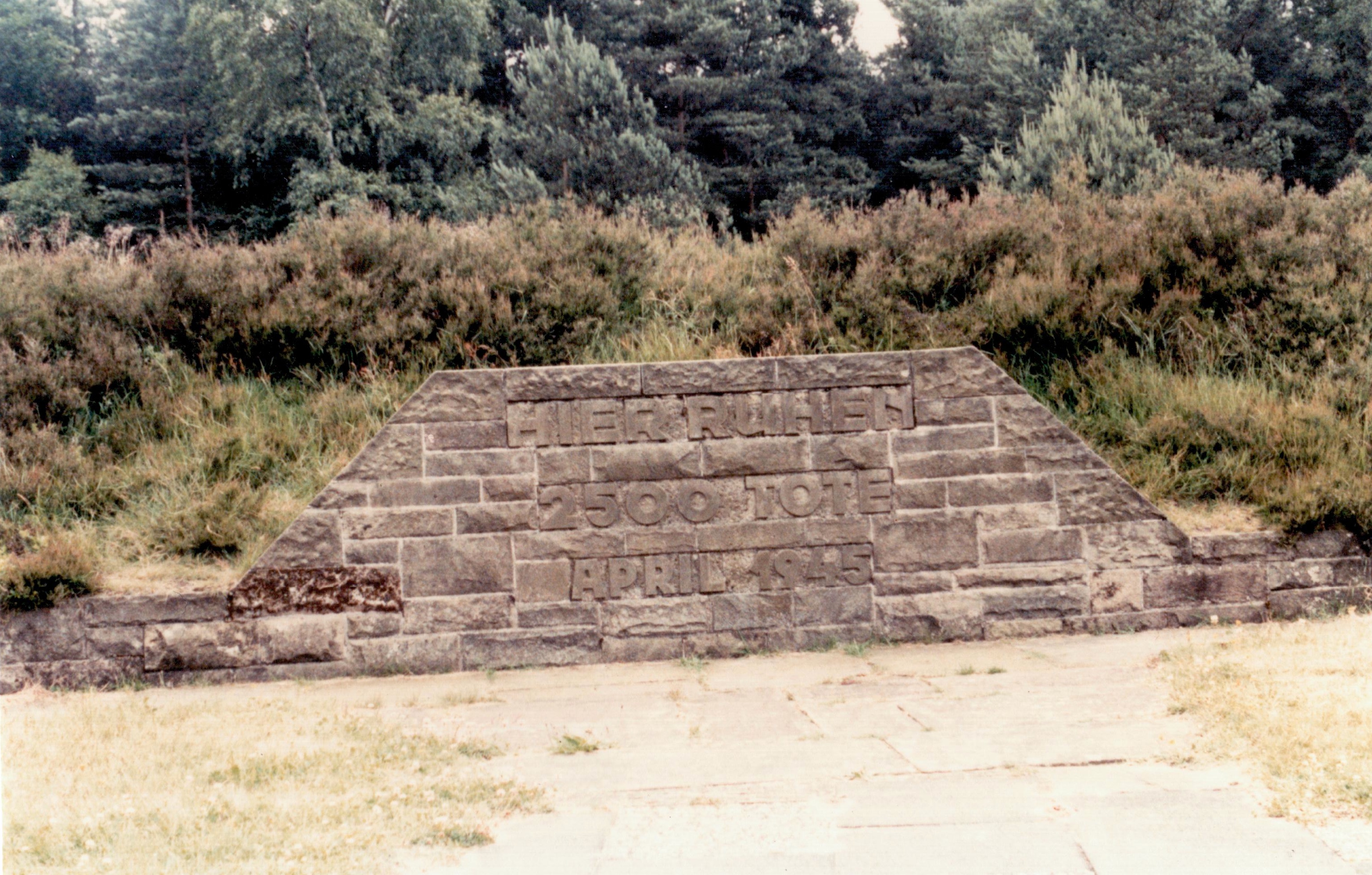
One of the Mass Graves, Bergen-Belsen – 2,500 dead. – 1979

The site felt quite eerie. There were no birds singing and there seemed to be a deathly silence. The ground seemed barren and apart from a few trees and poor quality grass, little else was visible.
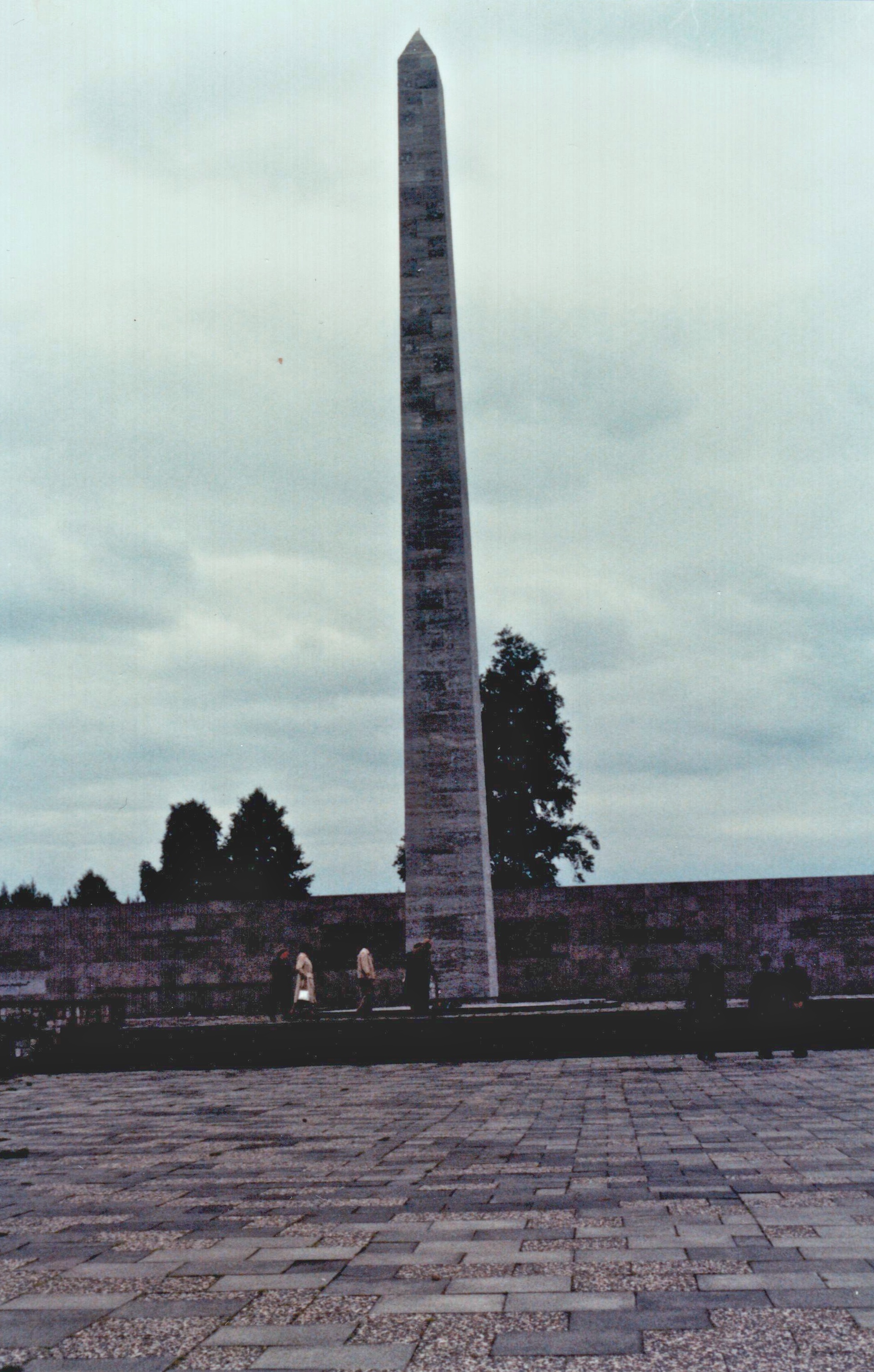
Site of the Bergen-Belsen Concentration Camp. – 1979

I believe that in in 2007, a redesigned memorial site was opened. It now has a large new Documentation Centre and a permanent exhibition.  The structure and the layout of the camp can now also be traced. I must return there one day.

As indicated at the beginning, my intention was just to share a few photographs with you and not do a write up on the background to the camp and the atrocities linked to it. It was a fascinating, yet horrific, time in our Worlds history and I sometimes wonder if all the lessons from it have been learnt.

Colour photographs copyrighted to Harvey Black

HB
The Invasion of Crete, WW2.

This would be the first ever airborne invasion in military history. The Fallschirmjager, supported by the famous Gebirgsjager mountain troops, are up against 40,000 allied soldiers – who will fight to the bitter end to protect Crete.

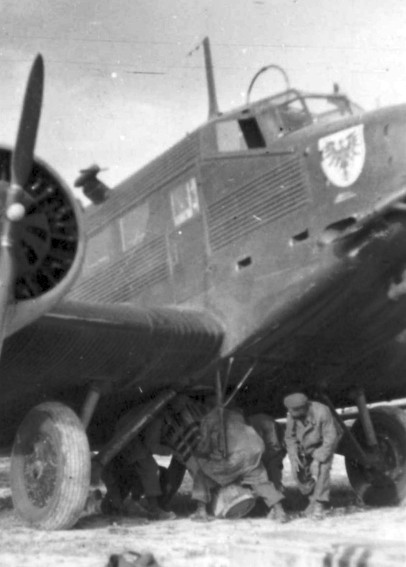
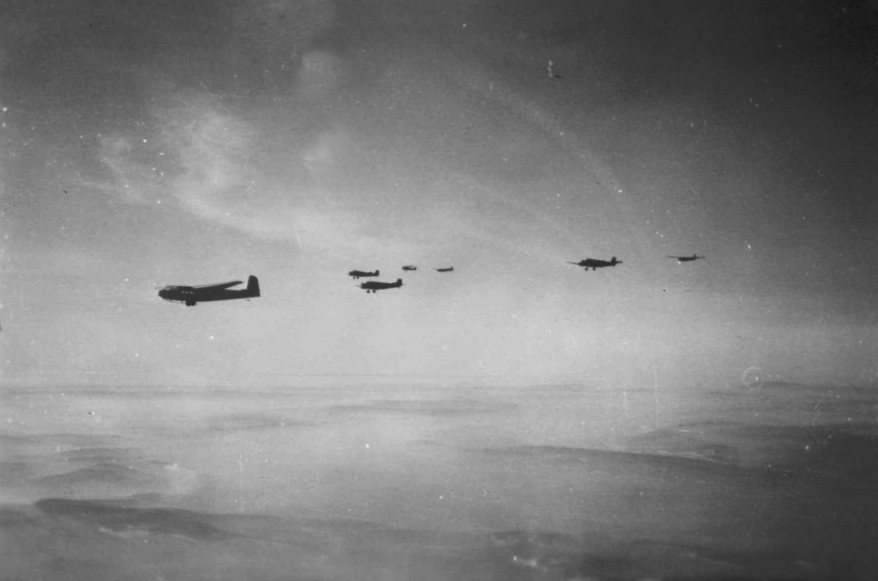
Before dawn on the 20th May 1941, the JU-52’s, “Tante Ju’s”, warmed up their engines on the Greek airfields of Corinth, Megara and Tanagra ready to undertake the first full scale invasion of a country from the air. They were to attack the 160 mile long Island of Crete.

ref=sib_dp_kd.

Loading a weapons canister into a JU-52.

Within minutes of the first few taking off, carrying their loads of paratroopers towards their objectives, a dust storm had been created by the backdraft from the three engined Junkers, playing havoc with the German’s carefully planned schedule. Eventually, waiting for the clouds of dust to settle, all were launched.

Ju-52’s and towed DFS-230 gliders on route to Crete.

On Day 1, the glider companies landed successfully on their targets, capturing the bridge over the Tavronitis and securing an area on the outskirts of Maleme airfield. The 3rd battalion, Luftlande Sturmregiment, started their drop landing directly on top of two New Zealand battalions. The 2nd battalion landed east of Spilia and the 4th battalion west of Travonitis. Once Generalmajor Meindl had secured his HQ, and dug in on the outskirts of the airfield, he sent two companies to take Hill 107, a key position overlooking Maleme airfield. Major Koch, of Eben Emael fame, the commander of  the 1st battalion, received a head wound while helping to take Hill 107.

Fallschirmjager, paratroopers, dropping onto Crete. 

The second major drop that day was around the town of Chania. A second wave of aircraft dropped more paratroopers in the afternoon, along with further gliders containing heavy assault troops. Rethymnon was attacked at 1615 hours, Heraklion at 1730. The Fallschirmjager suffered heavy casualties that day.

Day 2

The Fallschirmjager took advantage of the New Zealand forces withdrawing from Hill 107, this eventually giving the Germans control of Maleme airfield, enabling them to land aircraft and reinforce the units on the ground.

Fallschirmjager in Crete, their distinctive helmets and combat smocks clearly visible.

Before midnight, Rear Admiral Glennie’s Force D, three light cruisers and four destroyers, intercepted a water born landing by German reinforcements. Out of the 2,000 strong German force, over 1,000 managed to escape.

Warships berthed close to the Island – Crete 1941

The Germans now had a foothold on Crete and with Maleme airfield in their possession, they flew units of the 5th Gebirgsjager, Mountain, Division in to join in the attack.

A bitter battle was fought – destroyed British light Mark VI,  tanks, 1941.

It was an exhaustive battle for the Fallschirmjager

But after 10 days of battle they had their victory march – Crete 1941.

But they suffered heavy casualties and it was the last major jump completed by the Fallschirmjager in WW2

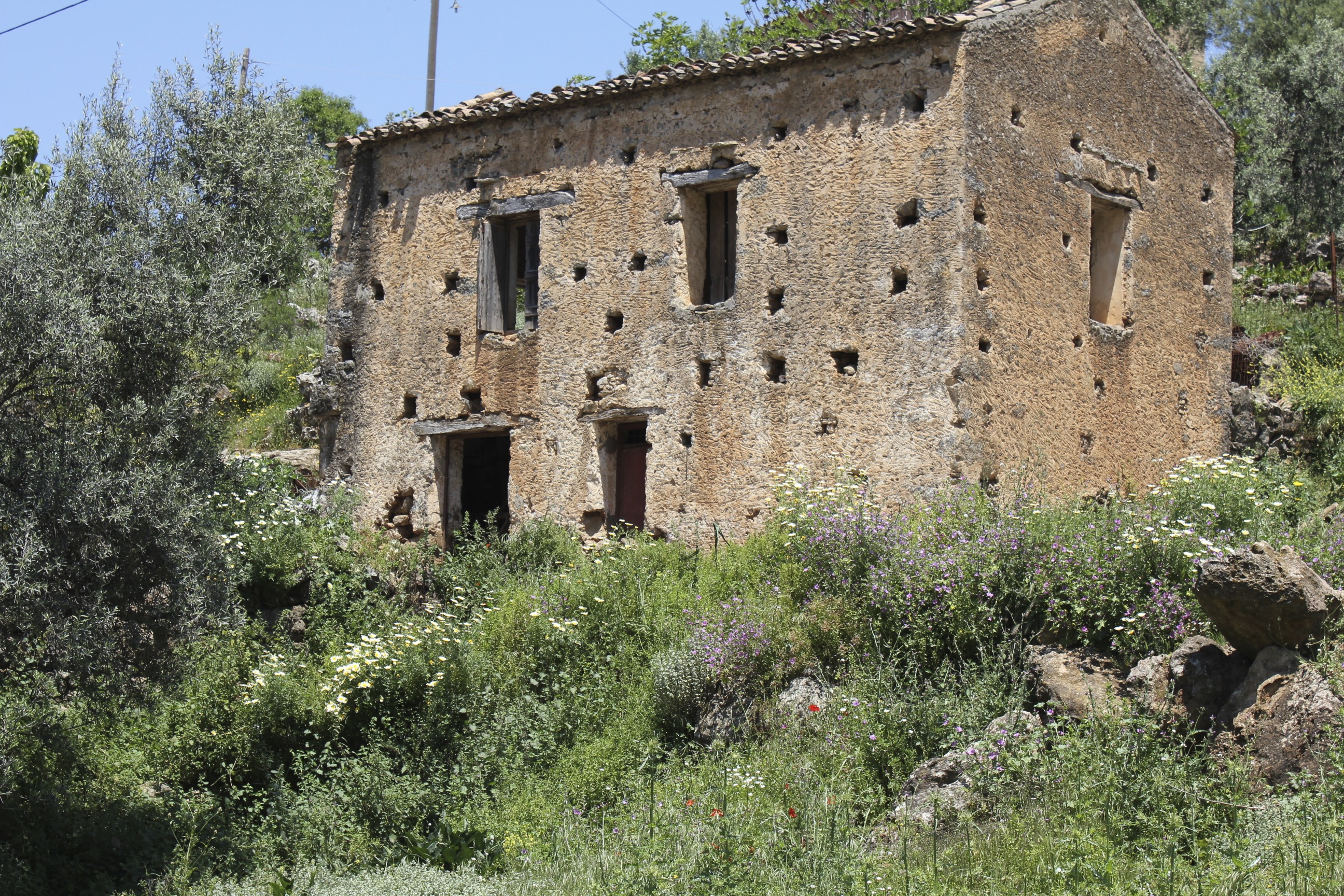
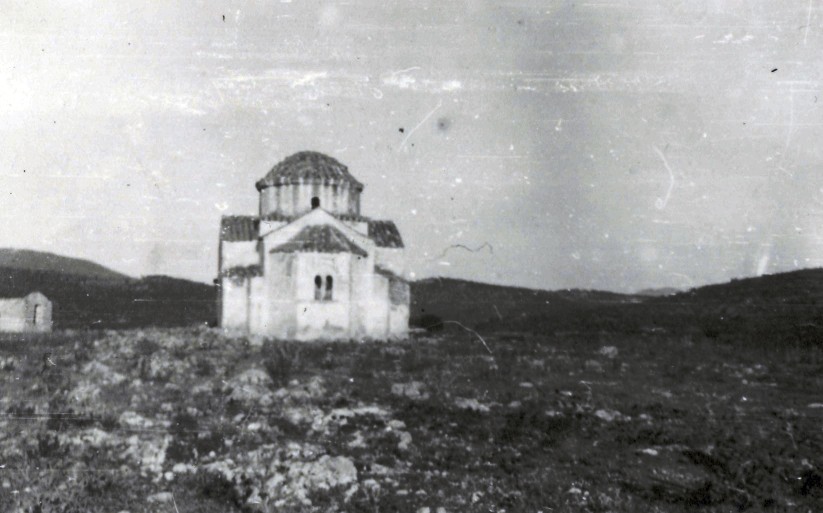
The following are pictures from my visit to Crete while writing Devils with Wings: Silk Drop. The visit helped me with my descriptions of the environment they fought in.

When you read about Max and a certain incident, this is the plant I was describing

2010

1941

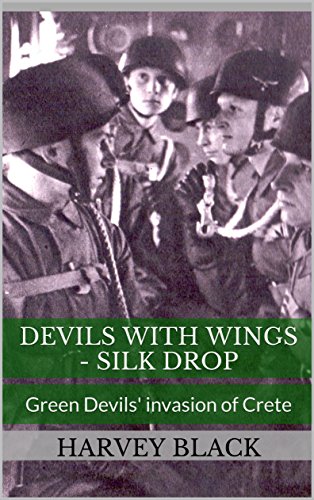
This exciting fictionalised retelling of the invasion of Crete is written by an author with extensive experience in army intelligence. It’s the follow up to Devils With Wings, and continues the wartime adventures of Fallschirmjager paratrooper Paul Brand and his Feldwebel Max Grun. On a high after their successful subjugation of Fort Eben Emael, Paul Brand, now in command of his own company, and Feldwebel Max Grun, are parachuted into Greece to help capture the bridge spanning the Corinth Canal. Tough times are ahead when the German High Command decide to invade the Island of Crete. This will be the first ever airborne invasion in military history. The Fallschirmjager, supported by the famous Gebirgsjager mountain troops, are up against 40,000 allied soldiers – who will fight to the bitter end to protect Crete. Operating behind enemy lines, Paul Brand and Max Grun will face challenges that not only tests their fortitude but strains the close bond between them. Silk Drop is a thrilling sequel to Devils With Wings and is based on a factual episode.

Photographs copyrighted to Harvey Black

During 2010, I worked and lived in Poland. I took this as an opportunity to visit some of the great towns and cities of Poland, Including Wroclaw, Warsaw and Krakow. Krakow has to have been the most interesting. Not only is it a beautiful place, with a tremendous backdrop of mountains to the southwest.

But unfortunately there is a darker side to that area; 50 kilometres away is the home of the infamous concentration camp, Auschwitz.

It is not my intention to write the history of this notorious site, that has already been done, and by much better writers than me. I would just like to share some of my photography with you.

I am sure, had I visited the two sites in the middle of summer, with greenery, flowers and birds singing, the impact may have been different. But with snow on the ground and it being bitter cold, it was much easier to picture in your mind the atrocious conditions experienced by the people incarcerated there.

Auschwitz-Camp I

Gate into the main Auschwitz camp.  Hoess’s infamous ‘Arbeit Macht Frei’ sign, ‘Work will set you free.”

In his autobiography, Hoess points out that the expression meant  ‘work liberates one in a spiritual sense’, not that you will be free. To the Jews, it was later known as the ‘Death Factory”.

Auschwitz main camp, Camp I, the fences say it all.

Some of the main brick built camp buildings, an ex Polish Army Barracks.

Security was paramount.

The roof of the gas chamber at Auschwitz main camp, the crematoria chimney in the background.

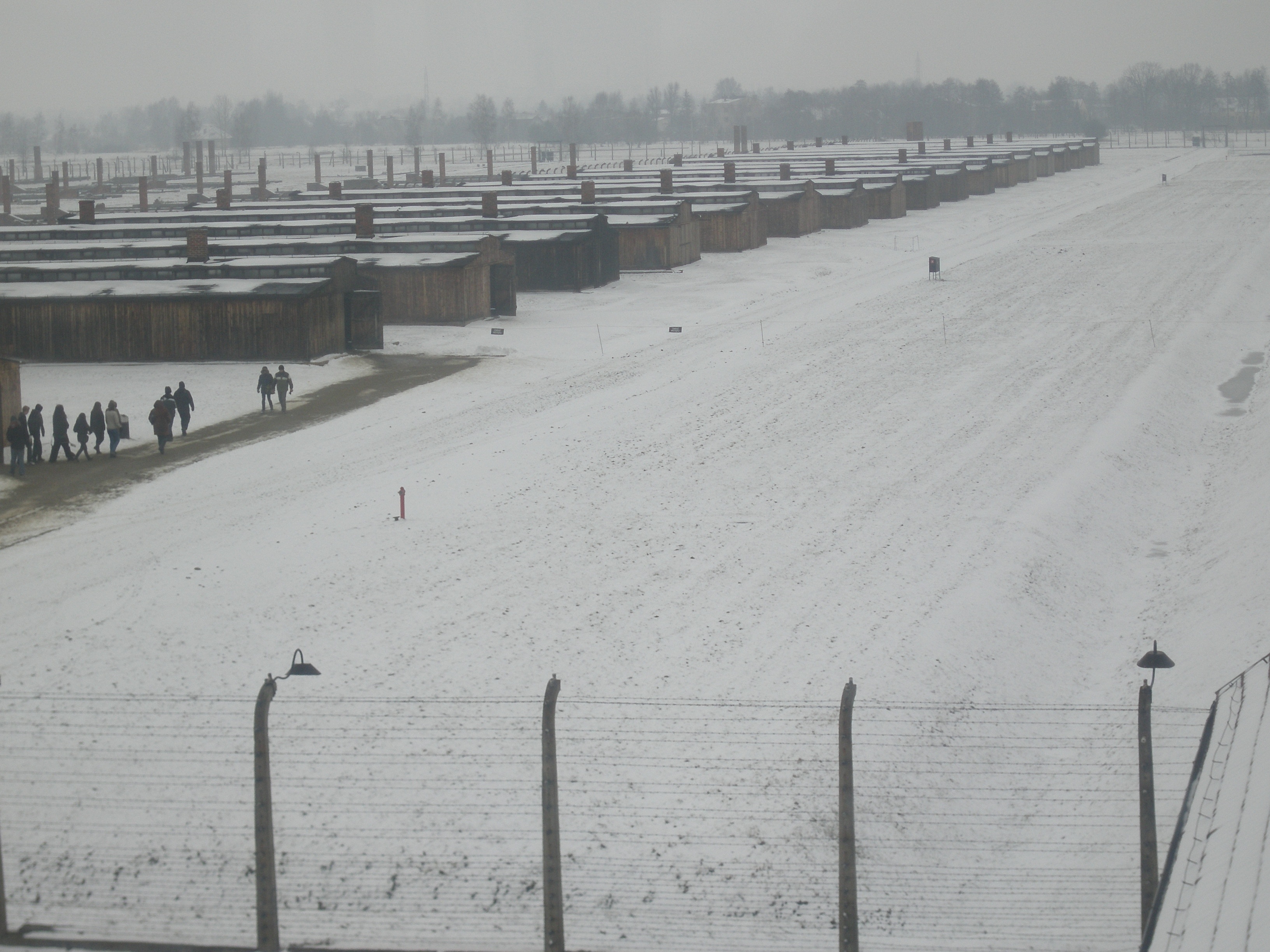
Auschwitz-Birkenau, the first view of this bleak concentration camp, Camp II.

Looking into the camp through the barbed wire perimeter fence.

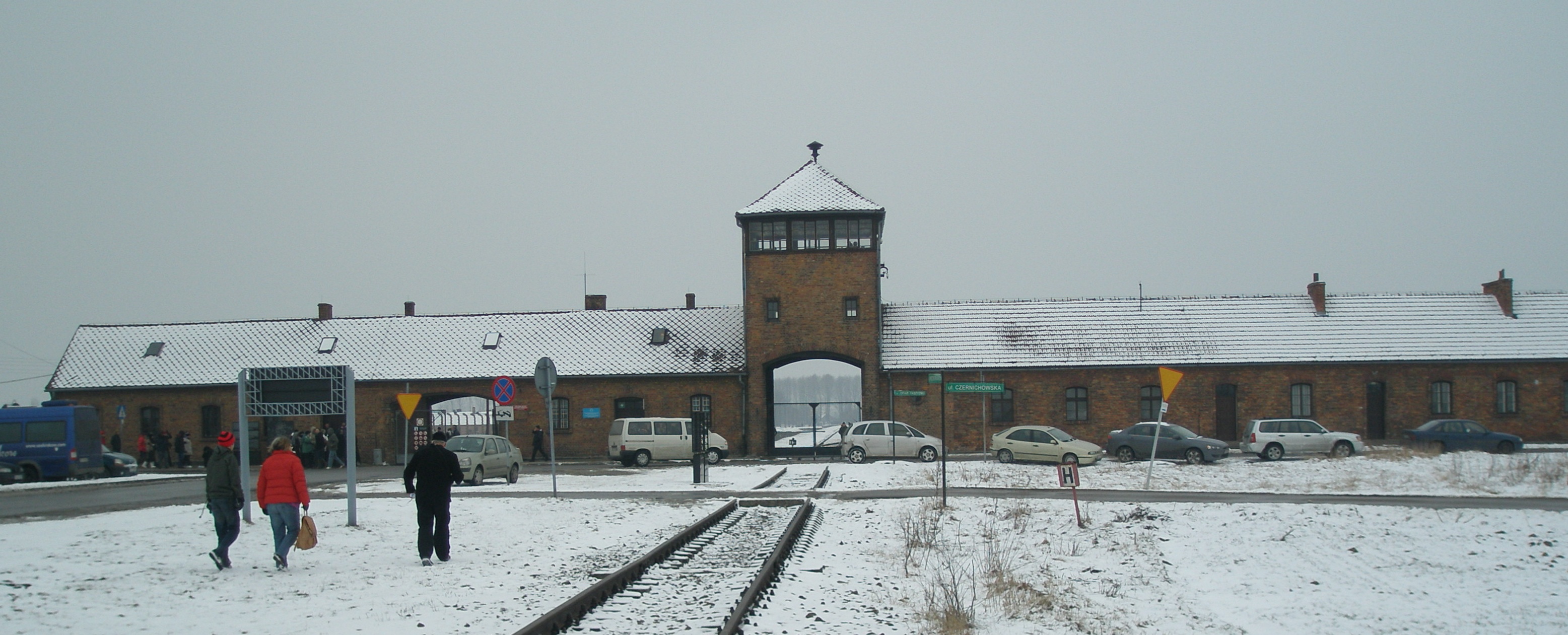
The Iconic picture of the entrance to Auschwitz-Birkenau.

The view the guards would have had of the camp from the control tower at the top of the archway entrance.

The view the camp prisoners would have got of the entrance to Auschwitz-Birkenau, as they were ordered off the cattle trucks to a fate they probably didn’t anticipate.

The long railway sidings where the dogs would have been barking, whistles blowing, guards screaming, families separated and children crying.

The reality of it all.

The site of some of the ruins of Auschwitz-Birkenau.

They had latrines, but not quite what we may be used to.

A view of the bunk beds, although I don’t think it depicts the true horror that was experienced within.

A more realistic view.

As indicated at the beginning, my intention was just to share a few photographs with you and not do a write up on the background to the camp and the atrocities linked to it. It was a fascinating, yet horrific, time in our Worlds history and I sometimes wonder if all the lessons from it have been learnt.

HB

General Erich Von Manstein, Part 2.

During the battles around southern Leningrad, in October and November 1941, in temperatures reaching -40 degrees, the 3rd Fallschirmjager Regiment, FJR3, 7th Flieger Division, commanded by General Student, was dispatched to defend parts of the River Neva and repulse any Russian attempts at creating a bridgehead. They were used in battalion-sized units in a fire-fighting role and consequently some elements suffered up to 75% casualties. The setting for my third novel, Devils with Wings: Frozen Sun

This unit was just a small piece of the jigsaw of Army Group North’s push through the Balkans during Operation Barbarossa, launched by Hitler on Sunday, 22nd June 1941.

General Manstein’s WW2 career started as the Chief of Staff of Heeresgruppe Süd, Army Group South, coordinating the three subordinate armies during the initial invasion of the West, the infamous Blitzkrieg, and rapidly defeating Poland in its wake.

After only a matter of weeks after the fall of Poland, the General was given the operations order, Fall Gelb, Case Yellow, the plan for the attack on the Anglo-French Allies. The initial plan was for the focal point, using Heeresgruppe B, to be on the right flank in Belgium and Heeresgruppe A, with two armies and a single panzer division, making a supporting attack through the Ardennes.

Manstein quickly identified weaknesses in this approach, advocating that the allies would expect an attack through Belgium and the German Army would be unable to fulfil the new concept of encirclement. With Rundstedt behind him, Manstein wrote to the German High Command, OKH, suggesting that the main push, with Heeresgruppe A, should be through the Ardennes, with four panzer divisions, pushing across the River Meuse, followed by a ‘Sickle-cut’ deep into the allied lines to reach the Channel coast.

His preferences were not welcomed however, and many of his memos were blocked and did not reach Hitler. However, some of Manstein’s supporters managed to leak his ideas to Hitler and on the 17th February 1940, along with other senior commanders, he was invited to breakfast with the Führer himself. Taken aside and asked for his opinion, Hitler adopted this new approach and Heeresgruppe A was increased from 24 to 44 divisions, including the newly formed Panzergruppe Kleist, consisting of five panzer divisions, totalling some 1,200 tanks.

Manstein, although the father of the attack plan, had little involvement in the early stages. Eventually his XXXVIII Armeekorps was involved and was part of a multi-corps assault across the River Somme on the 5th June, eventually pushing the French forces back to the River Loire.

The rest is history, with the invasion of the west being launched on the 10th May 1940, the main allied force being quickly defeated and the remaining French forces defeated by a second Blitzkrieg, ending with the signing of the armistice on the 22 June.

Manstein’s involvement in the Campaign, although short, was successful and he was awarded the Ritterkreuz der Eisernen Keuzes, Knight’s Cross of the Iron Cross, and made General of the Infantry. Although there were a number of contributors to the final plan, it was Manstein’s model that ensured German’s greatest military victory.

With Operation Sea lion, the Invasion of Britain cancelled, Hitler’s eyes were already turning east. Manstein was to prove his worth yet again in one of the largest battles ever…