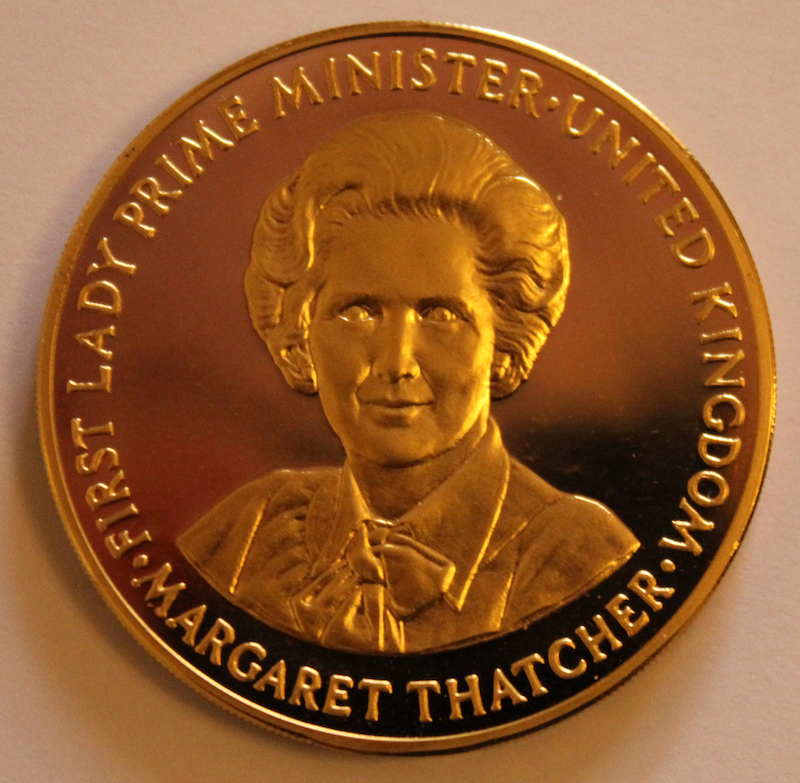
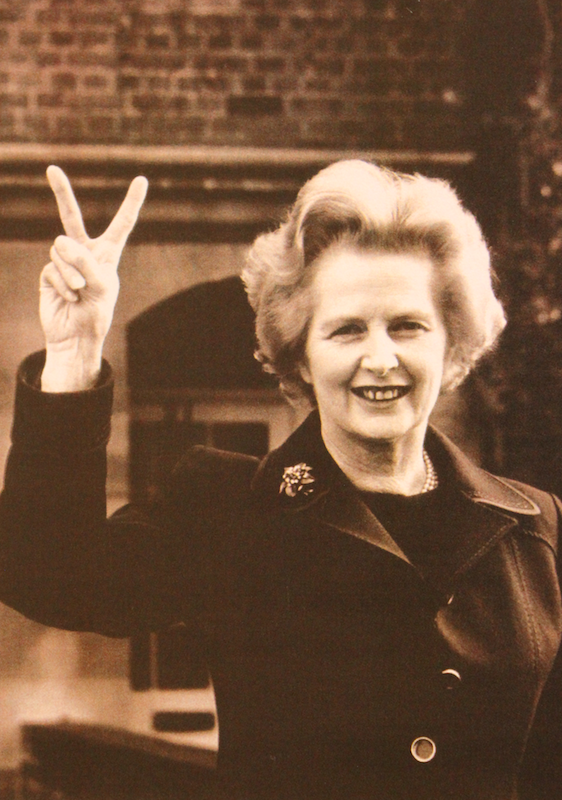
Margaret Hilda Thatcher, Baroness Thatcher, LG, OM, PC, FRS. October 1925 – 8 April 2013. The longest serving Prime Minister of the United Kingdom of the 20th Century and the only woman to have held the post.
.
She was a tough cookie and probably had more grit than most of her Cabinet colleagues.
Although not everybody’s favourite and hated by some, she always did her best to ensure the British Forces were given what was needed to complete their task, within the financial constraints that we all have to endure. I joined the same year she became PM and can remember receiving a substantial pay rise when it was discovered that soldiers getting killed and wounded in Northern Ireland, at the rate of two or more per week, were having to claim housing benefit in order to feed and house their families.
.
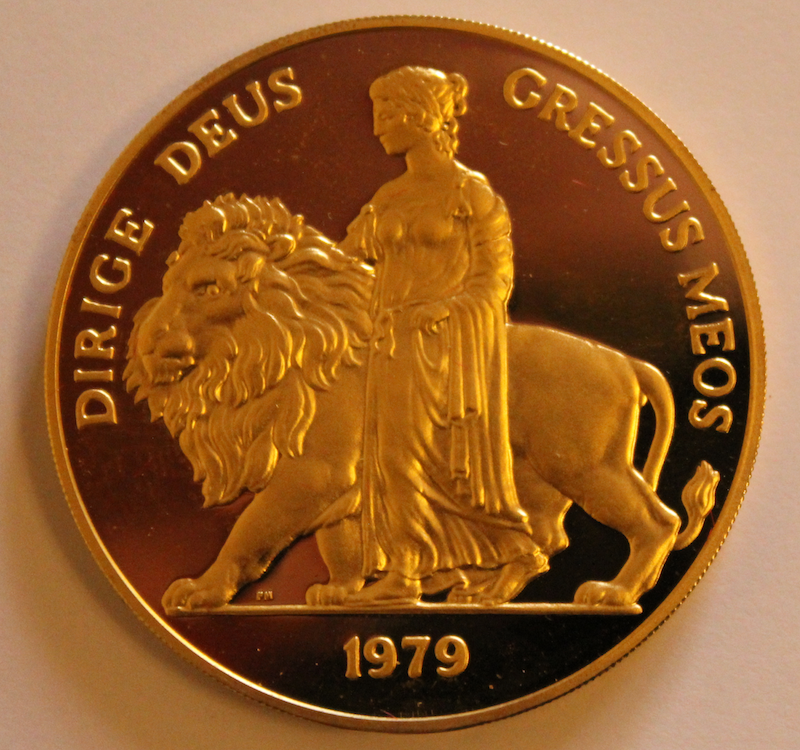
A 22 carat Gold plated Silver Medal Crown struck to celebrate her inauguration as Prime Minister in 1979.
.
Translation of the latin inscription on the reverse. ‘May the Lord protect my steps’.
Originally a research chemist before becoming a barrister, she was elected Member of Parliament for Finchley in 1959.
.
Margaret Thatcher’s victory over Europe. When in European Union meetings, she was in the habit of looking her opponents in the eye and stating ‘I want my money back’.
.
.
She quickly got the reputation as an Iron Lady. This cartoon sketched, and signed, by David Levine, an American artist and illustrator, and a political satirist, very much portrays that image. Included in The New York Review of Books 1982.
.
She also took a tough stance in respect to the Cold War and the threat that was ever present from the Soviets and the Warsaw Pact countries.
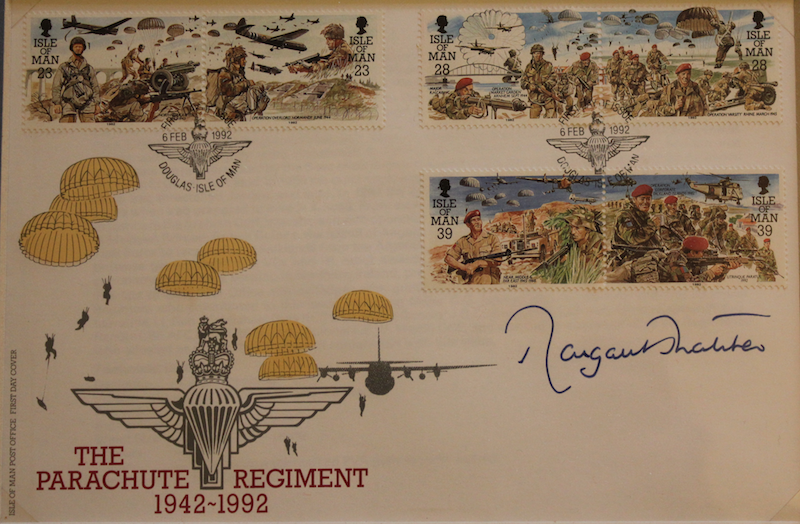
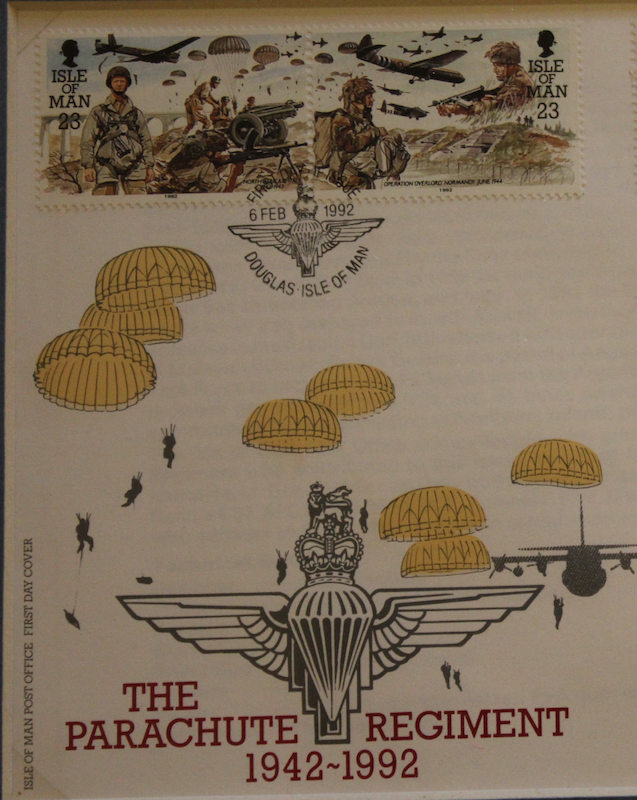
This first day cover, signed by Margaret Thatcher, takes pride of place on my writing desk where i pull together all the research for my novels.
.
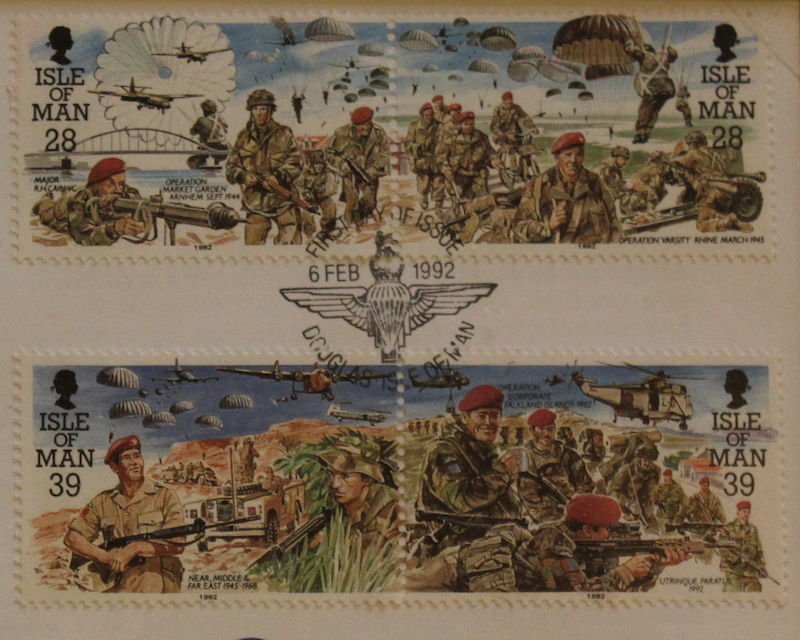
The personally signed Parachute Regiment 50th Anniversary first day cover.
.
A close-up of some of the stamps on the cover.
.
The Parachute Regiment 1942-1992
This is not a Political Post. I just want to take the opportunity to pass on my condolences to her family and wish that she rests in peace.
. .
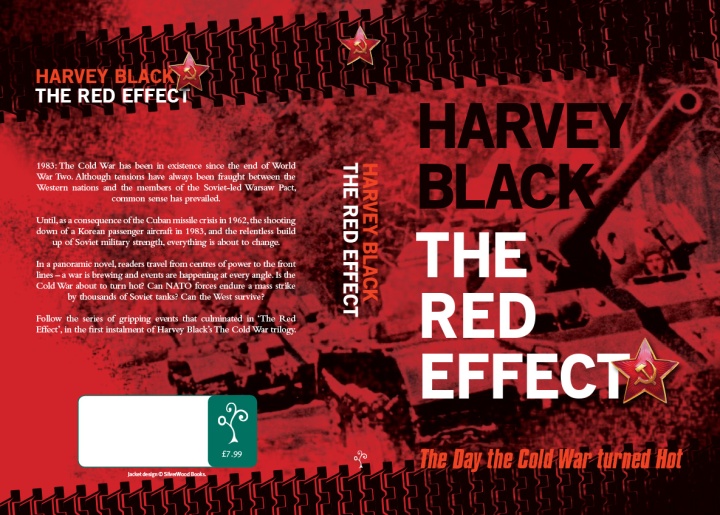
‘The Red Effect’ by Harvey Black – Available now. The Cold War that became a Hot War.
The Photographs and Blog are copyrighted to Harvey Black.
.
‘The Red Effect’ by Harvey Black – Kindle version out now! The Cold War that became a Hot War. Paperback edition imminent.
Fallschirmjager, Grüne Teufel, Green Devils. Part 4.
.
The Fallschirmjager qualification badge.
.
I have just finished writing my third novel in the Devils with Wings series, Devils with Wings: Frozen Sun. The Fallschirmjager, after their successful battle taking Crete in only 10 days, are shipped to Poland to partake in Operation Barbarossa, the German invasion of the Soviet Union.
Leaving temperatures in excess of forty degrees to be used, not in an airborne operation, but as a fire brigade, plugging gaps in the line around Leningrad, particularly along the banks of the River Neva. They were Army Group North’s strategic reserve. They were quickly placed into the fray, fighting along the River Neva, where temperatures dropped to below -30 degrees, sometimes as low as -40. They were successful at plugging the gaps and preventing the Soviet Union from exploiting their bridgeheads over the River Neva, but at a price. Some units suffered up to 75% casualties. Many who had survived the assault on the Fortress Eben Emael, (Devils with Wings) and the fierce fighting on the Island of Crete (Devils with Wings: Silk Drop) met their fate in this bitter struggle with the atrocious weather and the never ending Soviet hordes.
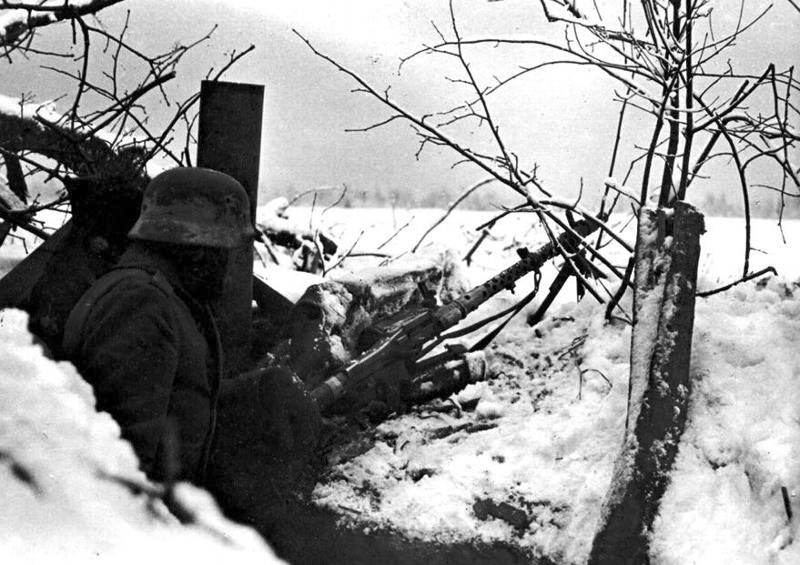
The German Army, and the Fallschirmjager, were soon to experience the hostile Russian winters.
The airborne operation against Crete inflicted severe losses on the Fallschirmjager Division. At only a third of its original strength, there were far too few qualified troops available to conduct any large scale airborne operations at the outset of Operation Barbarossa. The Luftwaffe had also suffered considerable losses in transport aircraft and gliders. So, rather than initially being involved in Operation Barbarossa, 7th Flieger Division remained in Germany to rest and refit. But, they weren’t left out of it for long.
.
Fallschirmjager helmet, M38 Model Fallschirmjagerhelm.
.
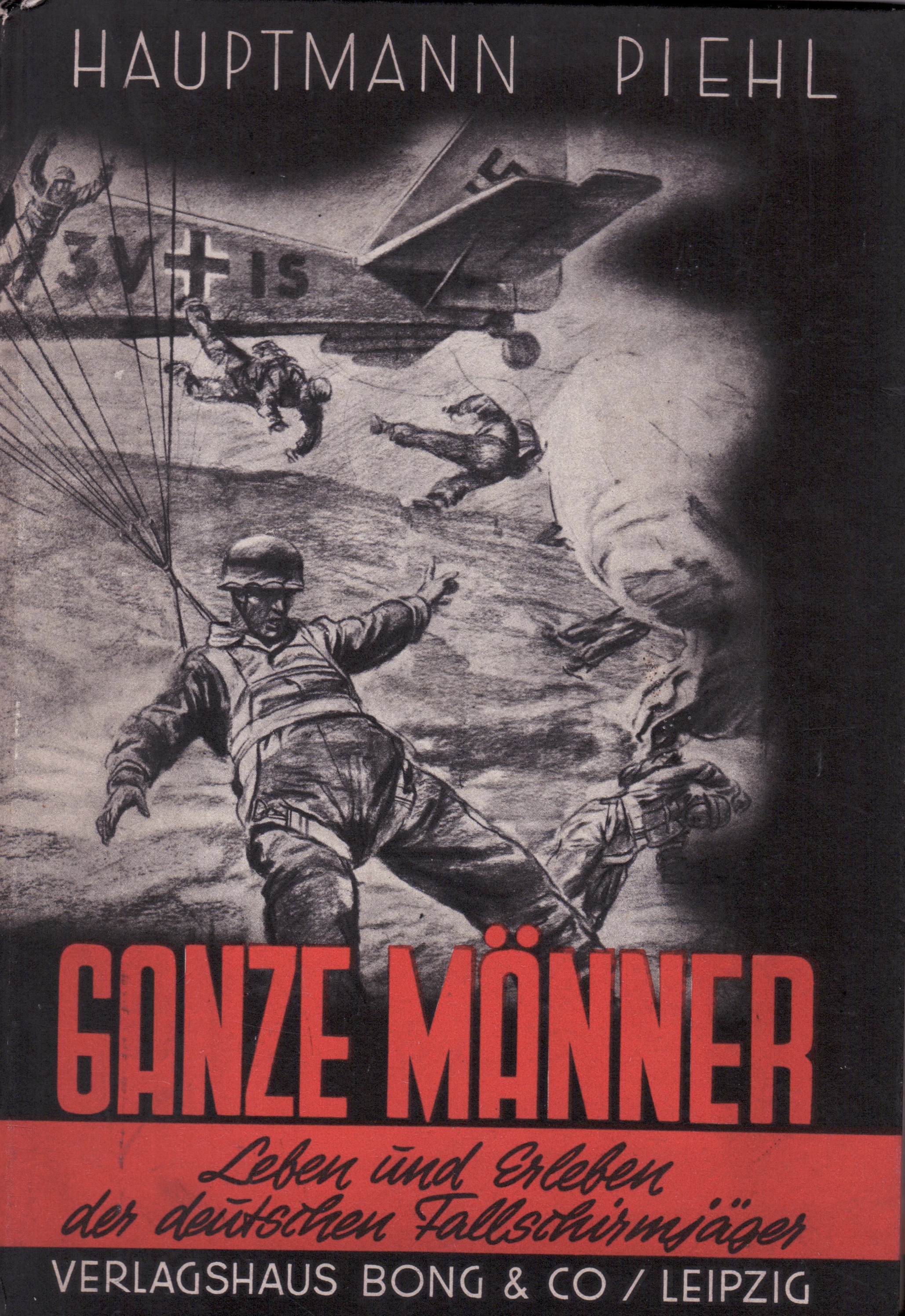
The front cover of Hauptmann Piehl’s Ganze Manner, the 1943 first edition, with a foreword by General Kurt Student.
The German Fallschirmjager in WW2.
.
On the 22nd June, 1941, Operation Barbarossa was launched, the German invasion of the Soviet Union. Nearly 4 million Axis troops invaded the USSR along a front that extended nearly 4,000 kilometres.
.
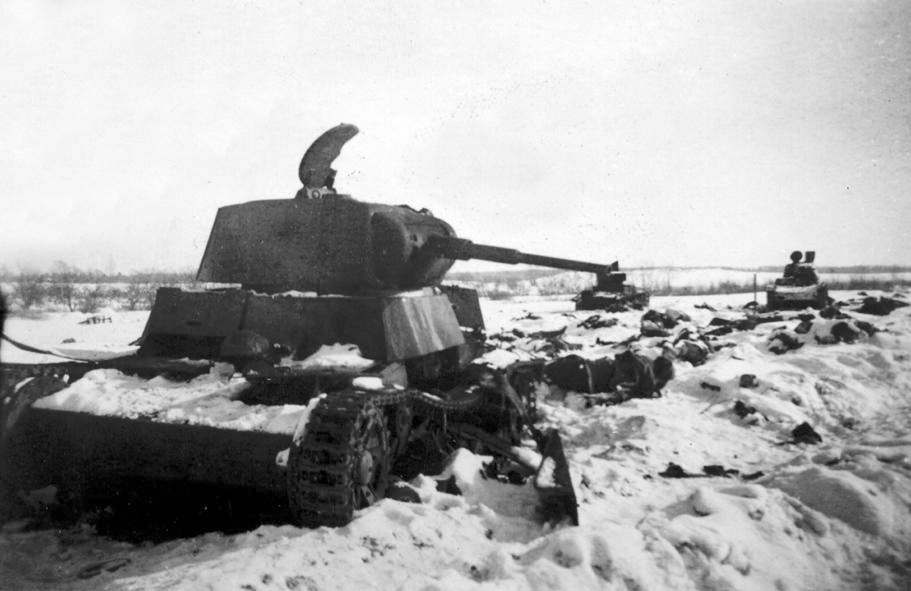
Destroyed Russian ranks.
.
The German Army deployed three Army Groups, North, Centre and South. Army Group North’s ultimate goal was Leningrad. The commander of Army Group North, Ritter von Leeb, had three armies at his disposal. 16th Army, 18th Army and the powerful 4th Panzer Army, fielding 29 Divisions between them.
.
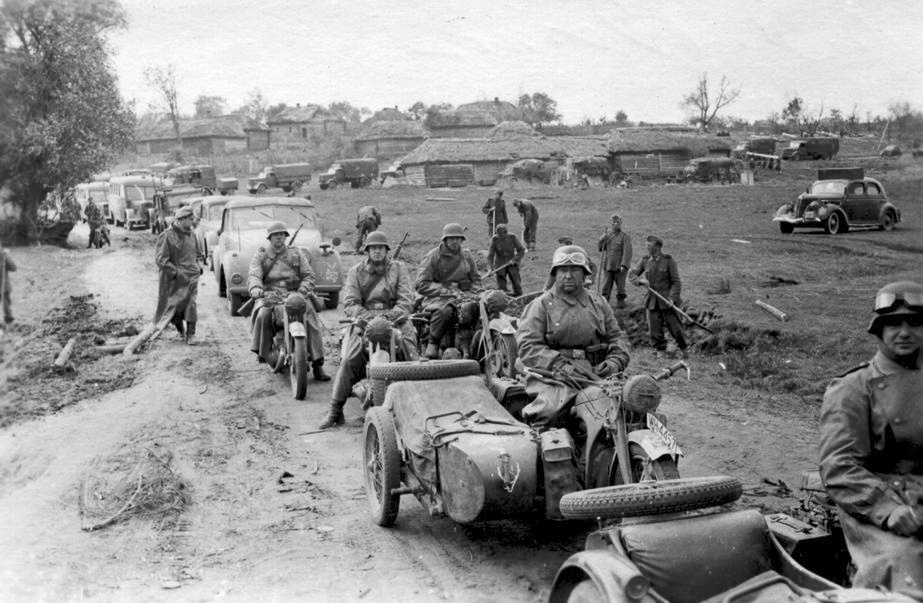
Initially progress was good.
.
German troops advance quickly and deep into the Soviet Union.
.
Although the Russians fielded the infamous T-34’s, they were unable to stop the German onslaught.
.
The T-34’s came as a shock to the German Army, unaware of their existence until they met them in battle.
.
The Russian airforce was no match for Army Group North’s Luftwaffe support provided by Luftlotte 1.
.
On the first day, Panzer Group 4’s 600 tanks crossed the River Neman and penetrated up to 80 kilometres.
.
Horse drawn supply wagons.
Although supposedly a mechanised army, the German forces were heavily dependant on horse drawn wagons for their supplies and very quickly ran out of fuel and ammunition. By the end of the 22nd June, the German armour had penetrated 80 kilometres in their drive towards Leningrad. On the 23rd June, near a town called Raseiniai, the Soviets counter attacked. It was here that the German panzers came across the KV heavy tanks for the first time. The Panzer 35(t)’s and anti-tank weapons were practically ineffective against them. The Pak 37, 37mm anti-tank gun earned the nickname of ‘door knocker’ because it couldn’t penetrate the thick armour.
.
KV heavy tanks. The later Pak 40, 75mm anti-tank gun was given a priority as they were badly needed to stop these new tanks. One tank in Raseiniai held the advance up for 24 hours.
.
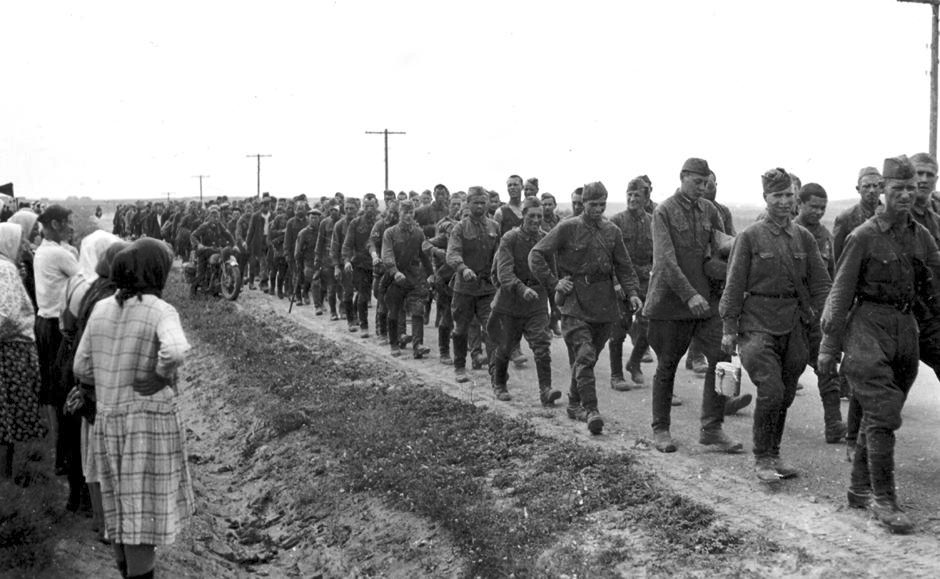
The advance continued with thousands of Russian prisoners being taken.
.
Long columns of Russian prisoners were marched to the rear, guarded by only a few german guards.
.
The Russian troops were demoralised, badly led and beaten.
.
But it didn’t all go the German Army’s way. By the end of September 1941, Army Group’s North, Centre and South, ground to a halt. The worsening mud of the Russian Rasputitsa and stiffening Russian resistance ground the German forces down. Although Army Group North had surrounded Leningrad to the south, east and west and the Finnish closed the ring to north, they made little headway.
The Russian Army was desperate to penetrate the ring of steel that isolated them from the rest of the soviet Union and fought hard to break out. They managed to get two bridgeheads across the River Neva, the German army struggling to restrain them.
The only German Strategic reserve that could be thrown into battle to stem the flow, was the 7th Flieger Division.
.
The 1st and 3rd battalions of the 1st Parachute, Fallschirmjager, Regiment and the 2nd battalion of the Luftlande-Sturmregiment were dispatched to the Leningrad to fight alongside 18th Army. They were to be the Army’s fire brigade.
.
Deployed east of the city, along the River Neva.
.
Fallschirmjager Granatwerfer, mortar team in action.
.
In mid-October, just as the Russian winter was setting in, the 7th Flieger’s Divisional Headquarters arrived at the front.
.
The Fallschirmjager now had much better support under the command of their own division rather than the Wehrmacht.
.
The soviets battered the Fallschirmjager troops relentlessly, desperate to escape the trap, but to no avail. The Fallschirmjager, reinforced by the Parachute Engineer Battalion, held their ground. The troops held the Red Army soldiers from the Volkhov front back, some units suffering up to 75% casualties. The weather, dropping to lows of nearly -40 degrees, also took its toll on the paratroopers.
.
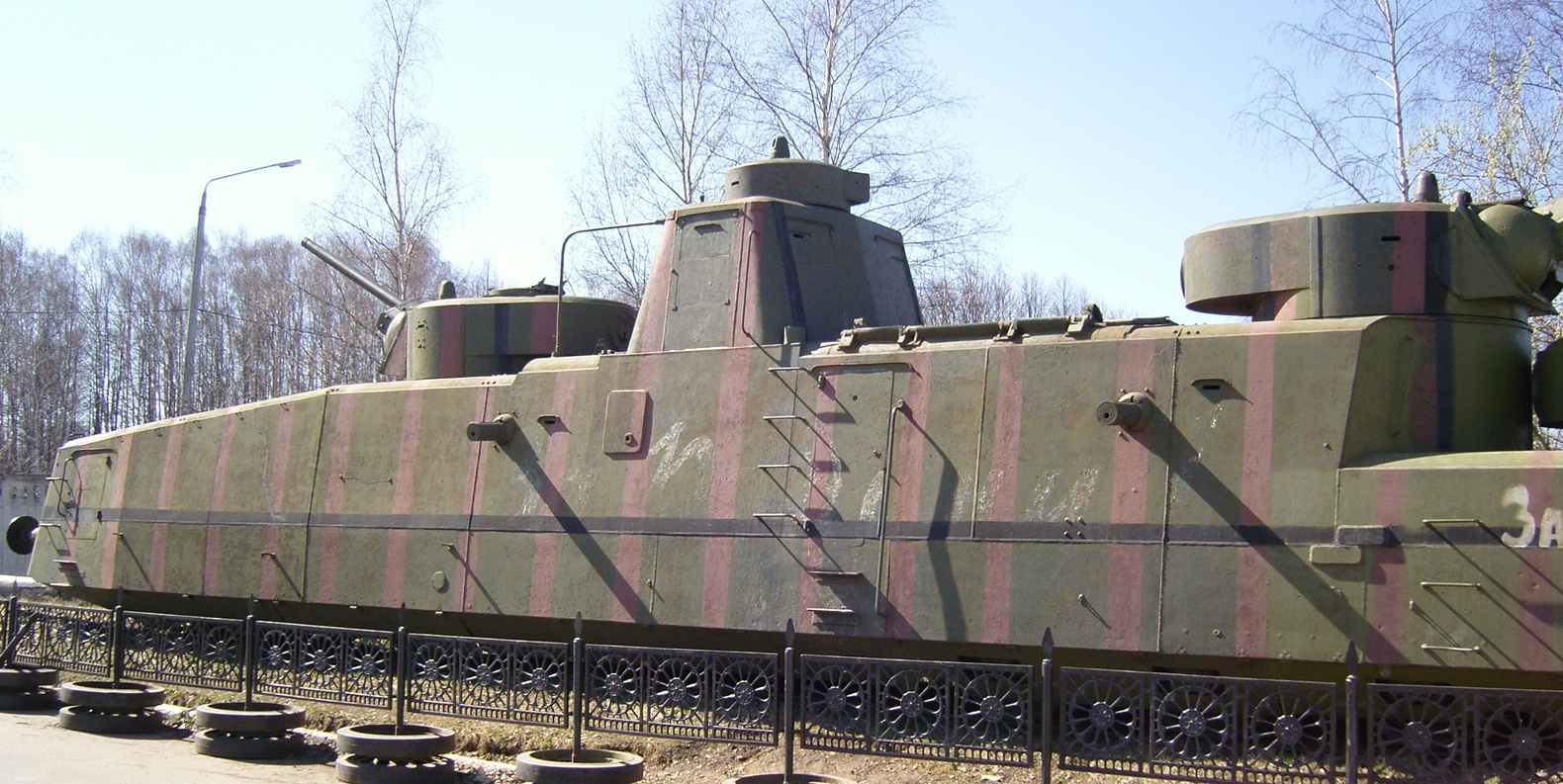
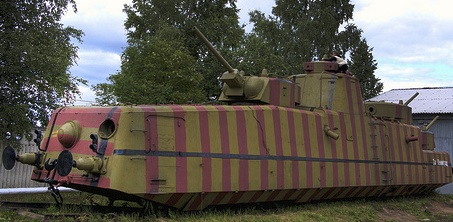
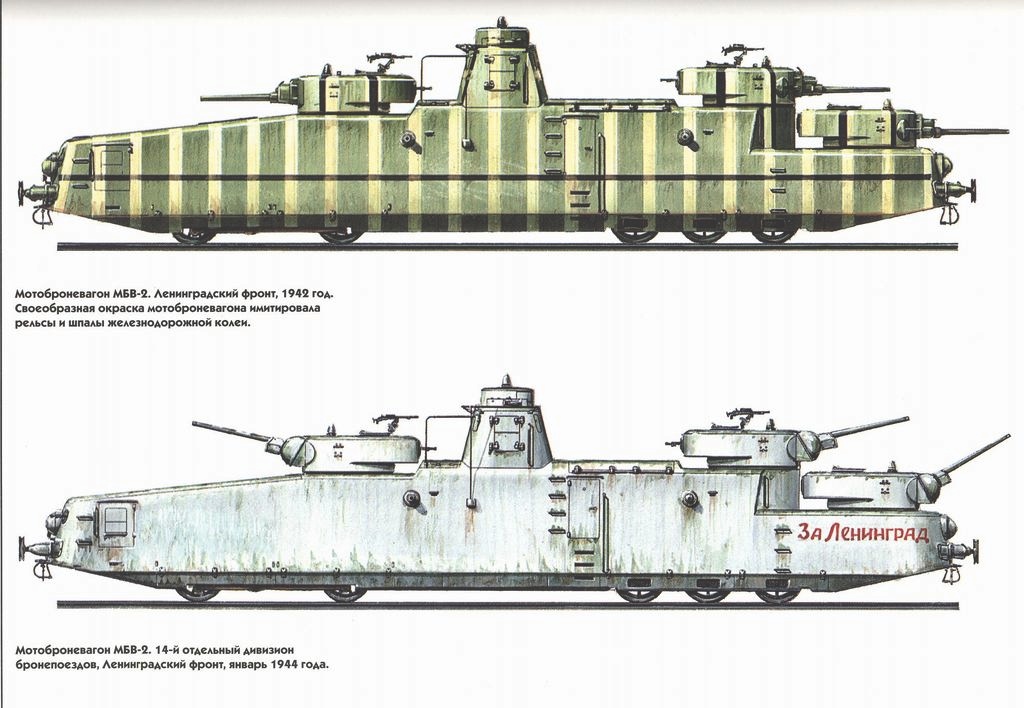
Although the Fallschirmjager were heavily involved in the defence of the River Neva, they weren’t involved in any attacks on Russian military armoured trains. Bearing in mind my books are novels, i have included a section where my characters do just that. Some of the armoured trains they were involved in are shown below.
.
MBV2 – Russian Armoured Cruiser. Details given in Devils with Wings: Frozen Sun
.
MBV-2 Armoured Cruiser
.
.
MBV-2 Armoured Cruiser. Some were built in Leningrad and were given names.
.
Anti-Aircraft guns – 4 x interlinked, Vickers water cooled machine guns
.
PL-37 artillery wagons. Information can be found in Devils with Wings: Frozen Sun.
.
High explosive torpedo on a battery powered rail trolley.
.
T-34.
.
T-34.
.
T-34.
.
Fallschirmjager.
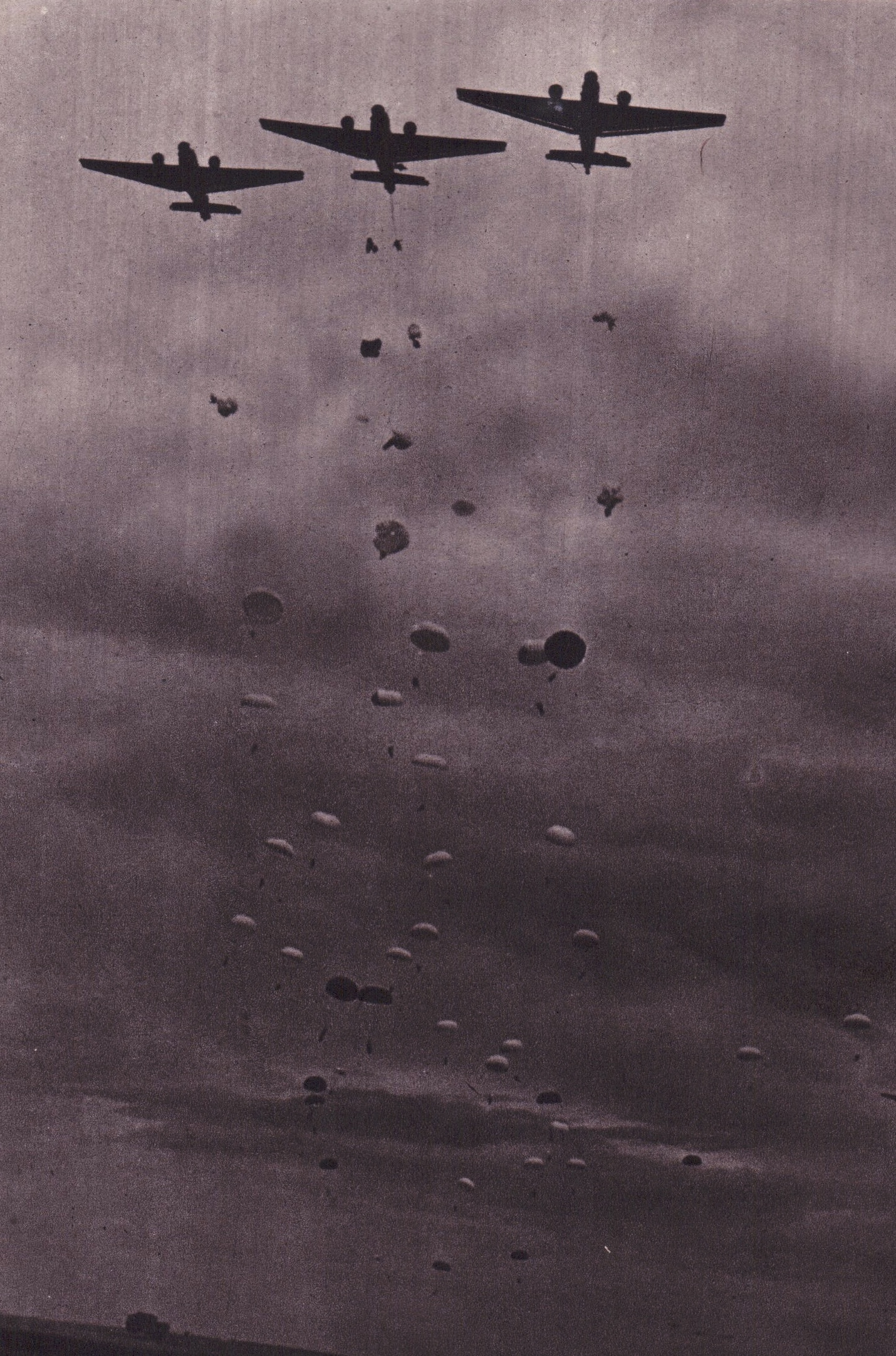
The qualification phase to become a paratrooper consisted of 6 jumps. The first would be a t height of around 200 metres, the next two at 150 metres, but in a stick of six trainees. Their fourth jump would be from the same height, but at dusk or dawn and as part of a much larger stick, of perhaps 10 men. For the fifth jump they would be part of a Kette formation, a V-formation, a Chain of three Junkers JU-52. The final jump would be made under simulated combat conditions, up to nine aircraft flying at little over 125 metres in height.
.
Fallschirmschutzenabzeichen, parachutist badge.
.
.
.
.
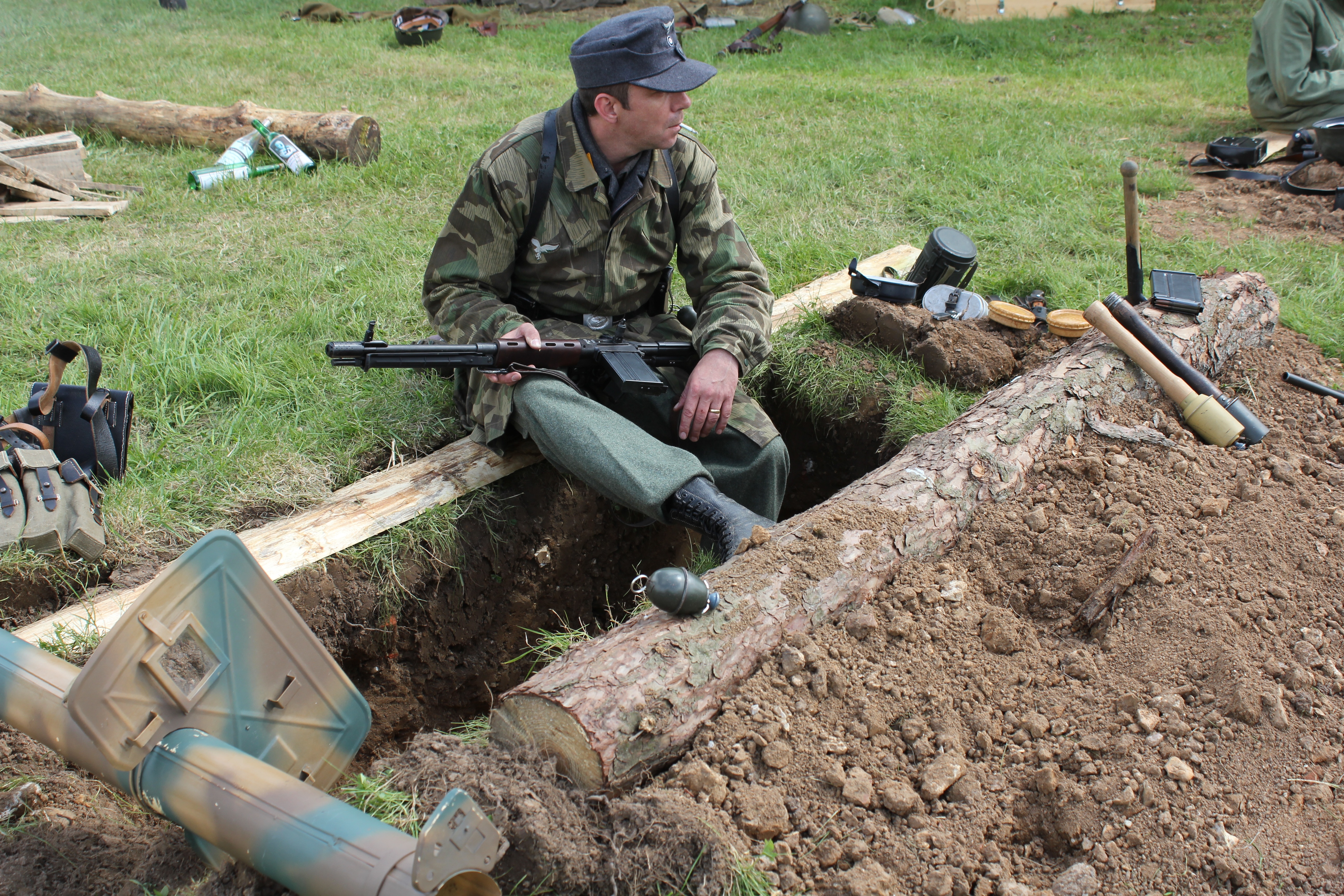
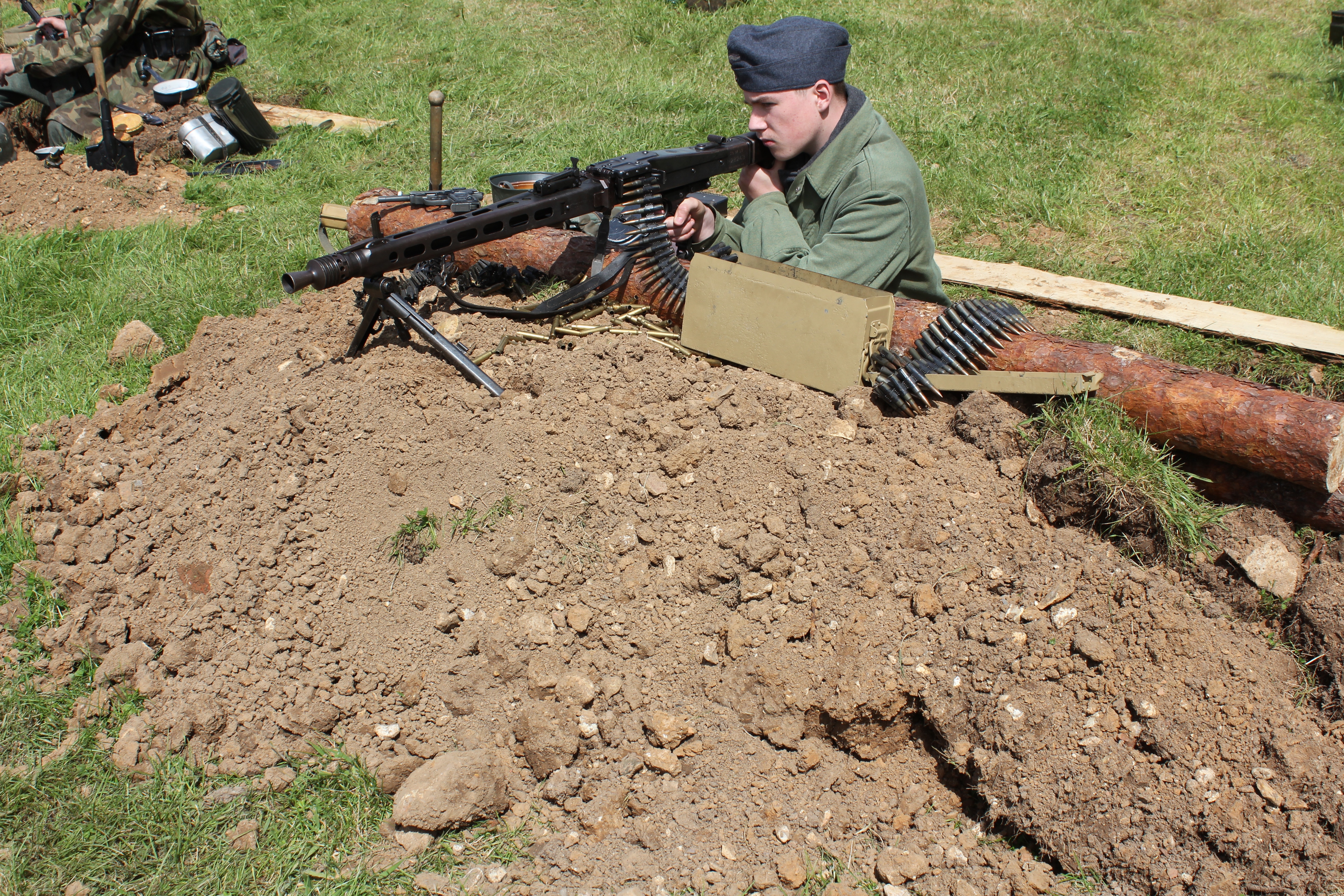
Rein-actors at the Bovington Tank Museum Tankfest.
.
.
.
Rein-actors at the Bovington Tank Museum Tankfest.
.
Devils with Wings: Frozen Sun by Nick Britten
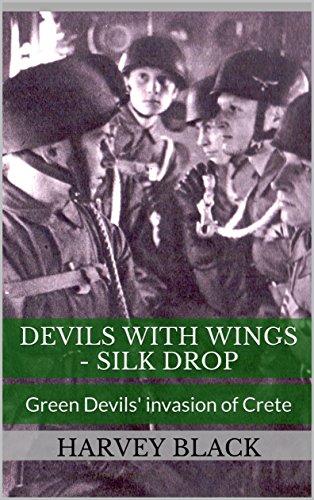
Devils with Wings: Silk Drop
.
The Parachutist’s “Ten Commandments”
The Fallschirmjager had ten commandments that they lived by as elite soldiers.
Number 4. Be calm and prudent, strong and resolute. Valour and enthusiasm of an offensive spirit will cause you to prevail in the attack.
My intention is not to portray a particular message, but just share some of my photographs and information with you and help set the scene for my forthcoming novel. The next post will cover the Fallschirmjager in Russia.
Fallschirmjager, Grüne Teufel, Green Devils. Part 3.
.
The Fallschirmjager qualification badge.
.
I have just finished writing my third novel in the Devils with Wings series, Devils with Wings: Frozen Sun. The Fallschirmjager, after their successful battle taking Crete in only 10 days, are shipped to Poland to partake in Operation Barbarossa, the German invasion of the Soviet Union.
Leaving temperatures in excess of forty degrees to be used, not in an airborne operation, but as a fire brigade, plugging gaps in the line around Leningrad, particularly along the banks of the River Neva. They were Army Group North’s strategic reserve. They were quickly placed into the fray, fighting along the River Neva, where temperatures dropped to below -30 degrees, sometimes as low as -40. They were successful at plugging the gaps and preventing the Soviet Union from exploiting their bridgeheads over the River Neva, but at a price. Some units suffered up to 75% casualties. Many who had survived the assault on the Fortress Eben Emael, (Devils with Wings) and the fierce fighting on the Island of Crete (Devils with Wings: Silk Drop) met their fate in this bitter struggle with the atrocious weather and the never ending Soviet hordes.
The German Army, and the Fallschirmjager, were soon to experience the hostile Russian winters.
These next few posts will fill in some of the background to these amazing airborne soldiers. Their training was particularly tough, and they were the first parachute, airborne, division in existence. After a tough physical regime, consisting of strenuous exercise, unarmed combat, weapons handling and long forced marches, culminating in bigger and bigger unit exercises, they complete their parachute training. Before they were allowed anywhere near a parachute, they to jump into a tank of water from a 45 foot tower. Their training, apart from the parachute element, was thought to be similar to that of the British WW2 Commandos.
.
Fallschirmjager helmet, M38 Model Fallschirmjagerhelm.
.
The front cover of Hauptmann Piehl’s Ganze Manner, the 1943 first edition, with a foreword by General Kurt Student.
The German Fallschirmjager in WW2.
.
After their success in subjugating Fort Eben Emael, the impregnable fortress protecting the bridges that crossed the Albert Canal, General Student and his Fallschirmjager were assigned an even bigger task. The first ever airborne invasion of a country, Crete. Before they conducted this epic 10 day operation, they were brought in to secure the bridge that crossed the Corinth Canal.
.
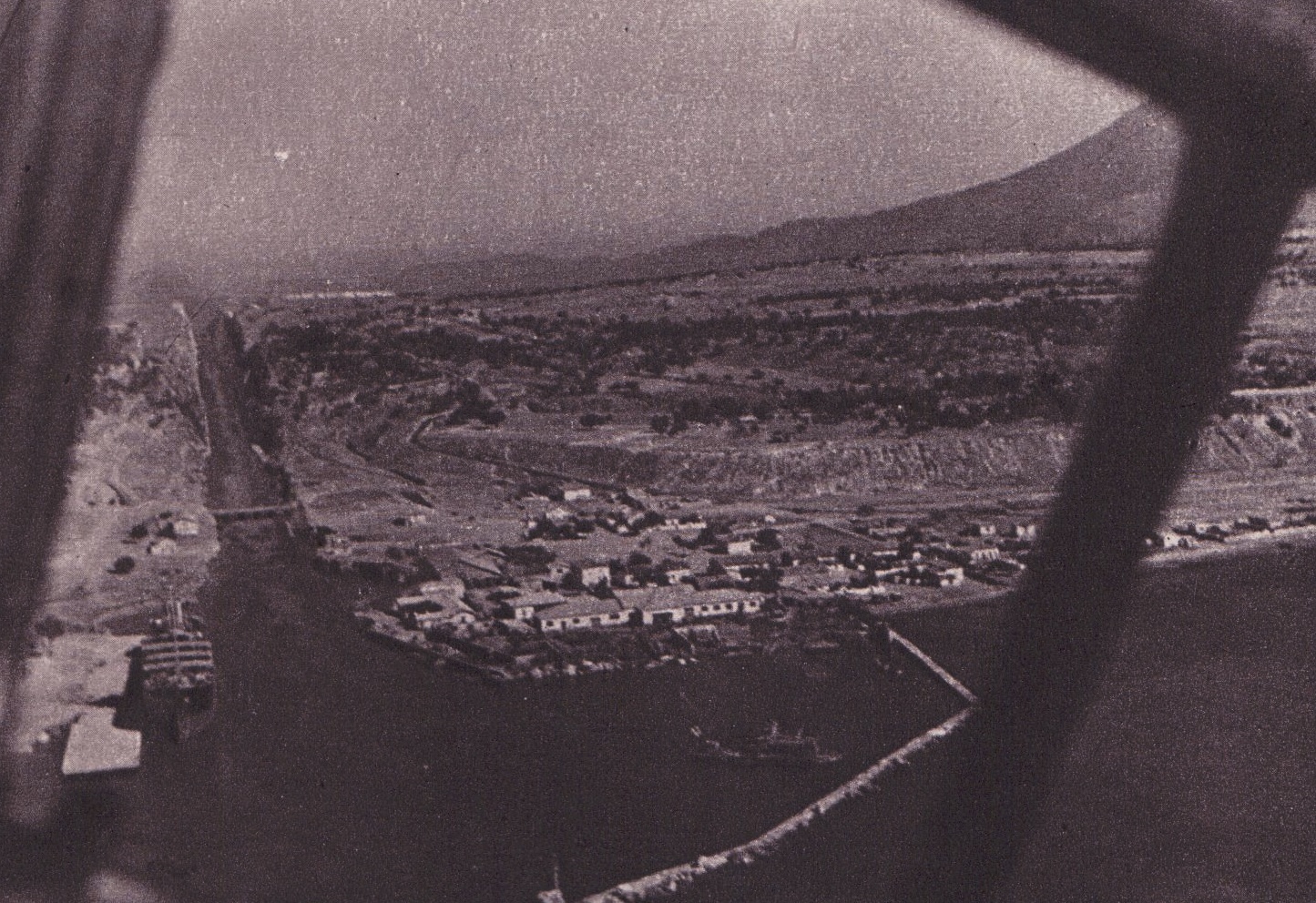
A view of the Corinth Canal taken by a Fallschirmjager in 1941.
.
On the 6 April 1941, the German Army invaded Greece. They advanced rapidly and reached Thebes in less than three weeks. On the night of the 26 April, a Fallschirmjager Regiment were dropped onto Corinth with the task of securing the Corinth Canal bridge, cutting off the Isthmus of Corinth. The British counter-attacked, but failed to secure the bridge, although the bridge was destroyed in the process. The German Army quickly captured the Peloponnesos.
.
Modern day photograph of the Corinth Canal.
.
A Fallschirmjager paratrooper looks on at a pile of captured weapons
captured in Corinth.
.
A Fallschirmjager guards Greek prisoners of war.
.
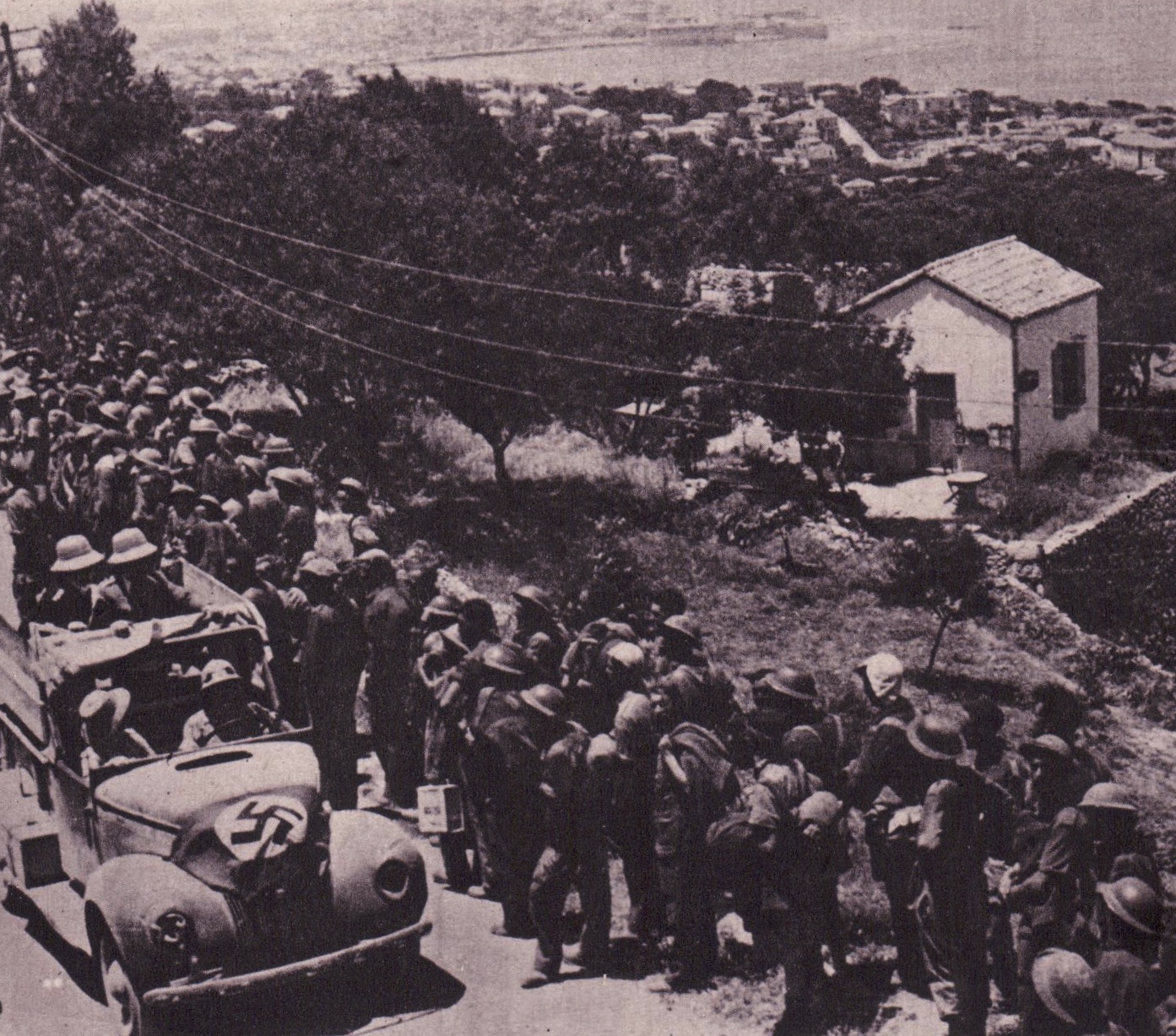
British soldiers were also captured. They were treated well by the paratroopers, who, on many occasions during WW2,
allowed prisoners to be exchanged during lulls in battle.
.
But for the Fallschirmjager, there was to be no rest.
.
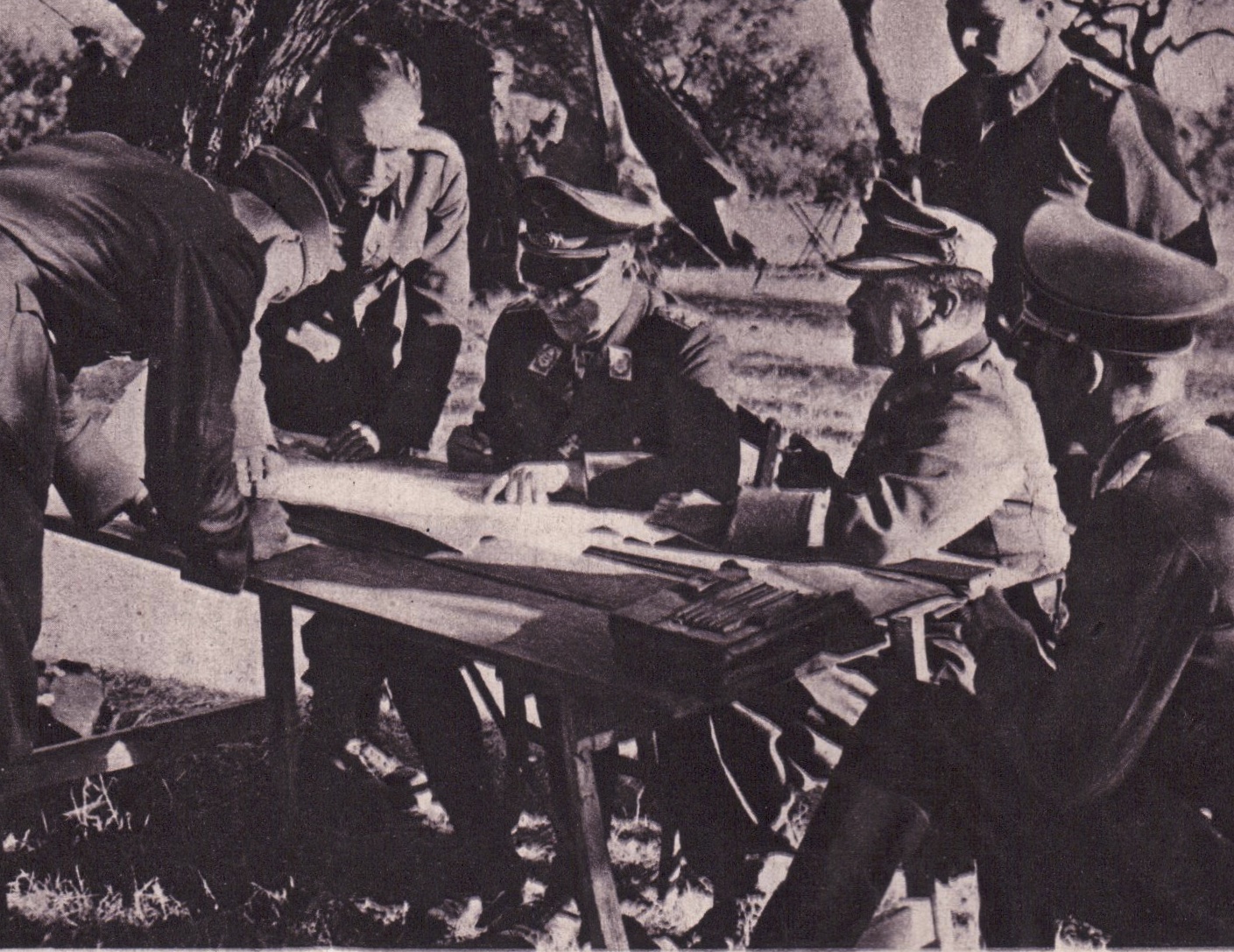
General Student, commander of the Fallschirmjager Division, discusses the forthcoming Operation Merkur, Operation Mercury, with General Ringel.
.
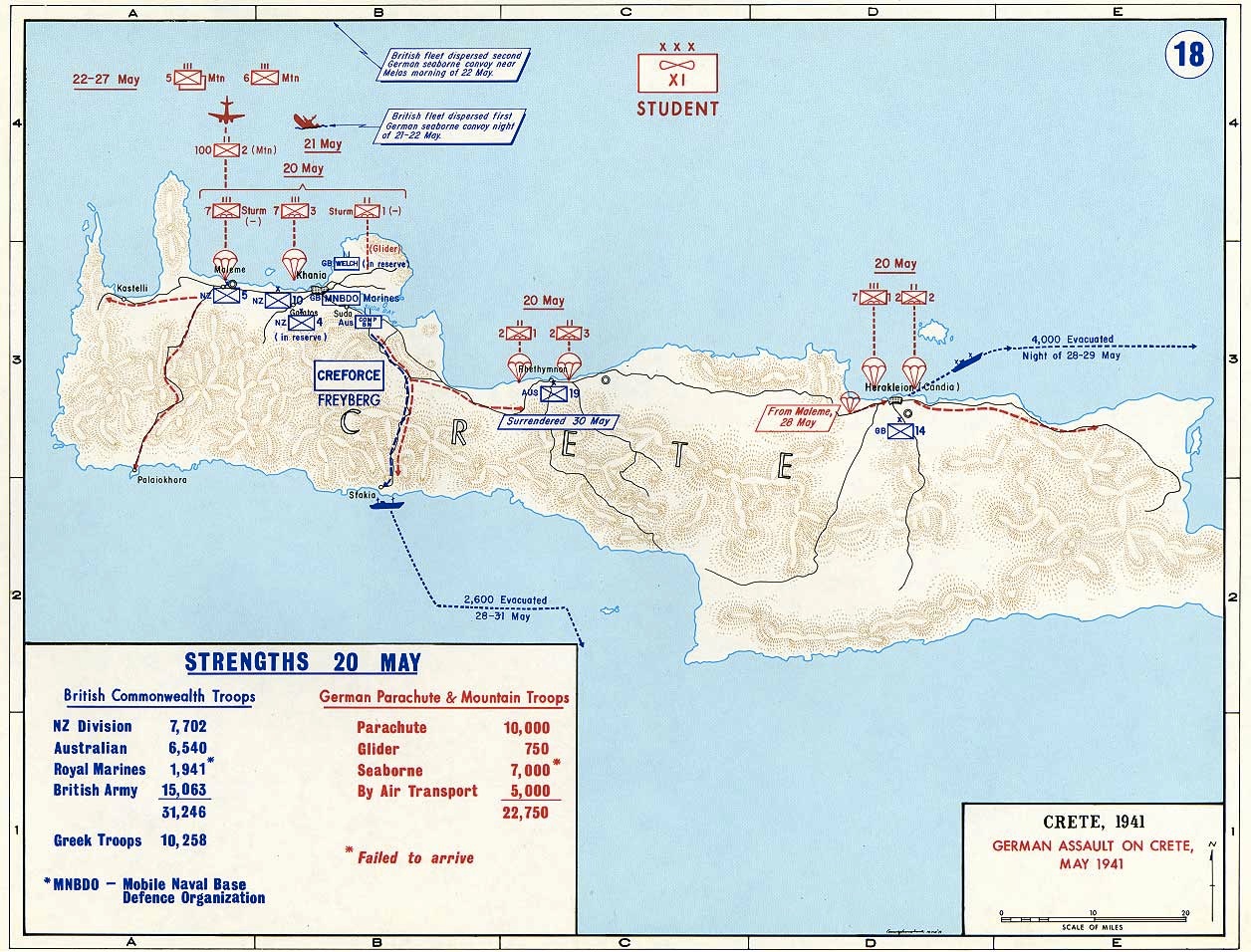
Map of Crete – 20 May 1941
With the surviving Allied forces withdrawn to Crete, it was decided to conduct an air landing operation to secure the Island. The 7th Flieger Division would capture the airfields on Crete allowing the German Mountain troops, the 5th Gebirgsjager Division, to be flown in as reinforcements.
.
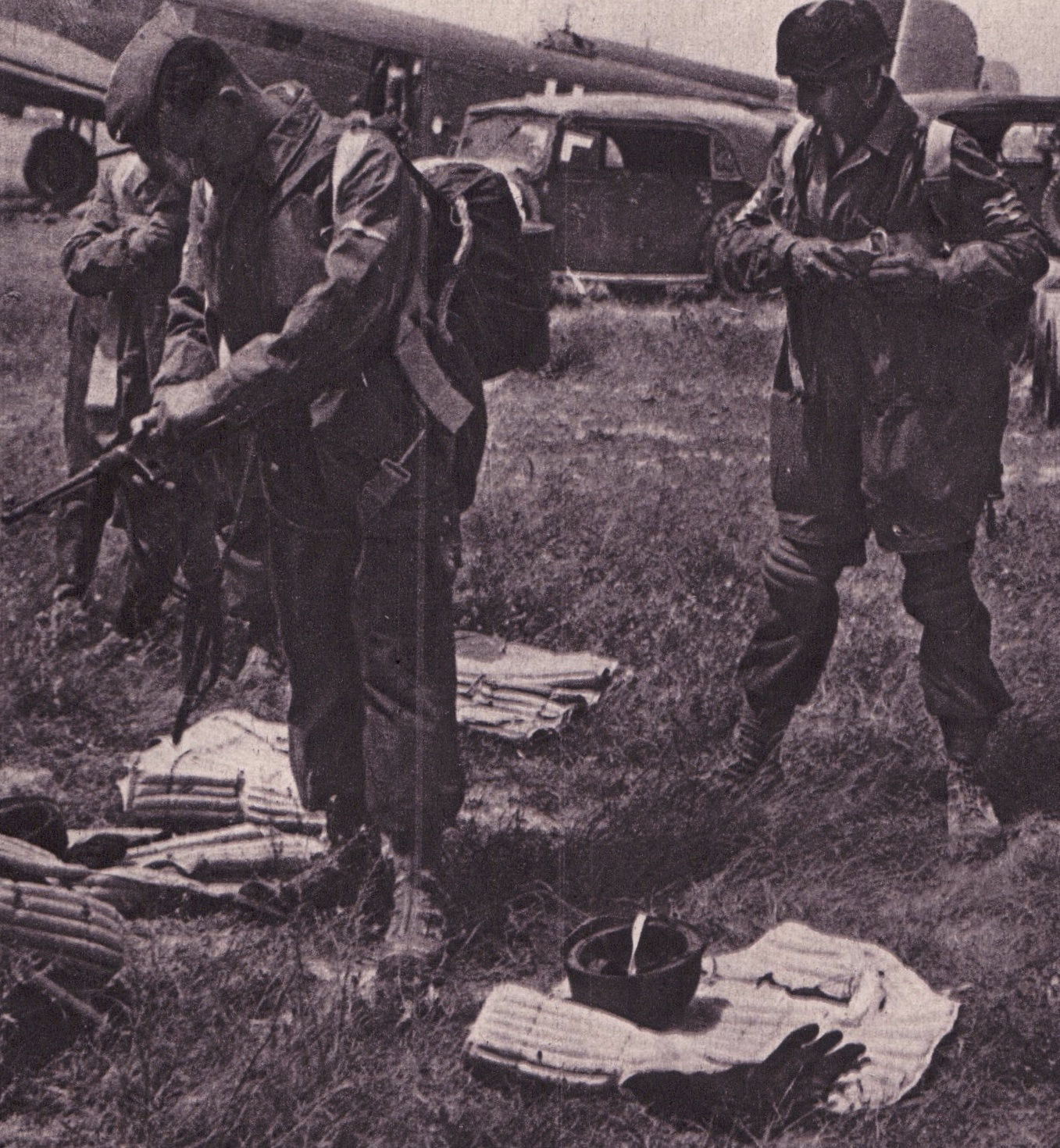
The Fallschirmjager prepare for the operation.
.
The Junkers, JU-52’s are loaded. The Fallschirmjager affectionately referred to the aircraft as Tante Ju, Auntie Jun.
.
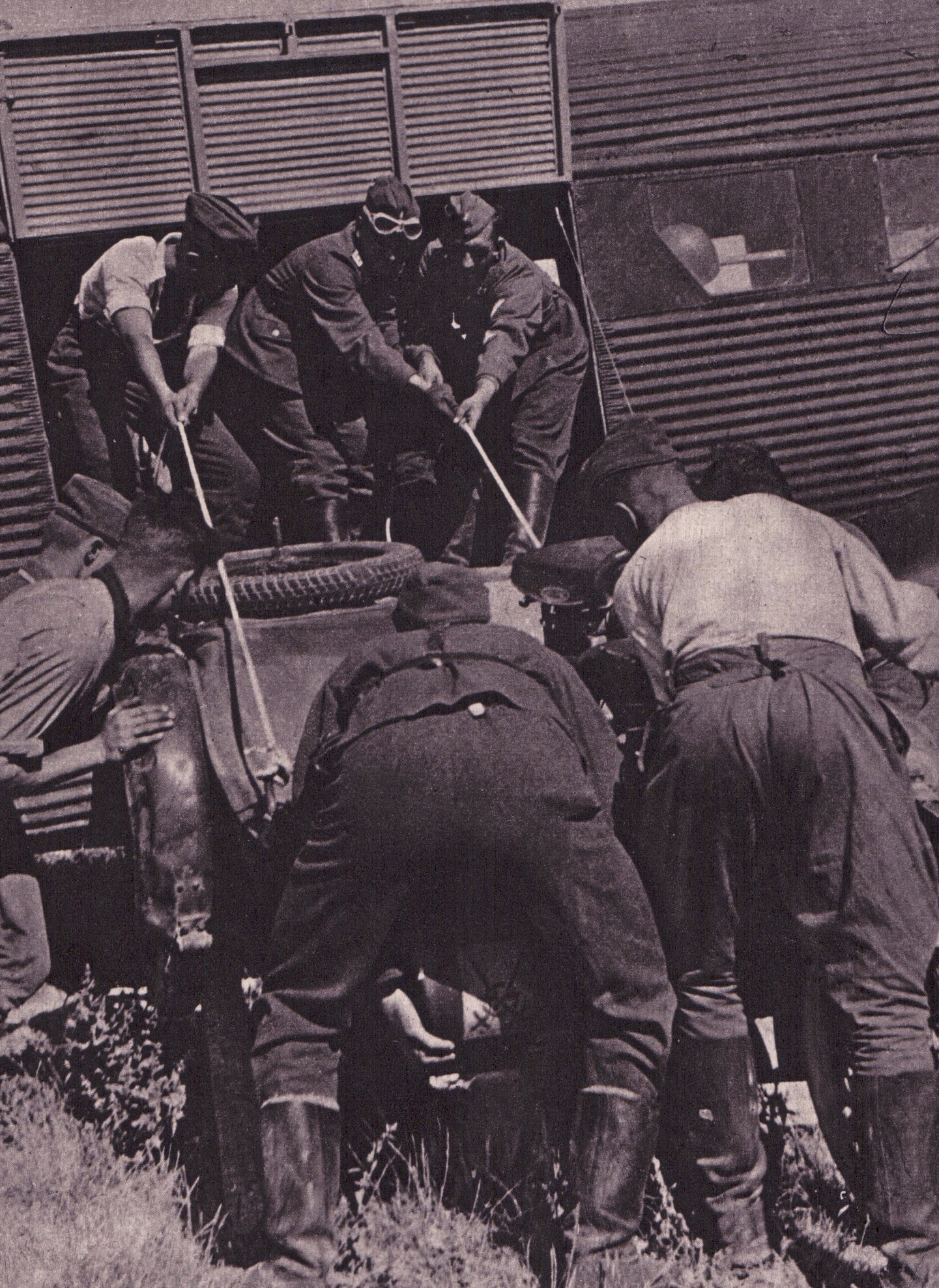
Weapons canister being loaded. Generally, the paratroopers didn’t carry any weapons, other than a knife to cut away the parachute if they got tangled up in it, and a pistol when they parachuted. The position of the ‘risers’ meant they had to land on their hands and knees, the reason they wore thick cricket like pads around their knees. As a consequence they went into battle lightly armed until they could make contact with the containers that would follow them down. The single riser also made the parachute difficult to steer.
.
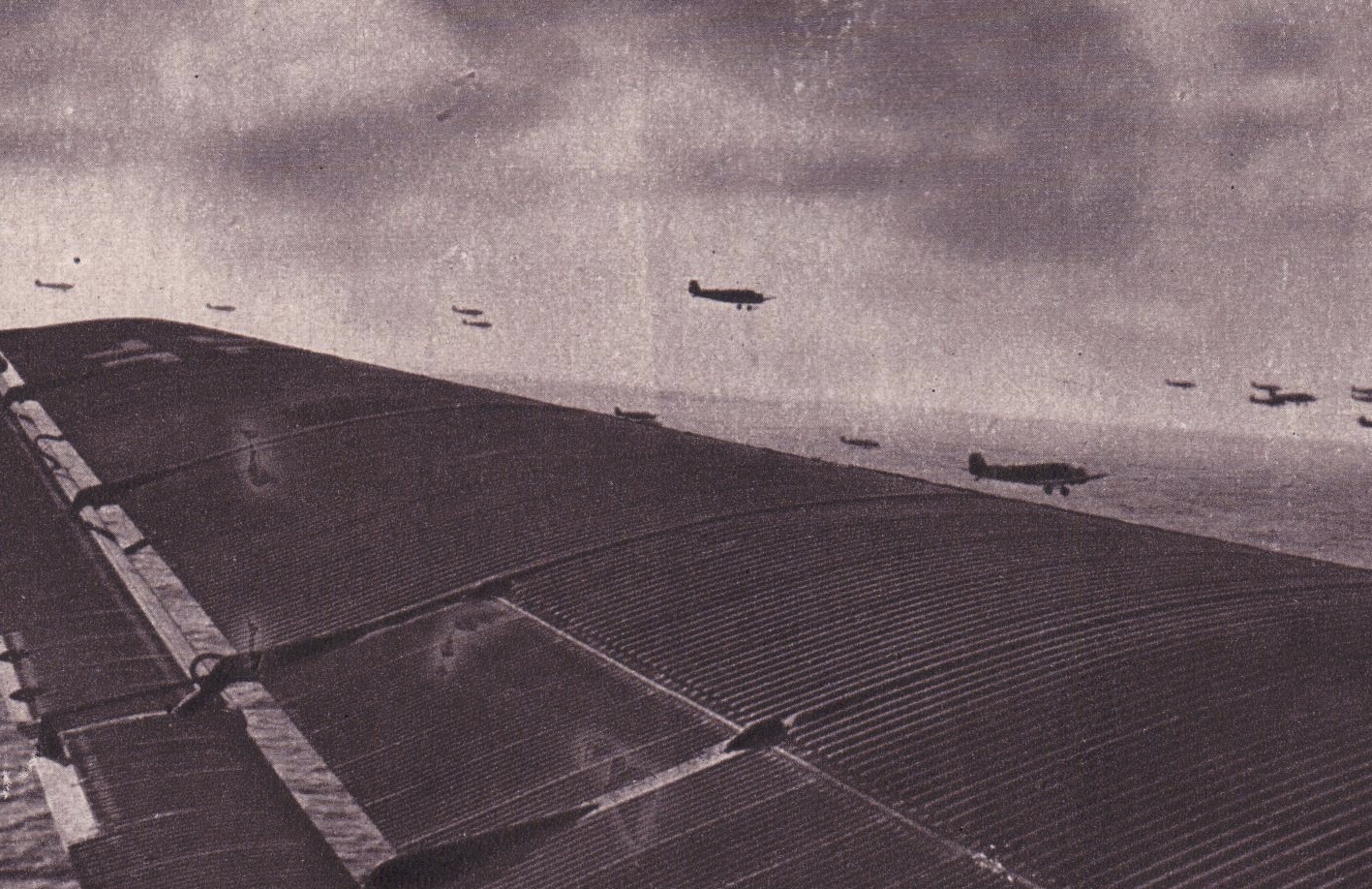
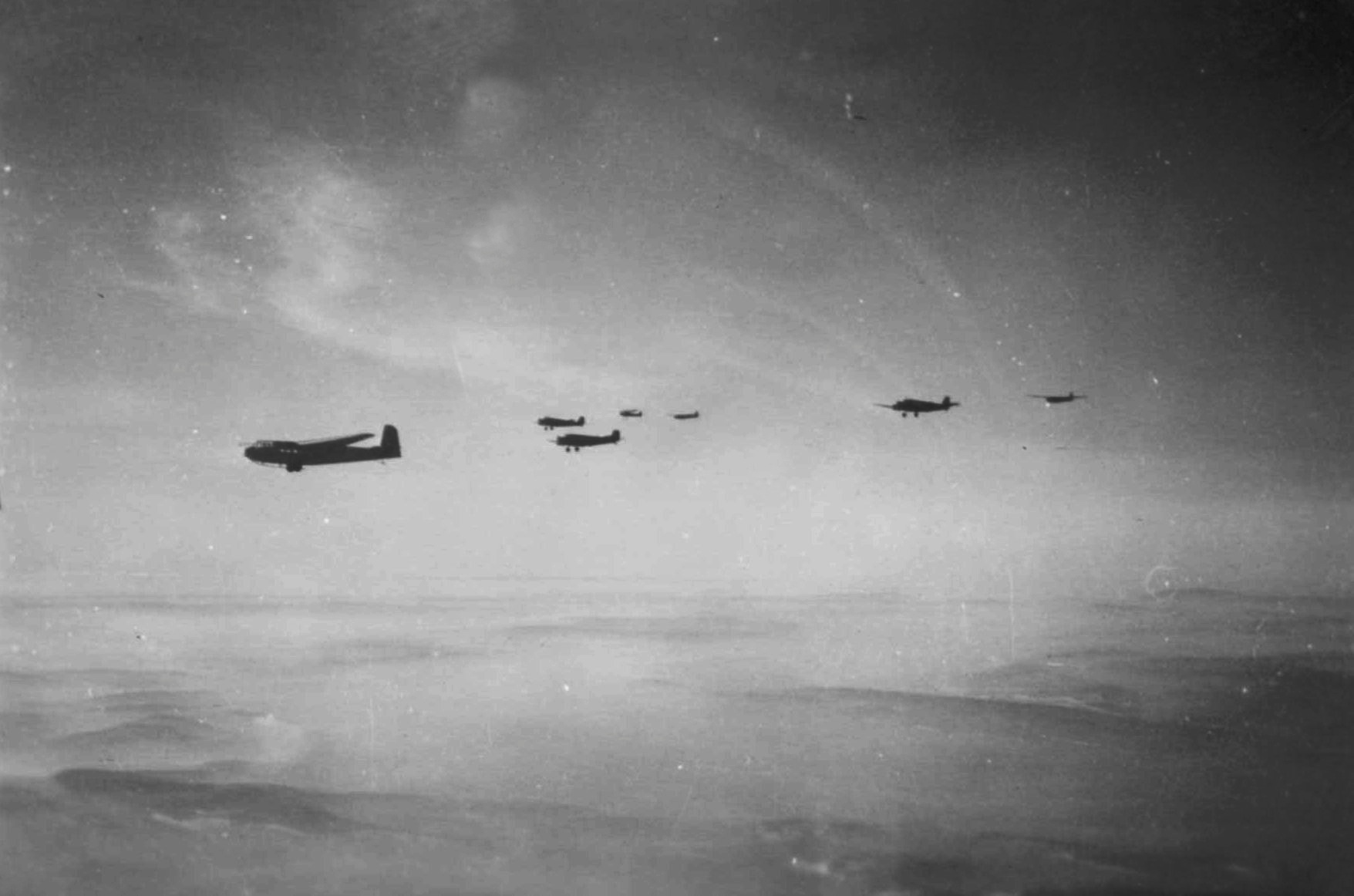
A flight of JU-52’s heading for Crete.
.
Day 1, 20th May. Maleme-Chania sector. Group West, codenamed Comet, was responsible for securing Maleme Airfield. Paratroopers parachuted in, along with glider troops landing directly on the target. Some Fallschirmjager and gliders landed off target where they were able to dig in. Although they were initially unable to secure the airfield they were in position and a threat to the defenders.
.
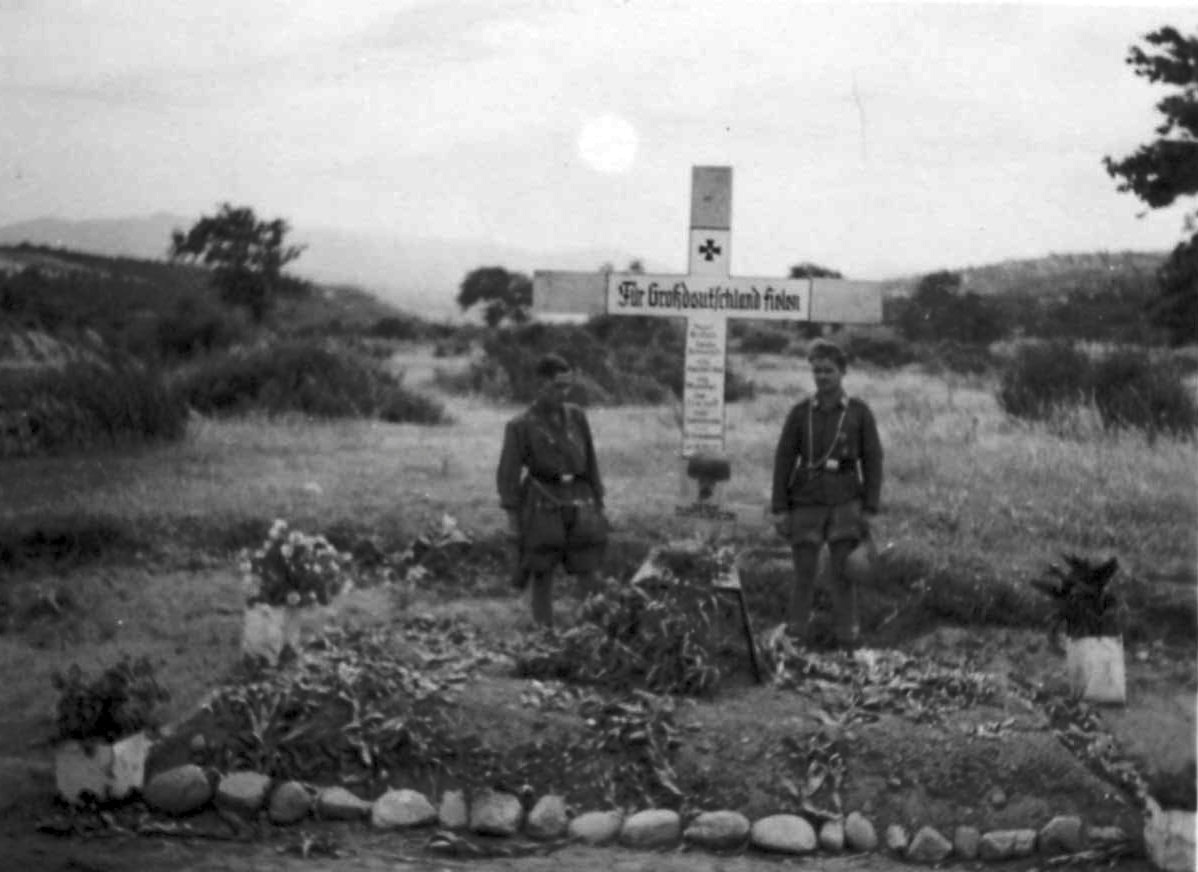
One company of the 3rd battalion, 1st Assault Regiment, lost over 100 men killed out of 126. The battalion of 600 men, had two thirds of the unit killed before the end of the first day.
.
Group Mitte, (centre), code named Mars, assaulted Prison Valley, Chania Souda and Rethymnon. This second wave arrived in the afternoon, dropping paratroopers and gliders on Rethymnon and Group Ost (East) targetting Heraklion.
.
On day 2, 21 May, the Allied forces withdrew from Hill 107, leaving Maleme effectively undefended. This allowed the German forces to finally use the airfield to fly in reinforcements. The Allies attempted a counter attack on the night of the 21st, but due to delays, the Luftwaffe were able to support the troops on the ground and repulse the attack.
.
German aircraft on the battlefield of maleme airfield.
.
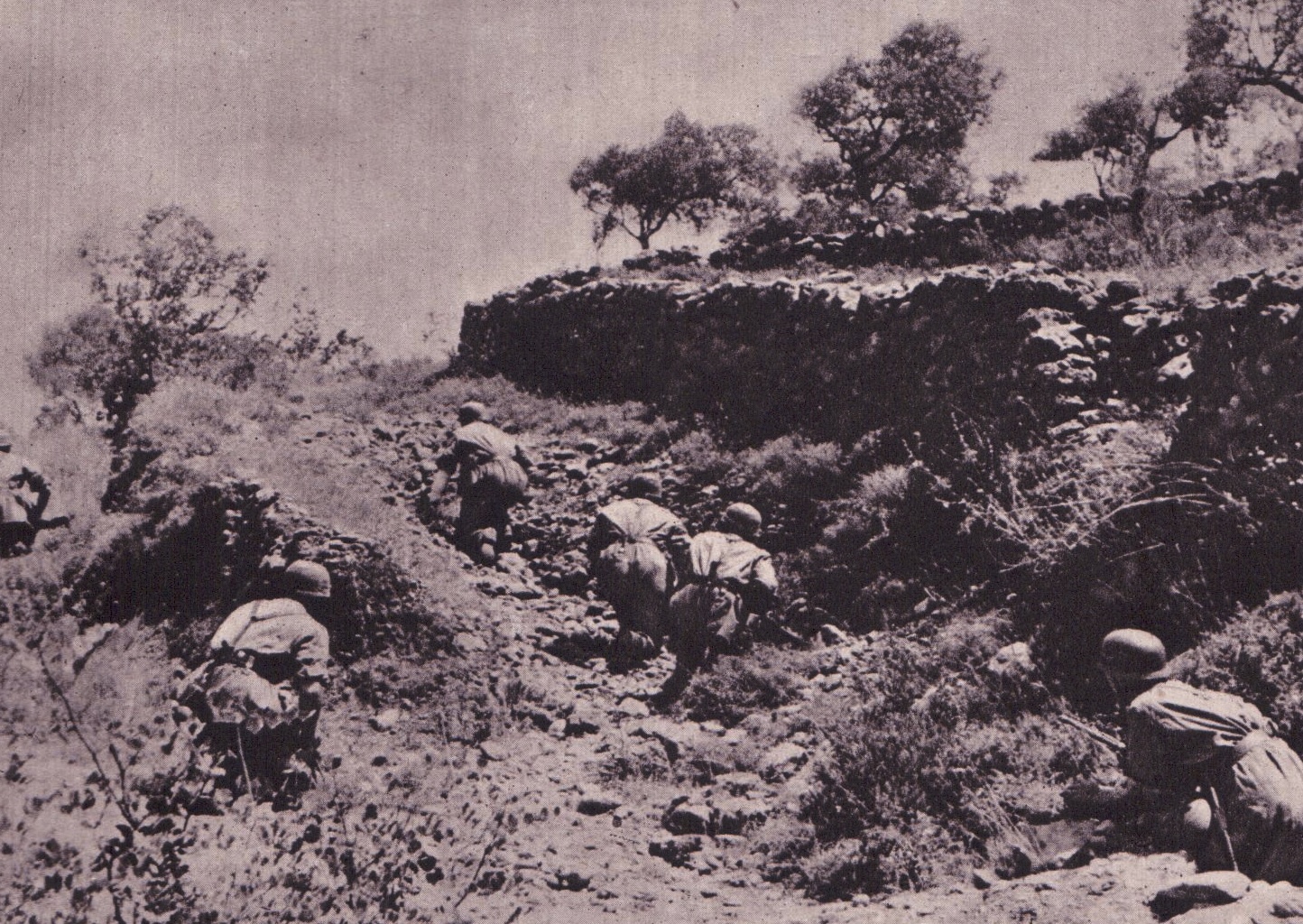
From the 23 May, the Allies were effectively involved in a slow withdrawal along the length of the Island as the Fallschirmjager and Gebirgsjager advanced.
.
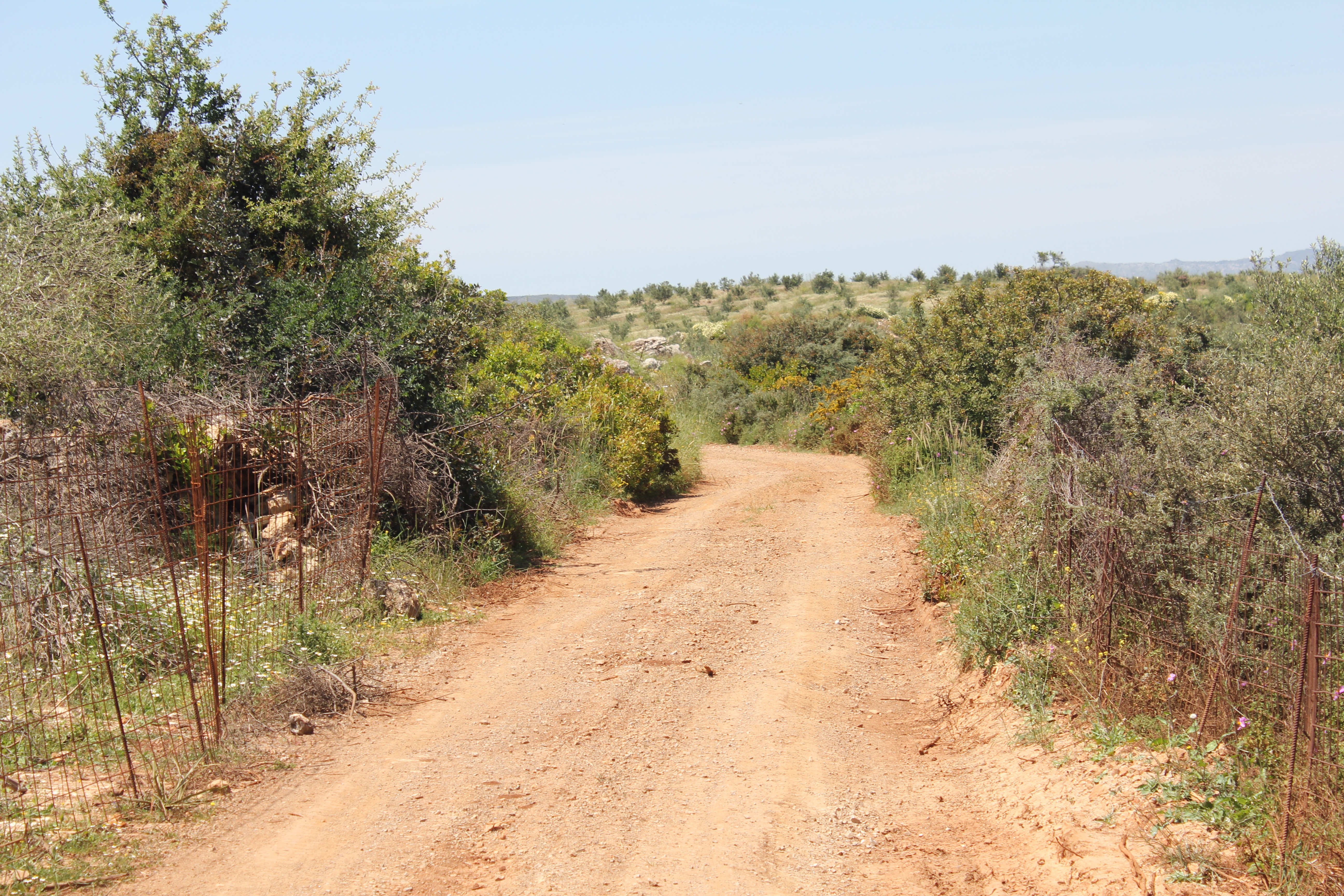
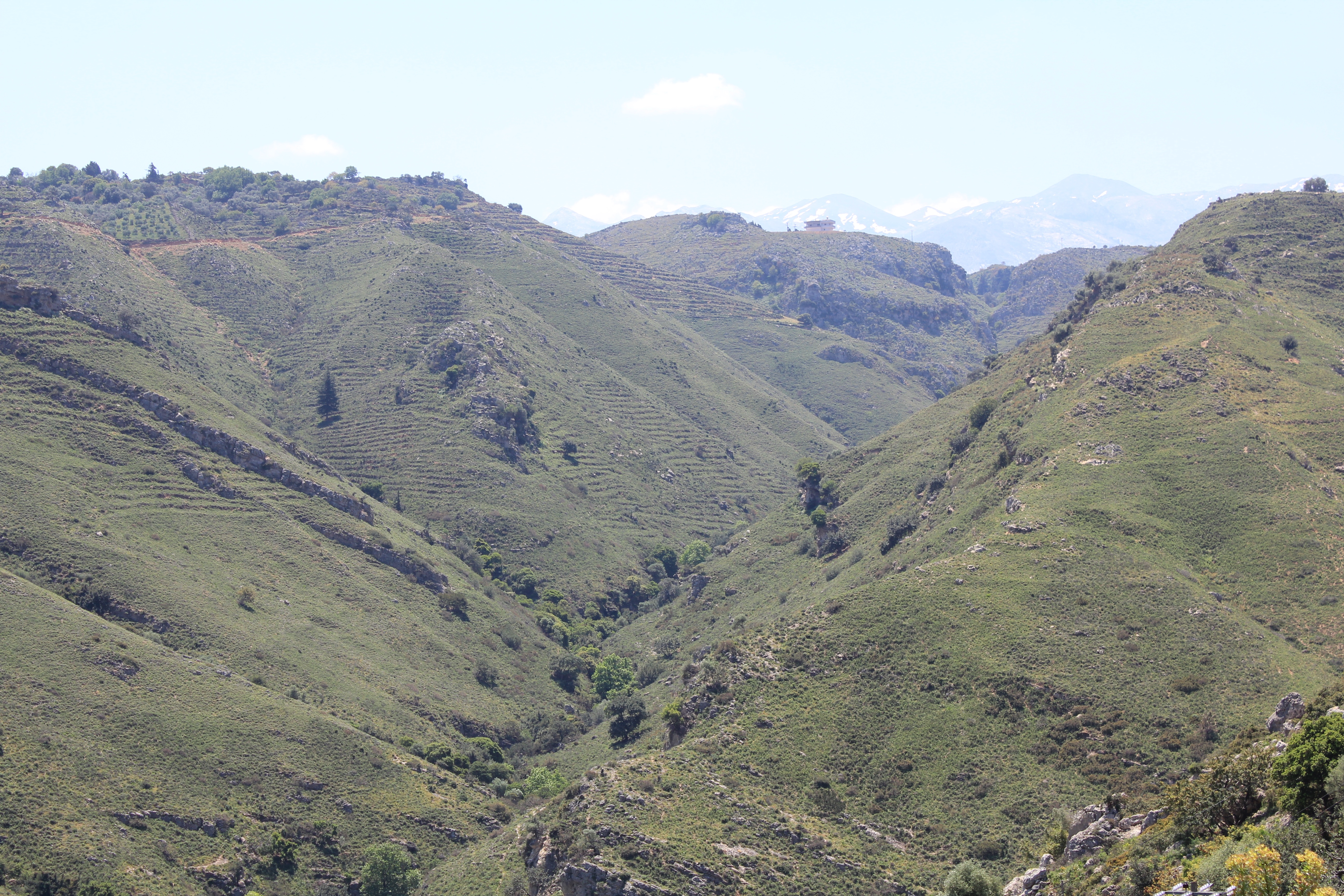
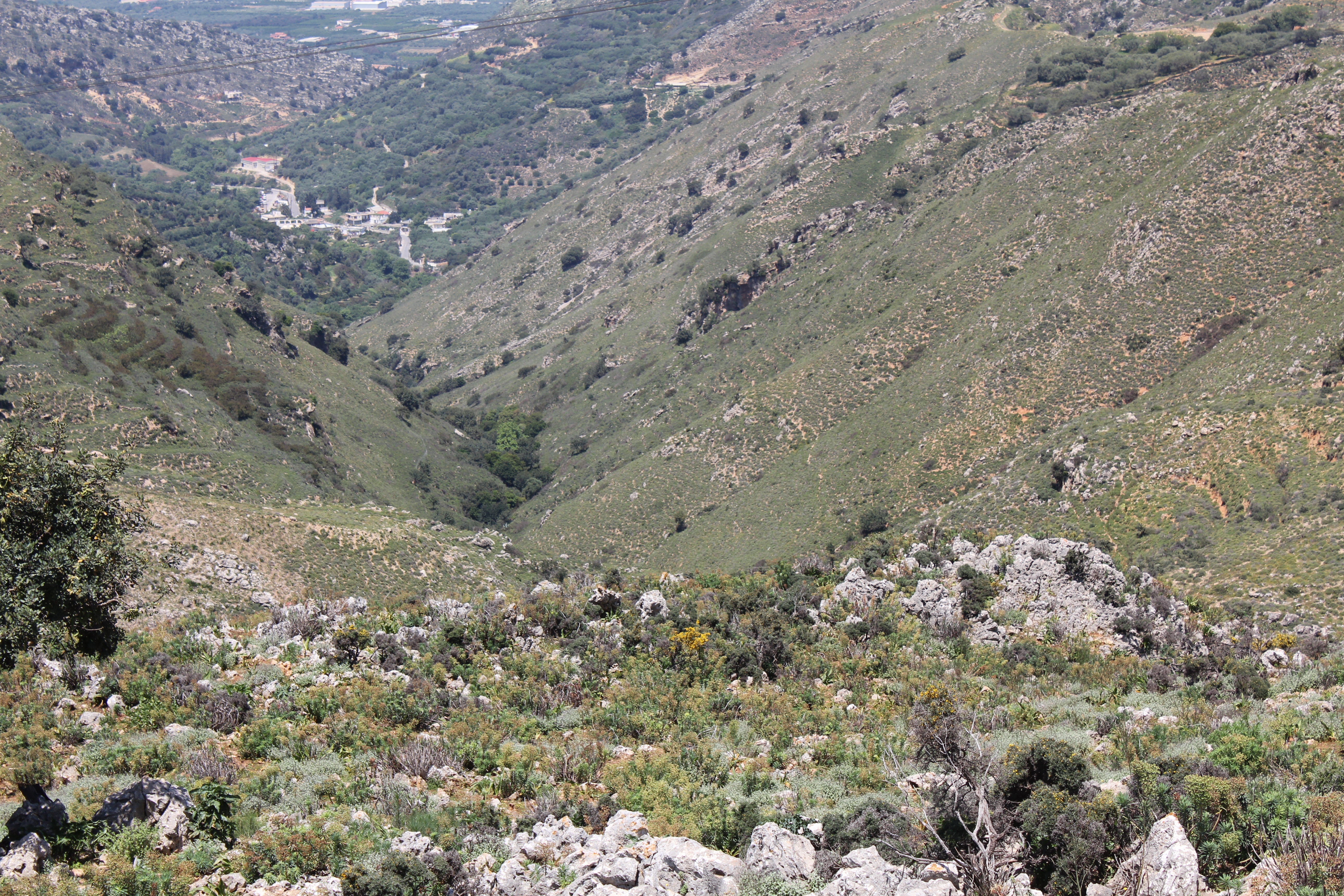
A present day photo of the type of terrain they covered.
.
Fallschirmjager.
.
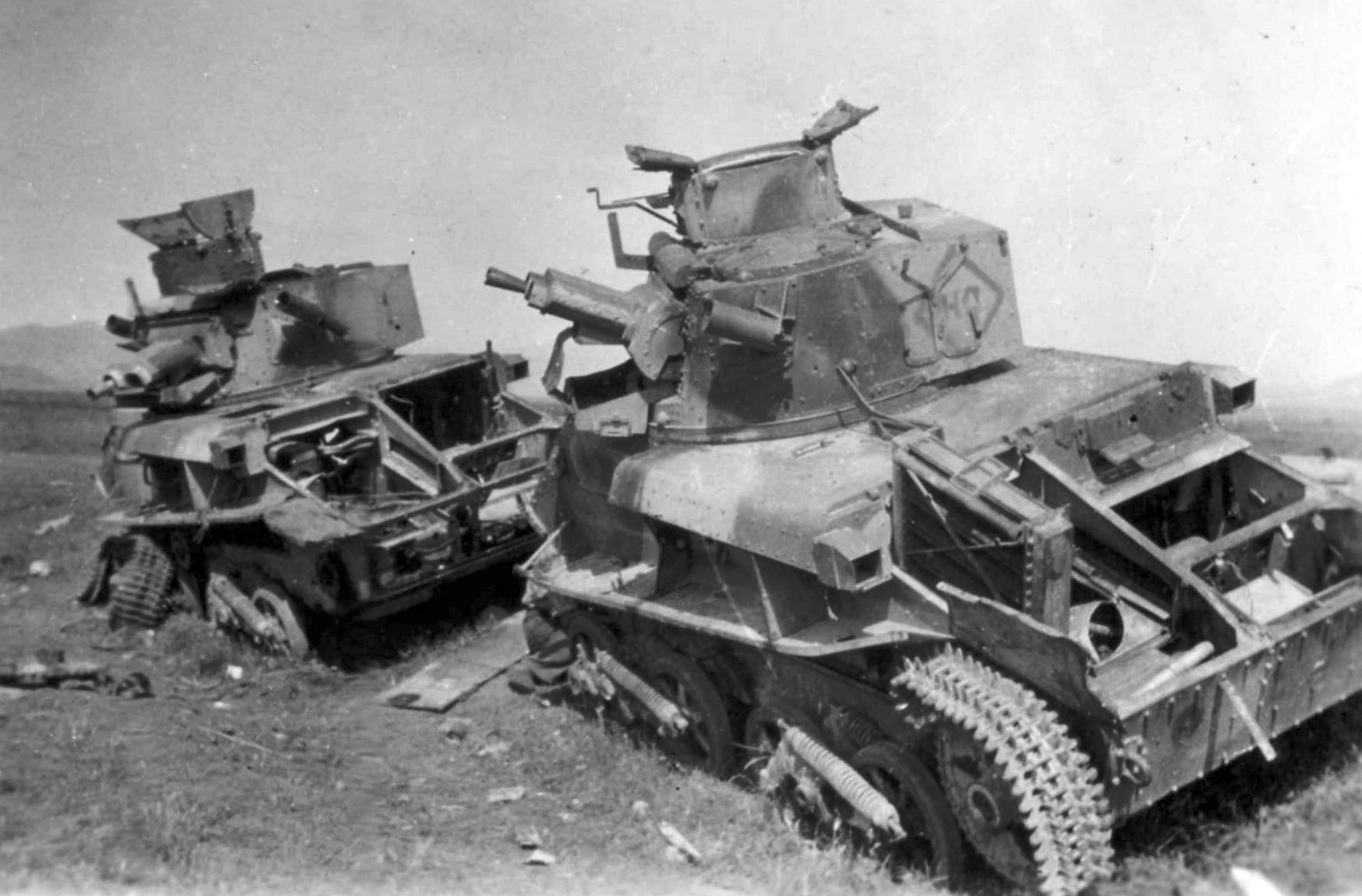
Destroyed British, Mark V1B light tanks. The British had 16 x light tanks and 9 x Matilda IIA infantry tanks.
.
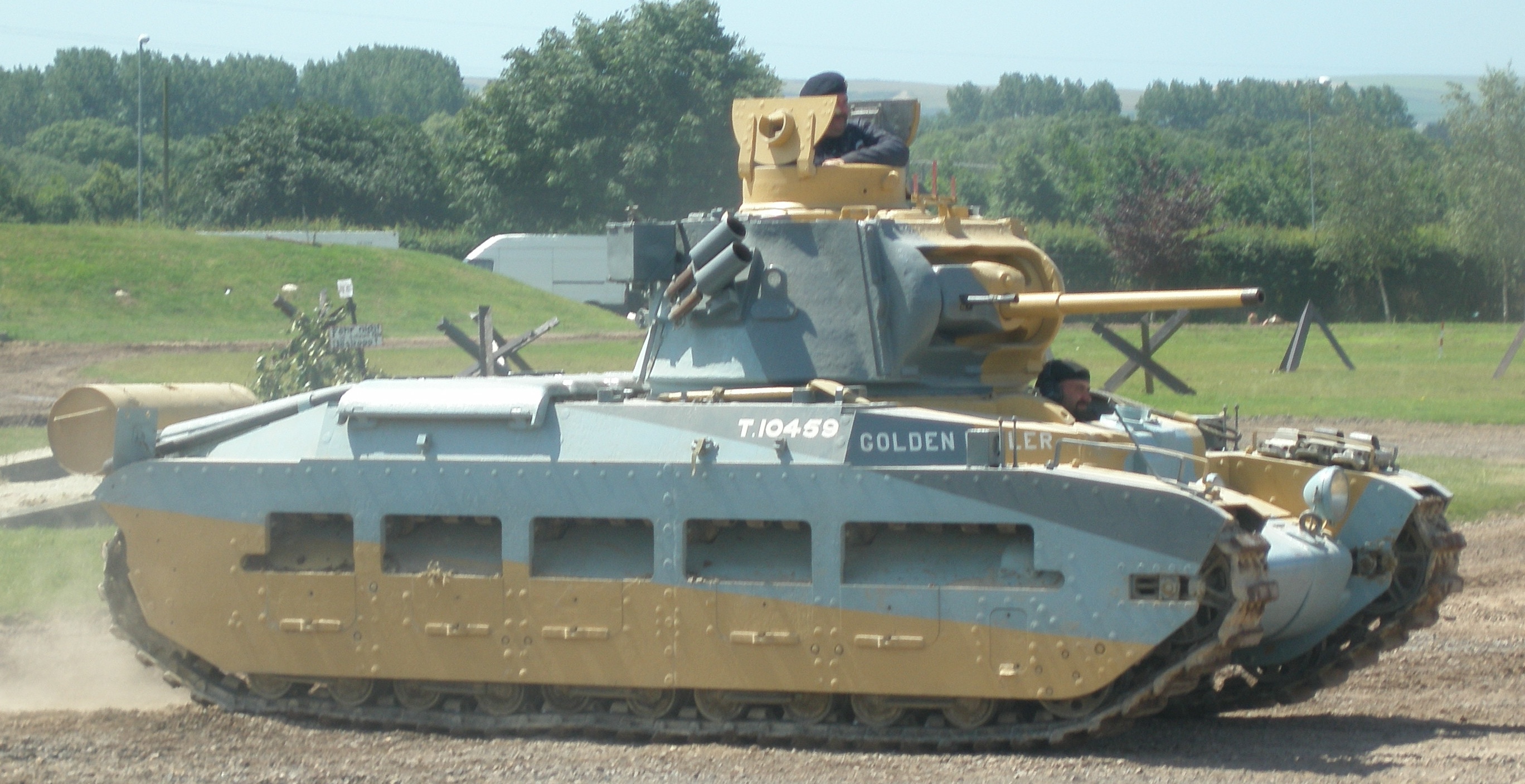
Matilda Tank belonging to the Bovington Tank Museum.
.
Fallschirmjager.
The qualification phase to become a paratrooper consisted of 6 jumps. The first would be a t height of around 200 metres, the next two at 150 metres, but in a stick of six trainees. Their fourth jump would be from the same height, but at dusk or dawn and as part of a much larger stick, of perhaps 10 men. For the fifth jump they would be part of a Kette formation, a V-formation, a Chain of three Junkers JU-52. The final jump would be made under simulated combat conditions, up to nine aircraft flying at little over 125 metres in height.
.
Fallschirmschutzenabzeichen, parachutist badge.
.
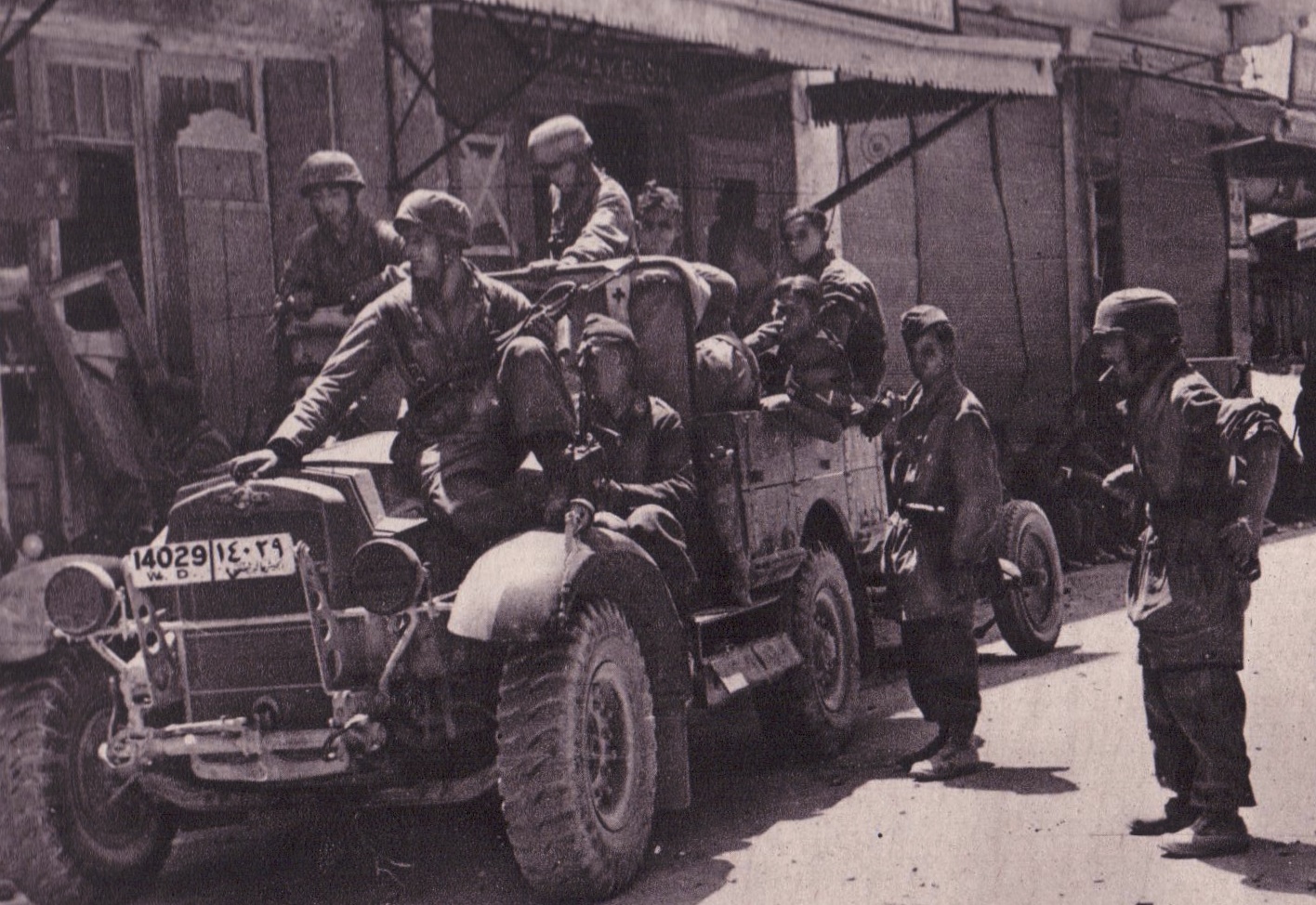
Fallschirmjager advance west, using captured vehicles.
.
And donkeys.
.
Weapons canisters had a set of wheels, allowing them to be moved more easily.
.
Captured British Camp near Chania.
.
Thousands of Allied soldiers were captured.
.
The Fallschirmjager suffered from a high level of casualties. Out of 29,000 troops (Mountain and Paratrooper), they suffered nearly 7,000 casualties and lost 0ver 350 aircraft.
The Allies, lost 4,000 killed and nearly 3,000 wounded out of a force of 40,000.
.
Crete after the battle.
.
Fallschirmjager.
.
Local population.
.
Then….
.
…..now.
.
Present day Crete.
.
Some of the terrain they would have covered.
.
.
Devils with Wings: Silk Drop – Video by Nick Britten
Check out his great Blog Site – http://readinggivesmewings.wordpress.com/
Devils with Wings: Silk Drop
The Parachutist’s “Ten Commandments”
The Fallschirmjager had ten commandments that they lived by as elite soldiers.
Number 3. Beware of talking. Be not corruptible. Men act while women chatter. Chatter may bring you to the grave.
.
My intention is not to portray a particular message, but just share some of my photographs and information with you and help set the scene for my forthcoming novel. The next post will cover the Fallschirmjager in Russia.
Barbarossa, Germany’s invasion of the Soviet Union. Part 1
I have just finished writing my third novel in the Devils with Wings series, Devils with Wings: Frozen Sun. The Fallschirmjager, after their successful battle taking Crete in only 10 days, are shipped to Poland to partake in Operation Barbarossa, the German invasion of the Soviet Union.
They leave temperatures in excess of forty degrees to be used, not in an airborne operation, but as a fire brigade, plugging gaps in the line around Leningrad. They were Army Group North’s strategic reserve. They were quickly placed into the fray, fighting along the River Neva, where temperatures dropped to below -30 degrees, sometimes as low as -40. They were successful at plugging the gaps and preventing the Soviet Union from exploiting their bridgeheads over the River Neva, but at a price. Some units suffered up to 75% casualties. Many who had survived the assault on the Fortress Eben Emael, (Devils with Wings) and the fierce fighting on the Island of Crete (Devils with Wings: Silk Drop) met their fate in this bitter struggle with the atrocious weather and the never ending Soviet hordes.
The German Army, and the Fallschirmjager, were soon to experience the hostile Russian winters.
Beginning on the 22 June 1941, nearly 4 million Axis troops invaded the USSR along a front that extended for nearly 4,000 kilometres.
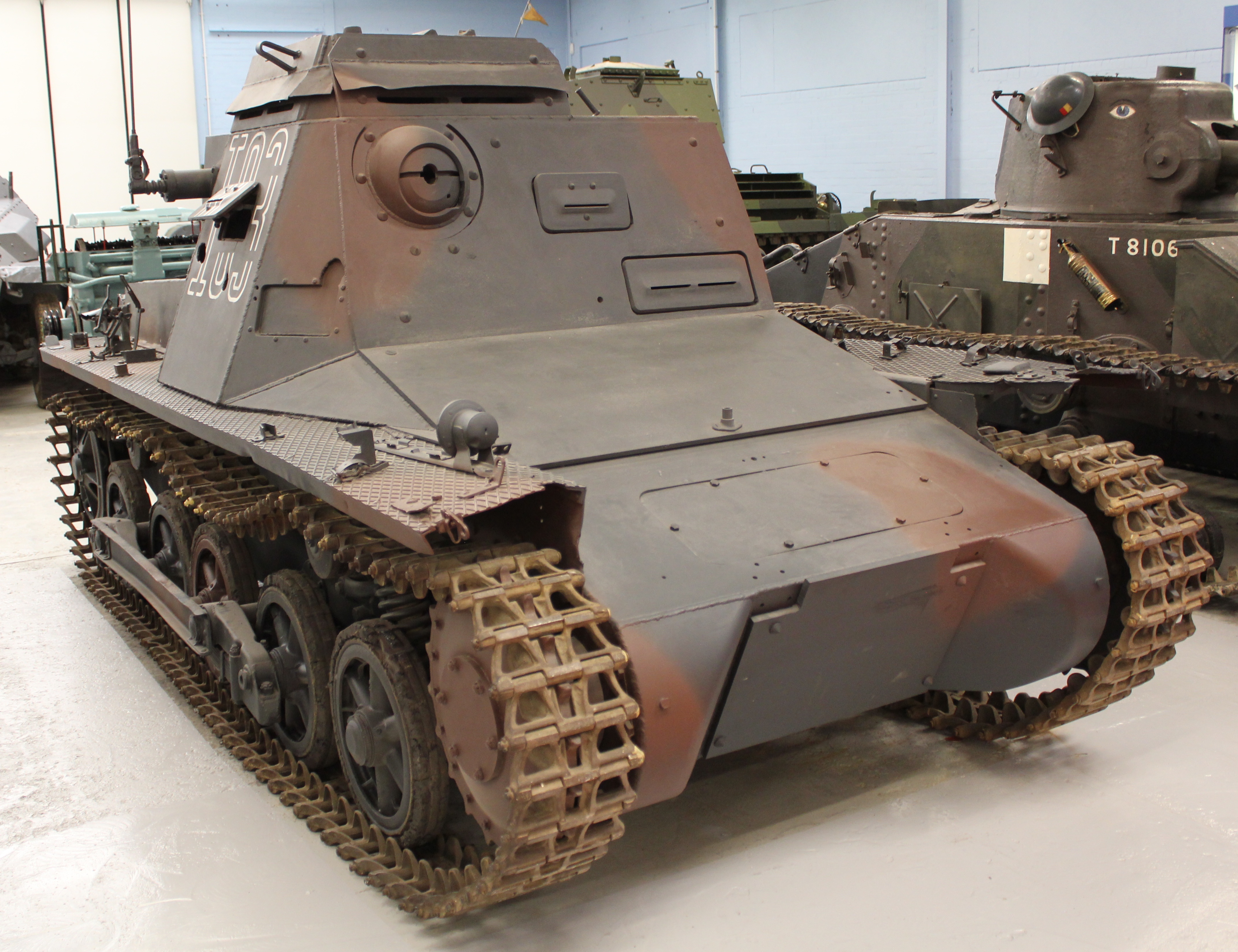
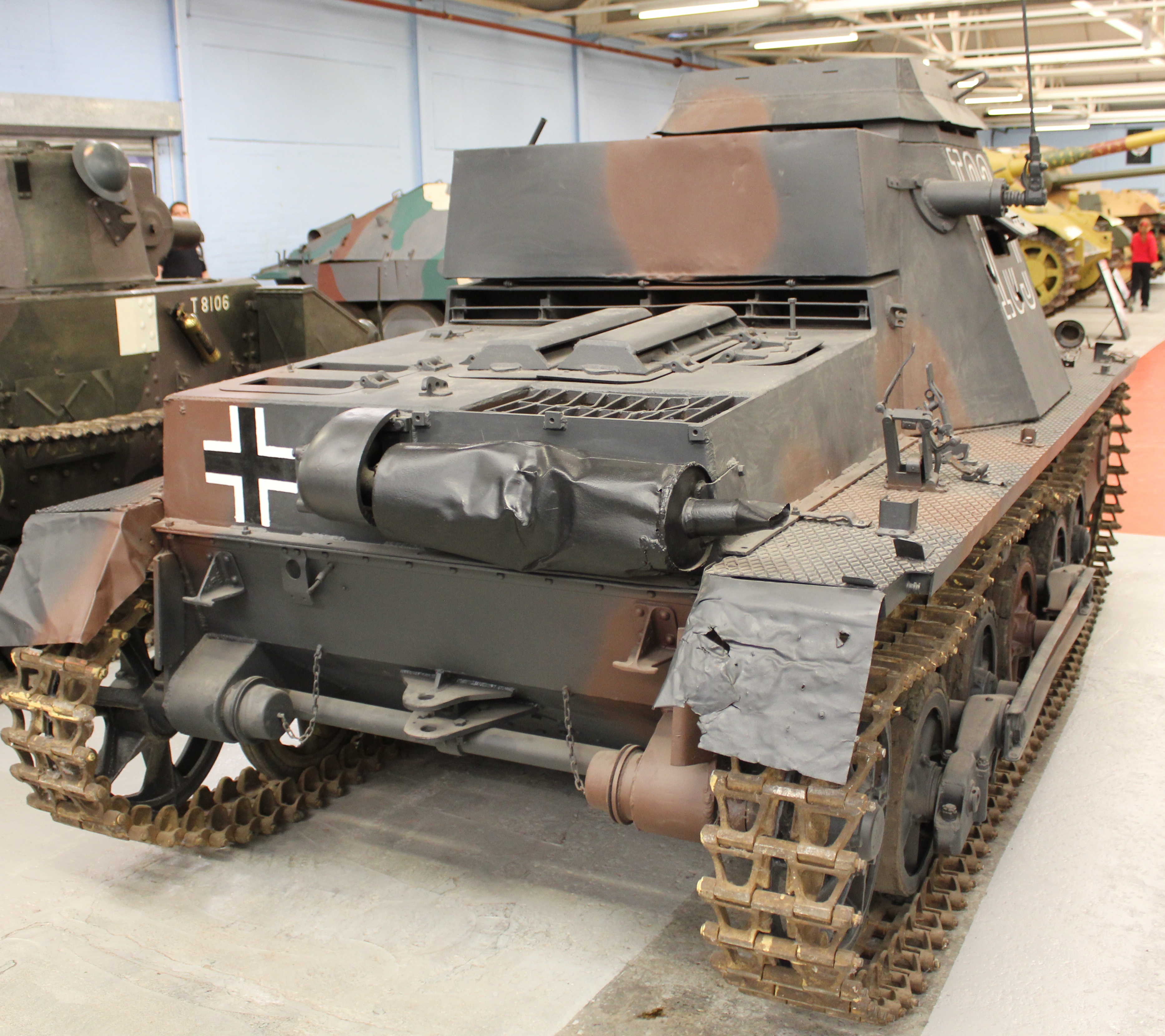
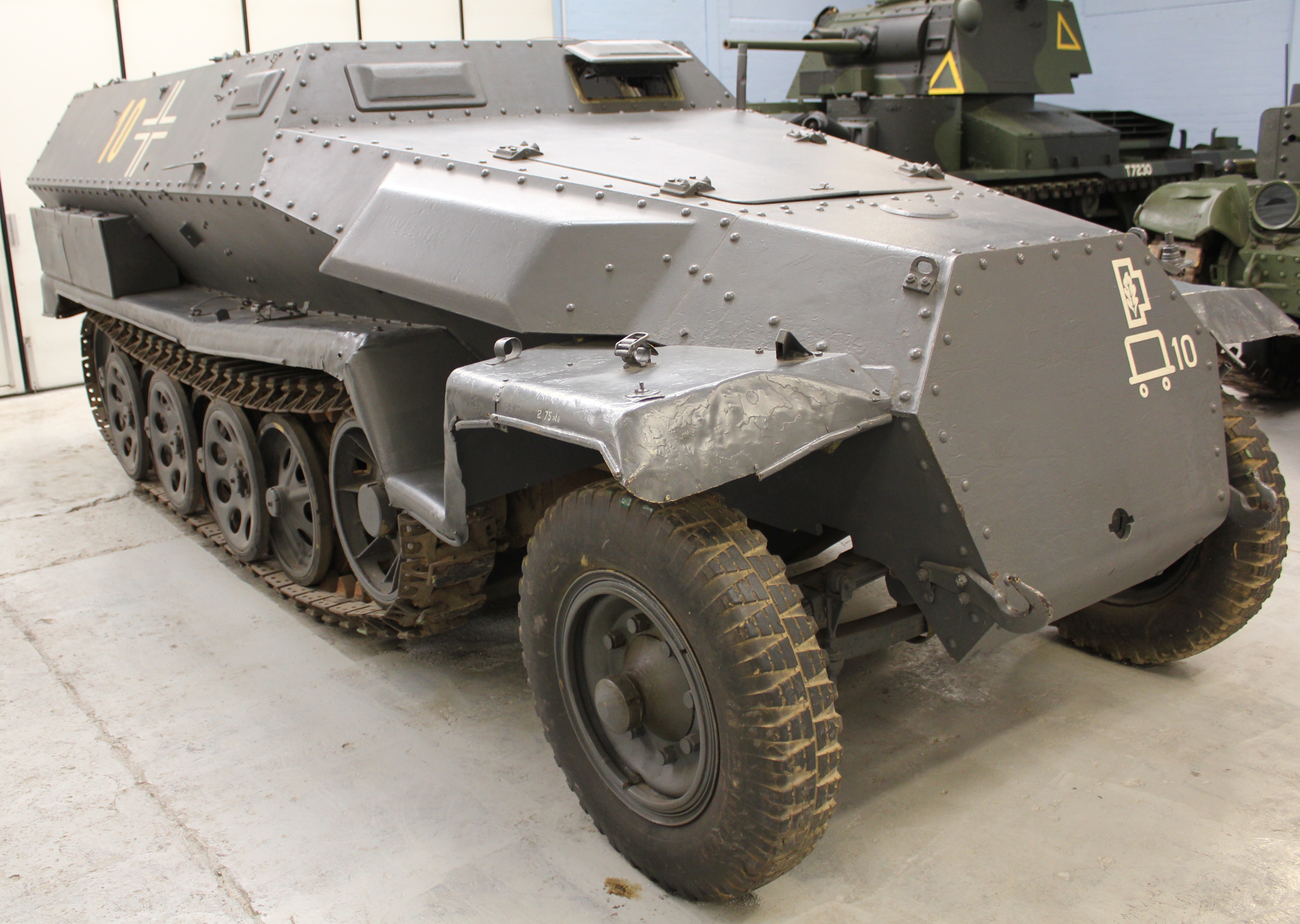
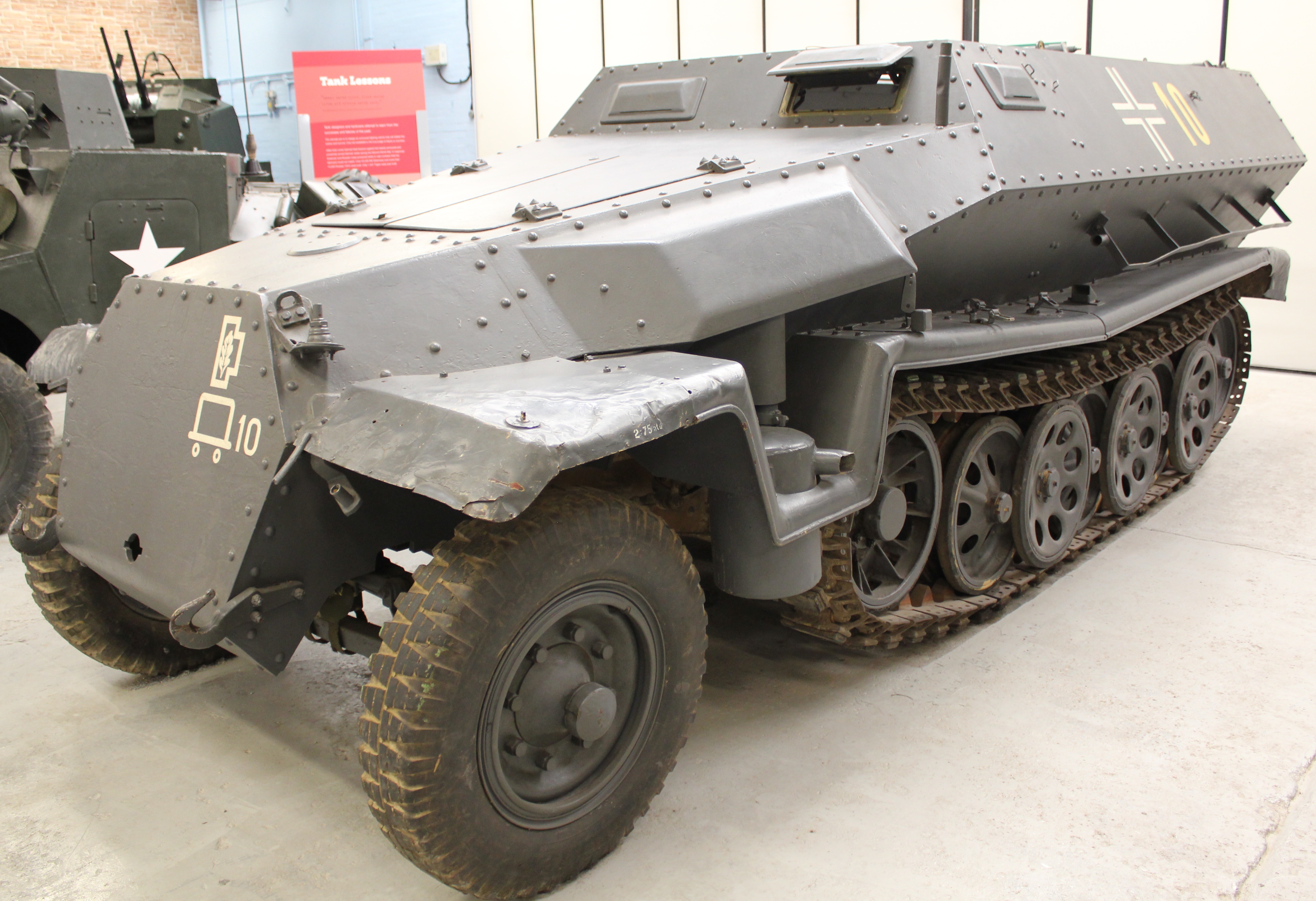
Some of the types of equipment used in this biggest ever invasion of a country are shown below. Most of the photographs were taken at the Bovington Tank Museum.
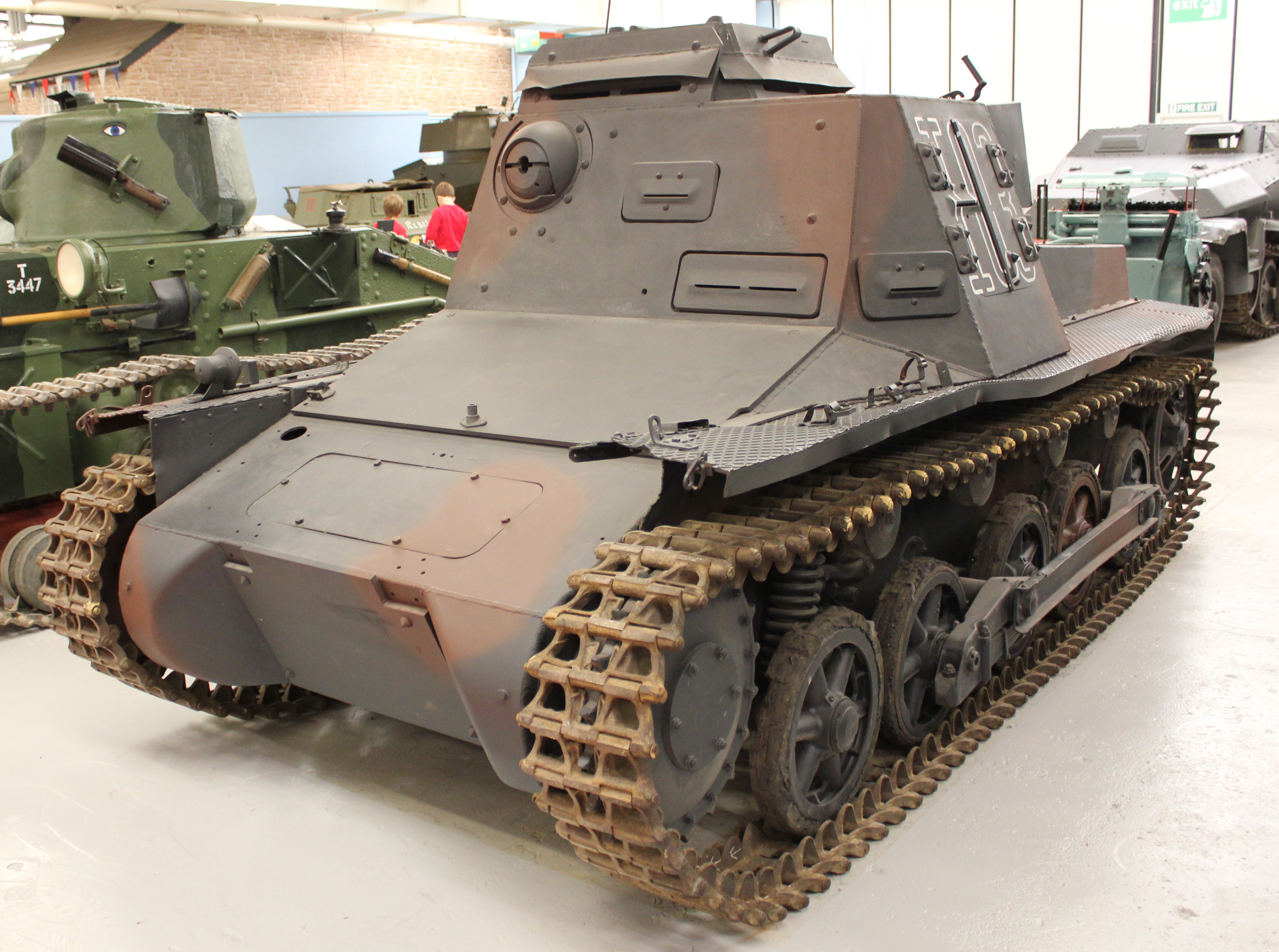
Panzer I. Command Tank. Fitted out with communications equipment for use by a senior German Officer
Panzer I. Command Tank. Entered service in 1934. Often seen in large numbers in pre-war parades.
Panzer I. Command Tank. Rear view
SdKfz 251 Armoured Personnel Carrier
SdKfz 251 Armoured Personnel Carrier. Crew of 2 + 10
SdKfz 251 Armoured Personnel Carrier. Designed by Hanomag and Bussing-NAG in 1937
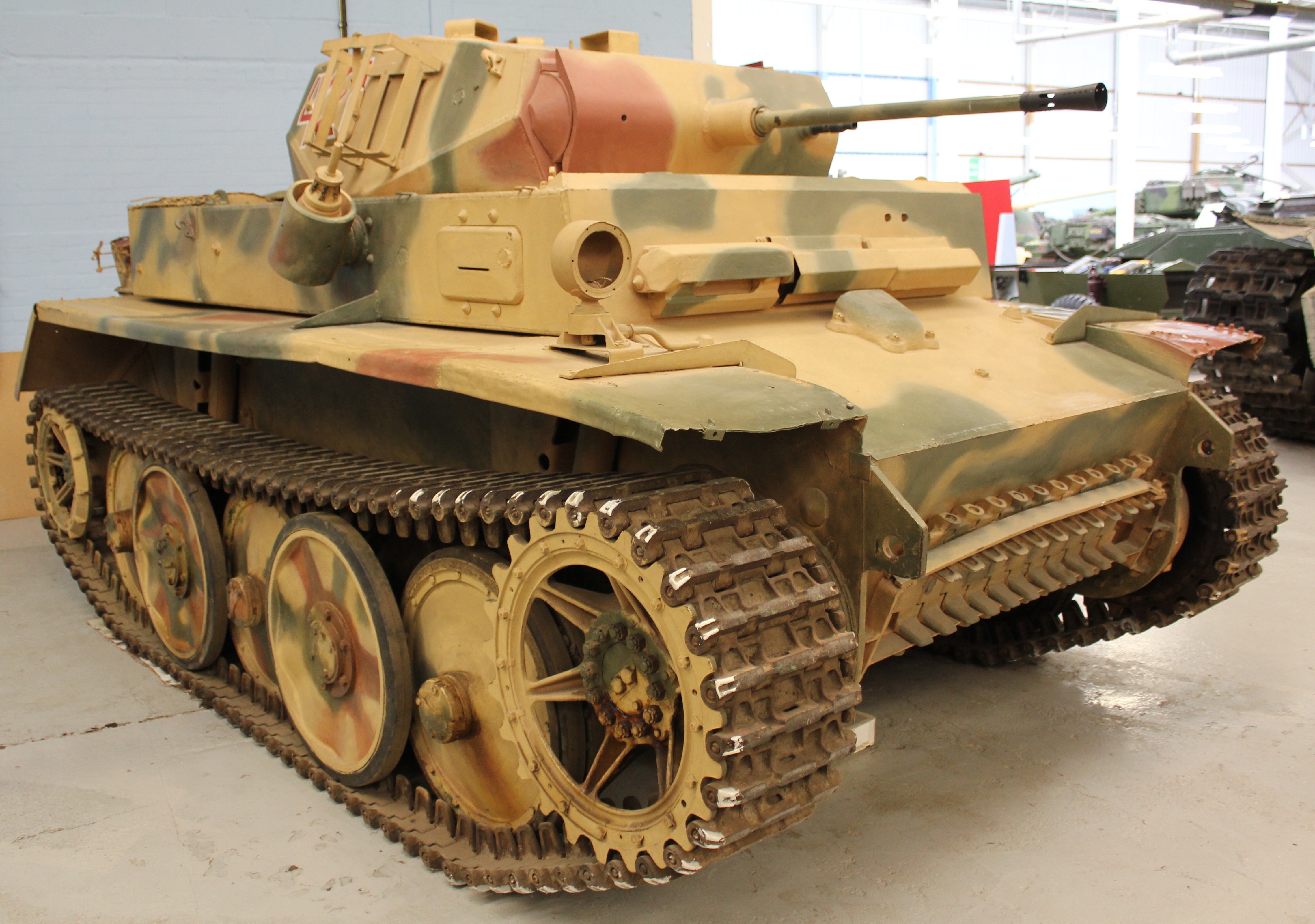
Luchs PzKfw II Ausf L, a key reconnaissance vehicle on the Russian Front.
Luchs PzKfw II Ausf L, 30mm of armour and a crew of 4.
Luchs PzKfw II Ausf L, with a top speed of 60kph and weighing 13 tons.
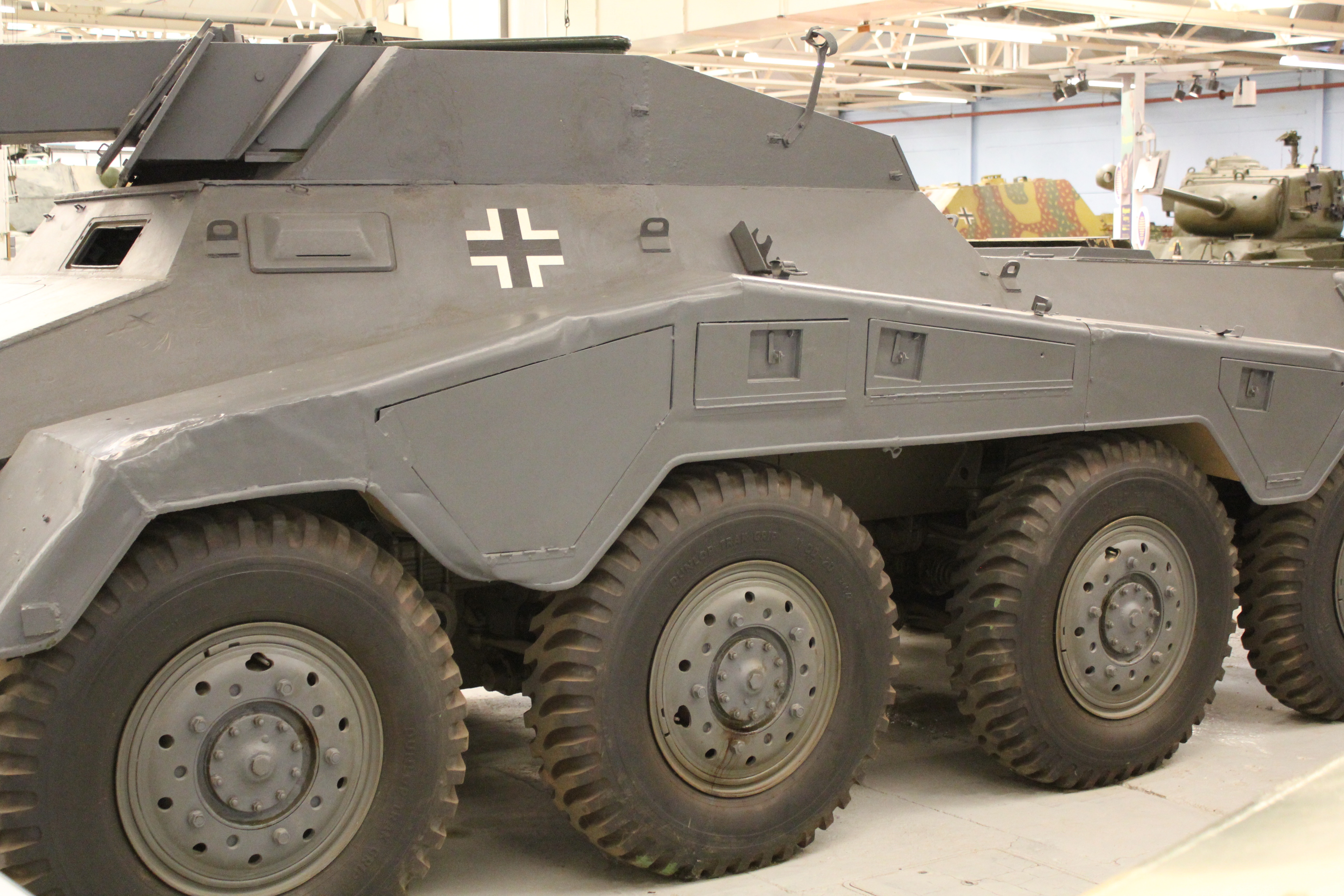
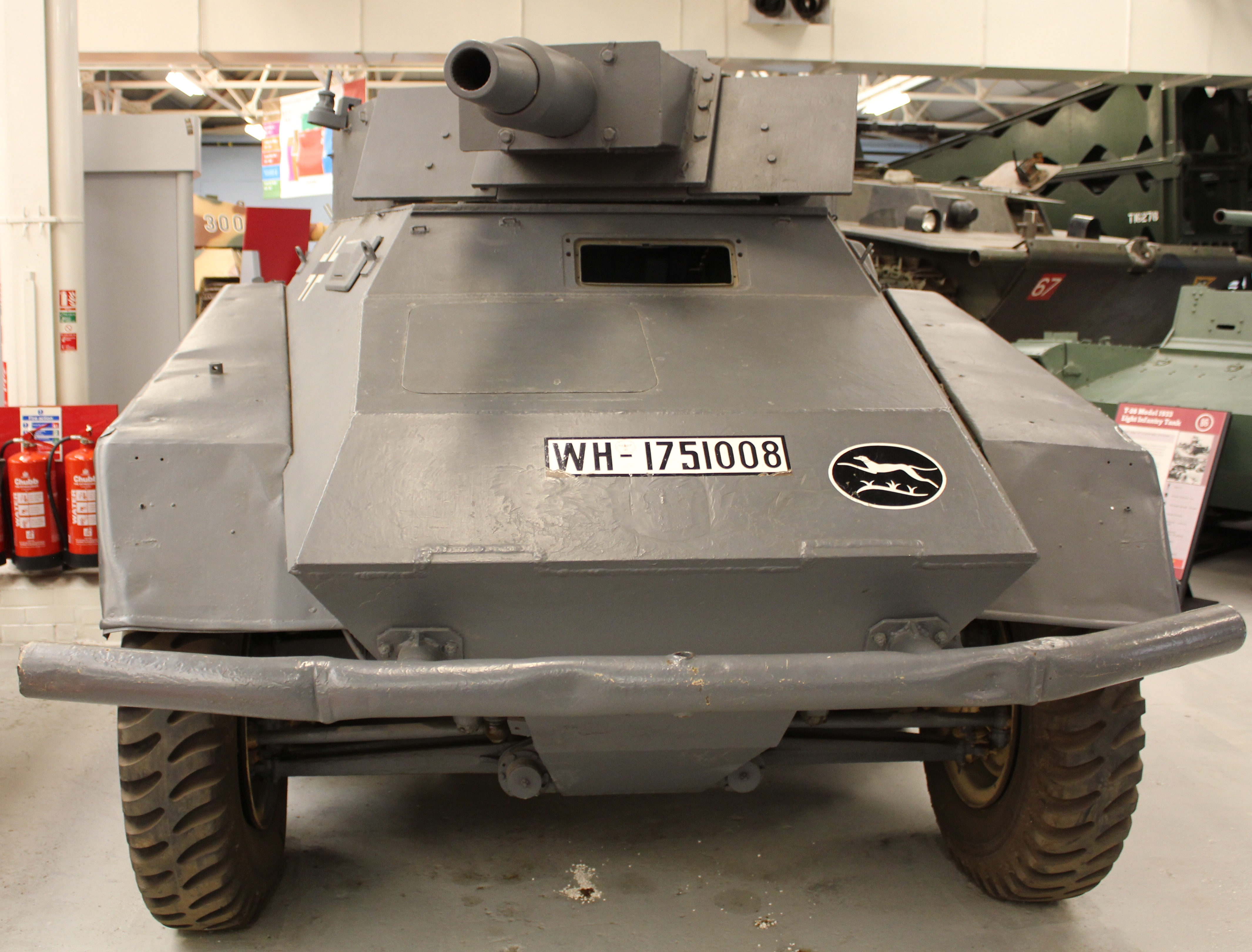
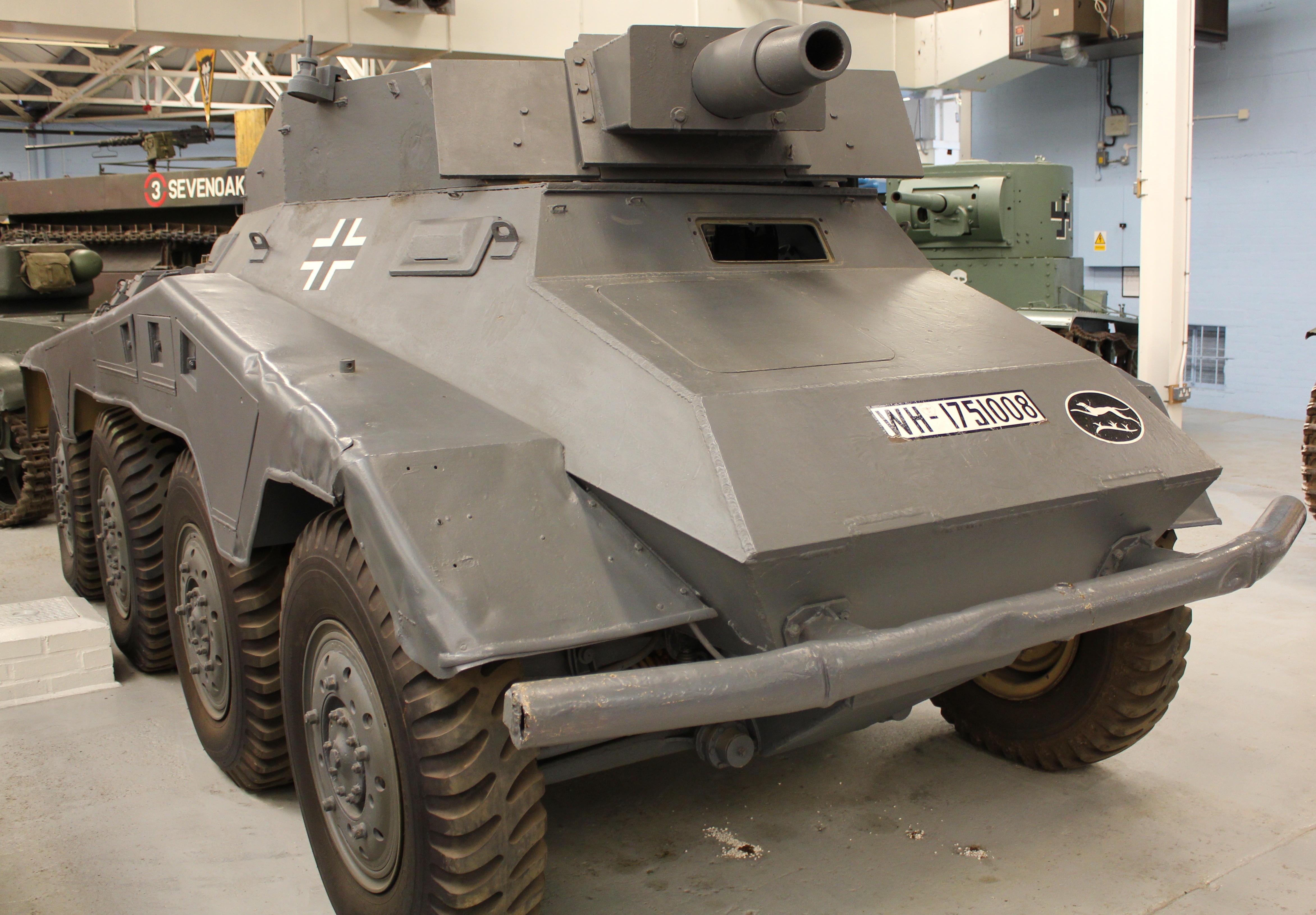
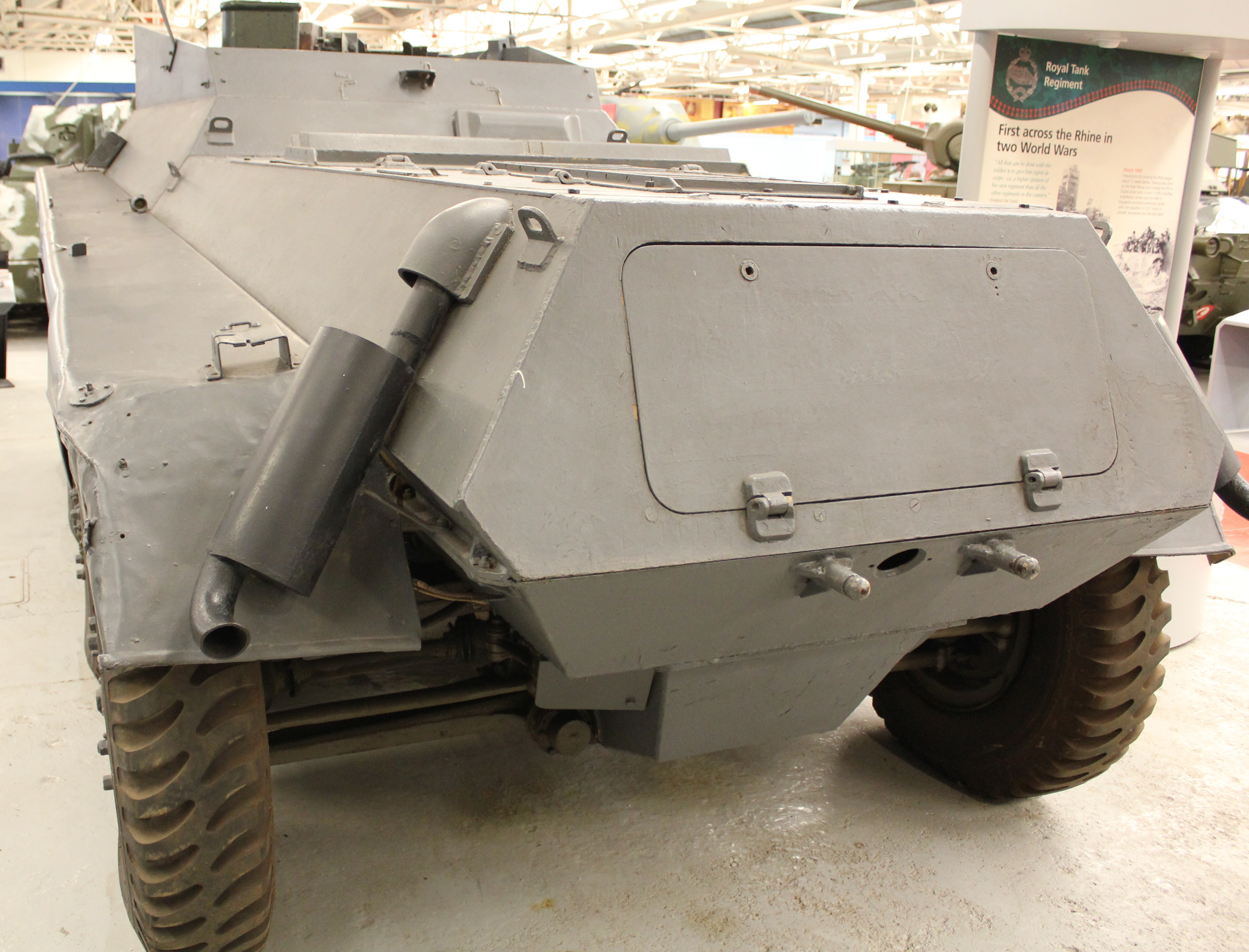
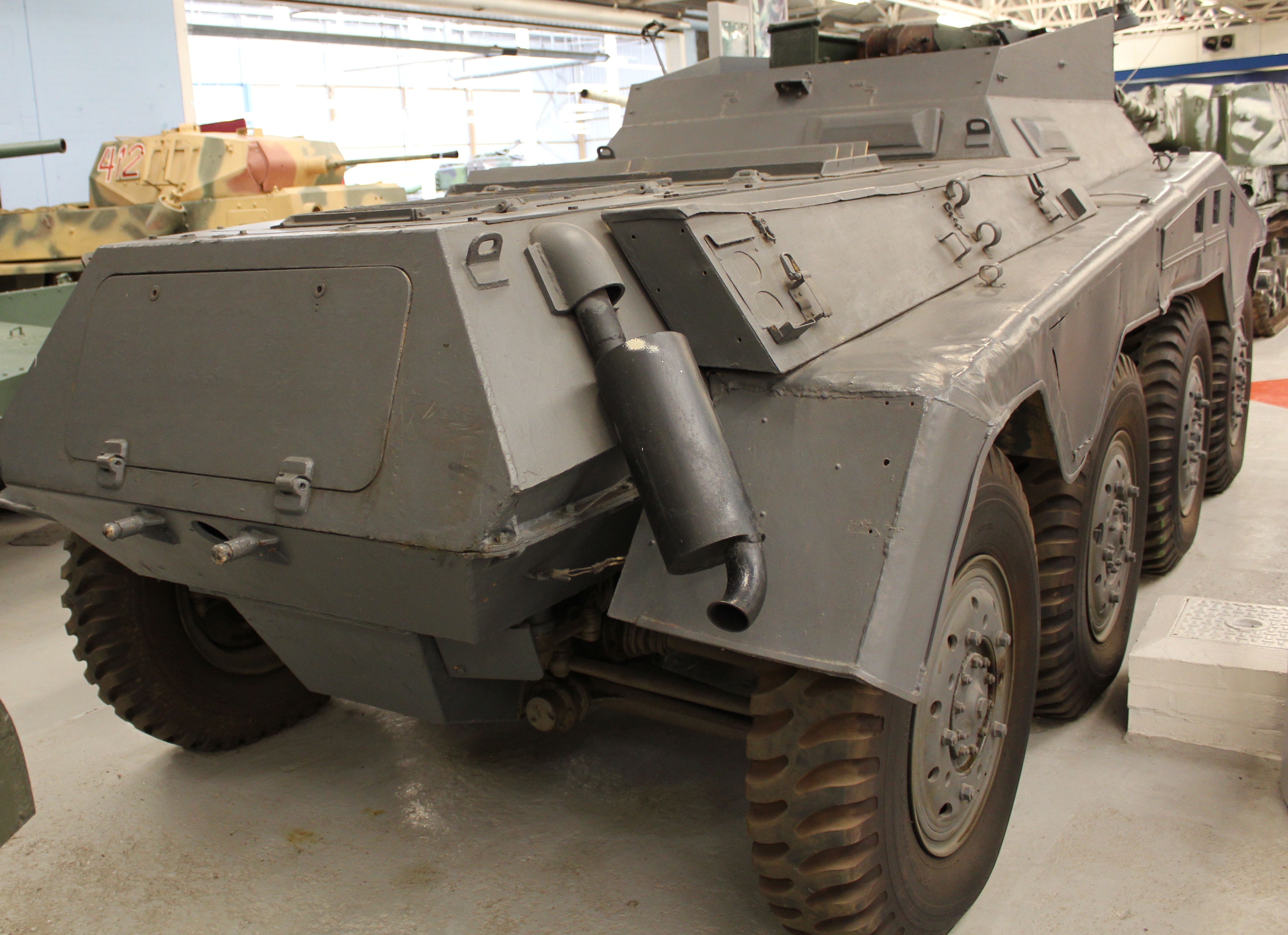
SdKfz 234/3 Heavy Armoured Car
The 234 was unusually diesel powered.
SdKfz 234/3. Crew of 4 and 30mm armour. Markings are for 116th Panzer Division.
SdKfz 234/3. Fitted with a short 75mm gun.
SdKfz 234/3. Used in a close support role.
SdKfz 234/3. Gun mounted in an open barbette rather than a turret.
A technically advanced 8-wheeler.
My intention is not to portray a particular message, but just share some of my photographs and information with you and help set the scene for my forthcoming novel.




 .
.









































 harveyblackauthor