Berlin, the Cold War Years – Part 3. A Hot War in Reality

At the end of World War 2, what remained of pre-war Germany was divided into four sectors of occupation. Each of the Allied powers; the United Kingdom, United States, France and Russia, controlled one of them.

The capital of Germany, Berlin, was also divided into four sectors. The consequence being, that the three Western Allied powers now controlled territory deep within the Soviet Union Sector of Germany.

Over time, the tensions between the four Allied powers increased, eventually resulting in the Berlin blockade in 1948, when the Soviets attempted to starve West Berlin into submission and force the other three Allied powers out. This failed and the Soviets eventually relented, but an ever-increasing number of East Germans fled to the West; between 150,000 and 300,000 a year during 1951-1953. As a consequence restrictions were placed on movement between the divided country. In 1961, the border was closed and Berlin completely encircled, first by barbed wire, then bricks and finally a concrete wall, along with the infamous ‘death strip’.

Access was now restricted between Berlin and the West. A wall, 124 mile miles in length, was placed around the three sectors of West Berlin, cutting off the city from the rest of the world..
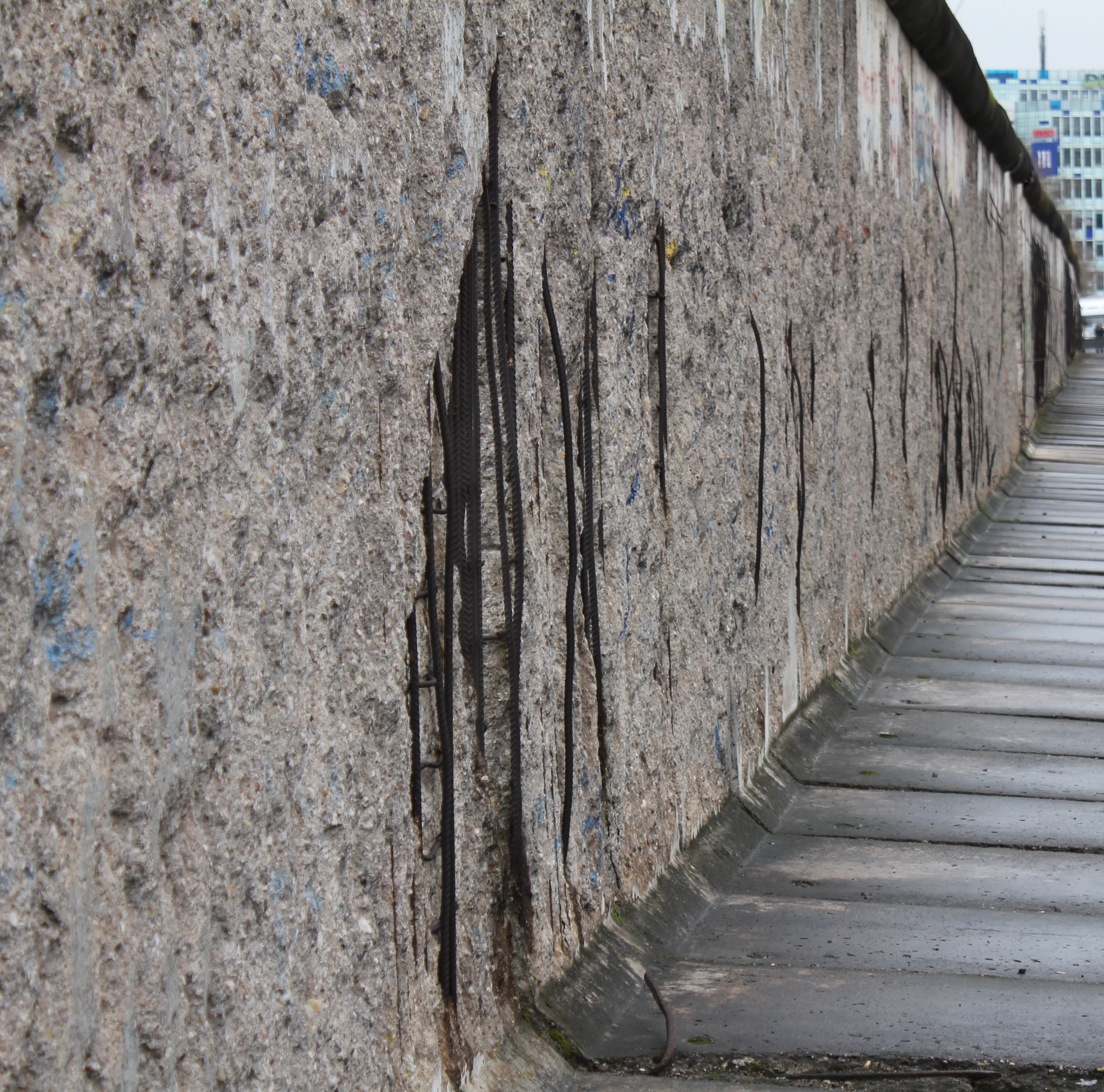
Remnants of the infamous Berlin Wall – February 2012

A checkpoint used by the West Berlin population to cross into East Berlin – 1982

Passage was severely restricted. The British, US and French Governments refused to recognise the East German Democratic Republic, GDR, as a consequence all our dealings were with our ally, the Soviet Union. One of the three routes out of Berlin by train, was from Charlottenburg station in West Berlin to Braunschweig in West Germany. It ran every day, except for Christmas Day. Below you can see the procedure that we had to go through, presenting our documents to the Russian authorities going out and on our return.
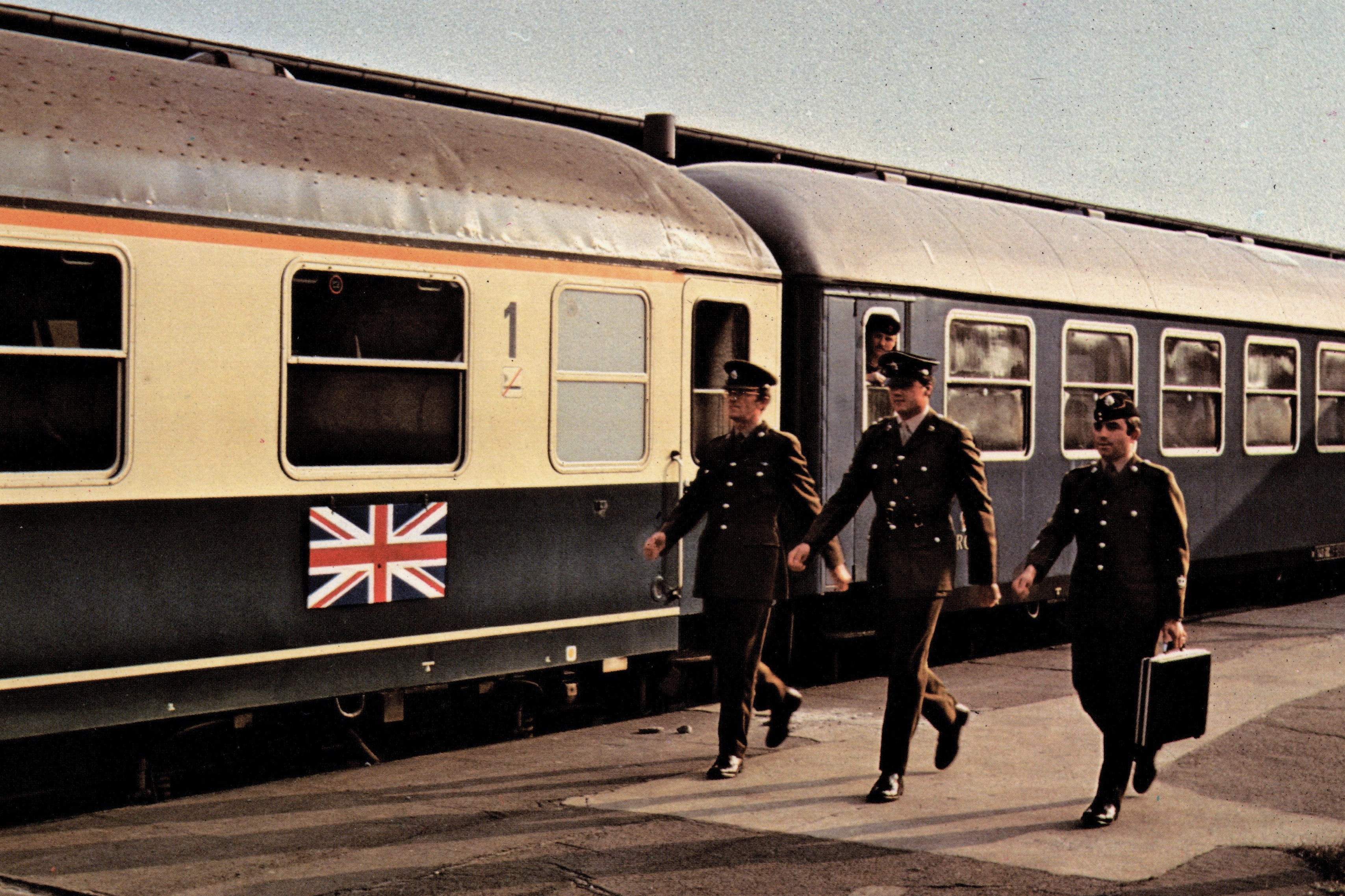
Berlin Military Train – 1982

There were also three Autobahn routes, one for each of the western allies. Ours ran from Berlin to Helmstedt in West Germany. At each end, one of the car’s occupants would have to hand over their documents, including the one below, through a small hatch where it was inspected (You were photographed , but never saw the occupants). You then had to march to an armed Soviet sentry, salute, wait while he checked your documents, salute again and return to your car. The document had to match your credentials perfectly. They would check your identification letter by letter, and if there was an error, you would not be allowed to pass.

The documentation had to be exact – May 1984

The Soviet Army had a significant presence in East Berlin. The troops below, were returning to Karlshorst Camp, in East Berlin, after completing an exercise.
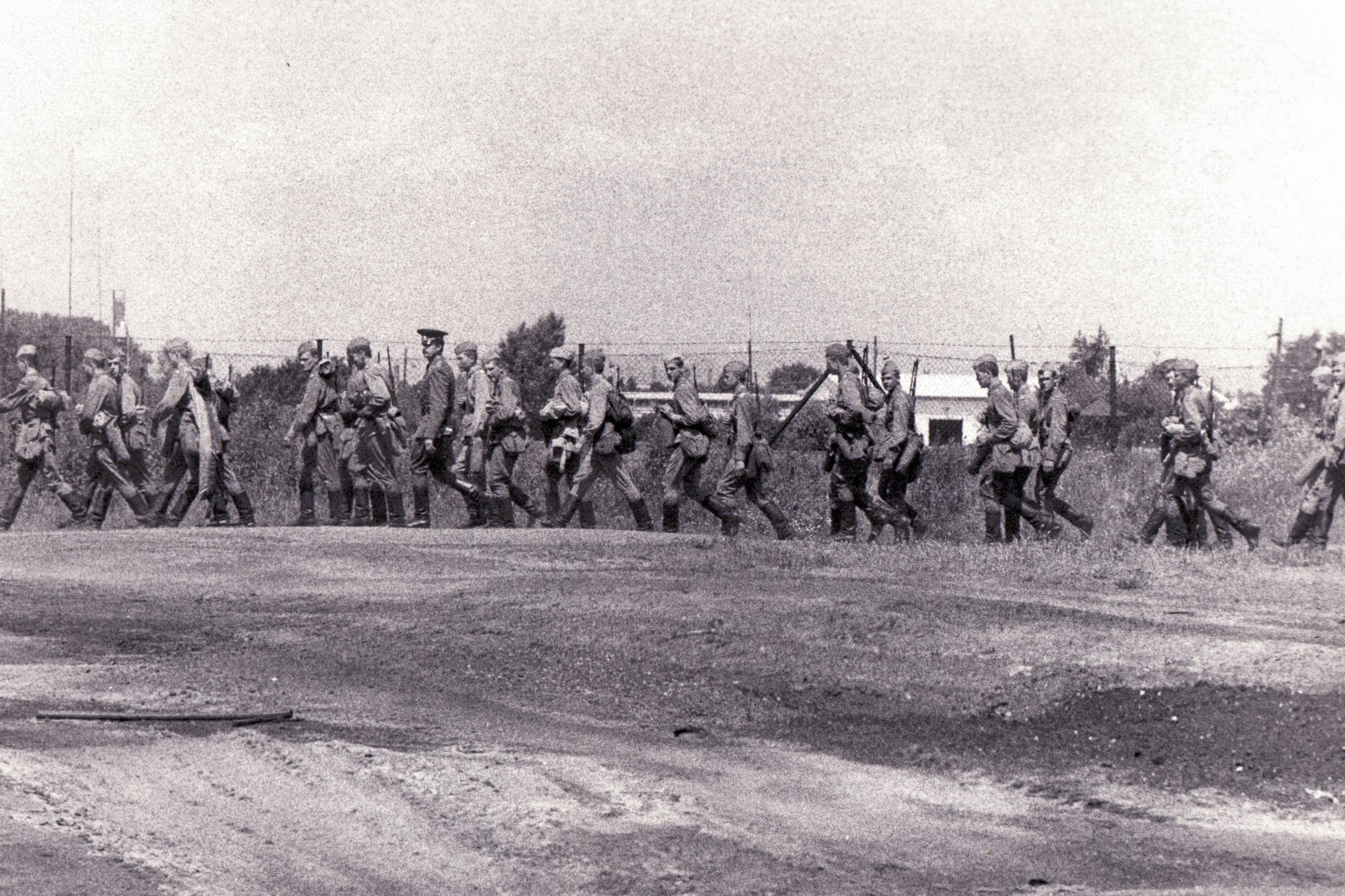
Soviet Motor Rifle Infantry – East Berlin 1983


Taken from a film found on one of our rummaging exploits – 1983

As I previously stated in Parts 1 & 2, I had an Intelligence gathering role while serving in Berlin. We were in a ‘Cold War’ and it was imperative that we tracked the movement of Soviet and GDR forces at that time. The rail ring-road that circuited Berlin was a major rail junction and we kept a close watch on all movement.

Below we had spotted a military train, usually pulled by a black steam locomotive, and wanted to know its destination. Only one way to find out.


T-12, Anti-Tank Guns – East Berlin – 1984

Let’s see where they’re going, and hope to god the transport police weren’t close by. They had very big, vicious, Alsatian guard dogs and boy they could run fast. Although the Soviets were very secretive about the movement of equipment, the East German railways, Deutches Reichsbahn, were very efficient and always had a note showing the destination attached to the flat-car. Very convenient.
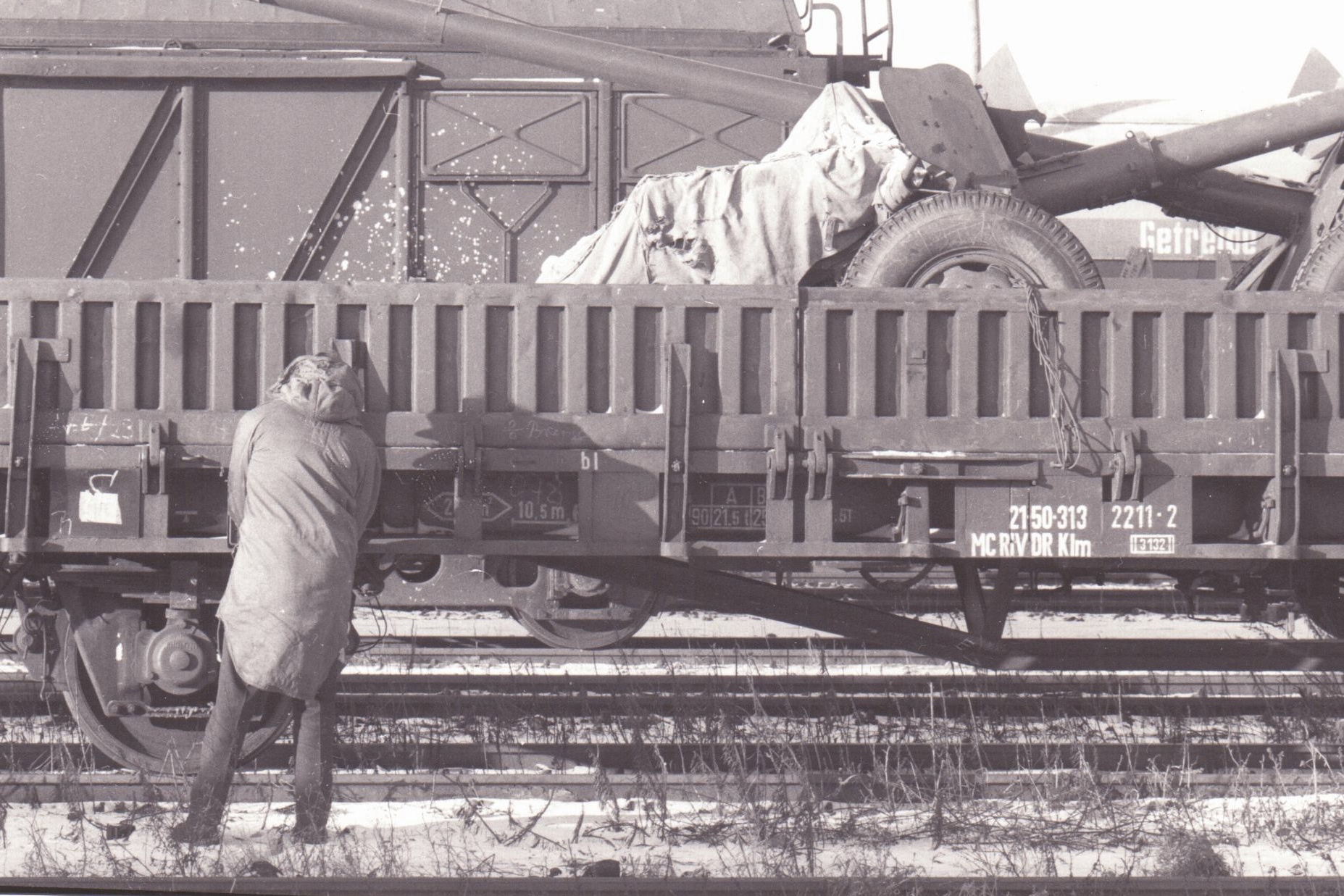
T-12, Anti-Tank Guns – East Berlin – 1984
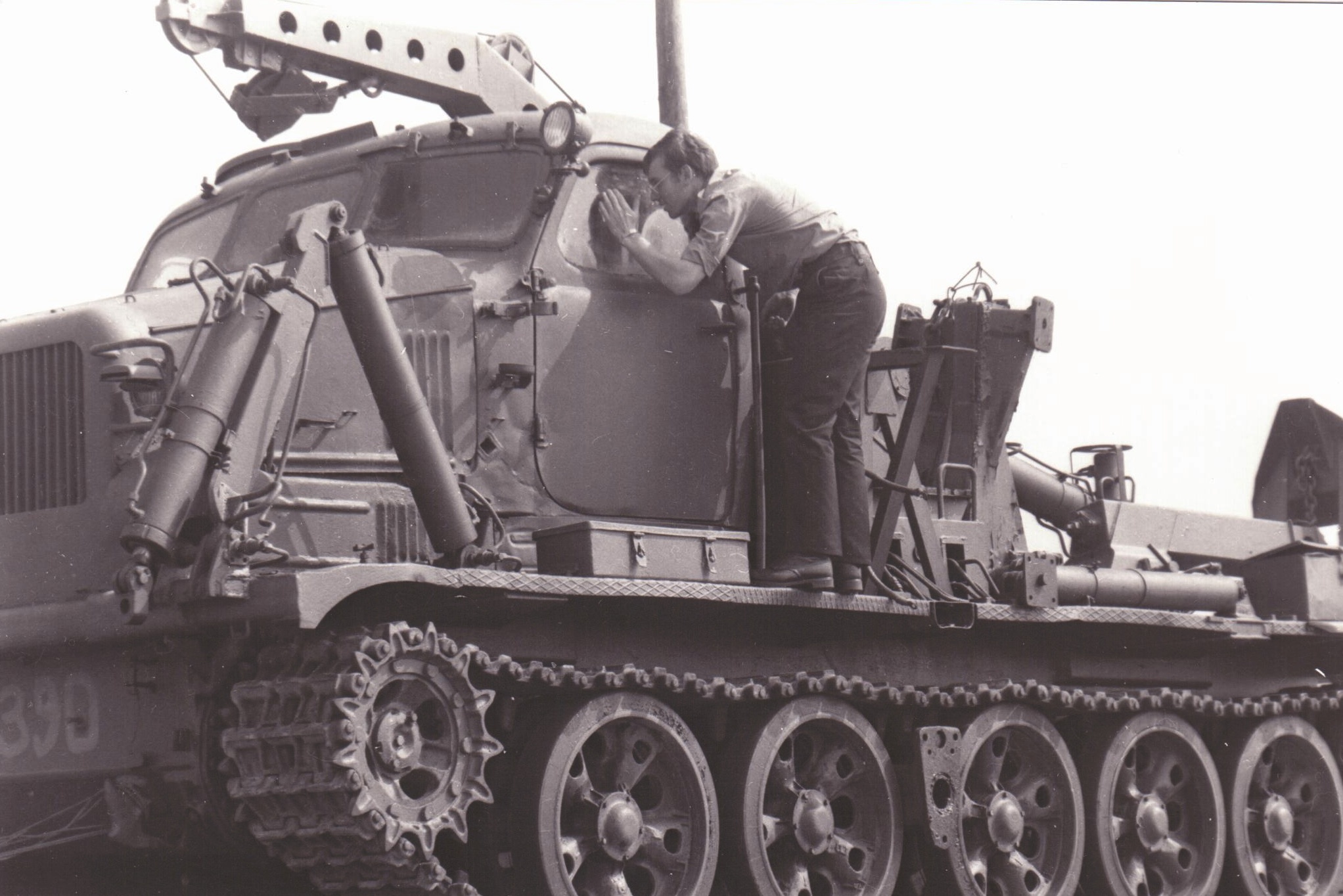
Bat-M, Soviet Military Engineer Tractor . Great for digging trenches for the Soviet Infantry- East Berlin – 1984

Soviet 2S1, 122mm self propelled artillery on the East Berlin rail ring – 1983
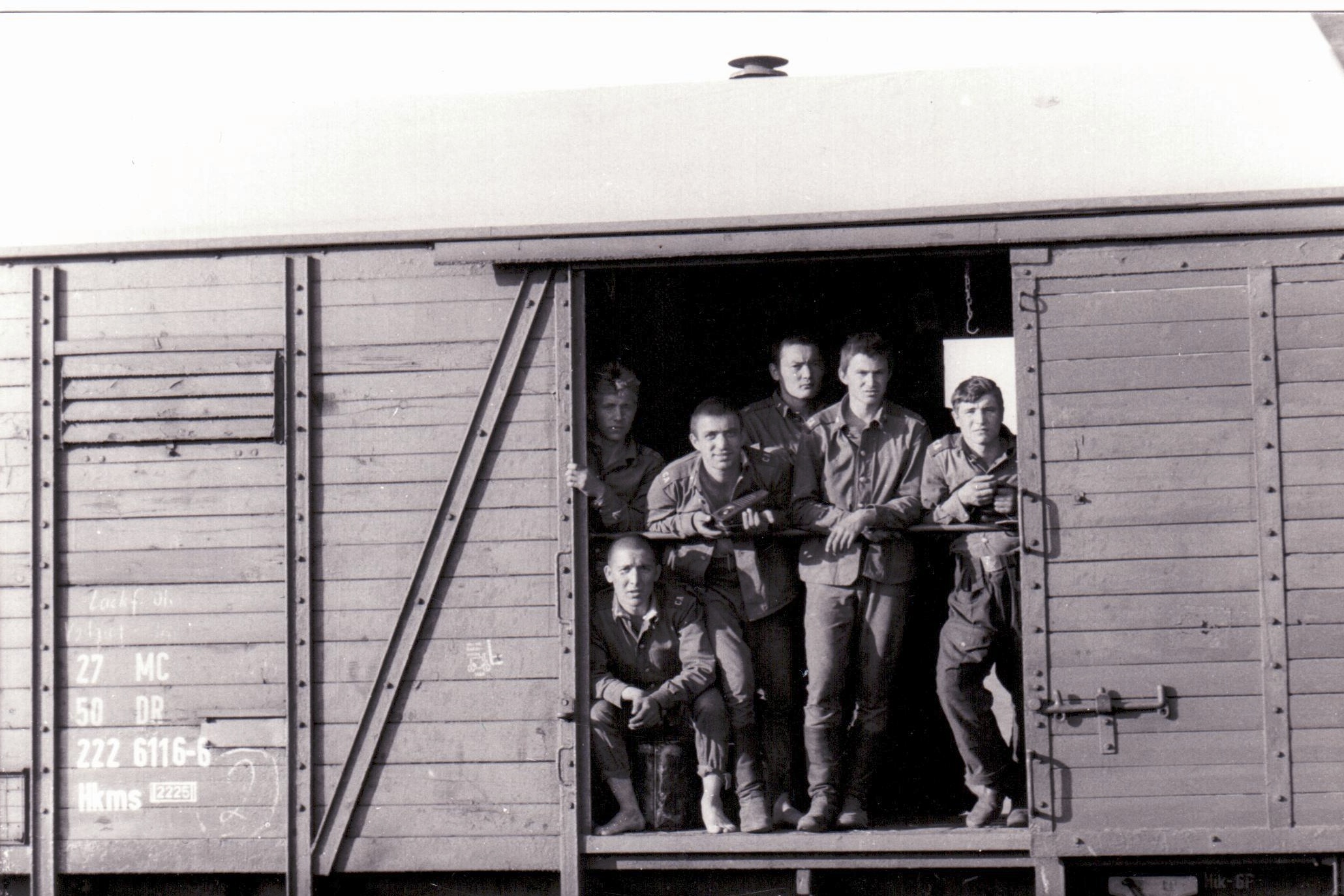
Troops on the move on the East Berlin rail-ring -1984

The Soviets, like the GDR, also liked to make life difficult for us. On one occasion we managed to get away from an aggressive ‘Box In’, by literally driving on top of a refuse tip and effectively surfing down the other side.
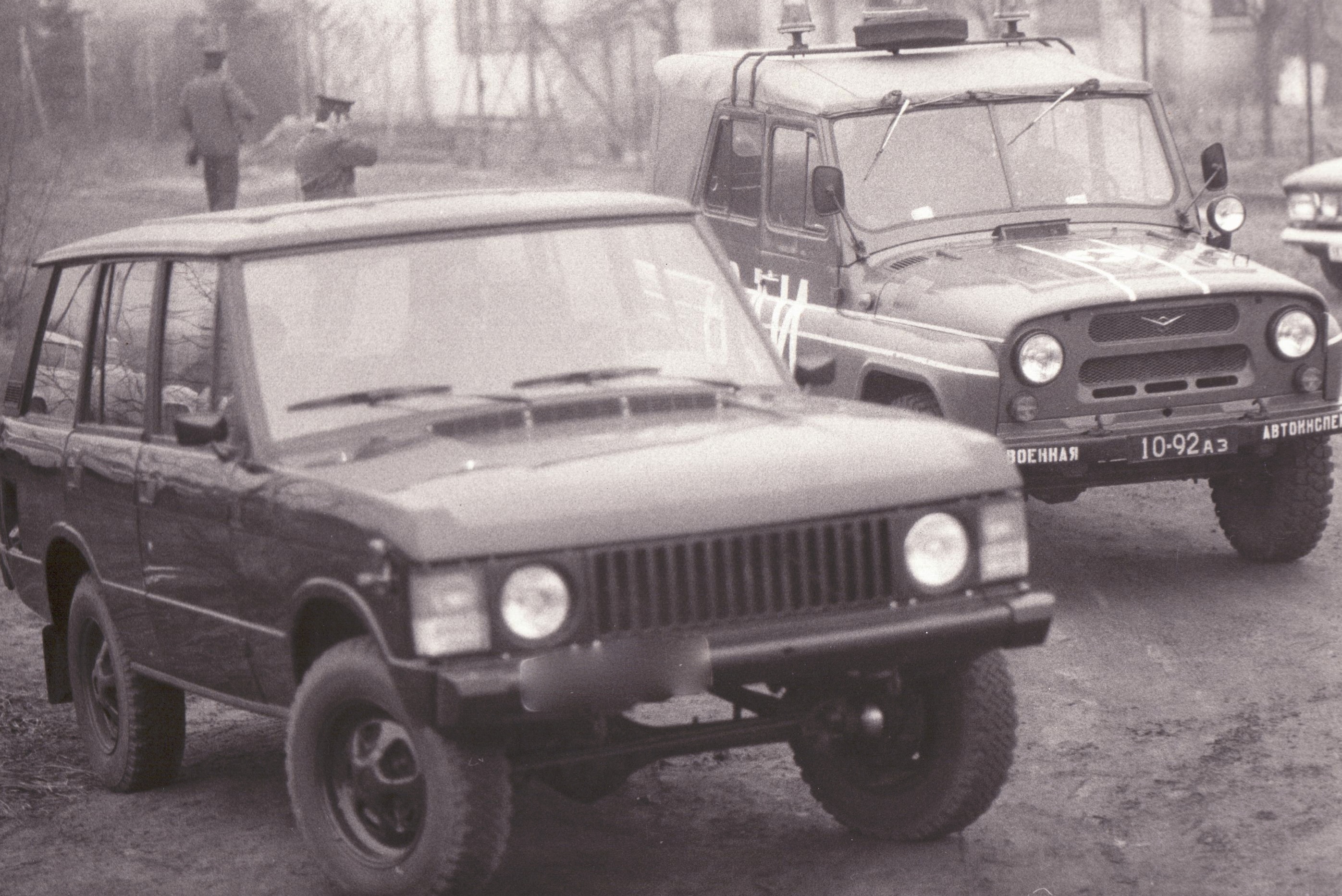
This time boxed in by Soviet Military Police as well as the GDR VOPO – East Berlin 1985.

.

But, I did have one Soviet friend… GRU, KGB, Spetsnaz…..? His recruitment attempts were far from subtle. 🙂

Once, we chased a train at night, down narrow lanes, wanting to see the load and where it was going. Doing over a hundred kilometres an hour, no lights, the driver missed the turning and went straight over a T-junction with a drop on the other side. Pushed the bonnet of the Range Rover right back as we hit the ground below. All shaken but alive, we had to be lifted and towed back.
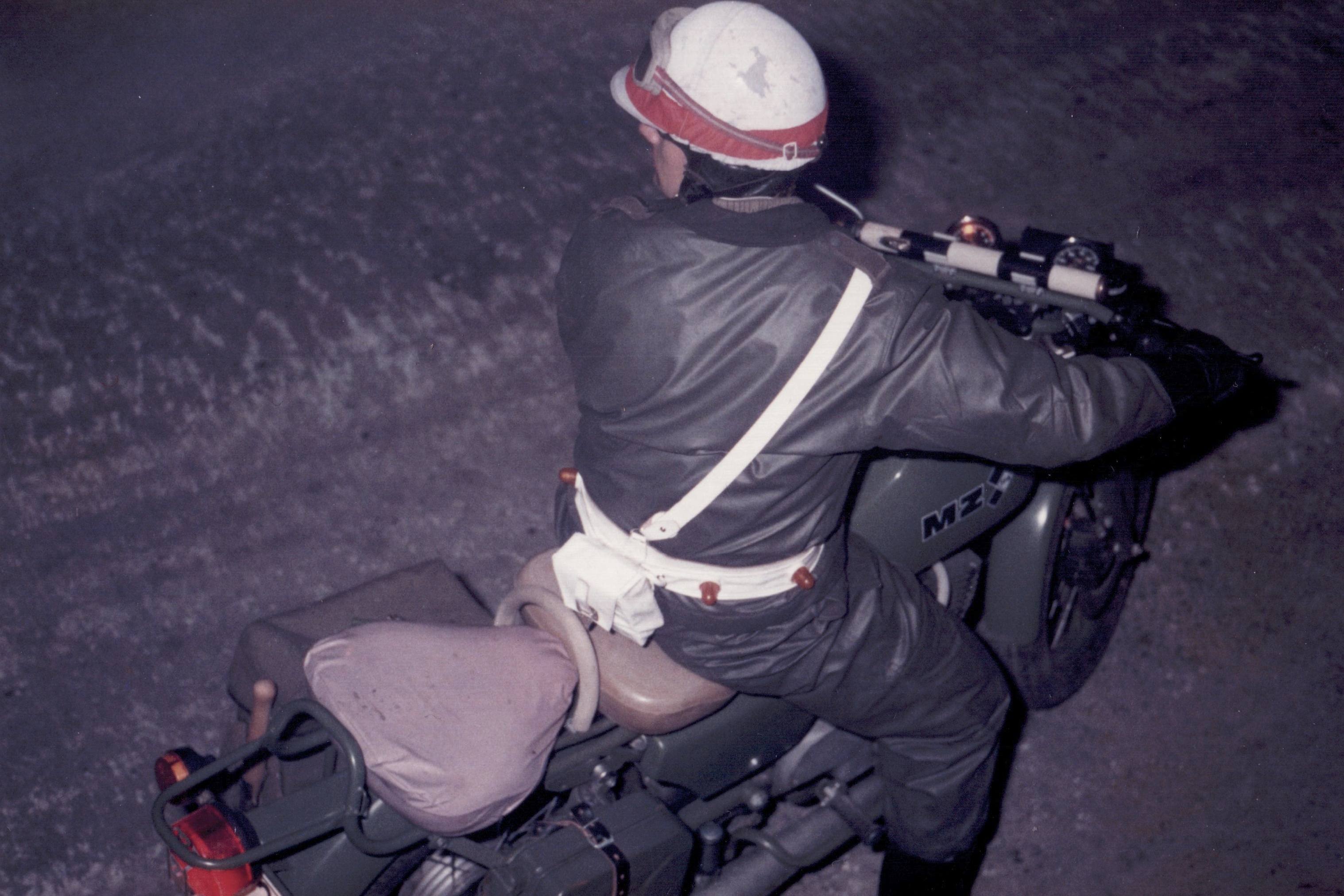
The Soviet Military Police were never far away. 1985

 Getting caught came with consequences. It happened very quickly. A white car skidded across the back of our vehicle blocking our escape. The intention was to reverse into it and push it through the fence, but the Soviets were on us too fast. We couldn’t call for assistance, so my partner did a runner, as we agreed, to call for assistance and guide our backup into the maze of streets  we were in. No mobile phones in those days. In the meantime they had got into the Range Rover, dragged me out and basically went to town on me, the rest is history. It created a political issue, understandably, and elements of the Soviet regime were banned from the Queens Birthday Parade that year. I had myriad of bruises and a lovely black eye. 🙂 For me, the scariest bit was the unknown. The fear that I would be spirited away, but fortunately our back up was close by. That was unusual, as we generally operated as a single unit. Someone was watching over me that day.

Soviets dispersing after their attack on me. The white car that pulled across to block us off, giving them access to my car, was probably MFS.

The nearest soldier is a Lieutenant

This officer is a Senior Lieutenant from the local Tank Regiment.

.
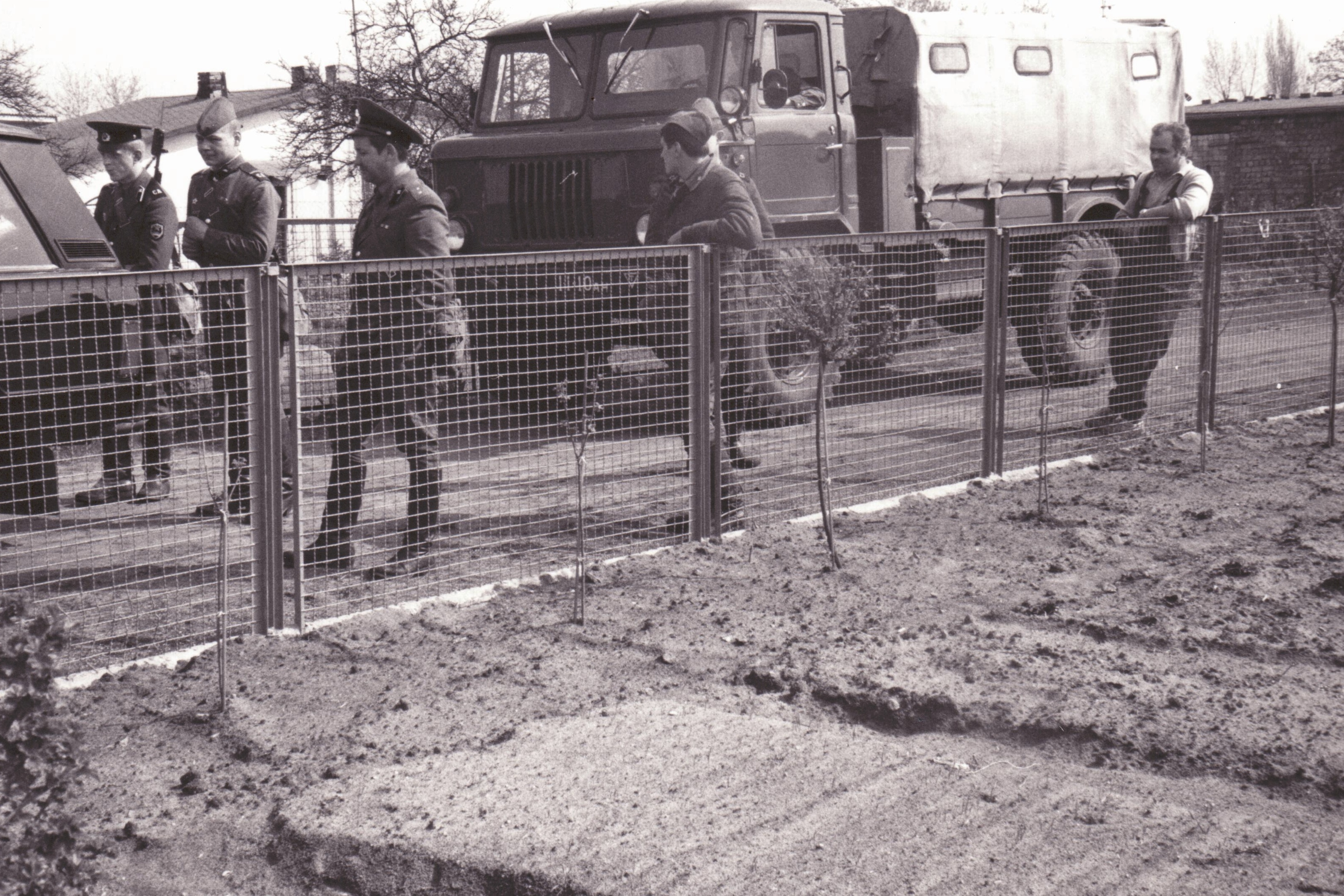
My backup was also boxed in.

Once assistance had arrived, my partner had escaped and called for backup, they boxed that vehicle in with a Gaz 66. The closest soldier is a Warrant Officer and you can see that they had bayonets fixed to their rifles. Magazines were also attached to their AK 47’s.  Soviet senior officers eventually arrived, along with officers from the British Military Government and an Interpreter. We were eventually released and I was taken to the BMH for treatment.

During my recent visit I also climbed to the top of the Berlin Victory Column, designed by a Heinrich Strack after 1864, to commemorate the Prussian victory in the Danish-Prussian War.

The Berlin Victory Column, inaugurated in September 1873 – Berlin February 2012

.

The Berlin Victory Column, inaugurated in September 1873 – Berlin February 2012

.

The view towards East Berlin from the Victory Column – February 2012

.

Altes Museum, on Berlin’s ‘Museum Island.’ – February 2012

.

Having an interest in military history, particularly WW2, this was one place i wanted to visit. The above museum was often used by Hitler for some of his public parades and speeches. See below.

Adolf Hitler leaving the Altes Museum after giving one of his infamous speeches.

.

Enough for now I think, although there will be a Part 4. Part 4 will definitely be the last and I will have new topics, so don’t go away! Seeing as we  in an Olympic year in the UK not so long ago, I thought I would share a picture of the Olympic Stadium, Berlin. The British Military Government was situated not very far away, as was the British Military Hospital that was used to treat Hess when he became ill. I lived opposite the entrance to the Hospital.

Olympic Stadium, made famous by Jesse Owen – East Berlin 1984

.

Some of these photographs were taken from a helicopter. Helicopters were not part of the original agreement between the four powers, so although they could fly within West Berlin airspace, they had to be shipped through the GDR on low loaders…..

.
HarveyBlack-Red Effect150313

My intention is not to portray a particular message, but just share some of my photographs and experiences with you. 

Photographs are copyrighted to Harvey Black

Cold War Kit, Part 2. BTR-60PA.

.

The first novel in my ‘Cold War’ trilogy, The Red Effect, published by SilverWood Books, is now available. Thoroughly enjoyed writing it, as i do with all my novels. There will be three books in total, covering the hypothetical invasion of West Germany, the Federal Republic of Germany, by the Warsaw Pact in the mid 1980’s. Book 1, ‘The Red Effect’, encompasses part of the intelligence build up leading to the initial Warsaw Pact strike against the NATO forces lined up against them. The purpose of the next few posts is to cover some of the Iconic pieces of equipment that would have played a part, should the Cold War have turned Hot.

. RedEffect72dpi-4 .

‘The Red Effect’ by Harvey Black – Available now. The Cold War that became a Hot War.

The Cold War era started very soon after the end of the second world war, when the communist east, led by the Soviet Union, and the Western world, led by the United States and its NATO allies, faced each across what became known as the ‘Iron Curtain’.

The perception of a potential Third World War, was generally one of a nuclear war. It may have come to that. In reality we will never know. But, one scenario is that of a conventional war. The massed forces of the Warsaw Pact against the supposedly technically superior, but weaker, NATO armies, that may well have escalated into a nuclear exchange. But a pure conventional war was just as likely.

.

Cold War Kit. 088

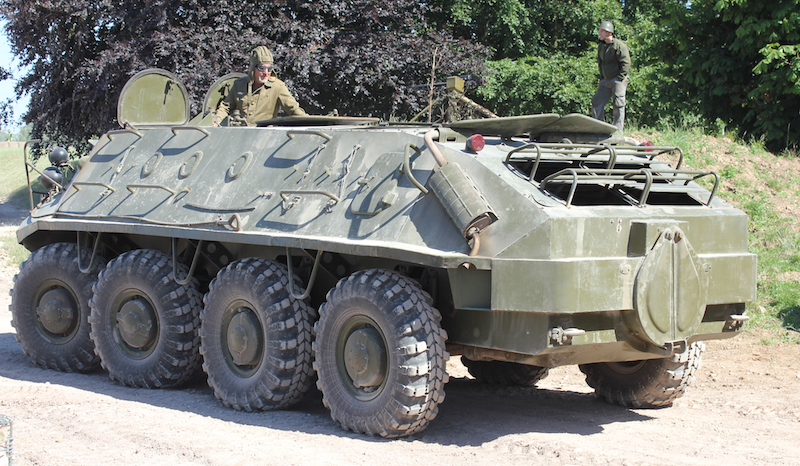
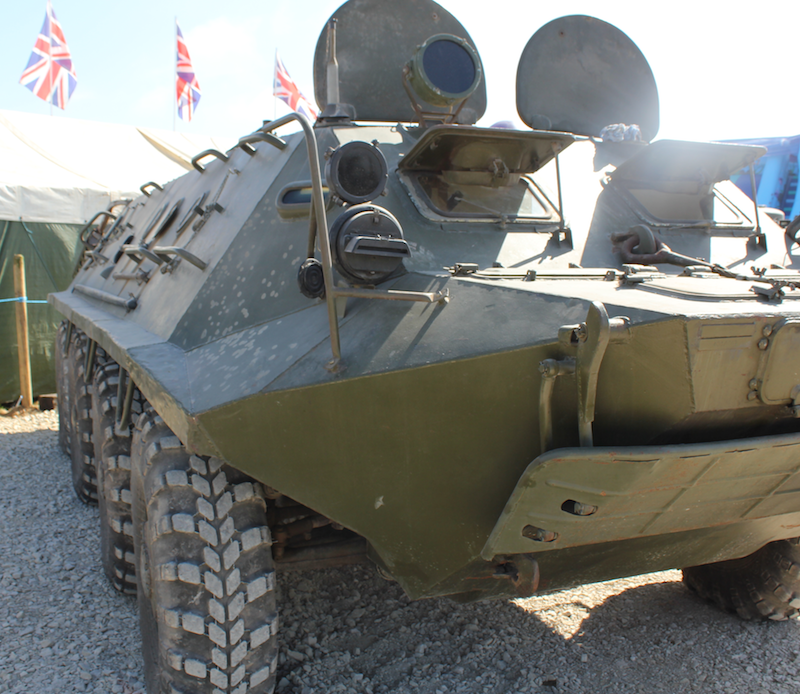
BTR-60, a wheeled Amphibious Armoured Personnel Carrier 

.

Cold War Kit. 079 (3)

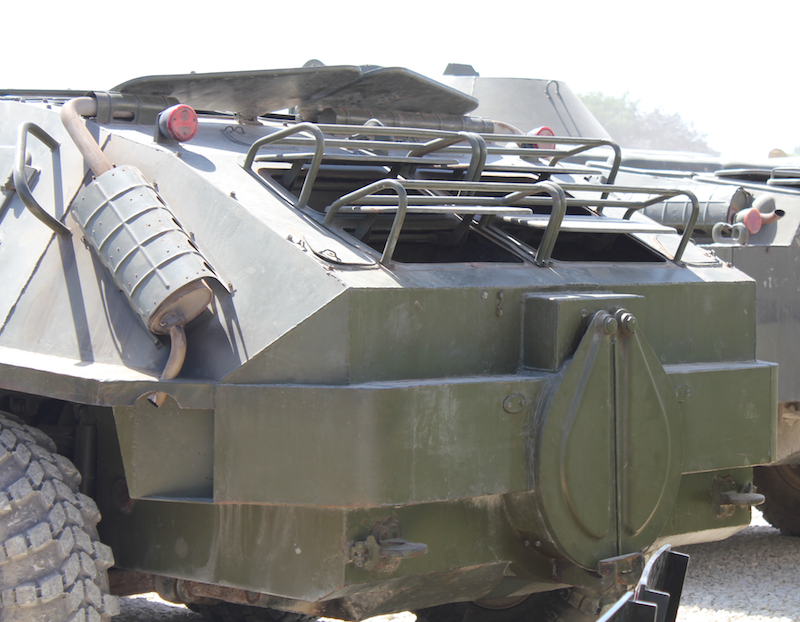
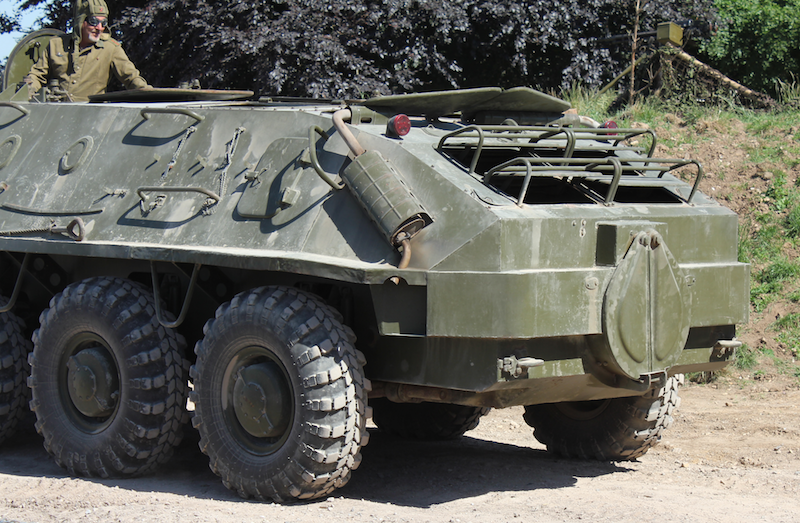
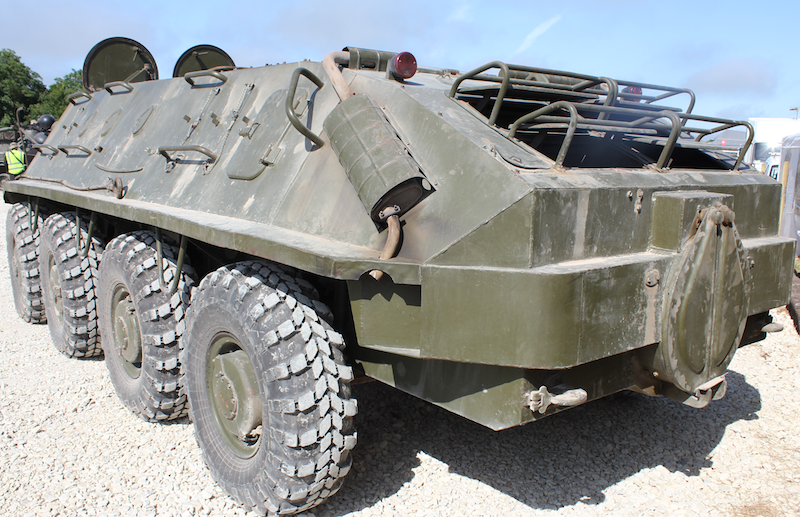
The BTR-60 is fully amphibious, propelled in the water by a jet centrally mounted in the rear of the hull. The covers move sideways exposing the water jet.

.

Cold War Kit. 080 (2)

It was a revolutionary design in its time. Crew compartment in the front, troop compartment in the middle and the engine compartment at the rear.

.

Cold War Kit. 081 (1)

The power pack is 2 x Gaz-40P 6-cylinder gasoline engine. 90 hp each.

.

Cold War Kit. 082

Weighing 10 tons, it had a crew of 2 and could carry ten Infantry.

.

Cold War Kit. 083

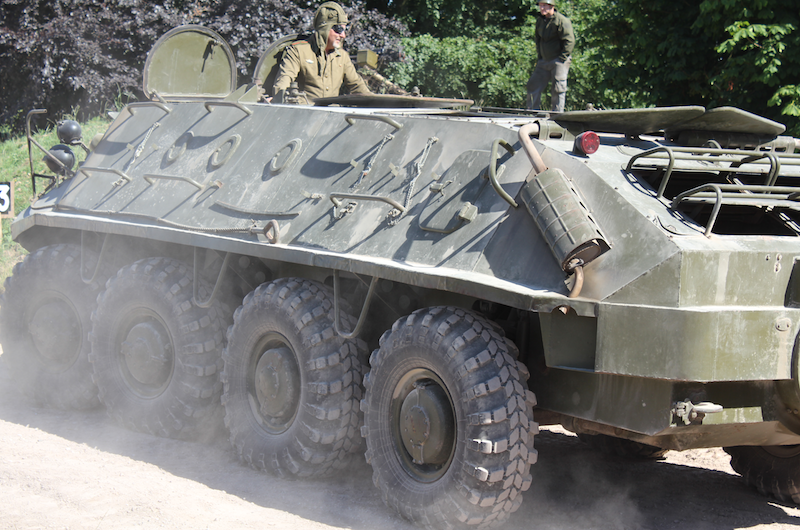
Three firing ports on each side of the upper hull.

.

Cold War Kit. 084

Vents are open for cooling the two engines.

.

Cold War Kit. 085

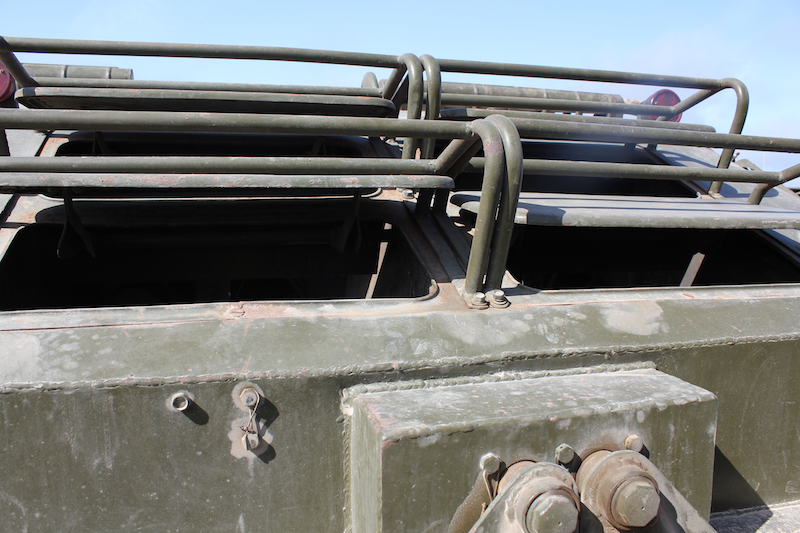
In the roofed BTR-60PA version, the troops had to dismount through the roof hatches. This would expose the soldiers to enemy fire. The three steps in-between the wheels on either side were there to help the infantry mount and dismount.

.

Cold War Kit. 086

Before entering the water, the trim vane at the front of the hull would have to be lowered. This prevented water from flooding over the bow.

.

Cold War Kit. 088

In the travelling position, it provided additional armour.

.

Cold War Kit. 089

It had a top speed of 50mph on the road and 6mph in the water.

.

Cold War Kit. 090

The welded steel hull would provide protection against small arms fire and shrapnel. But, a 7,62mm round could penetrate the sides if as close as 100m.

.

Cold War Kit. 091

The engine vents.


i hope this has given you a further insight into what the Warsaw Pact, in particular the Soviet Army, had in their armoury.

The equipment Photographs and Blog are copyrighted to Harvey Black.

. HarveyBlack-Red Effect150313

‘The Red Effect’ by Harvey Black – Kindle version out now! The Cold War that became a Hot War. Paperback edition imminent.
.

Cold War Kit. CVR(T) Scorpion. Part 1.

.

The first novel in my ‘Cold War’ trilogy, The Red Effect, published by SilverWood Books, is now available. Thoroughly enjoyed writing it, as i do with all my novels. There will be three books in total, covering the hypothetical invasion of West Germany, the Federal Republic of Germany, by the Warsaw Pact in the mid 1980’s. Book 1, ‘The Red Effect’, encompasses part of the intelligence build up leading to the initial Warsaw Pact strike against the NATO forces lined up against them. The purpose of the next few posts is to cover some of the Iconic pieces of equipment that would have played a part, should the Cold War have turned Hot.

. RedEffect72dpi-4 .

‘The Red Effect’ by Harvey Black – Available now. The Cold War that became a Hot War.

The Cold War era started very soon after the end of the second world war, when the communist east, led by the Soviet Union, and the Western world, led by the United States and its NATO allies, faced each across what became known as the ‘Iron Curtain’.

The perception of a potential Third World War, was generally one of a nuclear war. It may have come to that. In reality we will never know. But, one scenario is that of a conventional war. The massed forces of the Warsaw Pact against the supposedly technically superior, but weaker, NATO armies, that may well have escalated into a nuclear exchange. But a pure conventional war was just as likely.

.

Cold War Kit. 079

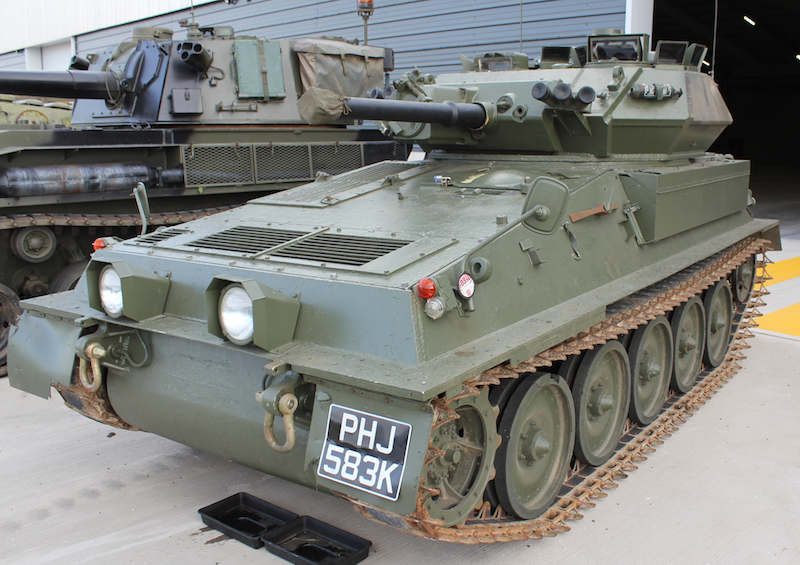
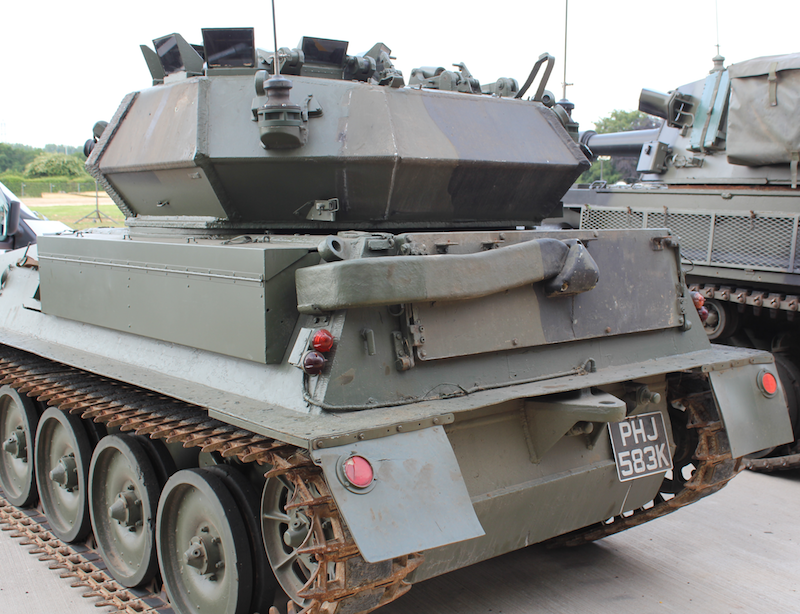
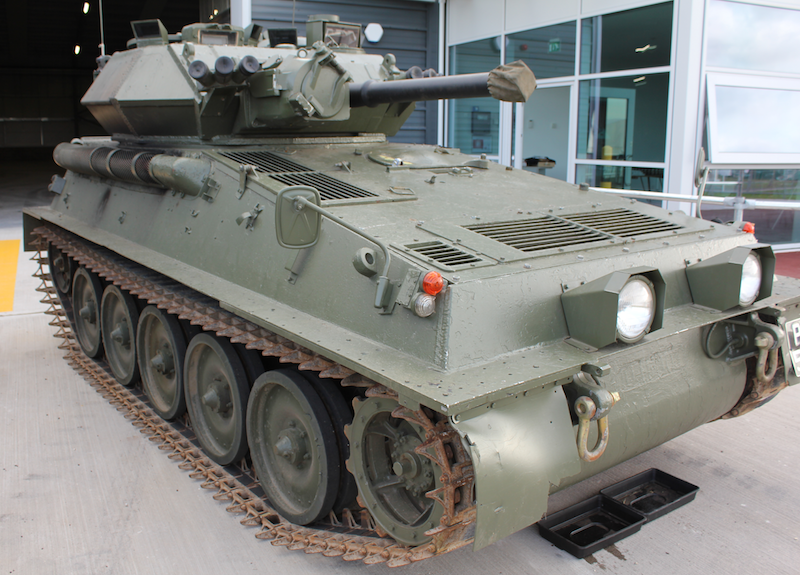
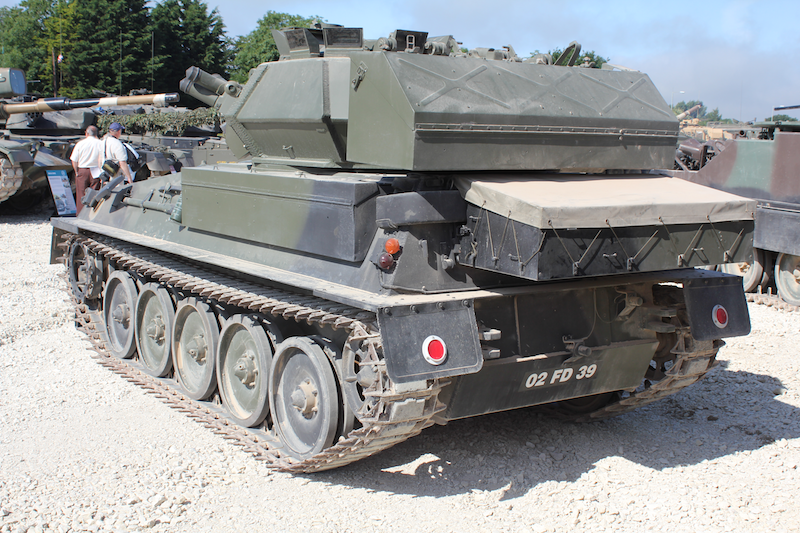
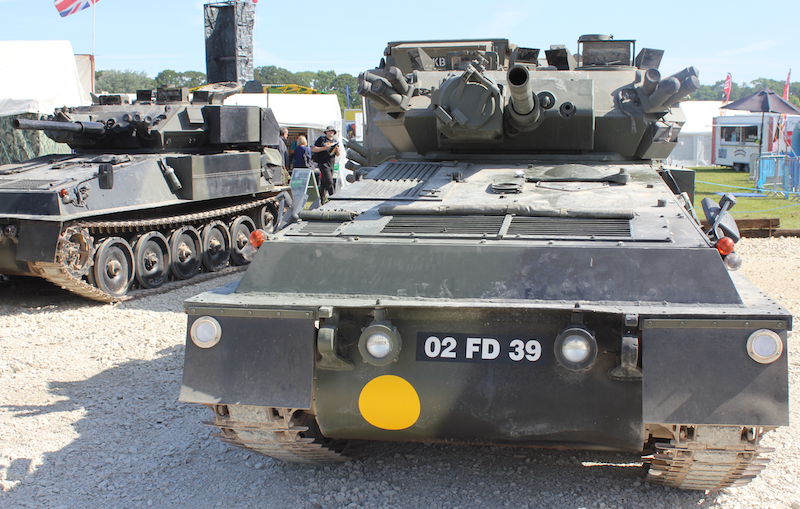
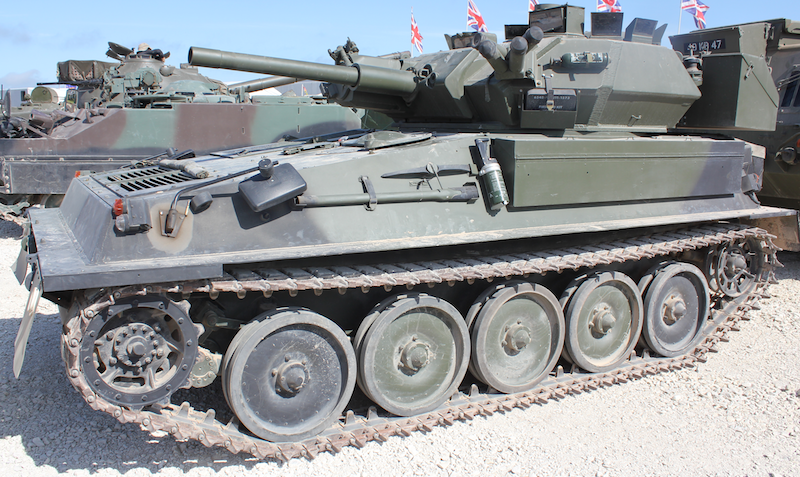
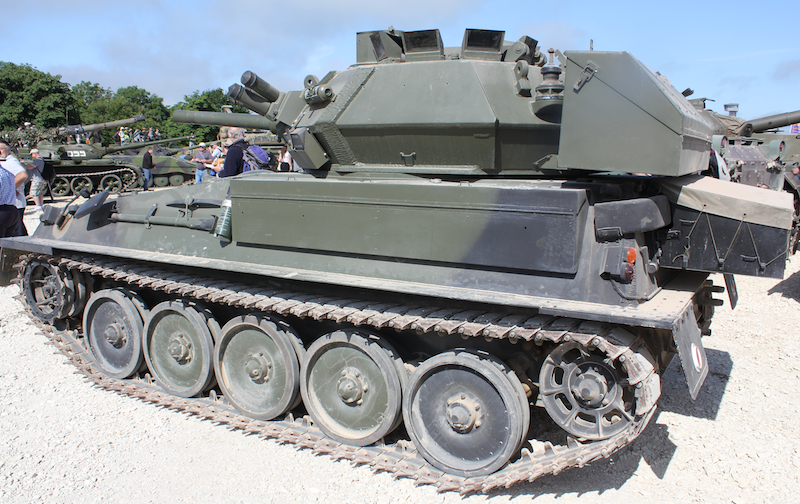
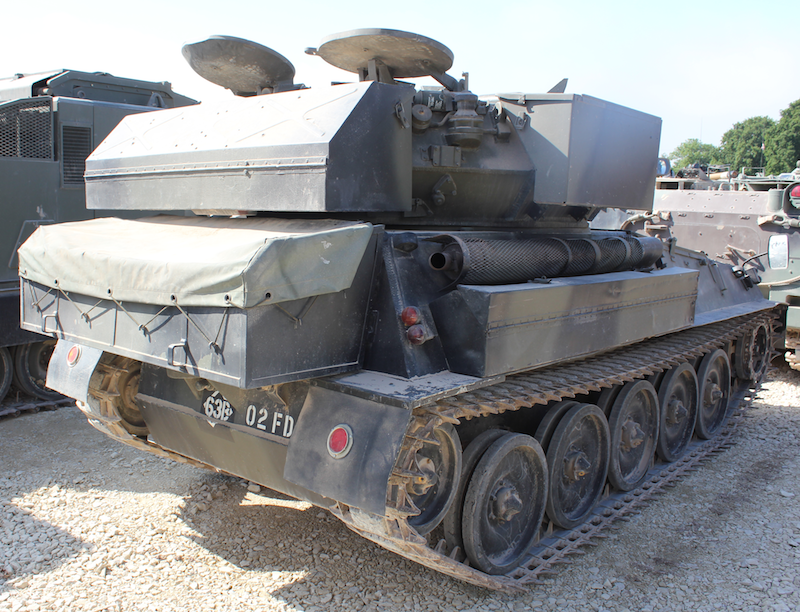
The FV101 Scorpion is a British armoured reconnaissance vehicle. 

.

Cold War Kit. 080

Manufactured by Alvis, it was put into service by the British Army in 1973.

.

It was used as a reconnaissance vehicle or a light tank.

.

Cold War Kit. 082

3,000 were produced.

.

Cold War Kit. 083

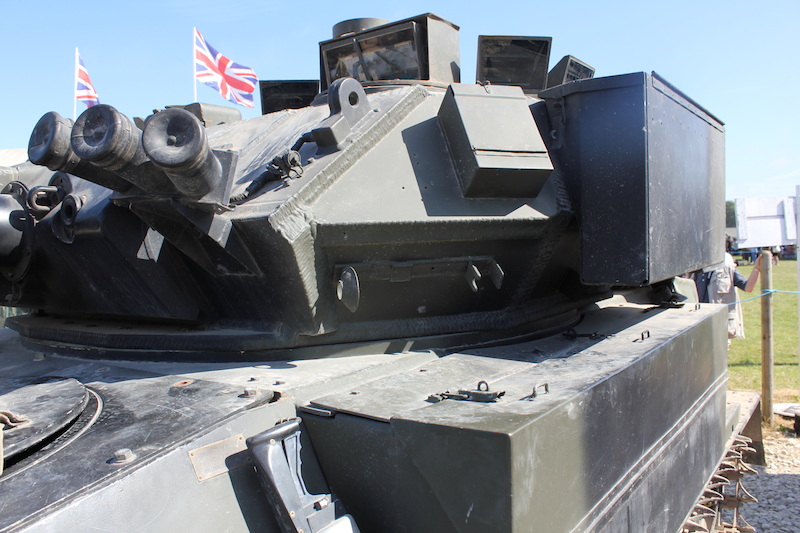
The Scorpion was armed with a low-velocity, 76mm L23A1 gun, along with a coaxial 7.62mm machine gun.

.

Cold War Kit. 084

The first British Regiment to be equipped with the Scorpion were the Blues and Royals

of the Household Cavalry in 1973.

.

Cold War Kit. 085

Its rate of fire was said to be six rounds per minute.

.

Cold War Kit. 086

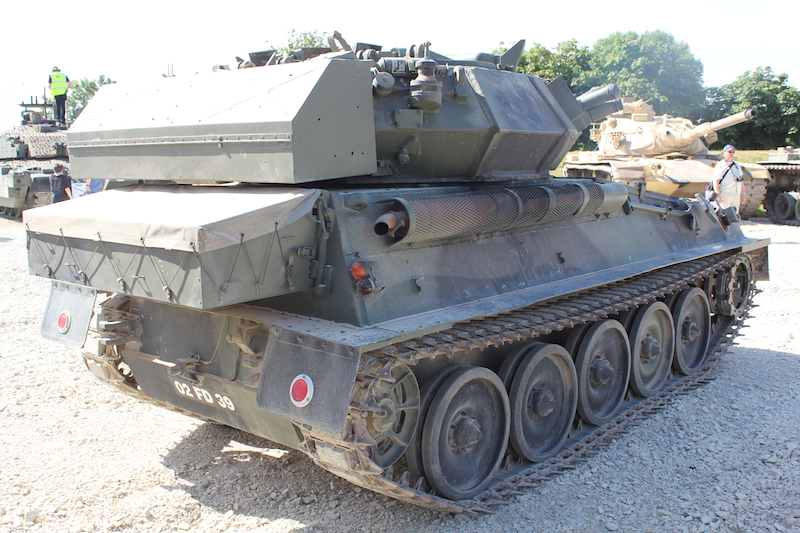
The original engine was the Jaguar J60, a 4.2 litre petrol engine. It was later change to a Cummins or Perkins diesel engine.

.

Cold War Kit. 087

A Soviet airborne amphibious tracked infantry combat vehicle. It can be palletised and dropped by parachute or off-loaded from an aircraft after a standard runway landing.

.

Cold War Kit. 088

Present day, airborne troops in Abkhazia.

.

Cold War Kit. 089

It was also fitted with a nuclear, biological and chemical protection system. There was a toilet beneath the commander’s seat, an internal water tank and a BV. A Boiling Vessel for cooking or heating water.

.

Cold War Kit. 090

Two troops from B Squadron, Blues and Royals served in the Falklands War.

.

Cold War Kit. 091

Its low ground pressure, similar to a soldier on foot, was particularly useful on the boggy ground of the Falkland Islands.

.

Cold War Kit. 092

The armour was made of 12.7mm welded aluminium.

.

Cold War Kit. 093

A top speed of 45mph, although i am sure it has been driven at a higher speed.

.

Cold War Kit. 094

Torsion bar suspension.

.

Cold War Kit. 095

The close reconnaissance troop of an Armoured Regiment each had eight Scorpions.

.

Cold War Kit. 096

It was used by 21 other countries, including Spain and Togo.

.

Cold War Kit. 097

The basic chassis of the CVR(T), supported a range of vehicles. FV 102 Striker, anti-tank guided weapon carrier. FV 103 Spartan, armoured personnel carrier. FV 104. Samaritan armoured ambulance.

.

Cold War Kit. 098

FV 105. Sultan Command Post vehicle. FV 106. Sampson armoured recovery vehicle. FV 107 Scimitar armoured reconnaissance vehicle.

.

i hope this has given you a further insight into what NATO, in particular the British Army, had in their armoury.

The equipment Photographs and Blog are copyrighted to Harvey Black.

. HarveyBlack-Red Effect150313

‘The Red Effect’ by Harvey Black – Kindle version out now! The Cold War that became a Hot War. Paperback edition imminent.

.

Berlin, the Cold War Years. A Hot War in reality. – Part 2.

At the end of World War 2, what remained of pre-war Germany was divided into four sectors of occupation. Each of the Allied powers; the United Kingdom, United States, France and Russia, controlled one of them.

The capital of Germany, Berlin, was also divided into four sectors. The consequence being, that the three Western Allied powers now controlled territory deep within the Soviet Union Sector of Germany.

Over time, the tensions between the four Allied powers increased, eventually resulting in the Berlin blockade in 1948, when the Soviets attempted to starve West Berlin into submission and force the other three Allied powers out. This failed and the Soviets eventually relented, but an ever-increasing number of East Germans fled to the West; between 150,000 and 300,000 a year during 1951-1953. As a consequence restrictions were placed on movement between the divided country. From 1961, the border was closed and Berlin completely encircled, first by barbed wire, then bricks and finally a concrete wall, along with the infamous ‘death strip’.

Access was now restricted between the City of Berlin and the West. The main access point for the three Western Allies was the famous ‘Checkpoint Charlie’. I transited through that point on numerous occasions at all hours of the day and Night. Now it no longer exists and is merely a tourist site.

Checkpoint Charlie – 1983

Checkpoint Charlie – February 2102

As I previously stated in Part 1, I had an Intelligence gathering role while serving in Berlin. On my recent visit, I landed at Schonefeld Airport, which up until reunification was in East Berlin. Below was my previous visit to the Airport, trapped in the runway lights by the VOPO, Volkspolitzei. There was no ‘Virgin’ airhostess coming to my rescue.


Caught napping again, this time by the Volkspolitzei amongst Schonefeld runway lights – 1983

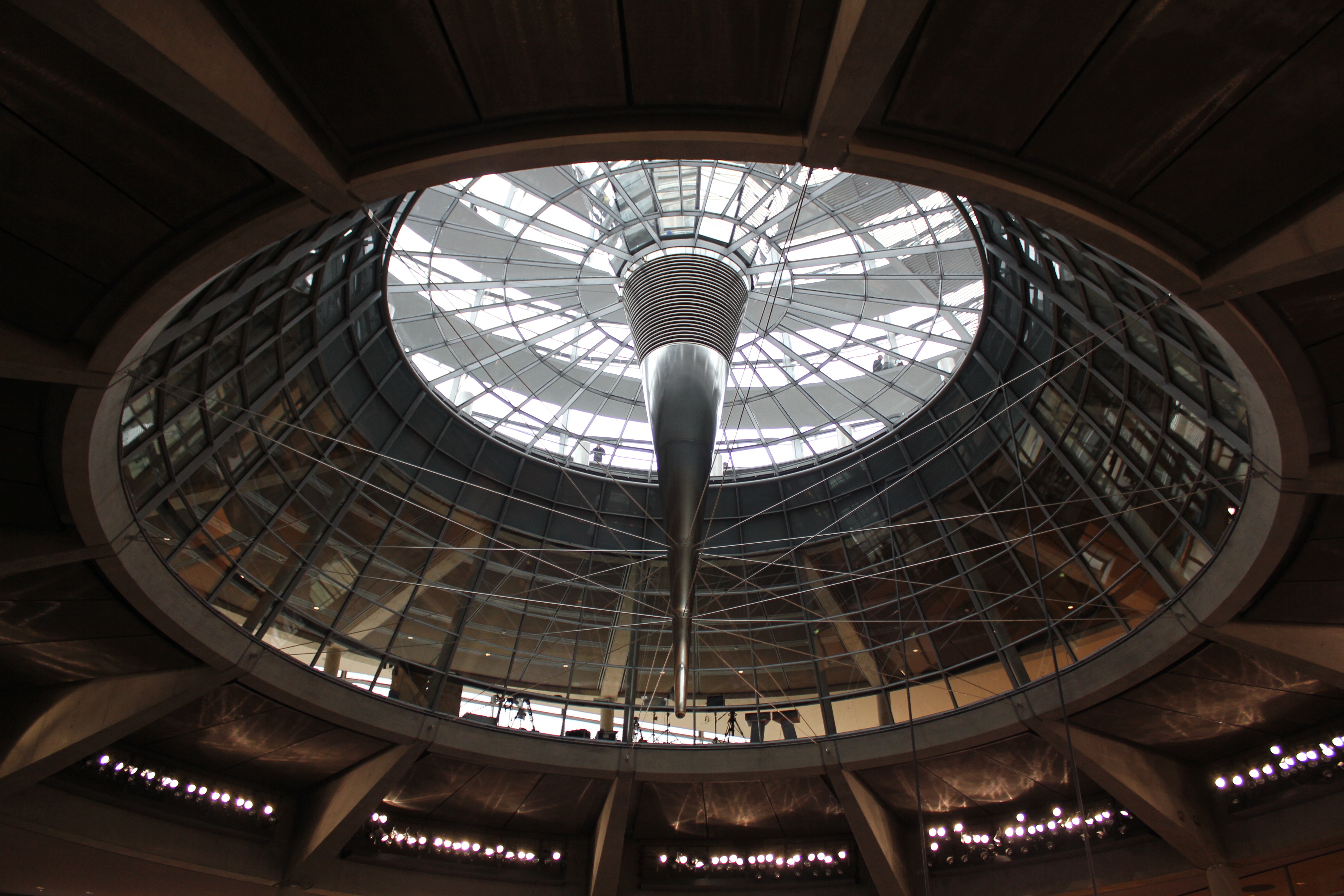
I particularly enjoyed my visit to the Reichstag, on this occasion able to see it from the inside. During reconstruction, it was practically gutted, being redesigned by the British architect, Sir Norman Foster. The new glass dome is truly impressive, erected on the roof as a gesture to the original 1894, cupola.

Reichstag – February 2012

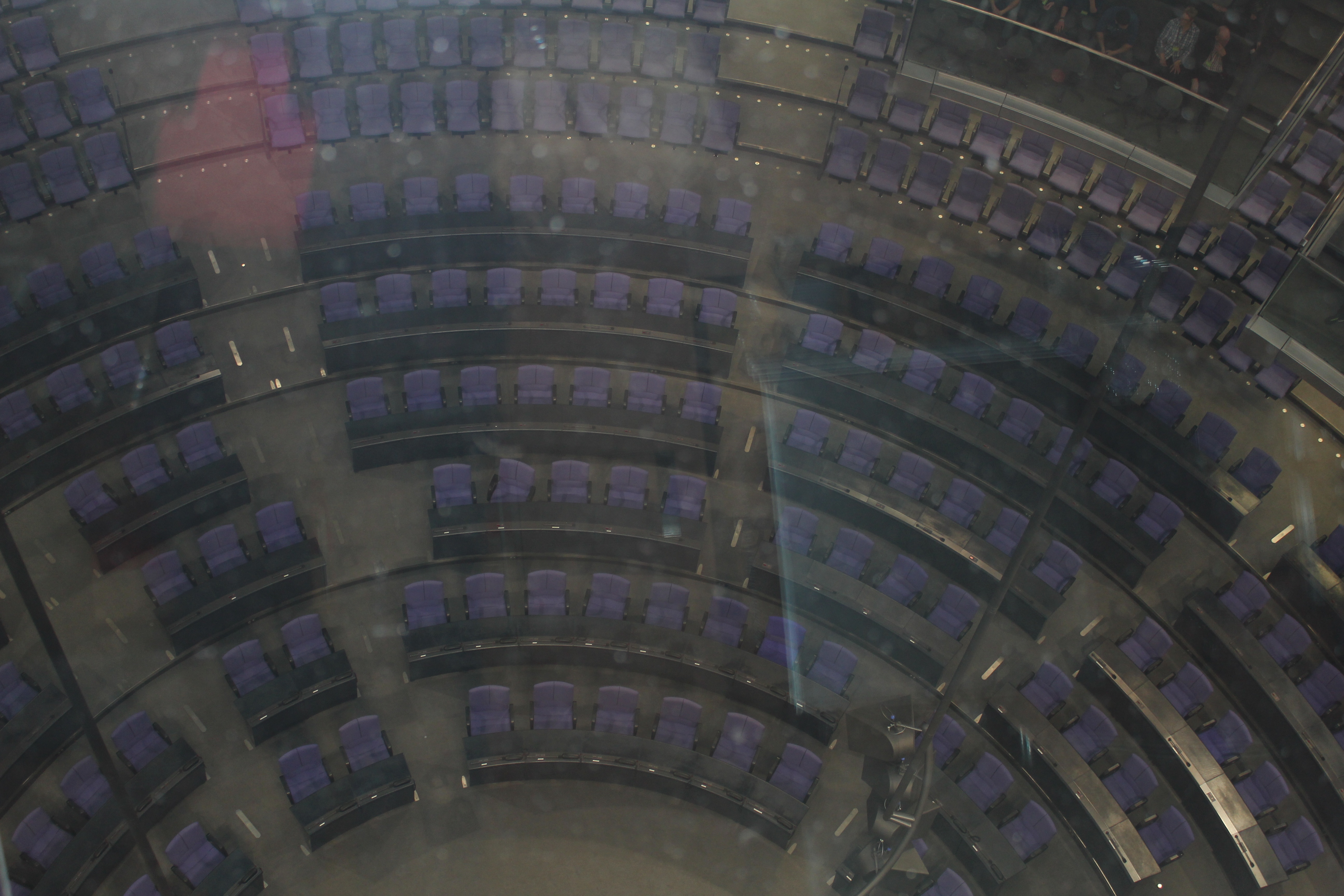
Supporting structure for the glass dome, the German Parliament sits directly below – February 2012

Parliament seats directly below

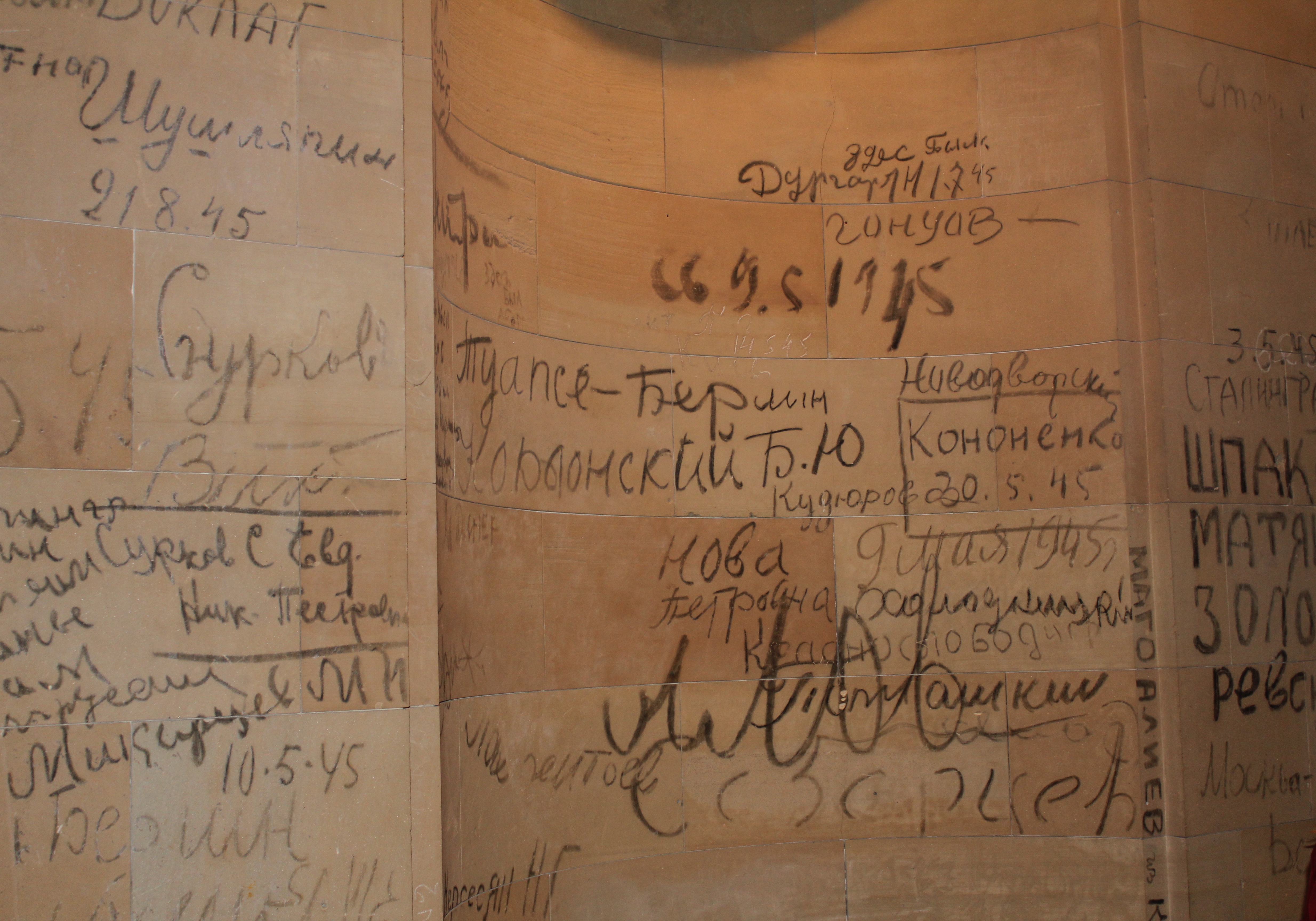
Not all of the original internal walls were demolished, and a few, covered in graffiti scrawled by victorious Russian soldiers once the Reichstag had fallen, still remain.

One section of many, showing graffiti left by Russian troops on capturing the Reichstag – Feb 2012

The Reichstag. Note the “Berlin Wall’ in the background – 1983

The fourth member of the ‘Allied Powers’ was naturally the Soviet Union. Below is one of the Soviet memorials close to the Reichstag.

Soviet War Memorial, Tiergarten. – February 2012

There was very much a sinister side to the Soviet Union at that time. Army-General Mikhail Zaitsev, commander of the Group of Soviet Forces Germany, GSFG, seen attending a Ceremony at the Soviet Memorial, Tiergarten, the big man in the middle, was in command of one of their key forces. GSFG would be assigned to any likely attack on the NATO Alliance and the potential invasion of West Germany. Consisting of some 20 Divisions made up of over 4,000 tanks and 8,000 armoured vehicles, it was a phenomenal force. But, behind that were well over 140 other Soviet tank and Infantry divisions, albeit of a lower quality.
Being a part of the Warsaw Pact Alliance, they could also call upon significant forces from Poland, East Germany, Romania, Hungary and more. When I cut my teeth in the army serving with an Armoured Brigade in northern Germany, it wasn’t a question of if they were coming across the Inner German Border, but when.

Commander of the GFSG, at the Soviet War Memorial Tiergarten – 1982

Part of my role in Berlin in the early 80’s, was to track the movement of Russian and East German forces.


East German FROG 7, missile carrier, being moved by rail – 1982

Soviet Infantry on exercise – 1981

.

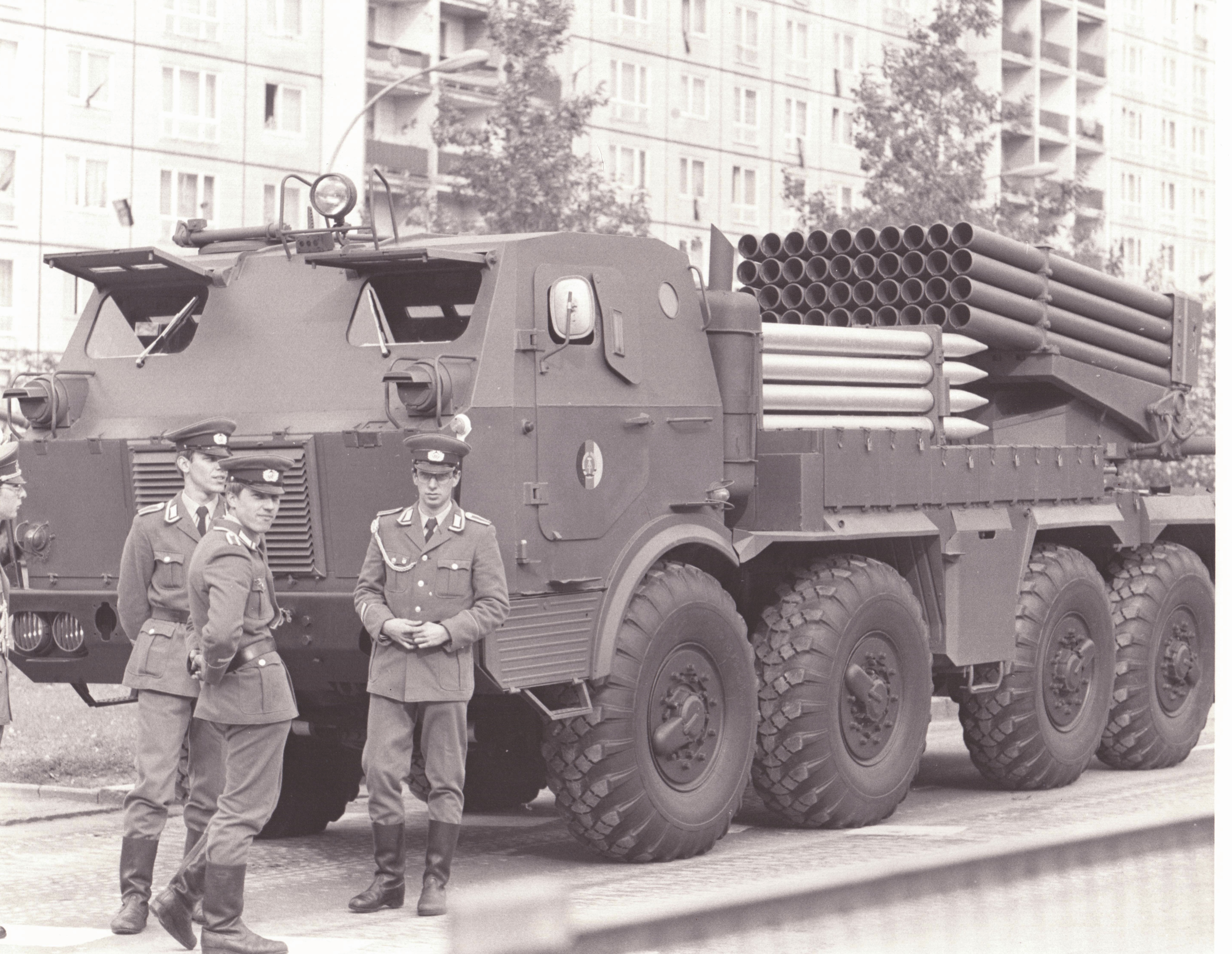
RM-70, the East German equivalent of the Russian BM-21 – 1983

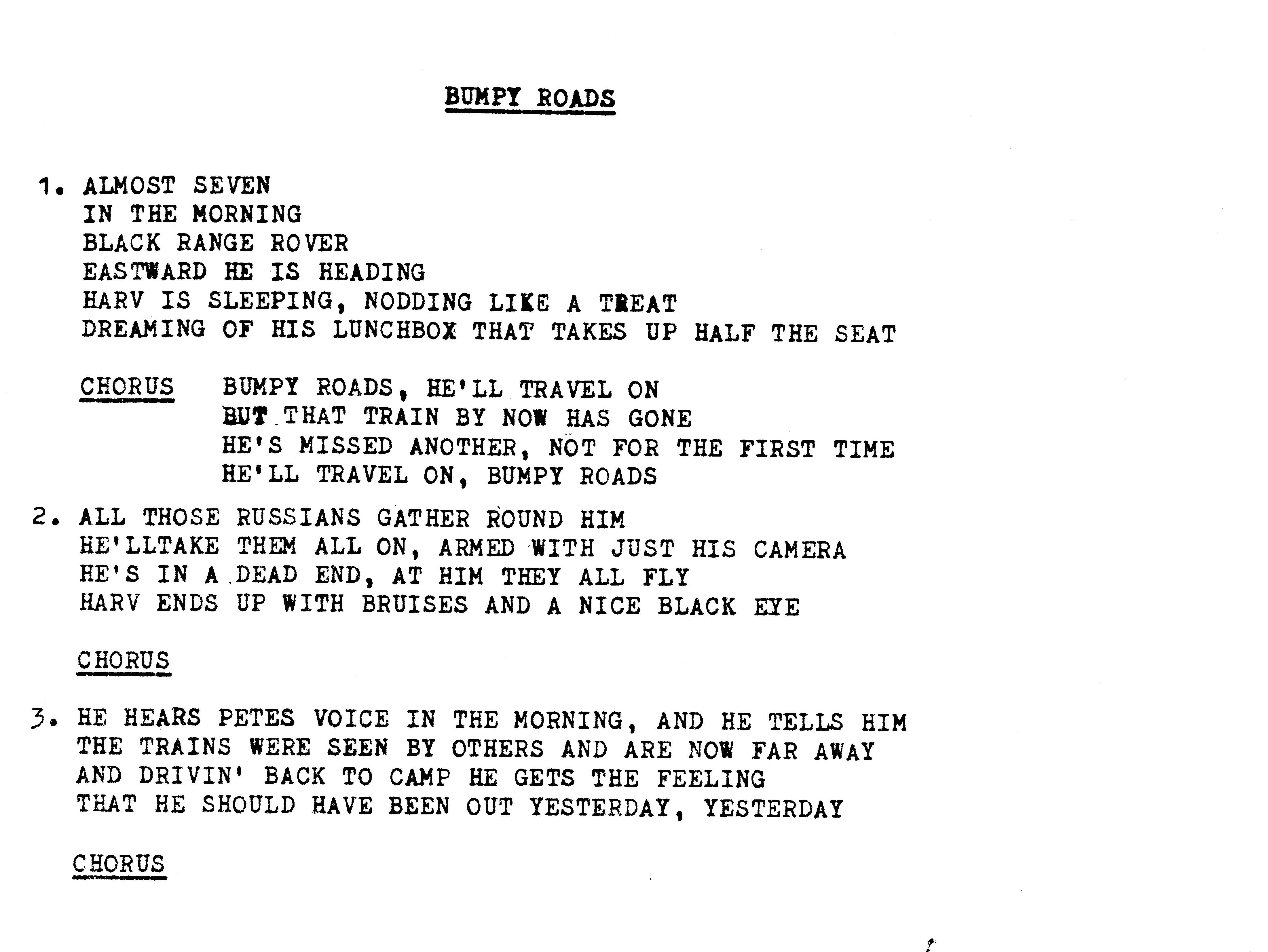
On completion of my tour, one of my team wrote a song for me, to the tune of  ‘Country Roads’. It was a privilege to serve with such a specialist unit.

.

The majority of us are aware of the atrocities carried out by the Nazis during WW2, so I particularly wanted to see the Memorial to the Jewish dead.  It wasn’t built without controversy.

Memorial to the murdered Jews of Europe – Berlin February 2012

 Some felt the memorial should have looked very different, others were concerned it was very close to where Hitler’s bunker had been and their was controversy concerning the manufacturers involved in the project and potential links with the Nazis regime during WW2.

.

HarveyBlack-Red Effect150313

My intention is not to portray a particular message, but just share some of my photographs and experiences with you. 

Photographs are copyrighted to Harvey Black