Cold War Kit. CVR(T) Scorpion. Part 1.

.

The first novel in my ‘Cold War’ trilogy, The Red Effect, published by SilverWood Books, is now available. Thoroughly enjoyed writing it, as i do with all my novels. There will be three books in total, covering the hypothetical invasion of West Germany, the Federal Republic of Germany, by the Warsaw Pact in the mid 1980’s. Book 1, ‘The Red Effect’, encompasses part of the intelligence build up leading to the initial Warsaw Pact strike against the NATO forces lined up against them. The purpose of the next few posts is to cover some of the Iconic pieces of equipment that would have played a part, should the Cold War have turned Hot.

. RedEffect72dpi-4 .

‘The Red Effect’ by Harvey Black – Available now. The Cold War that became a Hot War.

The Cold War era started very soon after the end of the second world war, when the communist east, led by the Soviet Union, and the Western world, led by the United States and its NATO allies, faced each across what became known as the ‘Iron Curtain’.

The perception of a potential Third World War, was generally one of a nuclear war. It may have come to that. In reality we will never know. But, one scenario is that of a conventional war. The massed forces of the Warsaw Pact against the supposedly technically superior, but weaker, NATO armies, that may well have escalated into a nuclear exchange. But a pure conventional war was just as likely.

.
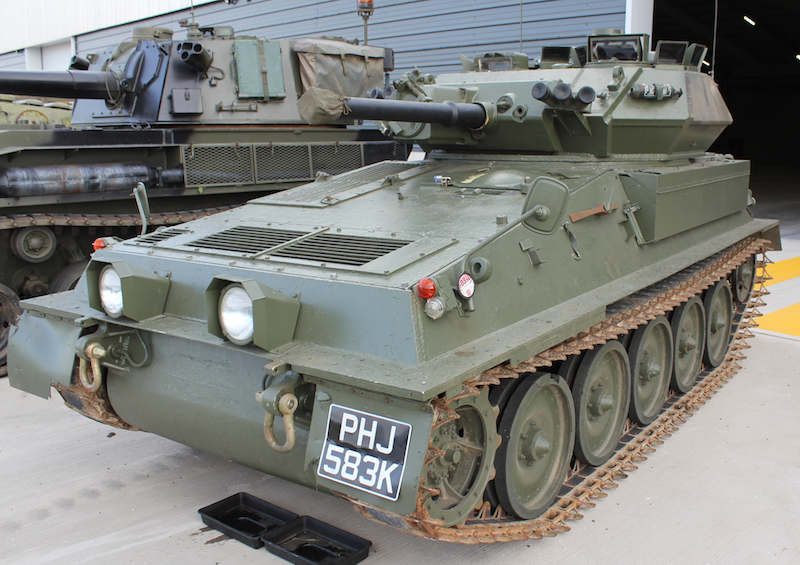
Cold War Kit. 079

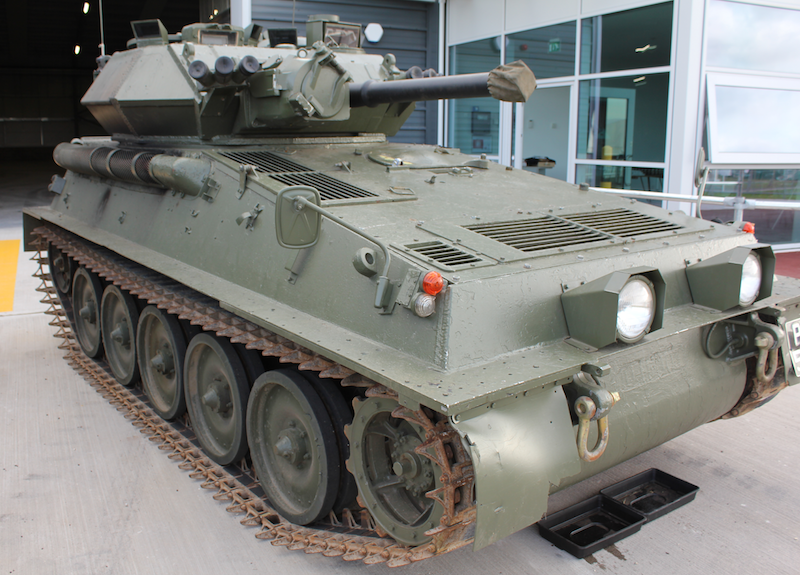
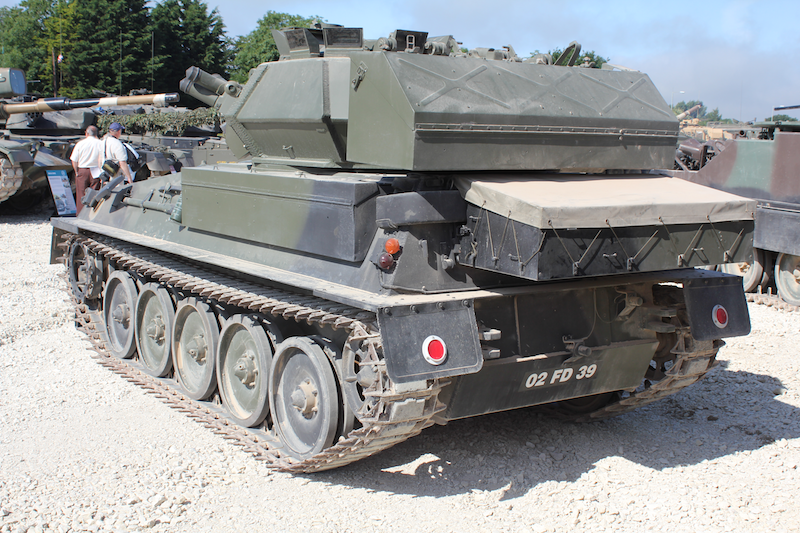
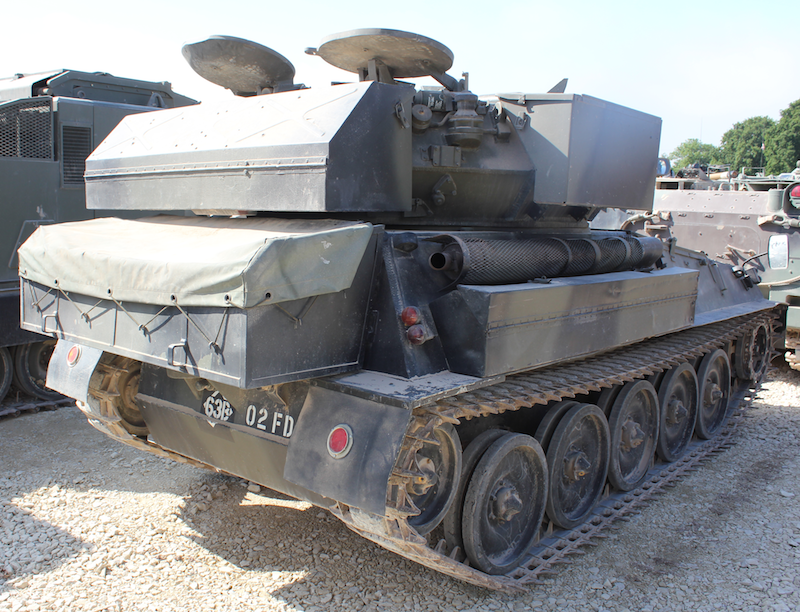
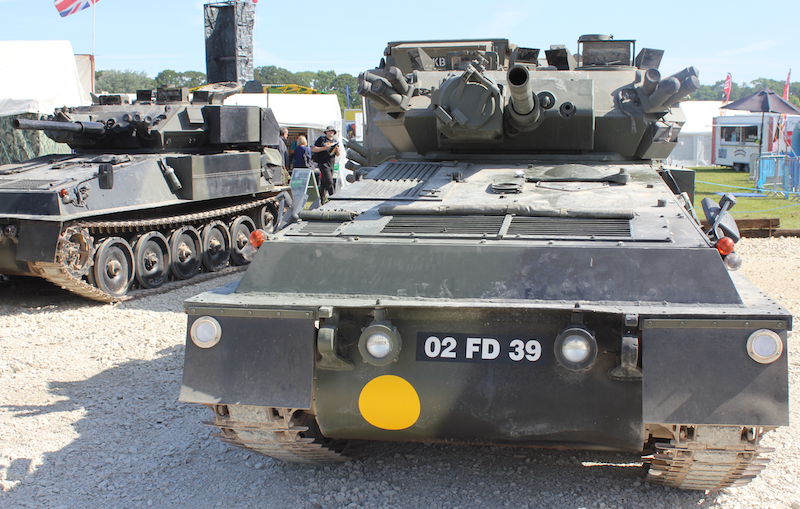
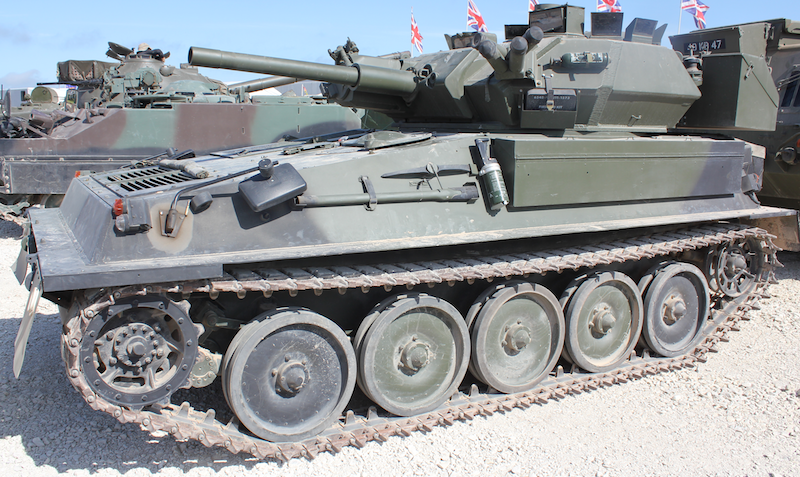
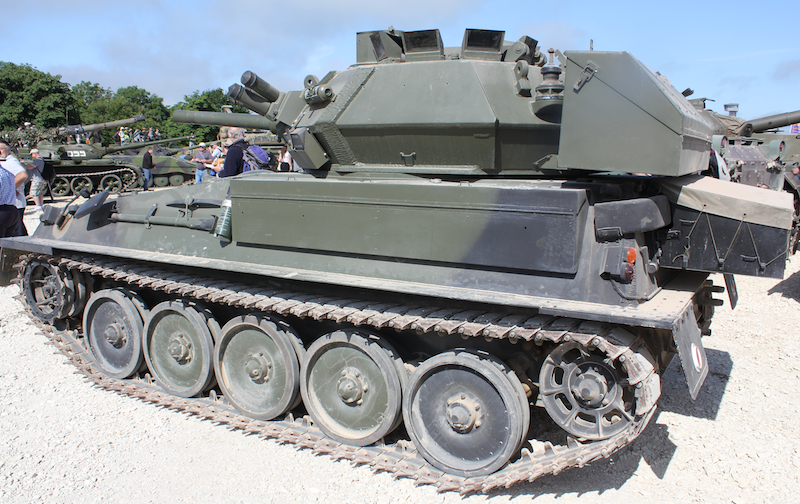
The FV101 Scorpion is a British armoured reconnaissance vehicle. 

.
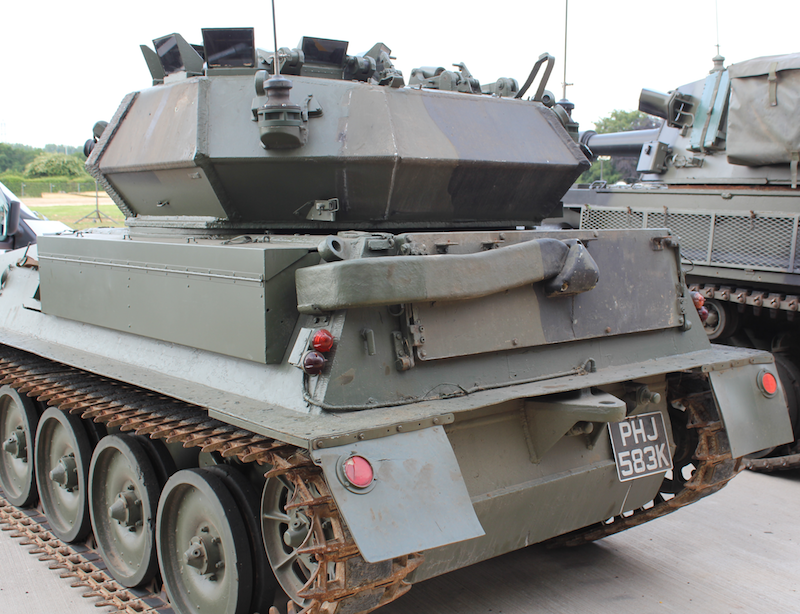
Cold War Kit. 080

Manufactured by Alvis, it was put into service by the British Army in 1973.

.

It was used as a reconnaissance vehicle or a light tank.

.

Cold War Kit. 082

3,000 were produced.

.

Cold War Kit. 083

The Scorpion was armed with a low-velocity, 76mm L23A1 gun, along with a coaxial 7.62mm machine gun.

.

Cold War Kit. 084

The first British Regiment to be equipped with the Scorpion were the Blues and Royals

of the Household Cavalry in 1973.

.

Cold War Kit. 085

Its rate of fire was said to be six rounds per minute.

.

Cold War Kit. 086

The original engine was the Jaguar J60, a 4.2 litre petrol engine. It was later change to a Cummins or Perkins diesel engine.

.

Cold War Kit. 087

A Soviet airborne amphibious tracked infantry combat vehicle. It can be palletised and dropped by parachute or off-loaded from an aircraft after a standard runway landing.

.
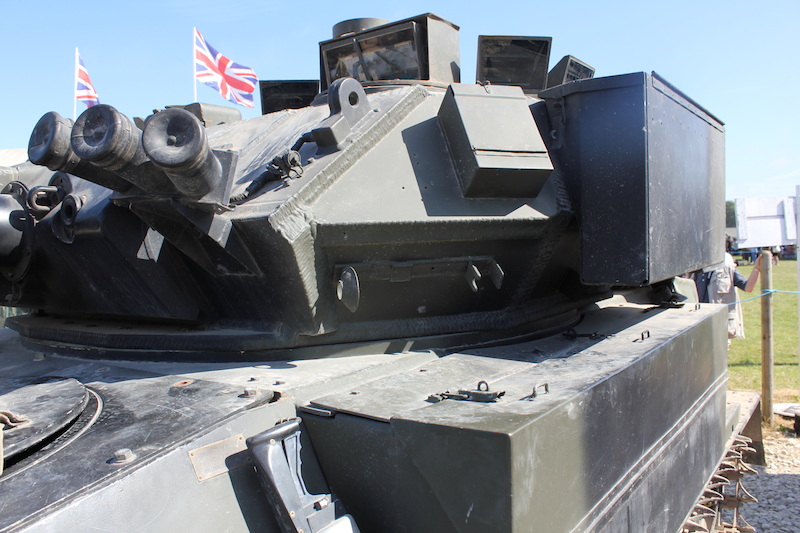
Cold War Kit. 088

Present day, airborne troops in Abkhazia.

.

Cold War Kit. 089

It was also fitted with a nuclear, biological and chemical protection system. There was a toilet beneath the commander’s seat, an internal water tank and a BV. A Boiling Vessel for cooking or heating water.

.
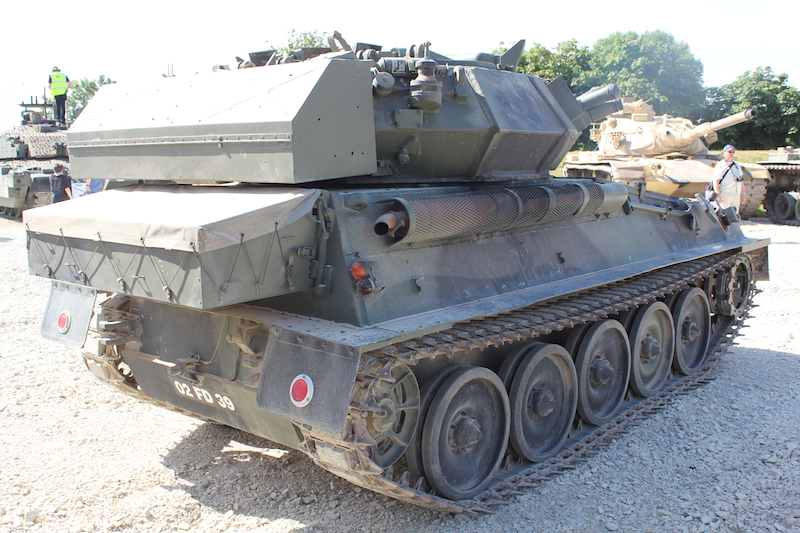
Cold War Kit. 090

Two troops from B Squadron, Blues and Royals served in the Falklands War.

.
Cold War Kit. 091

Its low ground pressure, similar to a soldier on foot, was particularly useful on the boggy ground of the Falkland Islands.

.

Cold War Kit. 092

The armour was made of 12.7mm welded aluminium.

.
Cold War Kit. 093

A top speed of 45mph, although i am sure it has been driven at a higher speed.

.

Cold War Kit. 094

Torsion bar suspension.

.

Cold War Kit. 095

The close reconnaissance troop of an Armoured Regiment each had eight Scorpions.

.
Cold War Kit. 096

It was used by 21 other countries, including Spain and Togo.

.
Cold War Kit. 097

The basic chassis of the CVR(T), supported a range of vehicles. FV 102 Striker, anti-tank guided weapon carrier. FV 103 Spartan, armoured personnel carrier. FV 104. Samaritan armoured ambulance.

.
Cold War Kit. 098

FV 105. Sultan Command Post vehicle. FV 106. Sampson armoured recovery vehicle. FV 107 Scimitar armoured reconnaissance vehicle.

.

i hope this has given you a further insight into what NATO, in particular the British Army, had in their armoury.

The equipment Photographs and Blog are copyrighted to Harvey Black.

. HarveyBlack-Red Effect150313
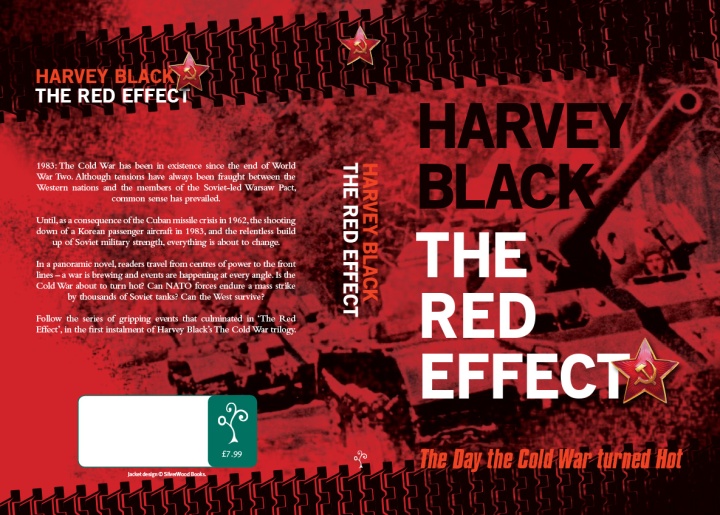
‘The Red Effect’ by Harvey Black – Kindle version out now! The Cold War that became a Hot War. Paperback edition imminent.

.
The Red Effect. Nuclear Defence.  The first novel in my ‘Cold War’ trilogy, The Red Effect, published by SilverWood Books, is now available. Thoroughly enjoyed writing it, as i do with all my novels. There will be three books in total, covering the hypothetical invasion of West Germany, the Federal Republic of Germany, by the Warsaw Pact in the mid 1980’s. Book 1, ‘The Red Effect’, encompasses part of the intelligence build up leading to the initial Warsaw Pact strike against the NATO forces lined up against them. The purpose of the next few posts is to give the reader some additional background information to enhance their reading experience.

. RedEffect72dpi-4 .

‘The Red Effect’ by Harvey Black – Available now. The Cold War that became a Hot War.

Even as early as the late 40s, early 50s, there was a real fear of a nuclear attack from the Soviet Union.

Cold War 4 029 (1)

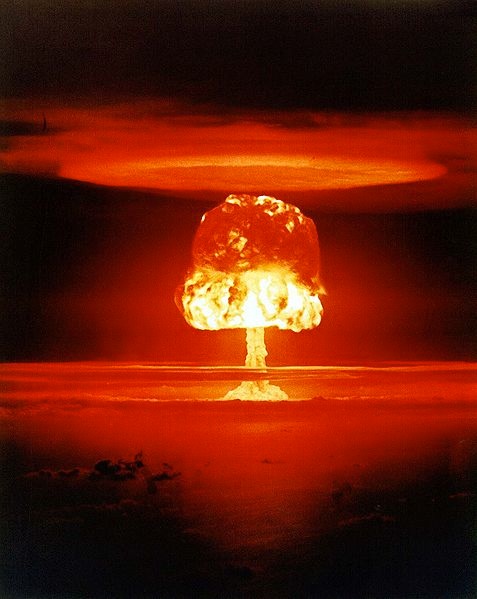
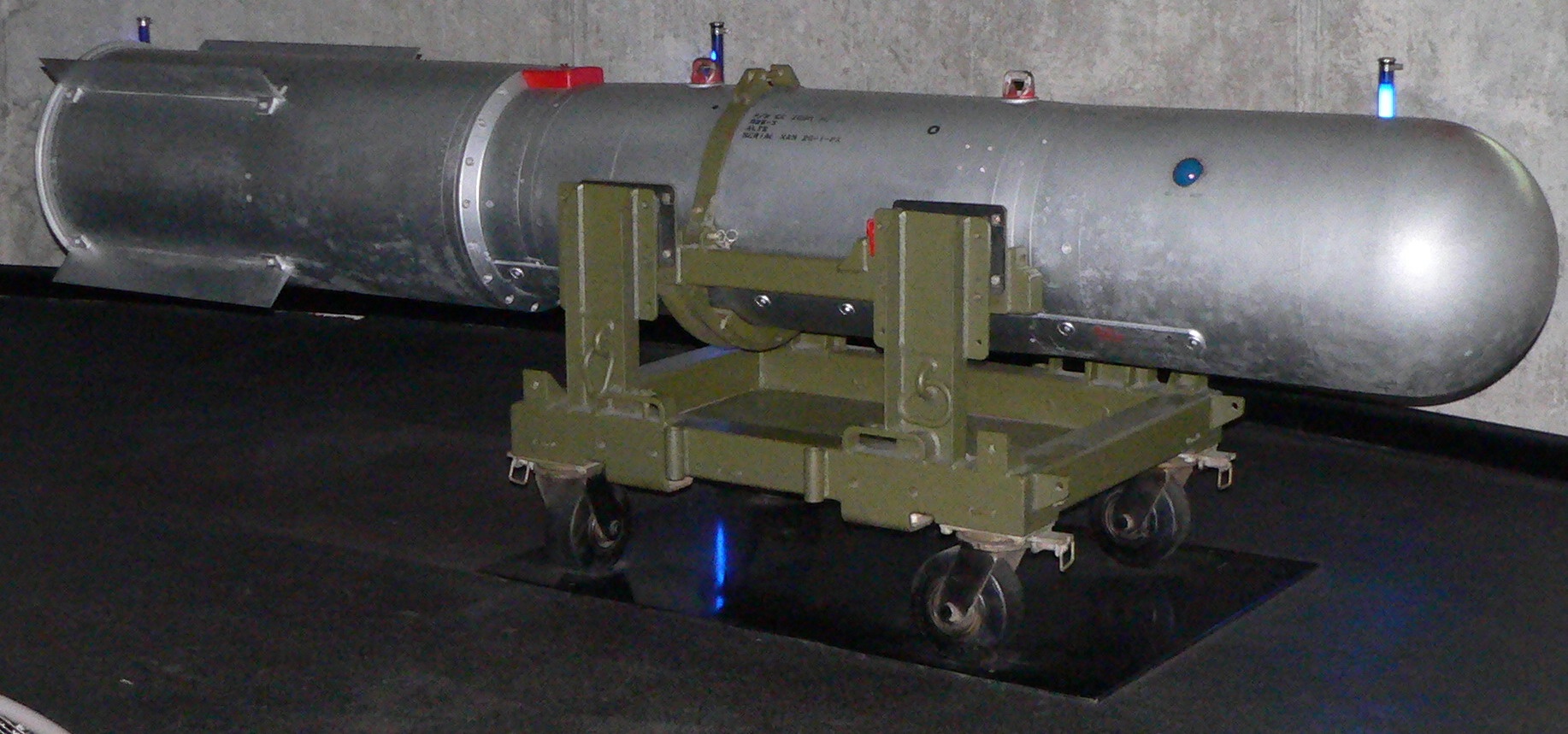
B-28 Nuclear Bomb, carried by the B-52 bomber in the 60s.

.

Red effect 3 082 (1)

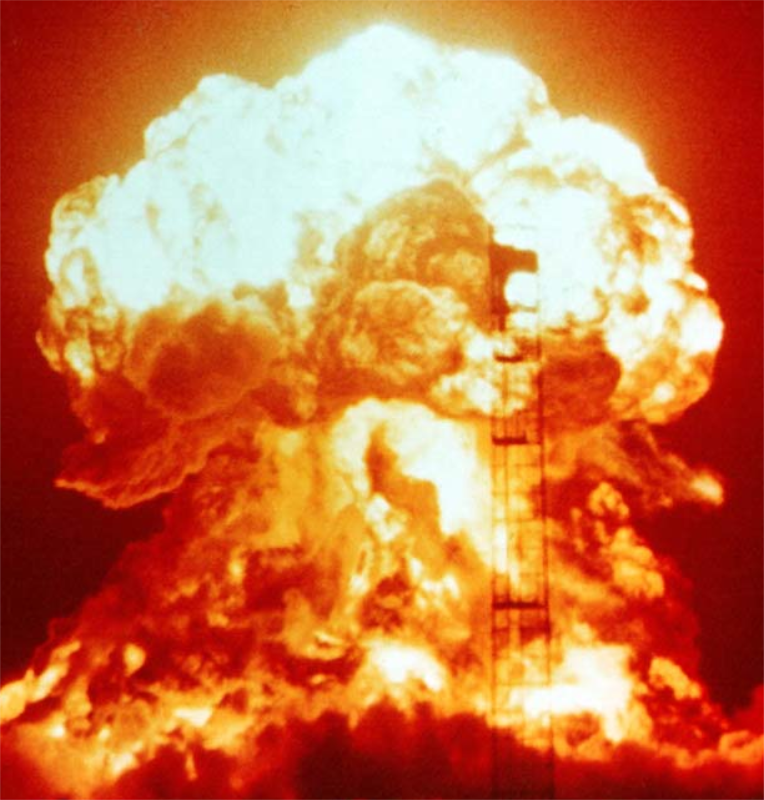
With a 1 megaton yield, it would devastate a city and the surrounding area.

The perception of a potential Third World War, was generally one of a nuclear war. It may have come to that. In reality we will never know. But, one scenario is that of a conventional war. The massed forces of the Warsaw Pact against the supposedly technically superior, but weaker, NATO armies, that may well have escalated into a nuclear exchange. But we still prepared for the worst.

.
Red Effect. Nuclear Defence. 091

Advice was provided by the local authorities, giving guidance on how best to defend yourself from the threat.

.
Red Effect. Nuclear Defence. 092

Information was basic, but the authorities themselves knew very little about how the population could defend themselves against an all-out nuclear exchange. It was expected that over 300 megatons would be dropped on Great Britain alone, enough to blast it back into the dark ages.

.

Red Effect. Nuclear Defence. 079

To assist local Government, in the event of a nuclear exchange, or other major catastrophe, Regional Control Centres would assume full powers over a specific area. They were provided with tools to help cope with the nuclear threat. 

.

Red Effect. Nuclear Defence. 080

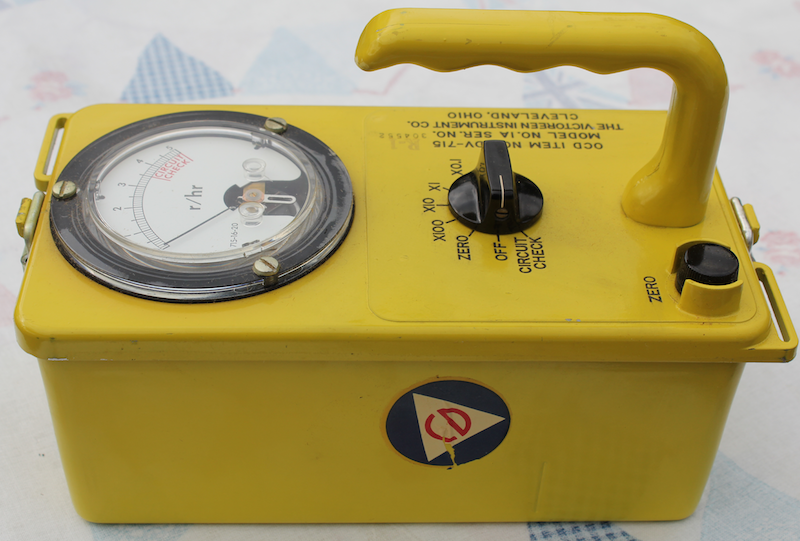
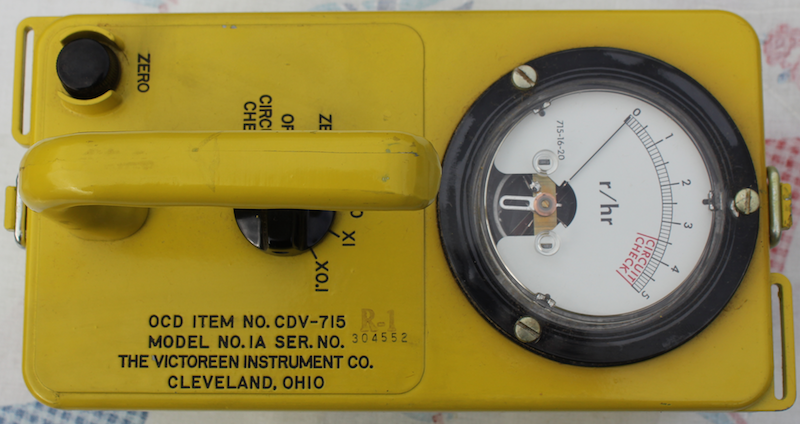
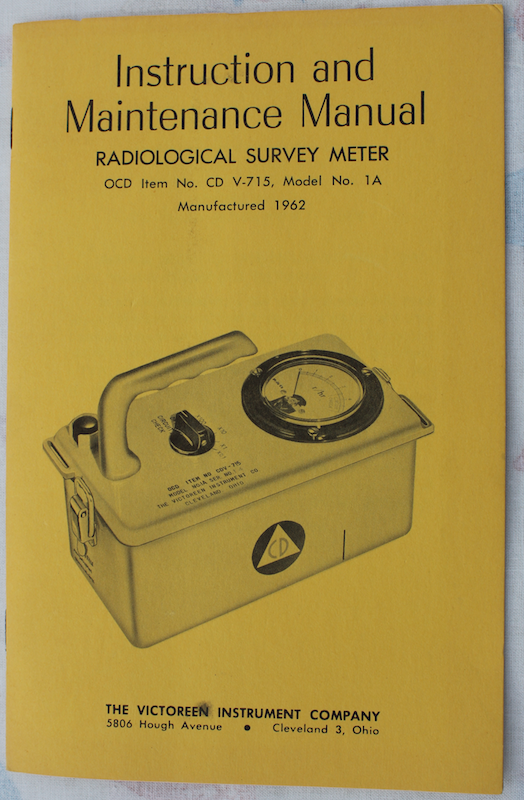
This Radiological Survey Meter was built in 1962, by the Victoreen Instrument Company in Cleveland Ohio. It is brand new, fortunately unused.

.

Red Effect. Nuclear Defence. 081

It records the rate at which at which your body is being exposed to radiation. It is used to find the best shelter and evaluate shielding arrangements. Even stacks of books were seen as an aid to blocking out radiation.

.

Red Effect. Nuclear Defence. 082

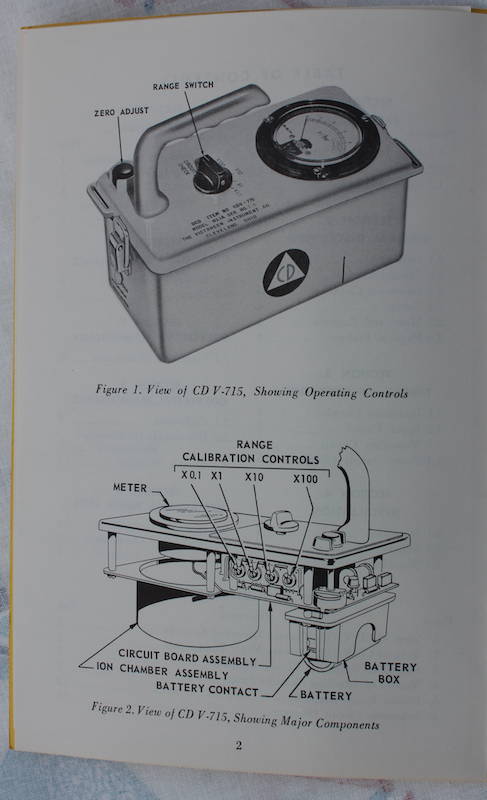
Very basic circuitry, powered by a 1.5 volt, D-Cell battery

.

Red Effect. Nuclear Defence. 083

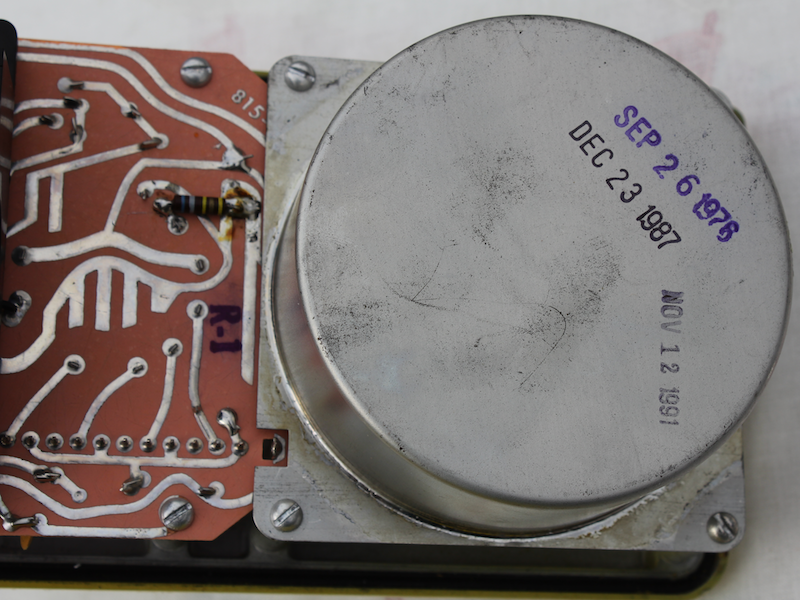
Made in 1962, the latest test date for the Ion Chamber is 1991, and it still works.

.

Red Effect. Nuclear Defence. 084

Measures up to 500 roentgens per hour. Only a few hours at that level would usually be lethal for a human being.

.

Red Effect. Nuclear Defence. 087

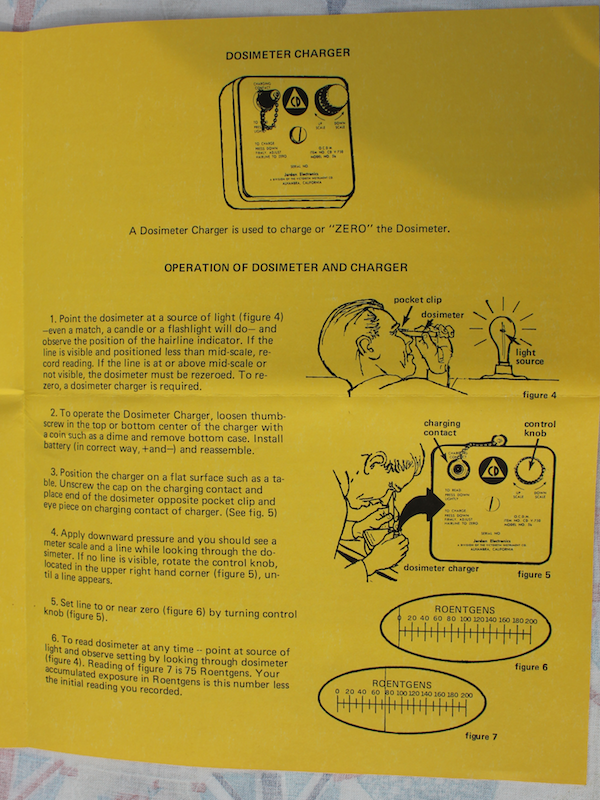
Basic Instruction Book

.

Red Effect. Nuclear Defence. 088

CD V-175

Red Effect. Nuclear Defence. 085

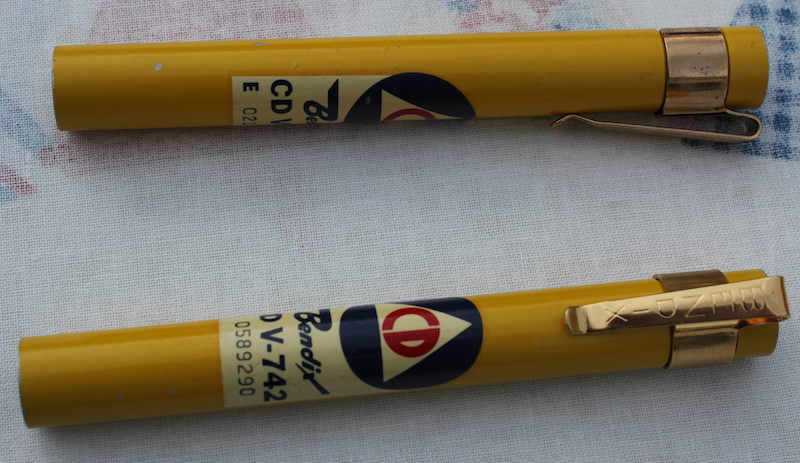
Dosimeters. Design to be carried on the person to measure the body’s accumulated exposure to radiation.

.

Red Effect. Nuclear Defence. 089

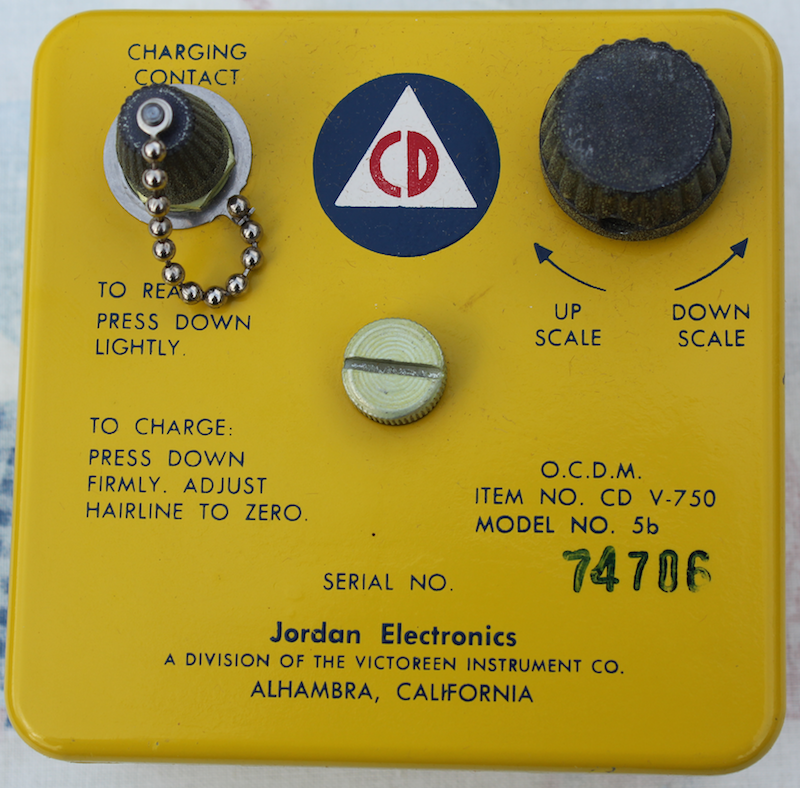
Dosimeter charger, used to ‘Zero’ the dosimeters.

.

Red Effect. Nuclear Defence. 079 (1)

.

Total Exposure

0-50R – No visible effects

50-200R – Brief periods of nausea. 50% experience radiation sickness

200-450R – 50% deaths within two to four weeks.

450-600R – Serious radiation sickness. Death to 50% within one to three weeks.

Over 600R – Severe radiation sickness. 100% deaths within two weeks.

The thought of it ever happening is frightening.

i hope this has given you a further insight into what was happening during the Cold War Period, 1946-1989. Going forward I will add more information in support of my Cold War trilogy.

The Blog is copyrighted to Harvey Black.

. HarveyBlack-Red Effect150313

‘The Red Effect’ by Harvey Black – Kindle and Paperback version out now! The Cold War that became a Hot War.

.

The Cold War Years – Part 4.

I am 18,500 words into the first novel of my new ‘Cold War’ series. There will be three books in total, covering the hypothetical invasion of West Germany, the Federal Republic of Germany, by the Warsaw Pact in the mid 1980’s. Book 1, ‘The Red Effect’, will encompass the intelligence build up leading to the Warsaw Pact strike against the NATO forces lined up against them.

The Cold War era started very soon after the end of the second world war, when the communist east, led by the Soviet Union, and the Western world, led by the United States and its NATO allies, faced each across what became known as the ‘Iron Curtain’.

.

.

The capital of Germany, Berlin, was divided into four Sectors. The consequence being, that the three Western Allied powers now controlled territory deep within the Soviet Union Zone of Germany.

Over time, the tensions between the four Allied powers increased, eventually resulting in the Berlin blockade in 1948, when the Soviets attempted to starve West Berlin into submission and force the other three Allied powers out. This failed and the Soviets eventually relented, but an ever-increasing number of East Germans fled to the West; between 150,000 and 300,000 a year during 1951-1953. As a consequence restrictions were placed on movement between the divided country. From 1961, the border was closed and Berlin completely encircled, first by barbed wire, then bricks and finally a concrete wall, along with the infamous ‘death strip’.

Access was now restricted between Berlin and the West. A wall, 124 mile miles in length, was placed around the three sectors of West Berlin, cutting off the city from the rest of the world.

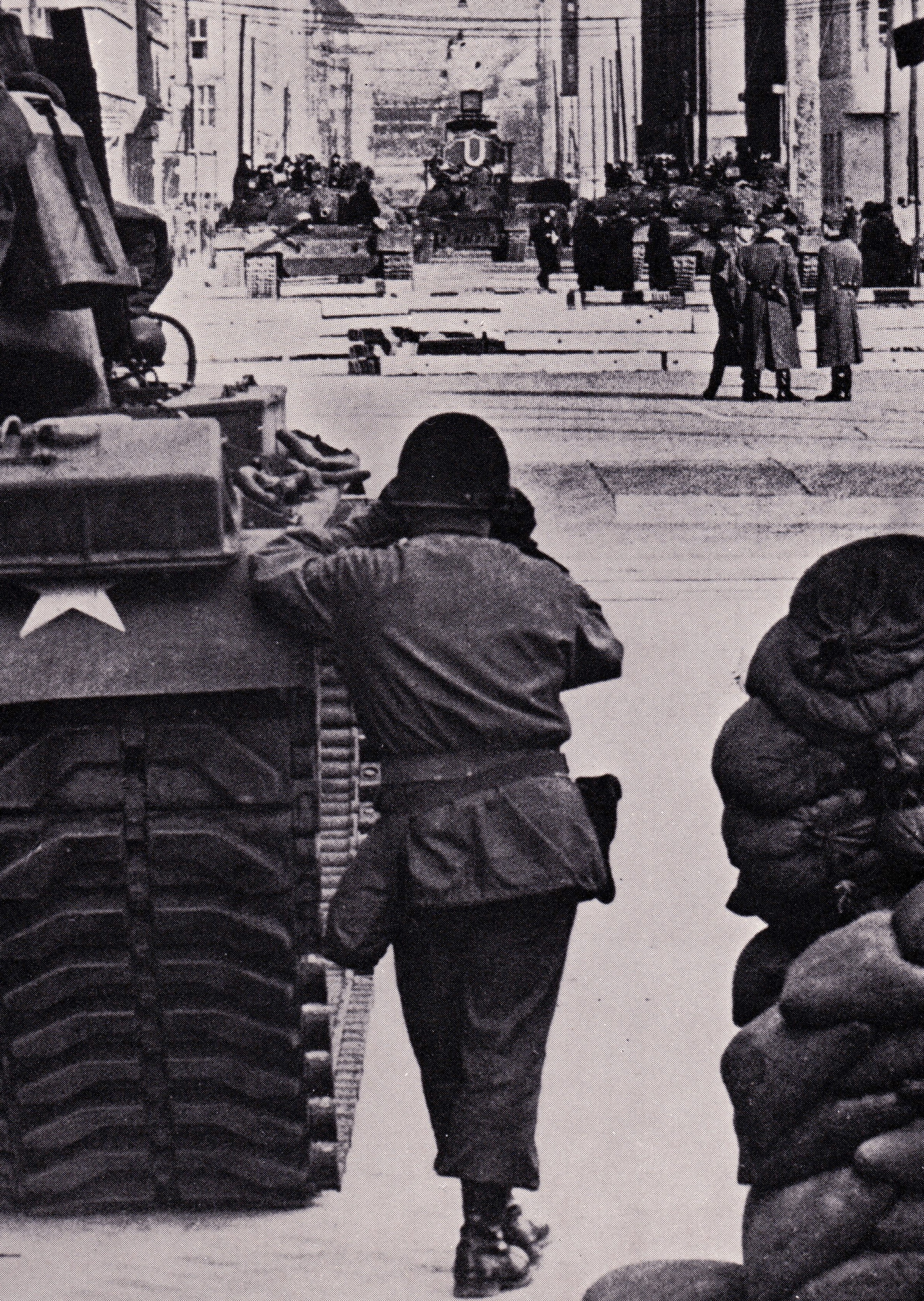
An Iconic picture of the face-off between the West and the East.  The Cold War starts – October 1961.

.

I shall cover various aspects of the two opposing forces, providing the backdrop and background information in preparation for the release of my three novels. In the meantime, you could always read my WW2, Devils with Wings series. :)

In 1984/85, the Warsaw Pact was already a significant force, the Soviet Union in particular.

Although the key strategic Nuclear Forces of the Soviet Union and NATO, were either land based or submarine launched, supported by Tactical, Theatre, Nuclear weapons, they also had the use of the Air Force to deliver a nuclear strike.

Soviet Union.

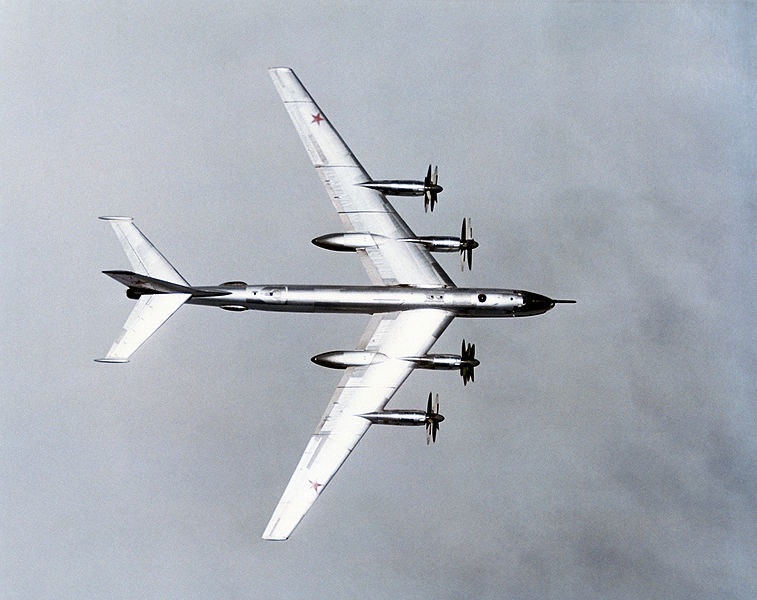
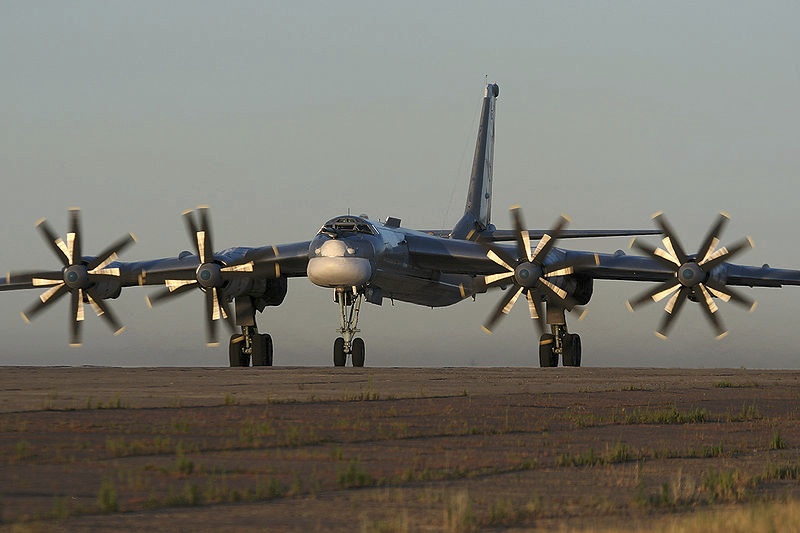
Long Range Bombers – 100 x Tu-95 (Codename Bear). Unknown number of Bear H in production, capable of carrying an air-launched cruise missile.

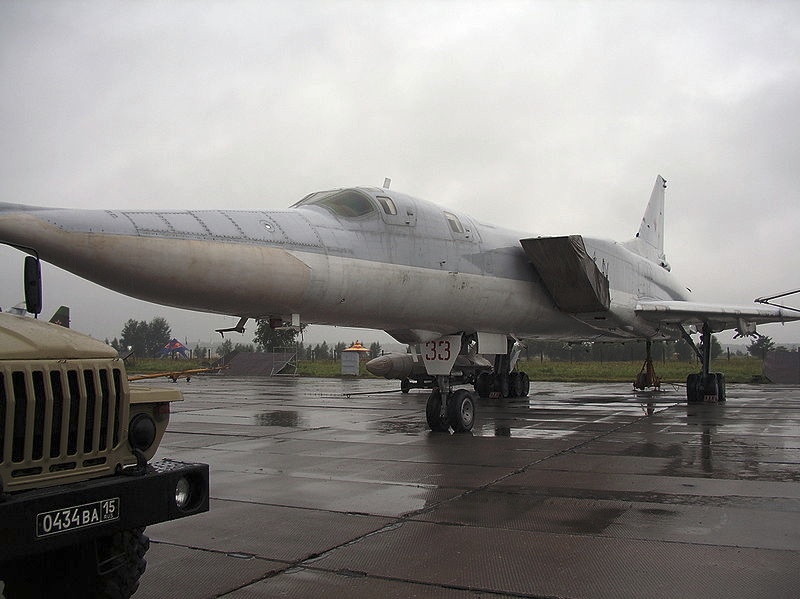
Medium Range Bombers – 220 x Tu-16 (Codename Badger), 125 x Tu-22 (Codename Blinder) and 130 x Tu-22M (codenamed Backfire).

Tu-160 (Codenamed Blackjack).

.

Tupolev Tu-95. (NATO Code Name: Bear). Claimed to be a reverse engineered B-29, Super-fortres. A long wingspan of 164 feet.

.

 Maximum speed of 575 mph with a range of 9,400 miles. Armament of 2 x 23mm AM-23, radar-controlled auto-cannon. 15,000 kilogram payload. The Tu-95MS variant carried the Kh-55, air-launched strategic cruise missile family, one with a 200 kiloton warhead.

.

Tu-22 Blinder. A supersonic, swing-wing, long range strategic and maritime strike bomber.

.

Tu-22. Speed of 1,240 mph with a combat radius of 1,500 miles. 1 x 23 mm GSh-23, remote-controlled cannon in tail turret. The Kh-55 nuclear cruise missile has been tested on this aircraft, but no confirmation that it is in service.

.

Tu-160 (Codename Blackjack).  Swing-wing, with a max speed 1,380 mph and a range of 7,600 miles, without in-flight refuelling. Can carry 12 x Raduga Kh-55, nuclear cruise missiles or 12 x Raduga Kh-15 short-range nuclear missiles.

.

Kh-55 Cruise Missile.

.

United States of America

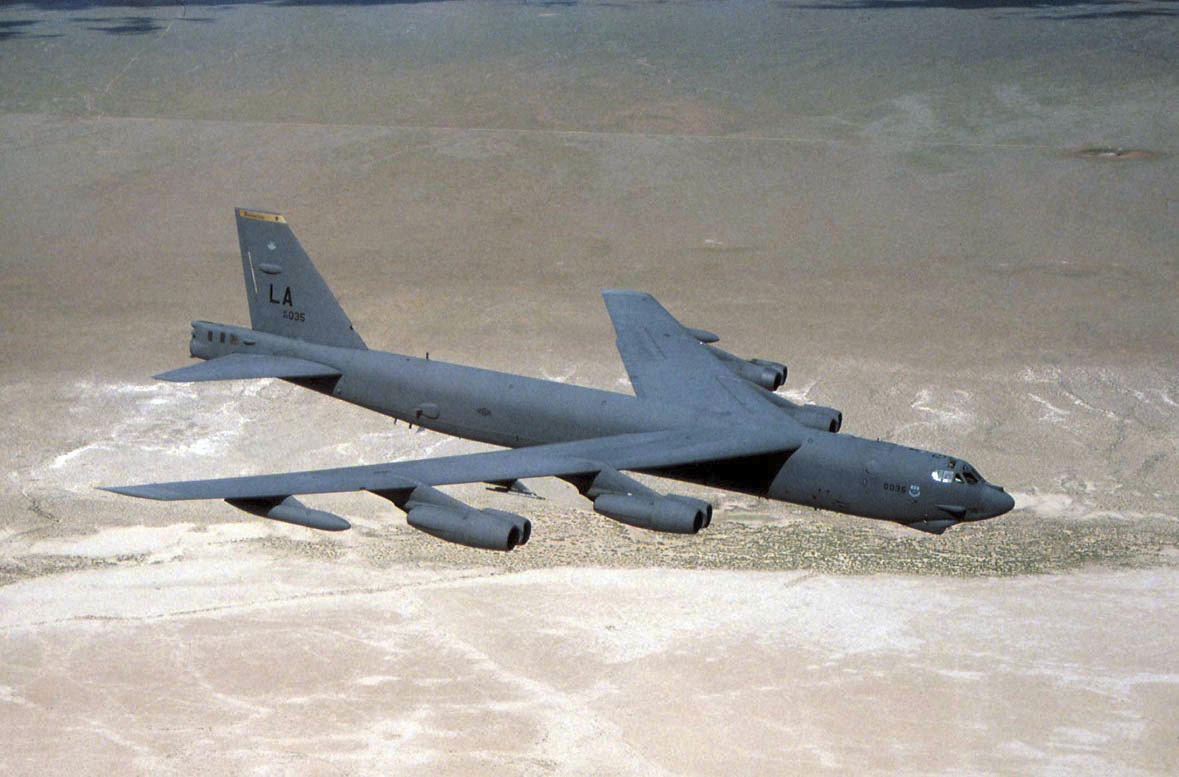
Long Range Bombers – 90 x B-52H and  84 x B-52G

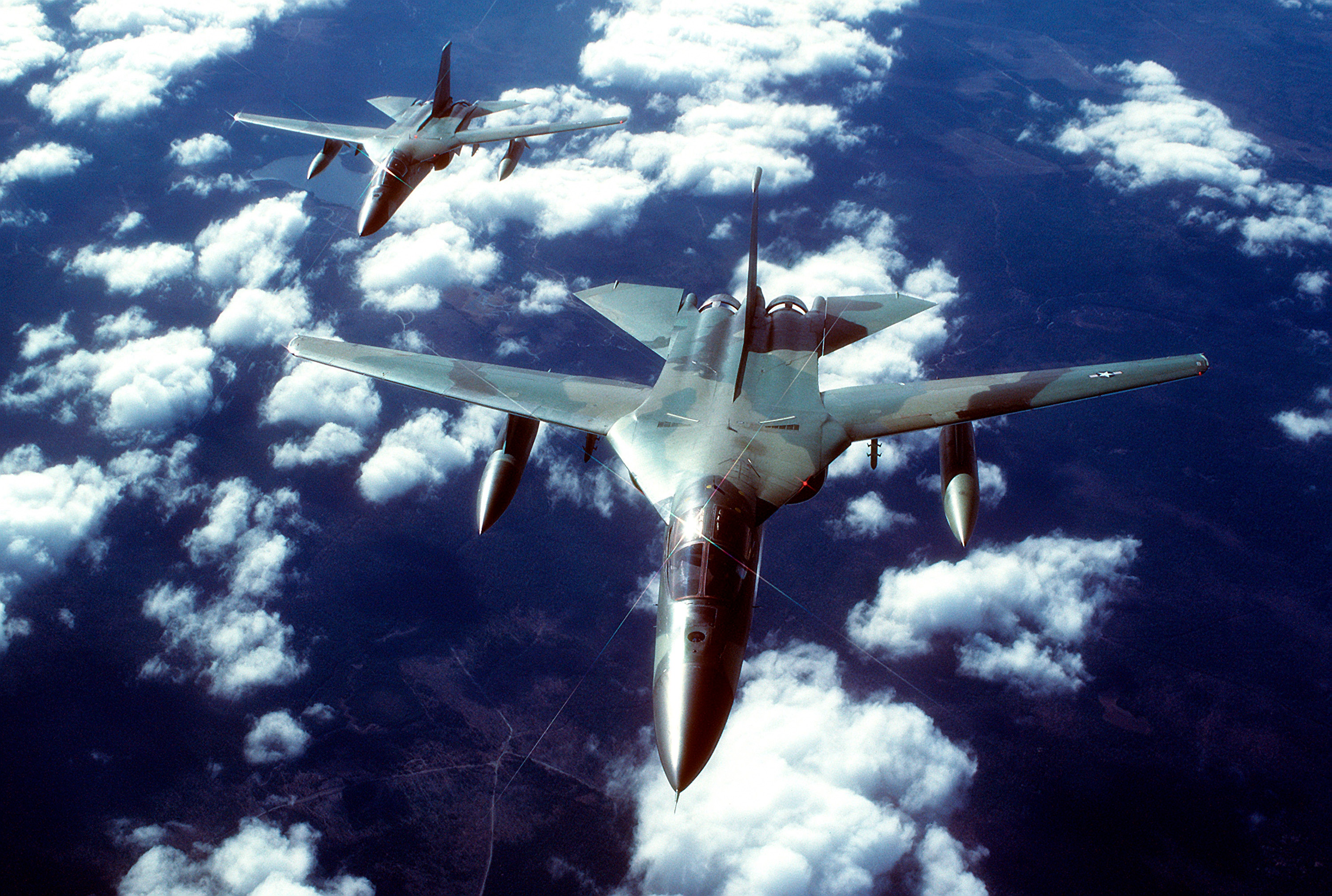
Medium Range Bombers – 56 x FB-111A

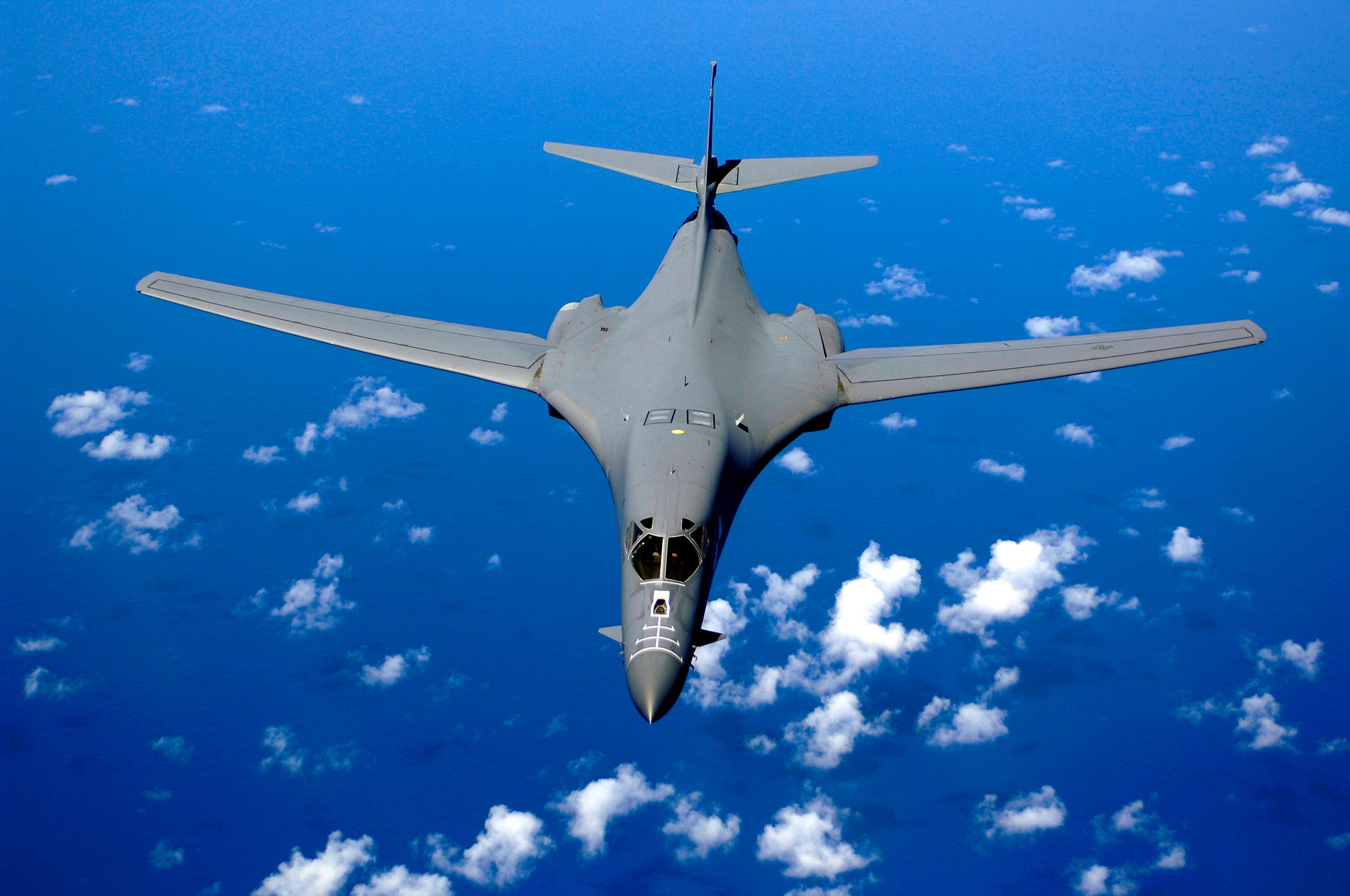
On order – 18 x B-1B bombers (100 planned.)

.

Boeing B-52 Stratofortress, with underslung drones.

.

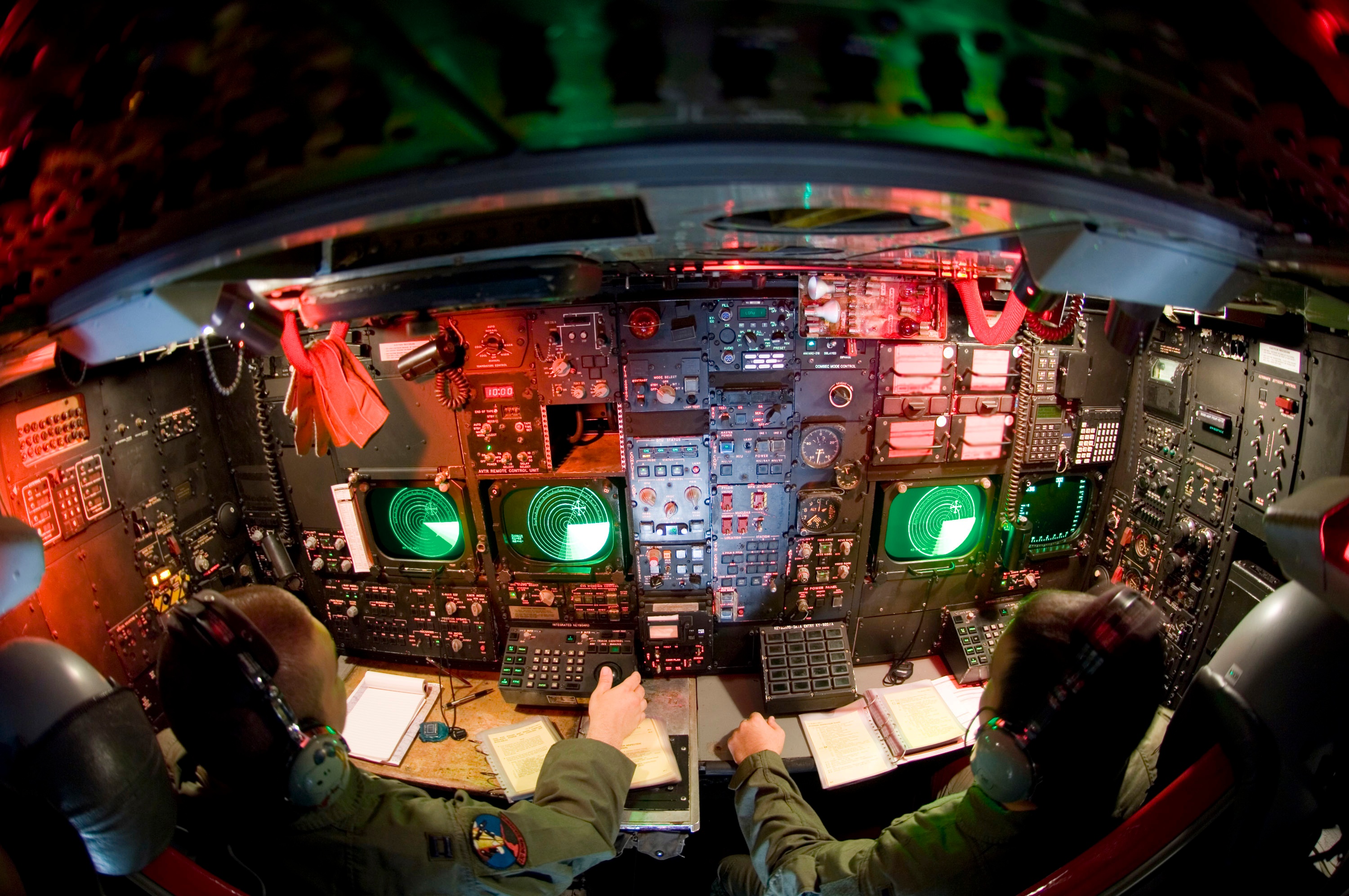
Lower deck of the B-52, dubbed the battle-station.

.

B-52H. Payload of 31,500 kilograms of mixed ordnance. 1 x 20mm M61 Vulcan cannon mounted in remote-control tail turret. The B-28 nuclear bomb could be set for an air or ground burst with a yield of up to 1.45 megaton.

.

Maximum speed of 650 mph, with a range of 3,980 miles.

.

FB-111A, long range bomber. It could carry the AGM-69 SRAM, Short Range Attack Missile (Nuclear). Speed of 1,650 mph with a range of 1,160 nautical miles.

.

Rockwell B-1 Lancer, a four engined, variable-sweep winged strategic bomber. The planned replacement for the B-52. Maximum speed of 830 mph, with a range of 7,456 miles. Can carry 24 x B61 (Max 340 kilotons) or B63 (Max 1.2 megatons) nuclear gravity bombs.

.

B-28 nuclear bomb.

.

United Kingdom

Strategic Long Range Bombers – 130 x Avro Vulcan.B2

.

Delta Wing Strategic Bomber

.

Armament: 21 x 454 kilograms of conventional bombs or 1 x free-fall nuclear bomb/1 x Blue Steel missile (1.1 megaton).

.

Maximum speed of 607 mph with a range of 2,600 miles.

.

Blue Steel – Air Launched Cruise Missile.

.

France

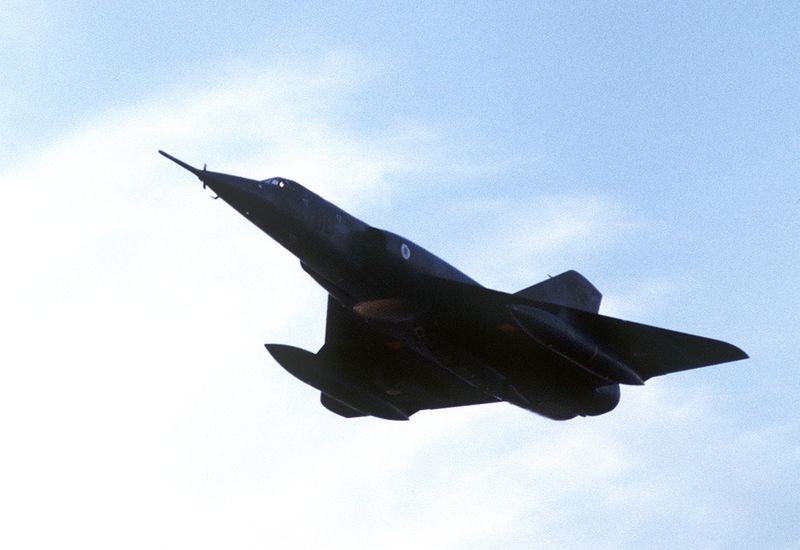
Supersonic Strategic Bombers – 28 x Mirage IVA

.

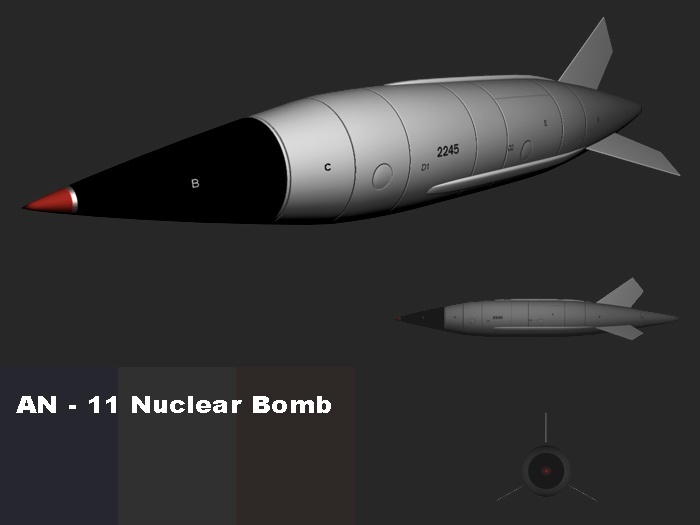
Maximum speed of 1,454 mph and a range of 775 miles. Carries 1 x AN-11 or 1 x AN-22 nuclear bomb (70 kilotons).

.

AN-11 Nuclear Bomb

.

There were also the conventional forces lined up along the Inner German Border, the visible barrier between the Federal Republic of Germany (FRG) and the German Democratic Republic (GDR), or better known as West and East Germany. I shall be covering their organisation and equipment over the coming months.

.

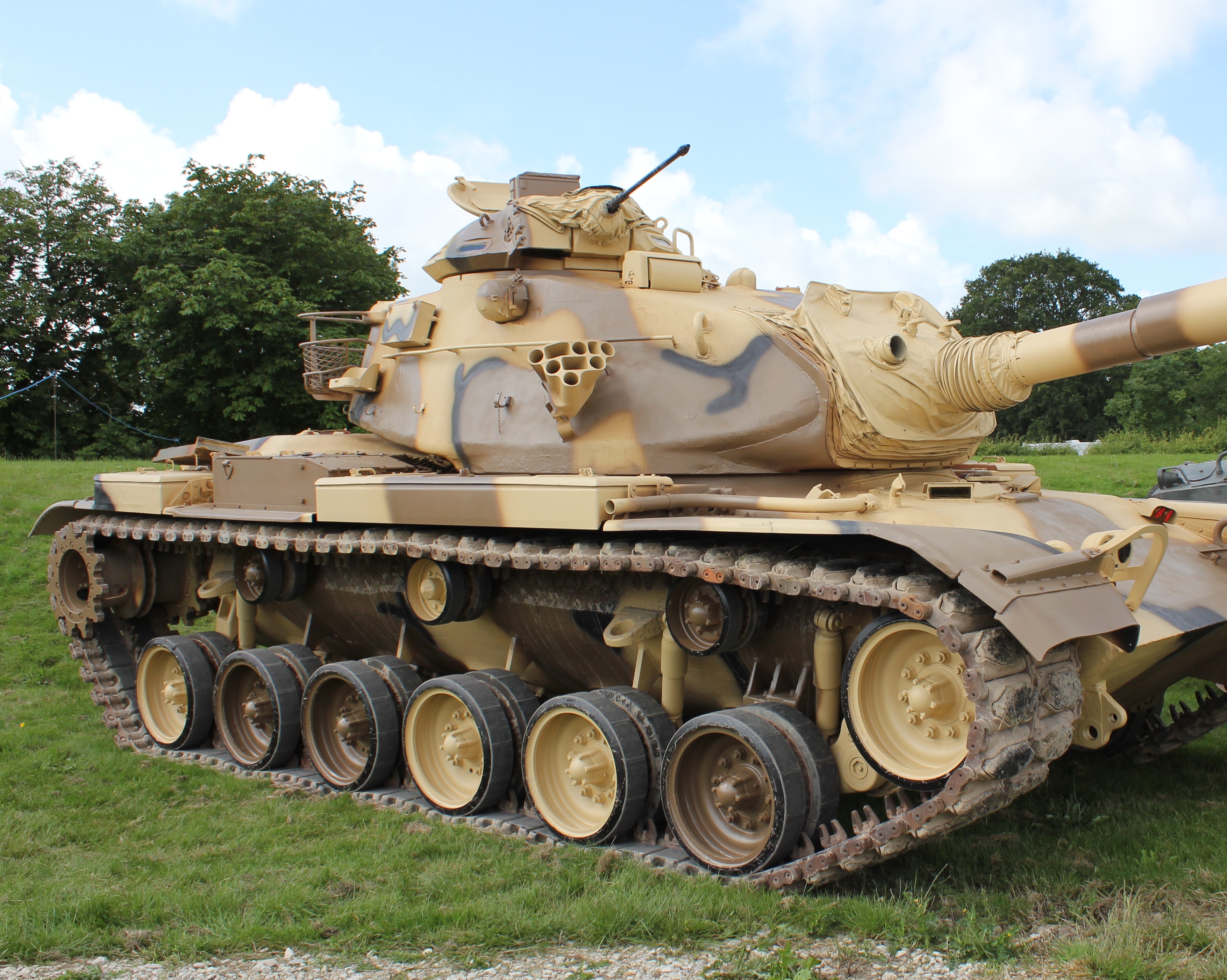
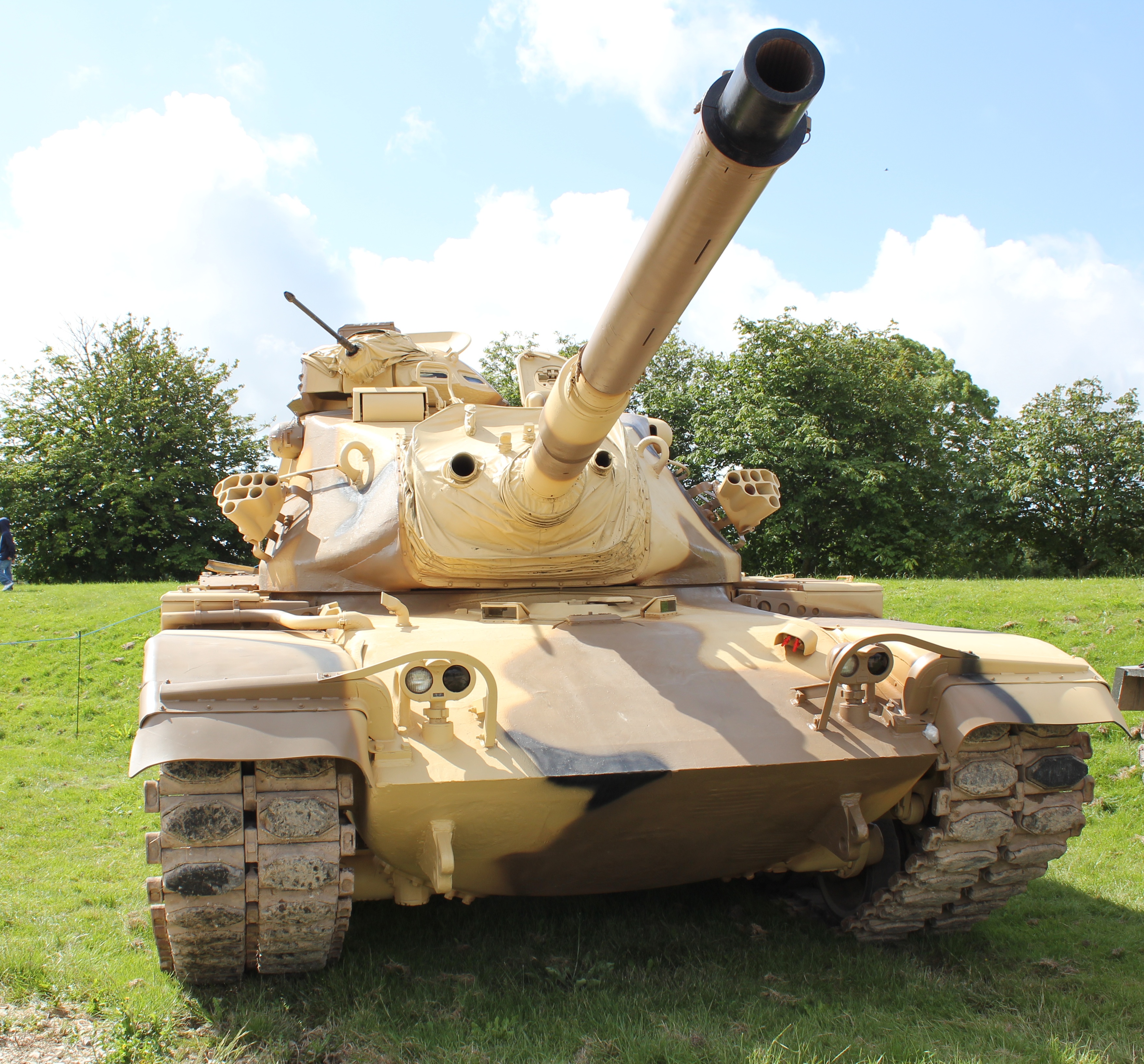
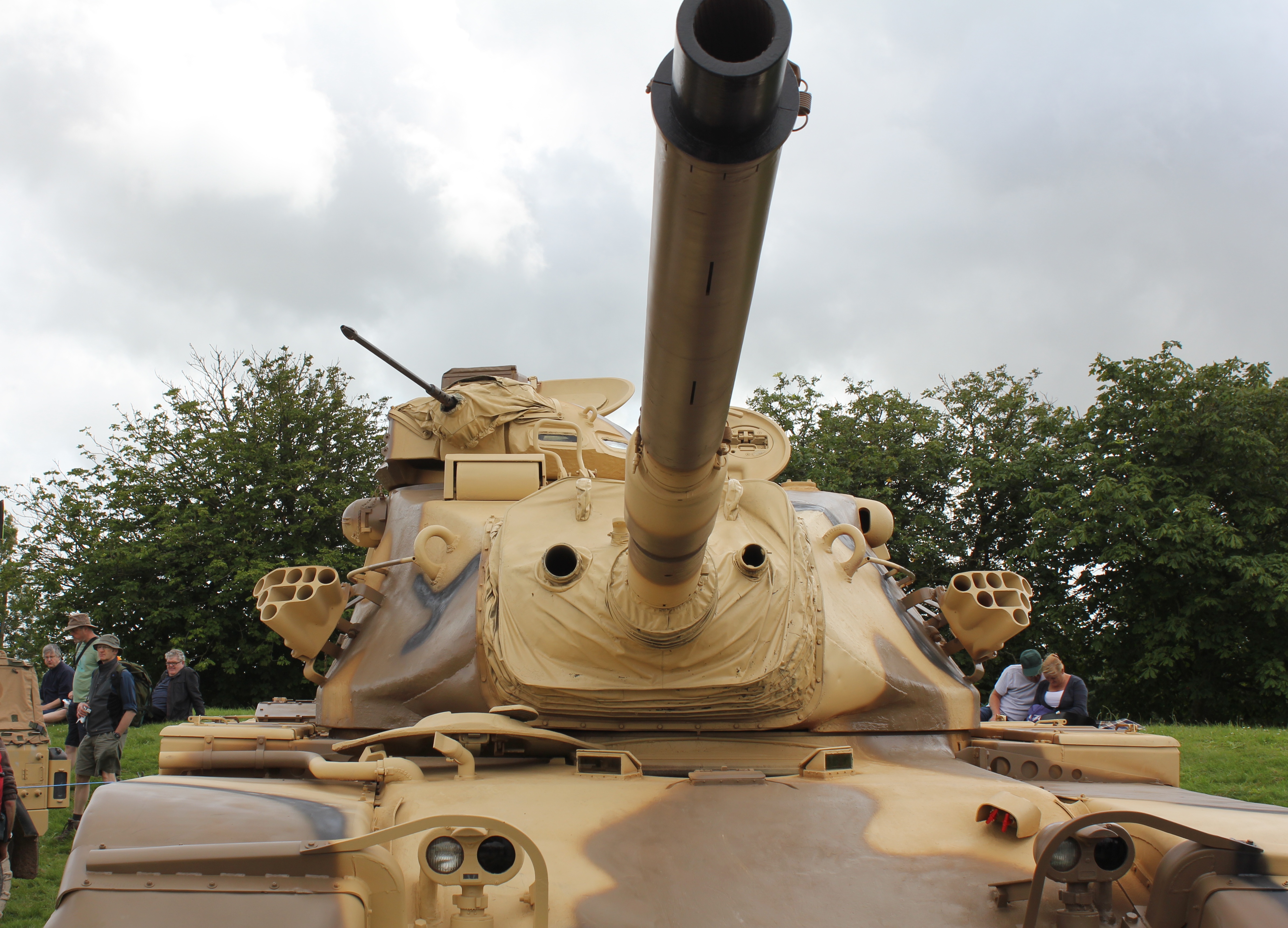
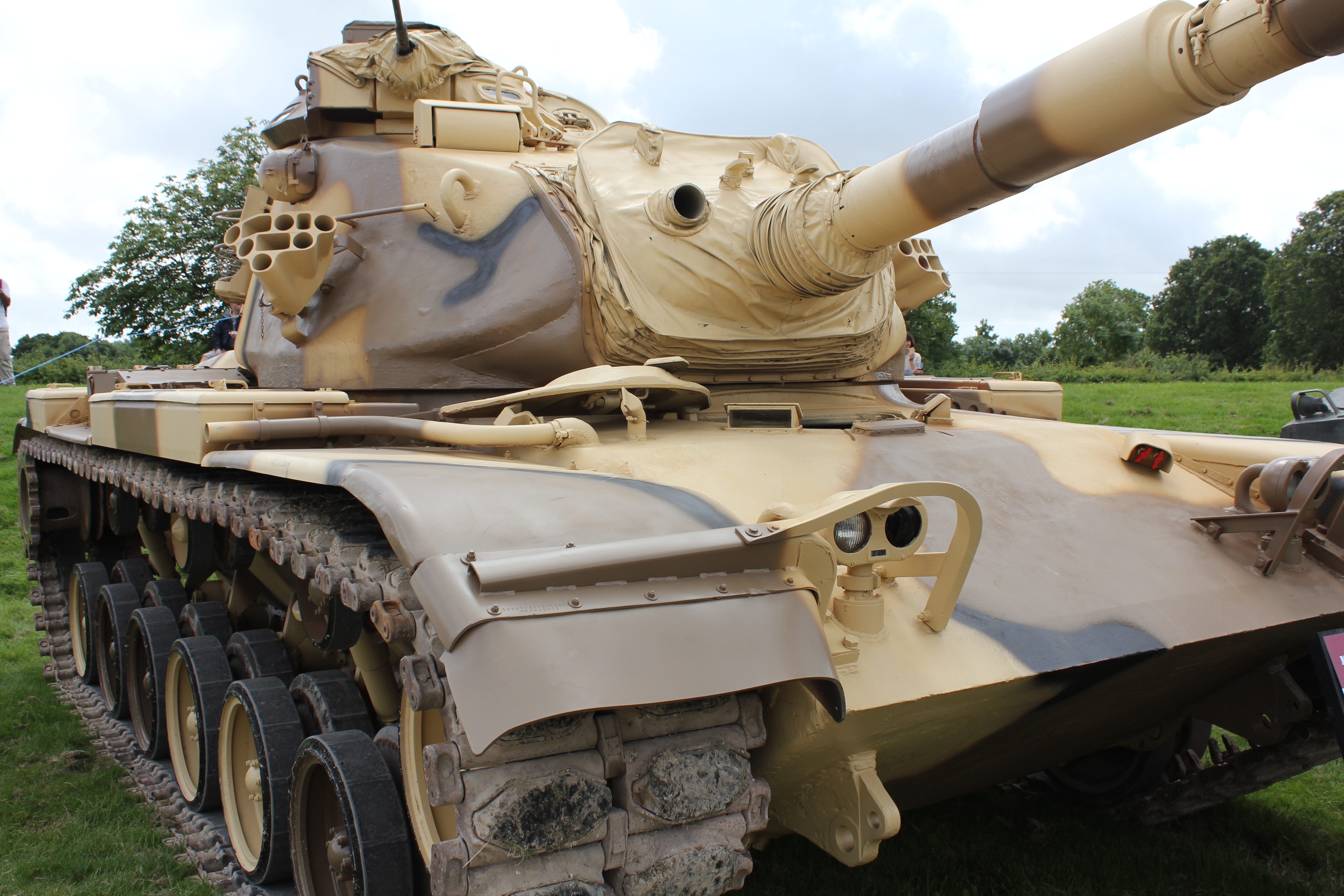
M-60, or Patton Tank.

.

Maximum speed of 30 mph

.

A first generation Main Battle Tank.

.

Main armament is the British 105mm, M68 gun.

.

45 tons with an armour thickness of 155.6mm.

.

V-12, air-cooled Twin-turbo diesel engine.

.

Top speed of 30mph.

.

Introduced in 1960.

.

Saw service in the Gulf War.

.

M-60 Patton,  over 15,000 built.

.

M-60

.

Carries a .50 calibre gun

.

M-60

.

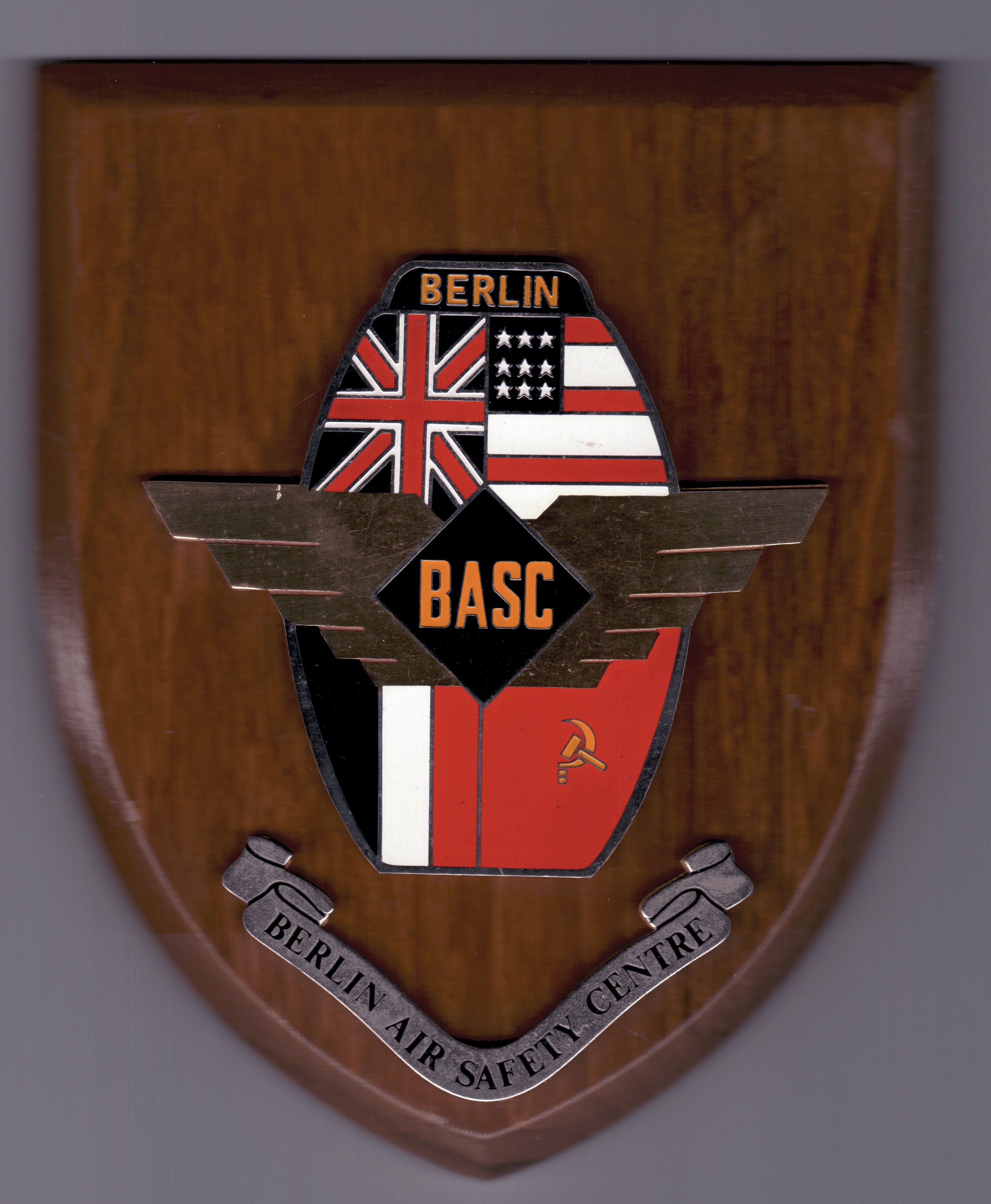
Berlin Air Safety Centre controlled all aircraft in and out of Berlin, including the Air Corridors that transited East Germany.

.

.

Berlin Air Safety Centre controlled all aircraft in and out of Berlin, including the Air Corridors that transited East Germany.

My intention is not to portray a particular message, but just share some of my research and experiences with you.  This is the first of my new ‘Cold War’ series, supporting the writing of my new ‘Cold War’ series of novels, covering the hypothetical invasion of West Germany by the Warsaw Pact in the 80’s. ‘The Red Effect’. so keep your eyes peeled.

.

HarveyBlack-Red Effect150313

Photographs and Blog are copyrighted to Harvey Black

The Invasion of Crete, WW2.

This would be the first ever airborne invasion in military history. The Fallschirmjager, supported by the famous Gebirgsjager mountain troops, are up against 40,000 allied soldiers – who will fight to the bitter end to protect Crete.

Before dawn on the 20th May 1941, the JU-52’s, “Tante Ju’s”, warmed up their engines on the Greek airfields of Corinth, Megara and Tanagra ready to undertake the first full scale invasion of a country from the air. They were to attack the 160 mile long Island of Crete.

ref=sib_dp_kd.

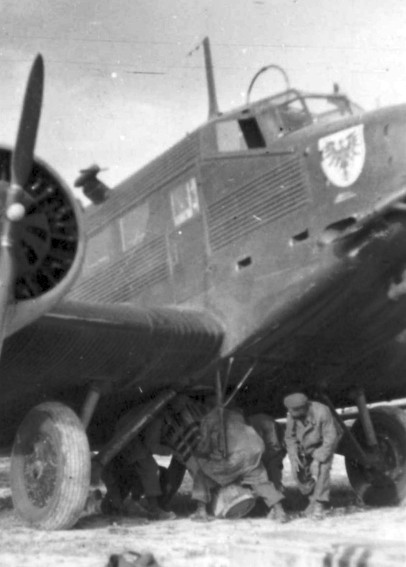
Loading a weapons canister into a JU-52.

Within minutes of the first few taking off, carrying their loads of paratroopers towards their objectives, a dust storm had been created by the backdraft from the three engined Junkers, playing havoc with the German’s carefully planned schedule. Eventually, waiting for the clouds of dust to settle, all were launched.

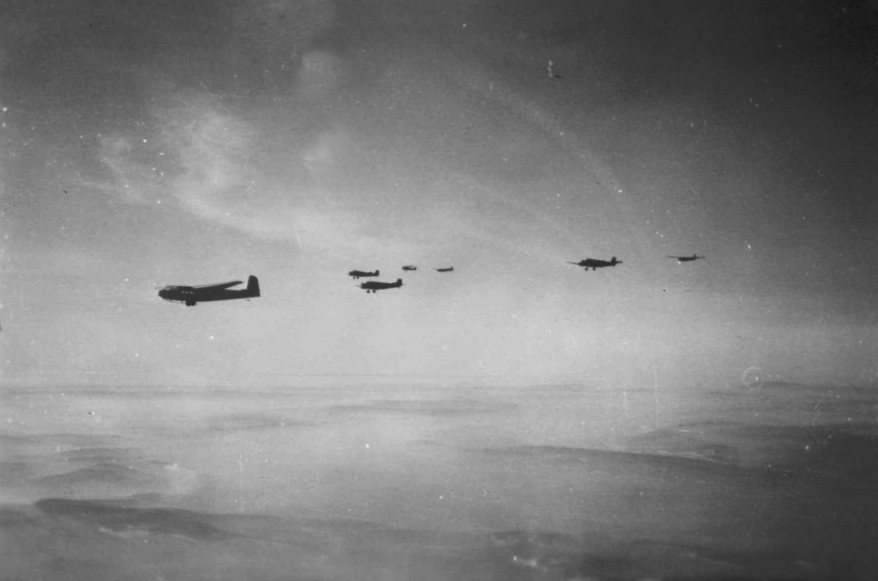
Ju-52’s and towed DFS-230 gliders on route to Crete.

On Day 1, the glider companies landed successfully on their targets, capturing the bridge over the Tavronitis and securing an area on the outskirts of Maleme airfield. The 3rd battalion, Luftlande Sturmregiment, started their drop landing directly on top of two New Zealand battalions. The 2nd battalion landed east of Spilia and the 4th battalion west of Travonitis. Once Generalmajor Meindl had secured his HQ, and dug in on the outskirts of the airfield, he sent two companies to take Hill 107, a key position overlooking Maleme airfield. Major Koch, of Eben Emael fame, the commander of  the 1st battalion, received a head wound while helping to take Hill 107.

Fallschirmjager, paratroopers, dropping onto Crete. 

The second major drop that day was around the town of Chania. A second wave of aircraft dropped more paratroopers in the afternoon, along with further gliders containing heavy assault troops. Rethymnon was attacked at 1615 hours, Heraklion at 1730. The Fallschirmjager suffered heavy casualties that day.

Day 2

The Fallschirmjager took advantage of the New Zealand forces withdrawing from Hill 107, this eventually giving the Germans control of Maleme airfield, enabling them to land aircraft and reinforce the units on the ground.

Fallschirmjager in Crete, their distinctive helmets and combat smocks clearly visible.

Before midnight, Rear Admiral Glennie’s Force D, three light cruisers and four destroyers, intercepted a water born landing by German reinforcements. Out of the 2,000 strong German force, over 1,000 managed to escape.

Warships berthed close to the Island – Crete 1941

The Germans now had a foothold on Crete and with Maleme airfield in their possession, they flew units of the 5th Gebirgsjager, Mountain, Division in to join in the attack.

A bitter battle was fought – destroyed British light Mark VI,  tanks, 1941.

It was an exhaustive battle for the Fallschirmjager

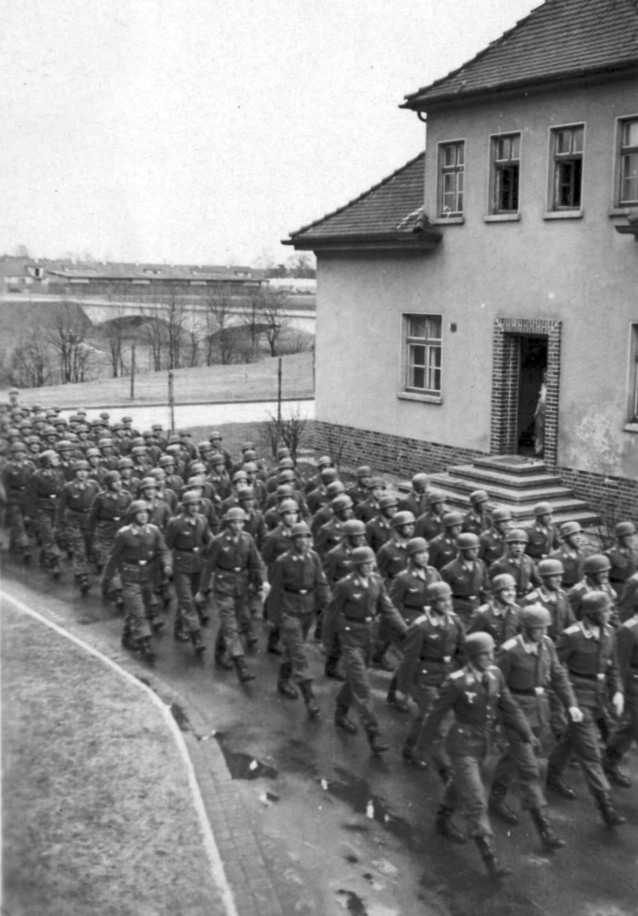
But after 10 days of battle they had their victory march – Crete 1941.

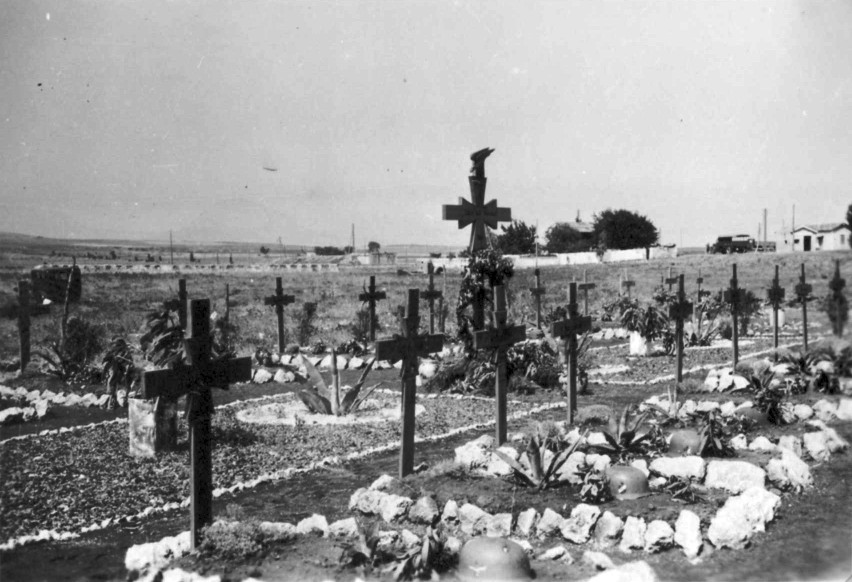
But they suffered heavy casualties and it was the last major jump completed by the Fallschirmjager in WW2

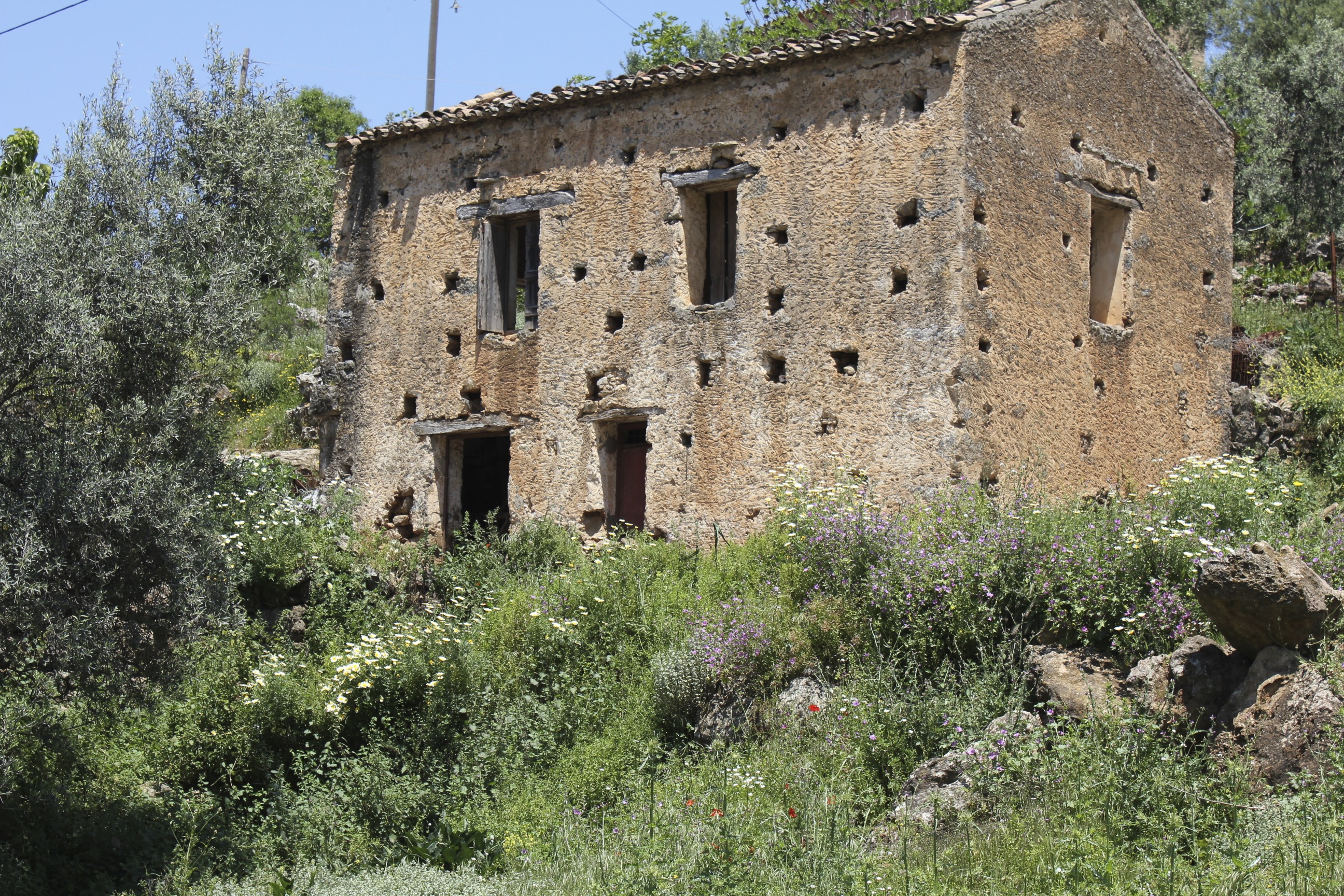
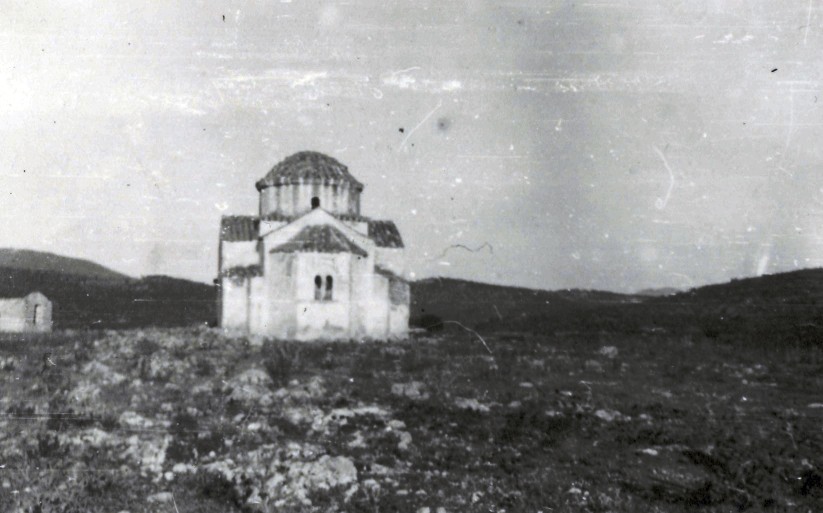
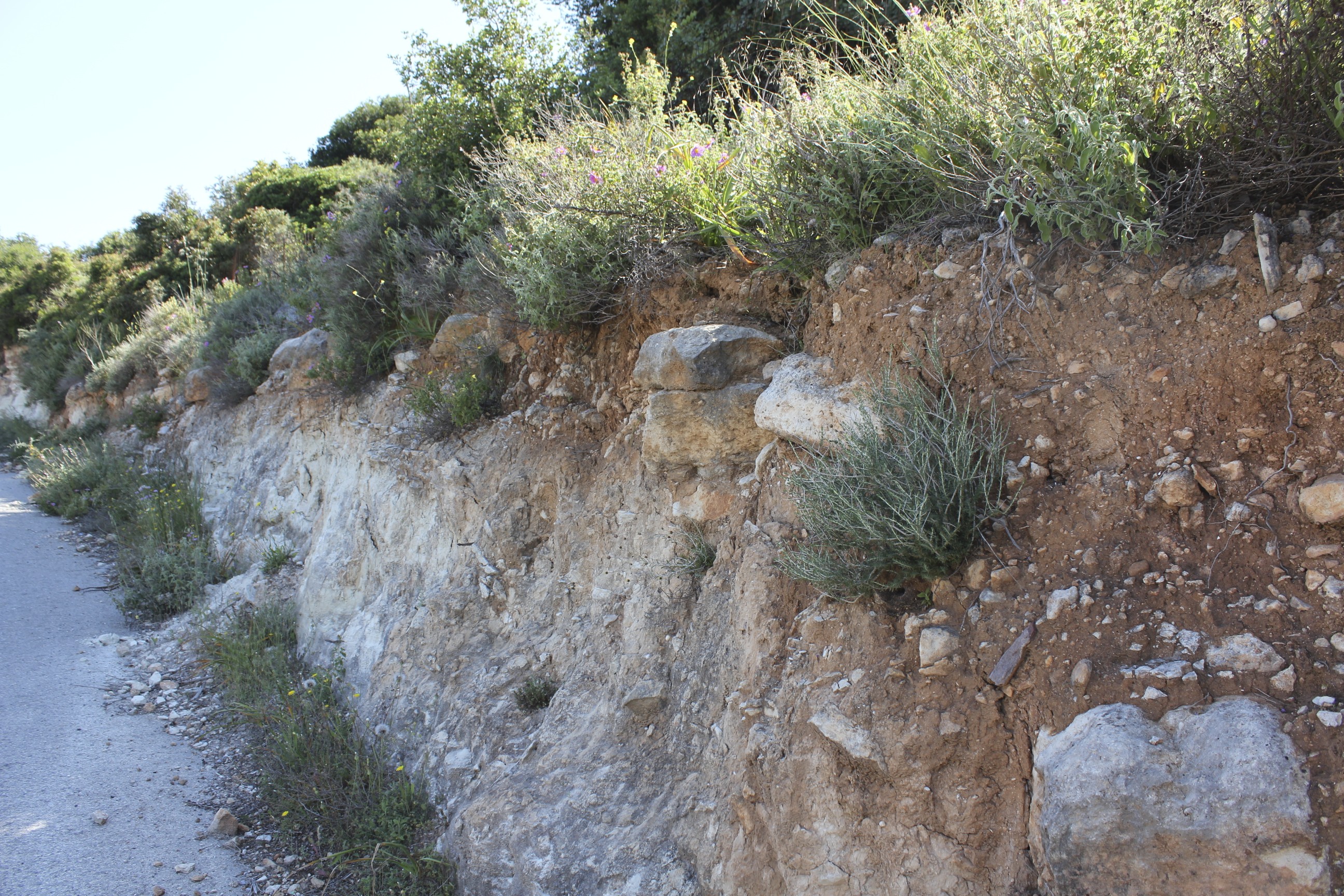
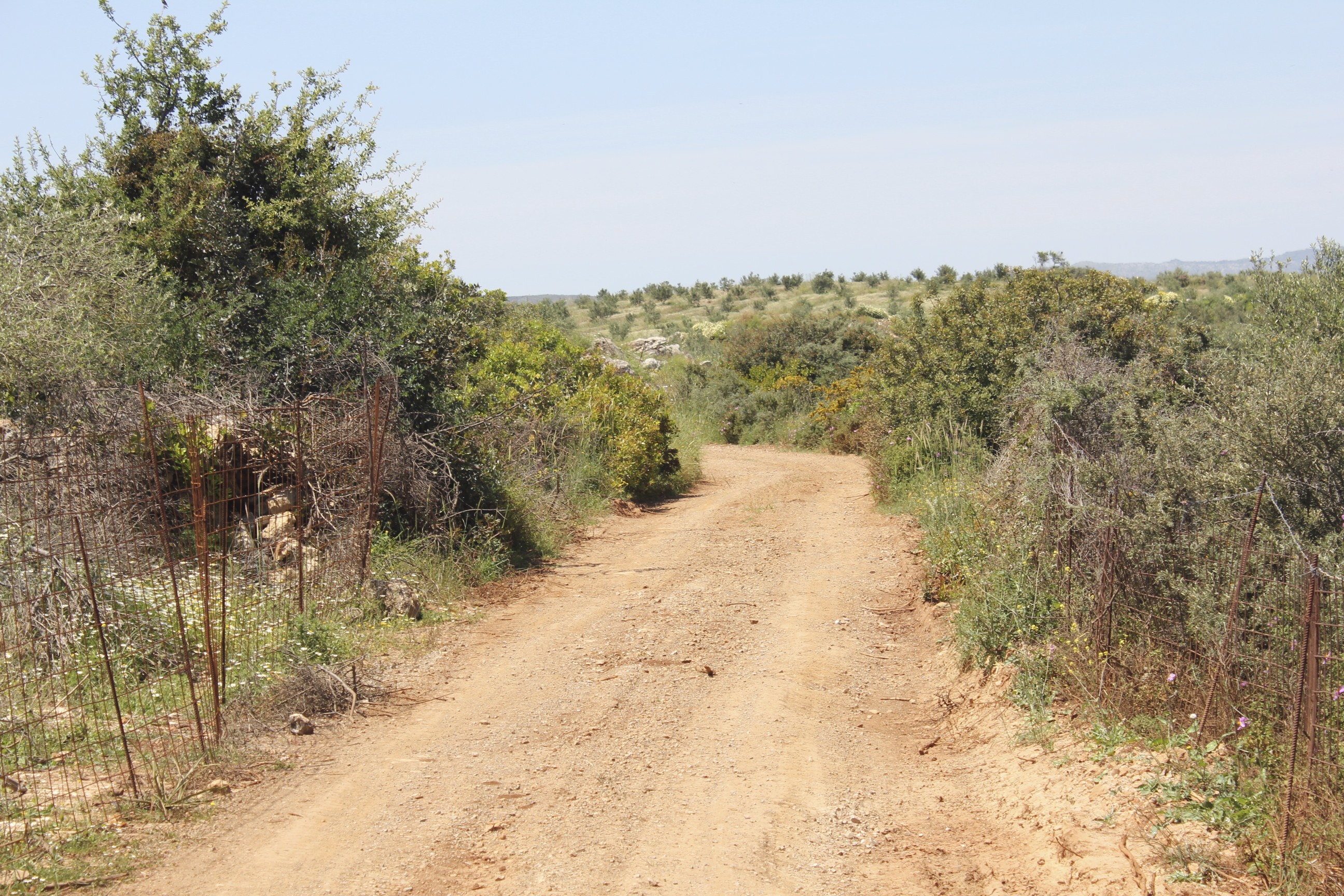
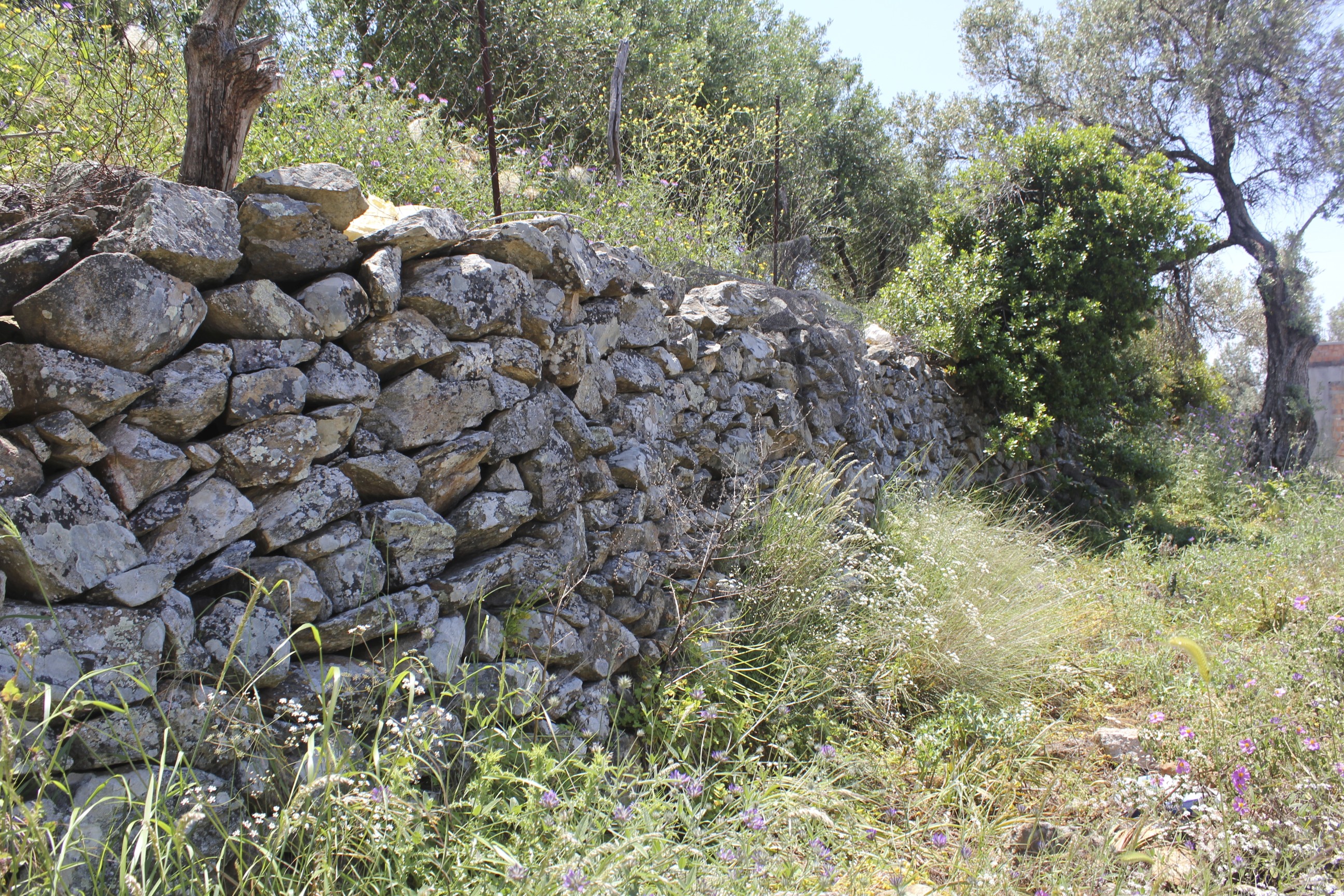
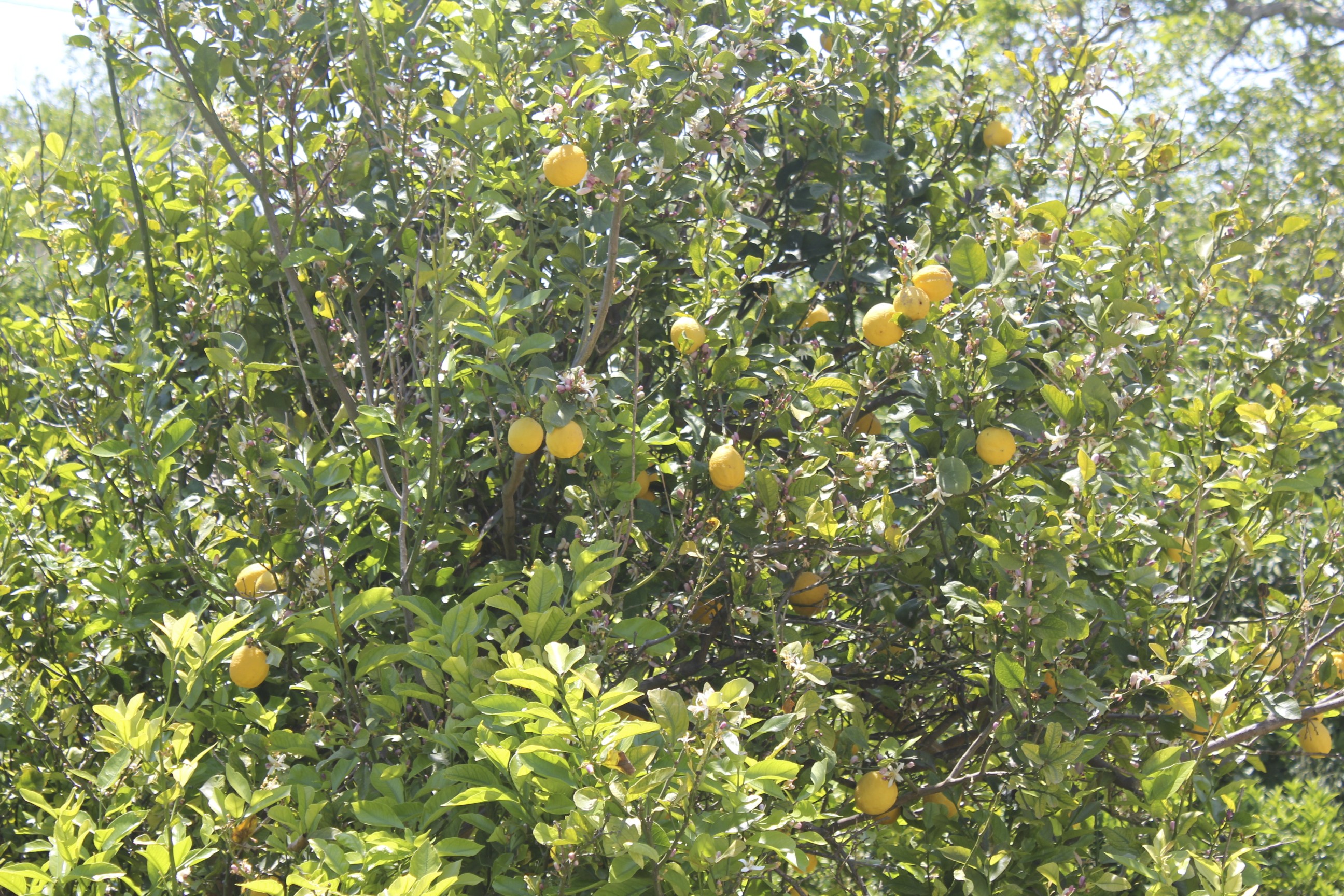
The following are pictures from my visit to Crete while writing Devils with Wings: Silk Drop. The visit helped me with my descriptions of the environment they fought in.

When you read about Max and a certain incident, this is the plant I was describing

2010

1941

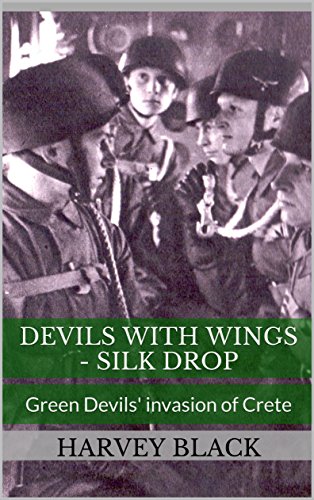
This exciting fictionalised retelling of the invasion of Crete is written by an author with extensive experience in army intelligence. It’s the follow up to Devils With Wings, and continues the wartime adventures of Fallschirmjager paratrooper Paul Brand and his Feldwebel Max Grun. On a high after their successful subjugation of Fort Eben Emael, Paul Brand, now in command of his own company, and Feldwebel Max Grun, are parachuted into Greece to help capture the bridge spanning the Corinth Canal. Tough times are ahead when the German High Command decide to invade the Island of Crete. This will be the first ever airborne invasion in military history. The Fallschirmjager, supported by the famous Gebirgsjager mountain troops, are up against 40,000 allied soldiers – who will fight to the bitter end to protect Crete. Operating behind enemy lines, Paul Brand and Max Grun will face challenges that not only tests their fortitude but strains the close bond between them. Silk Drop is a thrilling sequel to Devils With Wings and is based on a factual episode.

Photographs copyrighted to Harvey Black