Delhi to Katmandu, Part 6 In 2010, I went on an amazing trip, from Delhi to Katmandu. I just want to use this Post to share with you some of the photographs I took on the way. Both were amazing countries and India was particularly vibrant and exciting. Some of the photos were taken through vehicle windows, so i apologise for the poor quality. I don’t propose to write very much, Although I have finished editing my third novel,  Devils with Wings: Frozen Sun, I have started on my new ‘Cold War’ series. So please just enjoy the pictures. The journey continues…

Back in the coach, heading for the River Ganges.

.

Local Internet cafe for Goats, October 2010

.

We passed a school on route. October 2010.

.
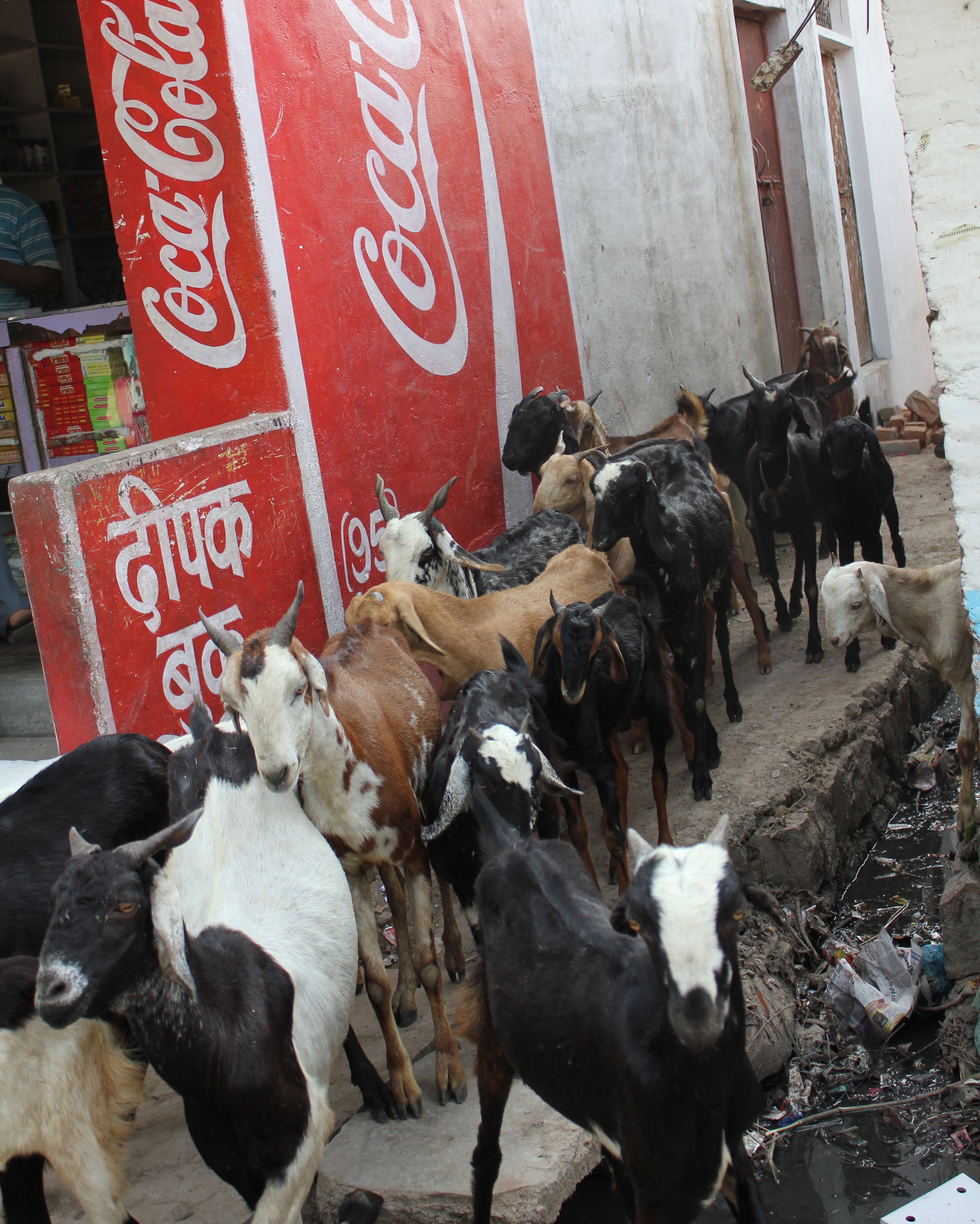
Yes, more Goats.

.

…and pink is back in fashion. October 2010.

.

Brother and Sister. October 2010

.
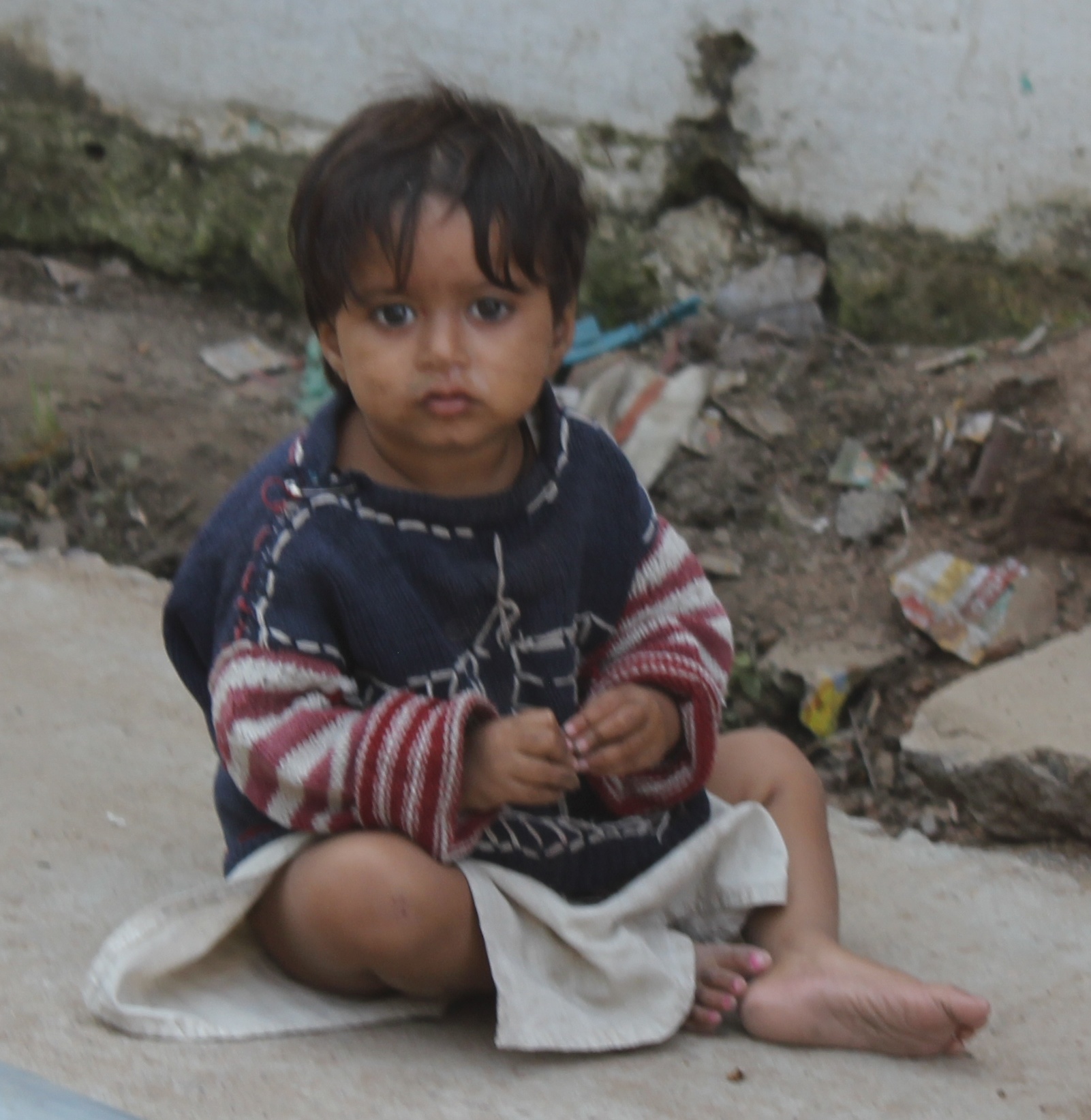
 October 2010

.

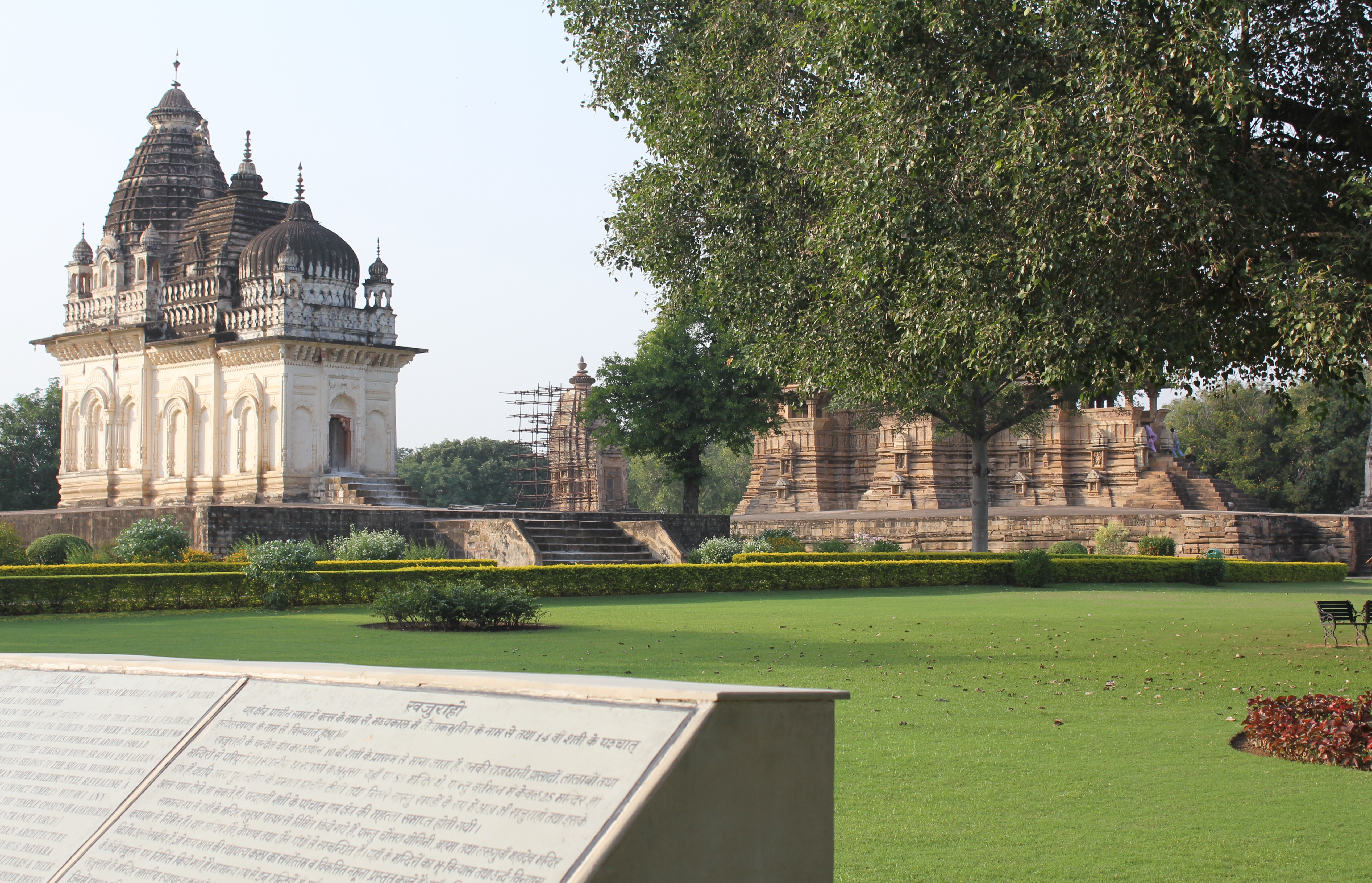
On our way, we stopped off at the Vamana Temple. Close by, this young girl was washing her hair at the communal water pump. October 2010.

.
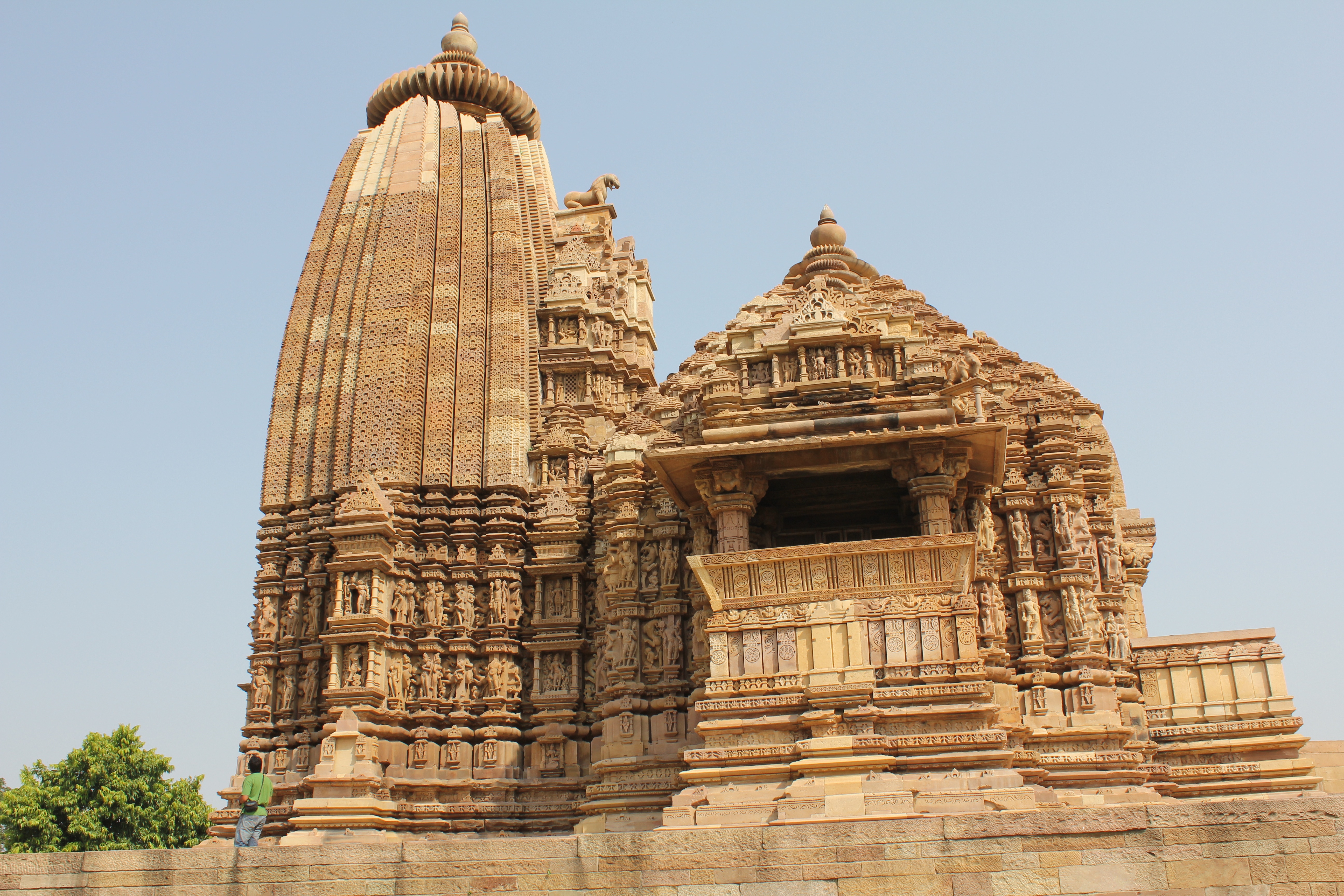
Vamana Temple, Khajuraho, India. October 2010.

.

Vamana Temple. October 2010

.

Vamana Temple.

She happily posed for the photograph. October 2010.

.

Vamana Temple. Dedicated to Vamana, incarnation of  Vishnu. October 2010.

.

Vamana is described in the Puranic texts of Hinduism as the Fifth Avatar of Vishnu, and the first incarnation of the Second Age, or the Treta yoga.  October 2010.

.
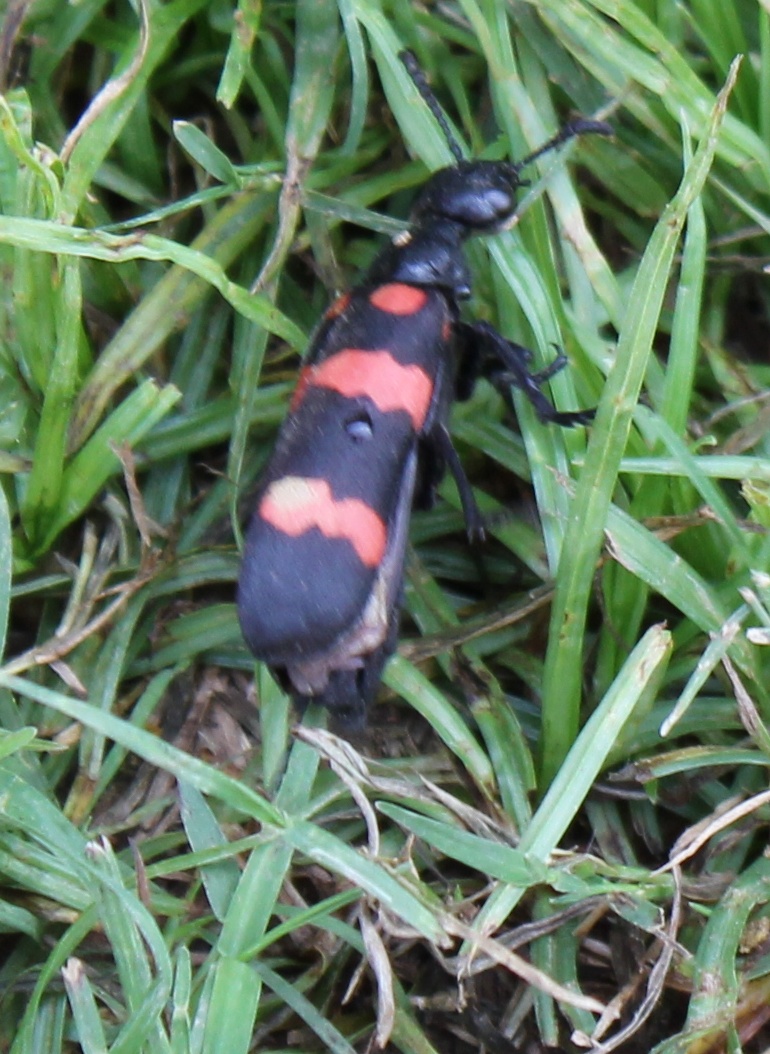
No idea what it was, but I was not picking it up. October 2010.

.

Prayer time.

.

Using rice and beans to keep track.

.

We continued our journey to the River Ganges, but stopped over at a local school on the way.

.

They were well behaved considering our interruption.

.

Small classroom.

.

The school.

.

Playground.

.

Classrooms were small and quite dark.

.

No desks.

.

He was the cheeky one. We took pencils, paper, books and chocolate. October 2010.

.
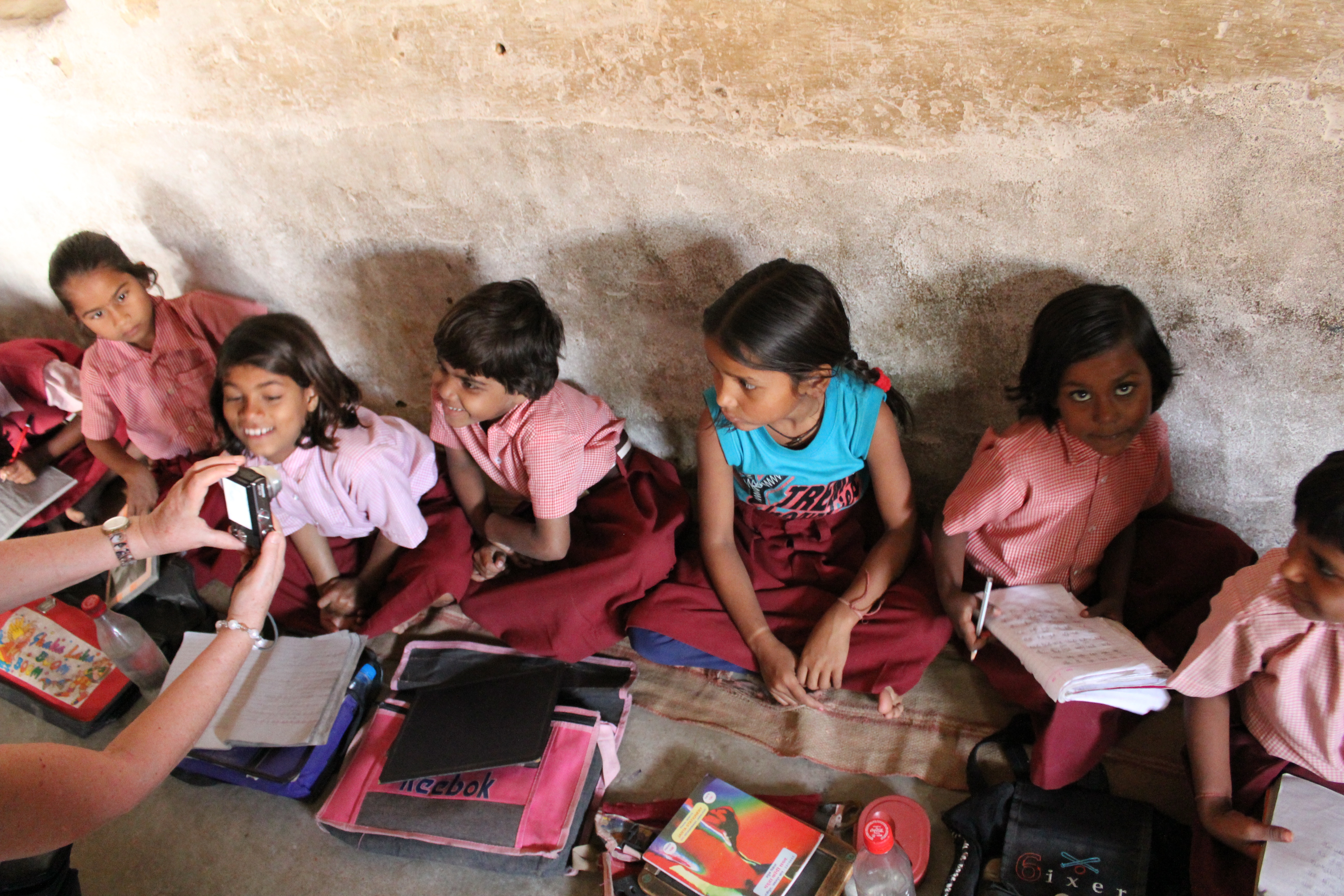
The power of the digital camera.

.

Arrived at our destination. The back of our Rickshaw driver.

.
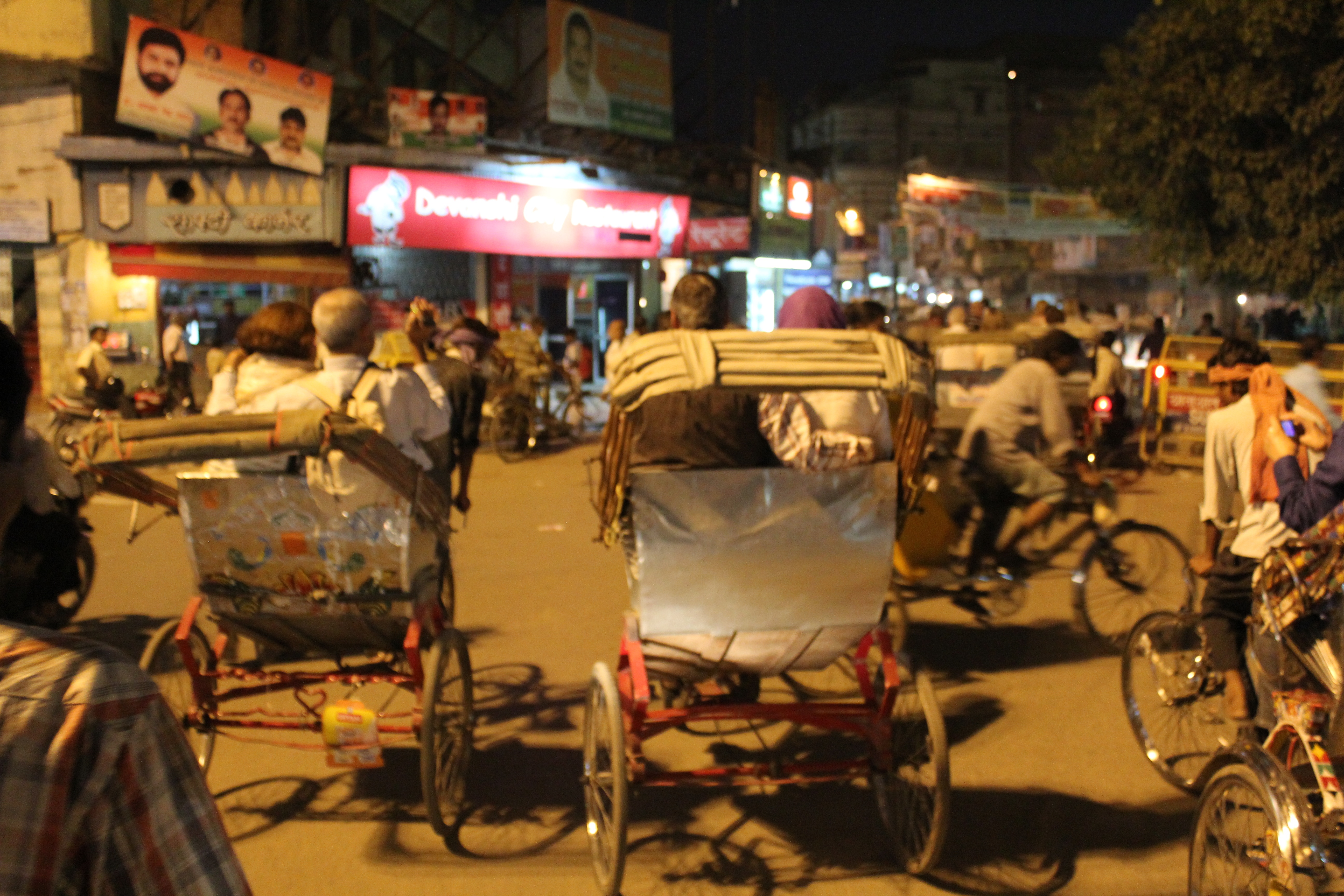
….and they’re off.

.

He eventually overtook the Tuk-Tuk. You could hire them for a full day for 100 rupees (about £1).

.
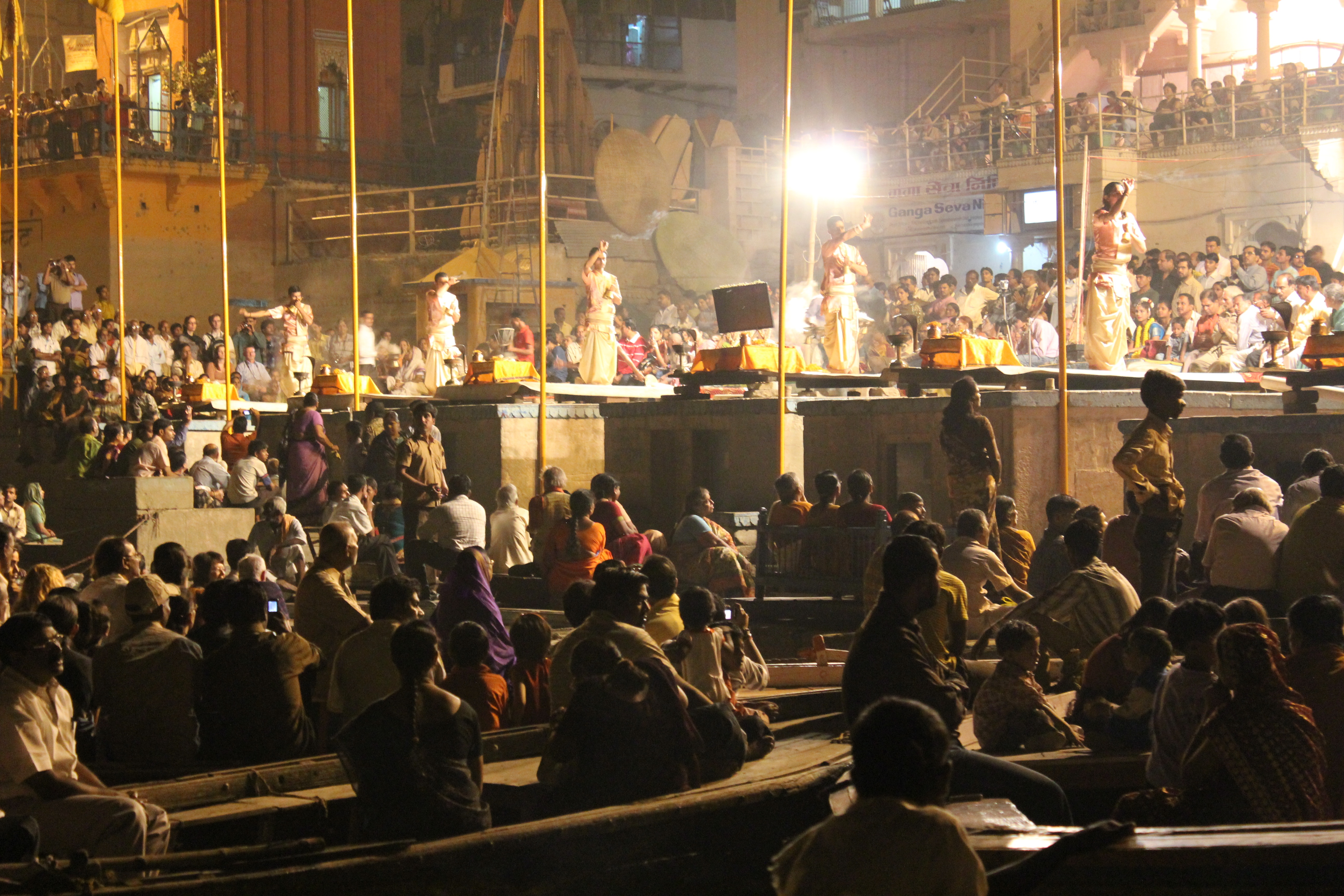
We arrive at the Varanasi Ghat. October 2010.

.

Sat in boats, we watched one of the Varanasi festivals.

.
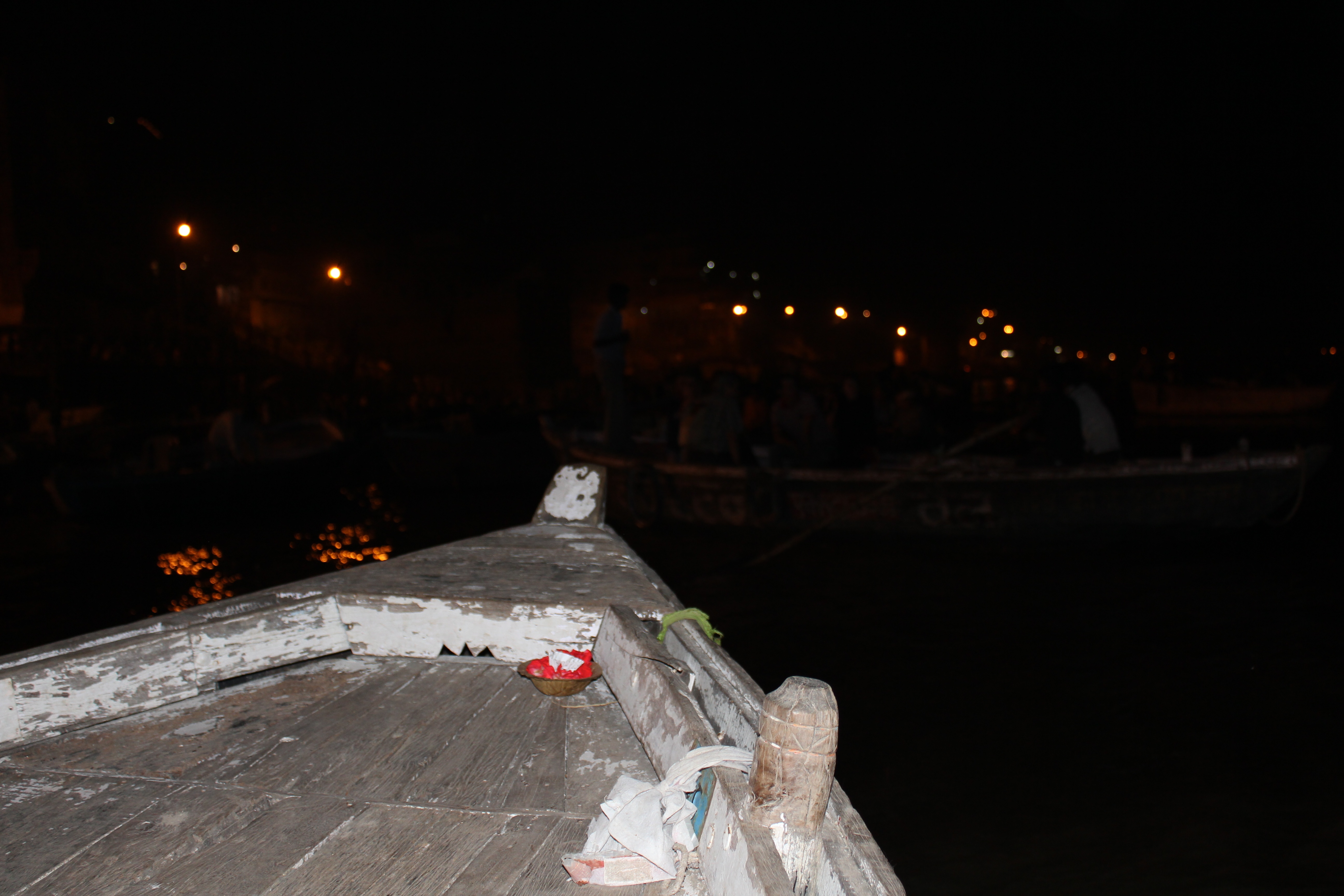
After the festival we headed down the Ganges to see one of the Ghats.

.

There were a mixture of bathing and cremation Ghats, this one obviously has a cremation in progress.

.
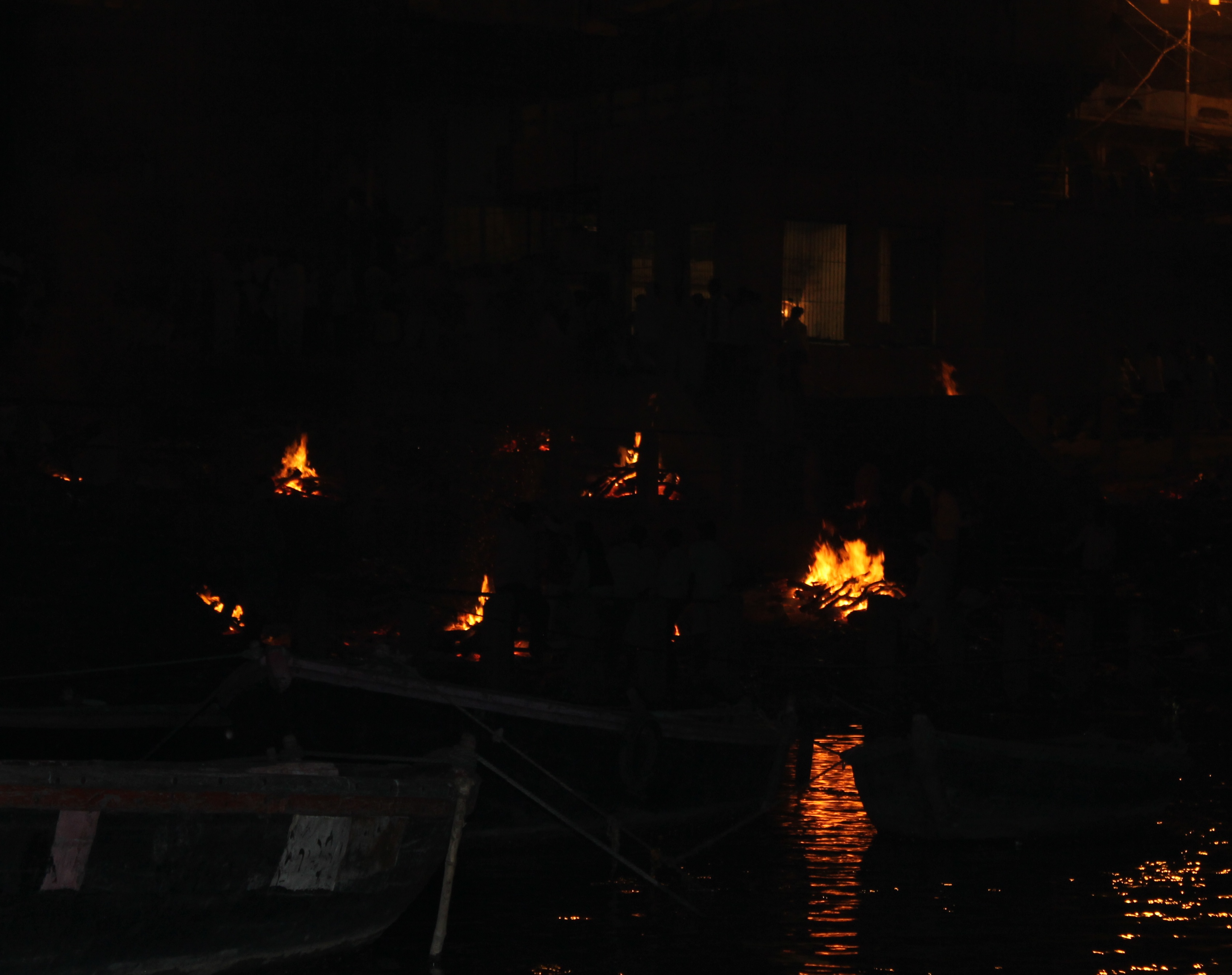
We go back to the Ganges the next day to see the sunrise. So, there will be some daylight photographs of the Ghats and the local area.

The end

I hope you managed to stay awake, if so there will be a Part 6 next week. I take a boat ride down the Ganges and see an amazing sunrise..

 Photographs and Blog copyrighted to Harvey Black.

<
Barbarossa, Germany’s invasion of the Soviet Union. Part 4

I have just finished writing my third novel in the Devils with Wings series, Devils with Wings: Frozen Sun. The Fallschirmjager, after their successful battle taking Crete in only 10 days, are shipped to Poland to partake in Operation Barbarossa, the German invasion of the Soviet Union.

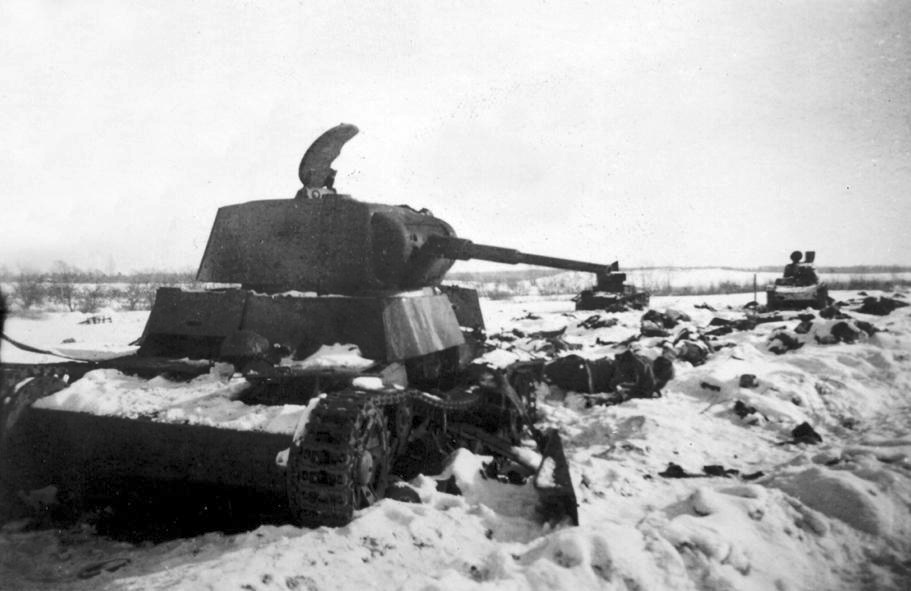
They leave temperatures in excess of forty degrees to be used, not in an airborne operation, but as a fire brigade, plugging gaps in the line around Leningrad. They were Army Group North’s strategic reserve.  They were quickly placed into the fray, fighting along the River Neva, where temperatures dropped to below -30 degrees, sometimes as low as -40. They were successful at plugging the gaps and preventing the Soviet Union from exploiting their bridgeheads over the River Neva, but at a price. Some units suffered up to 75% casualties. Many who had survived the assault on the Fortress Eben Emael, (Devils with Wings) and the fierce fighting on the Island of Crete (Devils with Wings: Silk Drop) met their fate in this bitter struggle with the atrocious weather and the never ending Soviet hordes.

The German Army, and the Fallschirmjager, were soon to experience the hostile Russian winters.

Now across the Daugava near Daugavpils, Army Group North was in striking distance of Leningrad. As a result of their worsening supply situation, Hitler ordered the Panzer Groups to hold their positions, giving the infantry a chance to catch up.

This held Army Group North’s advance up for over a week, giving the Soviets an opportunity to build up their defences around the city of Leningrad, and along the banks of the River Luga.

The delays gave the Soviets time to gear up for a massive counter-attack against Army Group Centre whose ultimate objective was Smolensk, which guarded the road to Moscow, where they faced 6 Russian armies. On the 6th July, the Soviets attacked with over 700 tanks, but it was crushed by overwhelming German air superiority. After defeating the counter-attack, 3rd Panzer Army closed on Smolensk from the north, while 2nd Panzer Army, after crossing the River Dnieper, closed on Smolensk from the south.

By the 18th July, the two Panzer Groups came within 10 miles of closing the gap to trap three Russian armies, but it was a further 8 days before it could be closed. 300,000 Soviet soldiers were captured, 100,000 escaping to help bolster the defences of the road to Moscow.

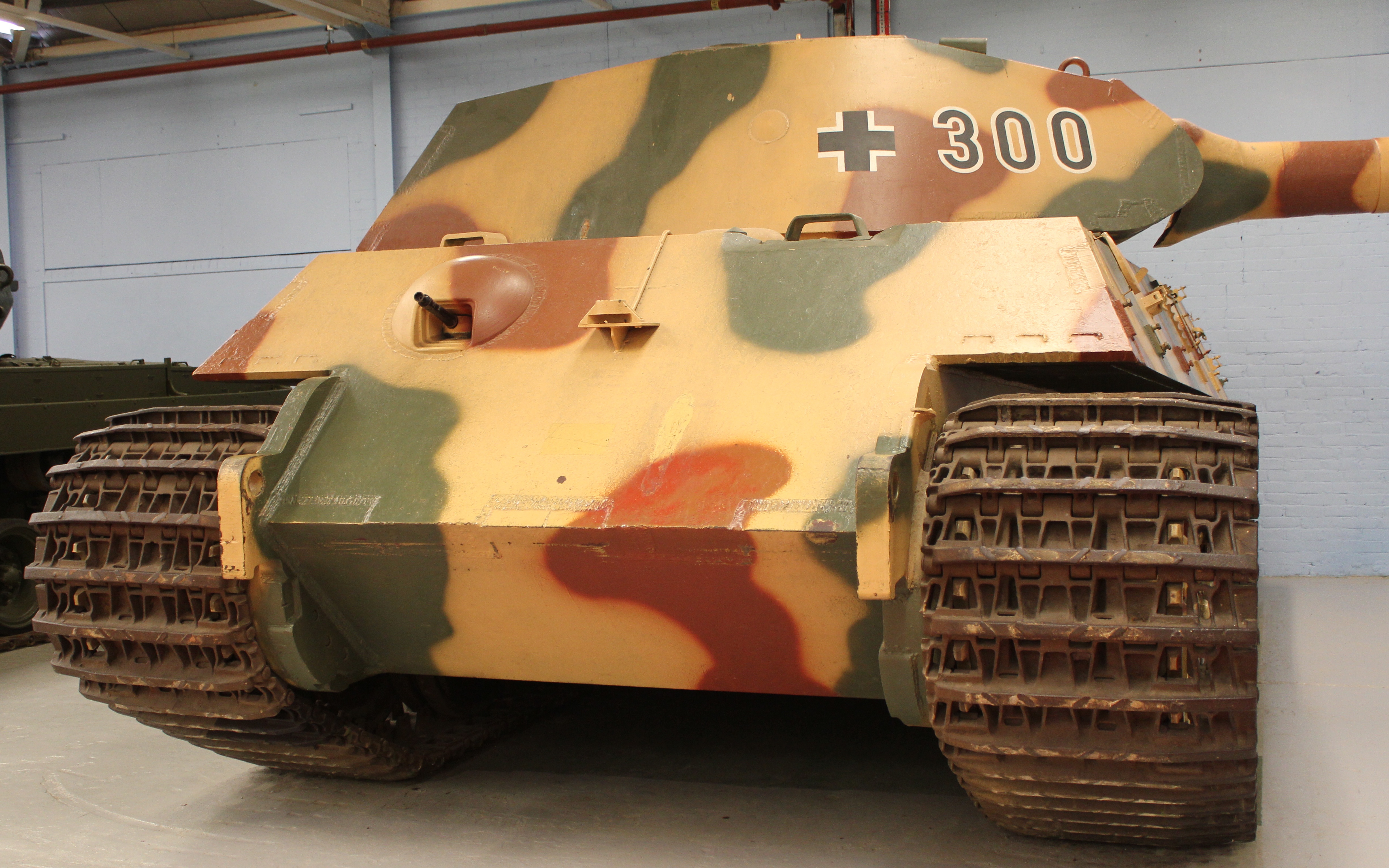
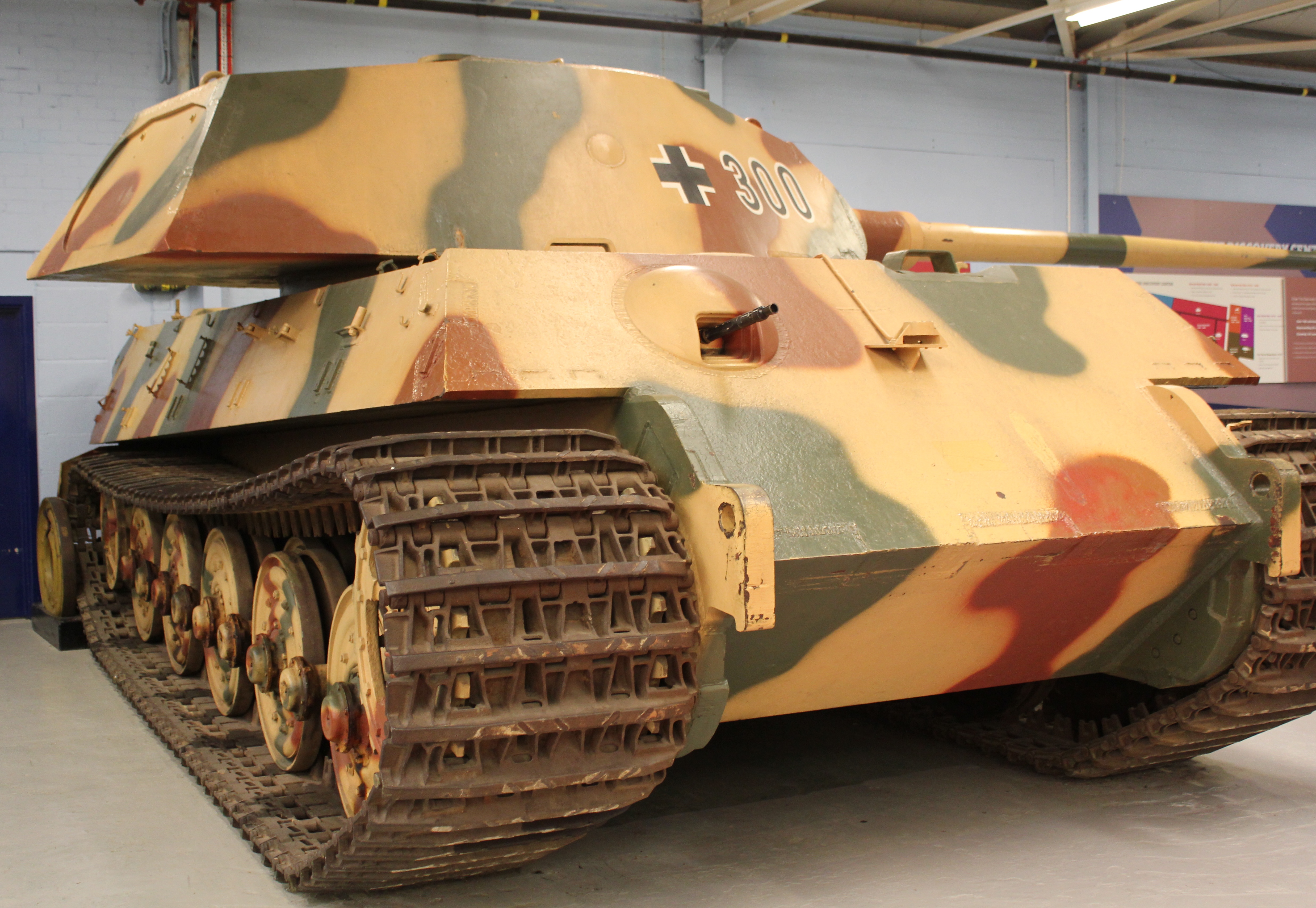
Some of the types of equipment used in this biggest ever invasion of a country are shown below. Most of the photographs were taken at the Bovington Tank Museum.

Panzer VI Model B, Sdkz 182. 

.

The Royal or King Tiger.

.

Crew of 5, 150mm armour with a top speed of 35kph.

.

1 x 88mm gun and 2 x 7.92mm MGs.

.

68 tons.

.

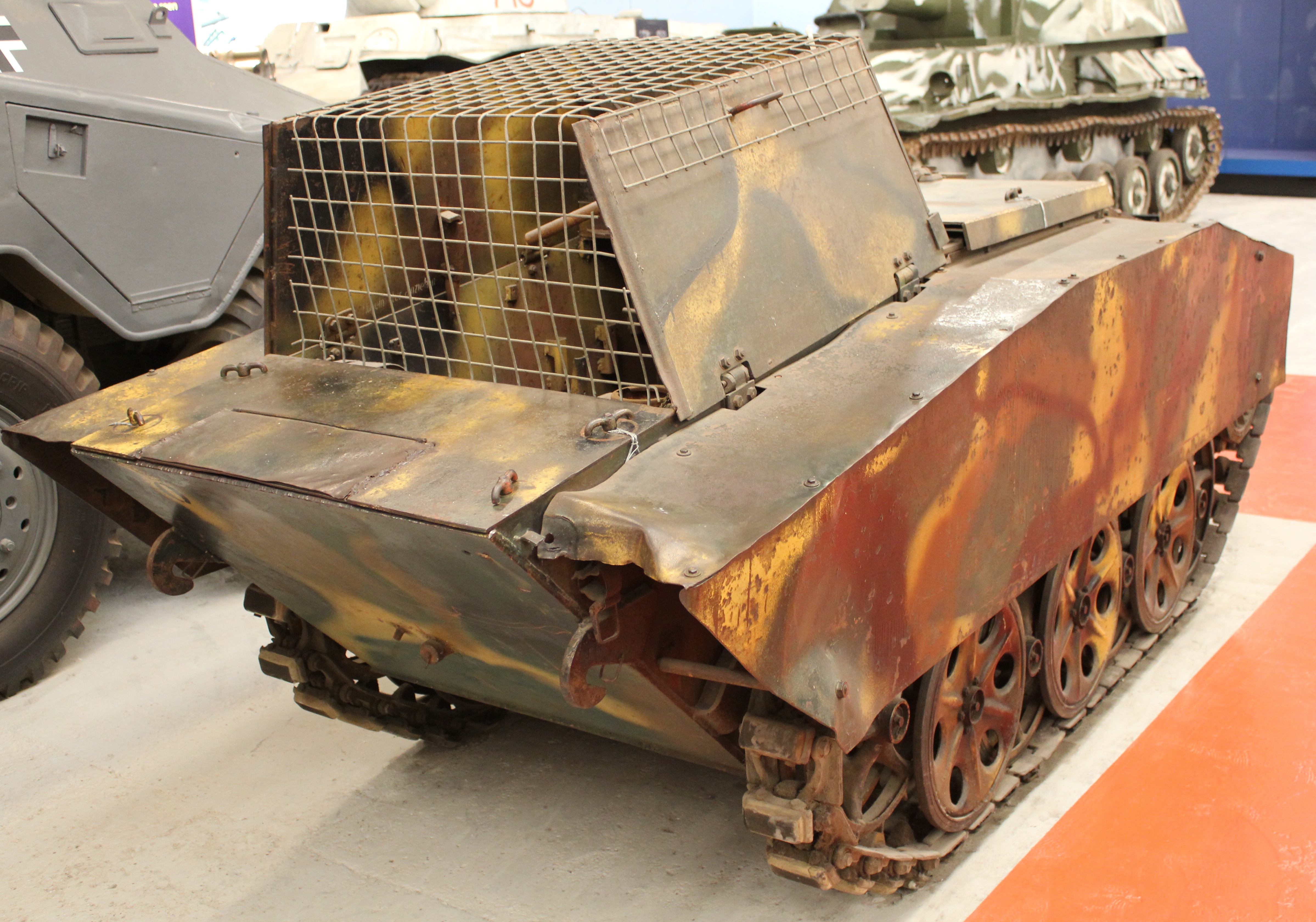
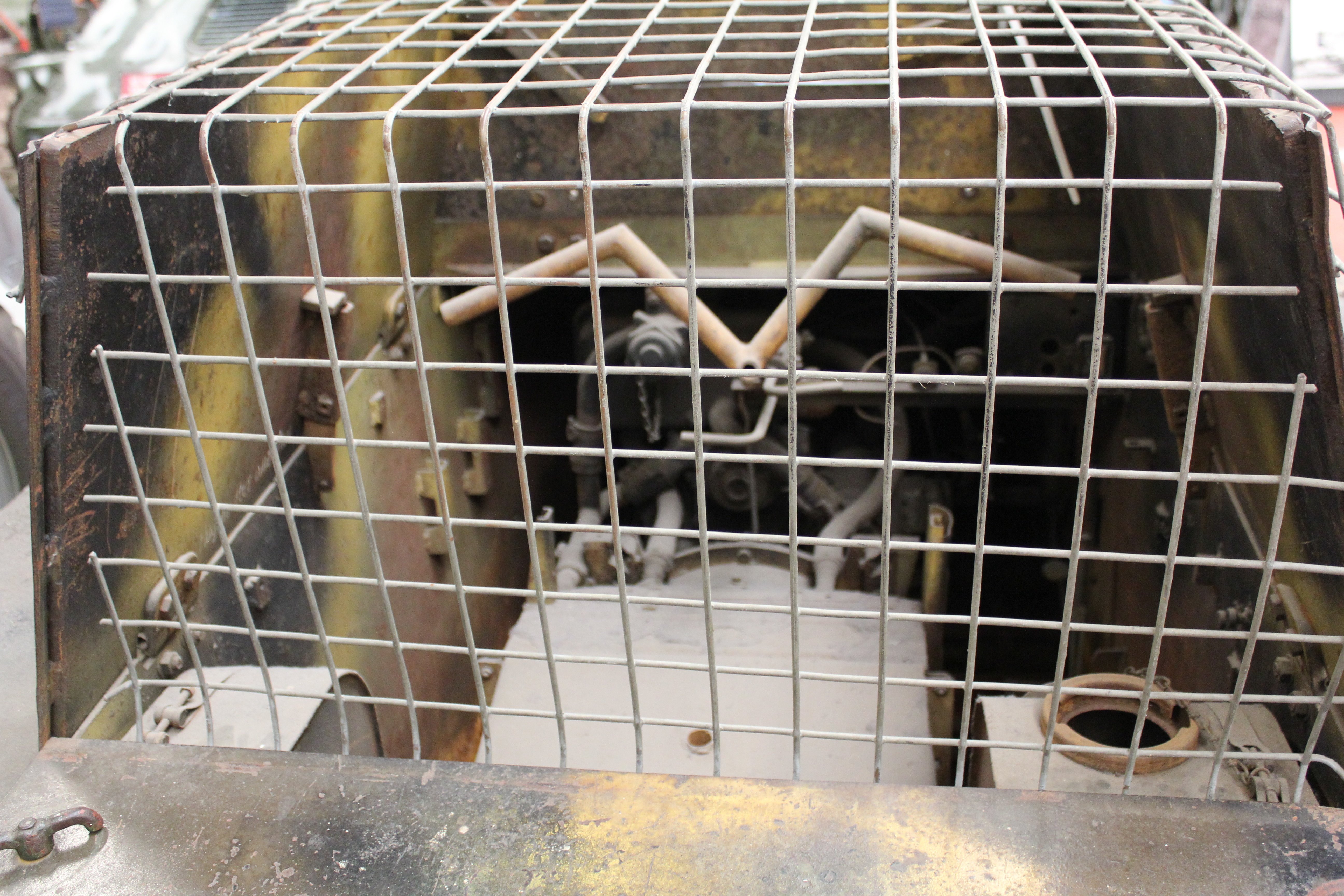
Not all armoured vehicles were huge. This NSU Springer SdKfz 304, is a mobile bomb on tracks.

.

Crew of 1, armour 10mm, weight 2.4 tons, 330 kilograms of explosives onboard.

.

Drivers compartment, top speed of  42kph.

.

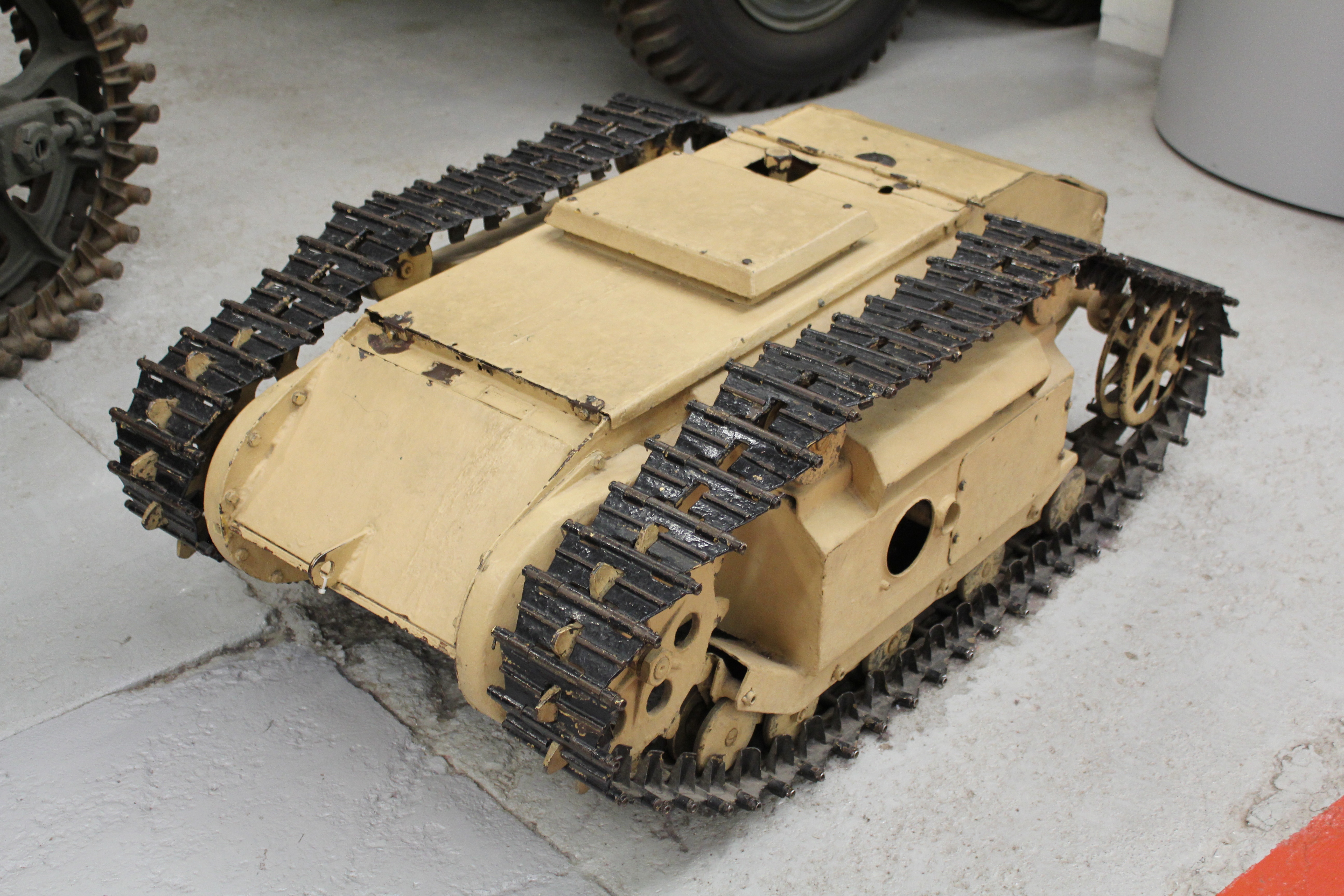
Sd Kfz 303, Leichte Ladungstrager. The Goliath, remote-controlled, tracked mine was even smaller. 1.2m long, o.61m wide and .3m high. It carried up to 100 kilograms of explosives.

.

.

Used for destroying tanks, disrupting infantry formations and demolition of buildings. Powered by a Zundapp 703cc, two-cylinder engine.

Video clip of one in action.

.

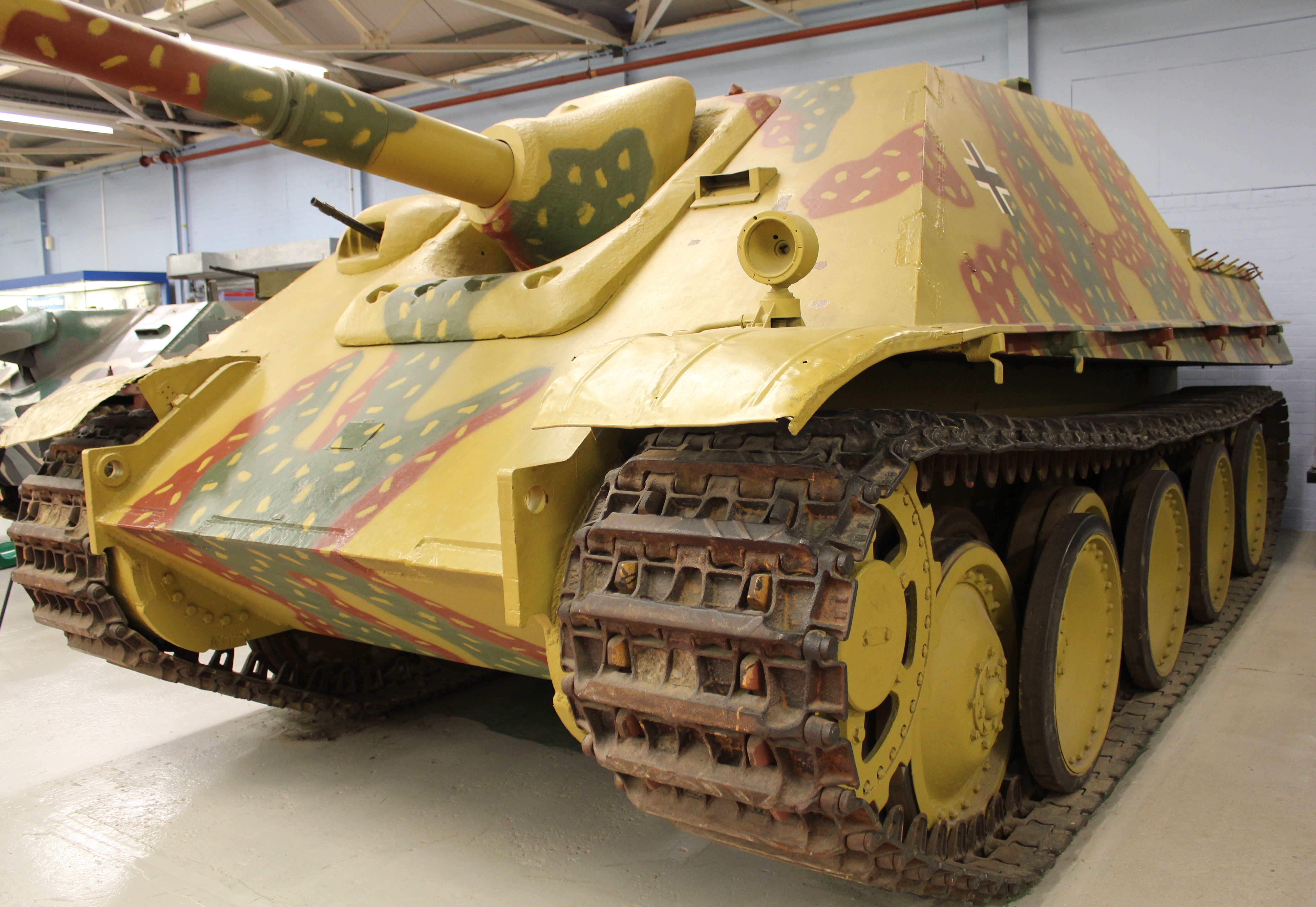
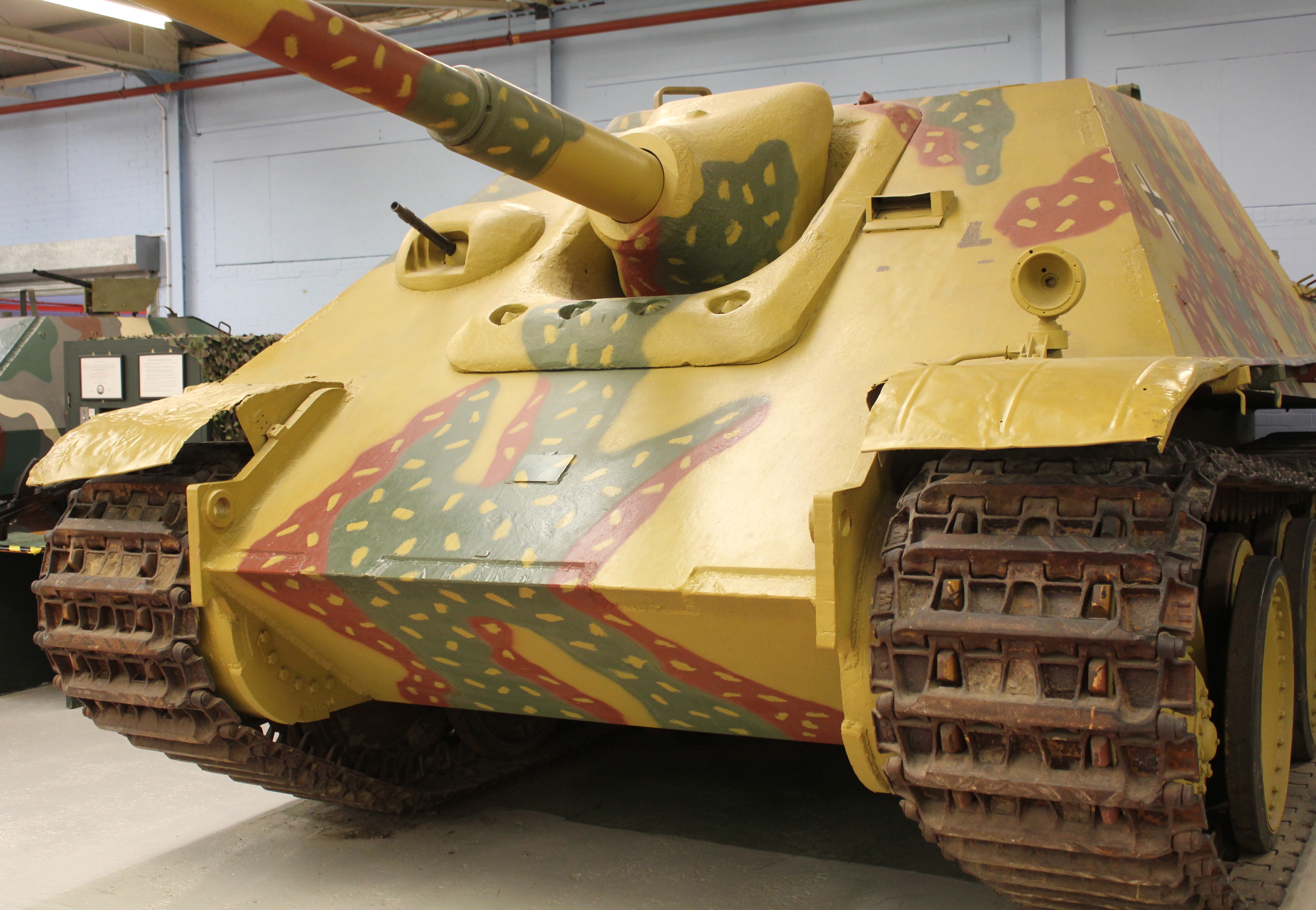
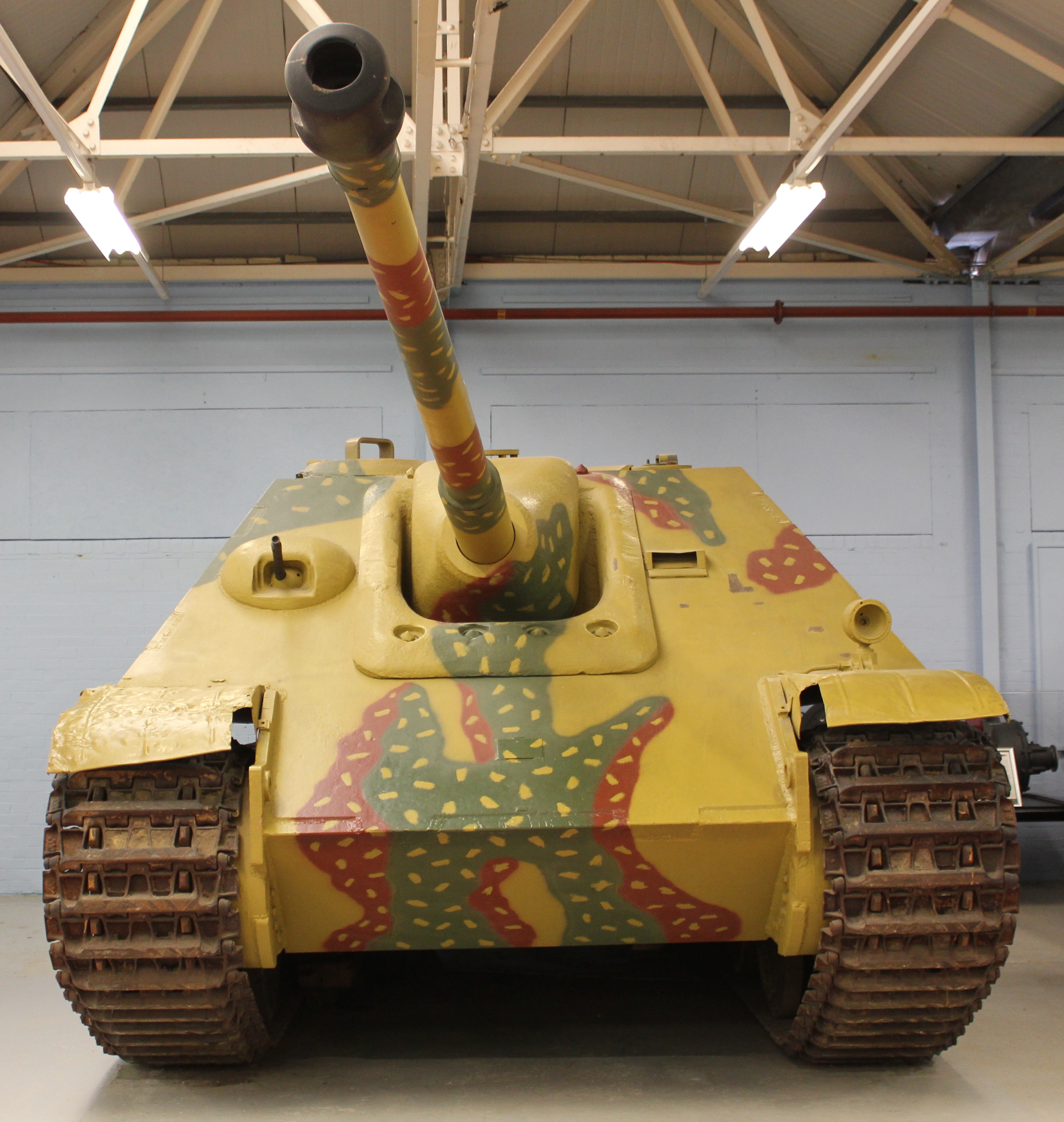
88mm Panzerjager. Jagdpanther, SdKfz 177.

.

Hunting Panther, with an 88mm PAK43 gun.

.

Crew of 5, 80mm armour with a top speed of 47kph.

.

45.5 tons. Mantlet 100mm thick, Entered service in the Summer of 1944.

.

My intention is not to portray a particular message, but just share some of my photographs and information with you and help set the scene for my forthcoming novel.

Photographs and Blog is copyrighted to Harvey Black

41BGbEG9IpL._BO2,204,203,200_PIsitb-sticker-arrow-click,TopRight,35,-76_AA300_SH20_OU02_

D-Day, June 6th, 1944. The Allied invasion France.

In remembrance of the brave soldiers who gave their lives during this historic day, I shall be looking at some of the Allied tanks on display at the Bovington Tank Museum.

The Royal Tank Regiment Memorial Statue, Bovington Tank Museum.

The above exhibit is the fibreglass model used to create the bronze statue that stands in Whitehall Place, London.

The Normandy landings, codenamed Operation Neptune, commenced on the 6th June, 1944 (D-Day).

The first phase, just after midnight, consisted of 24,000 British, American, Canadian and free French airborne troops landing behind enemy lines. There were also two decoy operations, Operation Glimmer and Operation Taxable, used to distract the German forces from the real Normandy landings.

Armour played a key role in helping secure the beaches, particularly Hobart’s Funnies. Below are pictures of some of the tanks displayed at the Bovington tank Museum and a few of the specialist tanks used on the day.

The Mark II’s were used as training tanks at Bovington camp. Due to a shortage of armour, they were sent to the front.This is the last surviving Mark II.

.

The Medium Mark A, the fastest tank of its time. A top speed of 8mph.

.

Crew of 3, 12mm armour.

.

14 tons. three -303in machine guns.

.

Medium tank Mark II. New sprung suspension

.

3 pounder gun. Serving in Egypt when WW2 broke out. Too slow at 15mph, so were buried with only their turrets showing and used as static defence.

.

Light Mark VIB. 35mph carrying a .50in machine gun.

.

Crew of 3, Reconnaissance tank weighing 5.2 tons.

.

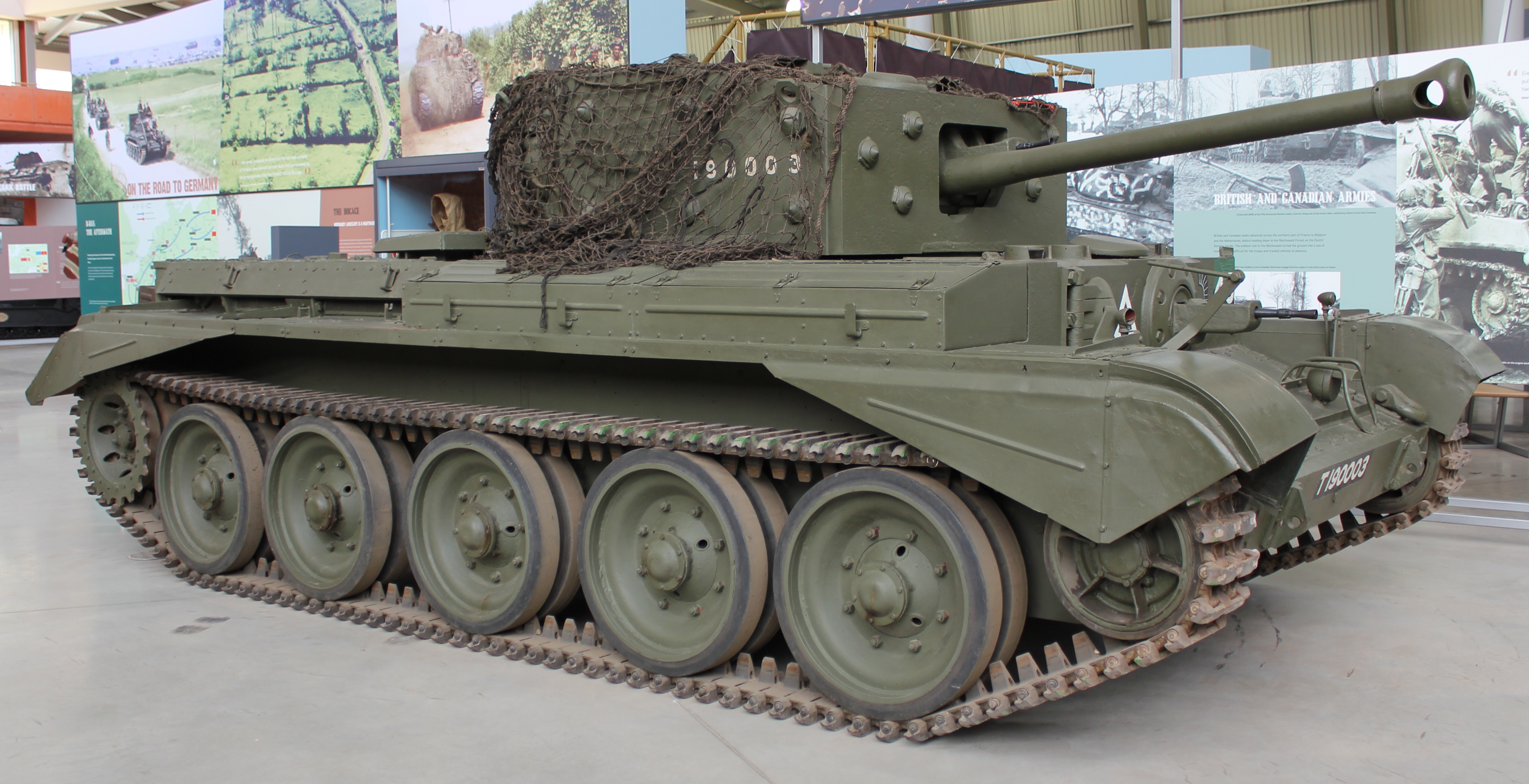
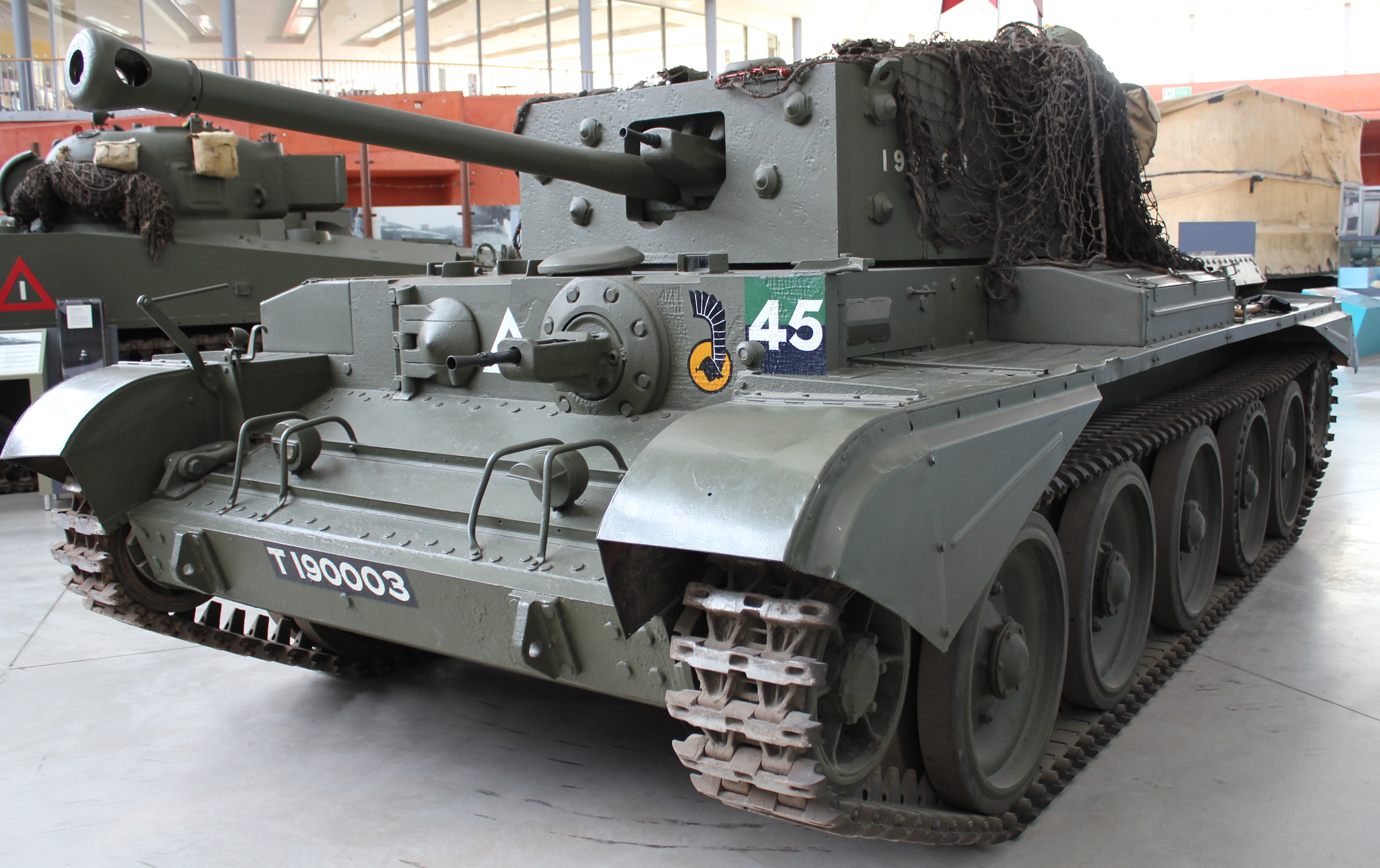
The Cromwell Cruiser Tank. Powered by a Rolls-Royce V12, fighter engine.

.

76mm main gun.

.

56mm of armour and a top speed of 35mph.

.

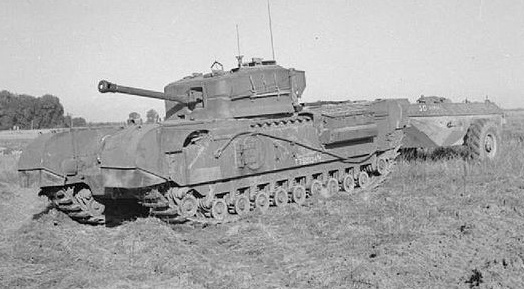
Churchill Crocodile. Modified by fitting of a flame-thrower. The flame-thrower had a range of 120 yards.

.

Churchill Crocodile with trailer, which held 400 gallons of fuel for the flame-thrower.

.

Sherman Firefly. The first tank to match the Tiger.

.

 76.2mm gun, 22mph, 75mm of armour.

.

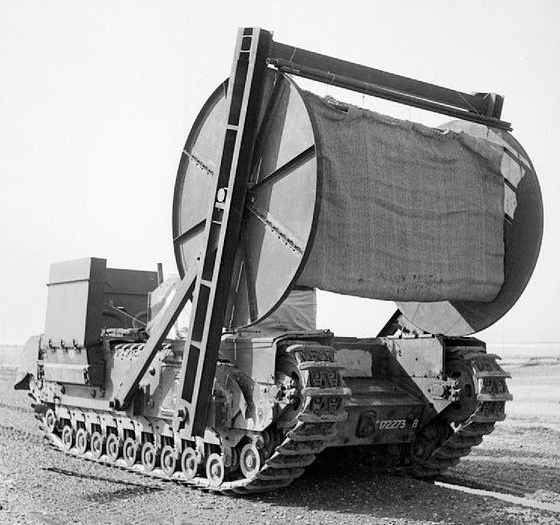
The Bobbin. A reel of 10-foot wide canvas cloth reinforced with shell poles. Unrolled onto the ground to allow tanks to move across the soft sand.

.

Sherman Crab mine-clearing tank.

.

A real Mark IV tank?

.

Well?

.

No. It is in fact a prop that was made for the Steven Spielberg film ‘War Horse’.

My intention is not to portray a particular message, but just share some of my photographs and information with you and help set the scene for some of my novels.

Photographs and Blog are copyrighted to Harvey Black

Delhi to Katmandu, Part 5

In 2010, I went on an amazing trip, from Delhi to Katmandu. I just want to use this Post to share with you some of the photographs I took on the way. Both were amazing countries and India was particularly vibrant and exciting. Some of the photos were taken through vehicle windows, so i apologise for the poor quality.

I don’t propose to write very much, I am supposed to be editing my third novel,  Devils with Wings: Frozen Sun, and starting on my new ‘Cold War’ series. So please just enjoy the pictures.

The journey continues….

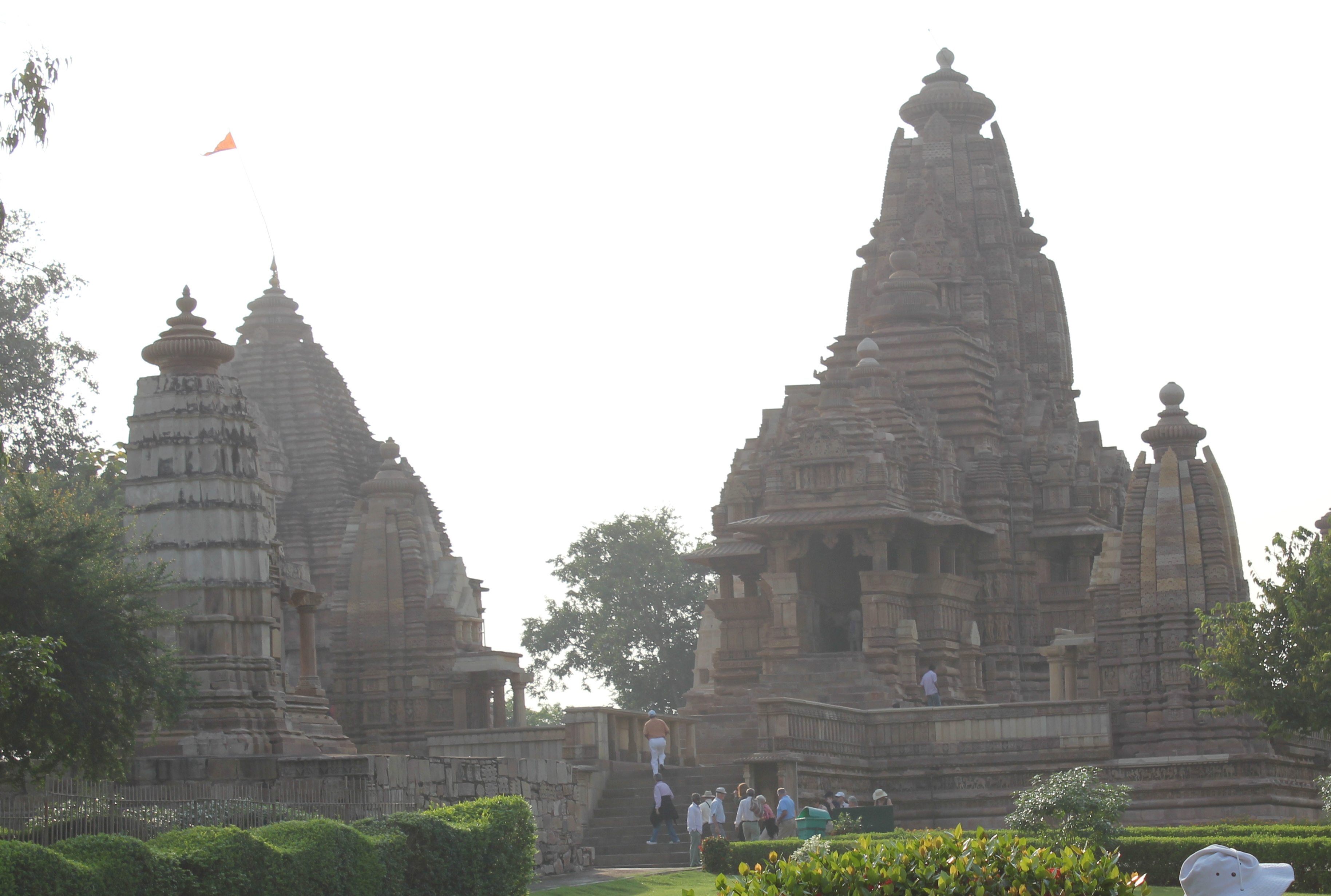
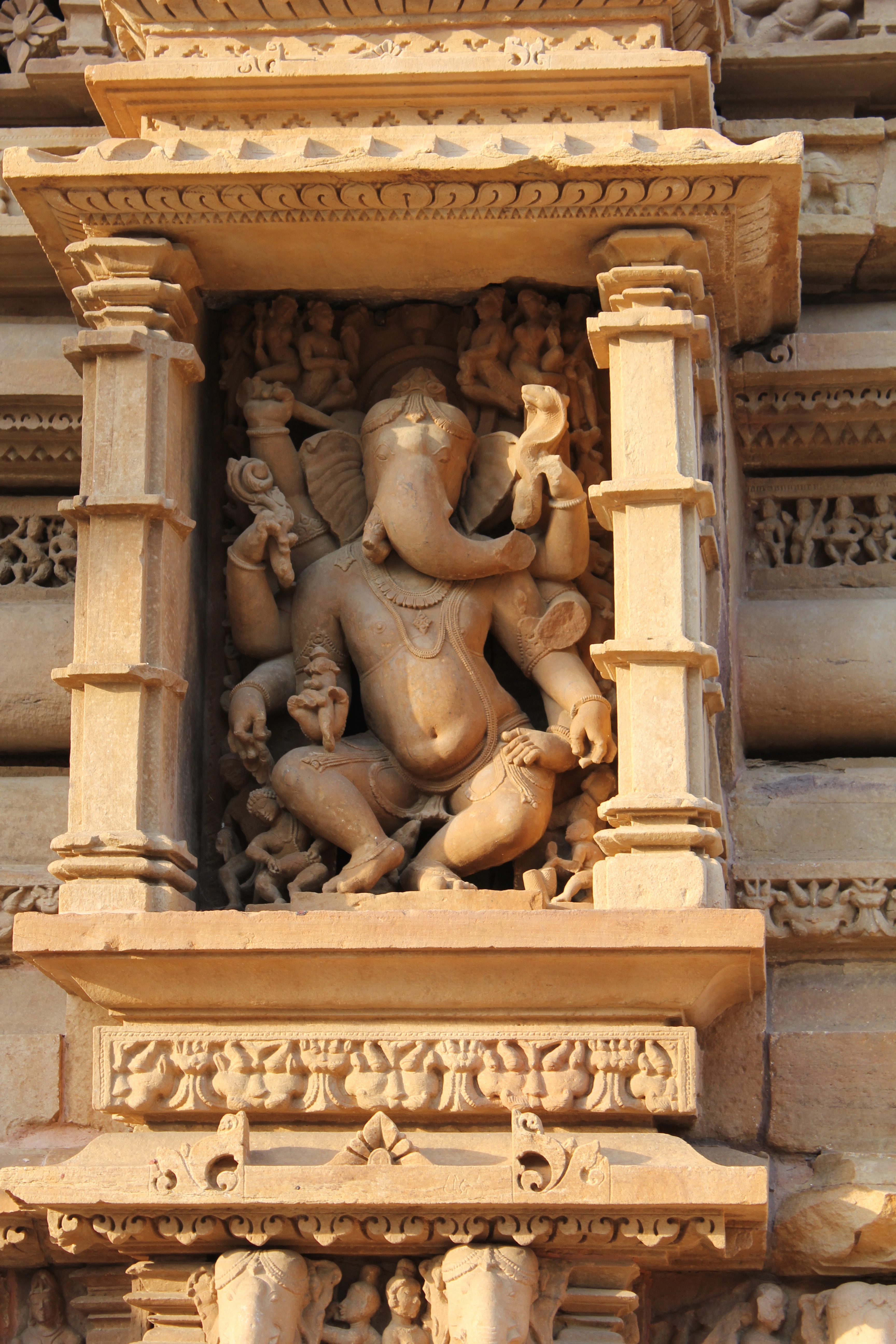
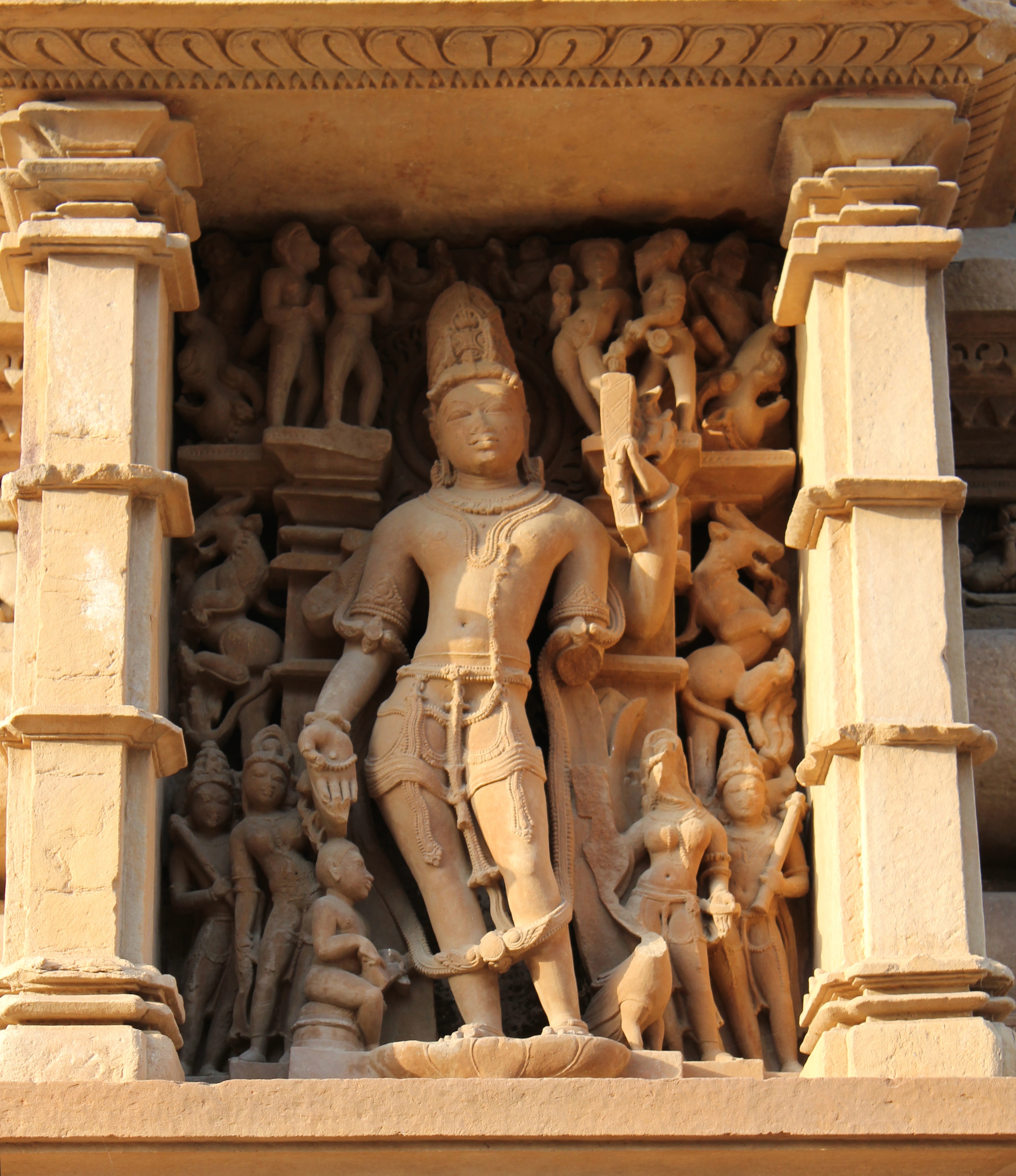
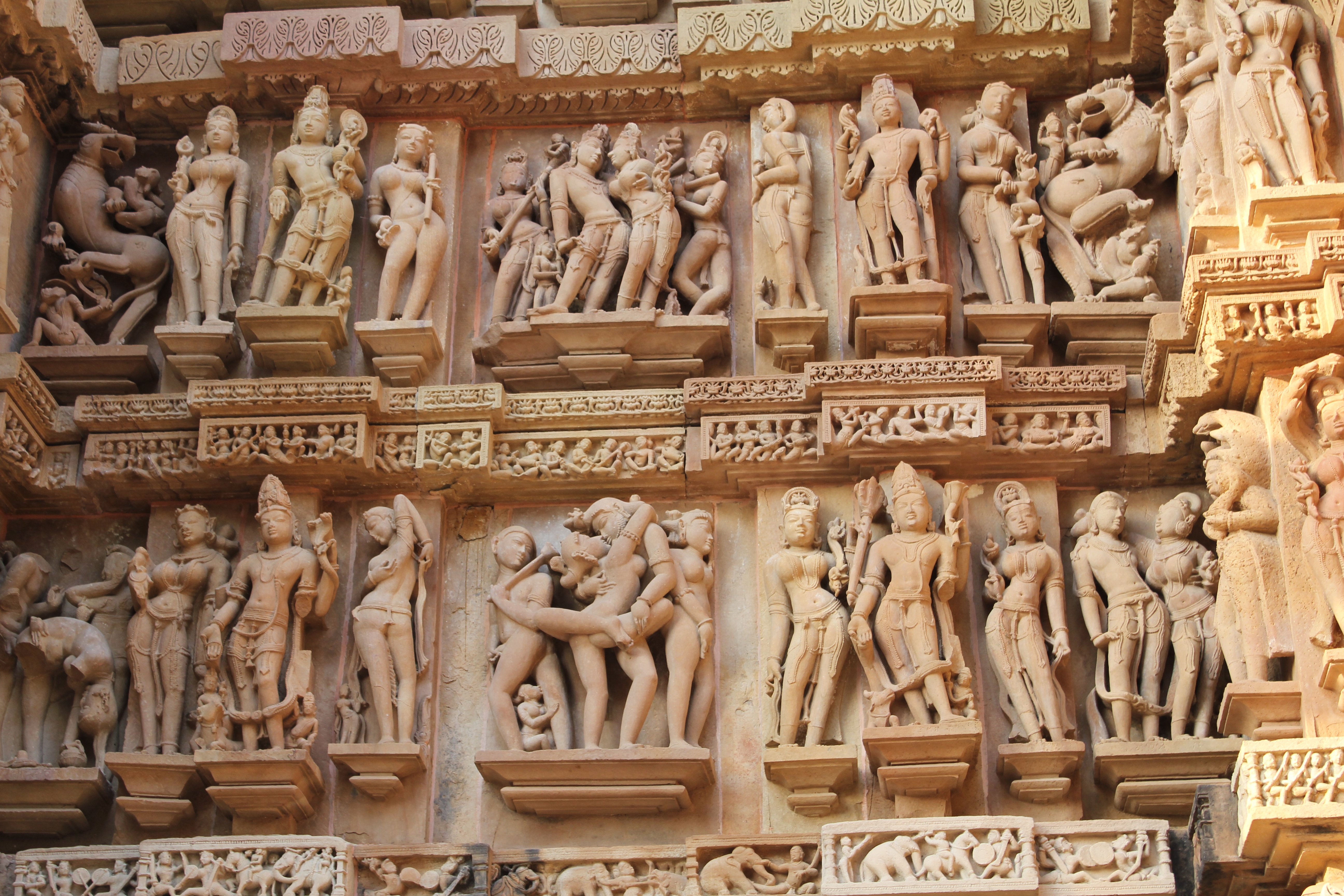
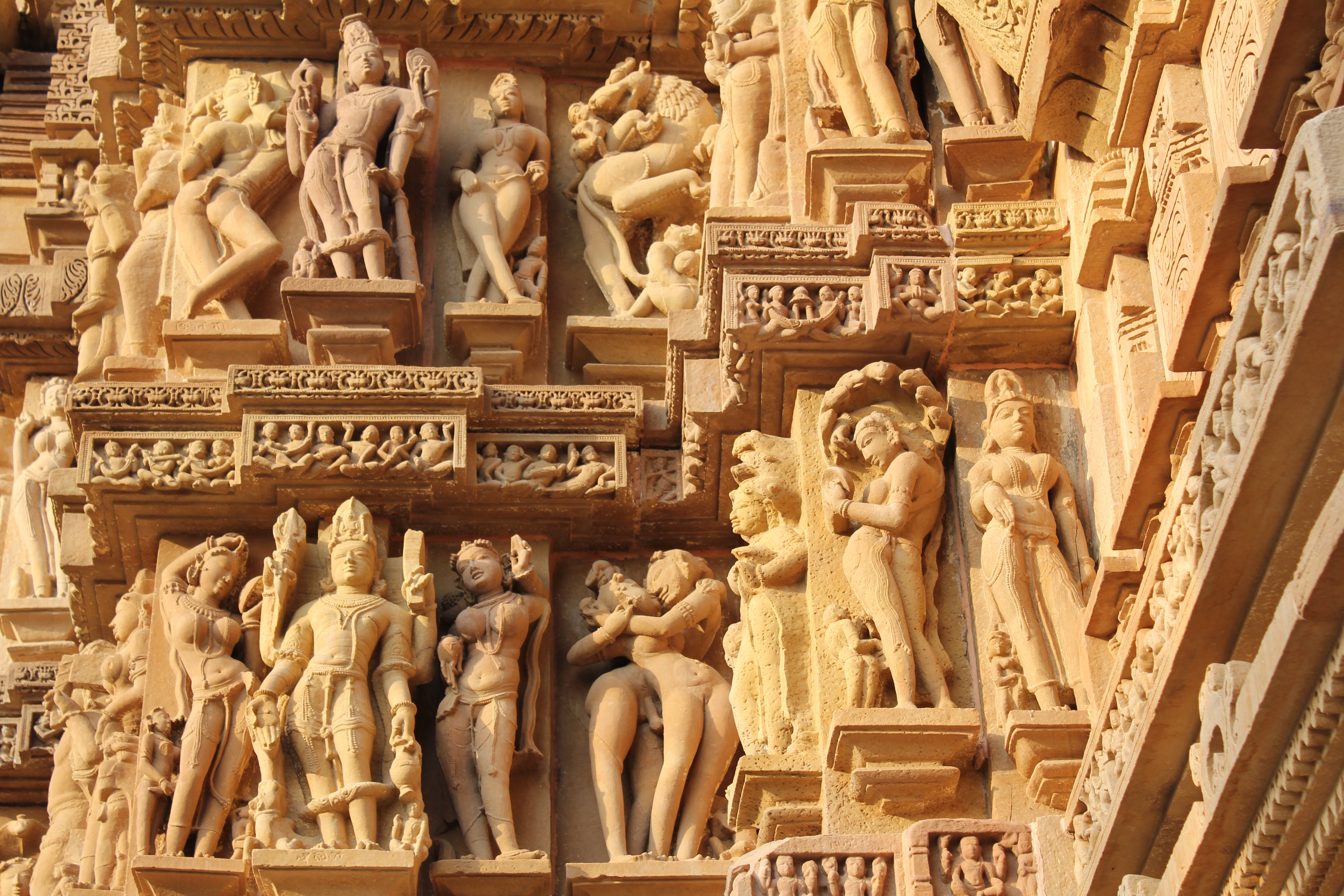
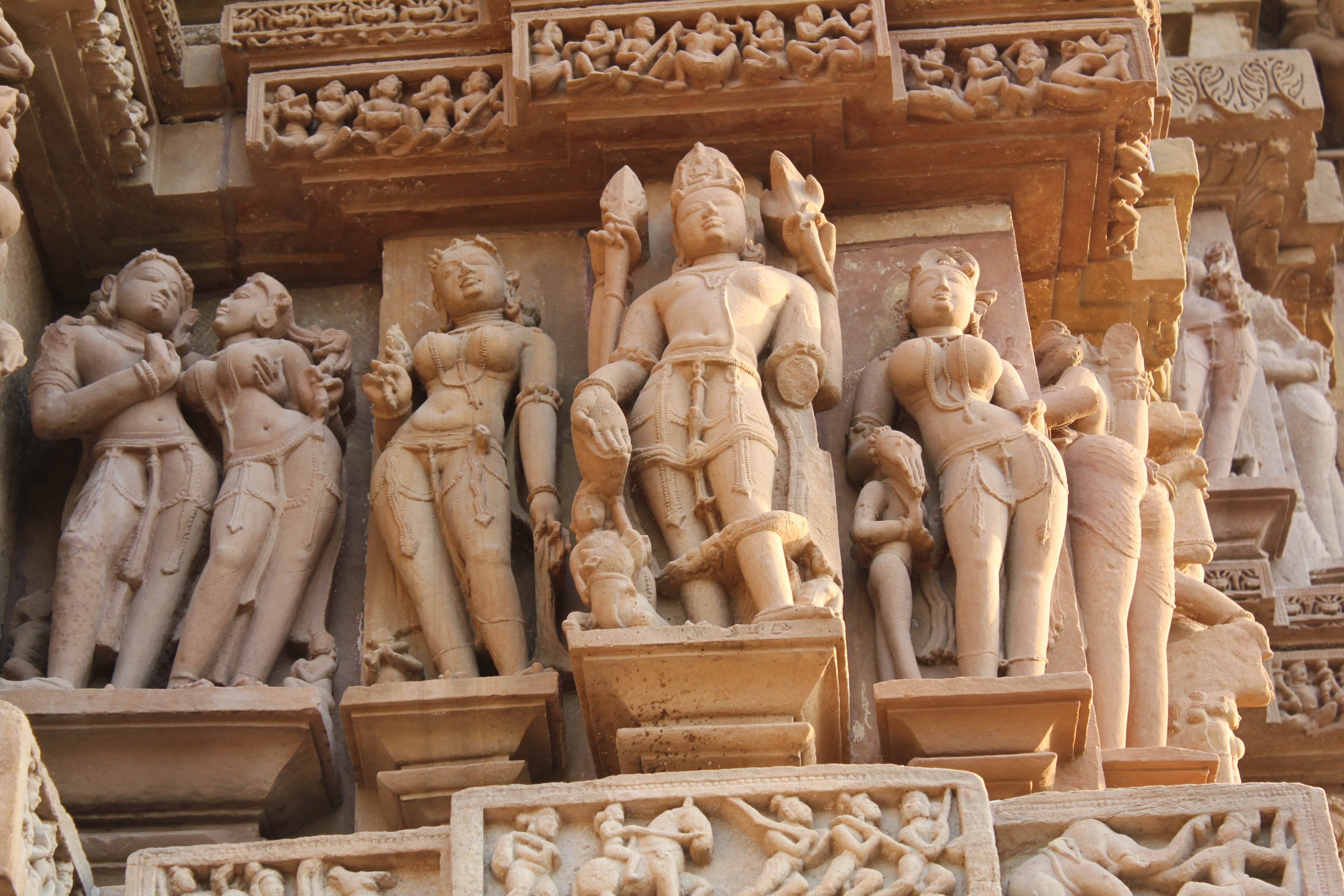
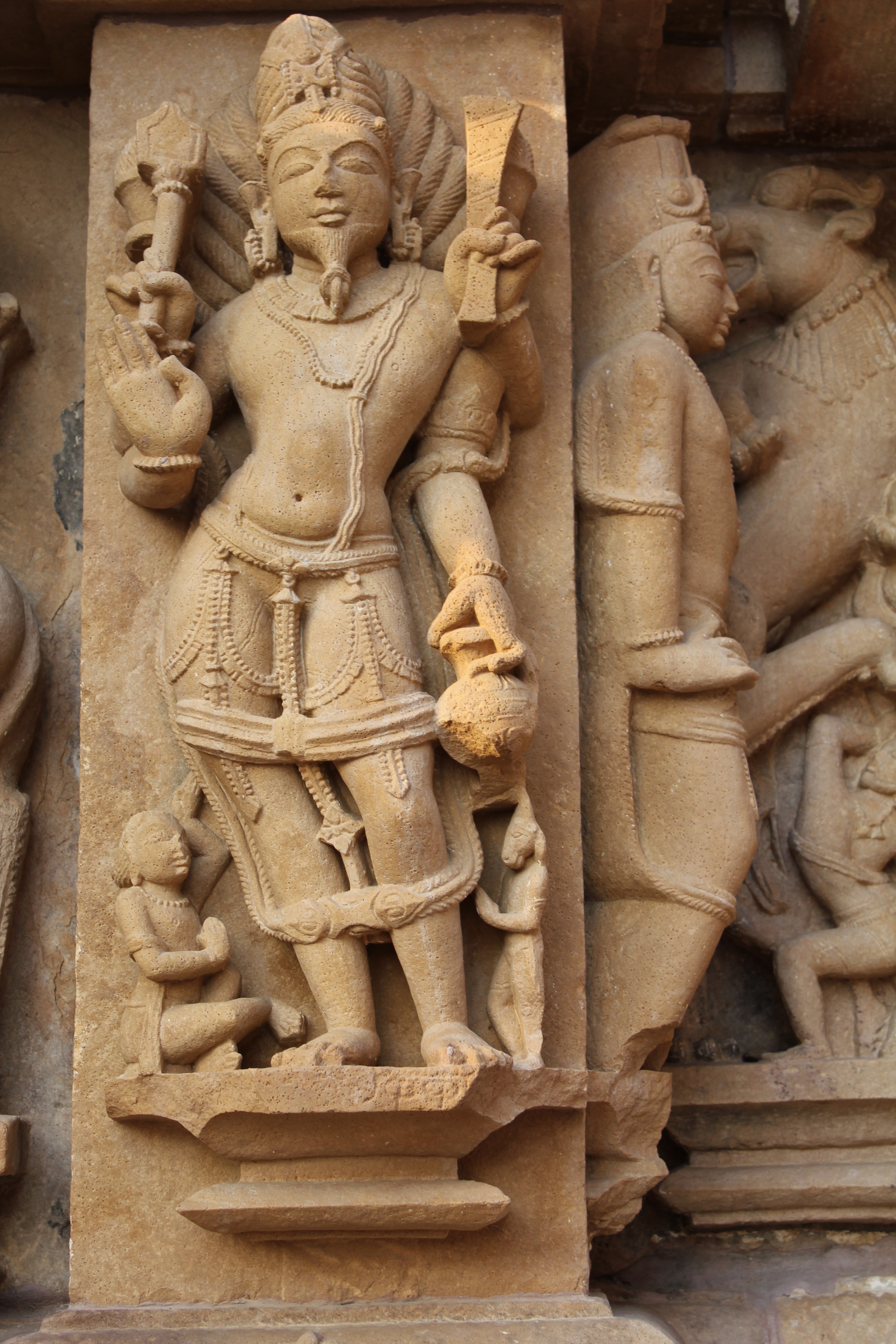
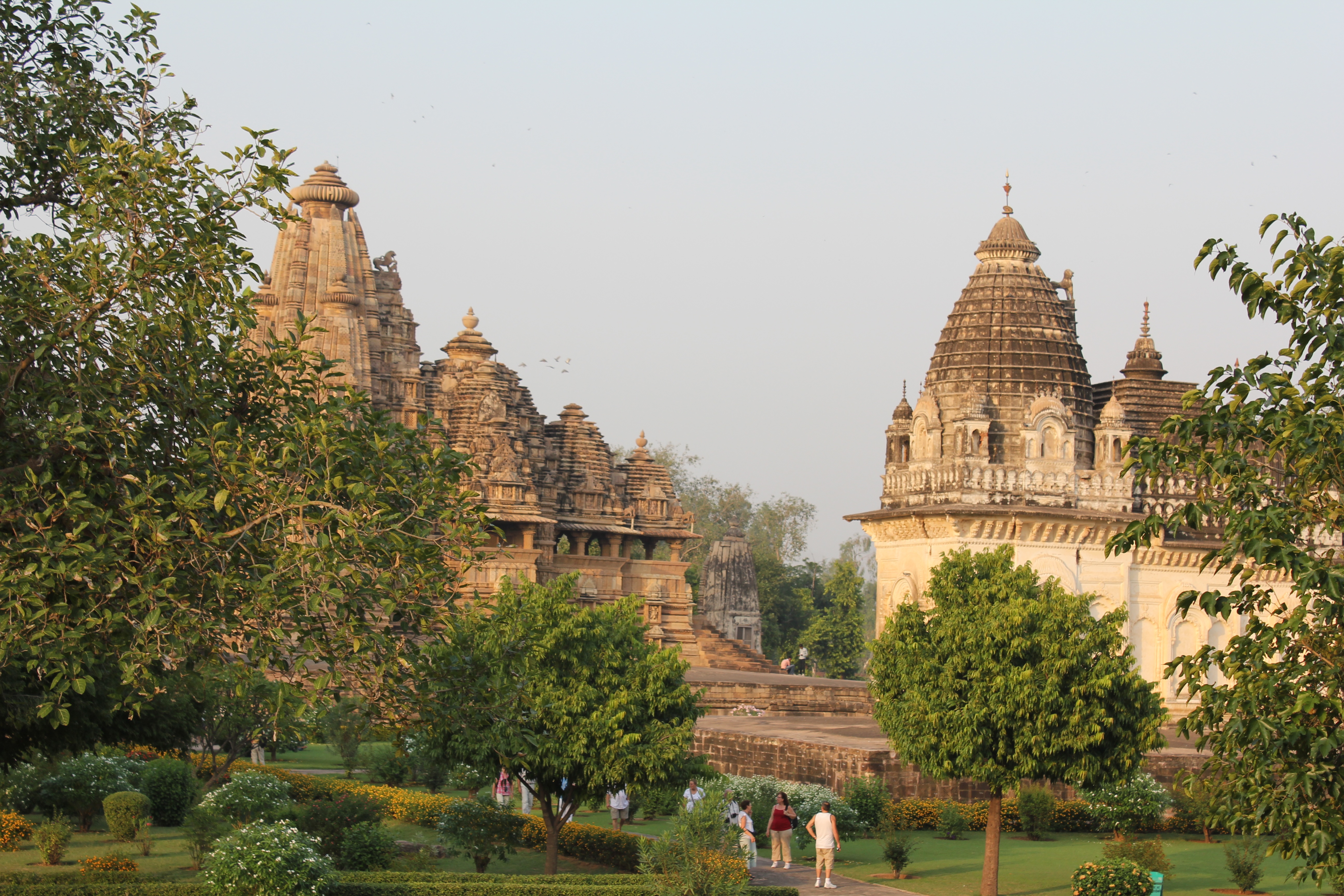
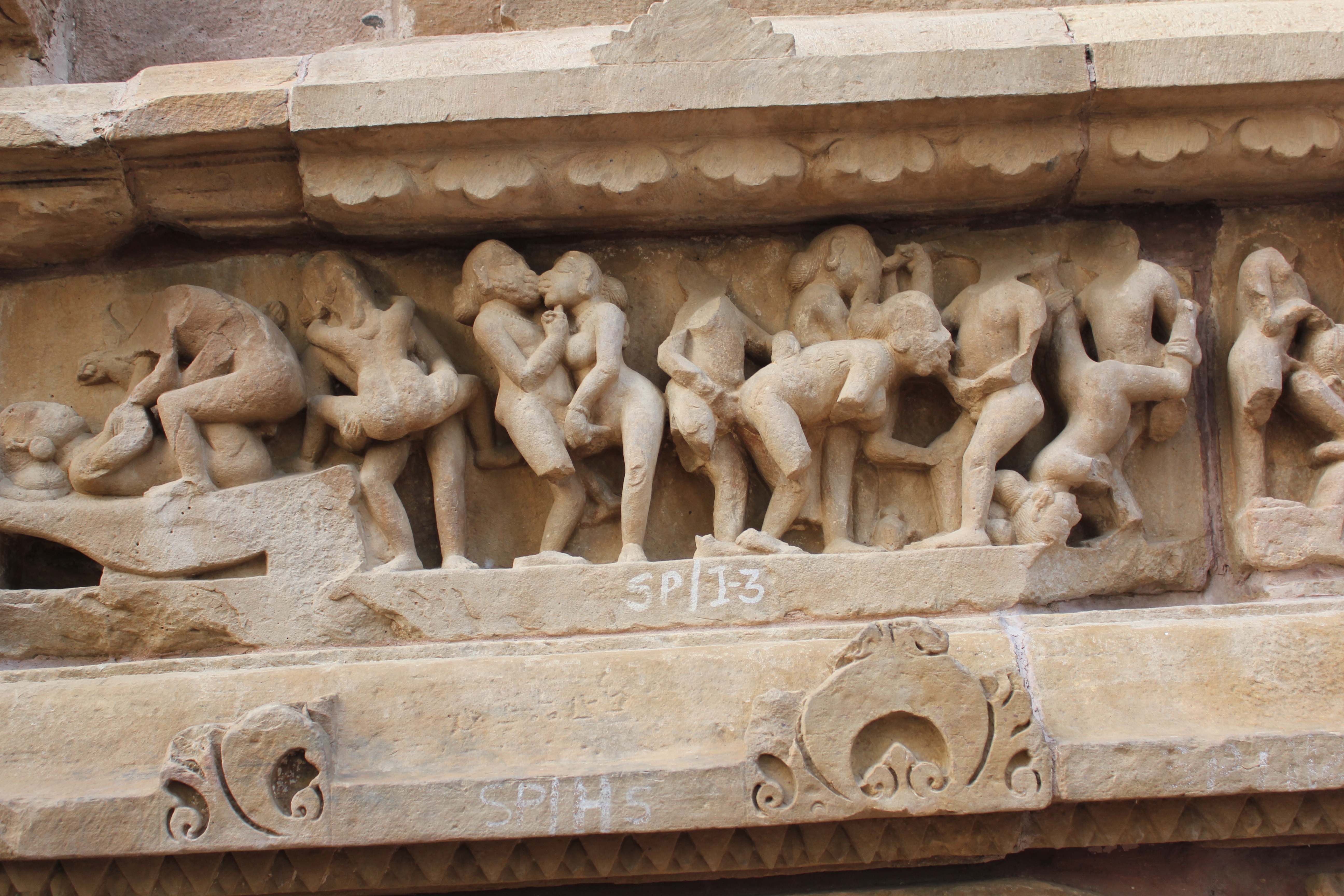
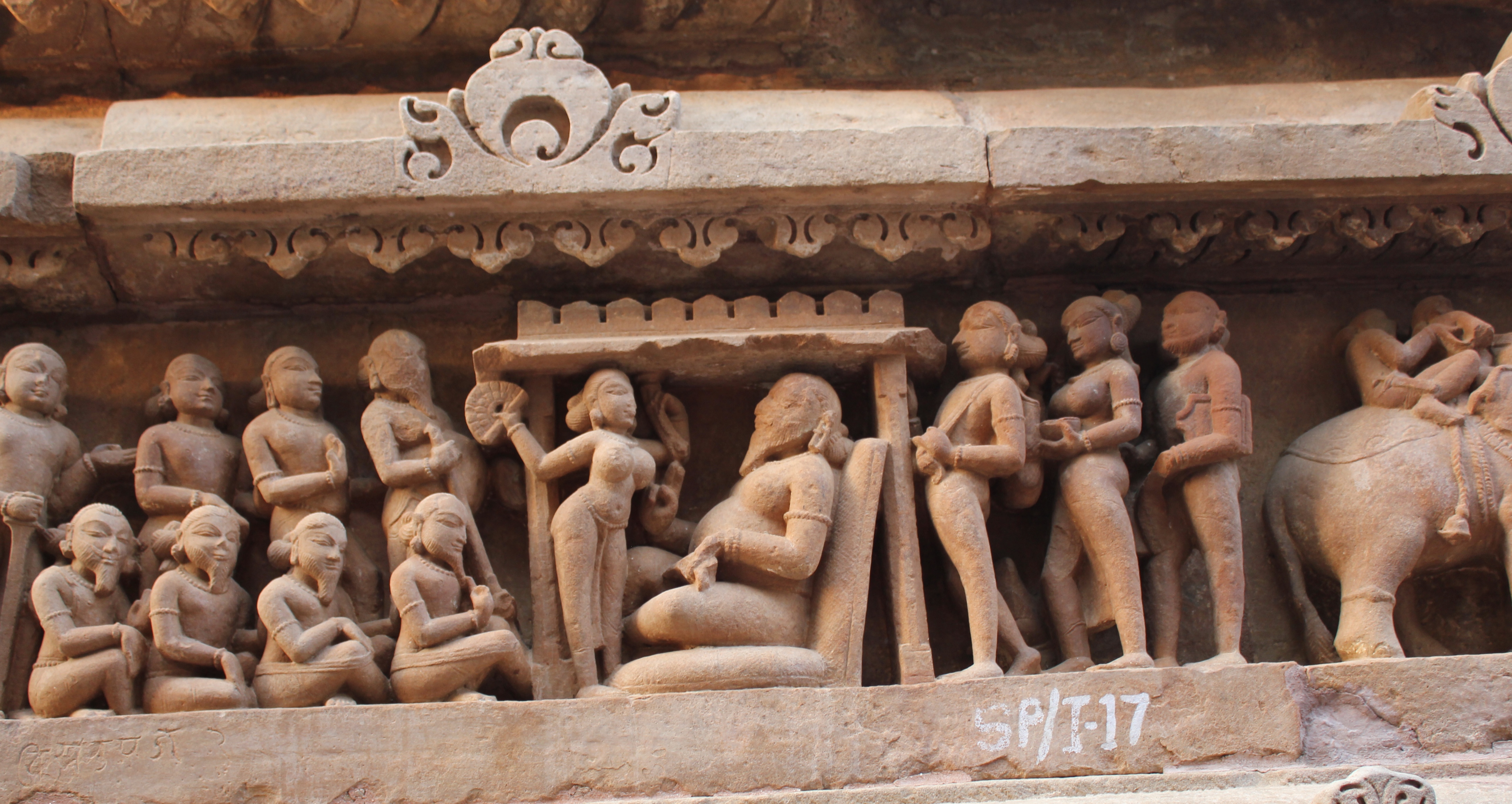
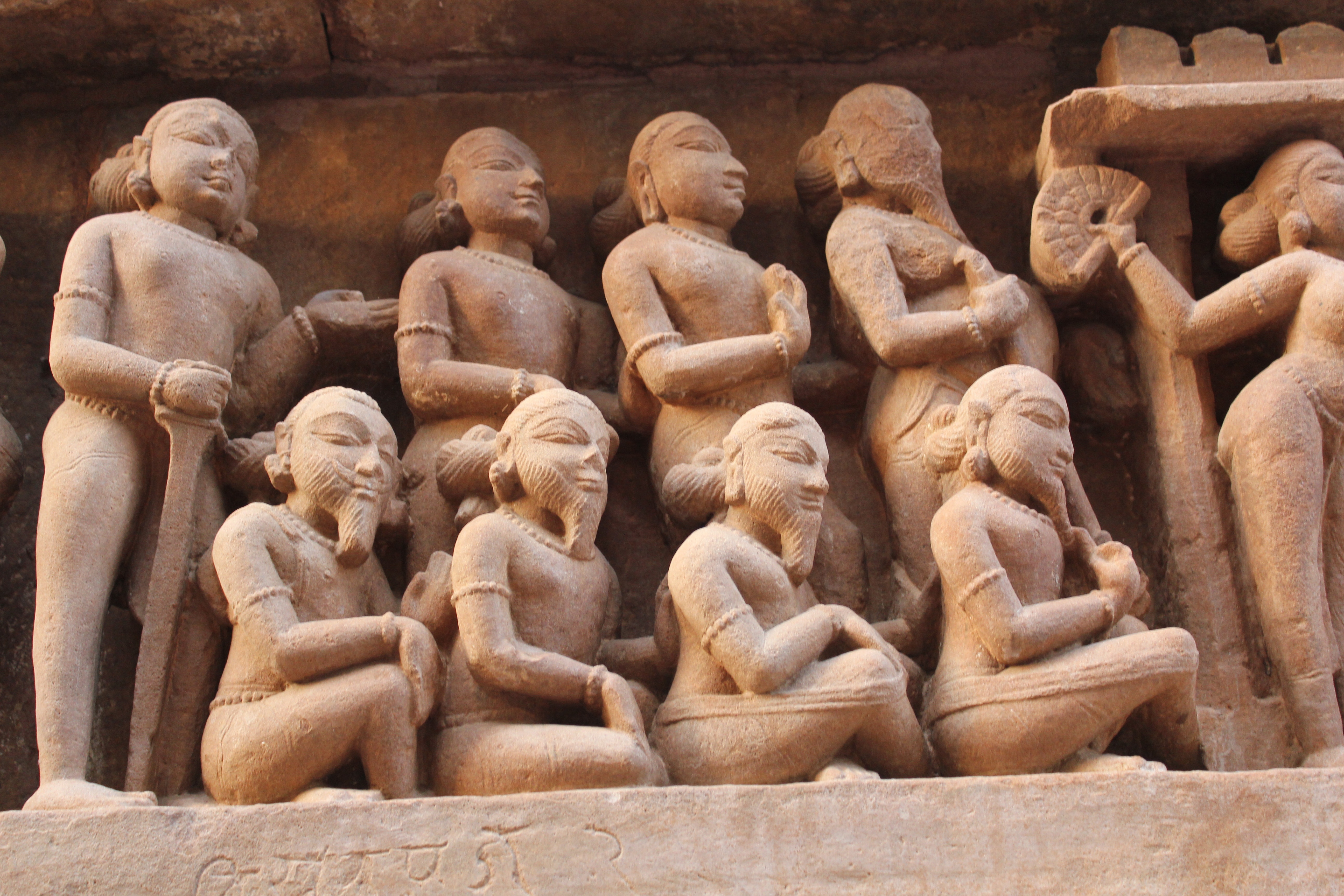
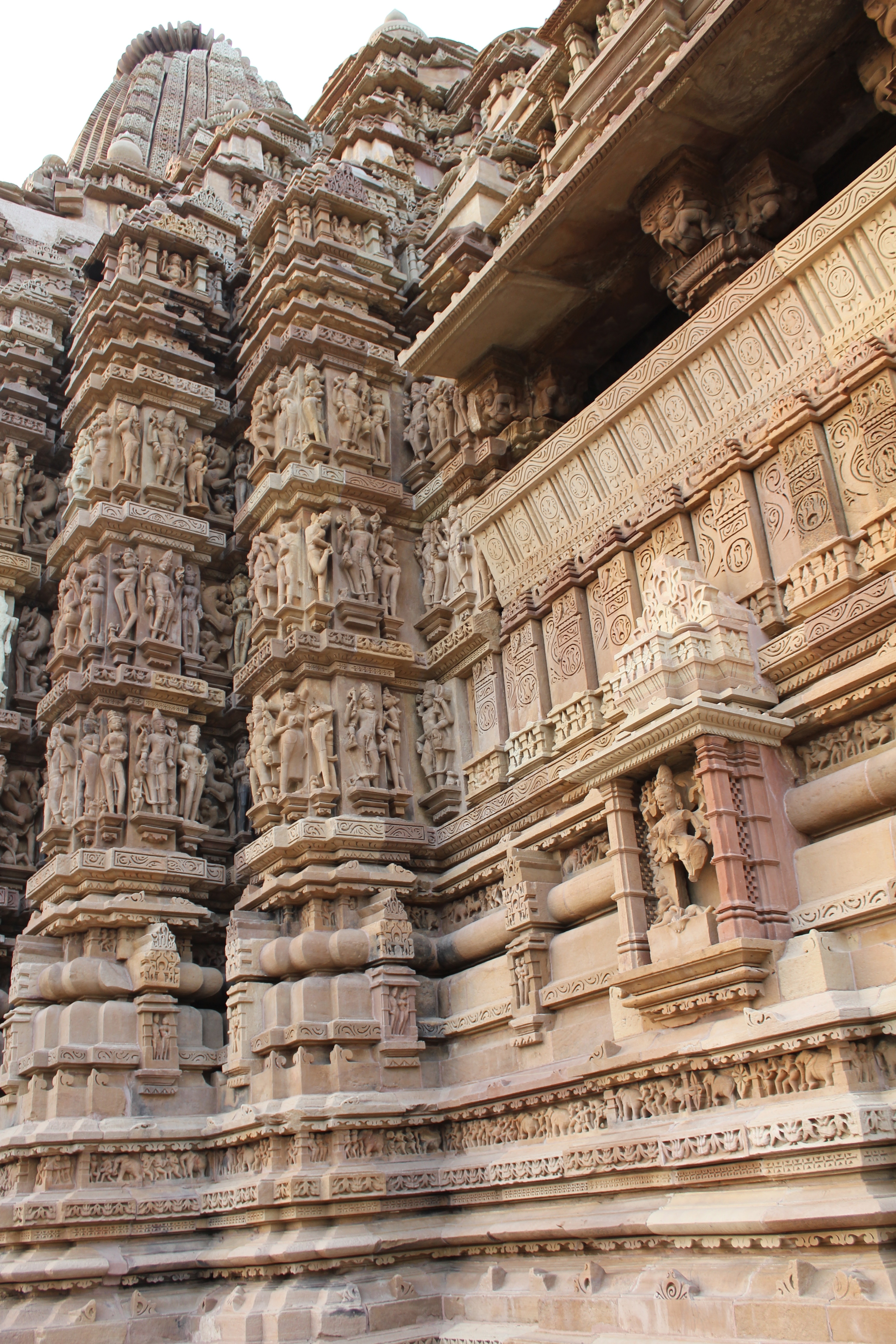
This part will just be focussed on the Varaha Temple in Khajaraho. The temple was amazing and although some of the carvings were damaged they were still outstanding. I will write very little (hooray), I think the photos speak for themselves.

The Khajuraho Group of Monuments are in the town of Khajuraho, October 2010

.

The town is in the state of Madhya Pradesh, located in the Chhatarpur District about 380 miles southeast of New Delhi. October 2010.

.

The Khajuraho Group of Monuments  has been listed as a UNESCO World Heritage Site and is considered to be one of the ‘seven wonders’ of India.

.

Lord Vishnu and Goddess Laxmi. – October 2010

.

Tantric figure. October 2010

.

Sandstone carvings. October 2010

.

Sandstone carvings.

.

.

Shiva.  October 2010.

.

The intricately sculpted southern wall of  Lakshamana Temple. October 2010.

.

Shiva and Godess Laxmi with mythical animals to the left.

The intricately sculpted southern wall of  Lakshamana Temple. October 2010.

.

.

.


.


.

.

Shiva.


.

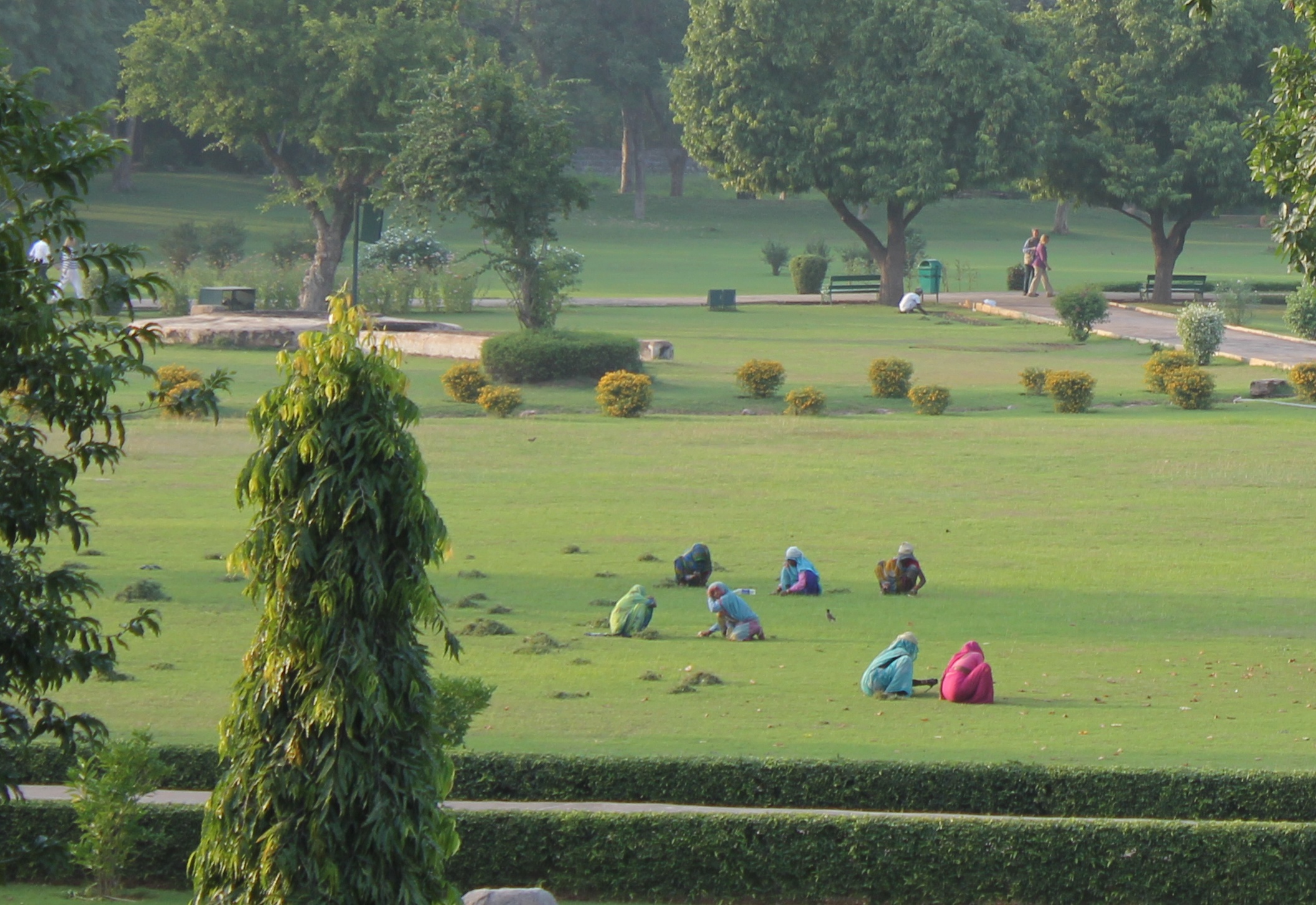
The grounds were beautifully kept.

.

They cut the grass by hand using small scythes.

.

Western Group of temples, Chandela dynasty between AD 950 and 1050.

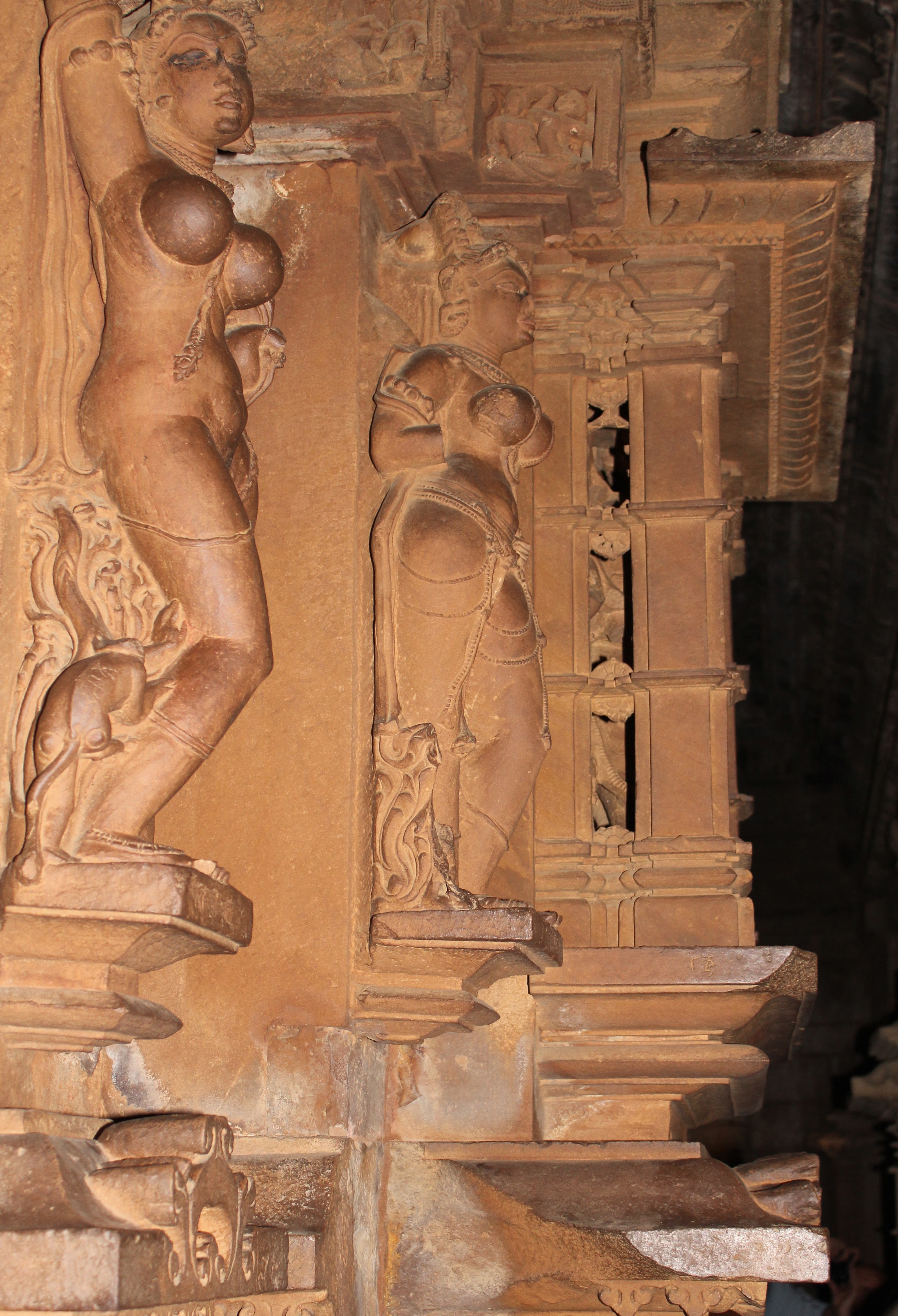
Sculptures inside one of the temples.

.

Sculptures inside one of the temples.

.

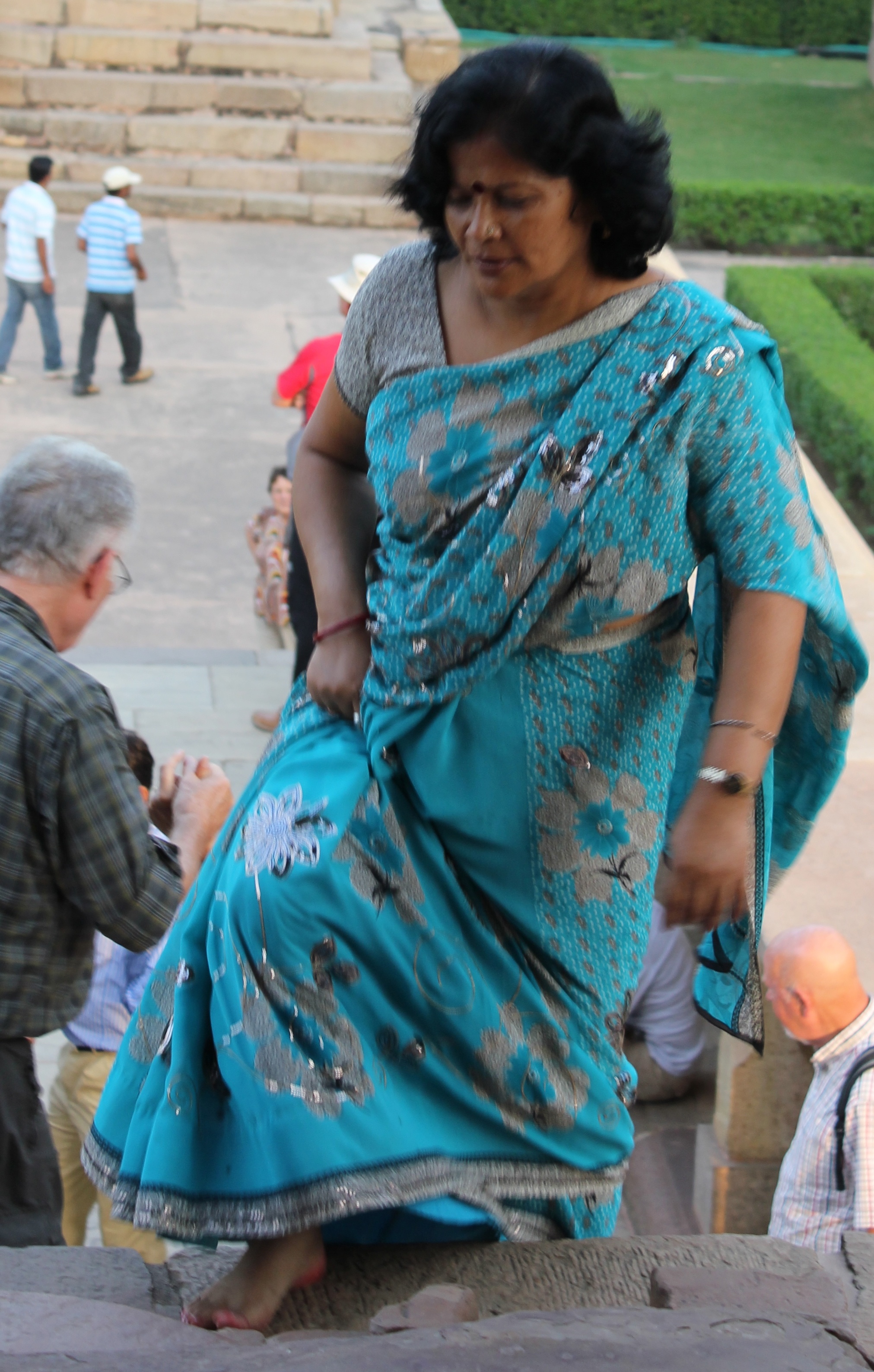
Beautiful Sari.

.

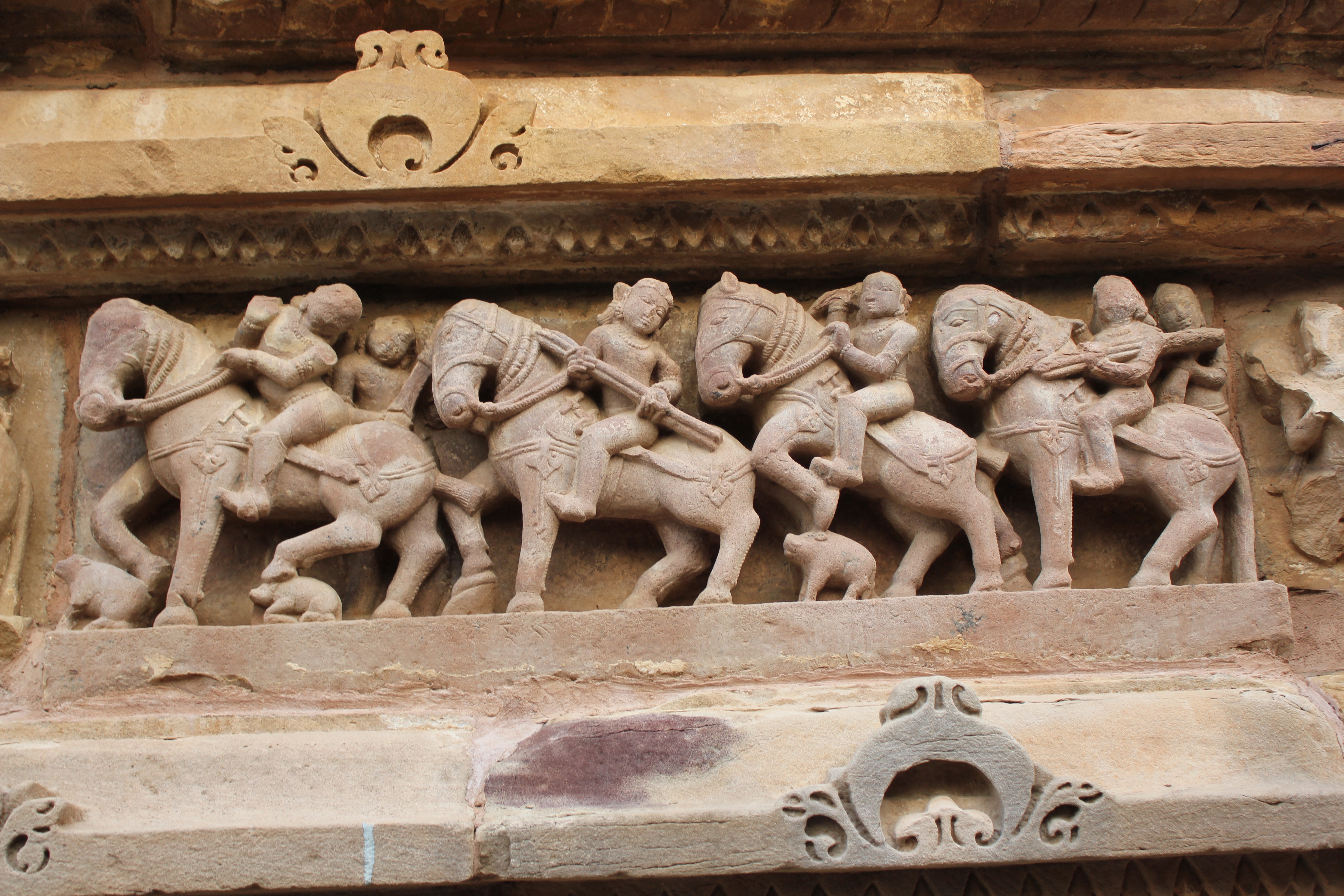
Warriors on horseback on their way to battle.

.

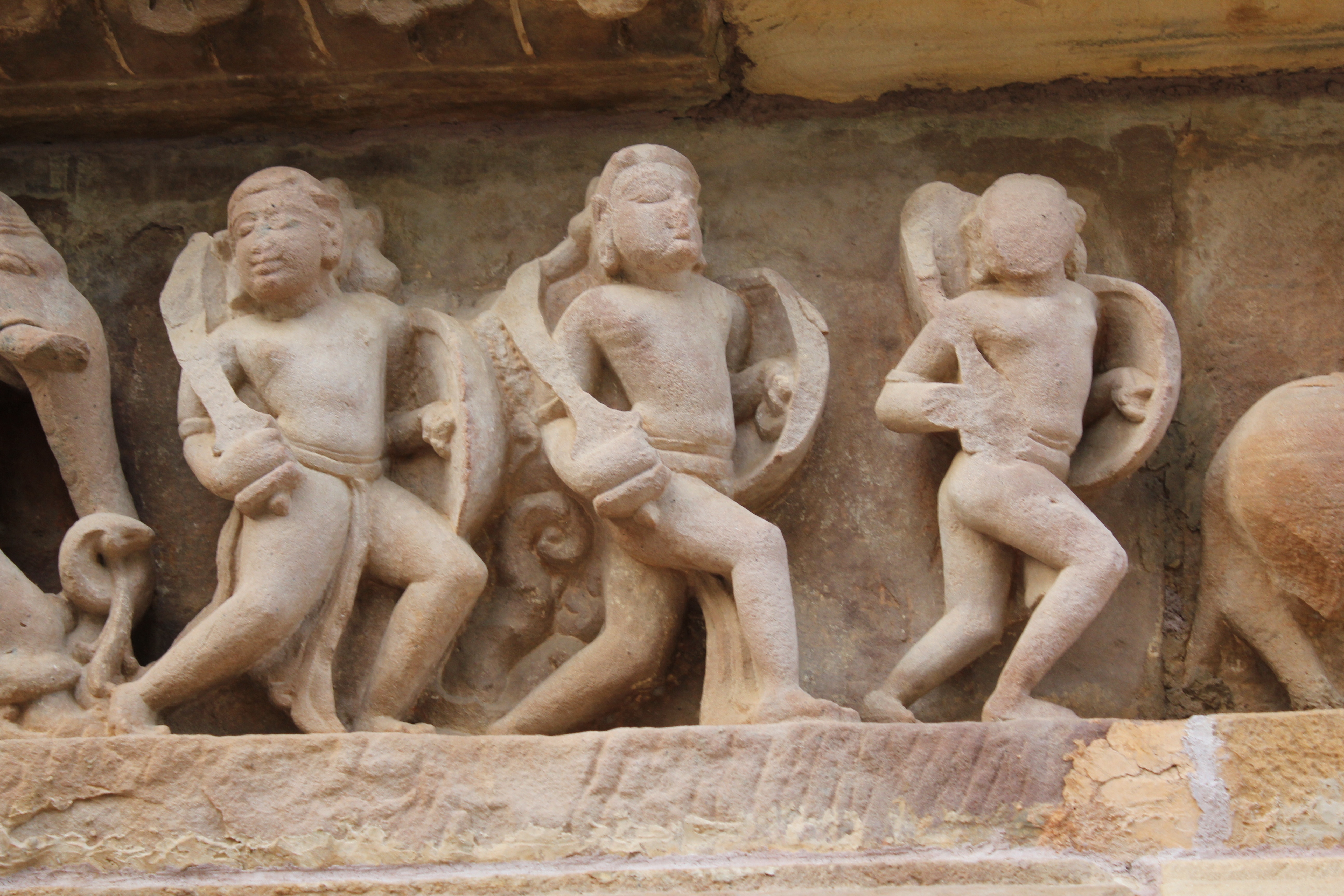
Warriors on their way to battle.

.

.

.

.

.

.

.

Warriors mounted on war elephants, october 2010

.

The next few speak for themselves. Southern temple.  October 2010

.

.

.


.

The horse is not smiling – October 2010

.

Priest with his disciples,  dancing and singing Bhajans – Lakshmana temple – October 2010.

.

 October 2010.

.

.

2010.

.

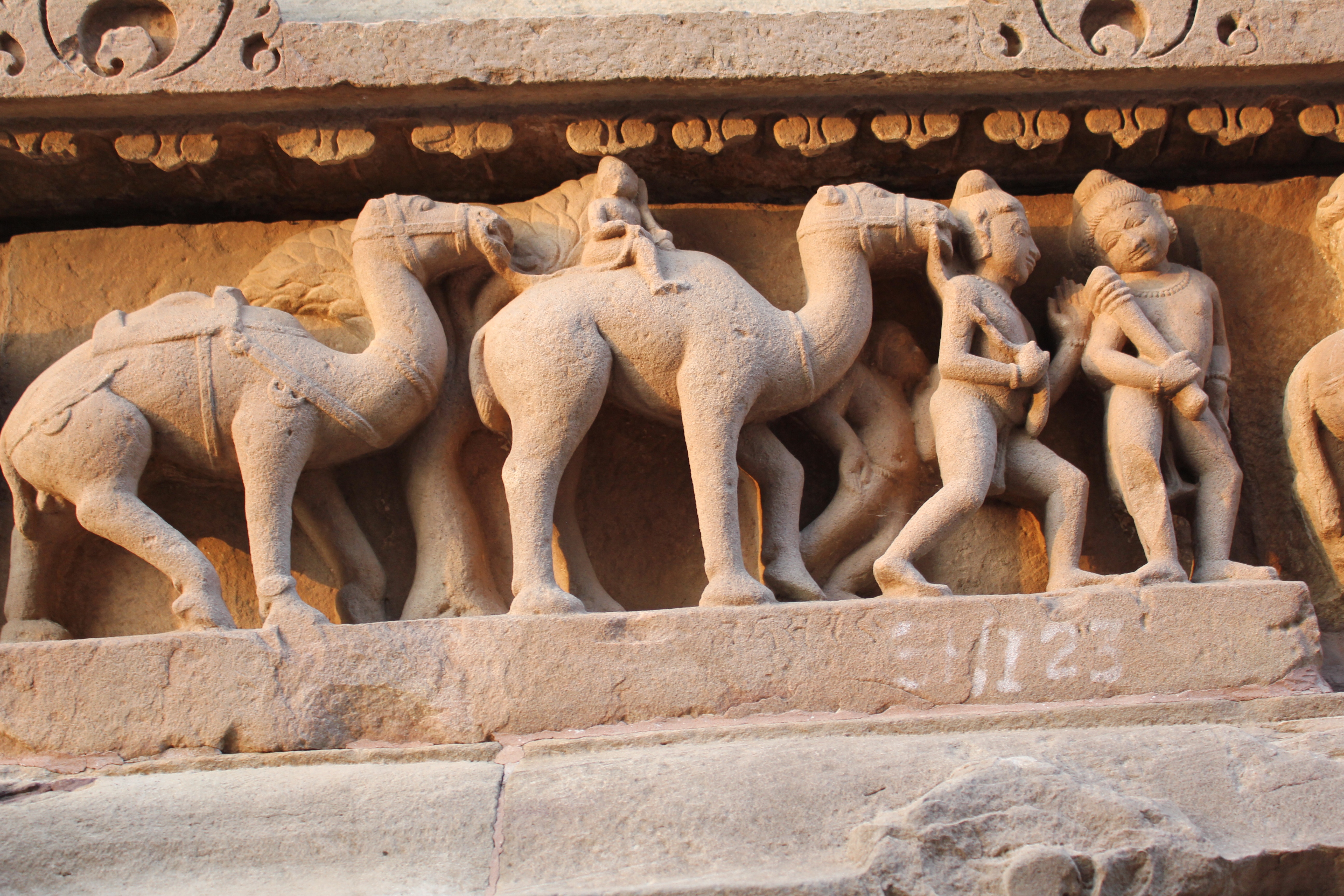
Procession with drums, trumpets and conches.

.

,

Carved South wall of Kendriya Mahadeva.

.

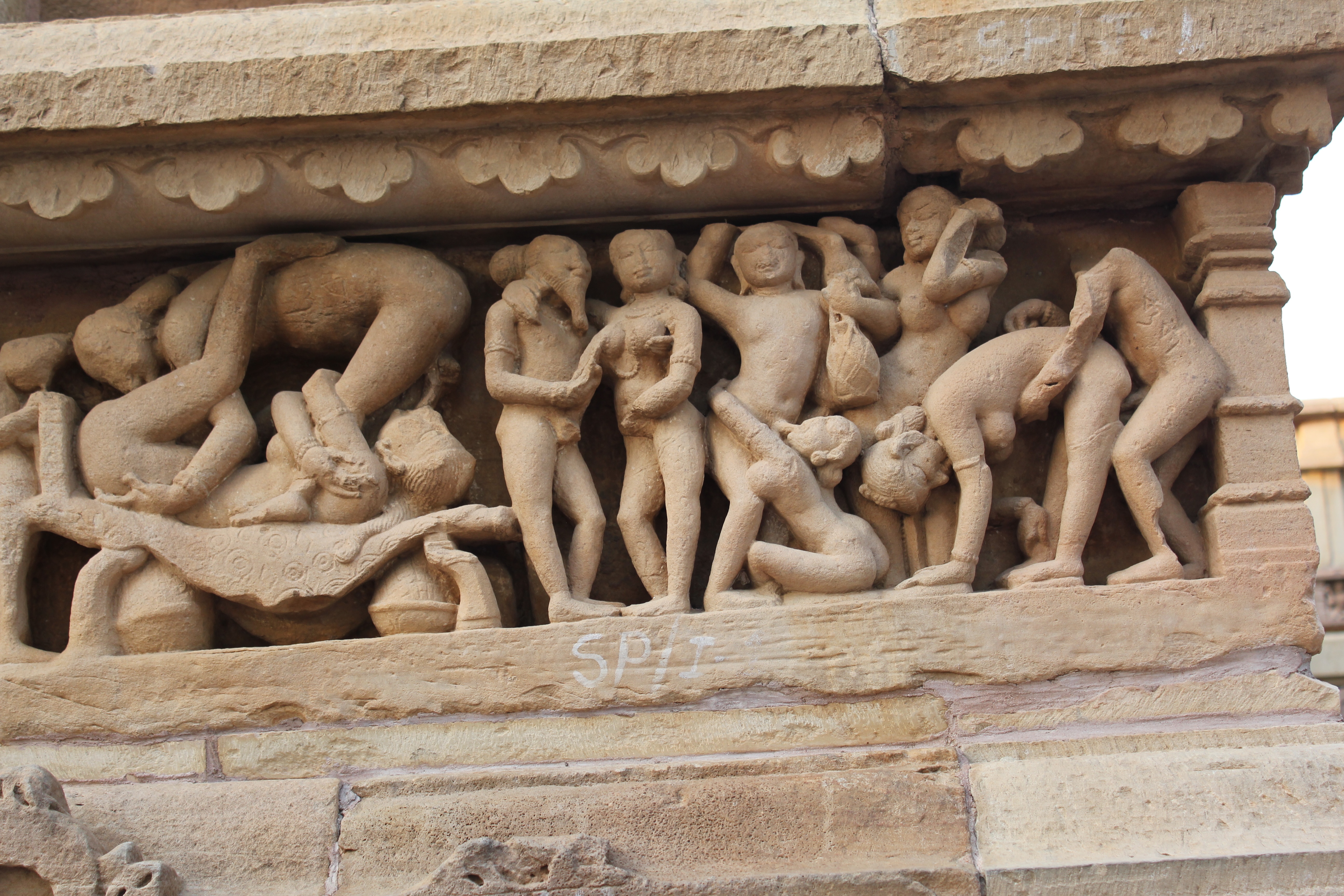
Carved South wall of Kendriya Mahadeva with couple in Mithuna.

.

Breathtaking.

.

.

.

Time to go…

.

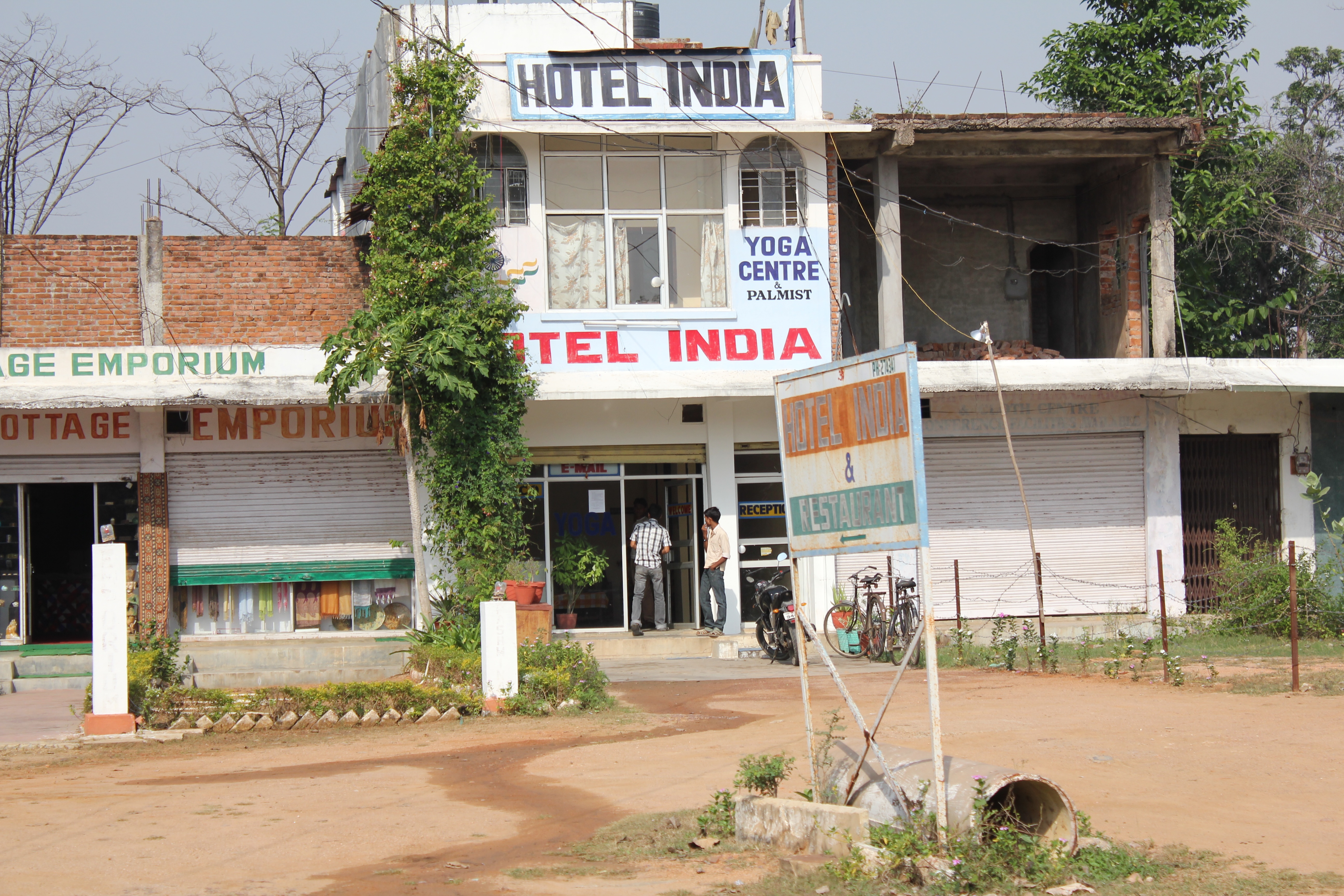
Front entrance to the hotel.

.

Just glad we didn’t have this one.

The end

I hope you managed to stay awake, if so there will be a Part 6 next week. I continue my journey East.

 Photographs copyrighted to Harvey Black.

<