The Blue Effect. The day the Cold War turned Hot. Part 3.

.

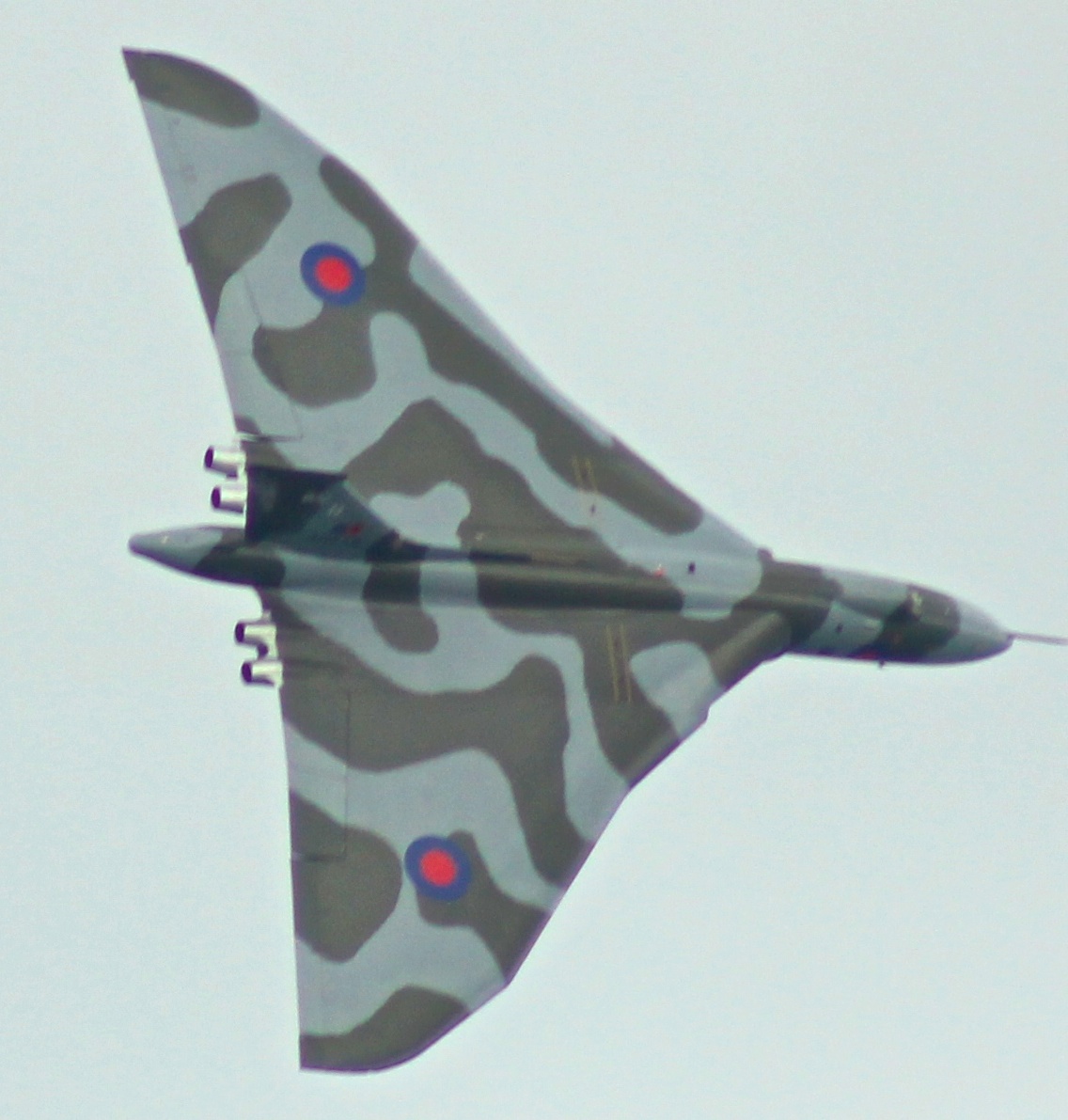
This Post has to be about the Vulcan after seeing it fly at the Bournemouth Air Show.

The Avro Vulcan Bomber is an Iconic jet-propelled delta wing strategic bomber.  It was operated by the Royal Air Force (RAF) from 1956 until 1984.

.
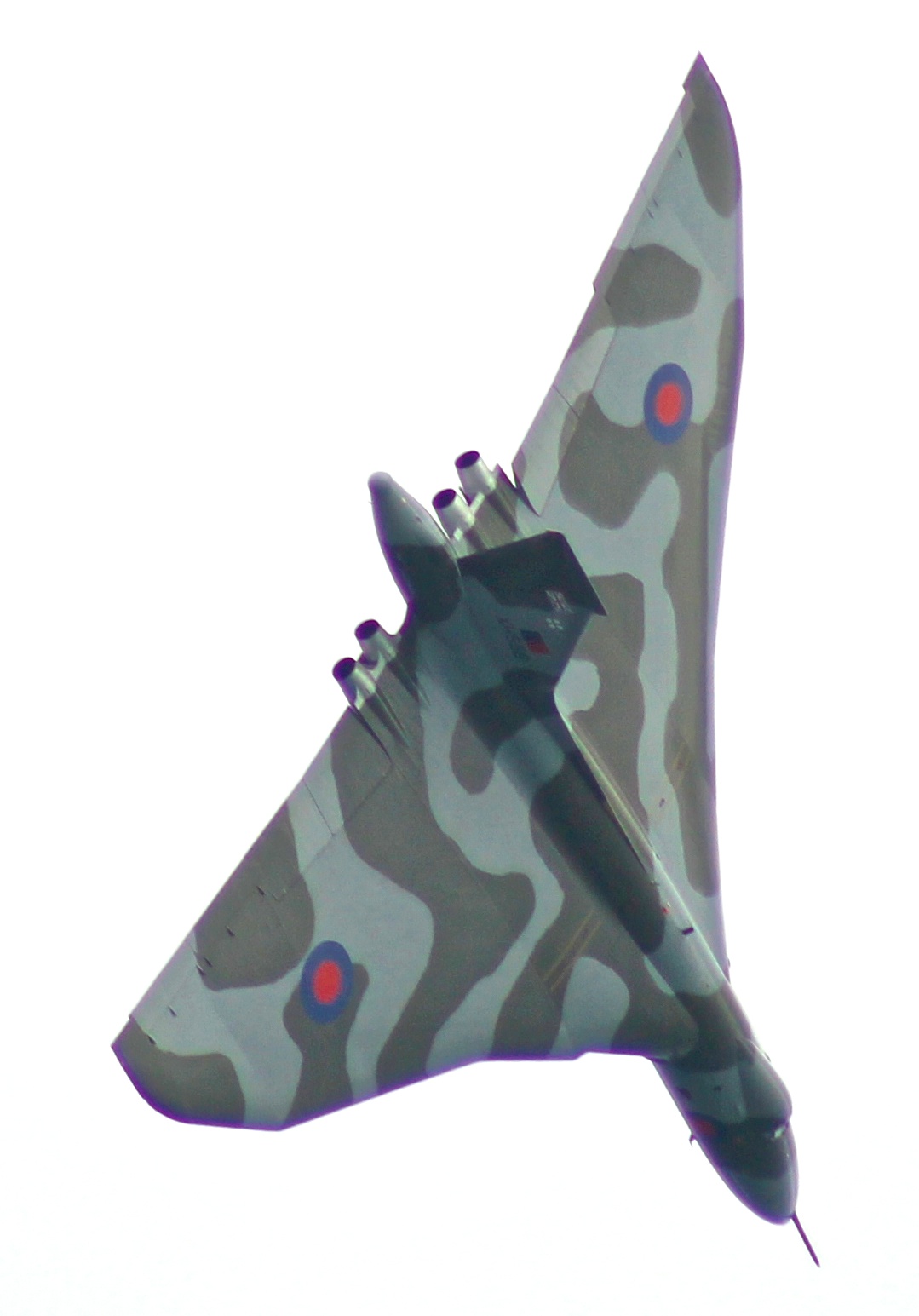
Harvey Black (1)

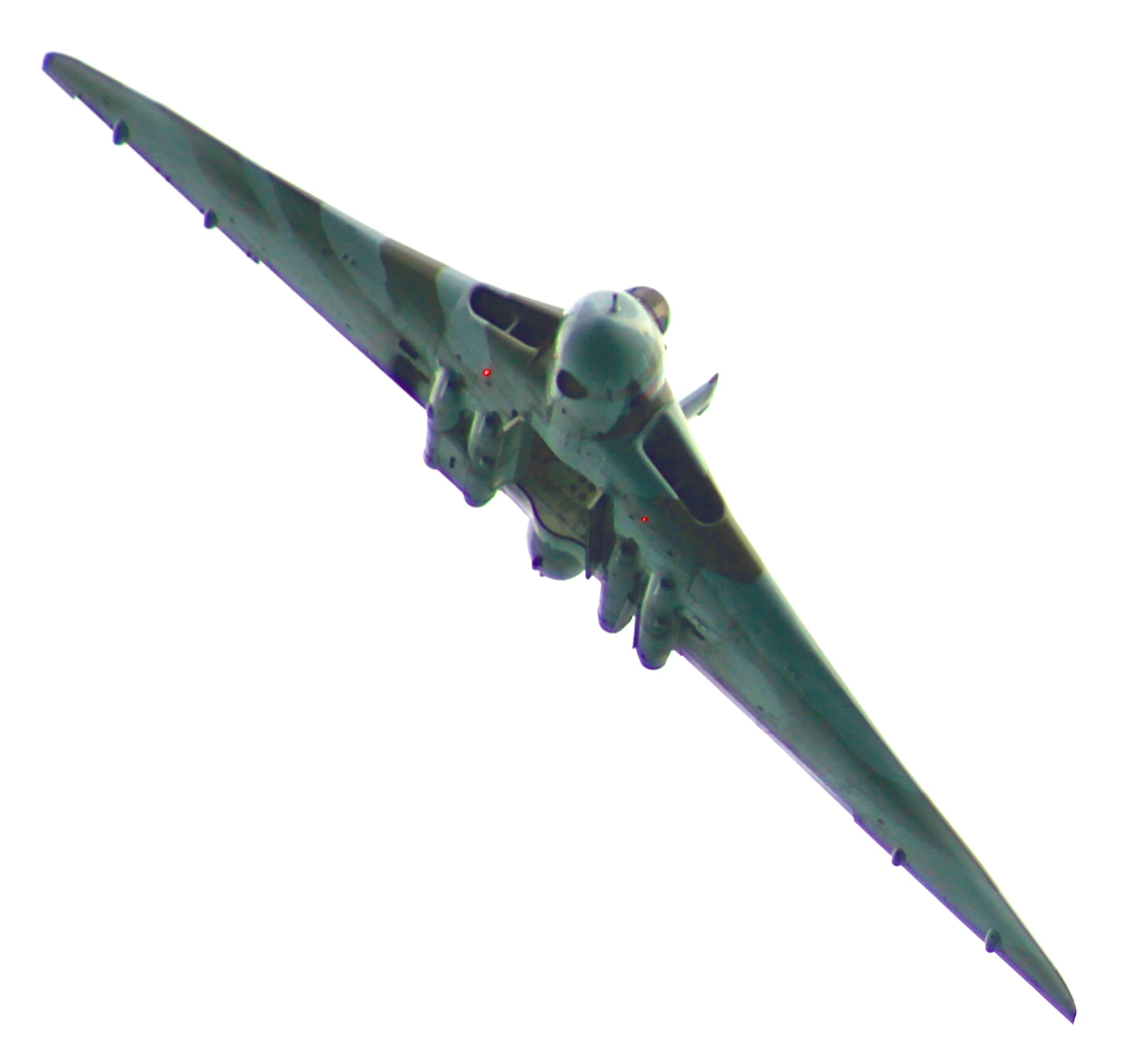
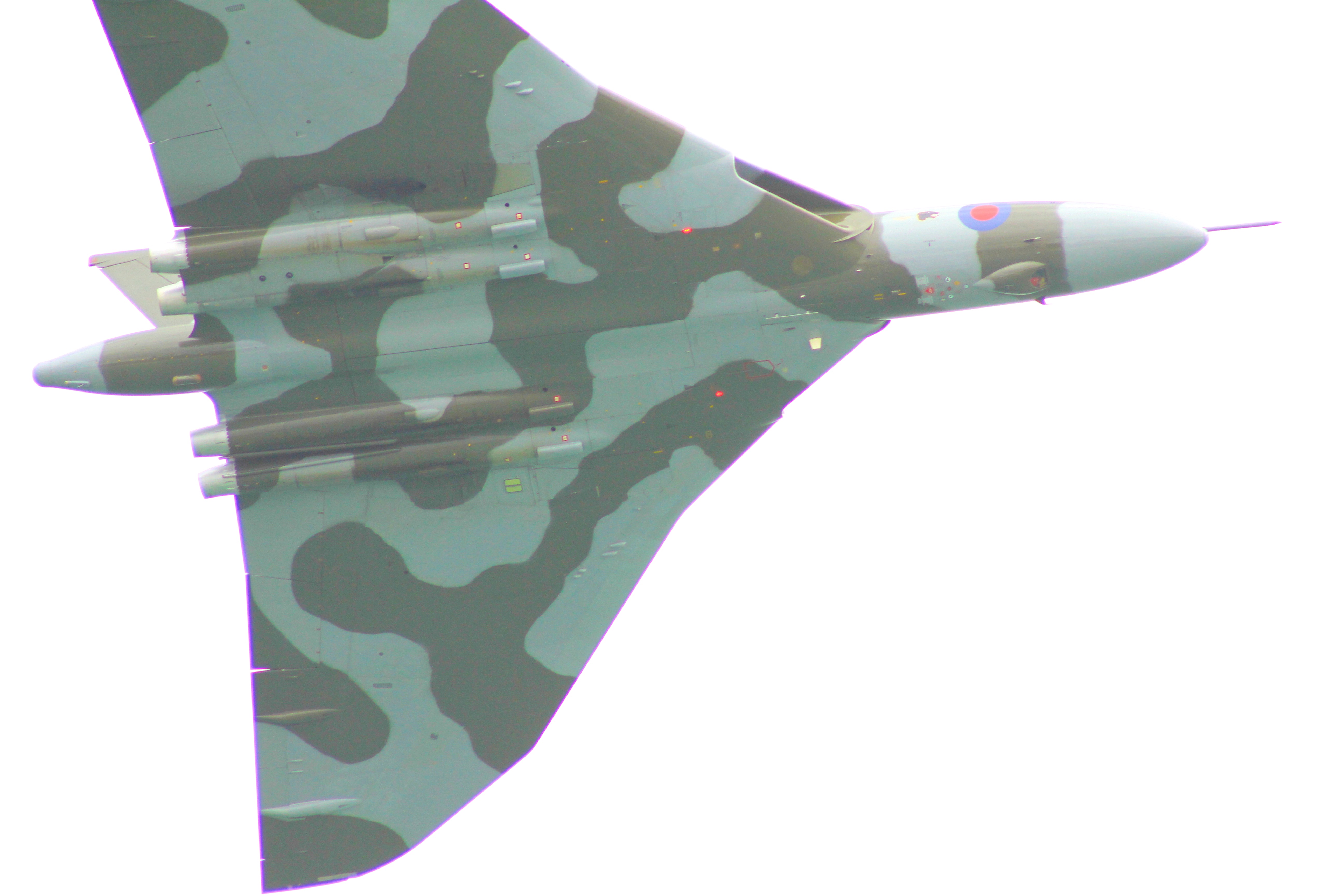
The first Avro Vulcan B.2, XH533, flying at Bournemouth Air Show, 2014.

.

Harvey Black (2)

Its delta wingspan was in excess of 30 metres

.

Harvey Black (3)

The Vulcan B.1, was first delivered to the RAF in 1956. The XH558, shown above, was the first Vulcan B.Mk2 to be delivered to the RAF in 1960. Its original colour on delivery was ‘anti-flash’ white.

.

Harvey Black (4)

Powered by 4 x Bristol-Siddeley Olympus engines.  It had a cruising speed of Mach .86 and a top speed of Mach .92/3. It could fly to a height of between 45,000 feet/56,000 feet (14,000/17000 metres).

.

Harvey Black (5)

The Vulcan, as part of the V-Force, was the backbone of the United Kingdom’s airborne nuclear deterrent during much of the Cold War. Originally designed to carry either a single ‘Blue Steel’ nuclear missile or a single free-fall nuclear bomb, its role as a strategic nuclear asset changed in 1970. British Polaris Submarines assumed that role. The Vulcan continued to carry the WE.177B in a tactical nuclear strike role as part of the country’s contribution to NATO. It could also carry a standard bomb load of 21 x 1,000 lb (450kg) iron bombs.

.
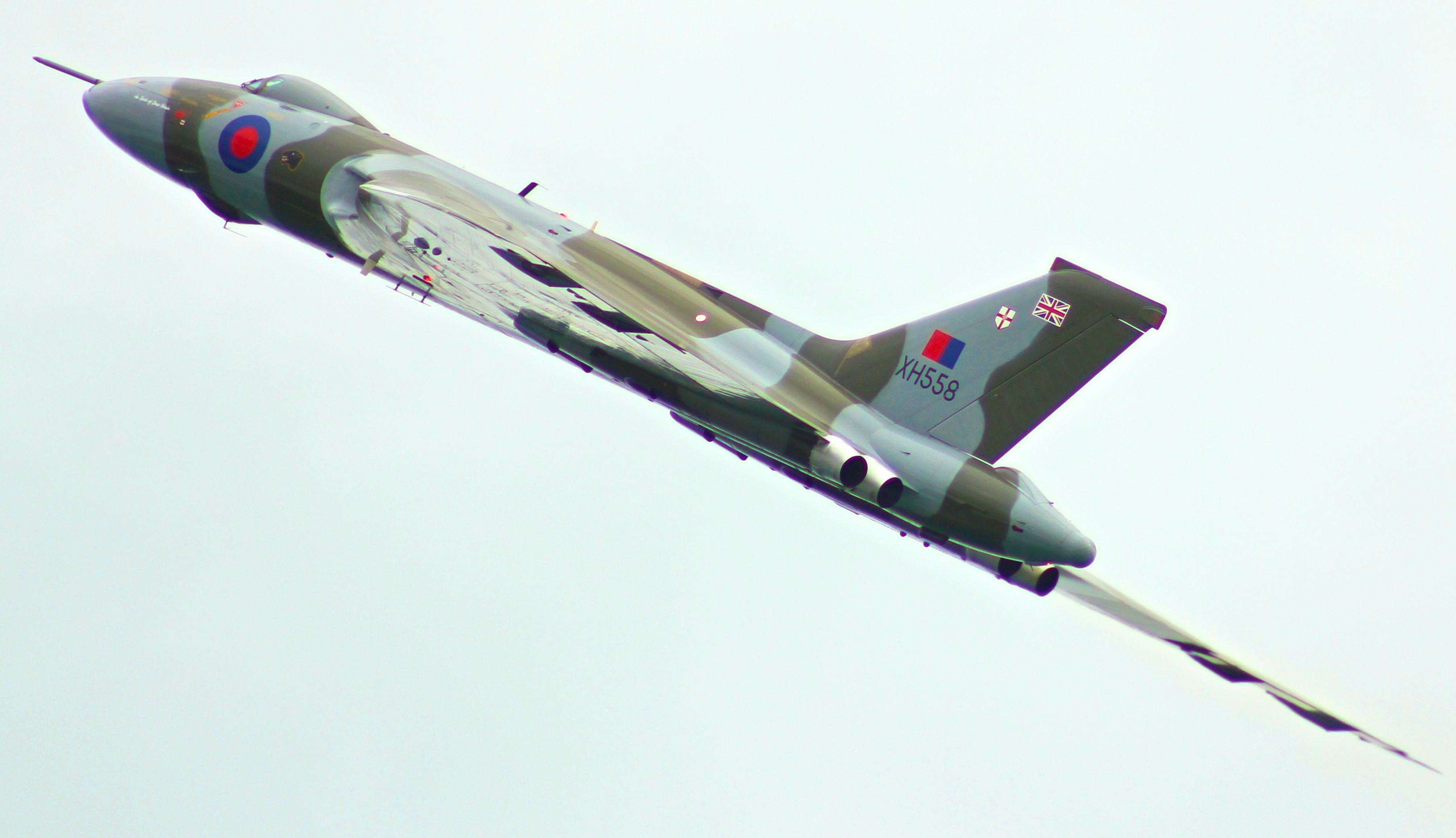
Harvey Black (6)

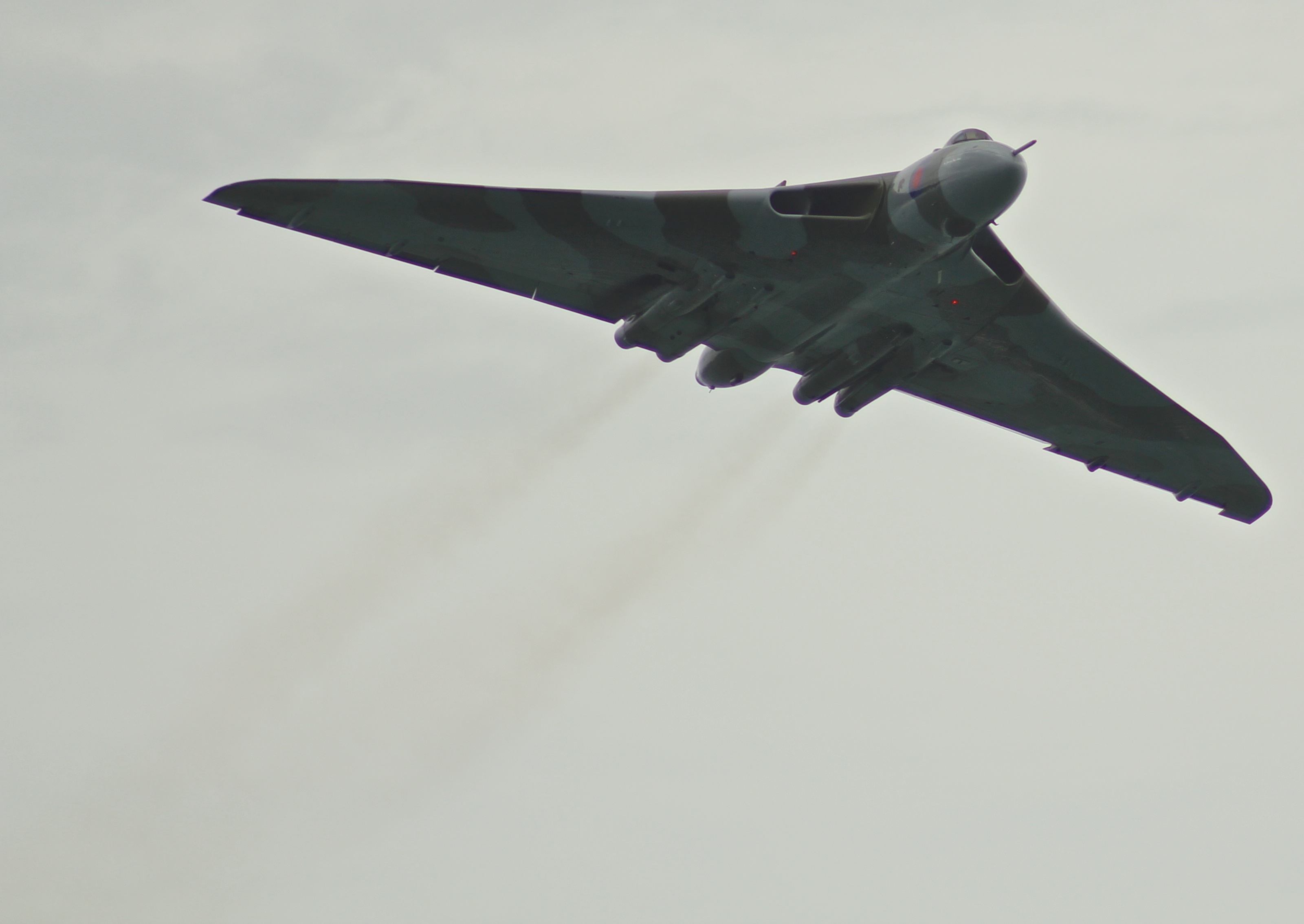
Avro Vulcan XH558 at Bournemouth Airs how 2014

.

Harvey Black (7)

The only combat missions involving the Vulcan bomber took place in 1982, during the Falklands War. The missions, known as the Black Buck raids, involved a flight of 3,889 miles from Ascension Island to Stanley in the Falklands.

.

Harvey Black (8)

The Vulcan was the backbone of the United Kingdom’s airborne deterrent for much of the Cold War. 

.

Harvey Black (9)

The usual crew was five, the first pilot, co-pilot, navigator radar, navigator plotter and the Air Electronics Officer, AEO.

.

Harvey Black (10)

Fuel was carried in 14 bag tanks, four in the centre fuselage above and to the rear of the nosewheel bay and five in each outer wing.

.

Harvey Black (11)

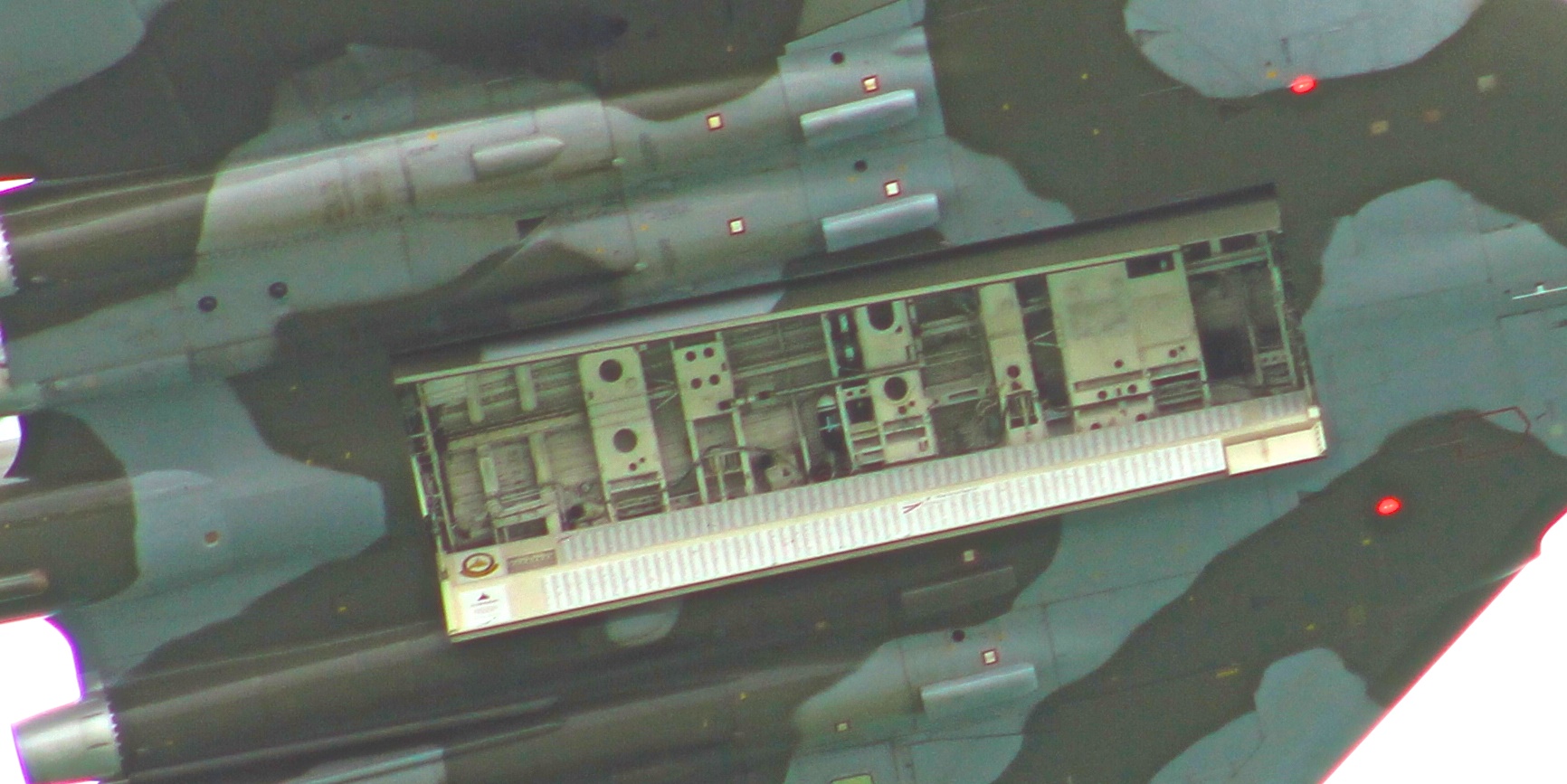
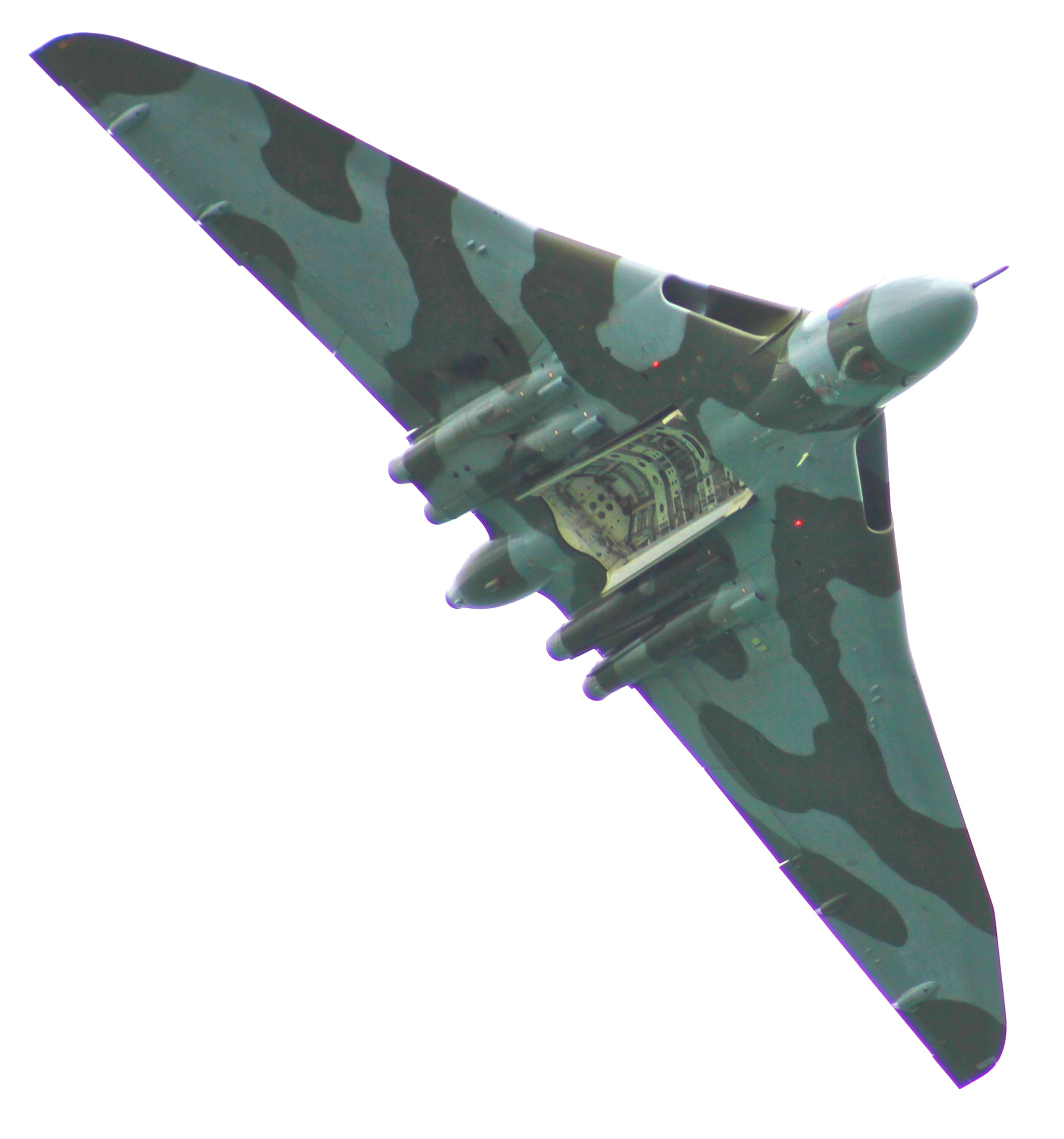
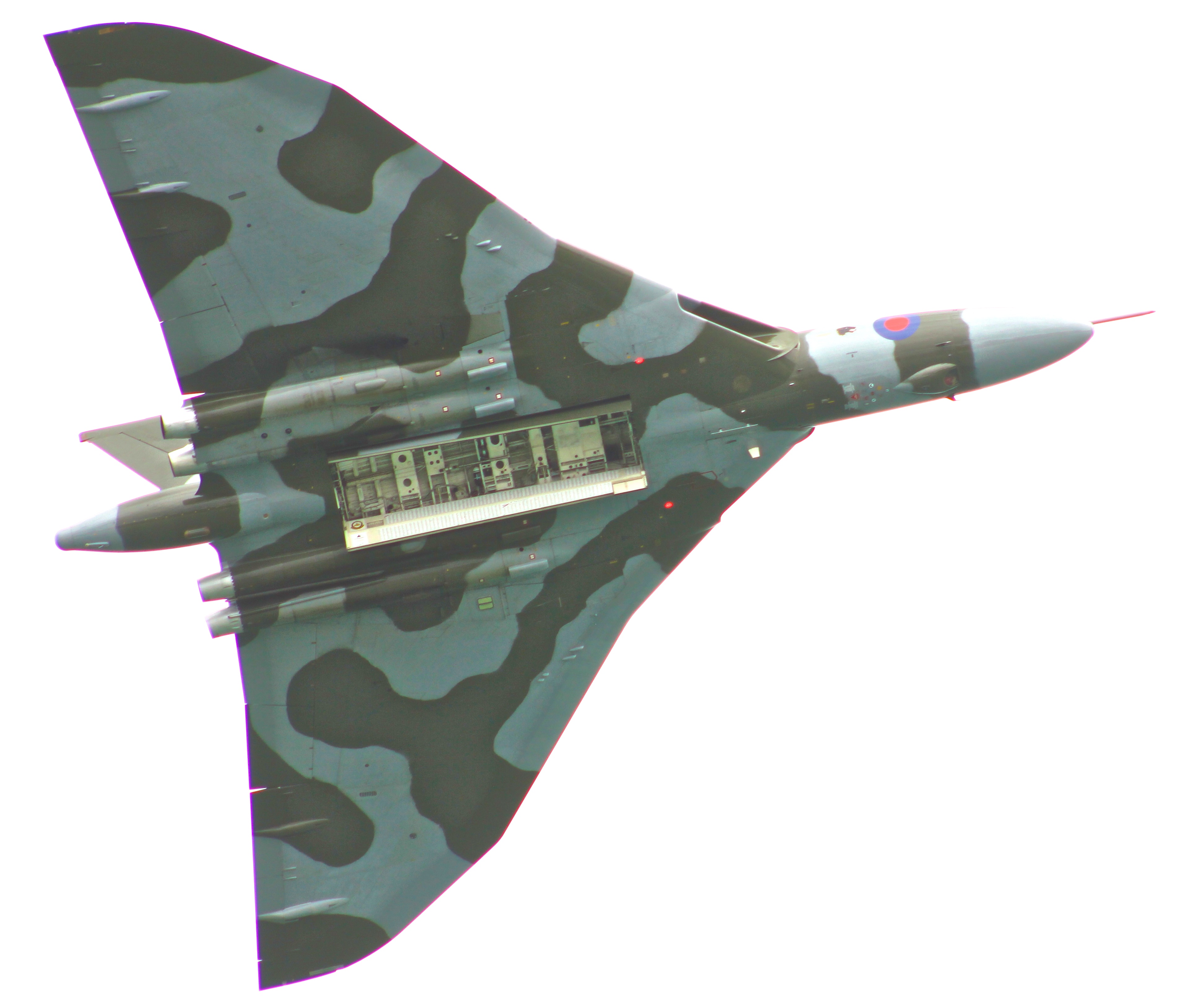
The open bomb bay.

.

Harvey Black (12)

Could carry 21 x 1,000 Ib free-fall bombs.

.

Harvey Black (13)

Or carry a single Blue Steel nuclear missile, carrying the Red Snow thermonuclear 1.1 MT warhead (W-28).

.
Harvey Black (14)

It could also have been fitted with the Blue Danube or Yellow Sun, nuclear free fall bombs.

.
Harvey Black (19)

.

Harvey Black (23)

A close up of the Vulcan bomb bay.

.

Harvey Black (15)

Bomb bay starts to close.

.

Harvey Black (16)

.

Harvey Black (17)

Bomb bay all but closed.

.

Harvey Black (18)

.

Harvey Black (20)

The 4 x Bristol-Siddely Olympus engines power the Vulcan through the air

.
Harvey Black (21)

.

Harvey Black (22)

.

Cover image (C) of Andrew Brown and the Vulcan to the Sky Trust – image of XH558

.
9781781322215-PerfectCOVER.indd

.

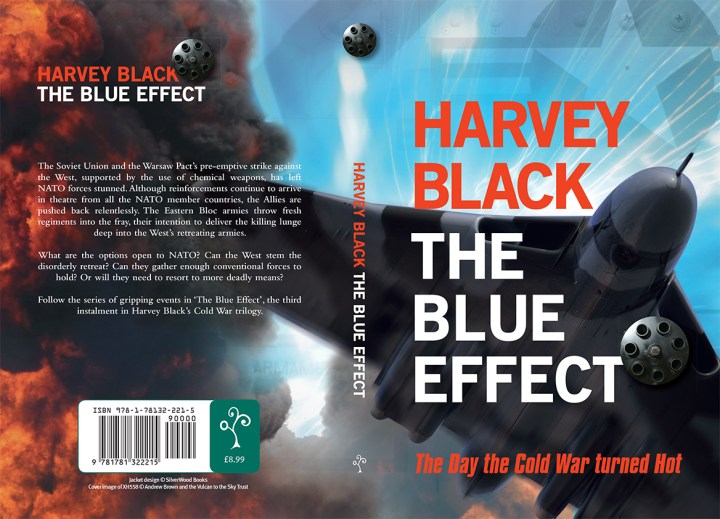
The Soviet Union and the Warsaw Pact’s pre-emptive strike against the West, supported by the use of chemical weapons, has left NATO forces stunned. Although reinforcements continue to arrive in theatre from all the NATO member countries, the Allies are pushed back relentlessly. The Eastern Bloc armies throw fresh regiments into the fray, their intention to deliver the killing lunge deep into the West’s retreating armies.

.

What are the options open to NATO? Can the West stem the disorderly retreat? Can they gather enough conventional forces to hold? Or will they need to resort to more deadly means?

.
Follow the series of gripping events in ‘The Blue Effect’, the third instalment in Harvey Black’s Cold War trilogy.

.
Vulcan

.

The Blue Effect_high resolution-2

.

Cover image (C) of Andrew Brown and the Vulcan to the Sky Trust – image of XH558

I would like to take this opportunity to thank everyone for their support in reading the first two novels in the series, it is really appreciated. For the next Post, I will include the maps that can be seen at the beginning of The Blue Effect. This enable readers to print them as reference. HB

.

9781781322215-PerfectCOVER.indd

.

‘The Black Effect’ – Available on Kindle.

.
TBE revised - FOR SCREEN-1

The Black Effect

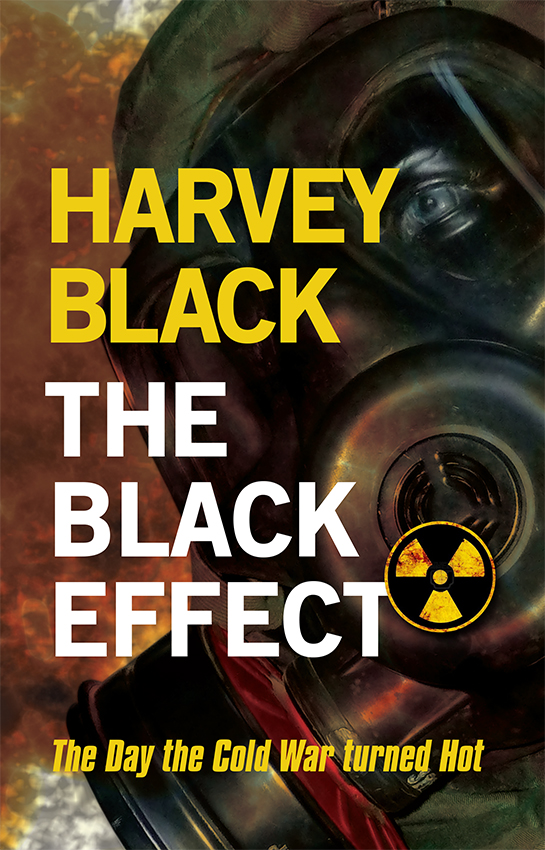
An economy on the verge of collapse, demands from their allies for funding to continue the expansion of communism, and a conventional Army, Navy and Air Force costing the country 20% of its GDP… The Soviet Union is in trouble. Where should they turn for a solution?

Their answer: the capitalist West. On the 4th July 1984, the Soviet Union and the Warsaw Pact launched a massive preemptive conventional strike against the West, sending the NATO forces reeling.

Follow Jacko and Bradley and their allies as they fight off the Soviet Union. Can the NATO forces recover and hold their ground? Will the Soviet Union succeed? Or will it end in an outright defeat? Follow the series of gripping events in The Black Effect, the second installment in Harvey Black’s Cold War trilogy.

The first novel in my ‘Cold War’ trilogy, The Red Effect, published by SilverWood Books, is now available. Thoroughly enjoyed writing it, as i do with all my novels. There will be three books in total, covering the hypothetical invasion of West Germany, the Federal Republic of Germany, by the Warsaw Pact in the mid 1980’s. Book 1, ‘The Red Effect’, encompasses part of the intelligence build up leading to the initial Warsaw Pact strike against the NATO forces lined up against them. The purpose of the next few posts is to give the reader some additional background information to enhance their reading experience.

.
RedEffect72dpi-4

.

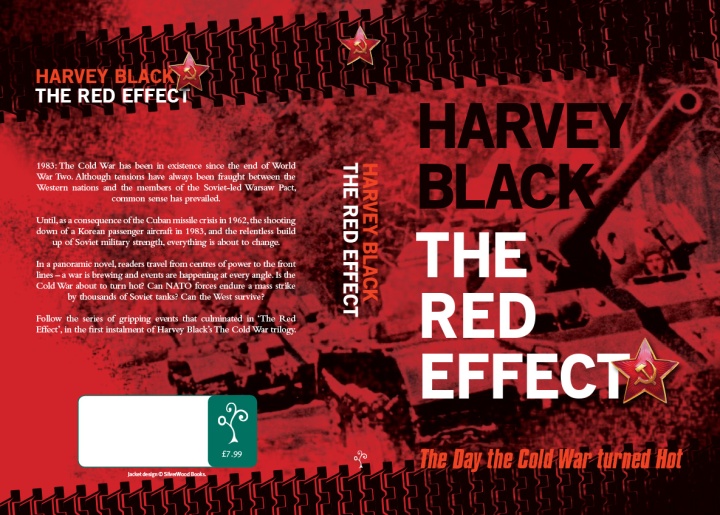
‘The Red Effect’ by Harvey Black – Available now. The Cold War that became a Hot War.

Site and content is copyrighted to Harvey Black.
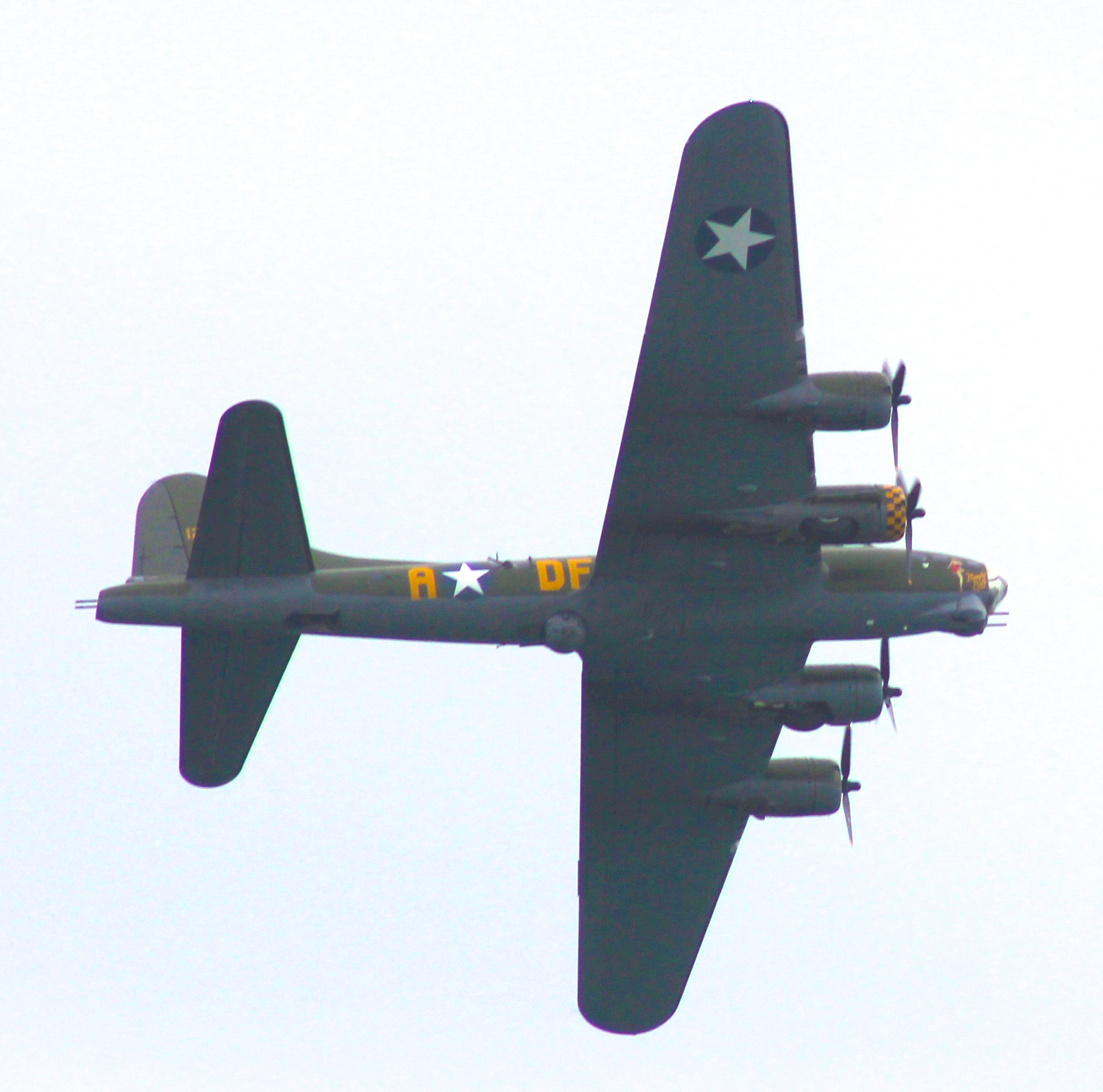
 

B-17 Flying Fortress. Sally B.

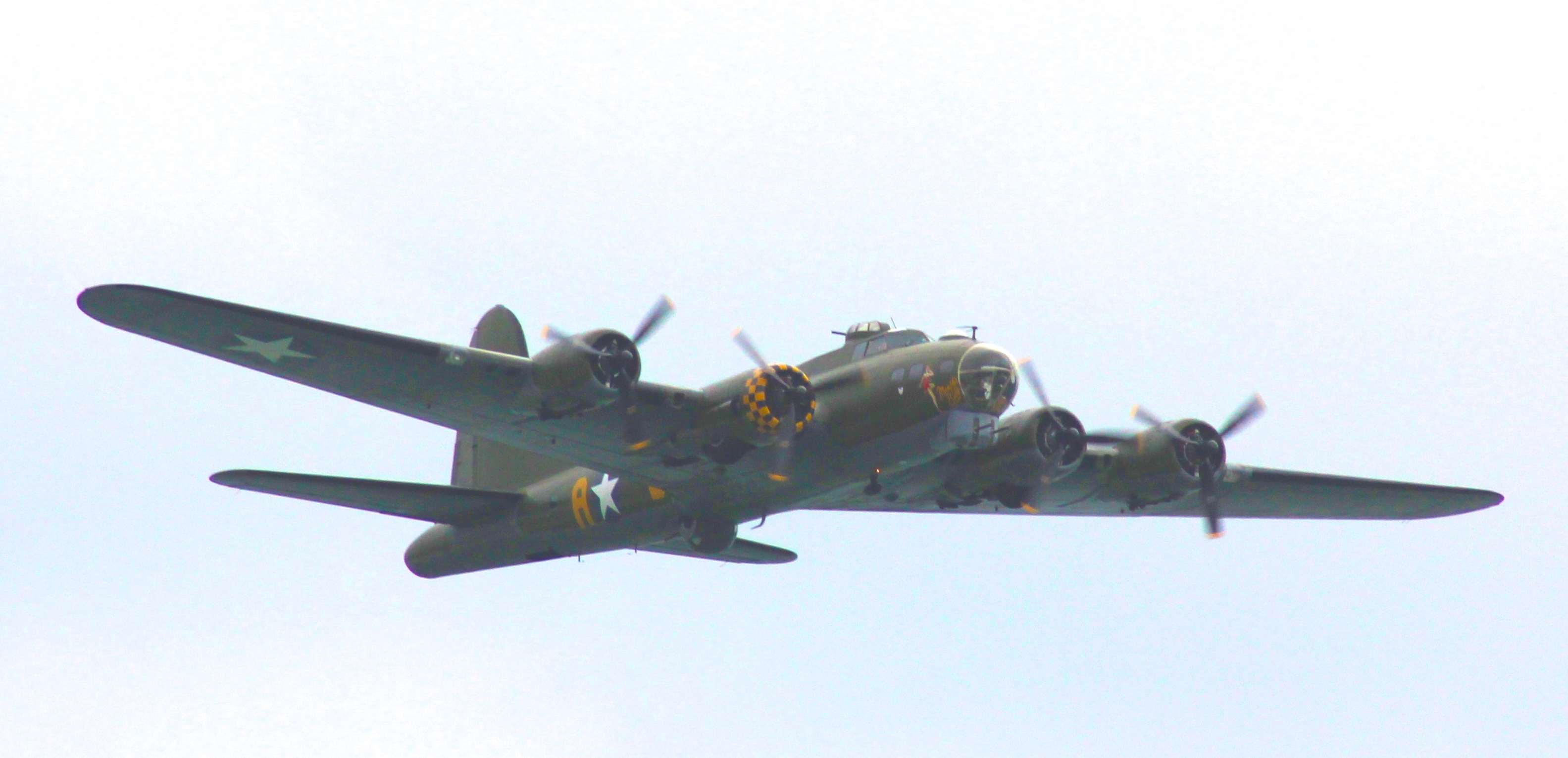
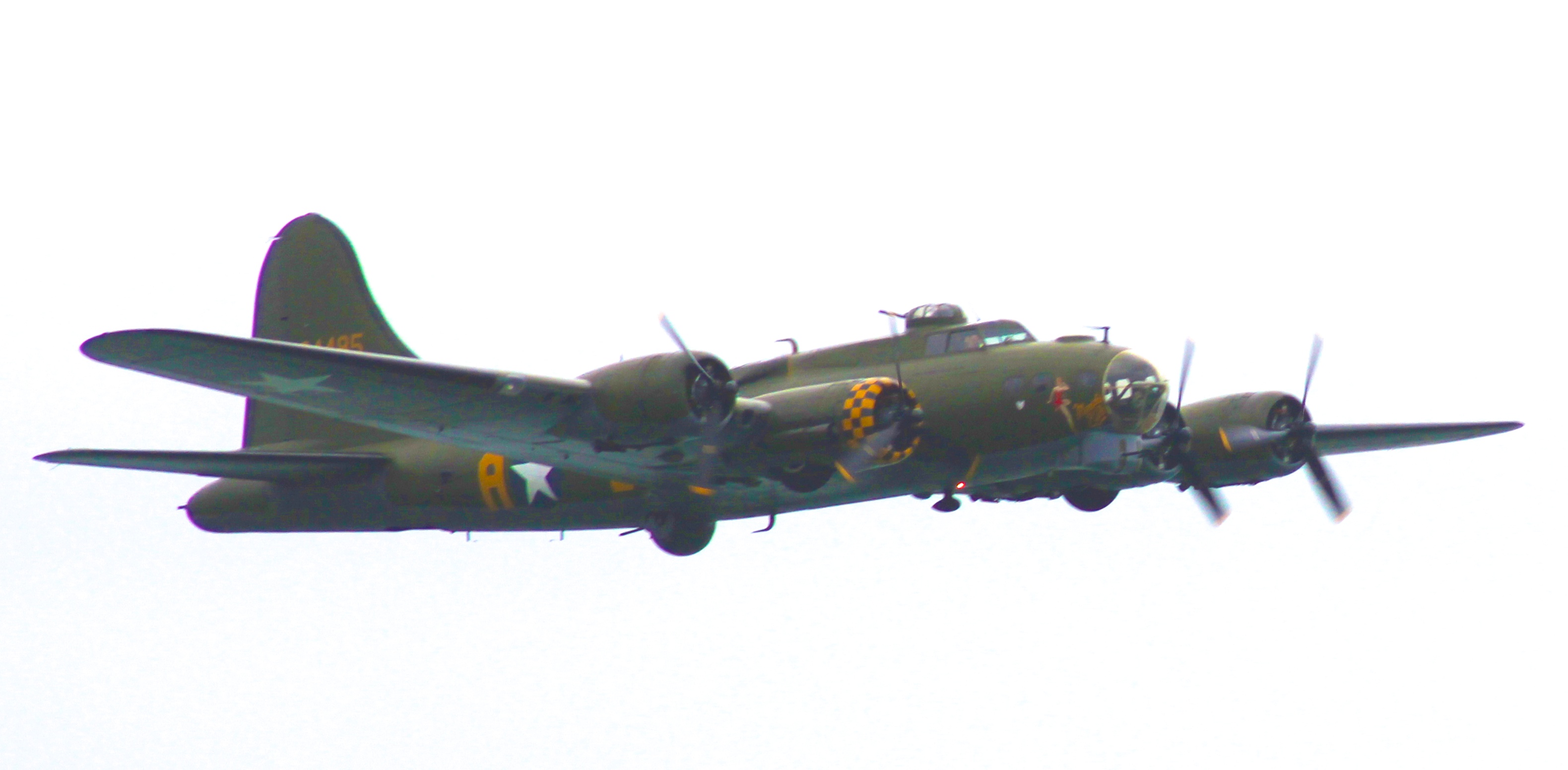
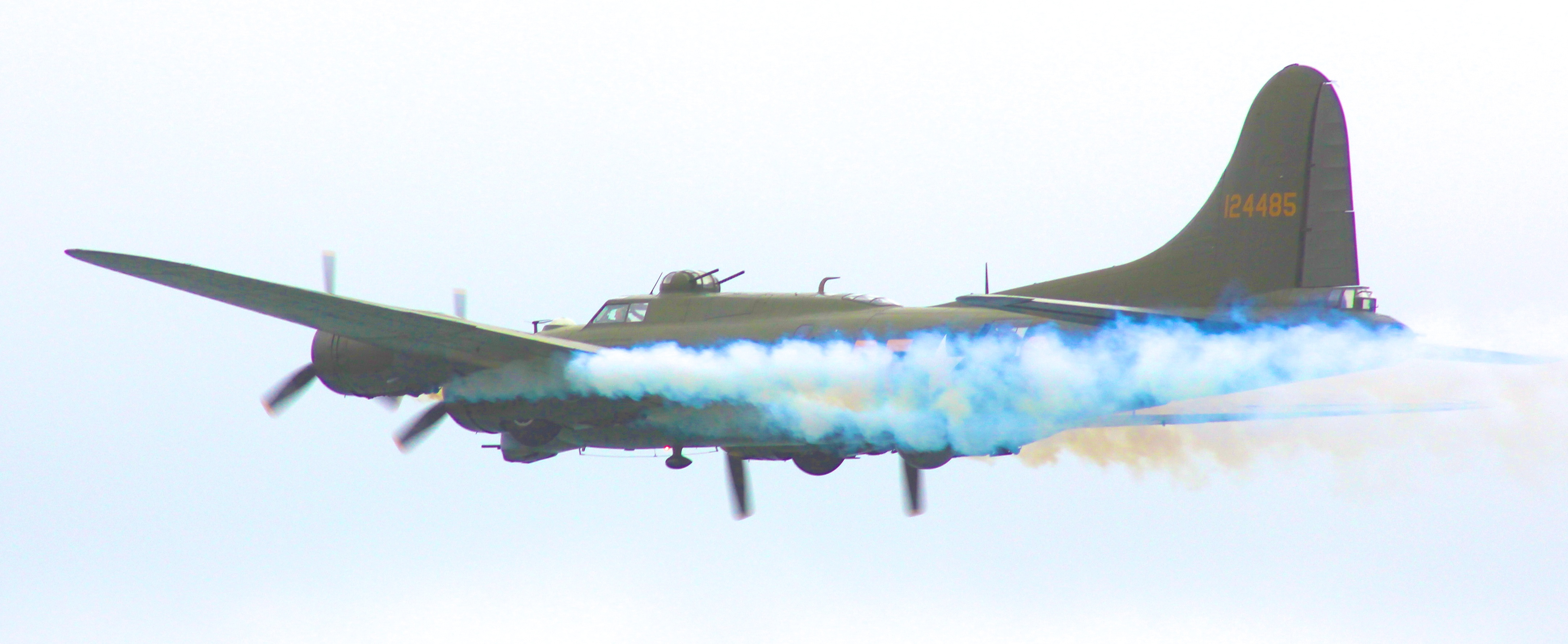
Another fantastic day at the Bournemouth Air Show today. We were lucky to have a visit from Sally B, the last remaining airworthy B-17, Flying Fortress, in Europe.

.

Harvey Black (1)

WW2 US Heavy Bomber

.

Harvey Black (2)

Sally B, Memphis Belle.

.

Harvey Black (3)

Produced 1936-1945

.

Harvey Black (4)

The B-17 was primarily employed by the United States Army Air Force in daylight precision strategic bombing.

.

Harvey Black (5)

Over 12,000 aircraft were built.

.

Harvey Black (6)

Service ceiling 35,600 feet.

.

Harvey Black (7)

2 x .50 (12,.7mm) M2 Browning machine guns in the tail.

.

Harvey Black (8)

2 x .50 (12,.7mm) M2 Browning machine guns in the belly Sperry ball turret.

.

Harvey Black (9)

2 x .50 (12,.7mm) M2 Browning machine guns in the Bendix chin turret.

.

Harvey Black (10)

Can carry between 4,500 and 17,600 lbs worth of bombs, depending on the range.

.

Harvey Black (11)

2 x staggered .50 (12,.7mm) M2 Browning waist guns.

Harvey Black (12)

2 x .50 (12,.7mm) M2 Browning machine guns in upper Sperry Turret. There were also two on the nose cheeks and one in the nose.

Harvey Black (13)

Maximum speed of 287mph.

.

Harvey Black (14)

Cruising speed of 182mph.

.

Harvey Black (15)

.

Harvey Black (19)

.

.

.

.

.

.

.

.

.

.

.

.

.

.

.

. RedEffect72dpi-4 .

‘The Red Effect’ by Harvey Black – Available now. The Cold War that became a Hot War.

The Photographs and Blog is copyrighted to Harvey Black.

. HarveyBlack-Red Effect150313

‘The Red Effect’ by Harvey Black – Kindle version out now! The Cold War that became a Hot War. 

.

The Red Arrows. Part 1.

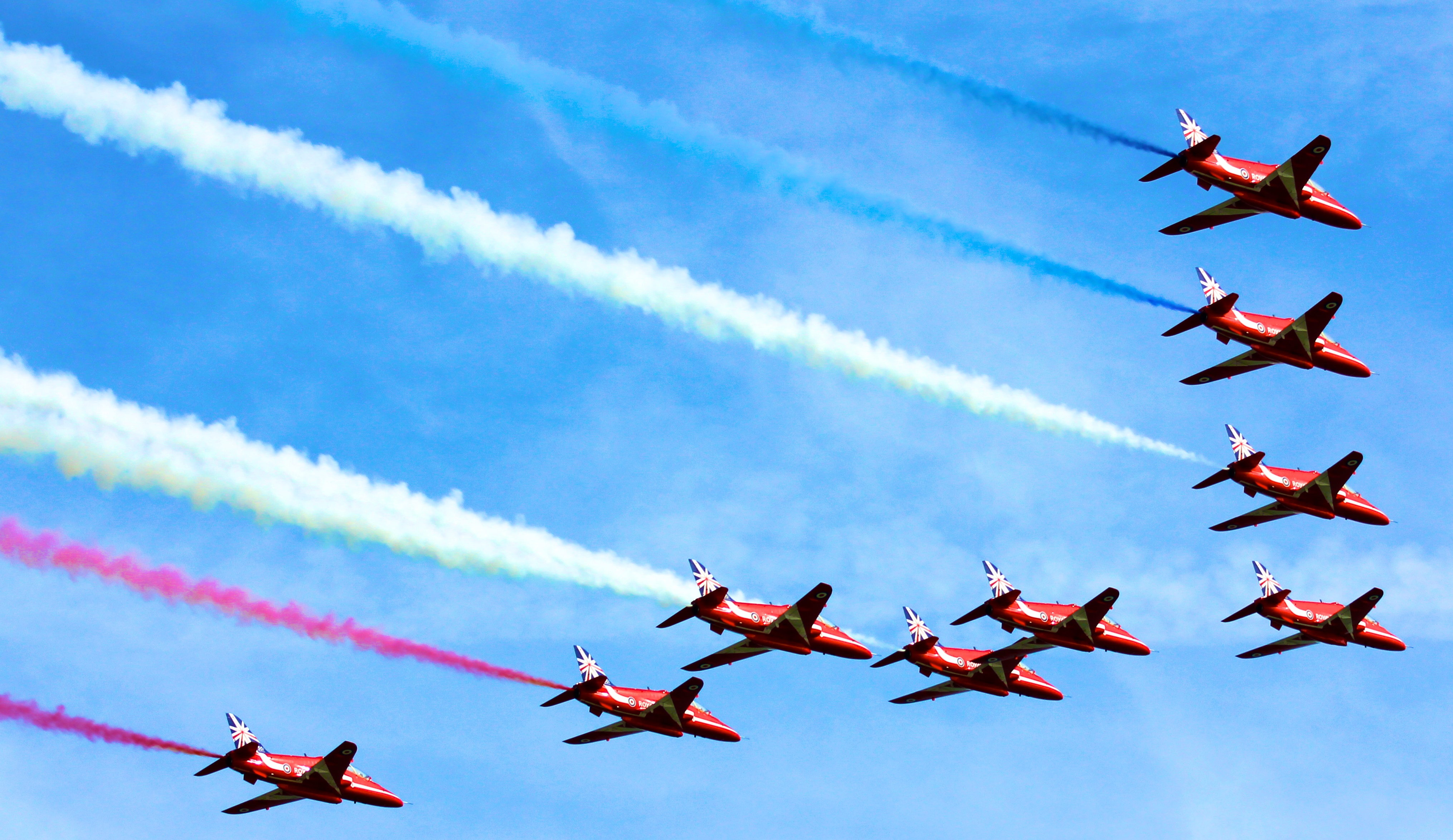
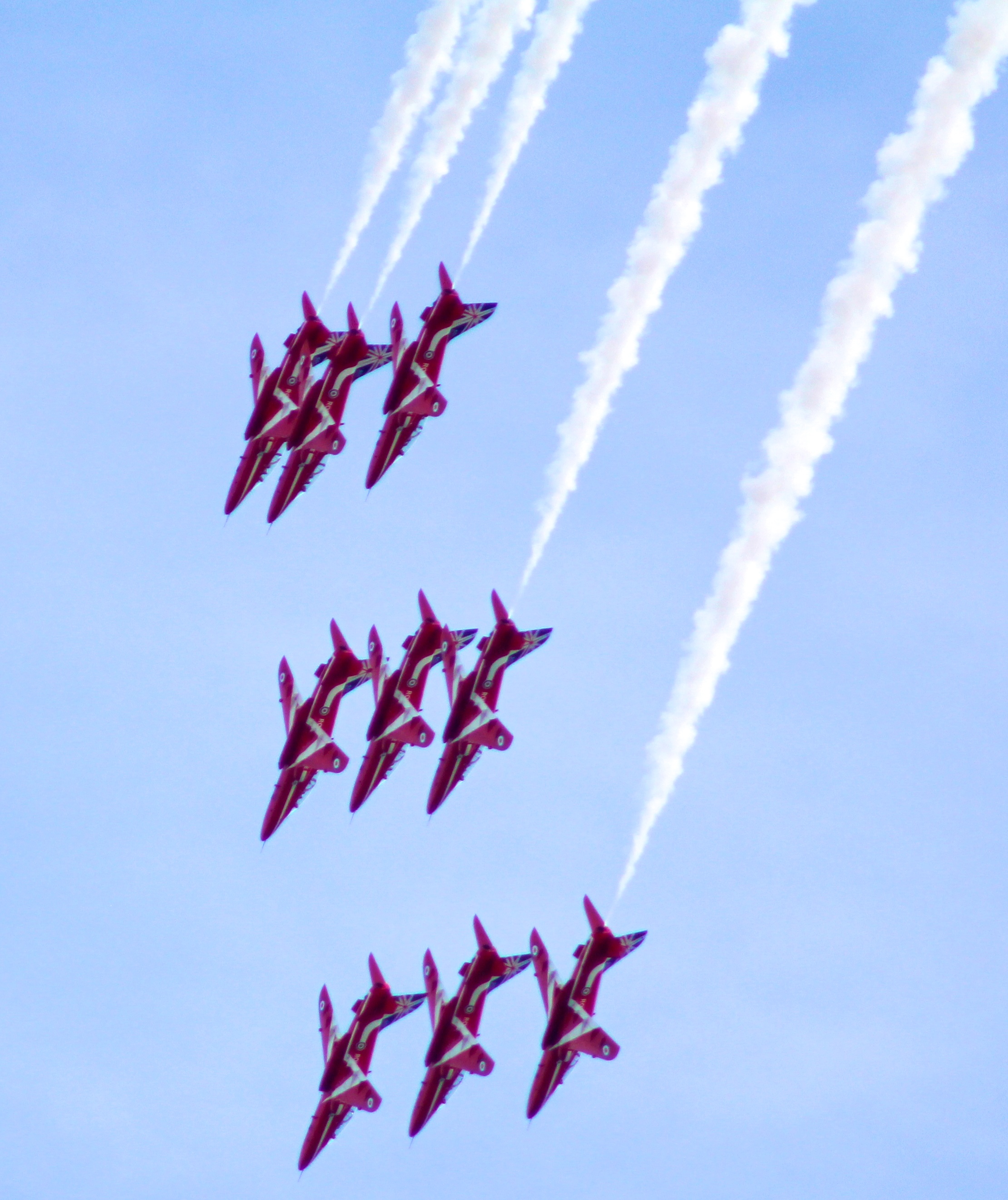
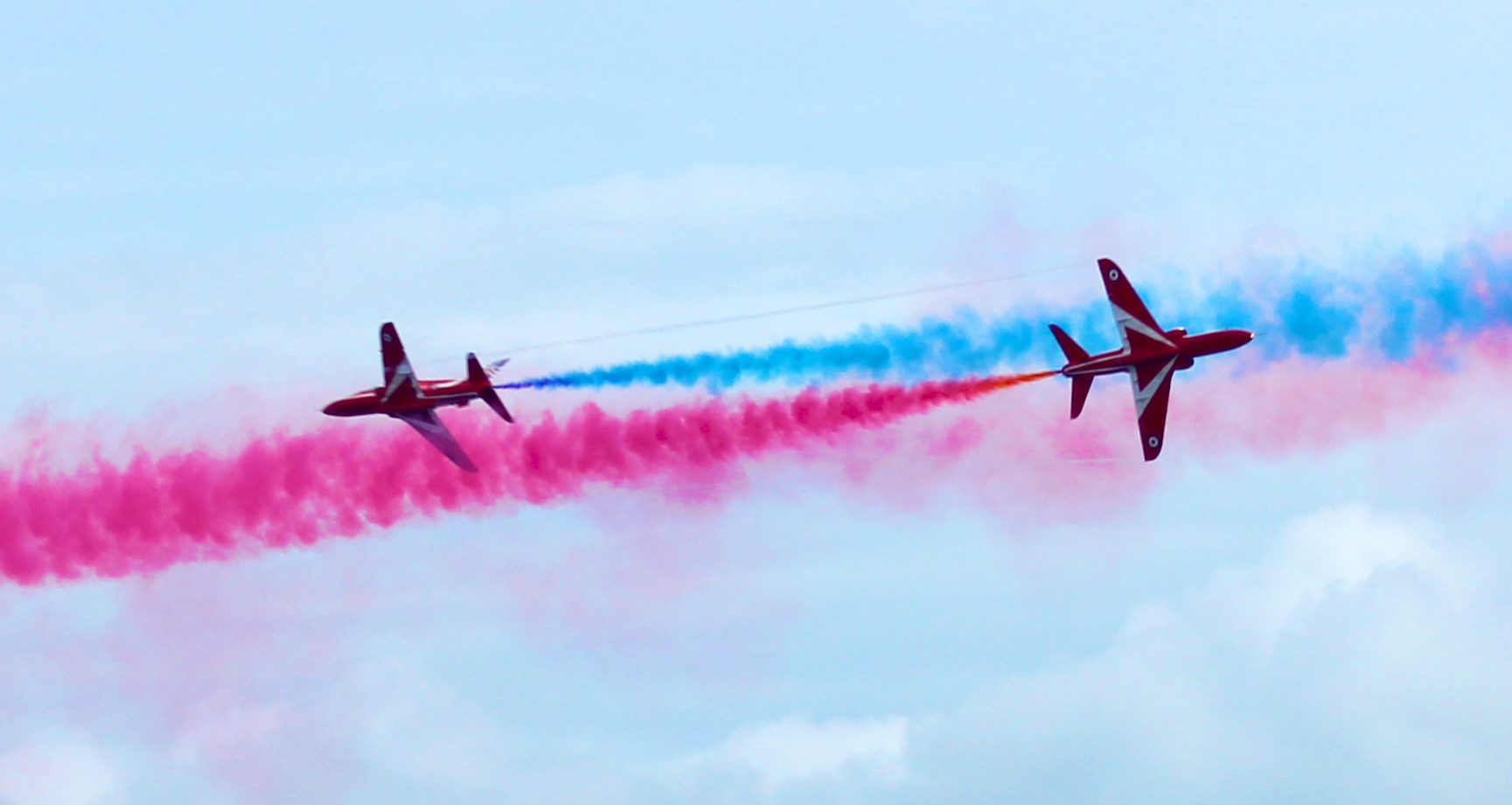
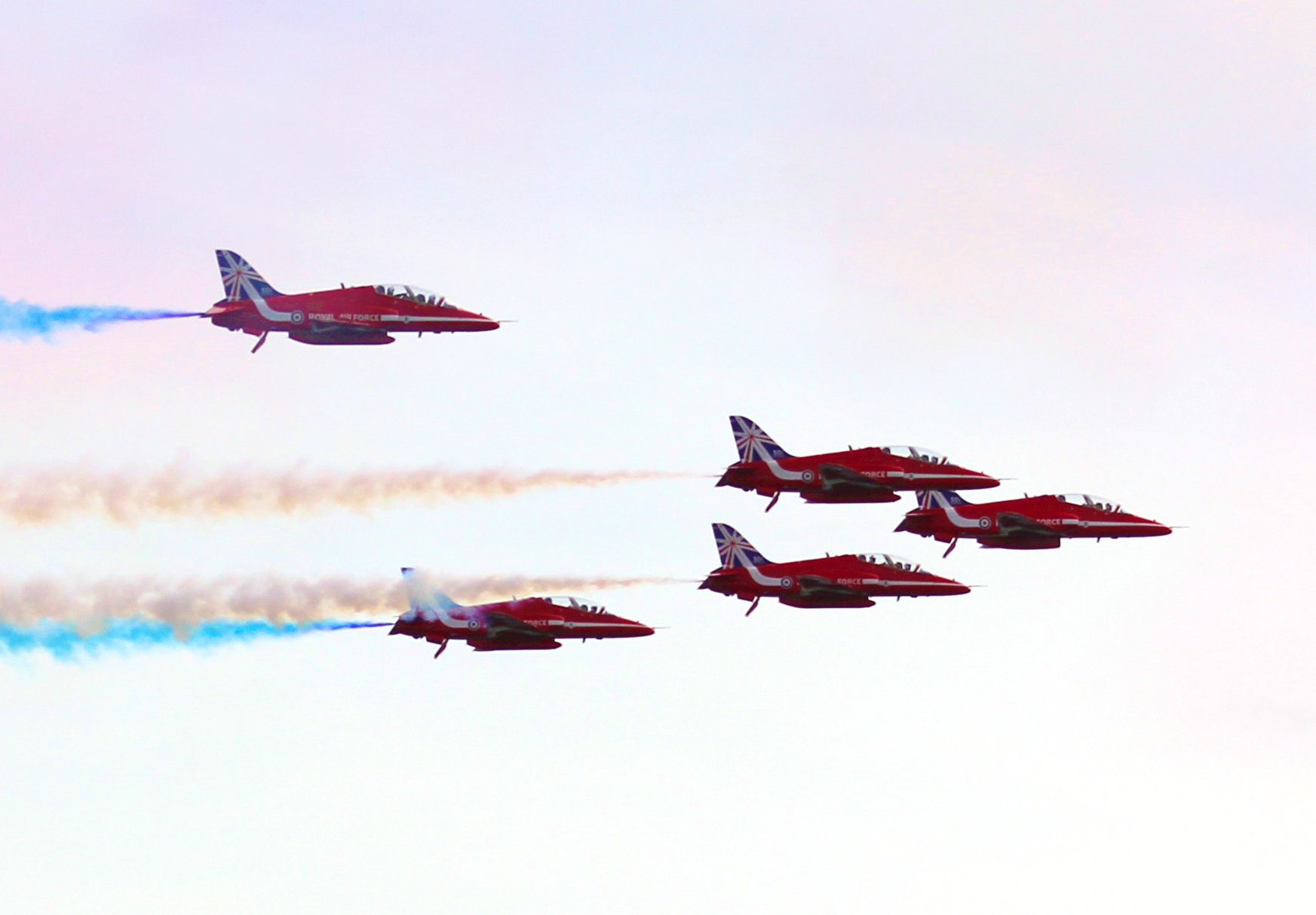
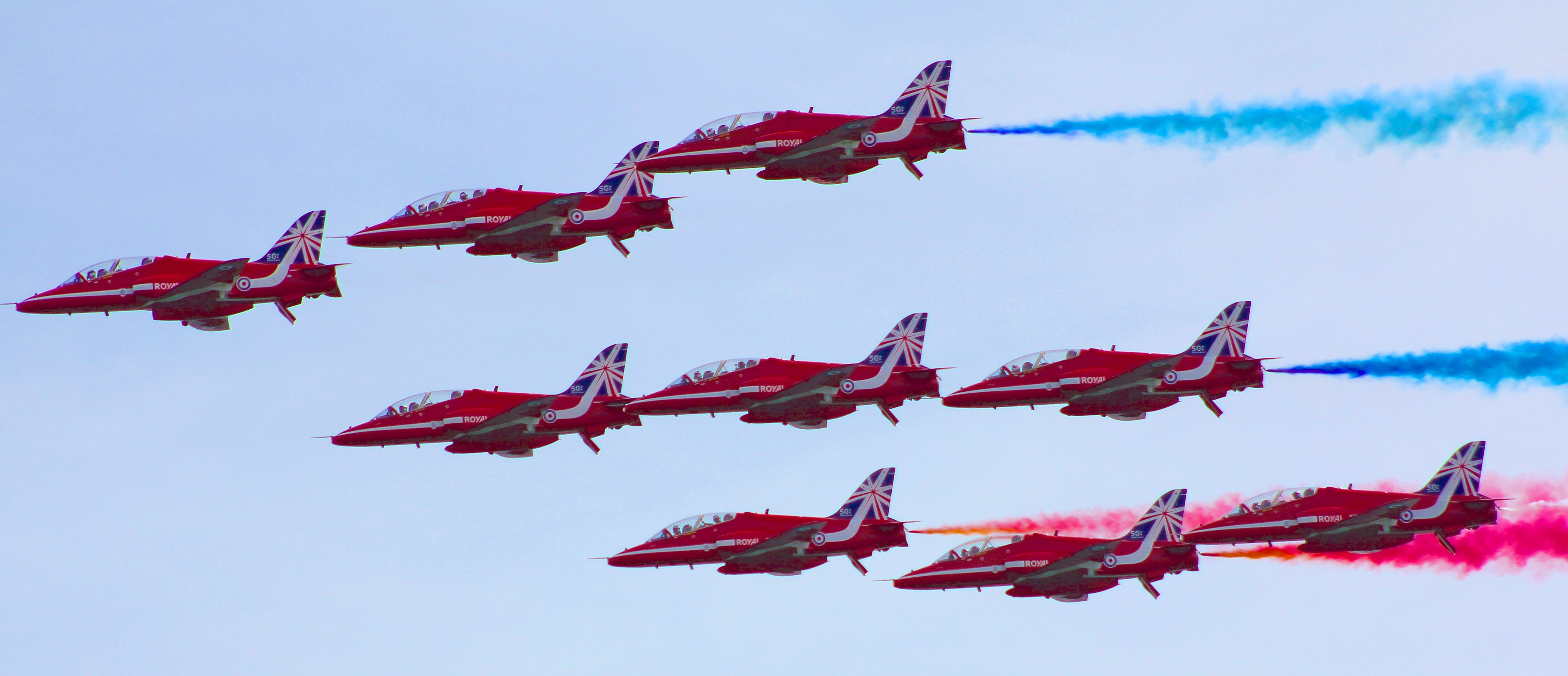
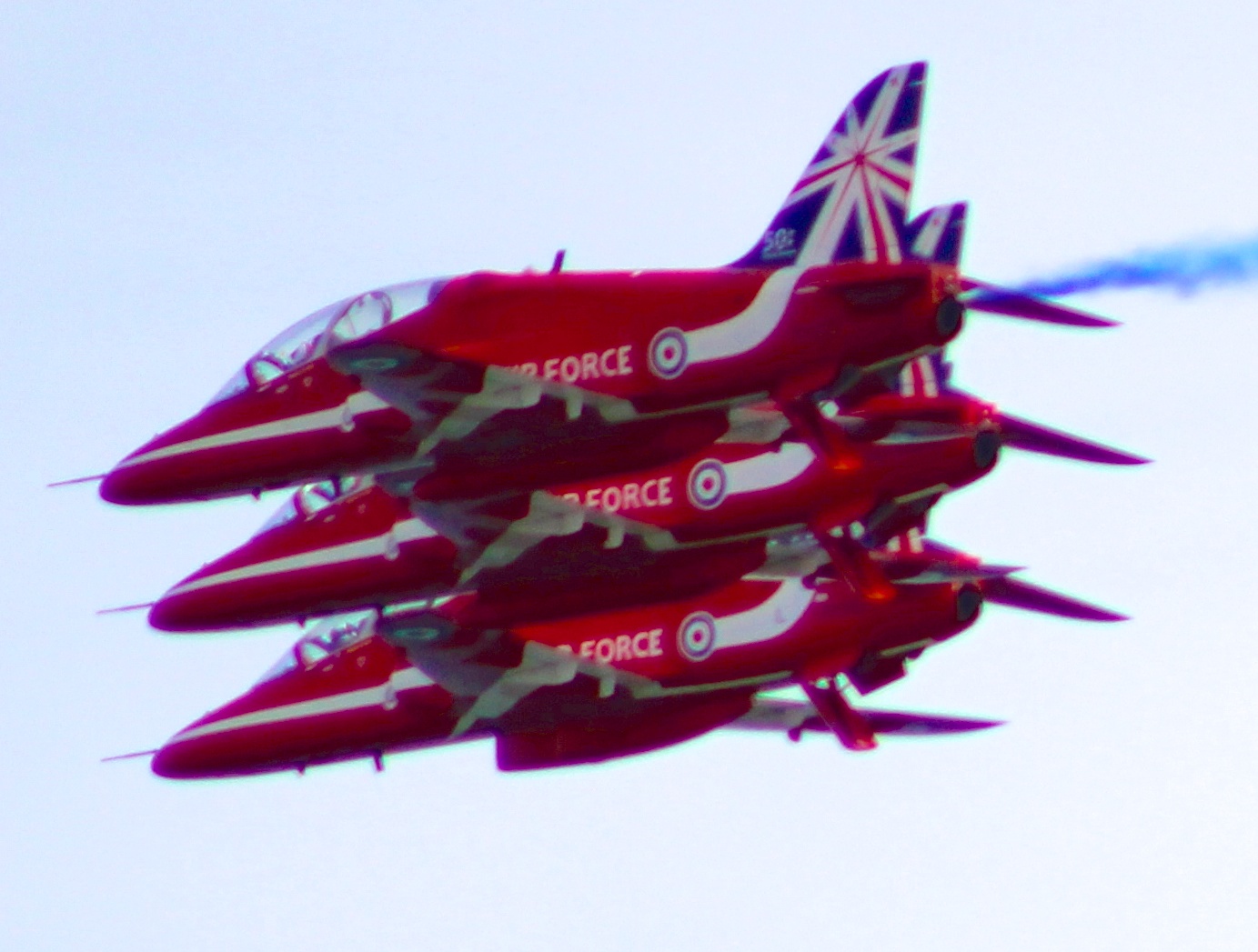
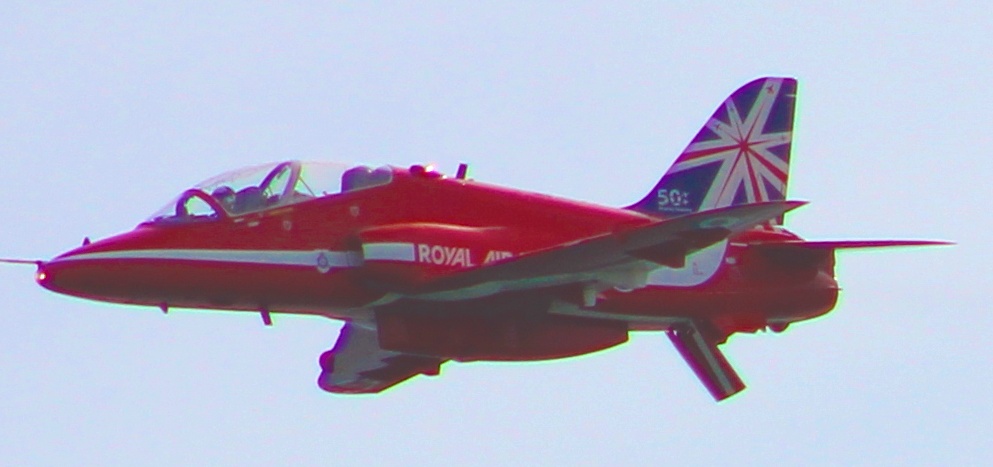
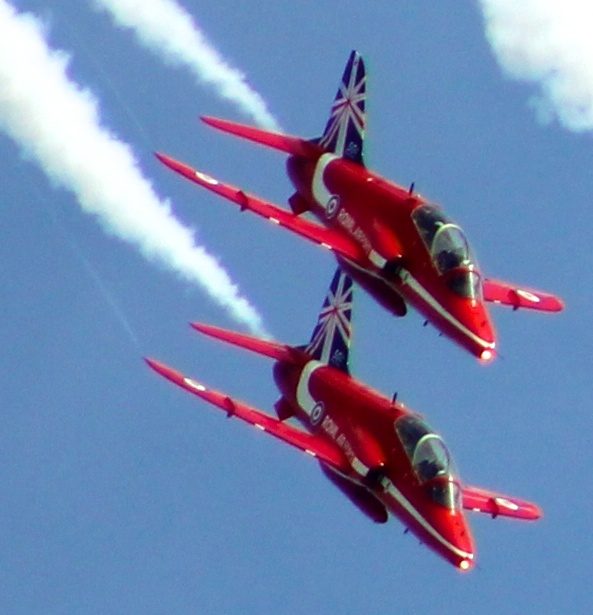
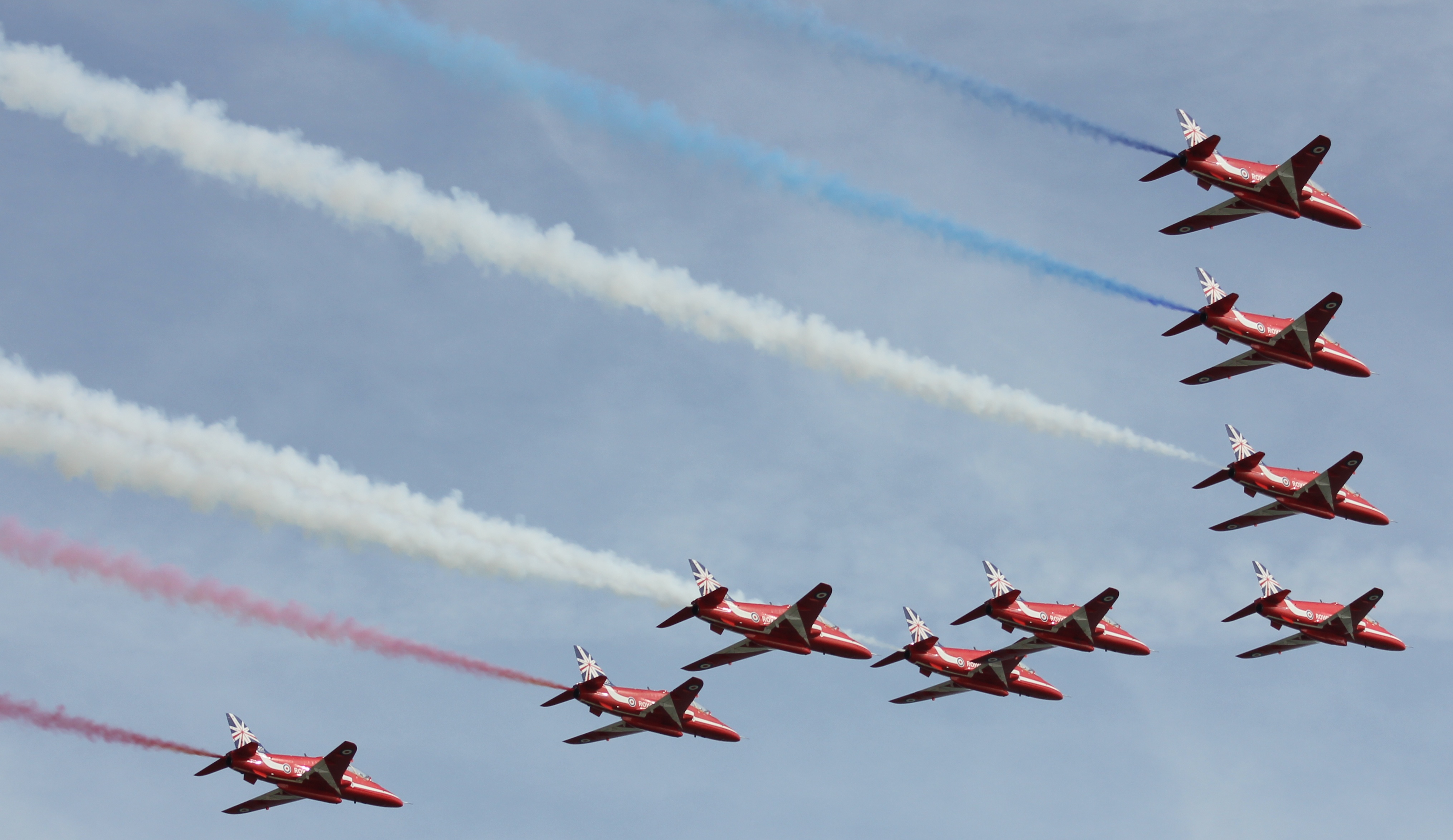
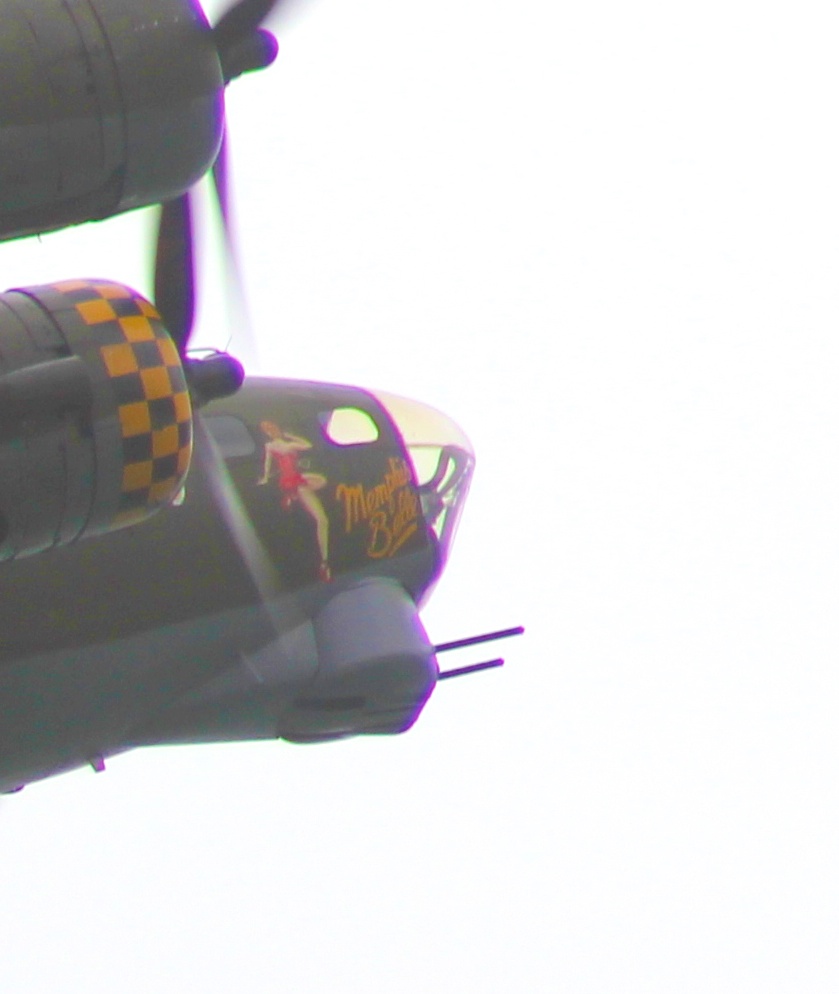
A fantastic day at the Bournemouth Air Show today and as usual the Red Arrows never fail to entertain. Their professionalism is unmatched. No words for this Blog, the photos tell their own story.

.

Harvey Black (1)

.

Harvey Black (2)

.

Harvey Black (3)

.

.

Harvey Black (6)

.

Harvey Black (7)

.

Harvey Black (8)

.

Harvey Black (9)

.

Harvey Black (10)

.

Harvey Black (11)

.

Harvey Black (12)

.

Harvey Black (13)

.

Harvey Black (14)

.

Harvey Black (15)

.

Harvey Black (16)

.

Harvey Black (17)

.

Harvey Black (18)

.

Harvey Black (19)

.

Harvey Black (20)

.

Harvey Black (21)

.

Harvey Black (22)

.

Harvey Black (23)

.

Harvey Black (24)

.

Harvey Black (25)

.

Harvey Black (26)

.

Harvey Black (27)

.

Harvey Black (28)

.

Harvey Black (29)

.

Harvey Black (30)

.

Harvey Black

.

. RedEffect72dpi-4 .

‘The Red Effect’ by Harvey Black – Available now. The Cold War that became a Hot War.

The Photographs and Blog is copyrighted to Harvey Black.
. HarveyBlack-Red Effect150313

‘The Red Effect’ by Harvey Black – Kindle version out now! The Cold War that became a Hot War. 

.

The Red Effect. The day the Cold War turned Hot. Part 4.

The first novel in my ‘Cold War’ trilogy, The Red Effect, published by SilverWood Books, is now available. Thoroughly enjoyed writing it, as i do with all my novels. There will be three books in total, covering the hypothetical invasion of West Germany, the Federal Republic of Germany, by the Warsaw Pact in the mid 1980’s. Book 1, ‘The Red Effect’, encompasses part of the intelligence build up leading to the initial Warsaw Pact strike against the NATO forces lined up against them. The purpose of the next few posts is to give the reader some additional background information to enhance their reading experience.

. RedEffect72dpi-4 .

‘The Red Effect’ by Harvey Black – Available now. The Cold War that became a Hot War.

The Cold War era started very soon after the end of the second world war, when the communist east, led by the Soviet Union, and the Western world, led by the United States and its NATO allies, faced each across what became known as the ‘Iron Curtain’.

The perception of a potential Third World War, was generally one of a nuclear war. It may have come to that. In reality we will never know. But, one scenario is that of a conventional war. The massed forces of the Warsaw Pact against the supposedly technically superior, but weaker, NATO armies, that may well have escalated into a nuclear exchange.

.

It was anticipated that 1 British Corps would be up against the Soviet 3rd Shock Army, consisting of four armoured divisions. The first echelon of 3SA could consist of 10th Guards Tank Division and 7th Guards Tank Division. They alone would have in the region of 700 main battle tanks. Once through the British covering force, a thin screen to slow down the Soviet advance, they would attempt to punch through the main force, committing two further divisions to exploit any breakthrough. As it is likely that the Soviet Army would attack a reduced sector, enabling them to consolidate their forces, a unit like the 1st Armoured Division, with about 200 tanks, would probably find two of it’s Brigades, with 100-150 Chieftain or Challenger tanks,  attempting to stop this onslaught. But, that is not all they would have to contend with:

.

Red Effect 4 079

Soviet paratroopers drop from a Tupolev TB-3 in 1930.

After the initial experimental jump in 1930, during 1932/33, larger units were created. By 1941, the Soviet army had established  five Airborne Corps.

.

Red Effect 4 080

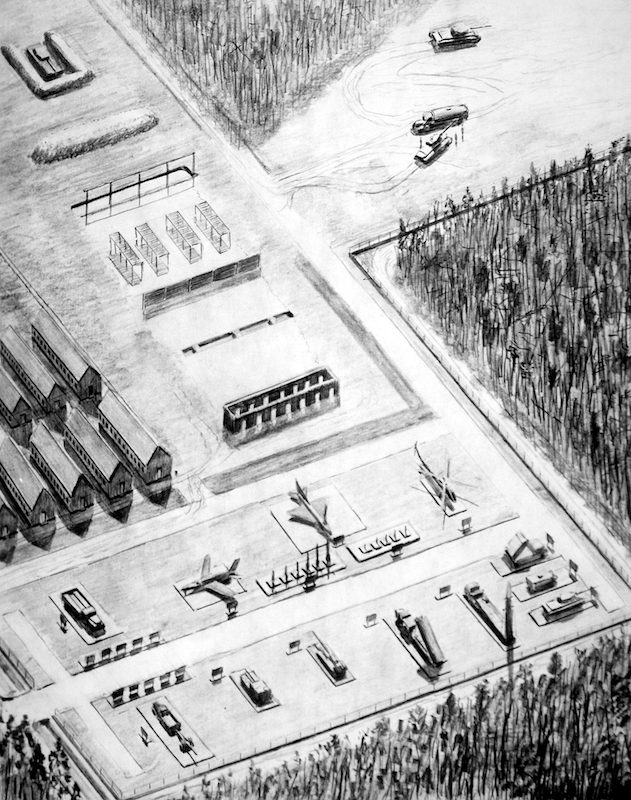
Spetsnaz training facility, also often used by airborne forces.

.

Red Effect 4 081

Present day Russian Airborne troops.

.

Red Effect 4 082

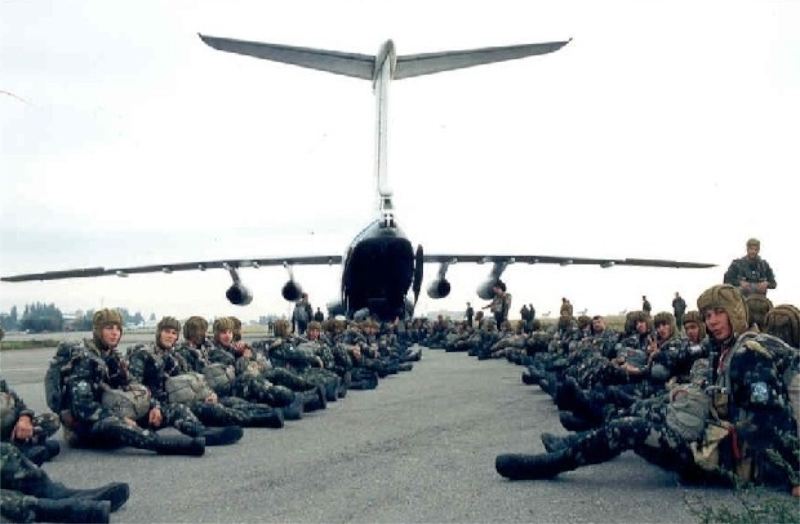
The Soviet Airborne troops or VDV, Vozdushno Desantyne Voyska (Air-Landing Forces), were classed as elite troops, hence the blue berets and blue and white horizontally striped shirt beneath their one-piece coveralls.

In the 80’s, the Soviet army had at least 6 Airborne Divisions and some 15 Air Assault Brigades.

.

Red Effect 4 083

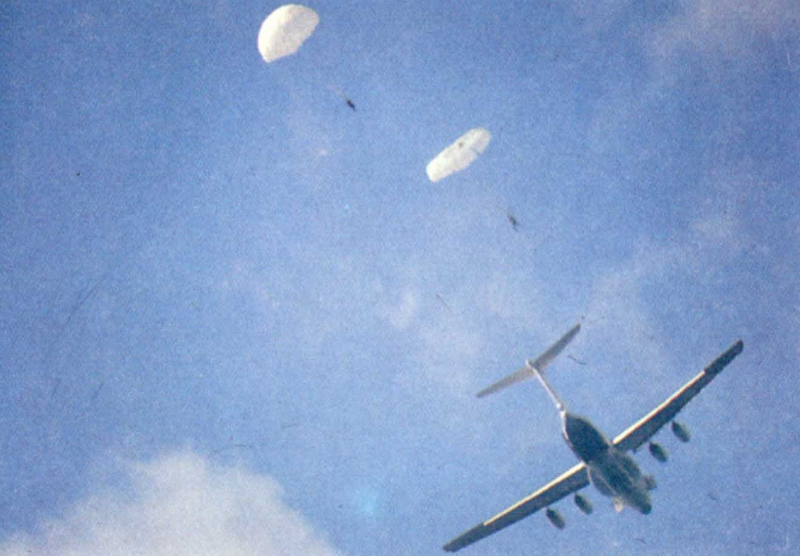
Soviet airborne troops waiting to board an Ilyushin II-76 ‘Candid’ aircraft.

.

Red Effect 4 084

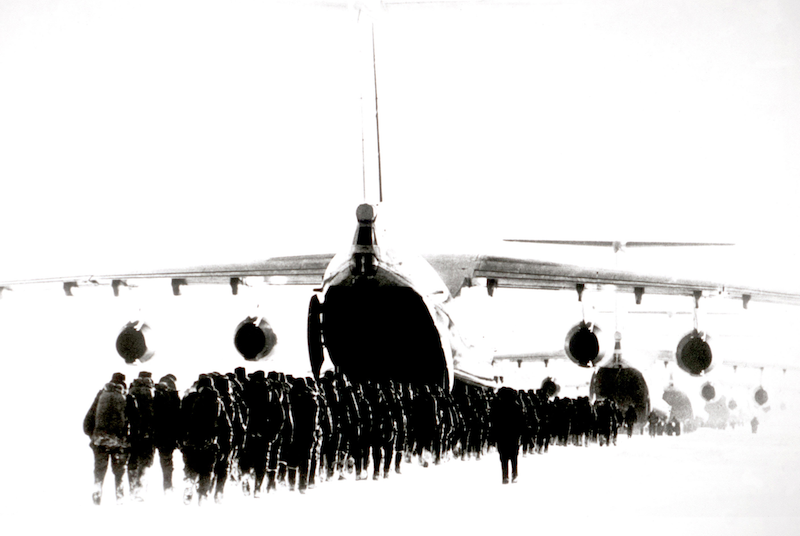
1984, Soviet airborne troops boarding a Candid, which was capable of carrying 140 armed troops, or 125 paratroopers.

.

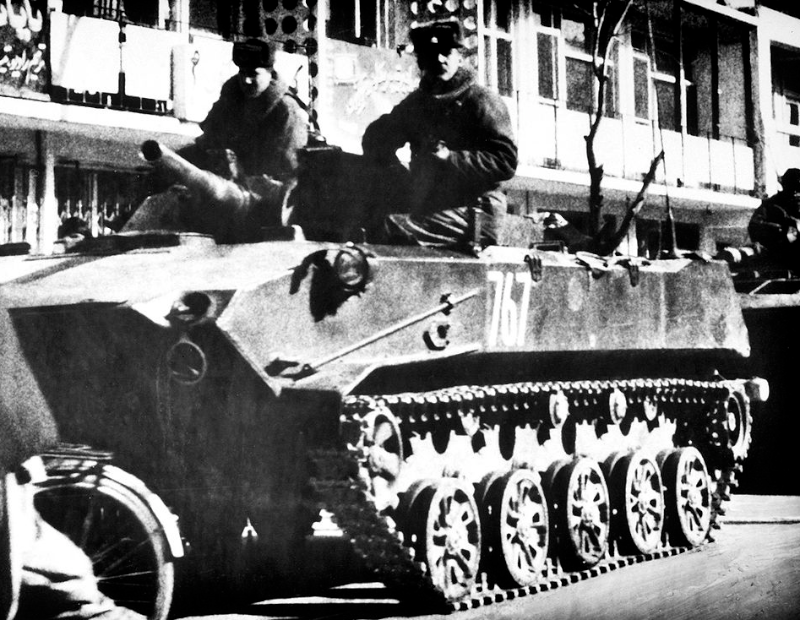
The Airborne Division and the Air Assault Brigade, were two types of Soviet Airborne unit.  An Airborne Division, made up of 3 BMD (BMD-airborne armoured personnel carrier) Regiments, an artillery regiment, an assault gun, anti-aircraft, engineer, signal, transport and medical battalion, along with a reconnaissance and chemical defence company. With over 6,500 men, it was a force to be reckoned with. Should 1 British Corps find two of these divisions suddenly dropping behind their lines, it would cause havoc. Unless the 2nd Infantry Division had arrived from the UK to conduct rear area defence, the front-line divisions would have to divert reserves to deal with this additional menace.

Red Effect 4 085

A Soviet airborne amphibious tracked infantry combat vehicle. It can be palletised and dropped by parachute or off-loaded from an aircraft after a standard runway landing.

.

Red Effect 4 086

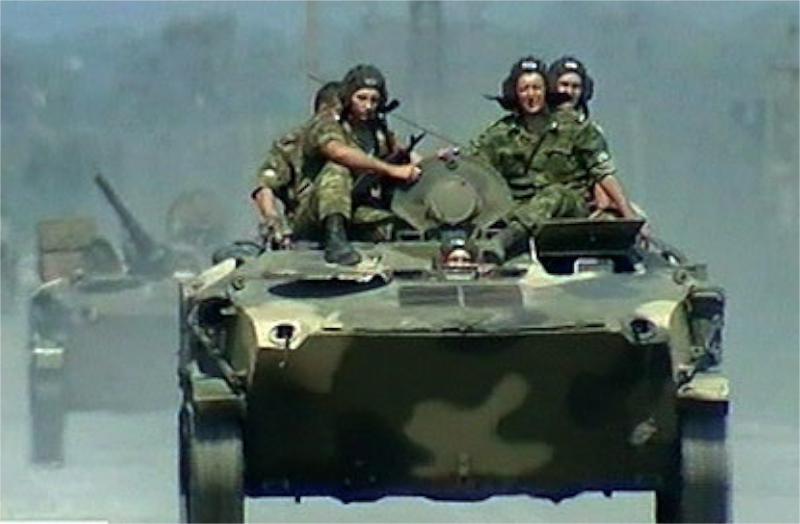
Present day, airborne troops in Abkhazia.

.

Red Effect 4 087

An ASU-85 of the Polish 6th Air Assault Division. In the 80’s, the Polish army had two airborne divisions that would have been used as part of the Warsaw Pact forces invading West Germany. The 15.5 ton, ASU-85, with its 85mm gun, gave the airborne forces some light infantry support and limited anti-tank capability once on the ground. It could be air-dropped, using a high-capacity multi-chute and retro-rocket systems, or underslung from a Mi-6 Hook helicopter.

.

Red Effect 4 088

Soviet airborne troops in Kosovo.

.

An Air Assault Brigade on the other hand was much smaller. It would have two BMD assault battalions and two parachute battalions. They were supported by a reconnaissance company, artillery and air-defence battalions, along with signals, engineers, transport, supply, chemical defence and medical support. The Brigade would range from between 2,000 – 2,600 men. A mix of air assets would be used to land this force behind NATO lines. Again, 1 Br Corps could find perhaps two of these units, over a period of a couple of days, securing key river crossing points, securing high ground, cutting off reinforcements and supplies or airfields and even known Nuclear weapons storage sites.

Red Effect 4 089

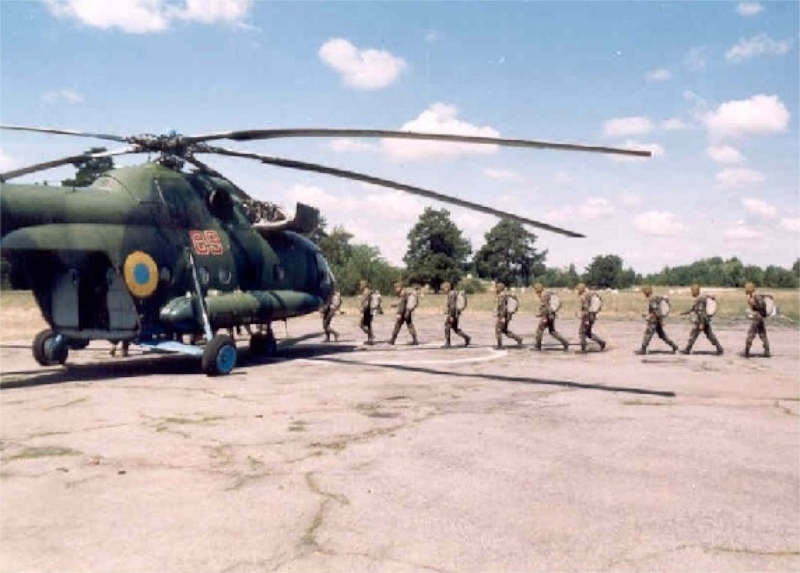
Mi-8, Hip helicopter. Capable of carrying between 14 and 24, dependent on helicopter model, combat equipped troops. 

.

Red Effect 4 090

It could insert advance parties to secure landing zones ready for the main force.

.

Red Effect 4 096

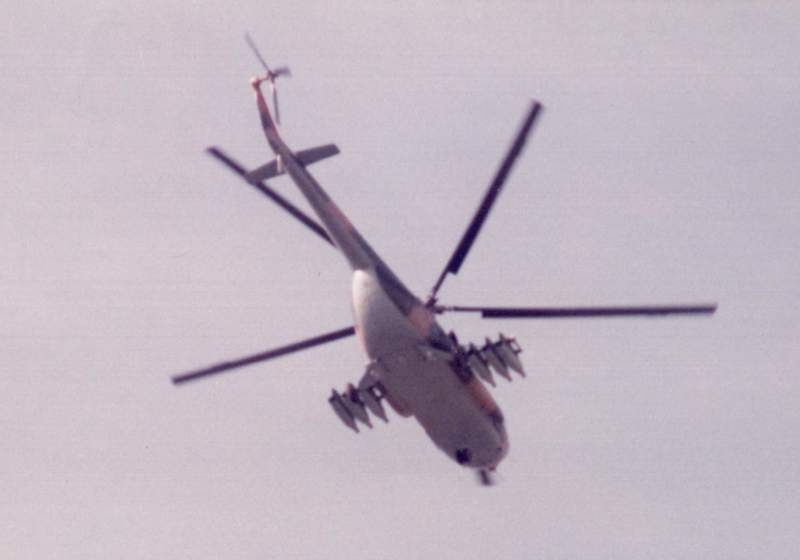
The Mi-8 Hip could also be used to provide air-to-ground support for landing troops.

.

Red Effect 4 095

Armed with either Swatter anti-tank missiles, 192 x 67mm rockets and a 12.7mm nose mounted machine gun, it would make it hard work for the defenders to counter an assault. The Soviet Army would have nearly 2,000 of these to support air landings and to act as ground-to-air support.

.

Red Effect 4 097

They would also bring in the big boys, the Hind. Again a phenomenal amount of weaponry was available. Starting with its four-barrel, 12.7mm gatling machine gun, four 57mm rocket-pods (32 rockets per pod) and four Swatter anti-tank guided missiles it would cause havoc on the front line and in the rear area. Over 1,000 tank busting helicopters would help to facilitate landings behind the NATO front line.

.

Red Effect 4 091

Mi-6 Hooks. They could deploy troops at speed, quickly enveloping smaller NATO units in the rear.

Red Effect 4 092

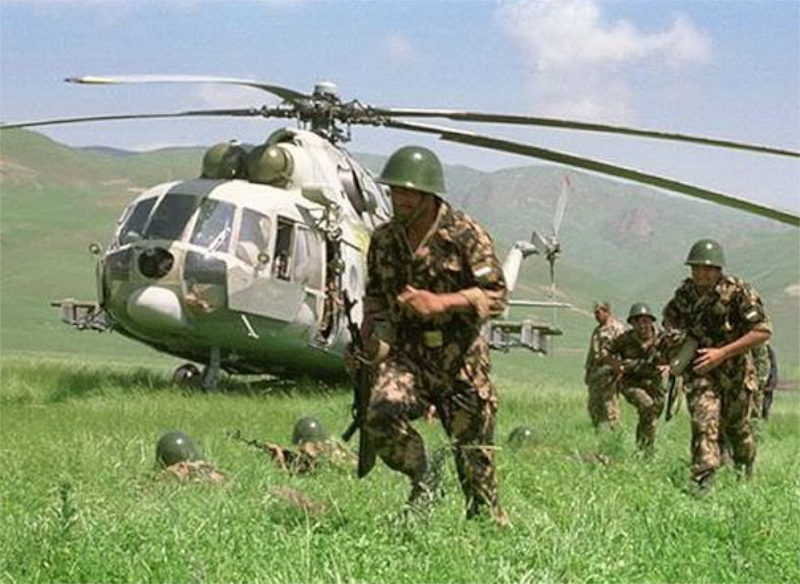
Hip helicopter, landing an assault battalion from a Soviet division’s assets.

.

So, 1 Br Corps would probably have to handle at least one full airborne division behind its front line, if not two. Between 6,000 and 13,000 well trained, highly motivated, aggressive troops causing havoc, up to one hundred kilometres behind the Forward Line of Own Troops (FLOT). They could cut-off a division’s resupply, disrupt reinforcements and even attack the defending units from behind. Then, perhaps one or two Air Assault Brigades would target key strategic areas and river crossing points. Perhaps another 2,500-5,000 men. Let’s put this into persecutive. Between 8,500 and 18,000 Soviet airborne forces could target an area, defended by a British division, the division having up to 200 tanks and 9,000 men.  If 2nd Infantry Division was in Theatre, some reinforcements would be available. 1 BR Corps would have to redeploy other units and would be dependent on support from either the German or Dutch Armies. Then, of course, there would be the Soviet attacking force to the front.

Is that all? Far from it. The Group of Soviet Forces had five Spetsnaz battalions at its disposal, each battalion able to operate in up to 25 groups of 10 men. In addition, two Spetsnaz Brigades of 1,500 to 2,000 men each were available, operating in groups of 50-150. They would be used to target and destroy any Nuclear capability that the british forces might possess, neutralisation of any Surface-to-Air missile sites, seizure of airfields, bridges, logistics and centres of communication. The 16 Military Districts had one Brigade each along with one each for the Central Group of Soviet Forces, Northern Group of Soviet Forces and the Southern Group of Soviet Forces.

Red Effect 4 093

Spetsnaz units could be parachuted in under the cover of darkness. Some Spetsnaz units would have crossed over into West Germany prior to the invasion of the West, coming out of hiding to assassinate key leaders and destroy communications centres. The Spetsialnogo Naznacheniya (Special Designation) had a peacetime strength of 30,000. The peacetime strength of the British SAS was probably 300. The wartime strength of the Spetsnaz would increase to 100,000-120,000. They came under the jurisdiction of the 3rd department of the GRU’s 5th Directorate, commanded by a Colonel-General.

.

Red Effect 4 094

Spetsnaz, highly trained and deadly.

.

Red Effect 4 079 (1)

West of Helmstedt, July the 5th, 1984.

3 Shock Army has one of its first echelon divisions, 10th Guards Tank Division, with the its first echelon regiments, 62nd Tank Regiment and the 248th Guards Motor Rifle Regiment, assaulting the covering force of 4th Armoured Division.

.

Red Effect 4 080 (1)

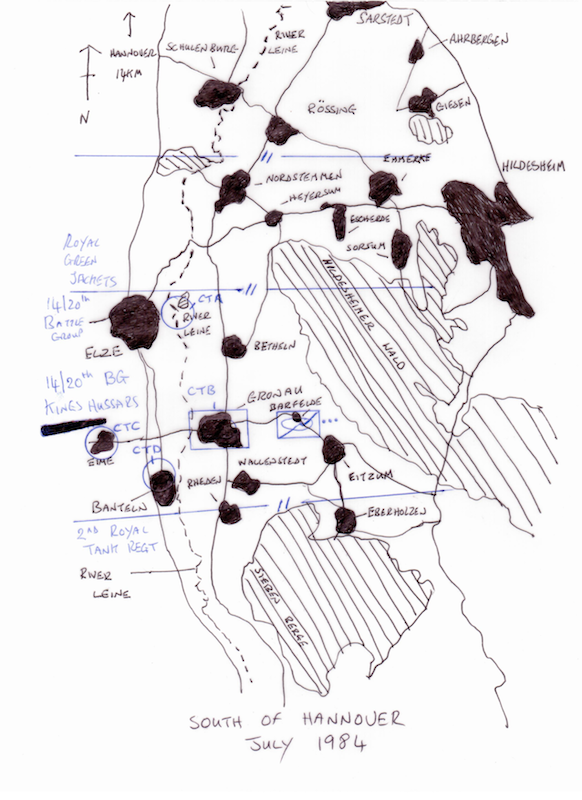
South of Hannover and west of Hildesheim. Dispositions of 22nd Armoured Brigade.

.

The 14th/20th Kings Hussars Battle Group has the task of defending a section of the River Leine. Combat Team Alpha, with a squadron of Chieftain tanks, east of Elze, Combat Team Bravo, with three tank troops and a platoon from the Royal Green Jackets, have the task of defending Gronau. Combat Team Charlie, with a tank squadron, has been deployed in Eime as the Battle Group reserve. Combat Team Delta, a full tank squadron, has Banteln. A recce troop of Scimitars has been deployed in and around Banteln. To the north of 14/20th is the Royal Green jackets Battle group, and to the south, the 2nd Royal Tank Regiment.

.

i hope this has given you a further insight into what NATO, in particular the British Army, would have been up against. Going forward I will add more information in support of my Cold War trilogy, including maps and photographs.

The equipment Photographs, maps and Blog are copyrighted to Harvey Black.

. HarveyBlack-Red Effect150313
‘The Red Effect’ by Harvey Black – Kindle version out now! The Cold War that became a Hot War. 

.