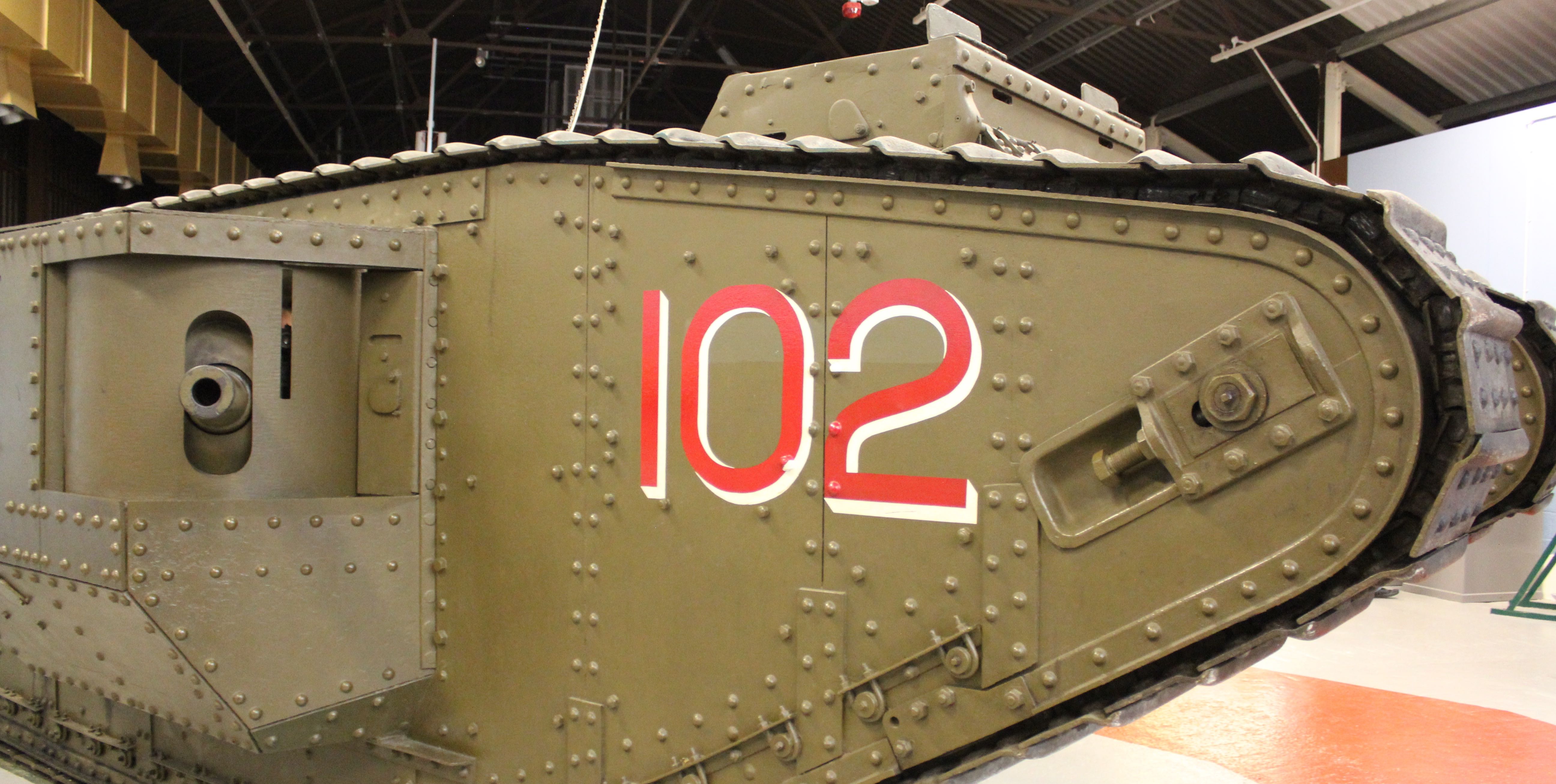
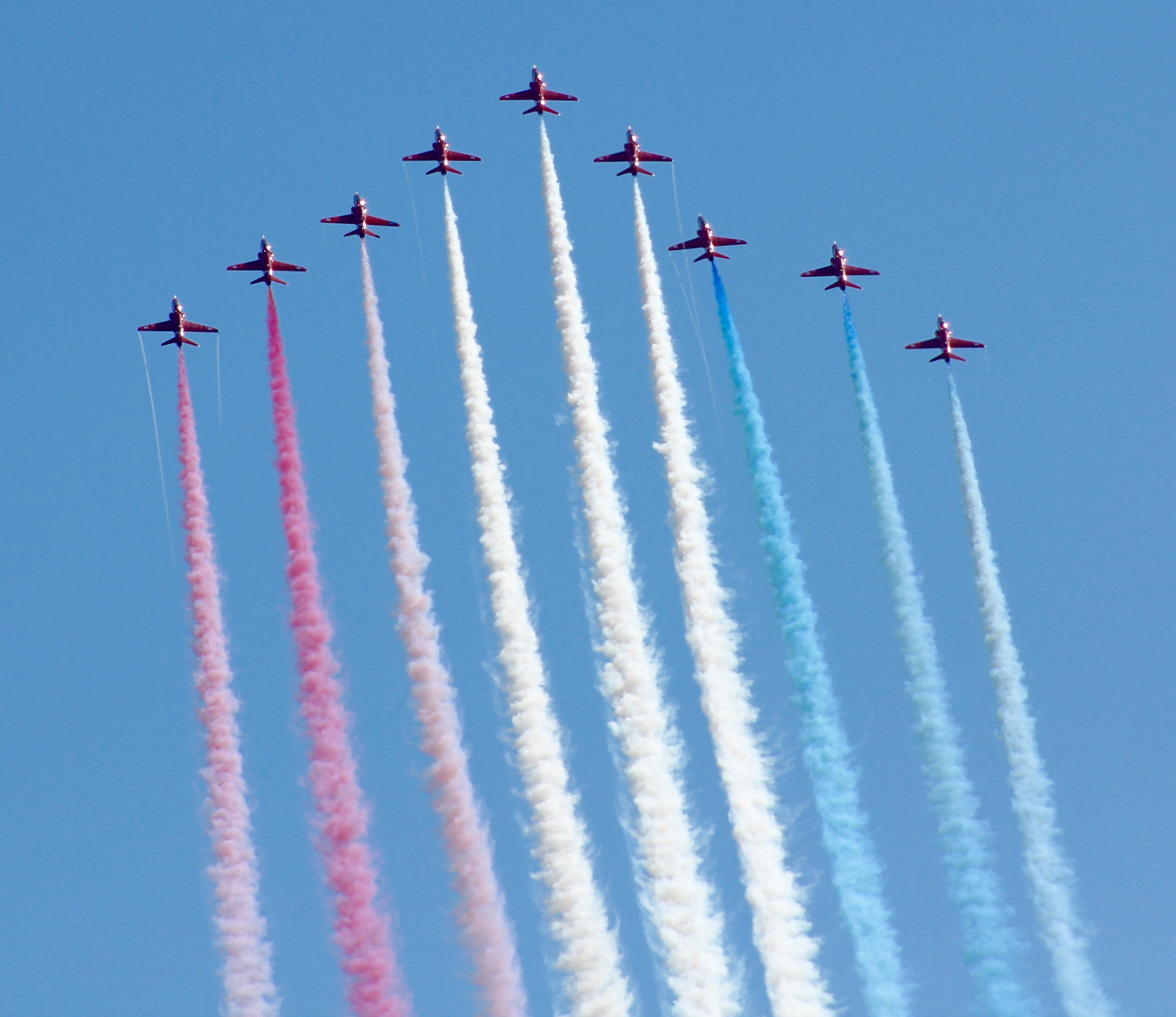
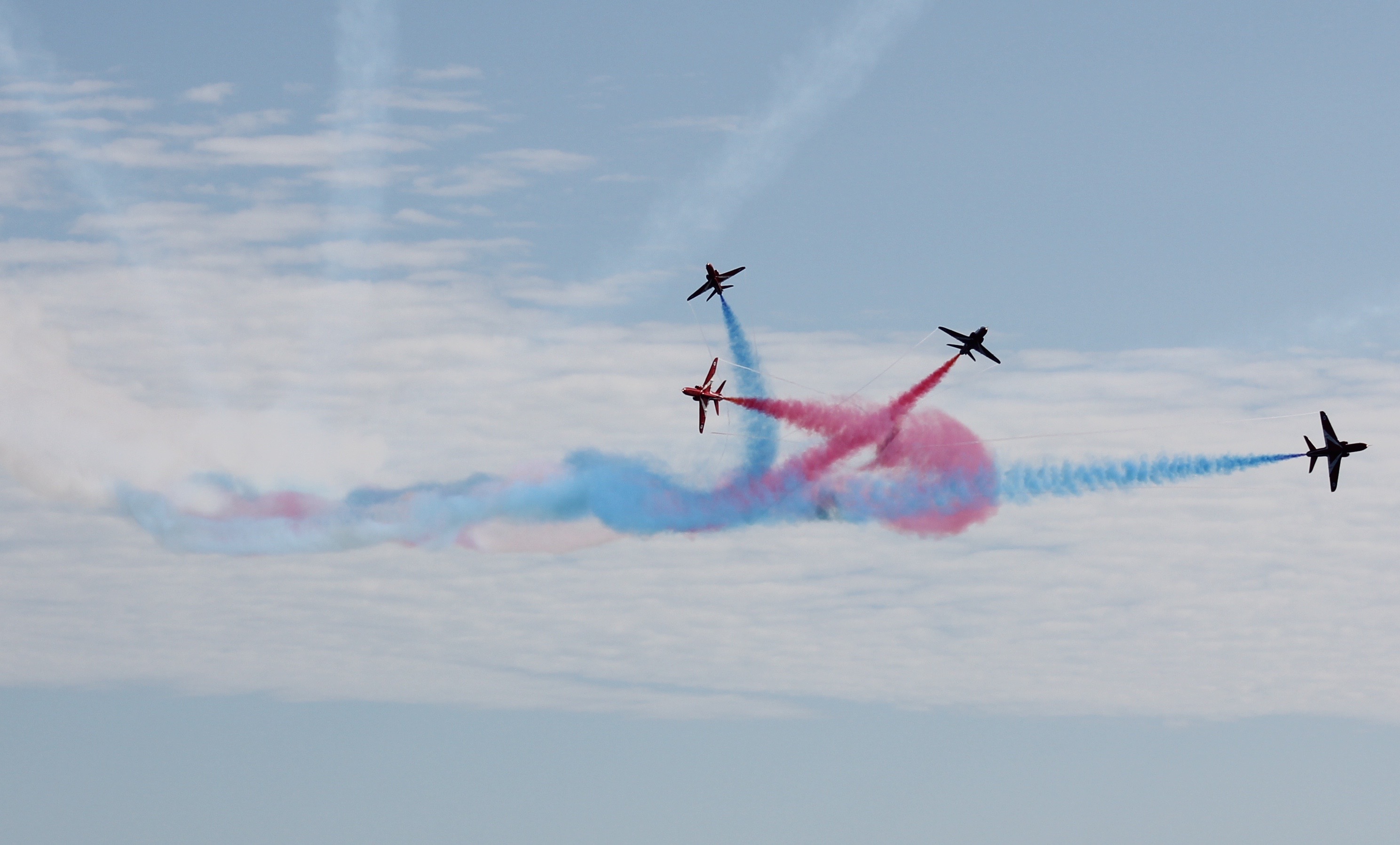
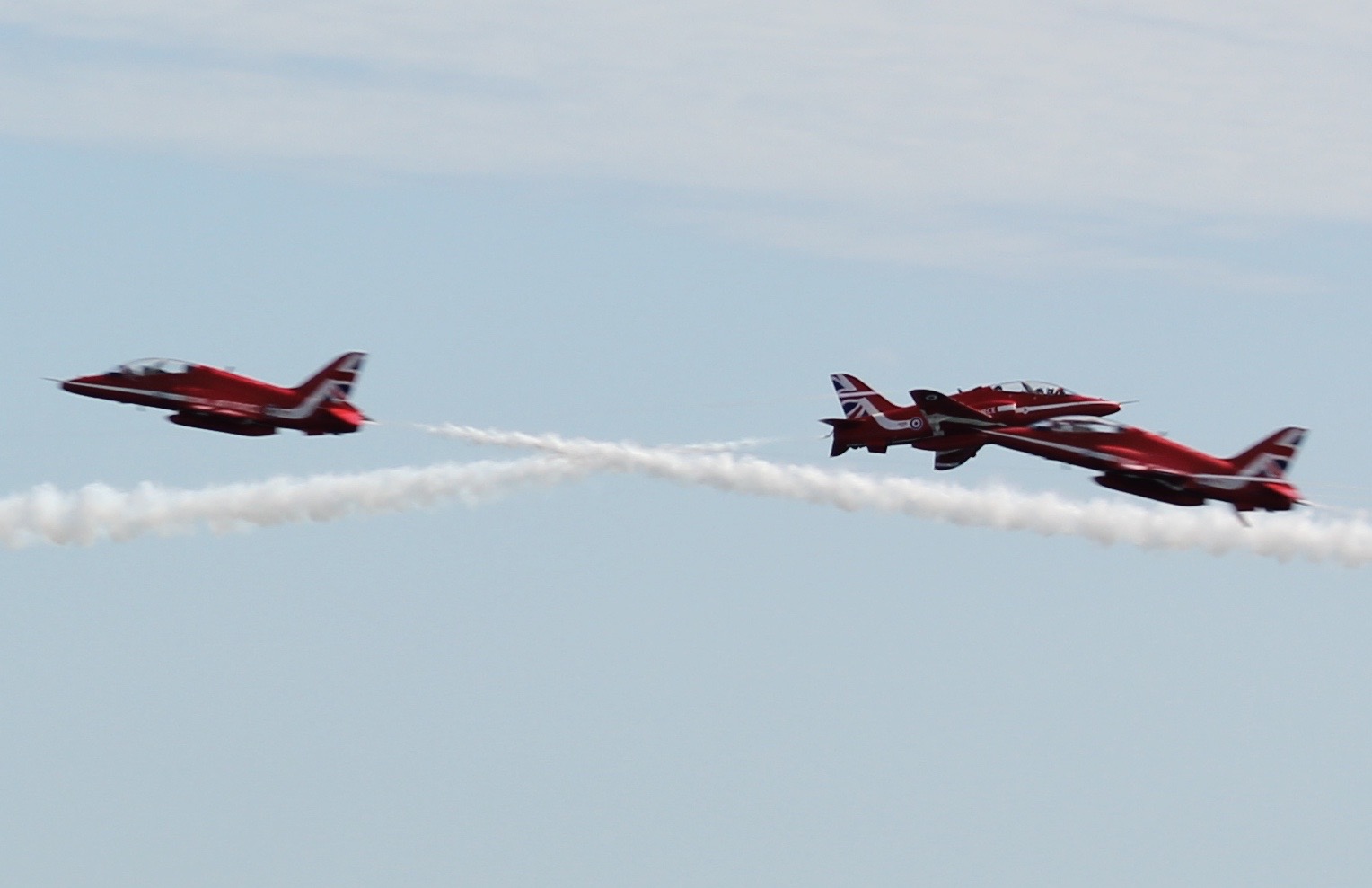
Red Arrows. Bournemouth 2015
.
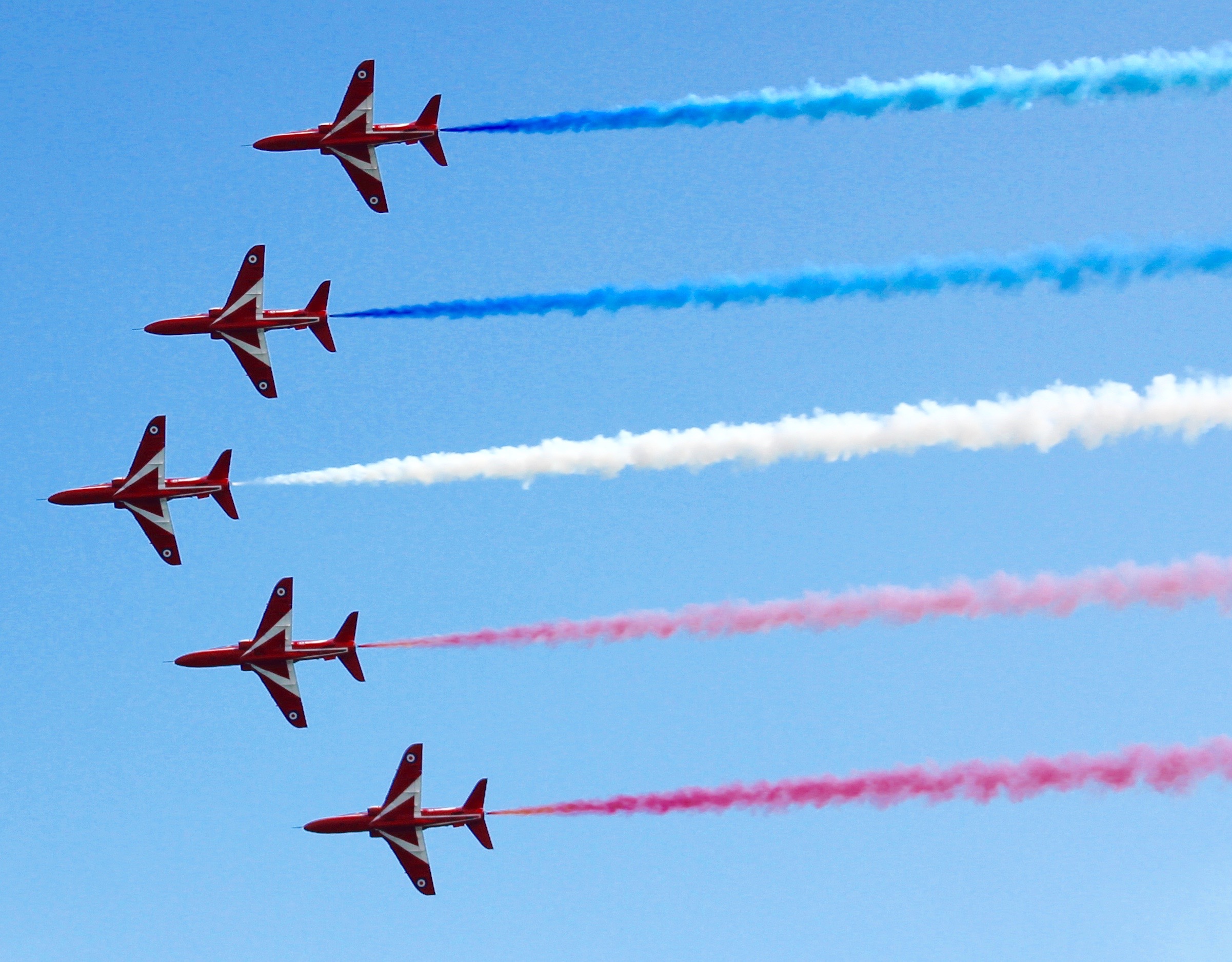
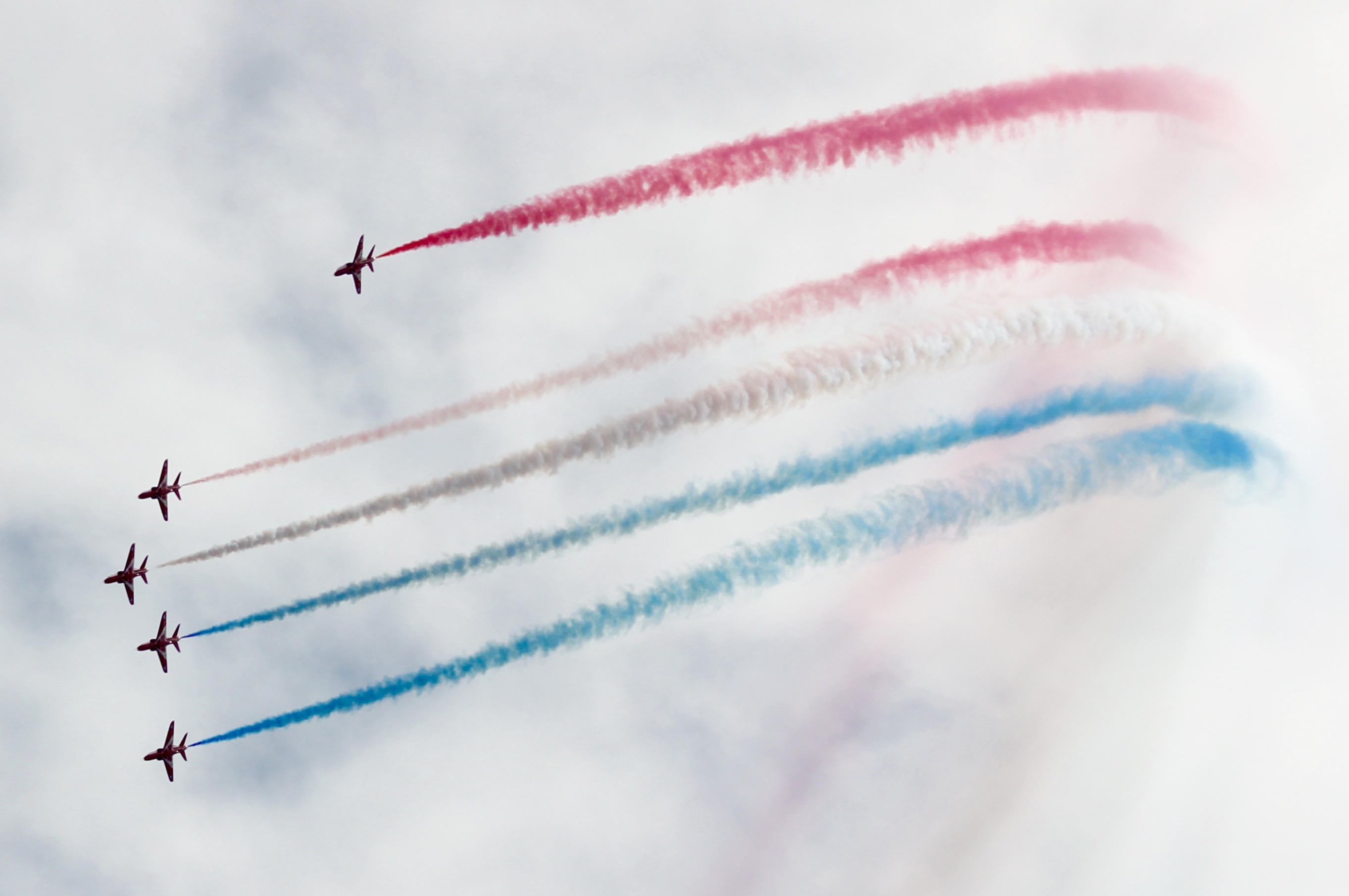
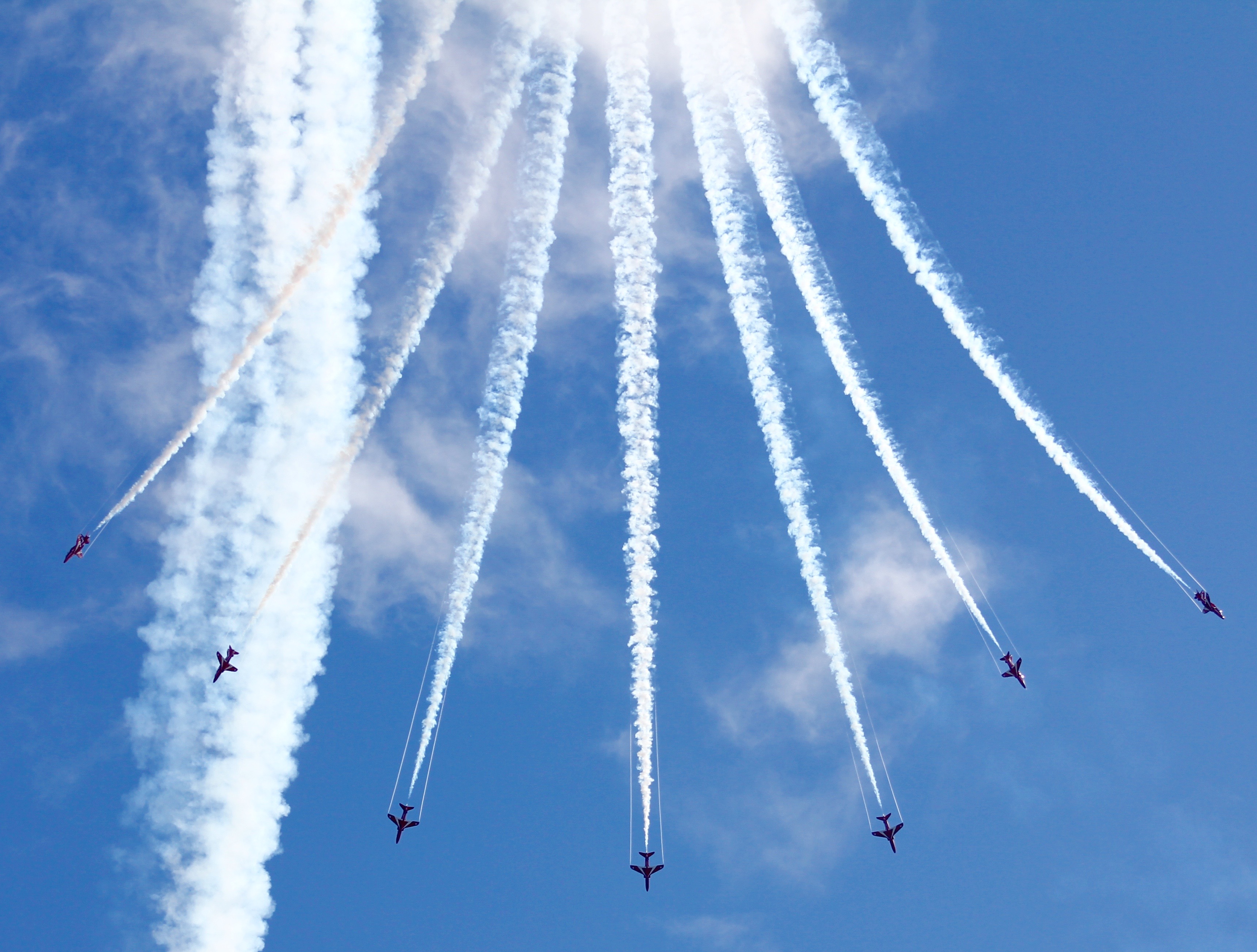
A batch of photographs of the Red Arrows seen at the Bournemouth Air Show.
Another great performance!
.

.
.

.
.
.

.

.
.
.

.
.

.

.

.

.
.
Site and content is copyrighted to Harvey Black.
Red Arrows. Bournemouth 2015
.
A batch of photographs of the Red Arrows seen at the Bournemouth Air Show.
Another great performance!
.
.
.
.
.
.
.
.
.
.
.
.
.
.
.
.
.
Site and content is copyrighted to Harvey Black.
Tanks and Armour through the Century. Part 2.
After yet another visit to the Bovington Tank Museum, my second home according to my wife, I wanted to share some photos of the tanks they have on display. I will look at tanks and armour from just before the start of WWI up until present day. I am not a tank expert, so if you spot something that is incorrect, please let me know and I can edit and update.
.

The most enduring image of Lord kitchener urging young men to sign up to fight in the trenches. The poster was actually never used as a recruitment poster during the conflict and was only widely used after the event.
.

The recruitment Sergeant all us ex soldiers love dearly….
.

British WW1 Tank – Mark I. Born out of the need to breach the German Trenches which were heavily fortified with barbed wire, this was the first vehicle to be called a ‘Tank’.
.

The British WW1 Mark II. With a few minor differences from the Mark I, and still not ready for use in a war setting, only a few were built. It was mainly used for training. Only a few Mark III’s were ever built, and was again used as a training tank. The last two were melted down during WWII.
.

The Mk IV tank, HMS Excellent.
.
An order was placed for over 1,000 of these tanks in 1916. Over 1,200 were built, and it became the mainstay for the rest of the Great War.
.
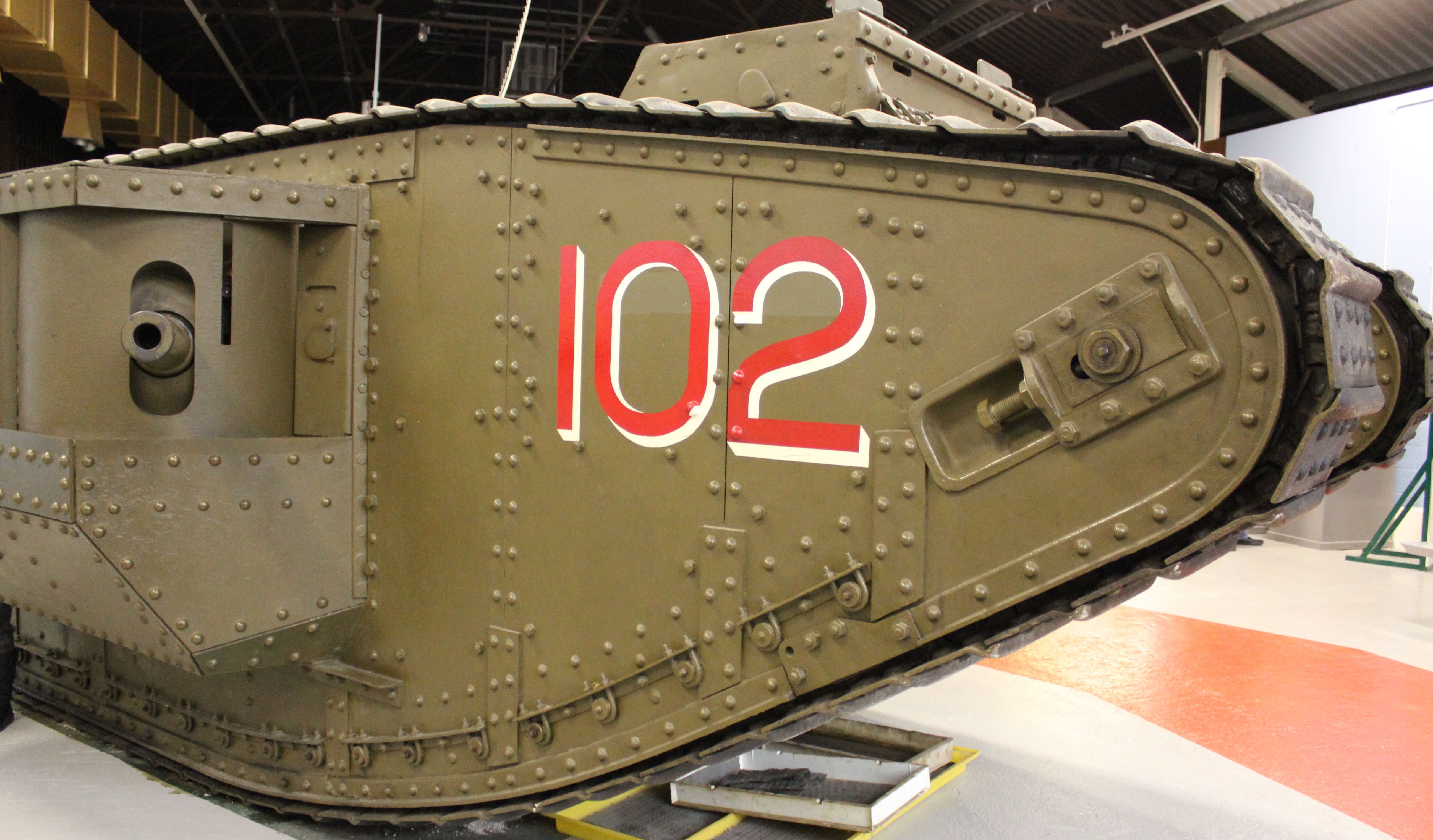
One of the 57mm guns visible in a turret. It weighed 28 tonnes and had a top speed of 6kph. The armour was 12mm thick and carried a crew of 8.
.
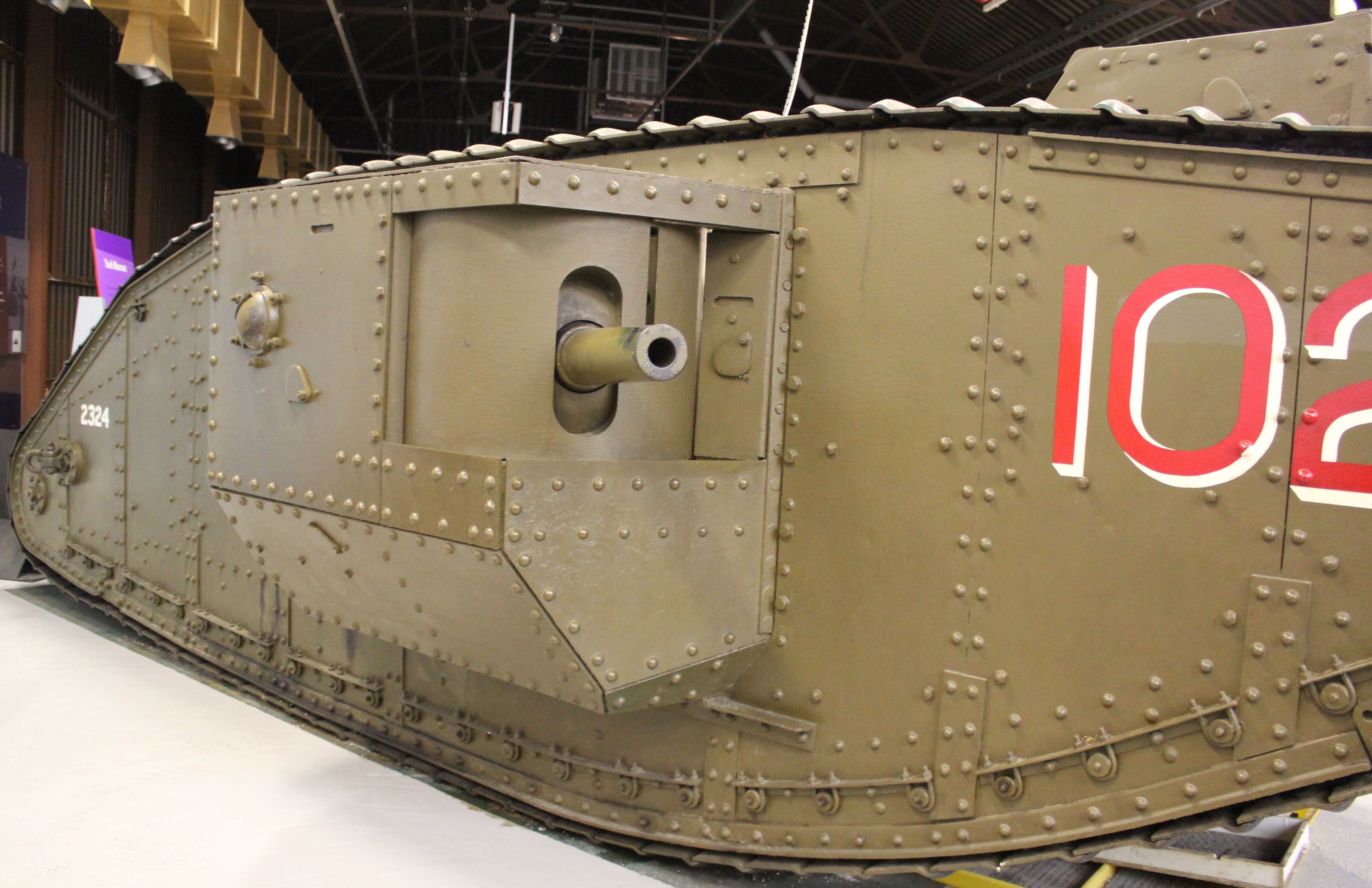
Its full weapons compliment was two, 57mm guns and three, .303 machine guns. It was manufactured by William Foster & Co. Ltd. of Lincoln.
.

The Mark IVs, were mechanically identical to the Mark I and IIs. But, the armour was thicker and there was now a proper exhaust and silencer for the engine. The fuel tank was placed outside the tank at the back.
.

The Mark IV was built in such numbers it became the key armoured vehicle for the Tank Corps.
.
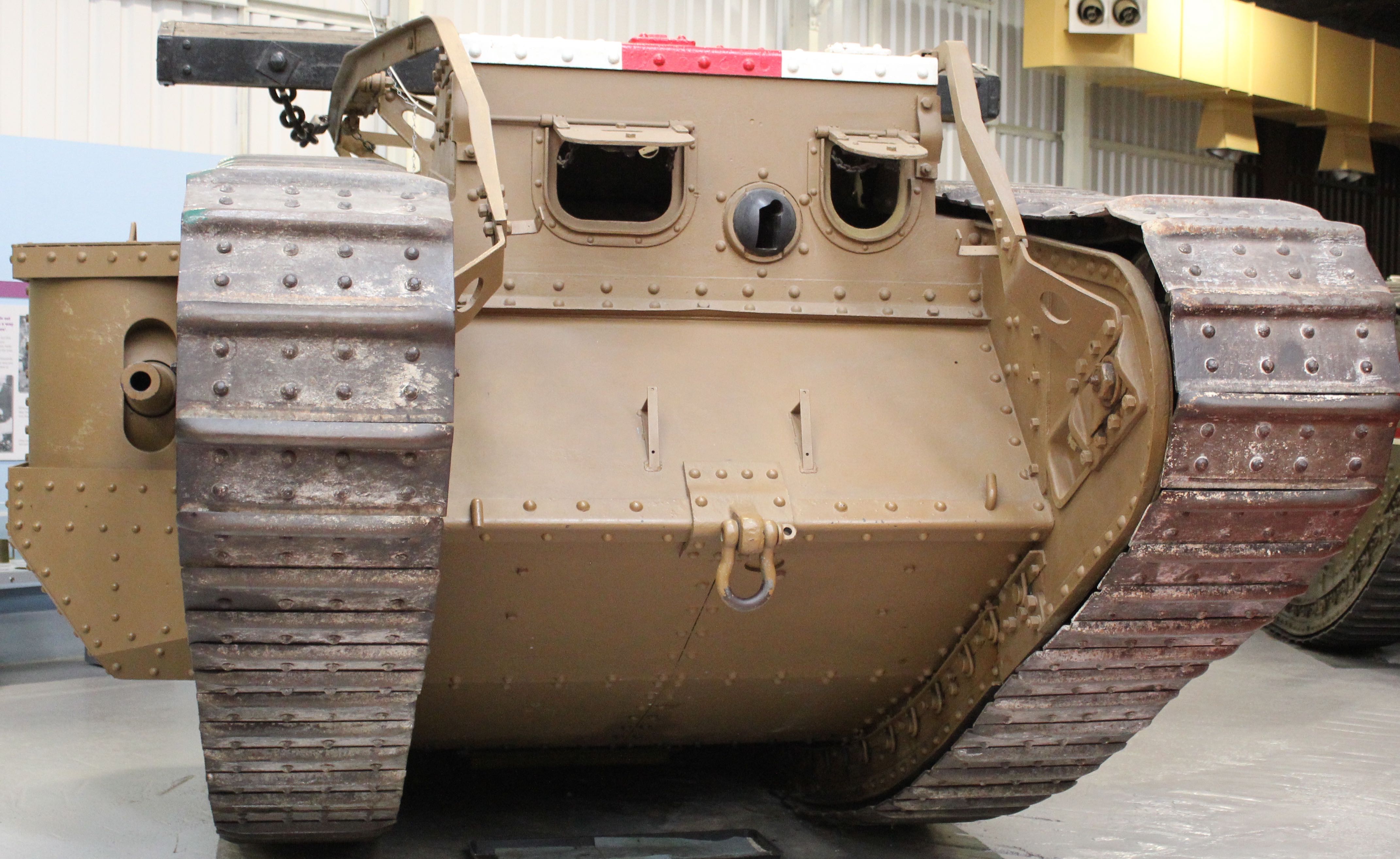
Although very similar in appearance to the earlier models, the Mark V was a much better tank. It was more powerful and easier to drive.
.

The markings shown are of the 8th (H) Battalion, Tank Corps.
.
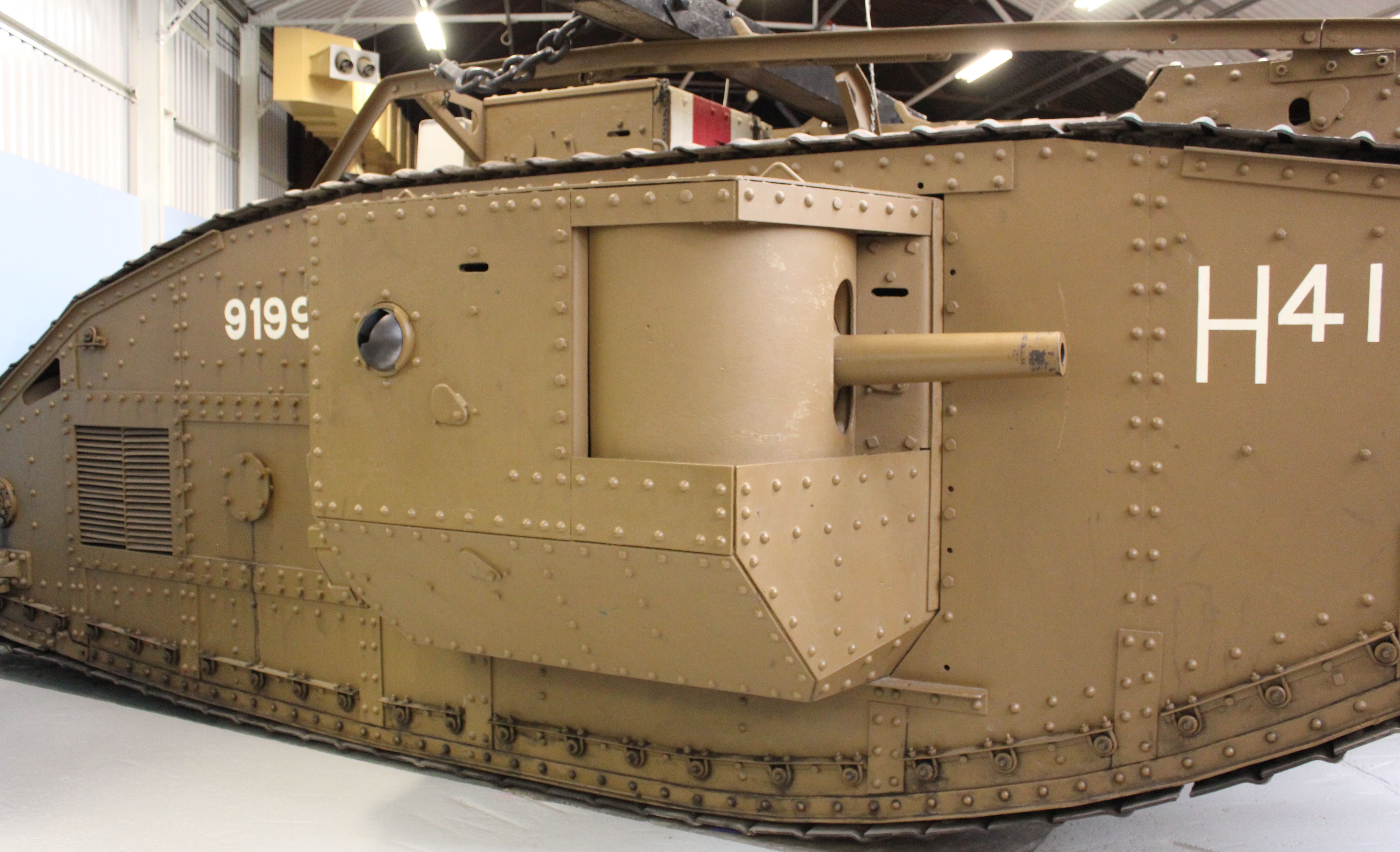
It also had 12mm of armour and weighed a slightly heavier 29 tonnes.
.
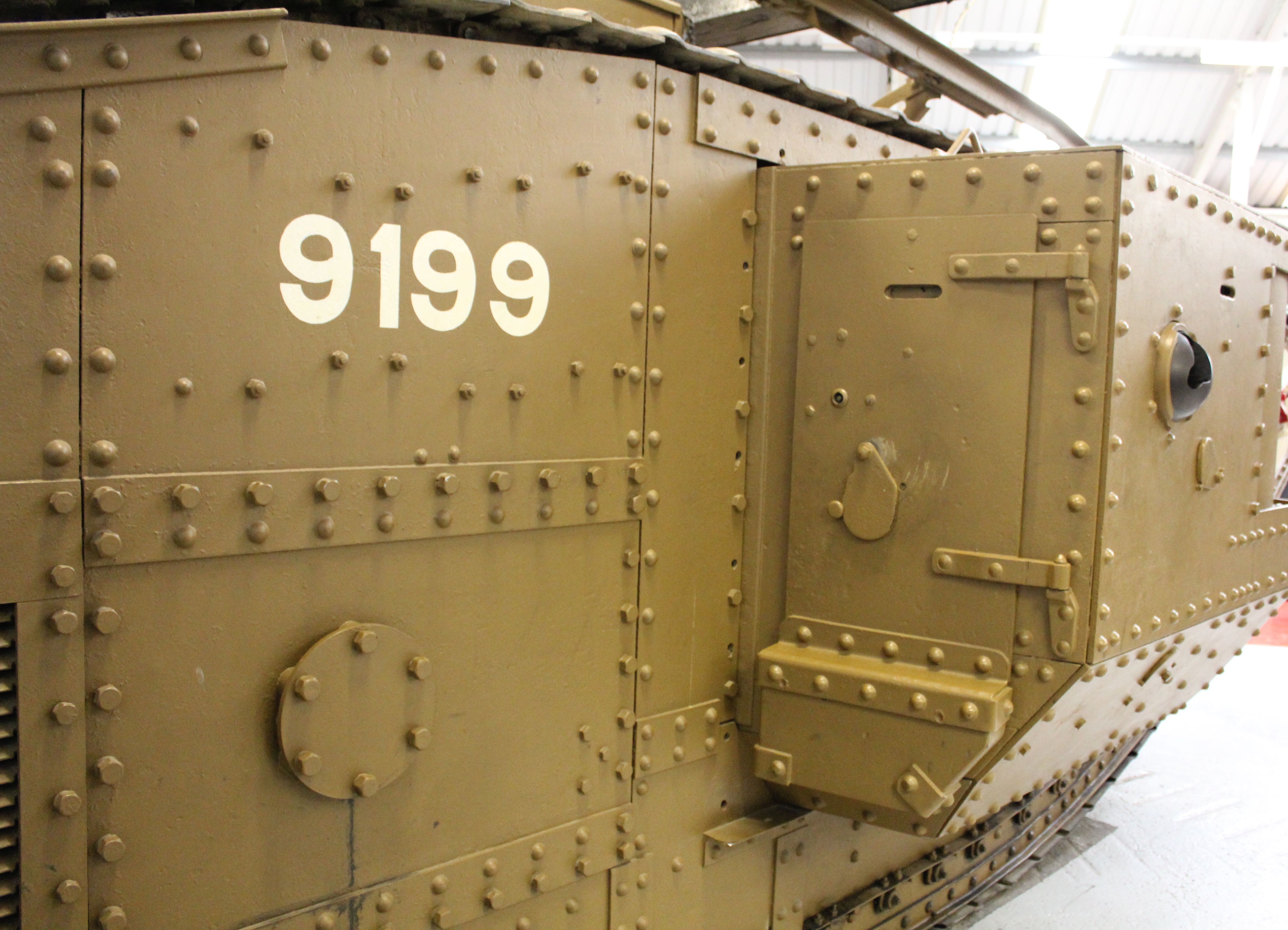
It had a top speed of 7.4kph.
.
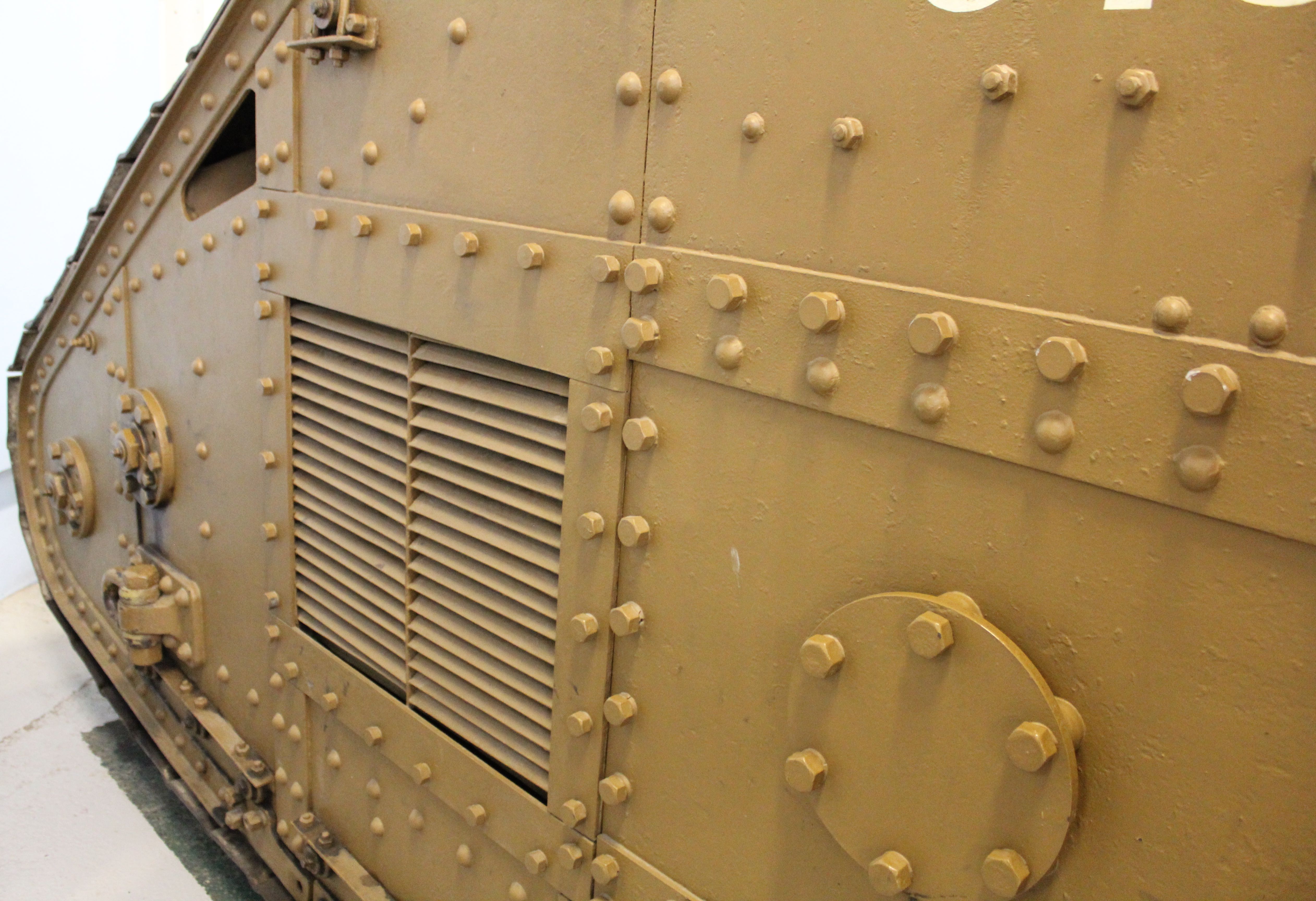
Equipped with the Ricardo six-cylinder engineered the Wilson epicyclic steering, meant that one man could handle all the controls. In the Mark IV, it required 4 crew members to do the same job.
.
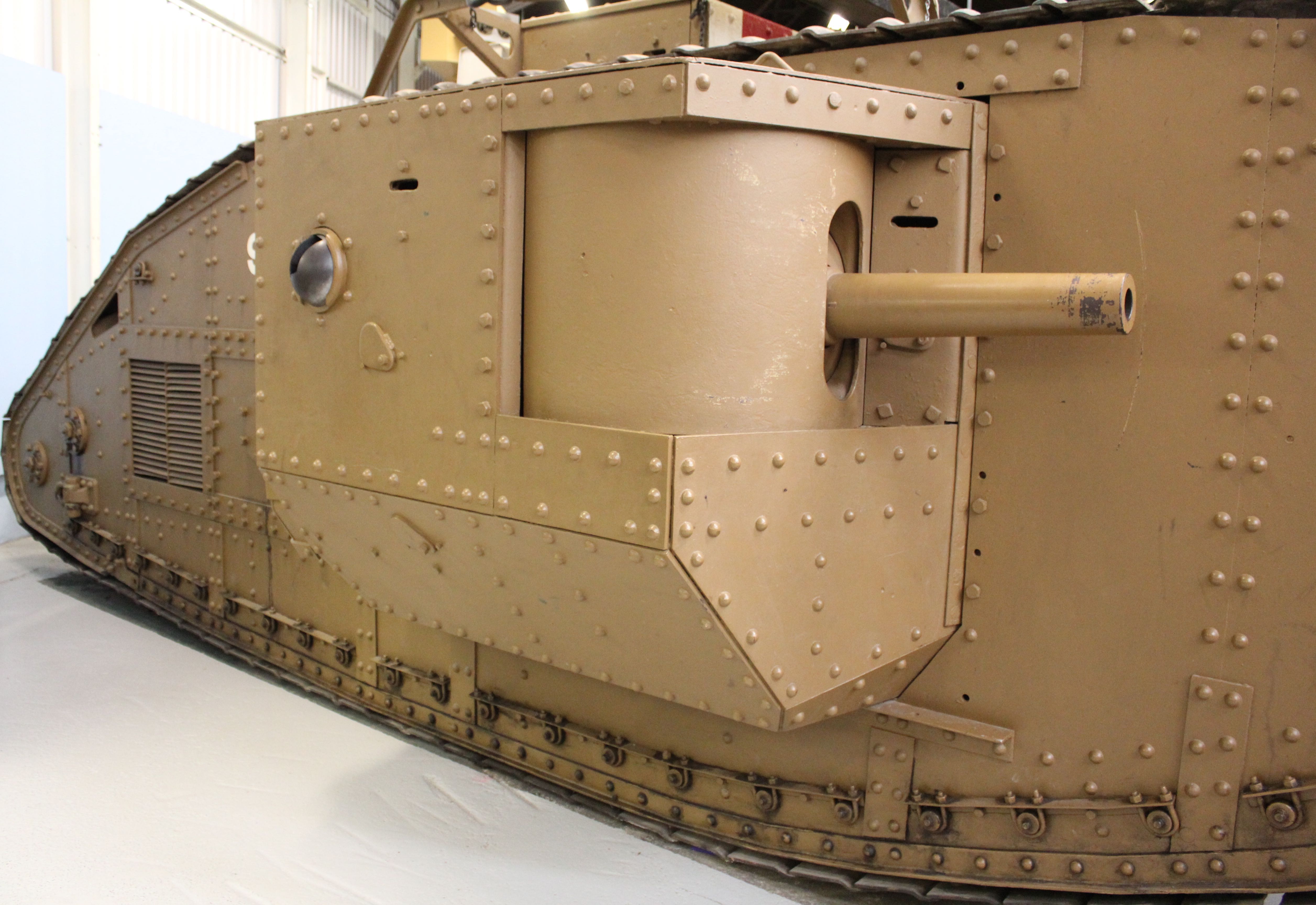
It was armed with two, 57mm guns and two, machine guns.
.

An uditching beam can just be seen carried on the top.
.

The ditching beam would be chained to the tracks and drawn under the tank when stuck in the mud. The beam gave the tracks something solid to grip.
.

The tank saw action the time of the Battle of Amiens.
.
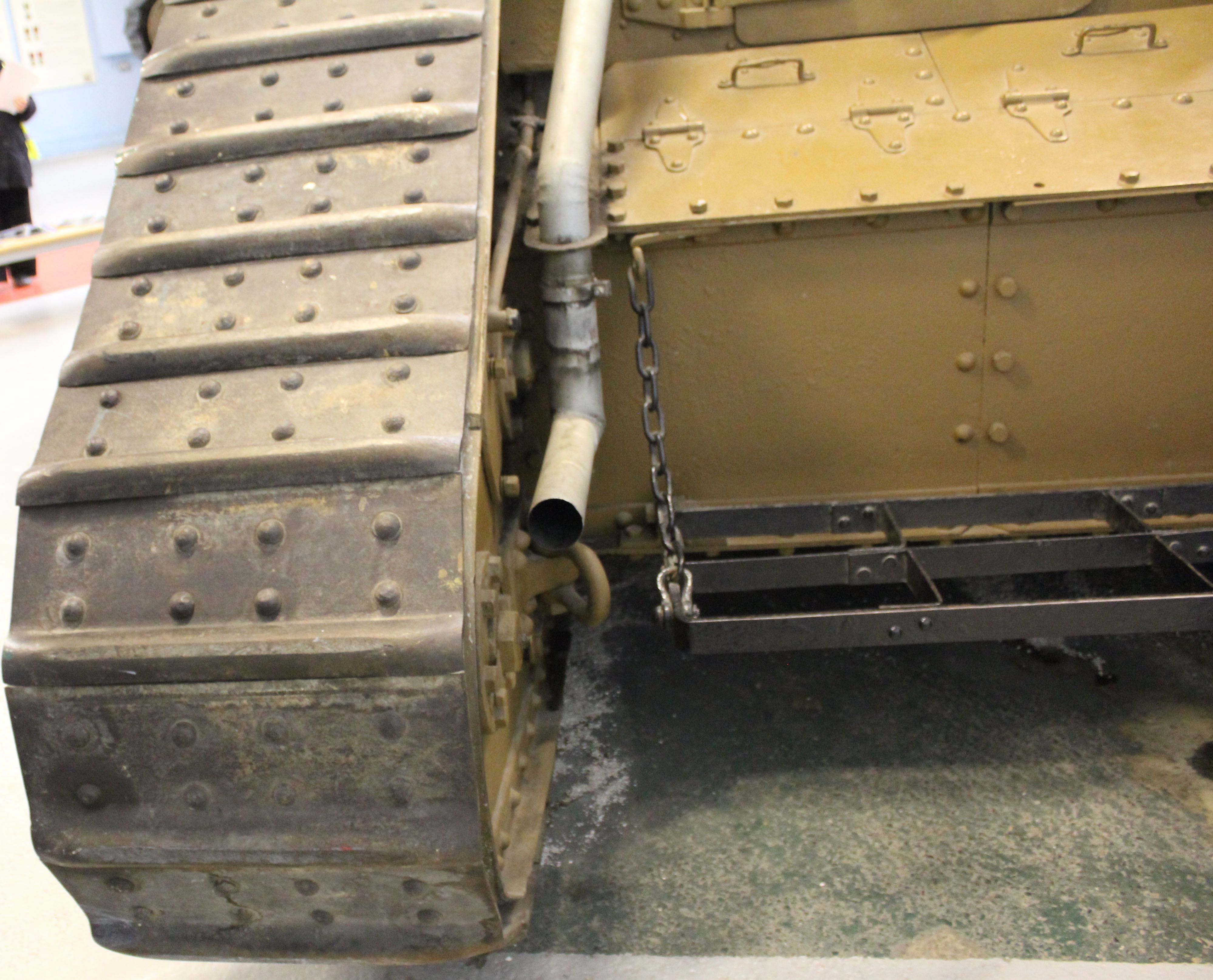
Service date from 1918 to 1923 and with the Red Army, 1920 to 1928.
.
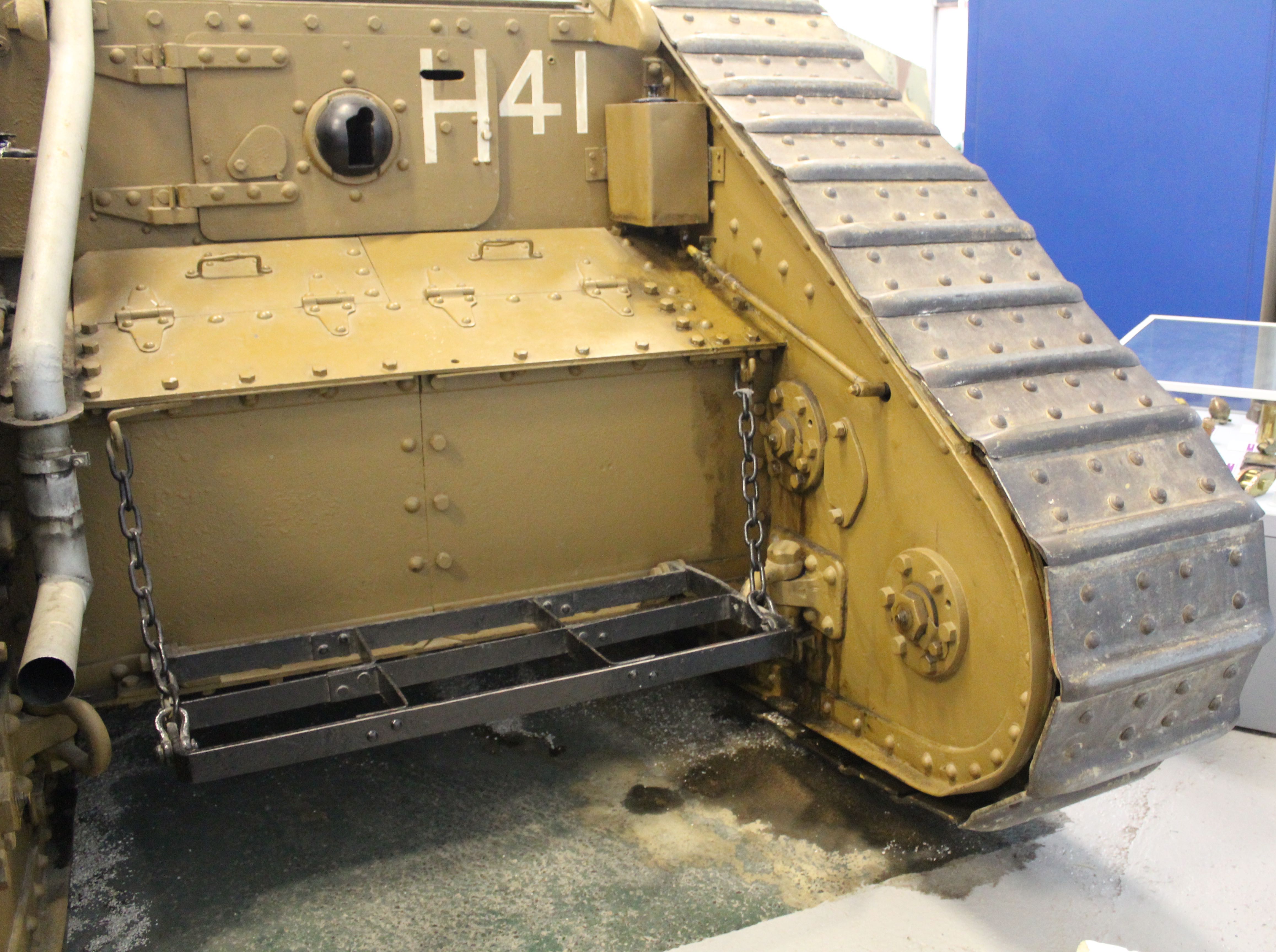
It had a rear cab for the commander and a rear machine-gun position.
.
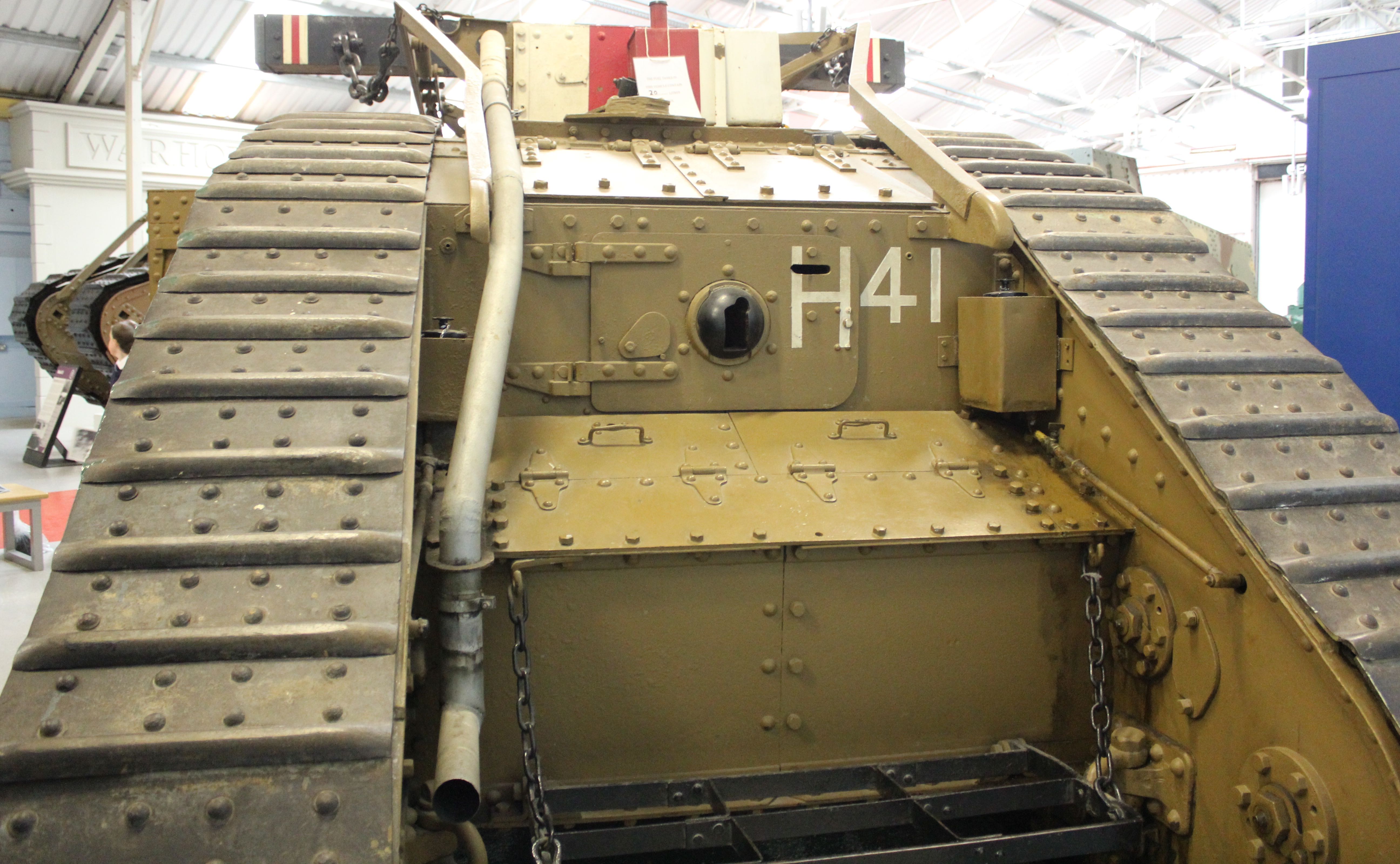
Mark V
.
I do plan on writing a WWI trilogy in 2016, but in the meantime please read either my Cold War trilogy or my WWII books on the famous Fallschirmjager.
The first novel in my ‘Cold War’ trilogy, The Red Effect, published by SilverWood Books, is now available. Thoroughly enjoyed writing it, as i do with all my novels. There are three books in total, covering the hypothetical invasion of West Germany, the Federal Republic of Germany, by the Warsaw Pact in the mid 1980′s. Book 1, ‘The Red Effect’, encompasses part of the intelligence build up leading to the initial Warsaw Pact strike against the NATO forces lined up against them. The purpose of the posts is to give the reader some additional background information to enhance their reading experience..
.  .
.
‘The Red Effect’ by Harvey Black – Available now. The Cold War that became a Hot War.
.
The Blog and photographs are copyrighted to Harvey Black.
. 
‘The Red Effect’ by Harvey Black – Kindle and Paperback version out now! The Cold War that became a Hot War.
.
Tanks and Armour through the Century. Part 1.
After yet another visit to the Bovington Tank Museum, my second home according to my wife, I wanted to share some photos of the tanks they have on display. I will look at tanks and armour from just before the start of WWI up until present day. I am not a tank expert, so if you spot something that is incorrect, please let me know and I can edit and update.
The Hornsby Chain Tractor was originally designed as a Gun Tractor, manufactured by Richard Hornsby & Sons. The engine was started on petrol, until the engine was hot, then switched to paraffin. The unpleasant smell of the paraffin burning was unpopular with the soldiers.
.
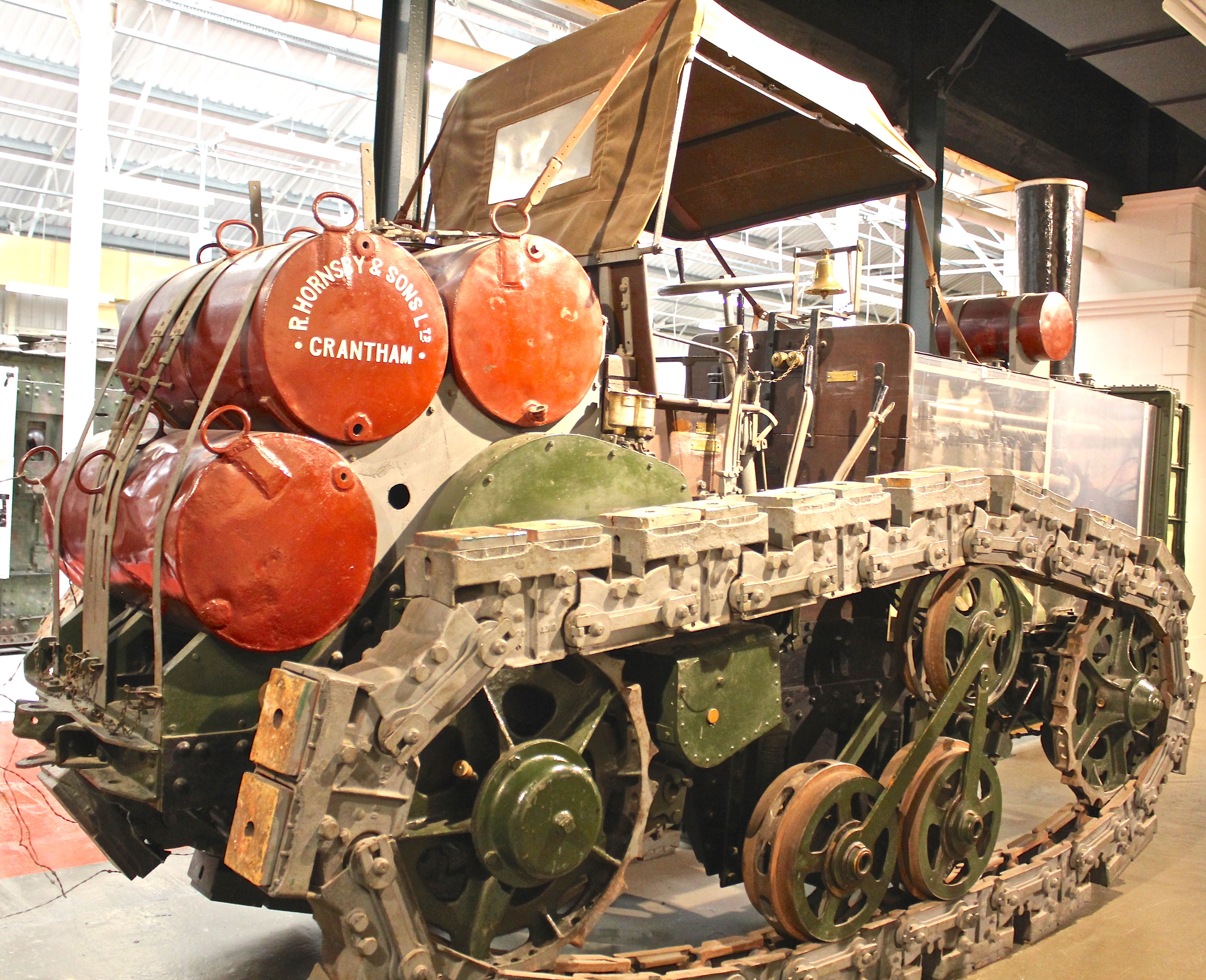
Saw service between 1909 and 1913.
.
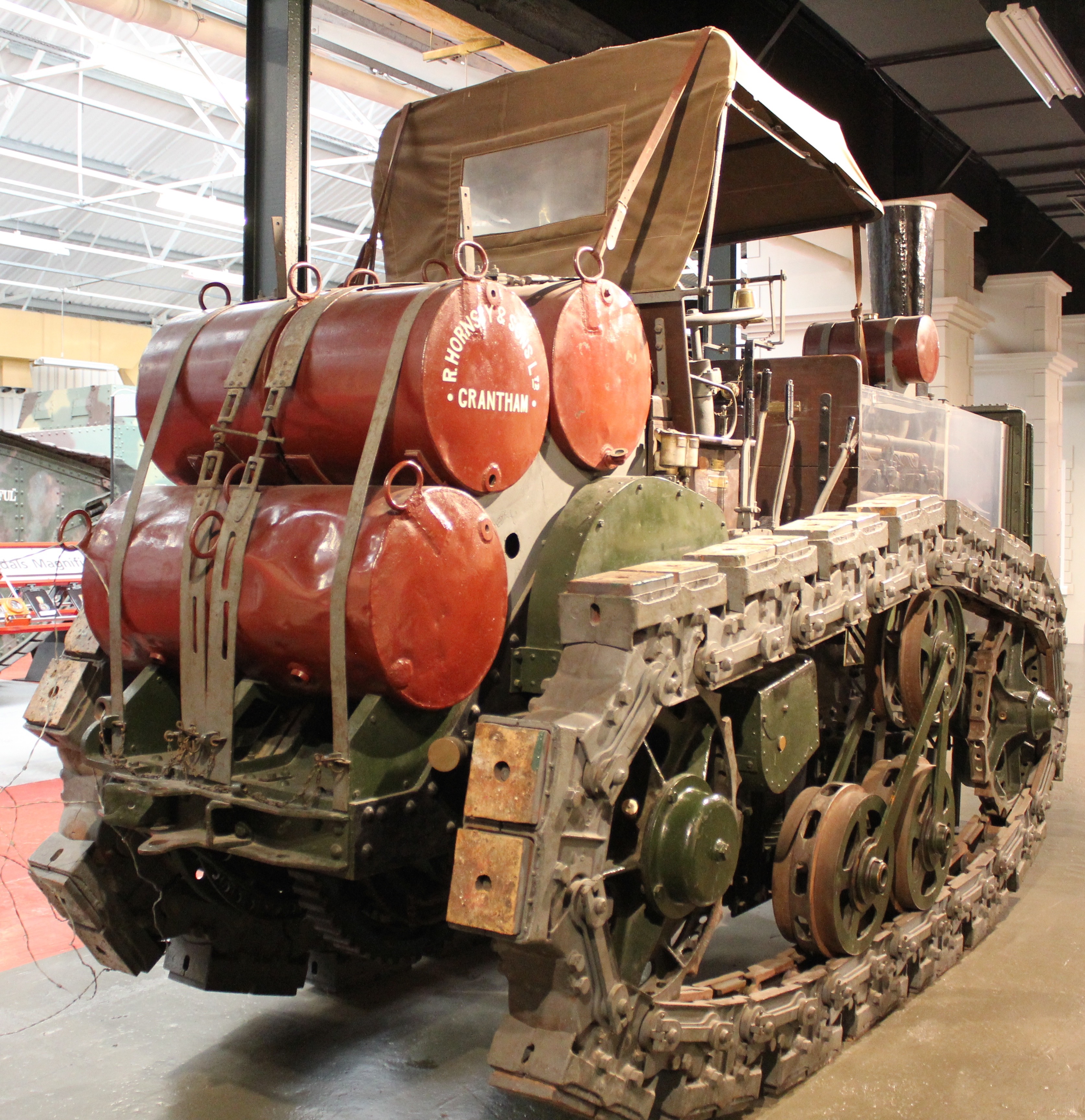
It weighed 8.5 tonnes.
.
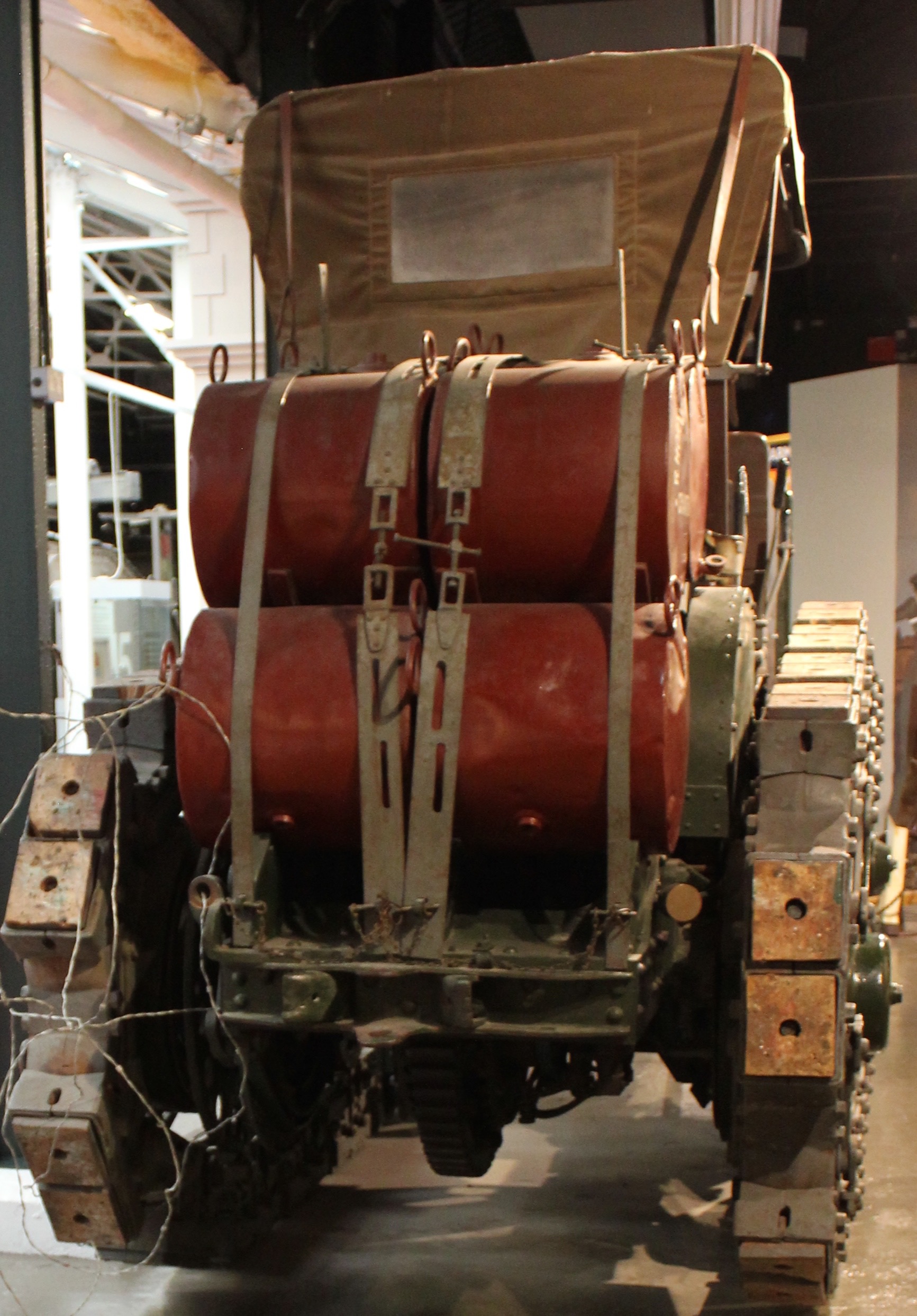
Fuel tanks, which held 272 litres, are attached to the rear of the tractor.
.
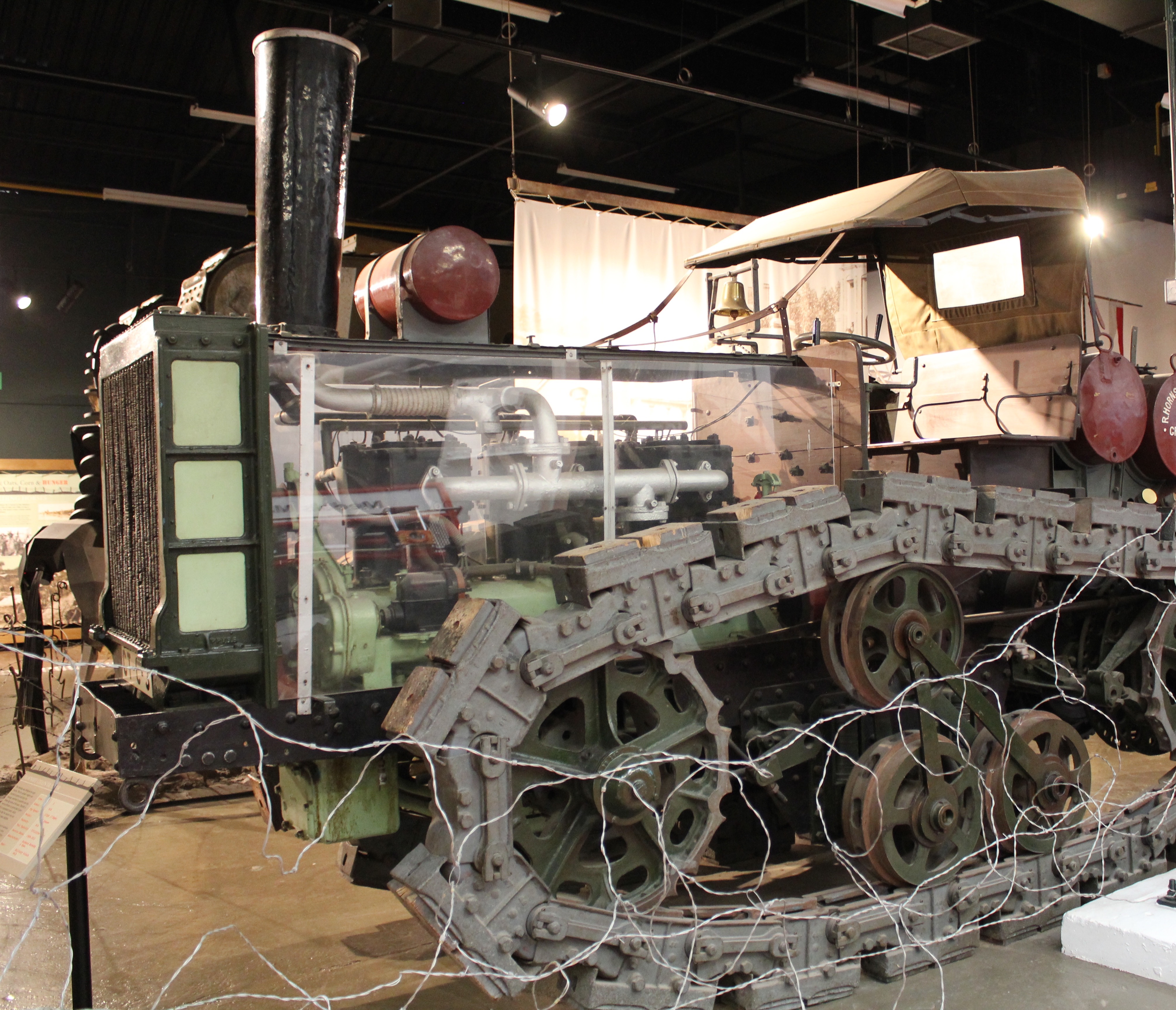
Top speed of 7.5mph
.

A Chain-track was added.
.
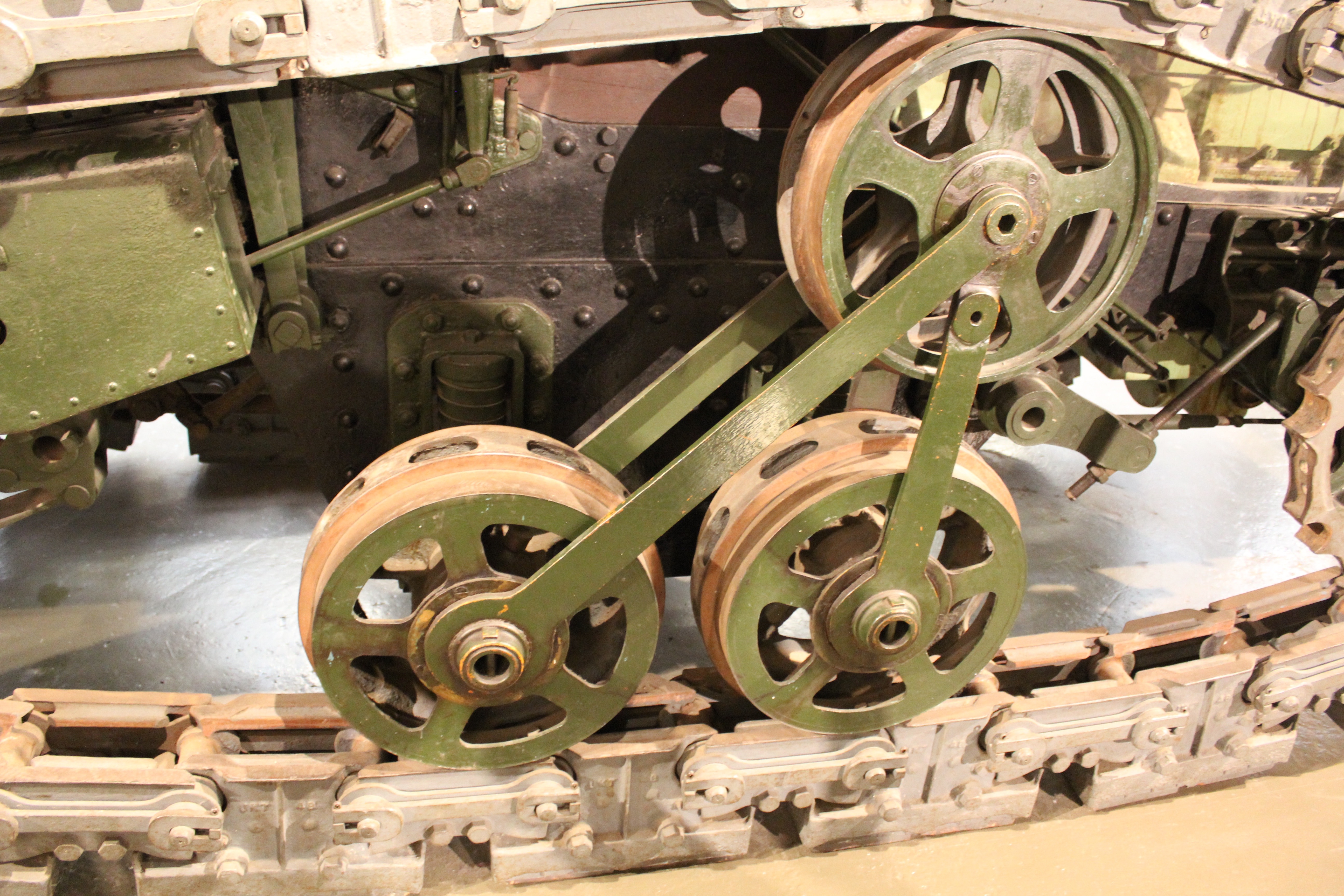
The soldiers nicknamed it a Caterpillar and it has since stuck.
.
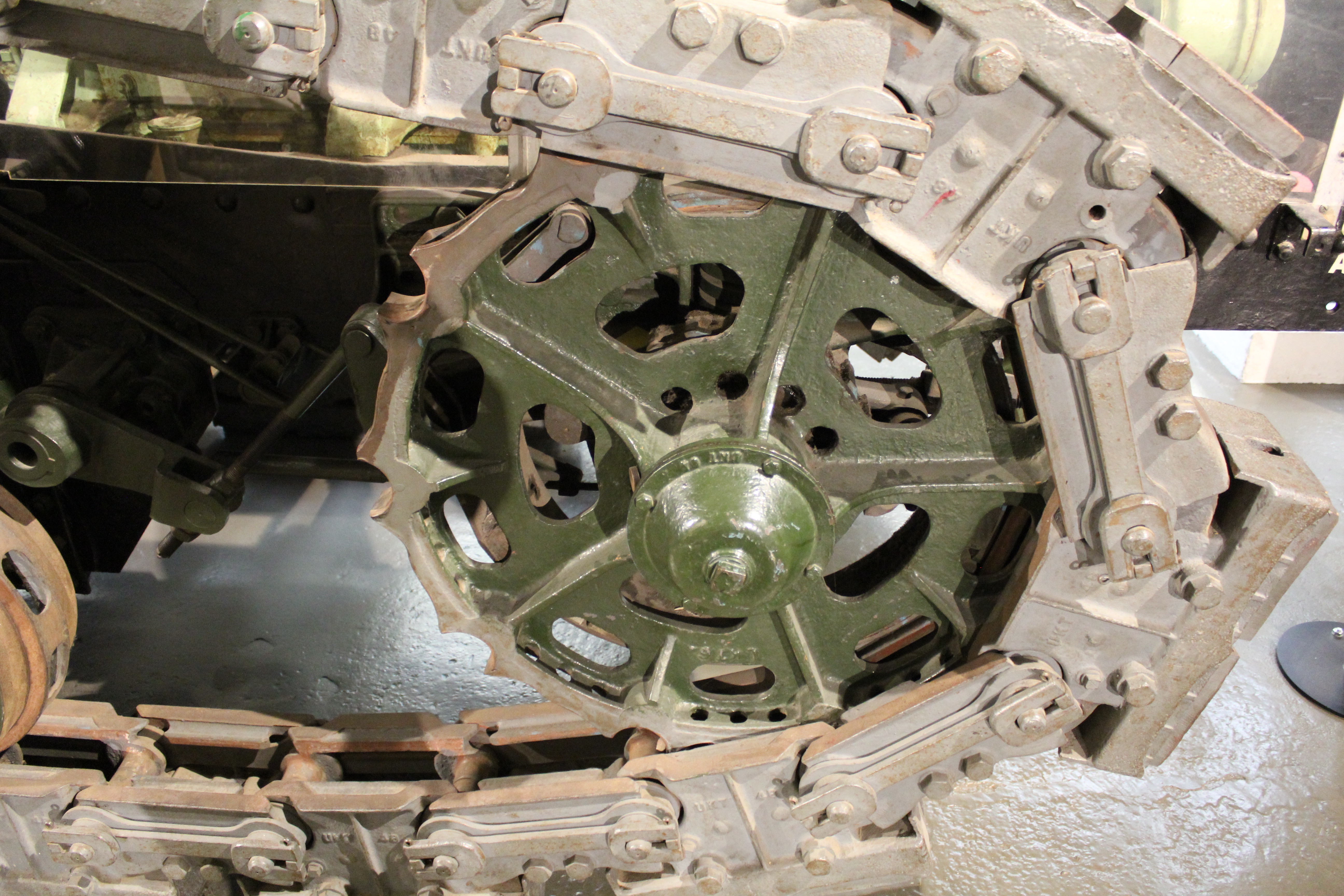
Due to a lack of interest by the War Office, the Patents were sold to a company in America.
.
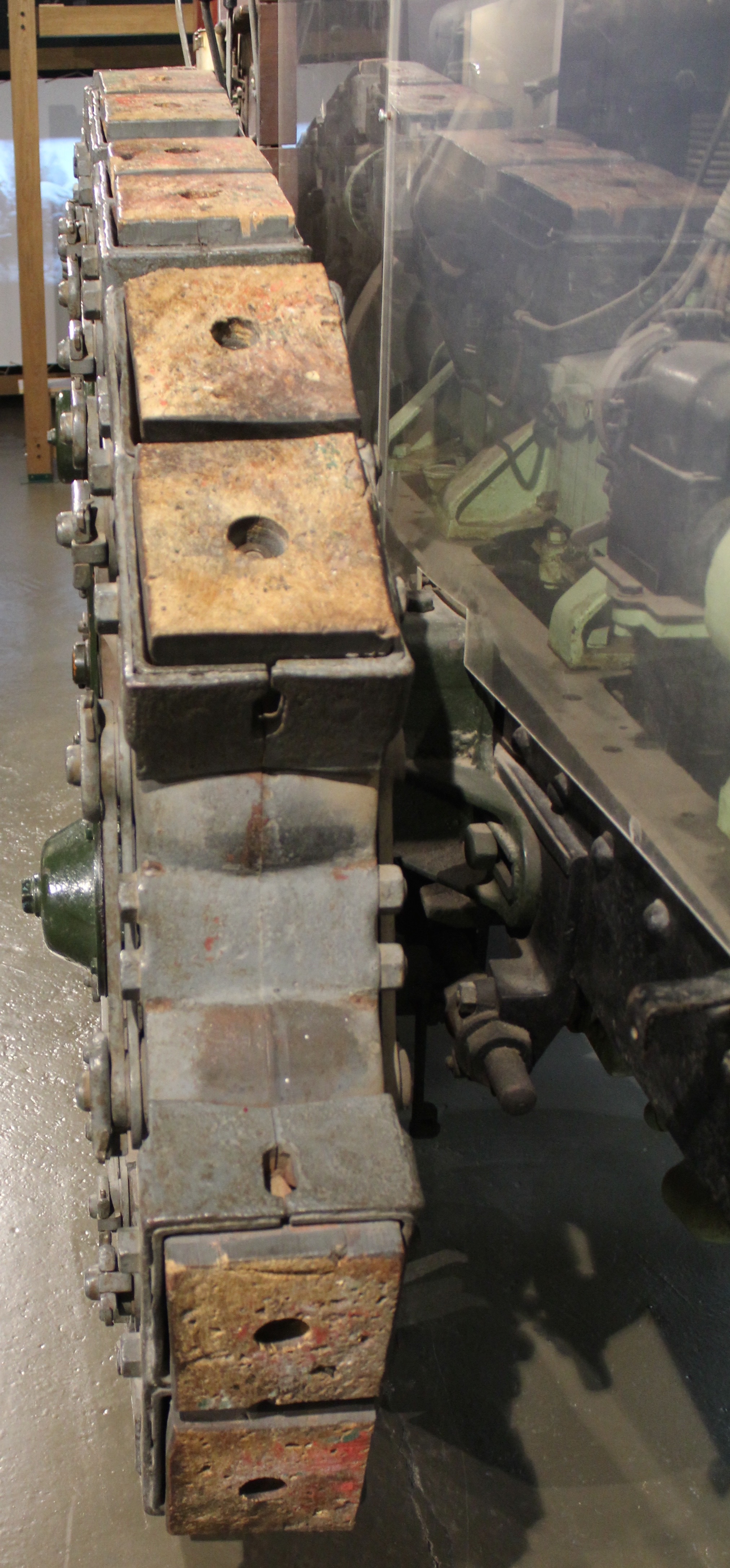
When WWI broke out, Britain had to purchase the caterpillar tractors from Holt in the US and the design for the tank had to be started from scratch.
.
Number 1 Lincoln Machine, affectionately known as ‘Little Willy’, probably the first real tank, albeit nothing more than a metal box on tracks. Unfortunately it was too short to cross the trenches. ‘Little Willy’ never saw combat.
.
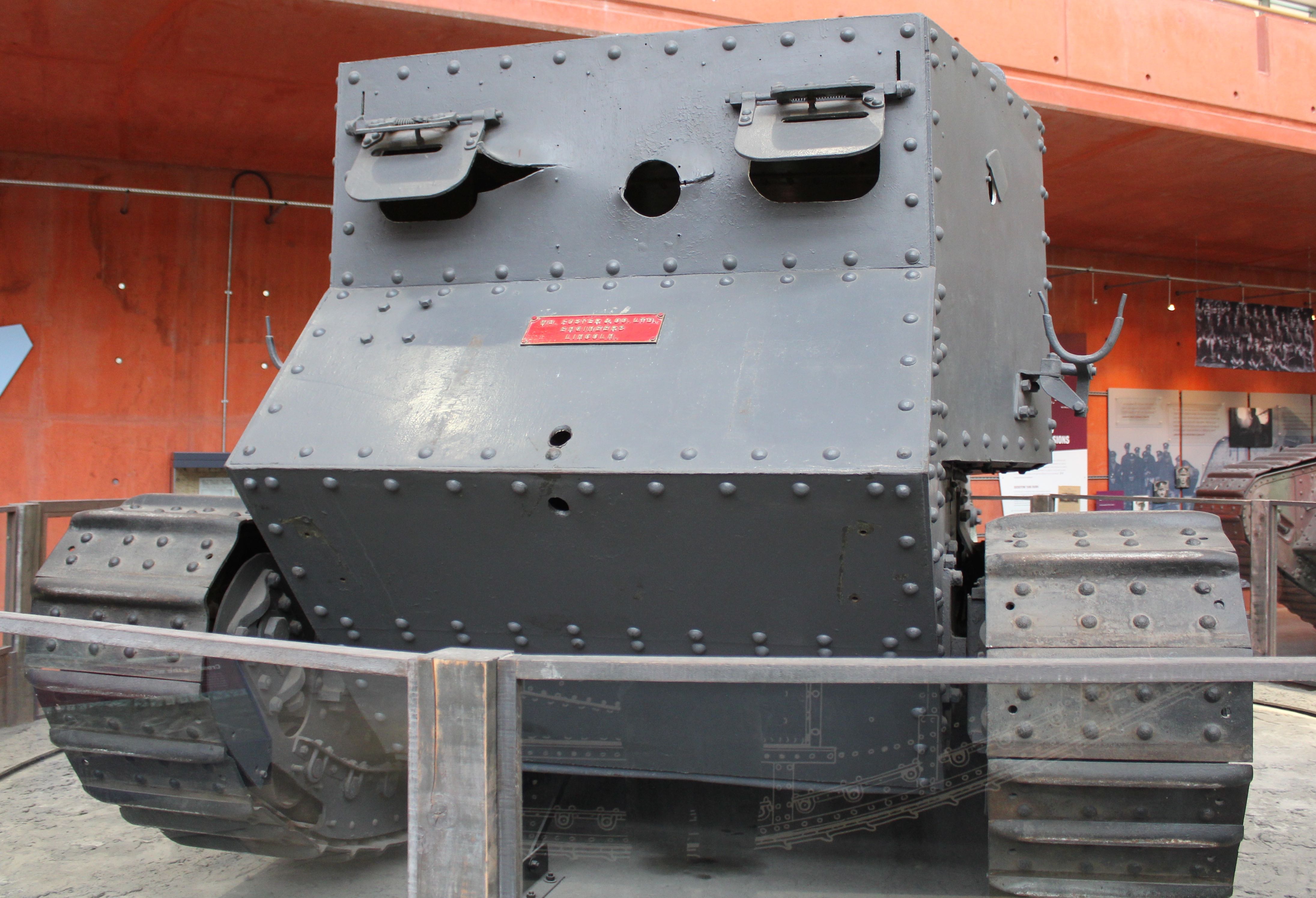
“Little Willy’
.

Weighing in at 16.5 tons
.

It was planned for it to carry a Vickers 2-ponder gun. The secondary armament would be either a Hotchkiss or lewis machine gun.
.

.

A Foster-Daimler Knight sleeve valve petrol engine (105 hp).
.

Two forward gears and one reverse. Top speed of 2mph.
.

Steering was by way of a set of wheels at the rear.
.
I do plan on writing a WWI trilogy in 2016, but in the meantime please read either my Cold War trilogy or my WWII books on the famous Fallschirmjager.
The first novel in my ‘Cold War’ trilogy, The Red Effect, published by SilverWood Books, is now available. Thoroughly enjoyed writing it, as i do with all my novels. There are three books in total, covering the hypothetical invasion of West Germany, the Federal Republic of Germany, by the Warsaw Pact in the mid 1980′s. Book 1, ‘The Red Effect’, encompasses part of the intelligence build up leading to the initial Warsaw Pact strike against the NATO forces lined up against them. The purpose of the posts is to give the reader some additional background information to enhance their reading experience..
. .
‘The Red Effect’ by Harvey Black – Available now. The Cold War that became a Hot War.
.
The Blog and photographs are copyrighted to Harvey Black.
.
‘The Red Effect’ by Harvey Black – Kindle and Paperback version out now! The Cold War that became a Hot War.
.
The Red Effect. The Cold War hots up. Part 5.
The first novel in my ‘Cold War’ trilogy, The Red Effect, published by SilverWood Books, is now available. Thoroughly enjoyed writing it, as i do with all my novels. There are three books in total, covering the hypothetical invasion of West Germany, the Federal Republic of Germany, by the Warsaw Pact in the mid 1980′s. Book 1, ‘The Red Effect’, encompasses part of the intelligence build up leading to the initial Warsaw Pact strike against the NATO forces lined up against them. The purpose of the posts is to give the reader some additional background information to enhance their reading experience.
. .
‘The Red Effect’ by Harvey Black – Available now. The Cold War that became a Hot War.
The Cold War era started very soon after the end of the second world war, when the communist east, led by the Soviet Union, and the Western world, led by the United States and its NATO allies, faced each across what became known as the ‘Iron Curtain’.
The perception of a potential Third World War, was generally one of a nuclear war. It may have come to that. In reality we will never know. But, one scenario is that of a conventional war. The massed forces of the Warsaw Pact against the supposedly technically superior, but weaker, NATO armies, that may well have escalated into a nuclear exchange.
.
Allied Forces Central Europe, AFCENT
Allied Forces Central Europe, AFCENT, would have to take the brunt of any attack by the Warsaw Pact forces. With responsibility for Parts of Europe stretching from Denmark in the north to the borders of Austria in the south, it had three subordinate commands. The two key ones, Northern Army Group, NORTHAG, and Central Army Group, CENTAG. For this and the next Post, I will concentrate on CENTAG:
.

The Corps sectors of responsibility for NATO forces in the 80s. The layer cake principle was used.
CENTAG, Central Army Group, had four powerful frontline Corps to defend its sector from just south of Kassel to the border with Austria. III German Corps in the north, then the V and VII US Corps with II German Corps in the south. For this Post I will focus on V US Corps, who had the prime responsibility for defending the well known Fulda-Gap.
.

V Corps shoulder badge insignia.
V US Corps had three key units to provide the defence of the Fulda Gap. More on the Fulda-Gap later.
V US Corps. HQ – Frankfurt
3rd (US) Armoured (Spearhead) Division (Frankfurt-am-Main
1st Brigade – Kirchgoens
2nd Brigade
3rd Brigade
.
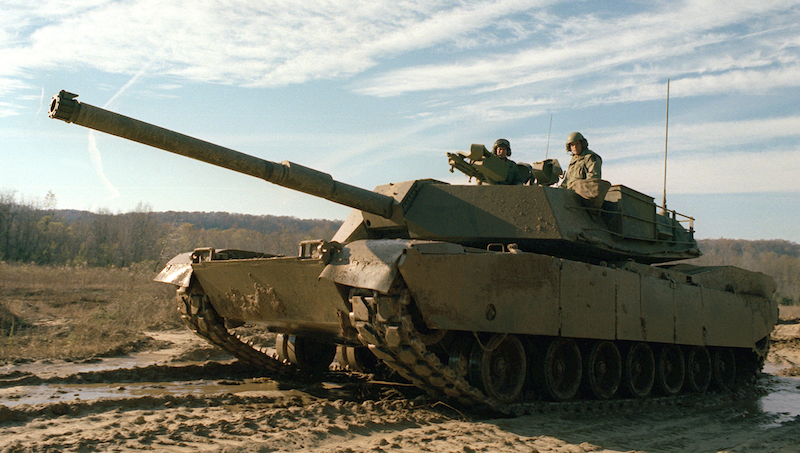
An XM1 at Fort Knox, Kentucky in 1969
.
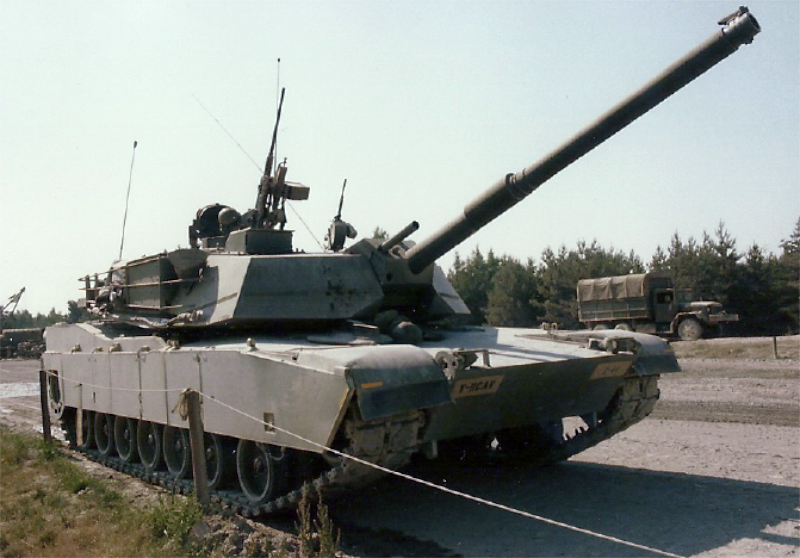
105mm M1 Abrams of the 11th Armoured Cavalry Regiment at a training area, Germany, 1986. First introduced in in 1980, it was the replacement for the ageing M-60. Armed with the licence-built version of the 105mm Royal Ordnance L7 gun.
.
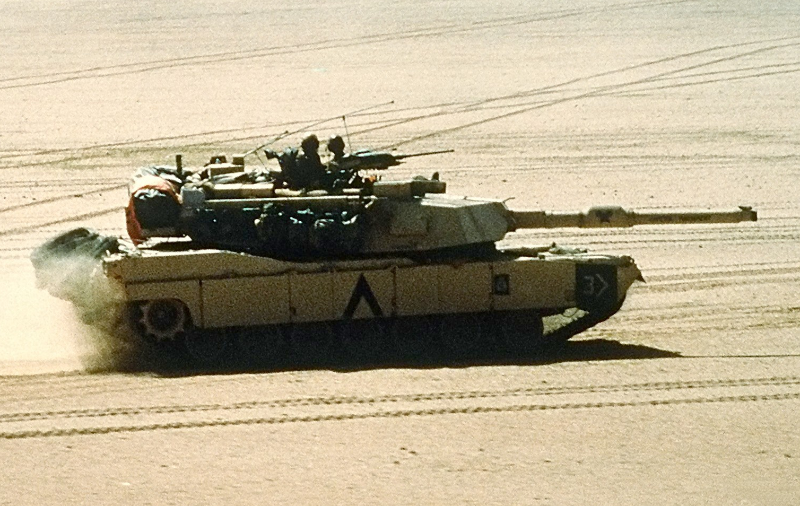
Abrams during desert Storm in 1991. Honeywell AGT1500C multi-fuel turbine engine powering the 60+ ton tank to speeds up 40mph.
.

M1A1 in Iraq, September 2004.
.

US Army M1A2 Abrams
.

M1A1 Abrams, Germany 2005.
3rd Combat Aviation Brigade
.
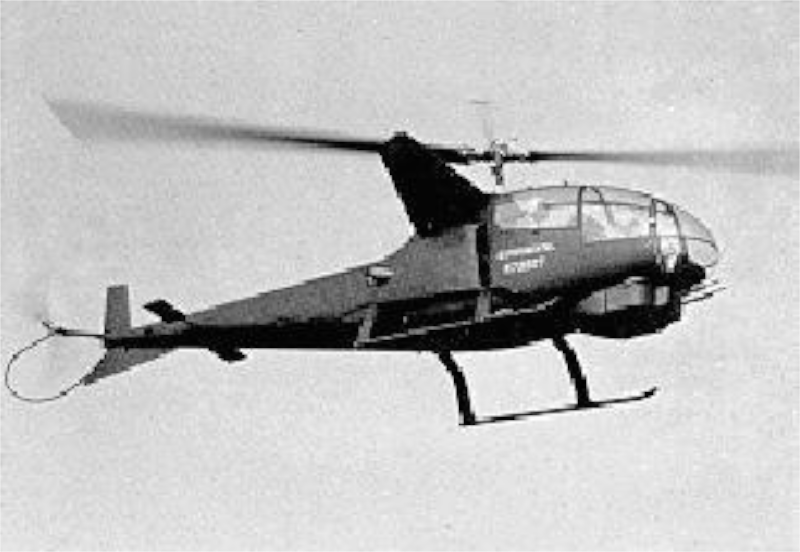
Bell 207 Sioux Scout. A mockup of Bell’s D-255 helicopter gunship concept, named Iroquois Warrior.
.

Israeli AH-1F Cobras. Crew of 2. 20mm M197 3-barreled gatling cannon, 70mm rockets and 4 or 8 TOW anti-tank missiles.
3rd Artillery Division.
8th Infantry Division
1st Brigade
2nd Brigade
3rd Brigade
8th Infantry Division Artillery.
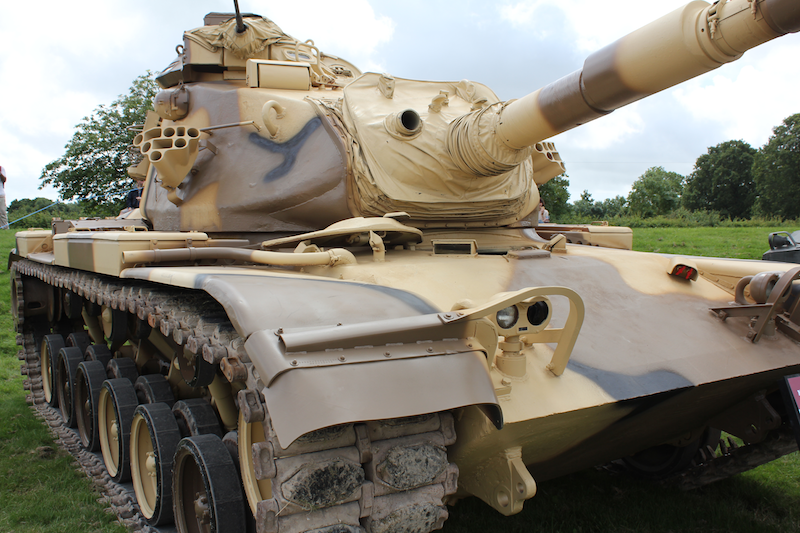
M-60 tank. Slowly being replaced by the M1 Abrams
8th Combat Aviation Brigade
.

OH-58 Kiowa.
.

OH-58D Kiowa. Unique IR suppression systems mounted on its turbine exhaust. Scout helicopters, some armed with AIM-92 air-to-air Stinger missiles.
.
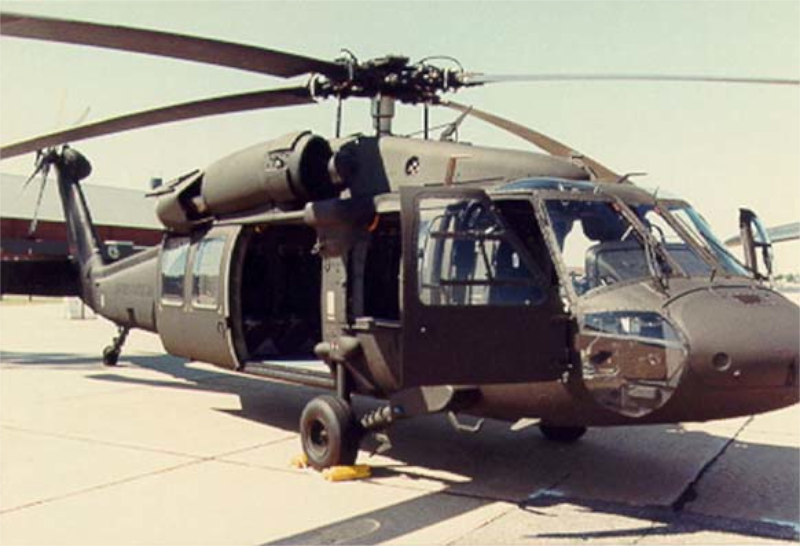
UH-60A Black Hawk. Troop carrier, minelayer and medical evacuation.
.

UH-60A’s over Port Salinas during the invasion of Grenada, 1983. The first use of the Black-Hawk in a conflict.
11th Armoured Cavalry Regiment
.

M2A2 Bradley Infantry Fighting Vehicle. Main armament is a 25mm M242 Chain Gun. TOW anti-tank missiles.
.

Top speed of 40mph on roads. Six troops could be carried in the passenger compartment.
.
i hope this has given you a further insight into what NATO, in particular the US Army, had in its arsenal. Going forward I will add more information in support of my Cold War trilogy, including maps and photographs.
The Blog is copyrighted to Harvey Black.
.
‘The Red Effect’ by Harvey Black – Kindle and Paperback version out now! The Cold War that became a Hot War.
.






 harveyblackauthor