General Erich Von Manstein, Part 2.

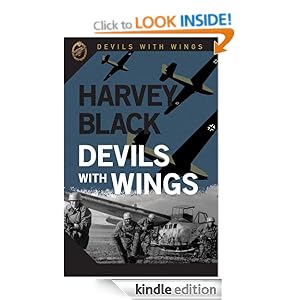
During the battles around southern Leningrad, in October and November 1941, in temperatures reaching -40 degrees, the 3rd Fallschirmjager Regiment, FJR3, 7th Flieger Division, commanded by General Student, was dispatched to defend parts of the River Neva and repulse any Russian attempts at creating a bridgehead. They were used in battalion-sized units in a fire-fighting role and consequently some elements suffered up to 75% casualties. The setting for my third novel, Devils with Wings: Frozen Sun

This unit was just a small piece of the jigsaw of Army Group North’s push through the Balkans during Operation Barbarossa, launched by Hitler on Sunday, 22nd June 1941.

General Manstein’s WW2 career started as the Chief of Staff of Heeresgruppe Süd, Army Group South, coordinating the three subordinate armies during the initial invasion of the West, the infamous Blitzkrieg, and rapidly defeating Poland in its wake.

After only a matter of weeks after the fall of Poland, the General was given the operations order, Fall Gelb, Case Yellow, the plan for the attack on the Anglo-French Allies. The initial plan was for the focal point, using Heeresgruppe B, to be on the right flank in Belgium and Heeresgruppe A, with two armies and a single panzer division, making a supporting attack through the Ardennes.

Manstein quickly identified weaknesses in this approach, advocating that the allies would expect an attack through Belgium and the German Army would be unable to fulfil the new concept of encirclement. With Rundstedt behind him, Manstein wrote to the German High Command, OKH, suggesting that the main push, with Heeresgruppe A, should be through the Ardennes, with four panzer divisions, pushing across the River Meuse, followed by a ‘Sickle-cut’ deep into the allied lines to reach the Channel coast.

His preferences were not welcomed however, and many of his memos were blocked and did not reach Hitler. However, some of Manstein’s supporters managed to leak his ideas to Hitler and on the 17th February 1940, along with other senior commanders, he was invited to breakfast with the Führer himself. Taken aside and asked for his opinion, Hitler adopted this new approach and Heeresgruppe A was increased from 24 to 44 divisions, including the newly formed Panzergruppe Kleist, consisting of five panzer divisions, totalling some 1,200 tanks.

Manstein, although the father of the attack plan, had little involvement in the early stages. Eventually his XXXVIII Armeekorps was involved and was part of a multi-corps assault across the River Somme on the 5th June, eventually pushing the French forces back to the River Loire.

The rest is history, with the invasion of the west being launched on the 10th May 1940, the main allied force being quickly defeated and the remaining French forces defeated by a second Blitzkrieg, ending with the signing of the armistice on the 22 June.

Manstein’s involvement in the Campaign, although short, was successful and he was awarded the Ritterkreuz der Eisernen Kreuzes, Knight’s Cross of the Iron Cross, and made General of the Infantry. Although there were a number of contributors to the final plan, it was Manstein’s model that ensured German’s greatest military victory.

With Operation Sea lion, the Invasion of Britain cancelled, Hitler’s eyes were already turning east. Manstein was to prove his worth yet again in one of the largest battles ever…

General Manstein, one of the Wehrmacht’s top Generals. Part 1.

During the battles around southern Leningrad, in October and November 1941, in temperatures reaching -40 degrees, the 3rd Fallschirmjager Regiment, FJR3, 7th Flieger Division, commanded by General Student, was dispatched to defend parts of the River Neva and repulse any Russian attempts at creating a bridgehead. They were used in battalion sized units in a fire-fighting role and consequently some elements suffered up to 75% casualties.

This unit was just a small piece of the jigsaw of Army Group North’s push through the Balkans during Operation Barbarossa, launched by Hitler on Sunday, 22nd June, 1941.

General Manstein also had a key role to play in the invasion of Russia, taking command of LVI AK, LVI Army Corps, in February 1941, under the command of Panzer Group 4. He was assigned the 8th Panzer Division, 3rd Infantry Division (motorised) and the 290th Infantry Division and was ordered, along with Reinhardt of the XLI AK, to strike through the thinly held Russian defences and encircle the Russian 8th Army, before continuing their advance towards the Dvina River and force a crossing. The ultimate goal for Army Group North, was to destroy the Red Army holding the Baltic States, capture Leningrad and link up with the Finnish Army.

Manstein was born in Braunfels in Hesse, on the 24th November 1887, one of ten children. Although born to the Lewinski family, his father a Prussian artillery Generalleutnant, he was brought up by his mother’s sister, as they had no sons with whom to carry the Manstein name forward. Manstein was related to a number of famous Prussian Generals and naturally pursued a career in that same field. After completing his training and attending the Royal Military Academy at Schloss Engers, near Koblenz, he was attached, as a young officer, to the 3rd Garde-Regiment zu Fuss.

At the outbreak of World War 1, in August 1914, he initially served in Belgium before being transferred to the Russian Front in October, where, during the retreat from Warsaw, he was wounded and sent to Wiesbaden to recover.

After the war and under the terms of the Treaty of Versailles, where the size of the Army was limited to 100,000 men, much of his time was spent in an organisational role and it wasn’t until October 1921 that he got his first command, 6th Company, 5th Infantry Regiment. He was now married to Jutta von Loesch and his second child, a son, was born.

To overcome the restrictions placed upon the Army by the Treaty small study groups were created, leading to new doctrine in infantry, armour and motorised warfare. Manstein was fortunate to be included in one of these groups helping develop new military concepts.

Promoted to Major in 1928 and Oberstleutnant, Lieutenant Colonel, in 1931, he commanded II Jaeger battalion of the 4th Prussian Infantry Regiment in Kolberg. He was at Kolberg when Adolf Hitler became Reich Chancellor in January 1933, and along with the rest of the German Military, swore an oath, pledging their loyalty to him. His Wehrmacht service had begun…

Normandy Landings, June 6th, 1944. The Allied invasion France.

In remembrance of the brave soldiers who gave their lives during this historic day, I shall be looking at some of the Allied tanks on display at the Bovington Tank Museum.

The Royal Tank Regiment Memorial Statue, Bovington Tank Museum.

The above exhibit is the fibreglass model used to create the bronze statue that stands in Whitehall Place, London.

The Normandy landings, codenamed Operation Neptune, commenced on the 6th June, 1944 (D-Day).

The first phase, just after midnight, consisted of 24,000 British, American, Canadian and free French airborne troops landing behind enemy lines. There were also two decoy operations, Operation Glimmer and Operation Taxable, used to distract the German forces from the real Normandy landings.

Armour played a key role in helping secure the beaches, particularly Hobart’s Funnies. Below are pictures of some of the tanks displayed at the Bovington tank Museum and a few of the specialist tanks used on the day.

The Mark II’s were used as training tanks at Bovington camp. Due to a shortage of armour, they were sent to the front.This is the last surviving Mark II.

.

The Medium Mark A, the fastest tank of its time. A top speed of 8mph.

.

Crew of 3, 12mm armour.

.

14 tons. three -303in machine guns.

.

Medium tank Mark II. New sprung suspension

.

3 pounder gun. Serving in Egypt when WW2 broke out. Too slow at 15mph, so were buried with only their turrets showing and used as static defence.

.

Light Mark VIB. 35mph carrying a .50in machine gun.

.

Crew of 3, Reconnaissance tank weighing 5.2 tons.

.

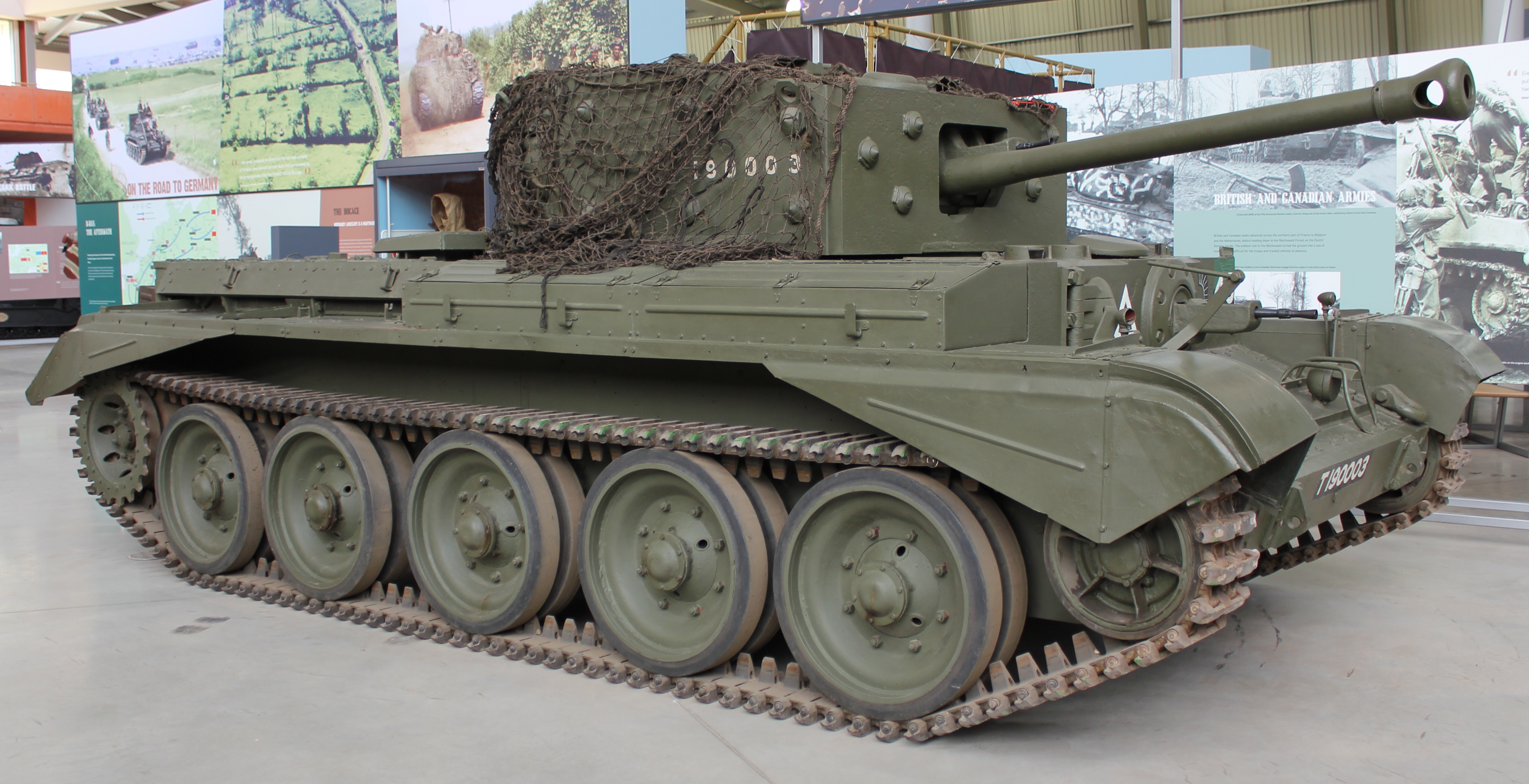
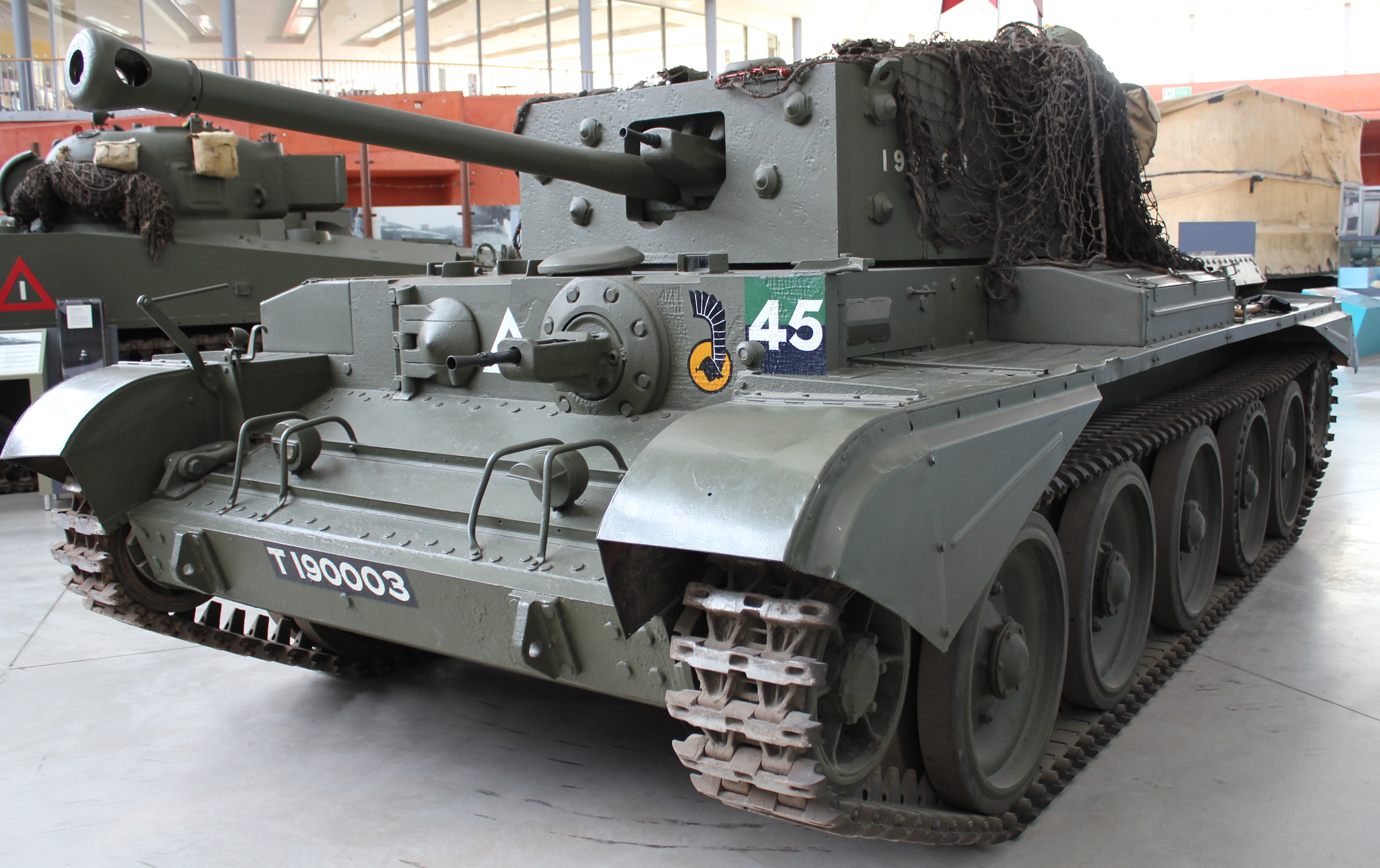
The Cromwell Cruiser Tank. Powered by a Rolls-Royce V12, fighter engine.

.

76mm main gun.

.

56mm of armour and a top speed of 35mph.

.

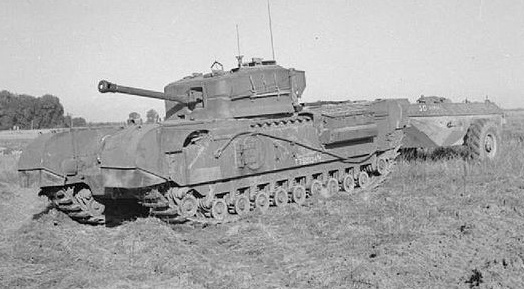
Churchill Crocodile. Modified by fitting of a flame-thrower. The flame-thrower had a range of 120 yards.

.

Churchill Crocodile with trailer, which held 400 gallons of fuel for the flame-thrower.

.

Sherman Firefly. The first tank to match the Tiger.

.

 76.2mm gun, 22mph, 75mm of armour.

.

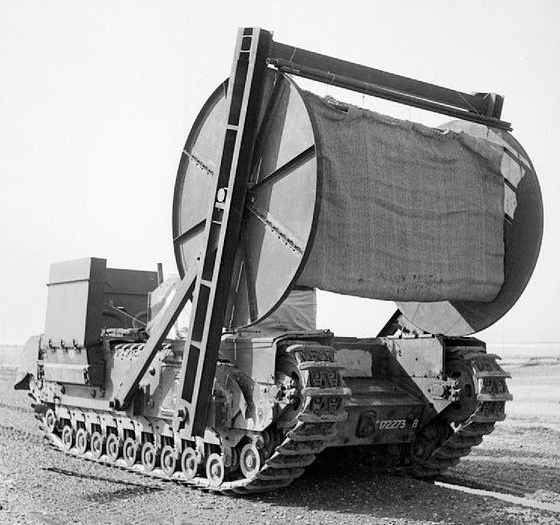
The Bobbin. A reel of 10-foot wide canvas cloth reinforced with shell poles. Unrolled onto the ground to allow tanks to move across the soft sand.

.

Sherman Crab mine-clearing tank.

.

A real Mark IV tank?

.

Well?

.

No. It is in fact a prop that was made for the Steven Spielberg film ‘War Horse’.

My intention is not to portray a particular message, but just share some of my photographs and information with you and help set the scene for some of my novels.

Photographs and Blog are copyrighted to Harvey Black

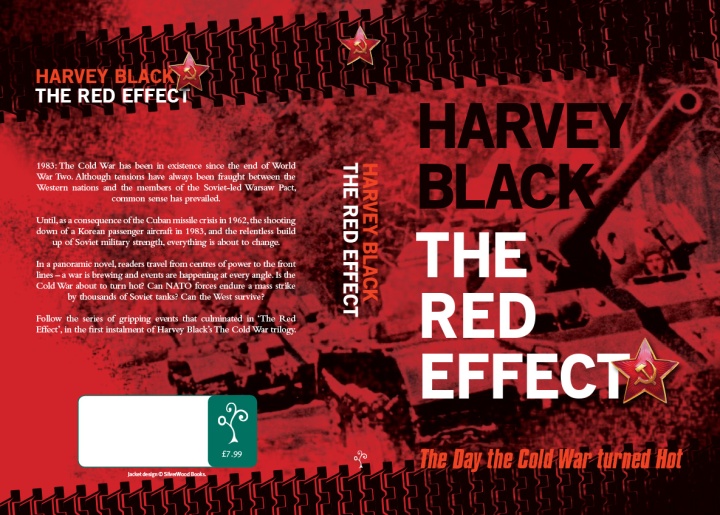
The Red Effect. Nuclear Defence.  The first novel in my ‘Cold War’ trilogy, The Red Effect, published by SilverWood Books, is now available. Thoroughly enjoyed writing it, as i do with all my novels. There will be three books in total, covering the hypothetical invasion of West Germany, the Federal Republic of Germany, by the Warsaw Pact in the mid 1980’s. Book 1, ‘The Red Effect’, encompasses part of the intelligence build up leading to the initial Warsaw Pact strike against the NATO forces lined up against them. The purpose of the next few posts is to give the reader some additional background information to enhance their reading experience.

. RedEffect72dpi-4 .

‘The Red Effect’ by Harvey Black – Available now. The Cold War that became a Hot War.

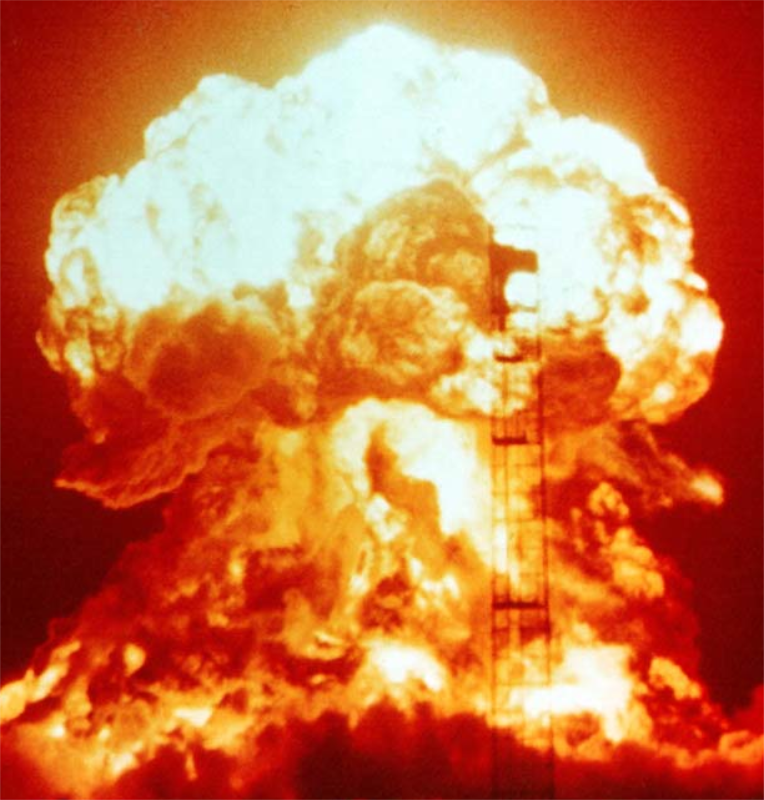
Even as early as the late 40s, early 50s, there was a real fear of a nuclear attack from the Soviet Union.

Cold War 4 029 (1)

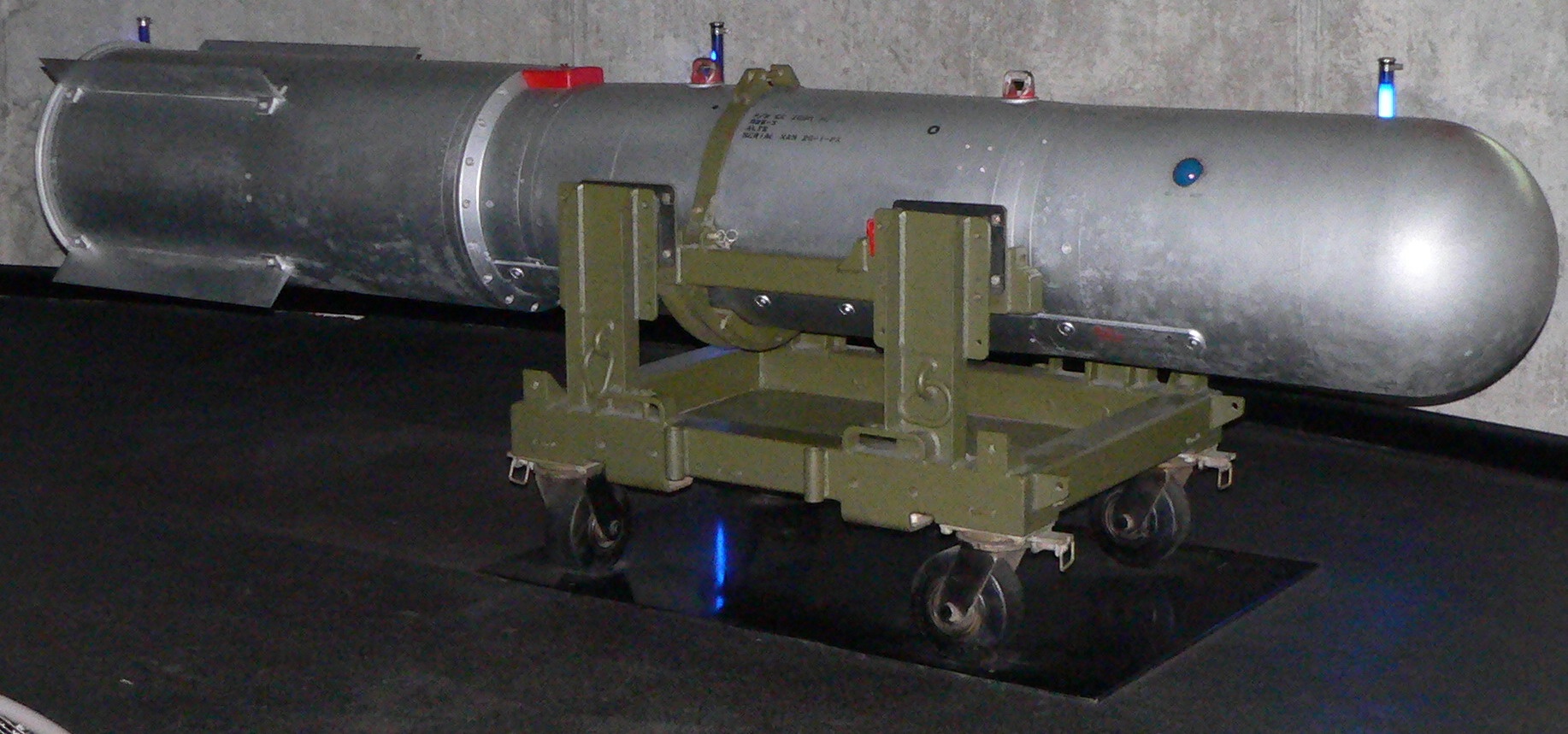
B-28 Nuclear Bomb, carried by the B-52 bomber in the 60s.

.

Red effect 3 082 (1)

With a 1 megaton yield, it would devastate a city and the surrounding area.

The perception of a potential Third World War, was generally one of a nuclear war. It may have come to that. In reality we will never know. But, one scenario is that of a conventional war. The massed forces of the Warsaw Pact against the supposedly technically superior, but weaker, NATO armies, that may well have escalated into a nuclear exchange. But we still prepared for the worst.

.

Red Effect. Nuclear Defence. 091

Advice was provided by the local authorities, giving guidance on how best to defend yourself from the threat.

.

Red Effect. Nuclear Defence. 092

Information was basic, but the authorities themselves knew very little about how the population could defend themselves against an all-out nuclear exchange. It was expected that over 300 megatons would be dropped on Great Britain alone, enough to blast it back into the dark ages.

.

Red Effect. Nuclear Defence. 079

To assist local Government, in the event of a nuclear exchange, or other major catastrophe, Regional Control Centres would assume full powers over a specific area. They were provided with tools to help cope with the nuclear threat. 

.

Red Effect. Nuclear Defence. 080

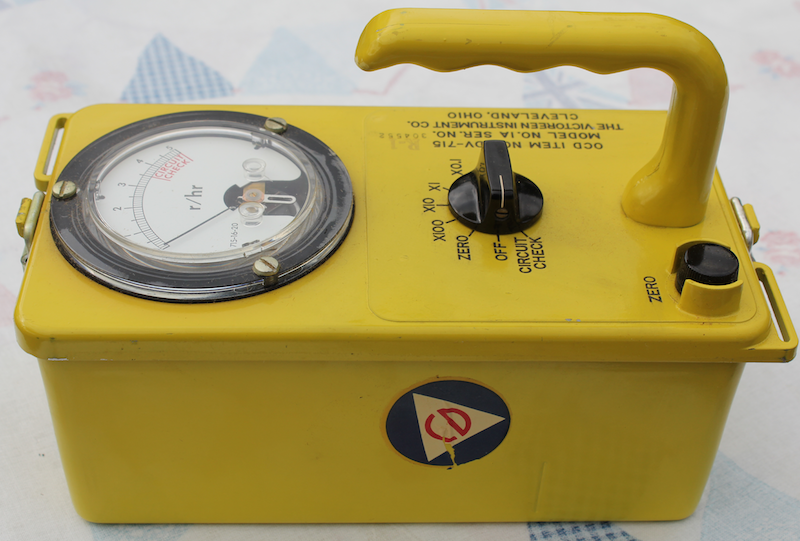
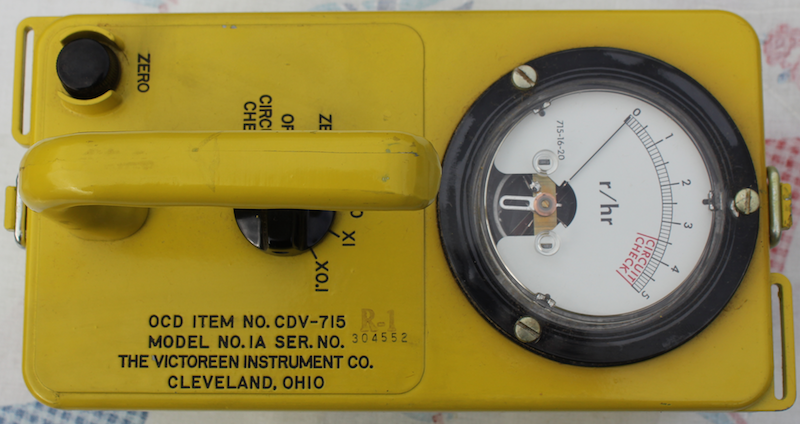
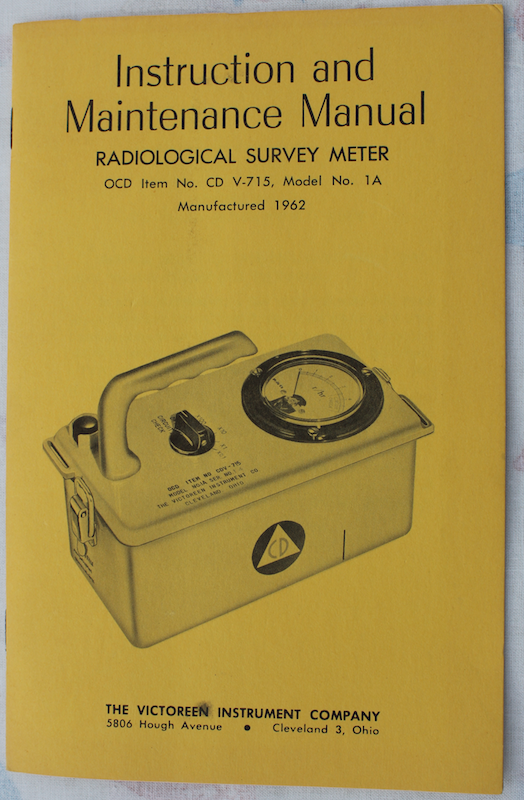
This Radiological Survey Meter was built in 1962, by the Victoreen Instrument Company in Cleveland Ohio. It is brand new, fortunately unused.

.

Red Effect. Nuclear Defence. 081

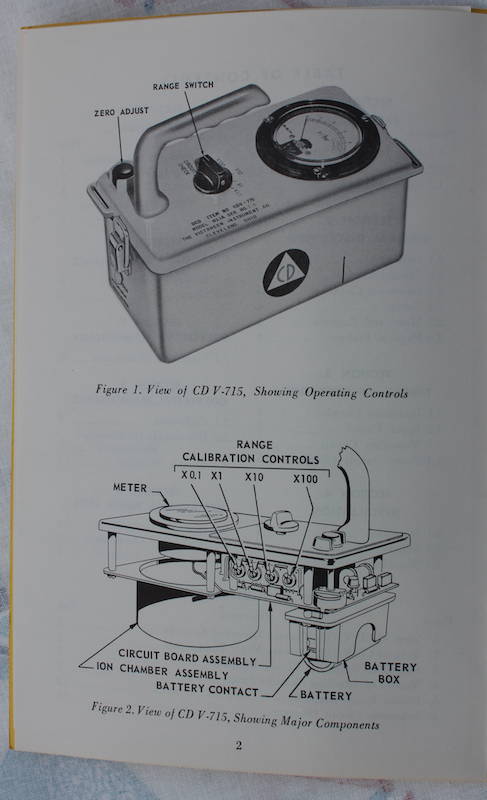
It records the rate at which at which your body is being exposed to radiation. It is used to find the best shelter and evaluate shielding arrangements. Even stacks of books were seen as an aid to blocking out radiation.

.

Red Effect. Nuclear Defence. 082

Very basic circuitry, powered by a 1.5 volt, D-Cell battery

.

Red Effect. Nuclear Defence. 083

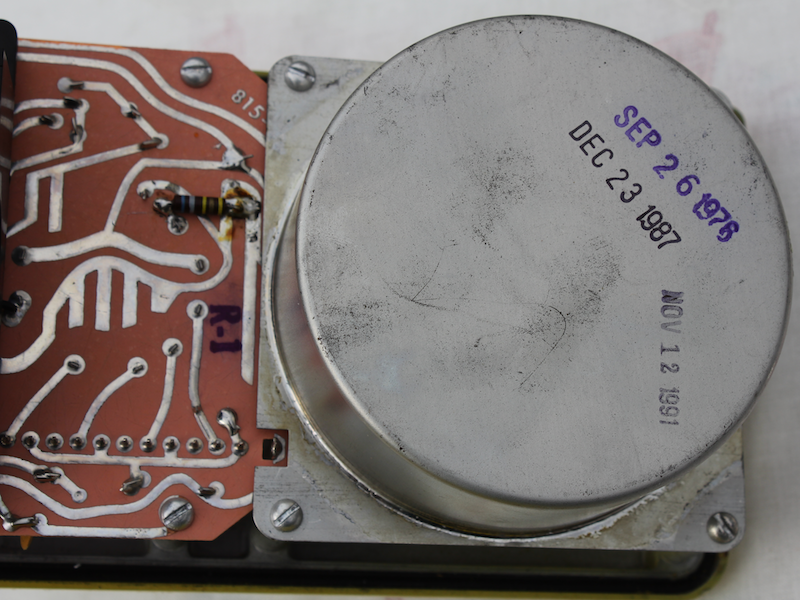
Made in 1962, the latest test date for the Ion Chamber is 1991, and it still works.

.

Red Effect. Nuclear Defence. 084

Measures up to 500 roentgens per hour. Only a few hours at that level would usually be lethal for a human being.

.

Red Effect. Nuclear Defence. 087

Basic Instruction Book

.

Red Effect. Nuclear Defence. 088

CD V-175

Red Effect. Nuclear Defence. 085

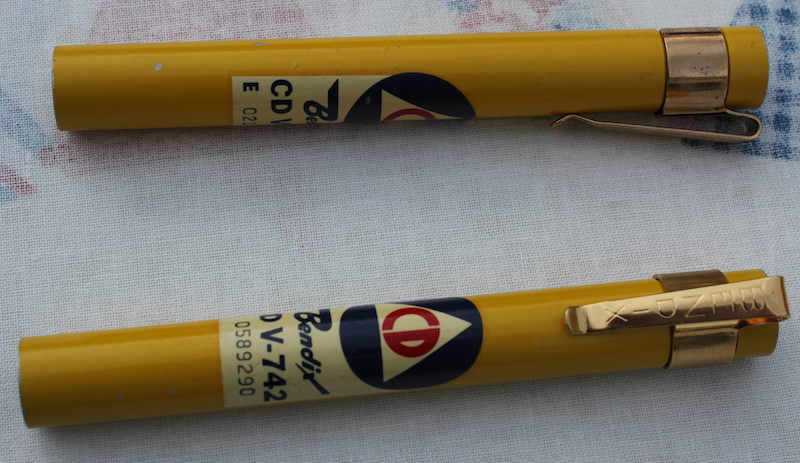
Dosimeters. Design to be carried on the person to measure the body’s accumulated exposure to radiation.

.

Red Effect. Nuclear Defence. 089

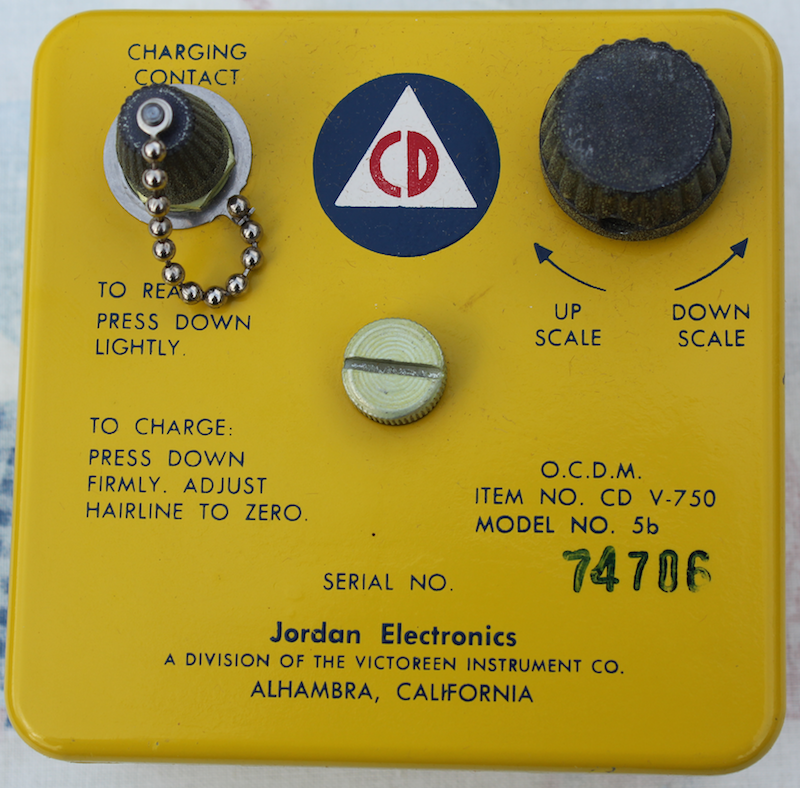
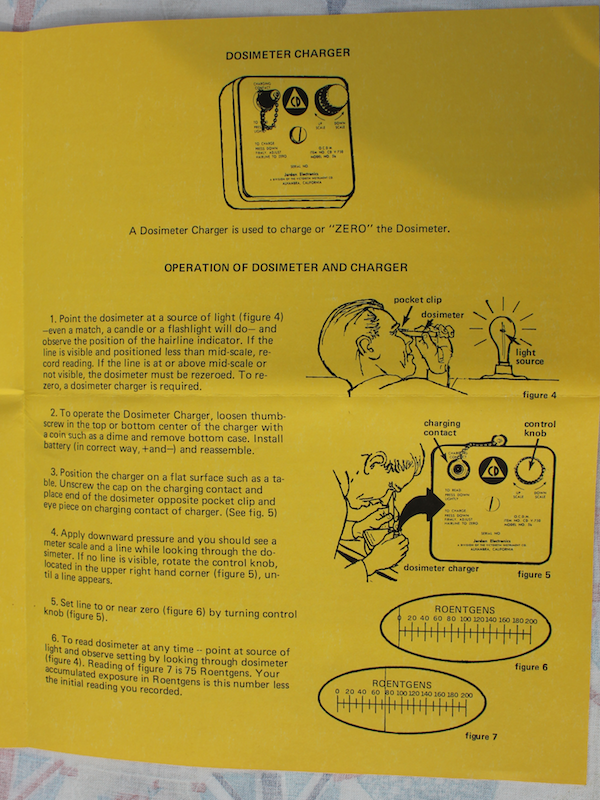
Dosimeter charger, used to ‘Zero’ the dosimeters.

.

Red Effect. Nuclear Defence. 079 (1)

.

Total Exposure

0-50R – No visible effects

50-200R – Brief periods of nausea. 50% experience radiation sickness

200-450R – 50% deaths within two to four weeks.

450-600R – Serious radiation sickness. Death to 50% within one to three weeks.

Over 600R – Severe radiation sickness. 100% deaths within two weeks.

The thought of it ever happening is frightening.

i hope this has given you a further insight into what was happening during the Cold War Period, 1946-1989. Going forward I will add more information in support of my Cold War trilogy.

The Blog is copyrighted to Harvey Black.

. HarveyBlack-Red Effect150313

‘The Red Effect’ by Harvey Black – Kindle and Paperback version out now! The Cold War that became a Hot War.

.