Barbarossa, Germany’s invasion of the Soviet Union. Part 4

I have just finished writing my third novel in the Devils with Wings series, Devils with Wings: Frozen Sun. The Fallschirmjager, after their successful battle taking Crete in only 10 days, are shipped to Poland to partake in Operation Barbarossa, the German invasion of the Soviet Union.

They leave temperatures in excess of forty degrees to be used, not in an airborne operation, but as a fire brigade, plugging gaps in the line around Leningrad. They were Army Group North’s strategic reserve.  They were quickly placed into the fray, fighting along the River Neva, where temperatures dropped to below -30 degrees, sometimes as low as -40. They were successful at plugging the gaps and preventing the Soviet Union from exploiting their bridgeheads over the River Neva, but at a price. Some units suffered up to 75% casualties. Many who had survived the assault on the Fortress Eben Emael, (Devils with Wings) and the fierce fighting on the Island of Crete (Devils with Wings: Silk Drop) met their fate in this bitter struggle with the atrocious weather and the never ending Soviet hordes.
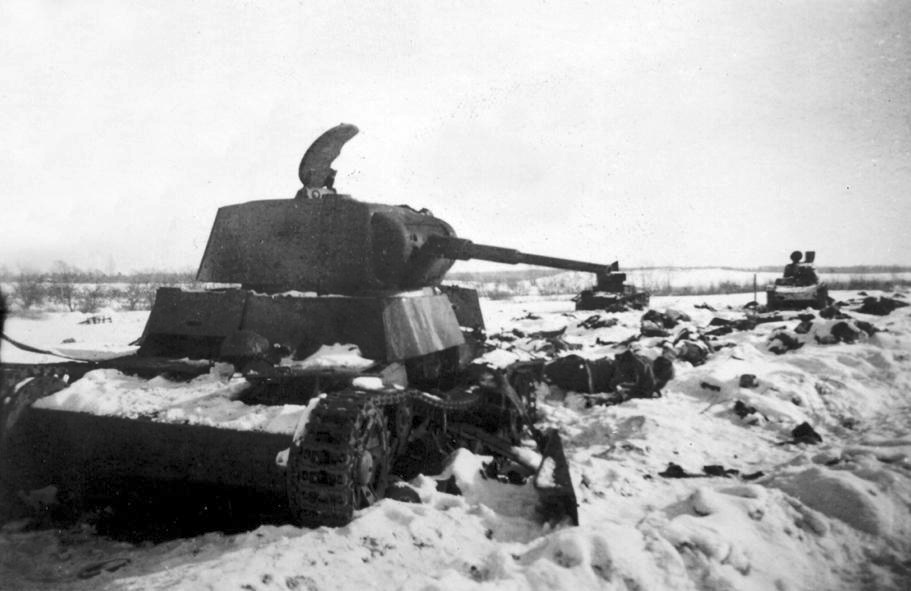
The German Army, and the Fallschirmjager, were soon to experience the hostile Russian winters.

Now across the Daugava near Daugavpils, Army Group North was in striking distance of Leningrad. As a result of their worsening supply situation, Hitler ordered the Panzer Groups to hold their positions, giving the infantry a chance to catch up.

This held Army Group North’s advance up for over a week, giving the Soviets an opportunity to build up their defences around the city of Leningrad, and along the banks of the River Luga.

The delays gave the Soviets time to gear up for a massive counter-attack against Army Group Centre whose ultimate objective was Smolensk, which guarded the road to Moscow, where they faced 6 Russian armies. On the 6th July, the Soviets attacked with over 700 tanks, but it was crushed by overwhelming German air superiority. After defeating the counter-attack, 3rd Panzer Army closed on Smolensk from the north, while 2nd Panzer Army, after crossing the River Dnieper, closed on Smolensk from the south.

By the 18th July, the two Panzer Groups came within 10 miles of closing the gap to trap three Russian armies, but it was a further 8 days before it could be closed. 300,000 Soviet soldiers were captured, 100,000 escaping to help bolster the defences of the road to Moscow.

Some of the types of equipment used in this biggest ever invasion of a country are shown below. Most of the photographs were taken at the Bovington Tank Museum.
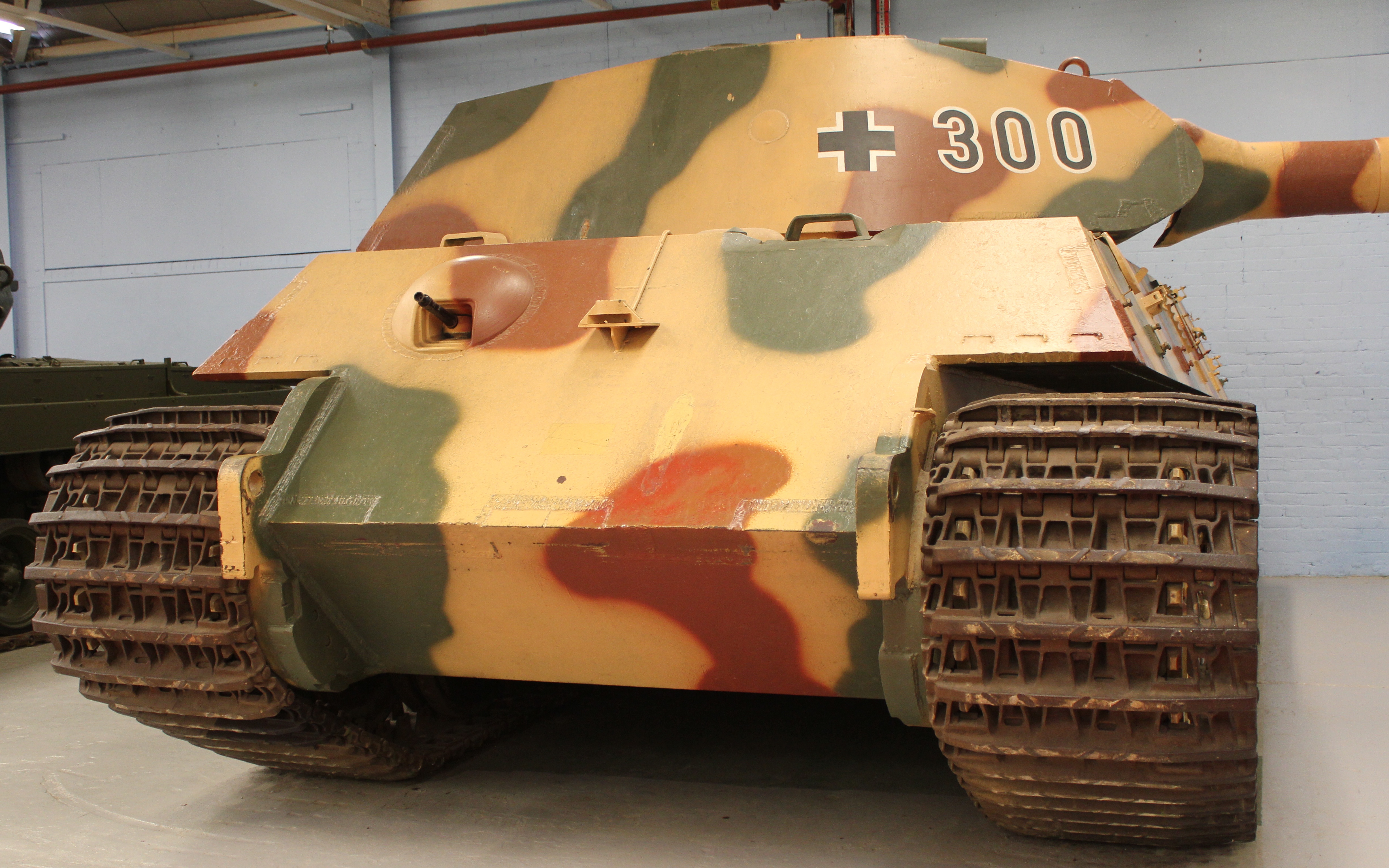
Panzer VI Model B, Sdkz 182. 

.

The Royal or King Tiger.

.
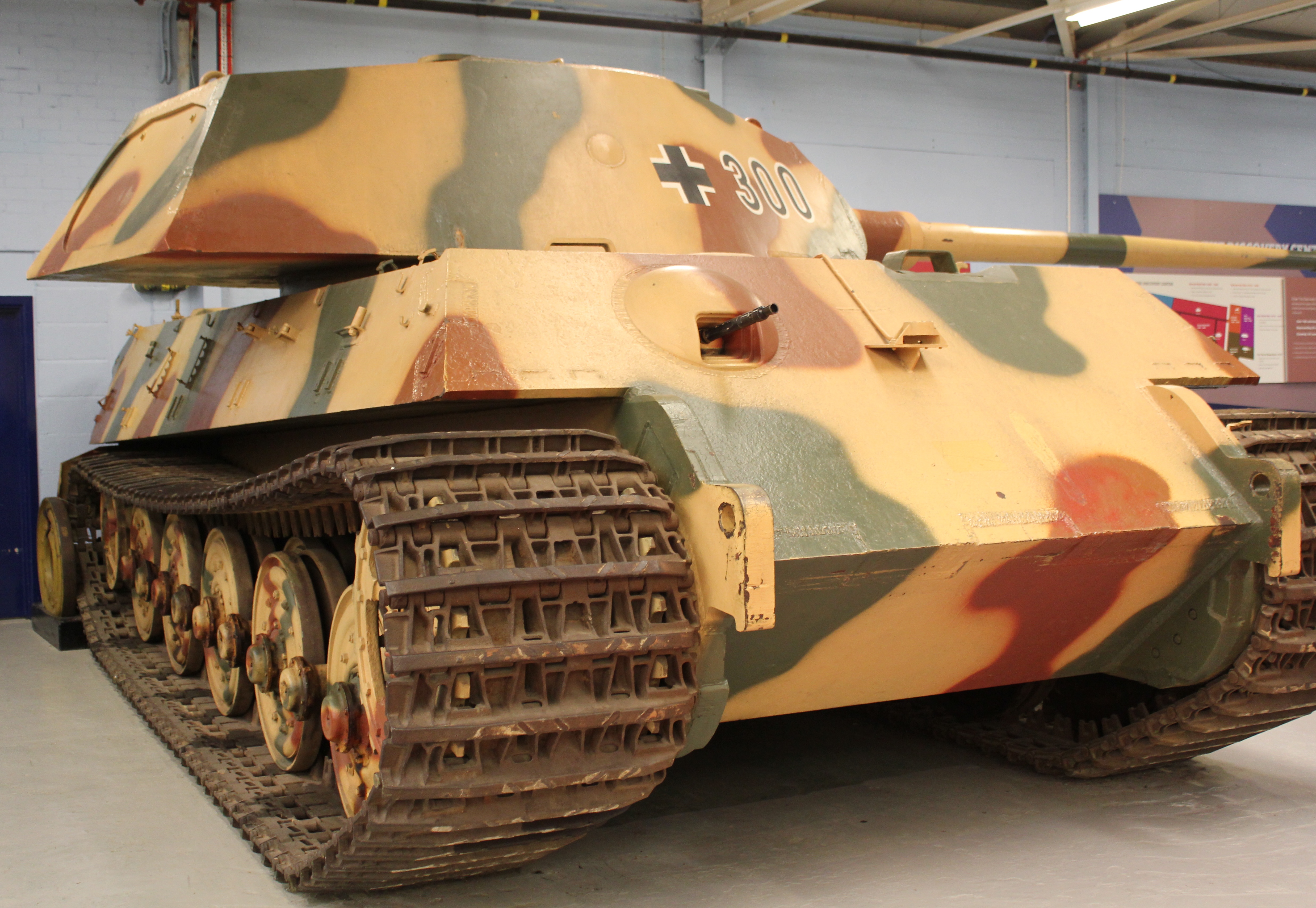
Crew of 5, 150mm armour with a top speed of 35kph.

.

1 x 88mm gun and 2 x 7.92mm MGs.

.

68 tons.

.

Not all armoured vehicles were huge. This NSU Springer SdKfz 304, is a mobile bomb on tracks.

.
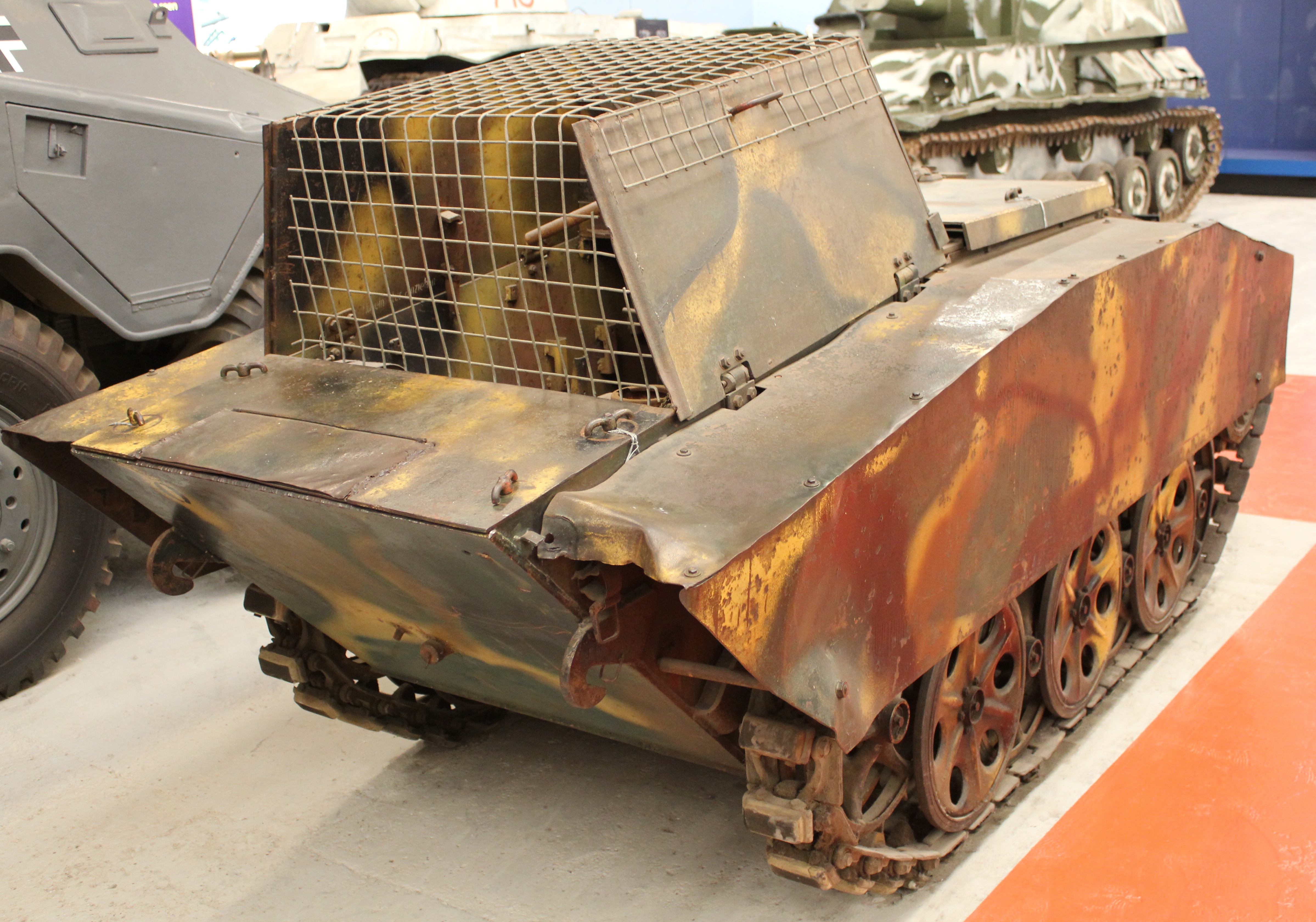
Crew of 1, armour 10mm, weight 2.4 tons, 330 kilograms of explosives onboard.

.
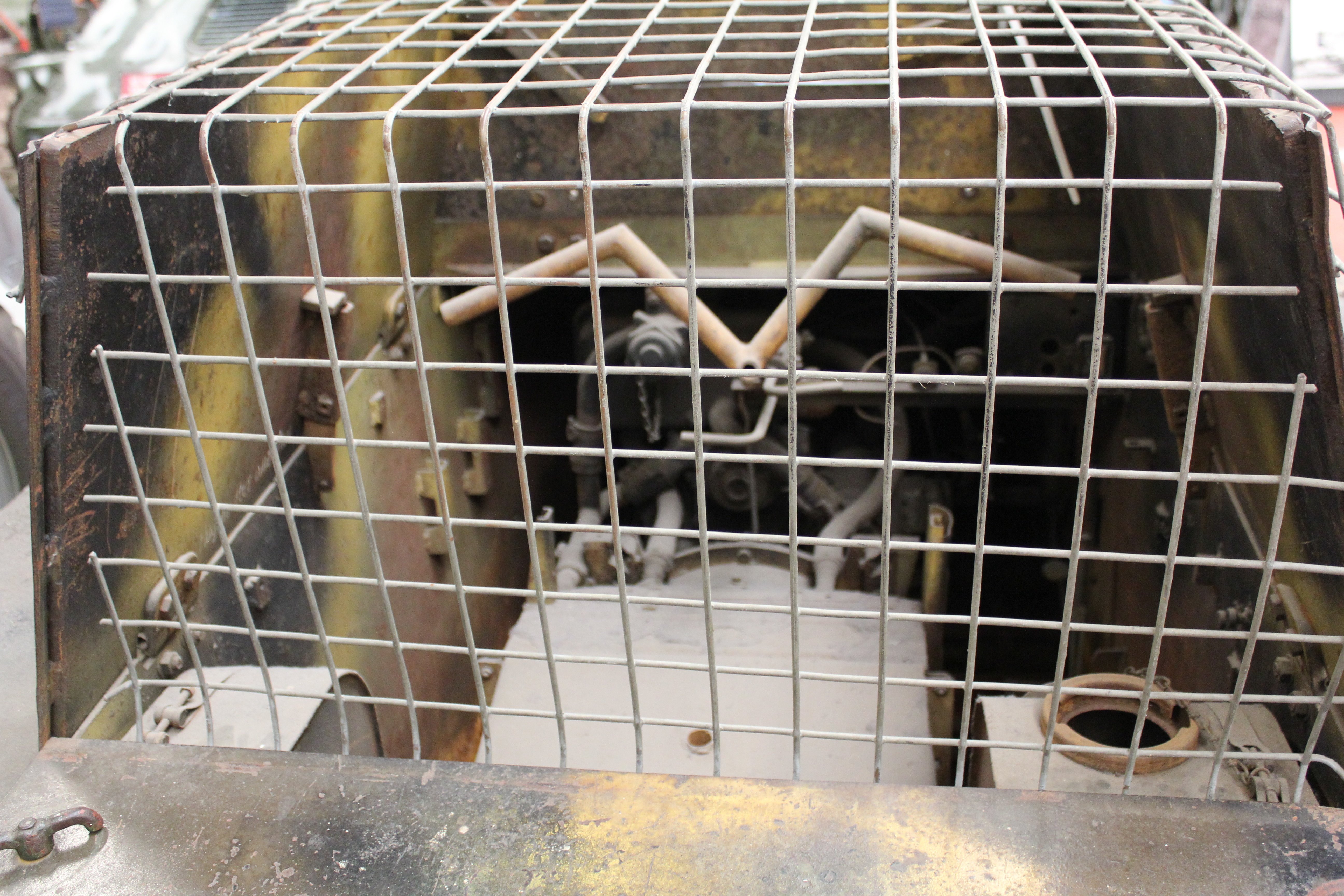
Drivers compartment, top speed of  42kph.

.

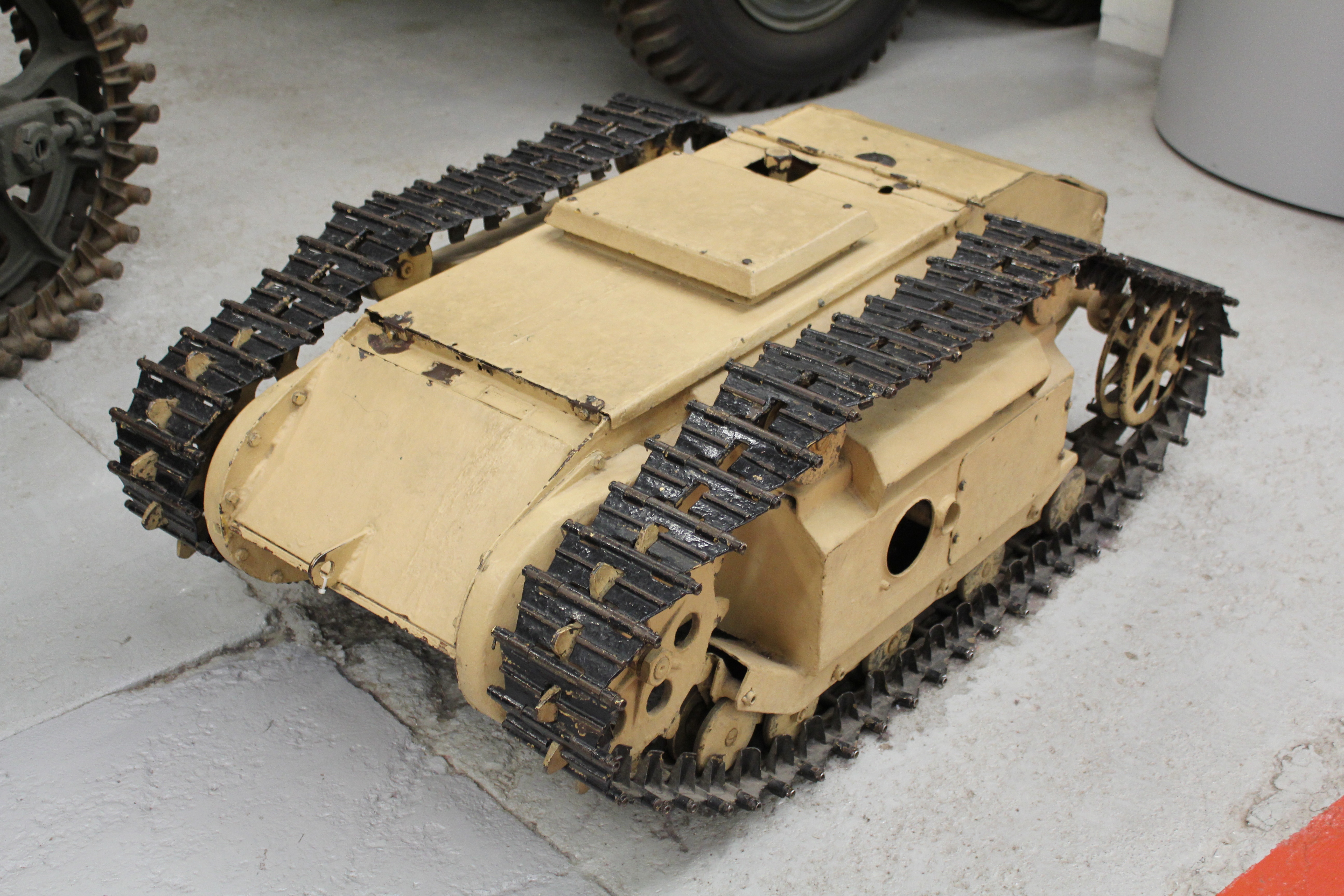
Sd Kfz 303, Leichte Ladungstrager. The Goliath, remote-controlled, tracked mine was even smaller. 1.2m long, o.61m wide and .3m high. It carried up to 100 kilograms of explosives.

.
.

Used for destroying tanks, disrupting infantry formations and demolition of buildings. Powered by a Zundapp 703cc, two-cylinder engine.

http://www.youtube.com/watch?v=ohDWlbONWwM.

Video clip of one in action.

.

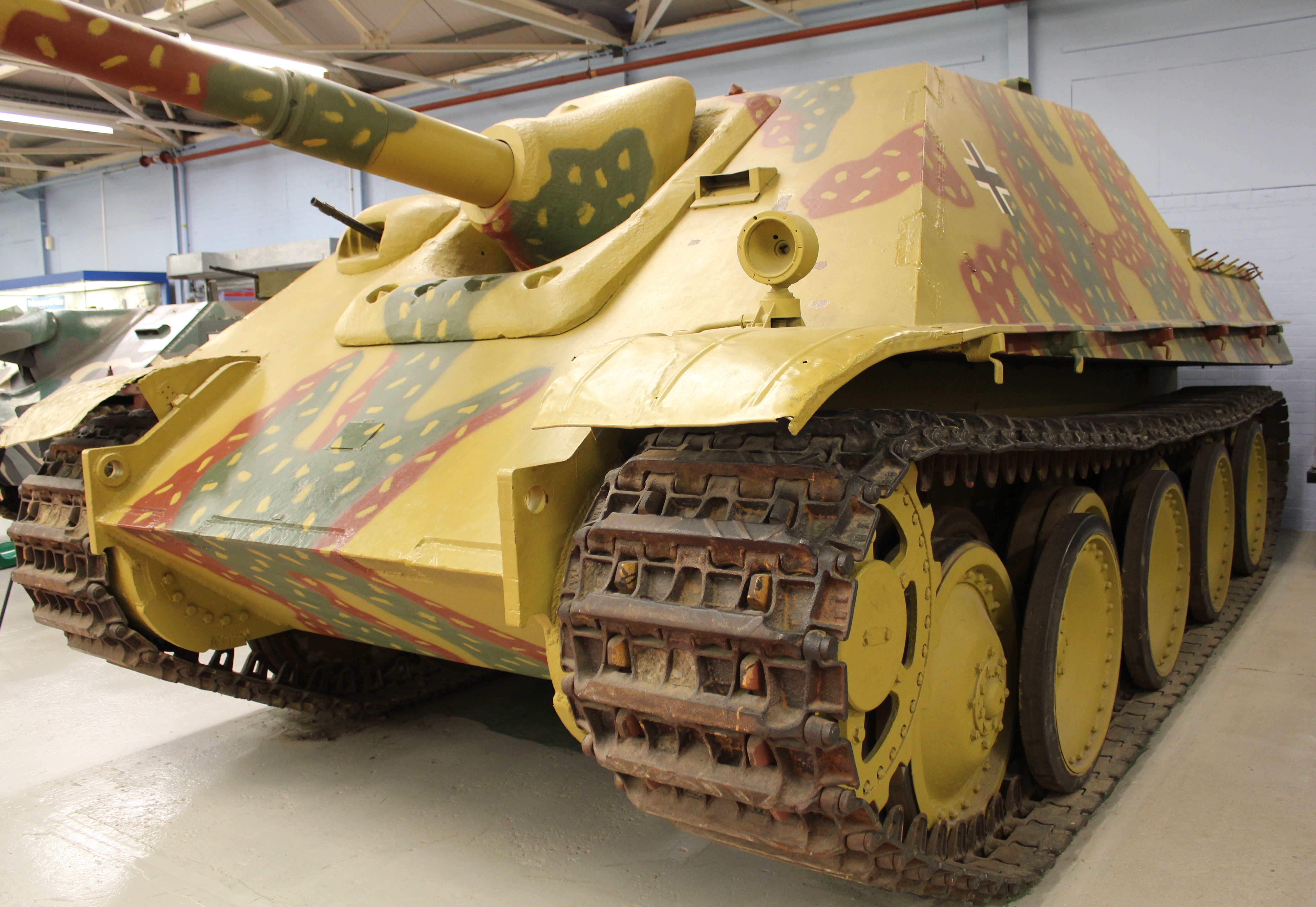
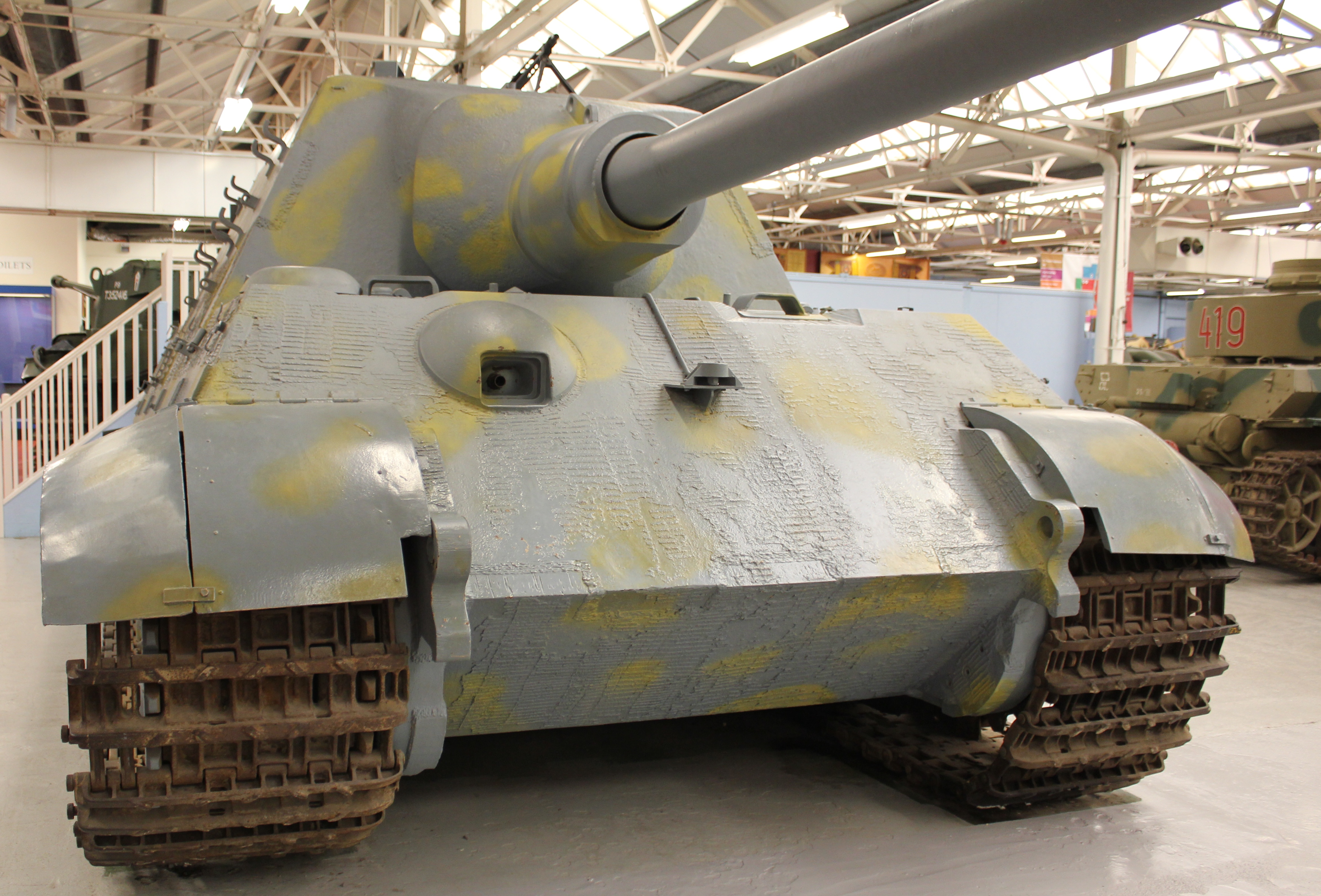
88mm Panzerjager. Jagdpanther, SdKfz 177.

.

Hunting Panther, with an 88mm PAK43 gun.

.
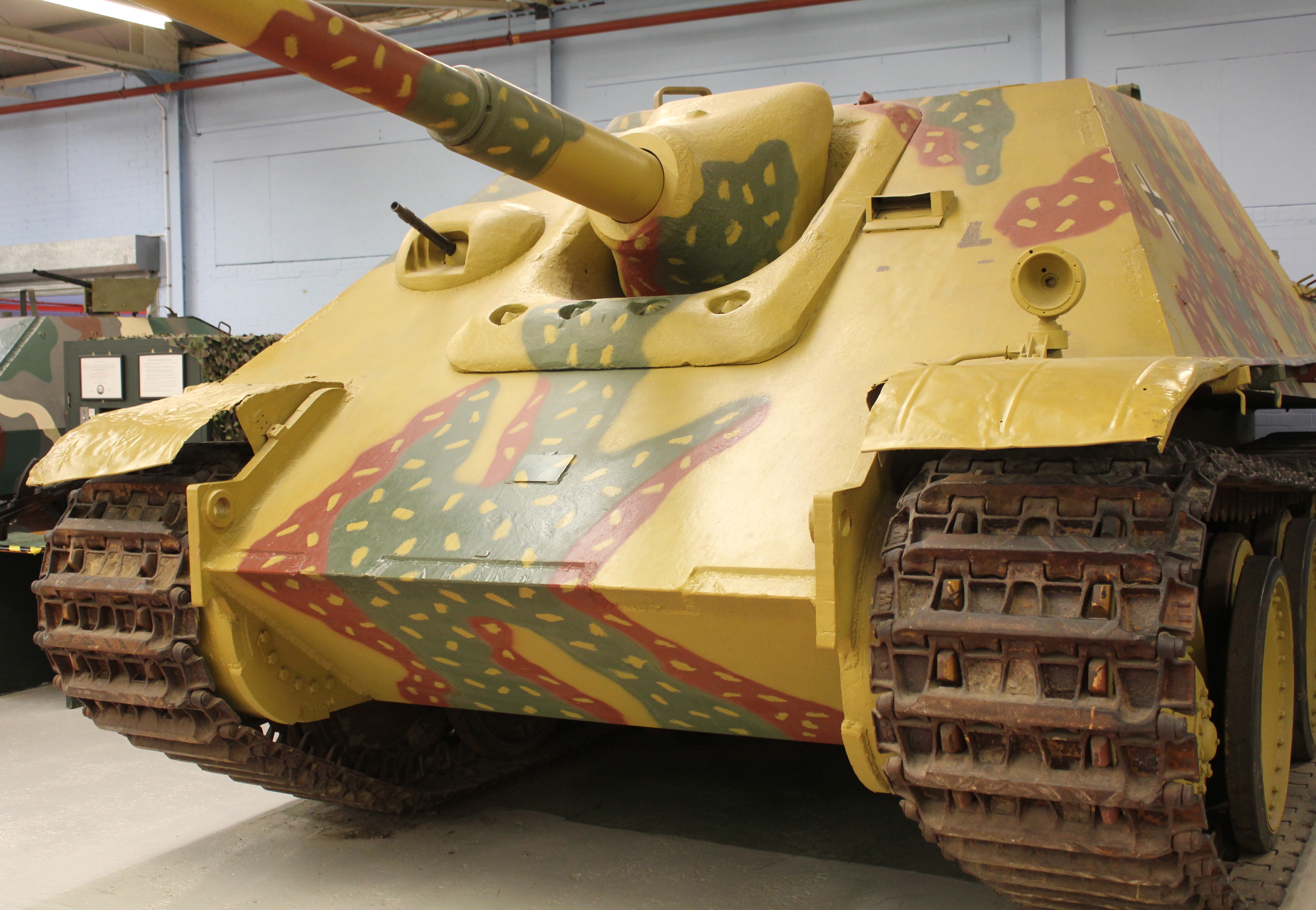
Crew of 5, 80mm armour with a top speed of 47kph.

.
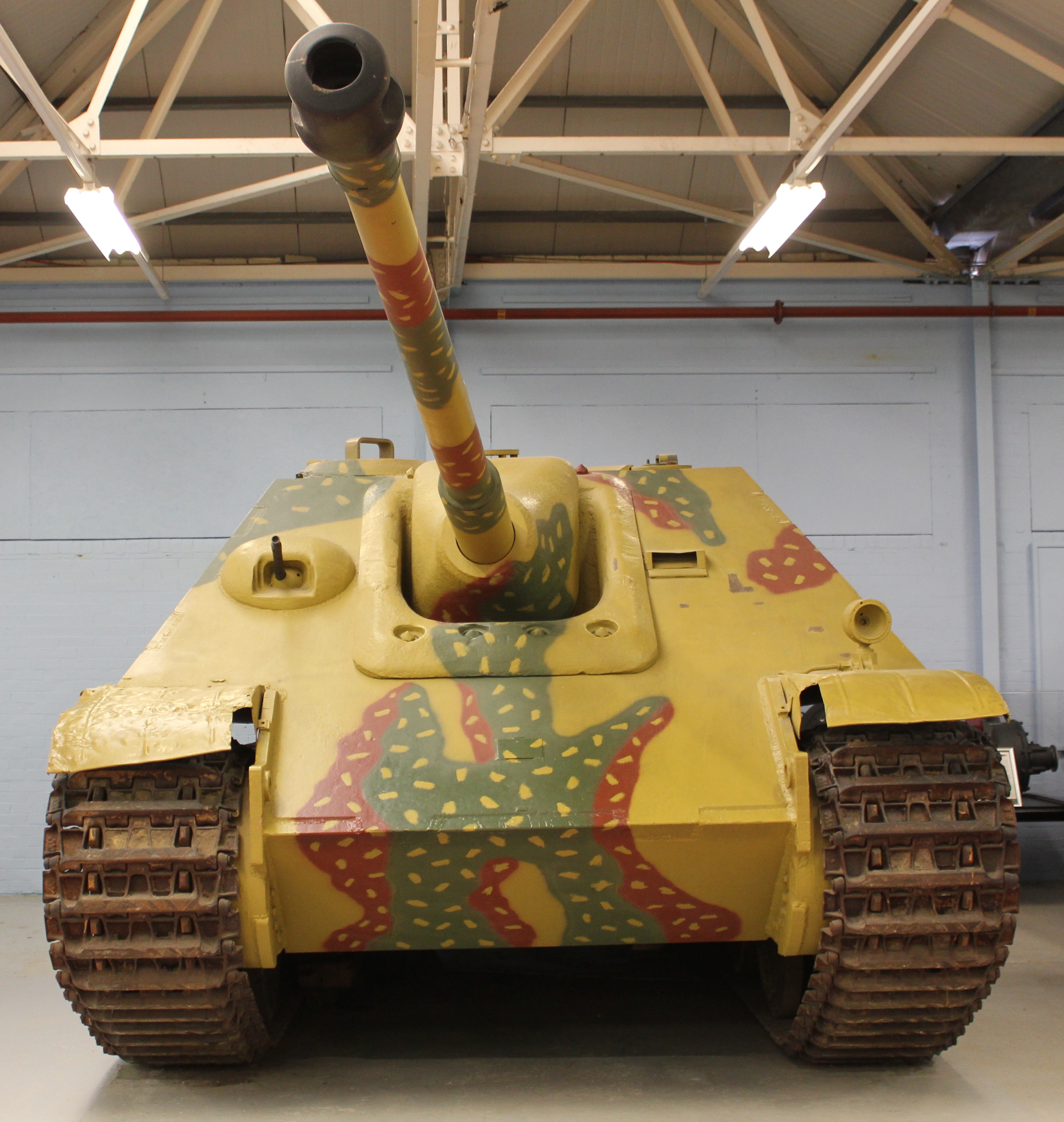
45.5 tons. Mantlet 100mm thick, Entered service in the Summer of 1944.

.

My intention is not to portray a particular message, but just share some of my photographs and information with you and help set the scene for my forthcoming novel.

Photographs and Blog is copyrighted to Harvey Black

41BGbEG9IpL._BO2,204,203,200_PIsitb-sticker-arrow-click,TopRight,35,-76_AA300_SH20_OU02_

D-Day, June 6th, 1944. The Allied invasion France.

In remembrance of the brave soldiers who gave their lives during this historic day, I shall be looking at some of the Allied tanks on display at the Bovington Tank Museum.

The Royal Tank Regiment Memorial Statue, Bovington Tank Museum.

The above exhibit is the fibreglass model used to create the bronze statue that stands in Whitehall Place, London.

The Normandy landings, codenamed Operation Neptune, commenced on the 6th June, 1944 (D-Day).

The first phase, just after midnight, consisted of 24,000 British, American, Canadian and free French airborne troops landing behind enemy lines. There were also two decoy operations, Operation Glimmer and Operation Taxable, used to distract the German forces from the real Normandy landings.

Armour played a key role in helping secure the beaches, particularly Hobart’s Funnies. Below are pictures of some of the tanks displayed at the Bovington tank Museum and a few of the specialist tanks used on the day.

The Mark II’s were used as training tanks at Bovington camp. Due to a shortage of armour, they were sent to the front.This is the last surviving Mark II.

.

The Medium Mark A, the fastest tank of its time. A top speed of 8mph.

.

Crew of 3, 12mm armour.

.

14 tons. three -303in machine guns.

.

Medium tank Mark II. New sprung suspension

.

3 pounder gun. Serving in Egypt when WW2 broke out. Too slow at 15mph, so were buried with only their turrets showing and used as static defence.

.

Light Mark VIB. 35mph carrying a .50in machine gun.

.

Crew of 3, Reconnaissance tank weighing 5.2 tons.

.

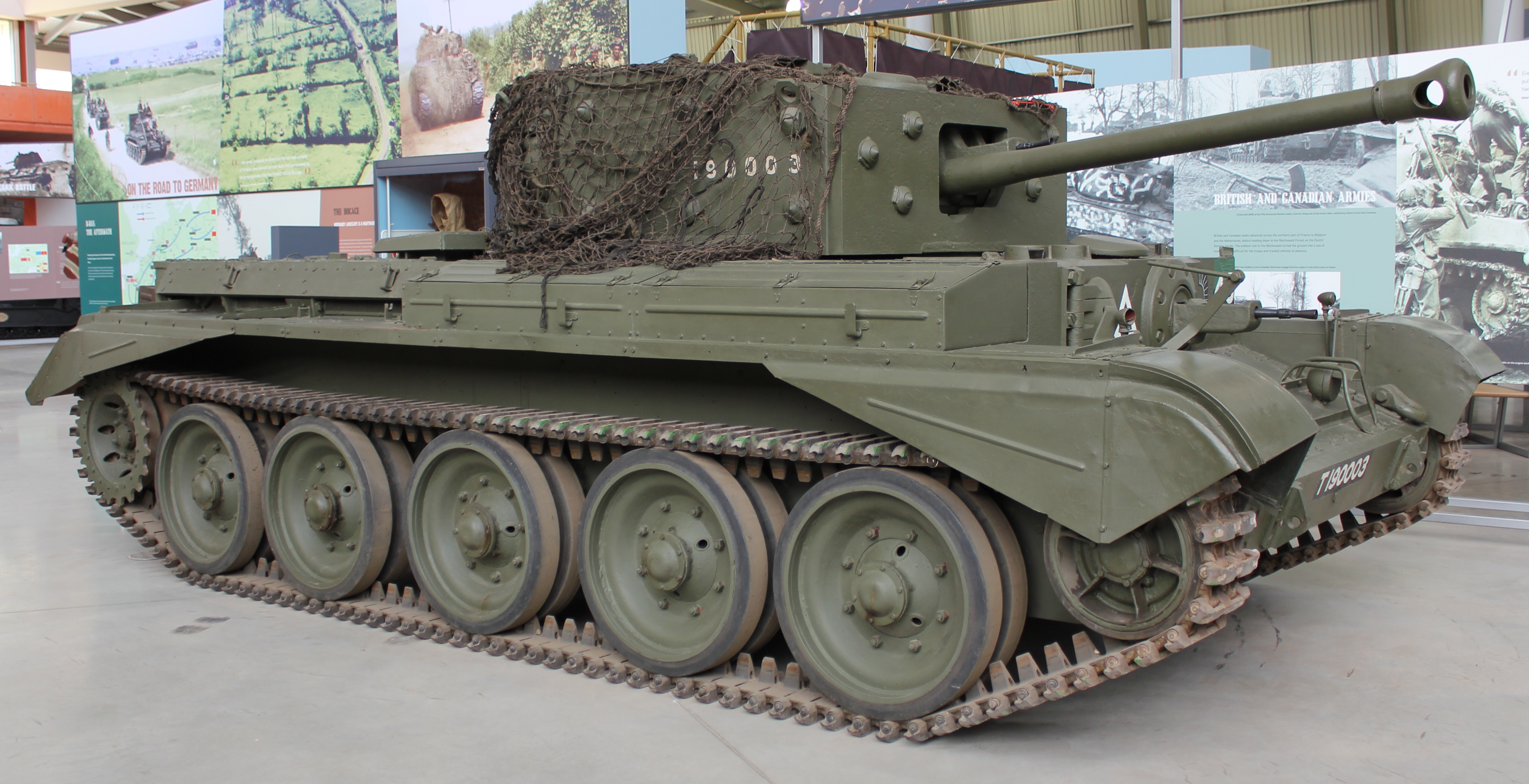
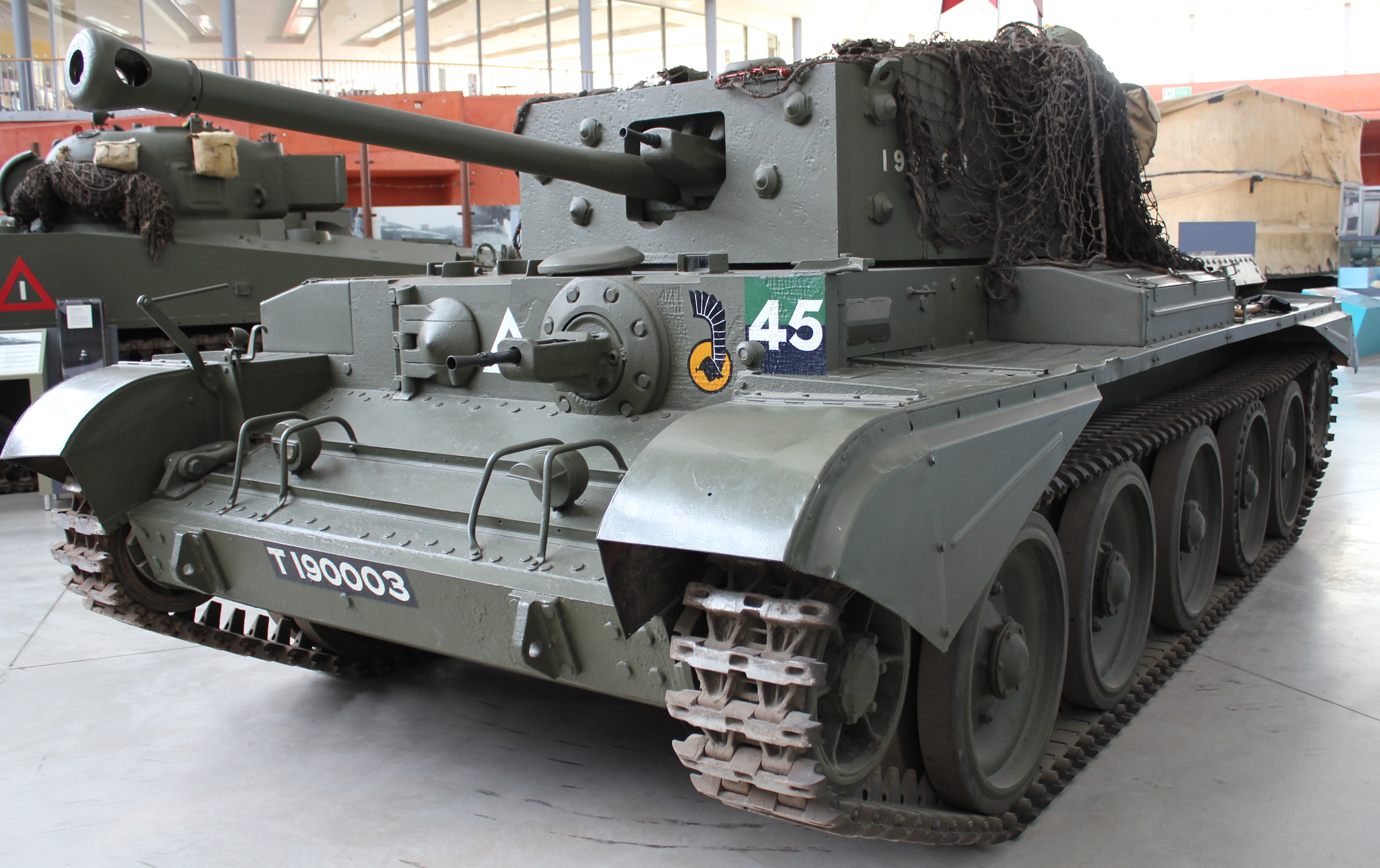
The Cromwell Cruiser Tank. Powered by a Rolls-Royce V12, fighter engine.

.

76mm main gun.

.

56mm of armour and a top speed of 35mph.

.

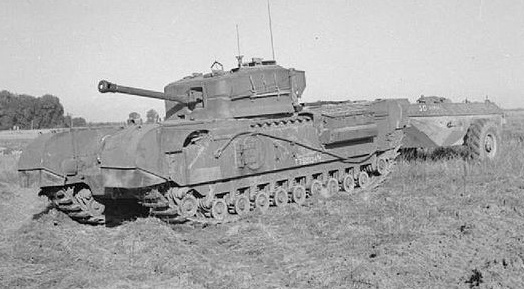
Churchill Crocodile. Modified by fitting of a flame-thrower. The flame-thrower had a range of 120 yards.

.

Churchill Crocodile with trailer, which held 400 gallons of fuel for the flame-thrower.

.

Sherman Firefly. The first tank to match the Tiger.

.

 76.2mm gun, 22mph, 75mm of armour.

.

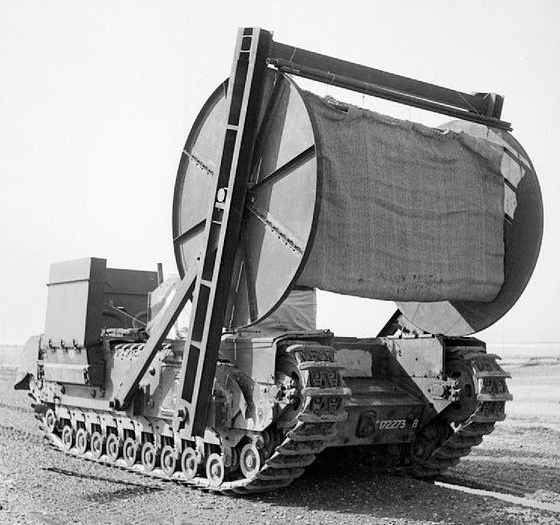
The Bobbin. A reel of 10-foot wide canvas cloth reinforced with shell poles. Unrolled onto the ground to allow tanks to move across the soft sand.

.

Sherman Crab mine-clearing tank.

.

A real Mark IV tank?

.

Well?

.

No. It is in fact a prop that was made for the Steven Spielberg film ‘War Horse’.

My intention is not to portray a particular message, but just share some of my photographs and information with you and help set the scene for some of my novels.

Photographs and Blog are copyrighted to Harvey Black

Barbarossa, Germany’s invasion of the Soviet Union. Part 3

I have just finished writing my third novel in the Devils with Wings series, Devils with Wings: Frozen Sun. The Fallschirmjager, after their successful battle taking Crete in only 10 days, are shipped to Poland to partake in Operation Barbarossa, the German invasion of the Soviet Union.

They leave temperatures in excess of forty degrees to be used, not in an airborne operation, but as a fire brigade, plugging gaps in the line around Leningrad. They were Army Group North’s strategic reserve.  They were quickly placed into the fray, fighting along the River Neva, where temperatures dropped to below -30 degrees, sometimes as low as -40. They were successful at plugging the gaps and preventing the Soviet Union from exploiting their bridgeheads over the River Neva, but at a price. Some units suffered up to 75% casualties. Many who had survived the assault on the Fortress Eben Emael, (Devils with Wings) and the fierce fighting on the Island of Crete (Devils with Wings: Silk Drop) met their fate in this bitter struggle with the atrocious weather and the never ending Soviet hordes.

The German Army, and the Fallschirmjager, were soon to experience the hostile Russian winters.

During the period of the 23rd – 27th June 1941, a major tank battle was fought between elements of General Hoepner’s 4th Panzer Group and the Russian 3rd Mechanised Corps, commanded by Major General Kurkin and the Russian 12th Mechanised Corps commanded by Major General Shestapolov.

4th Panzer Group advanced in two spearheads and broke through to the River Dubysa and Colonel General Kutznetsov ordered the two mechanised corps to take up counterattack positions ready to hit the German flanks.

By the end of the 22nd June, the German armour had penetrated 80 kilometres in their drive towards Leningrad. The next day, near a town called Raseiniai, Kutznetsov ordered his tanks to attack. Unfortunately for him, the Luftwaffe had detected the Russian armour and JU 88’s from Luftflotte 1 destroyed 40 vehicles, tanks and lorries. The battle lasted for 4 days, but he was eventually defeated.

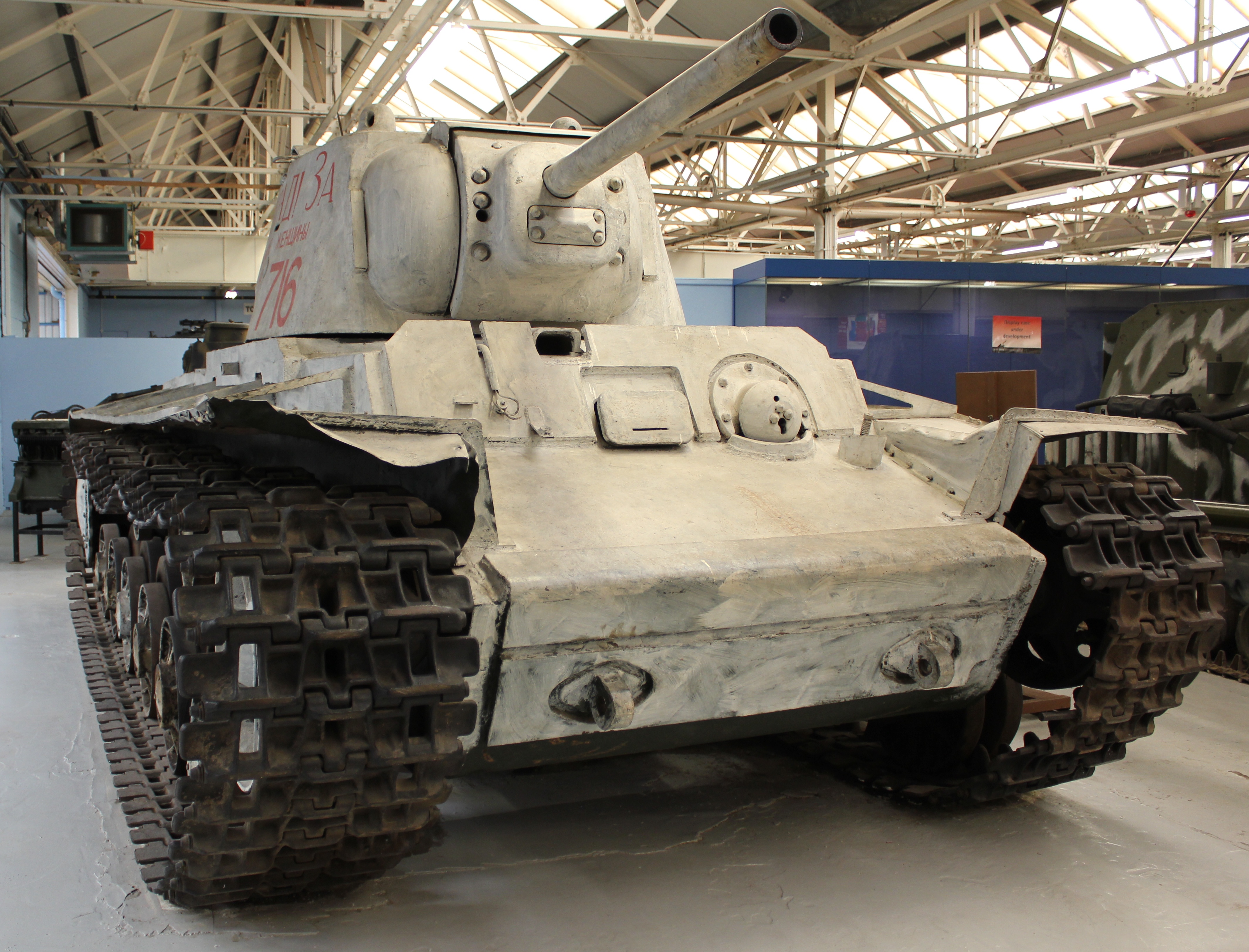
It was here the German Army came across the KV heavy tanks for the first time, the Panzer 35(t) tanks and anti-tank weapons were practically ineffective against them. Below is a KV heavy tank.

Some of the types of equipment used in this biggest ever invasion of a country are shown below. Most of the photographs were taken at the Bovington Tank Museum.

Heavy Tank KV-1B. The tank that surprised the German Army.

.

Armour 106mm, weighing 47 tons.

.

One 76.2mm main gun with 3 x 7.62mm MGs.

.

Large, crude, but very effective. Speed 34kph.

.

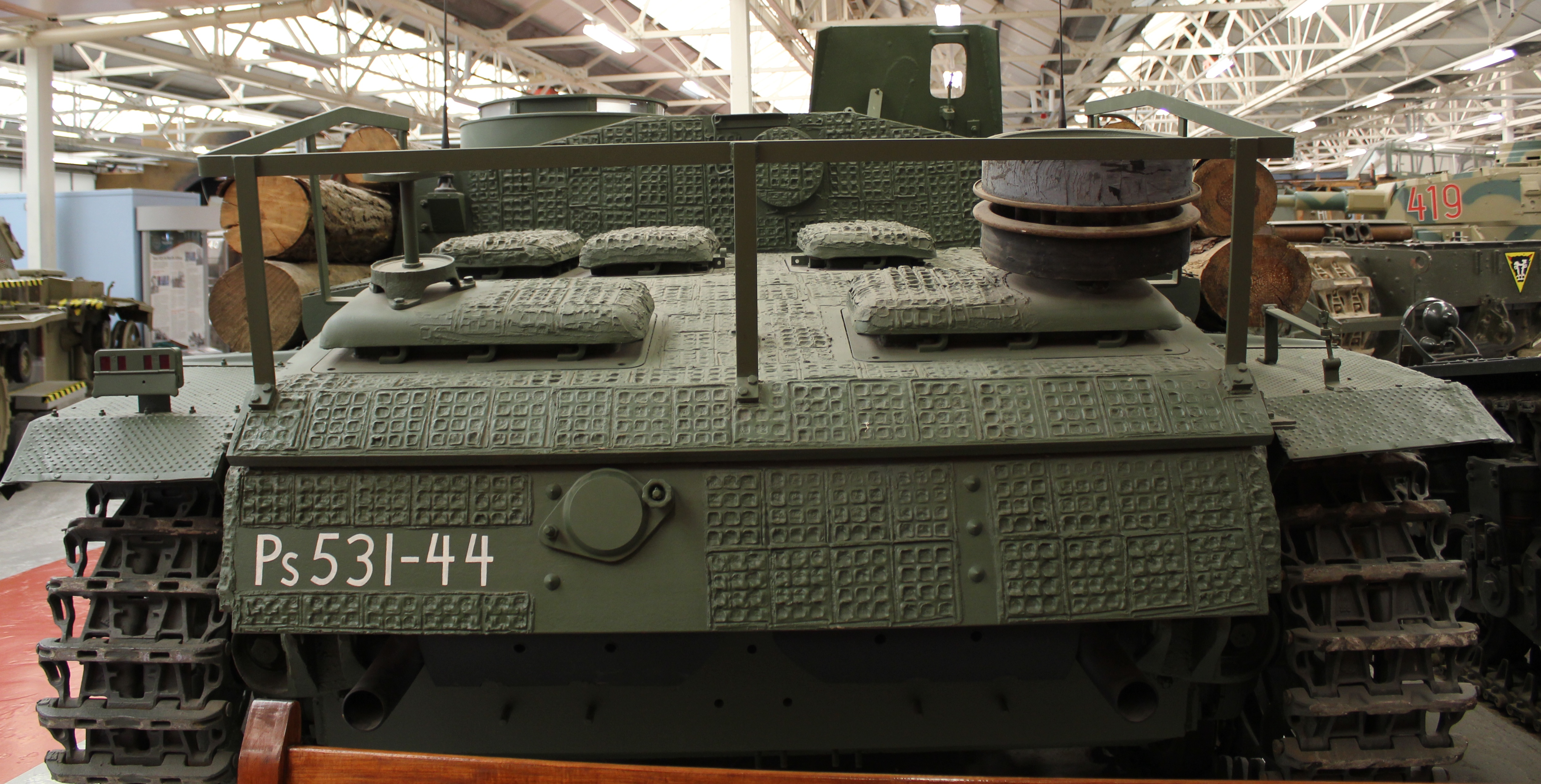
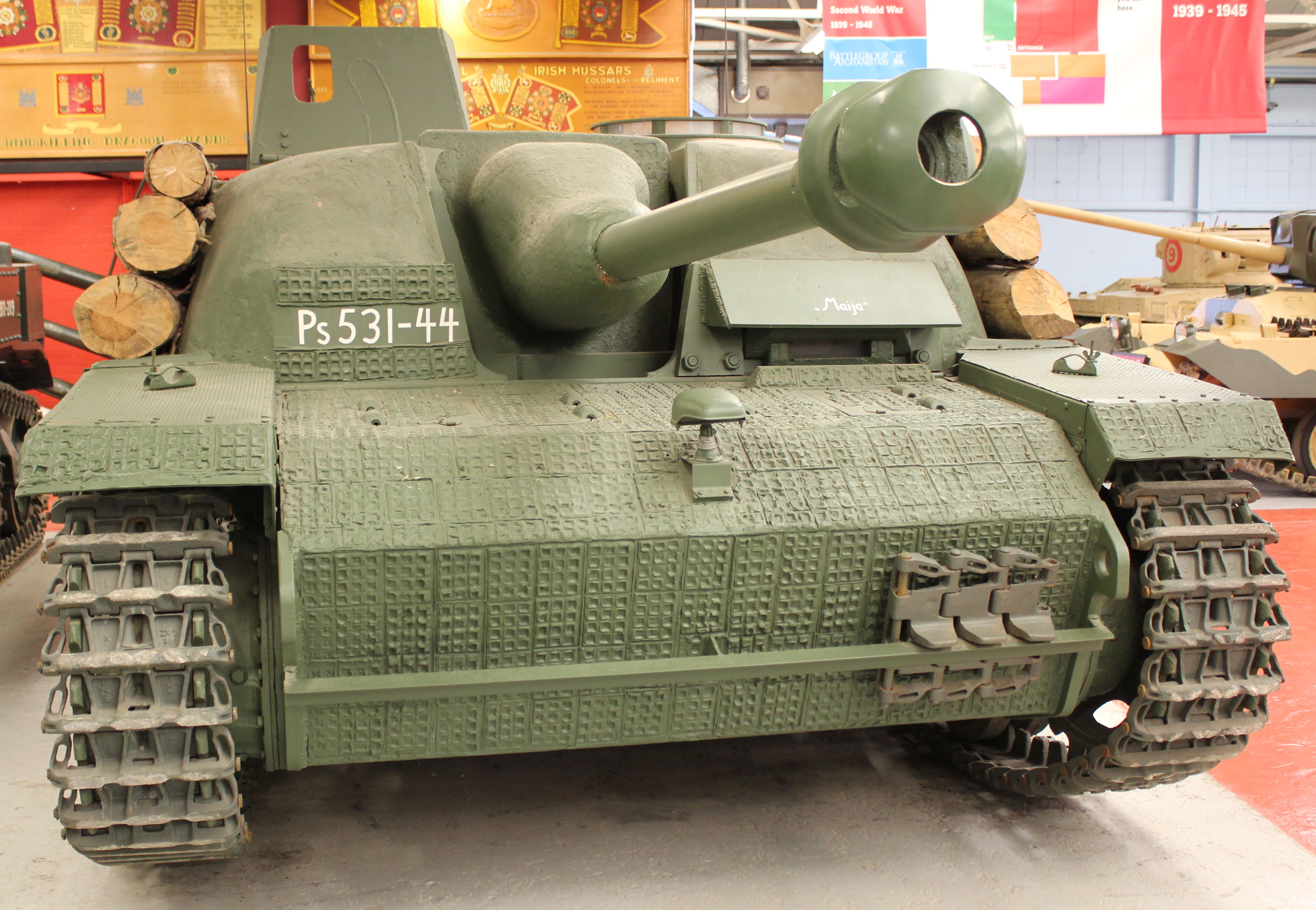
StuG III Ausf G. 

.

Built on the chassis of the Panzer III tank. 24 tons.

.

Originally designed to fulfil an infantry support role..

.

Crew of 4, top speed of  40kph.

.

To combat the larger Russian tanks, such as the KV and T-34, it was later fitted with a high velocity 75mm stuck 40 L/43 gun.

.

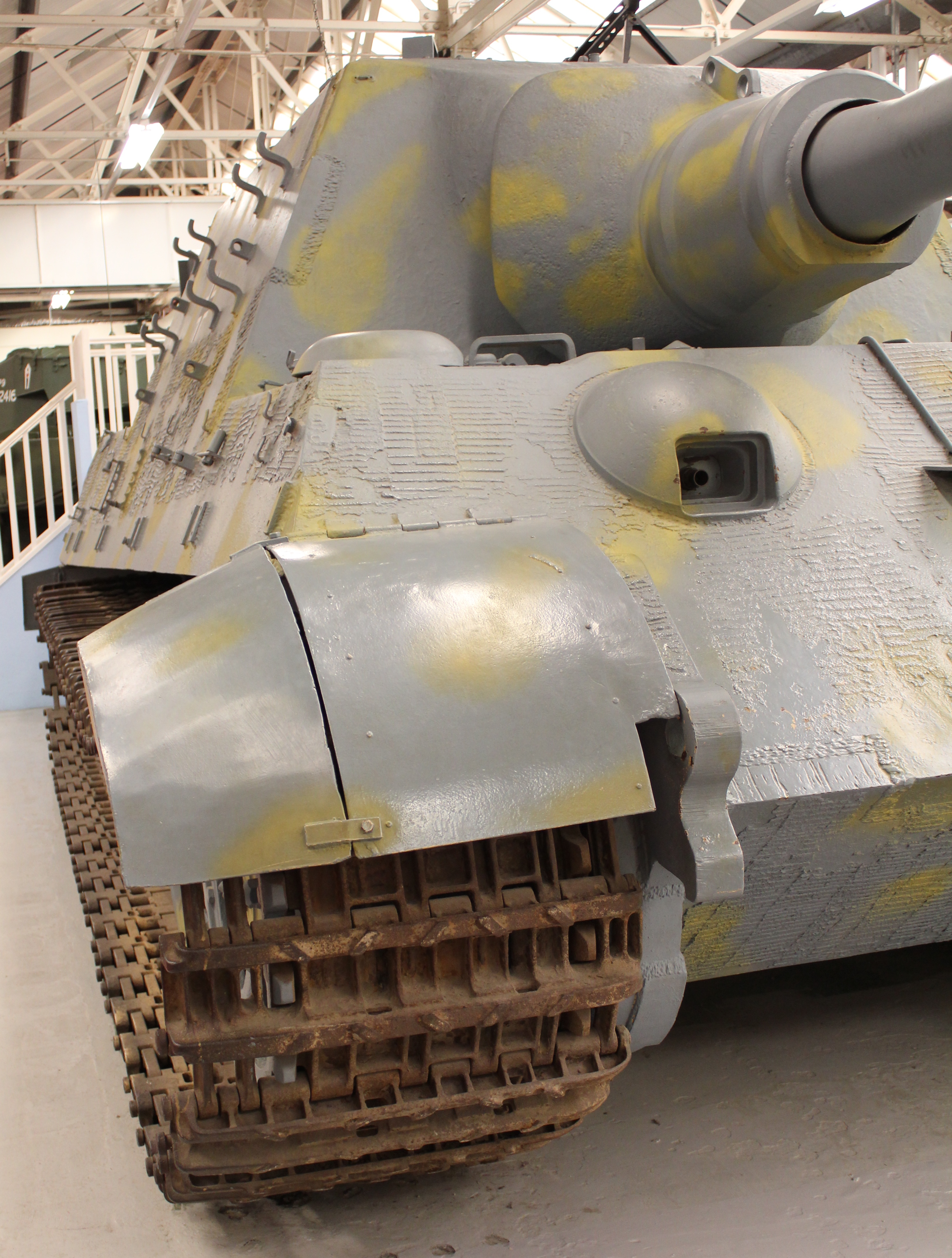
The German Army later had its own large tanks. Jagdtiger – Tank Destroyer.

.

Jagdtiger SdKfz 186.  The official German designation was Panzerjager Tiger Ausf B

.

Weighing 71.7 tons with a top speed of 34kph.

.

250mm of armour and a 128mm PaK 44 L/55.

.

 V-12 Maybach engine with Henschel suspension. 

.

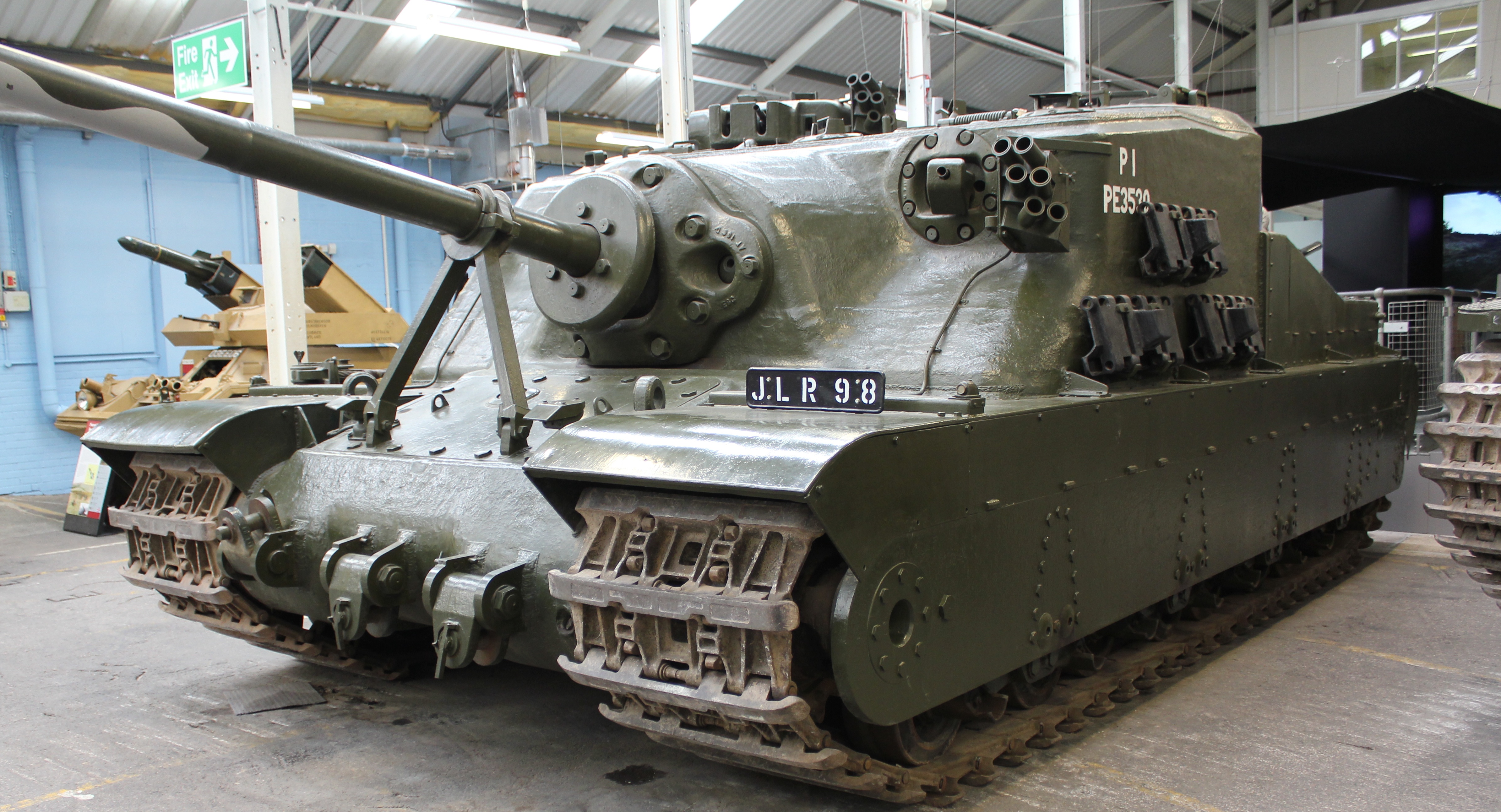
Tortoise, another massive self-propelled gun built at the end of the war, weighing 78 tons.

.

Armour thickness of 225mm, 94mm gun and a top speed of 19kph.

.

My intention is not to portray a particular message, but just share some of my photographs and information with you and help set the scene for my forthcoming novel.

Photographs are copyrighted to Harvey Black
Devils with Wings ref=sib_dp_kd

Devils with Wings: Silk drop ref=sib_dp_kd

Barbarossa, Germany’s invasion of the Soviet Union. Part 2

I have just finished writing my third novel in the Devils with Wings series, Devils with Wings: Frozen Sun. The Fallschirmjager, after their successful battle taking Crete in only 10 days, are shipped to Poland to partake in Operation Barbarossa, the German invasion of the Soviet Union.

They leave temperatures in excess of forty degrees to be used, not in an airborne operation, but as a fire brigade, plugging gaps in the line around Leningrad. They were Army Group North’s strategic reserve.  They were quickly placed into the fray, fighting along the River Neva, where temperatures dropped to below -30 degrees, sometimes as low as -40. They were successful at plugging the gaps and preventing the Soviet Union from exploiting their bridgeheads over the River Neva, but at a price. Some units suffered up to 75% casualties. Many who had survived the assault on the Fortress Eben Emael, (Devils with Wings) and the fierce fighting on the Island of Crete (Devils with Wings: Silk Drop) met their fate in this bitter struggle with the atrocious weather and the never ending Soviet hordes.

The German Army, and the Fallschirmjager, were soon to experience the hostile Russian winters.

Opposite Army Group North were two Soviet armies. The Group’s objective was to cross the River’s Neman and Daugava, the two largest obstacles barring their advance towards Leningrad.

At his disposal, Ritter von Lieb, the commander of Army Group North, had three armies and one air fleet, Luftlotte 1. The three armies, 16th Army, 18th Army and the 4th Panzer Army fielded 29 divisions between them.

Some of the types of equipment used in this biggest ever invasion of a country are shown below. Most of the photographs were taken at the Bovington Tank Museum.

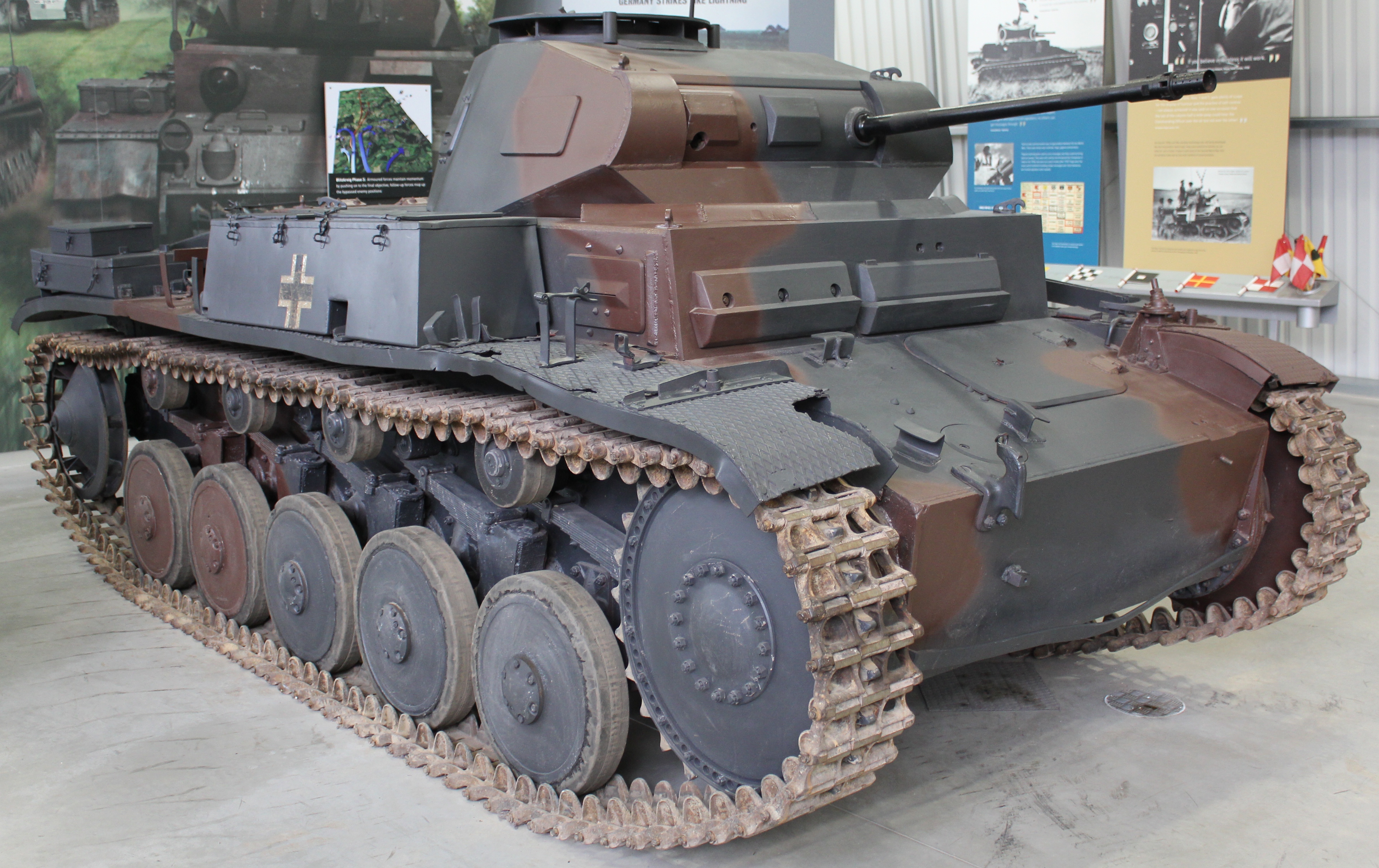
Panzer II. Used mainly as a reconnaissance tank. A top speed of 40 kph and a 20mm main gun.

Panzer II. This tank served with 10th Panzer Division in North Africa. It weighed 9.5 tons.

Panzer II. A crew of three with 33mm of armour for protection.

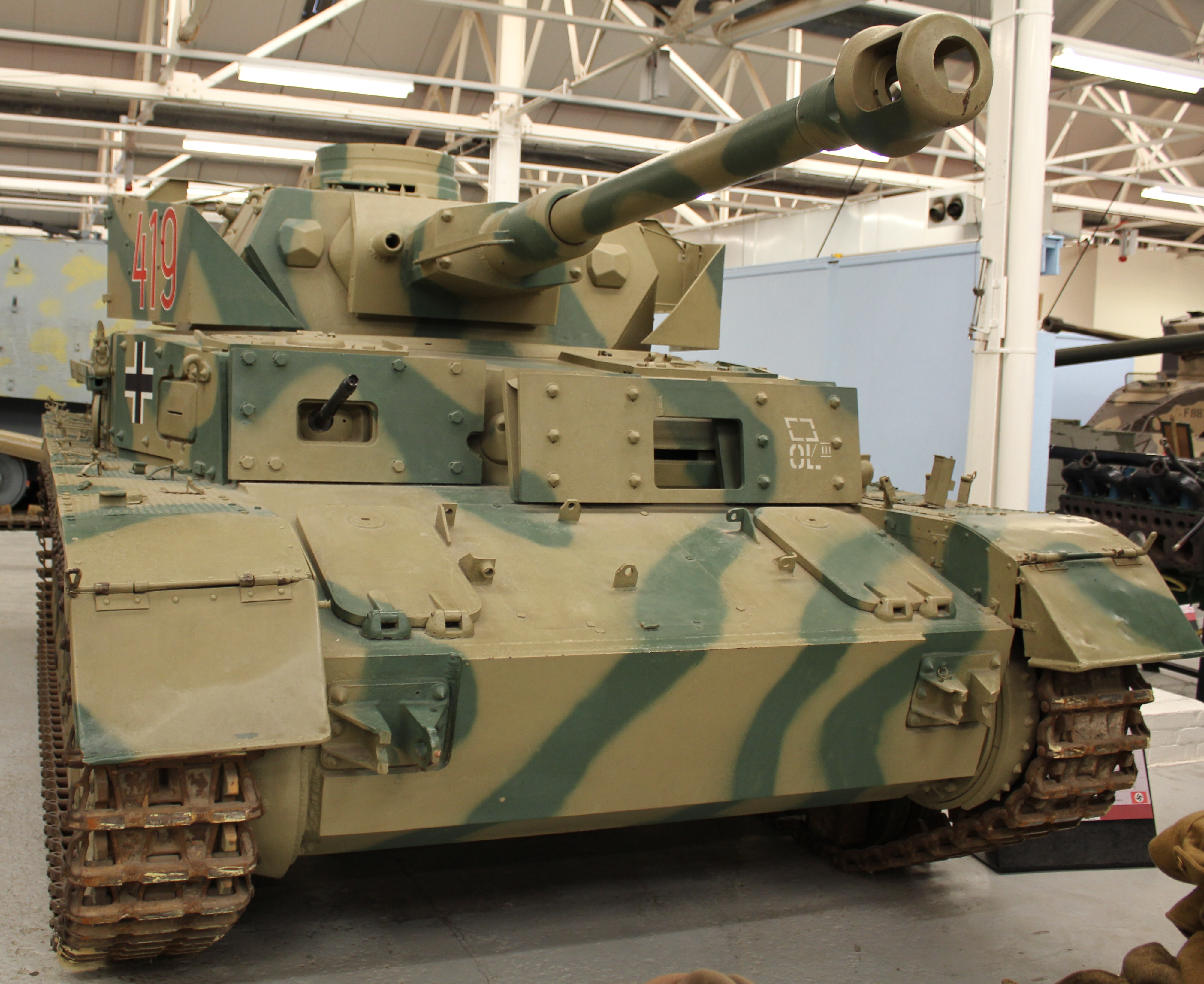
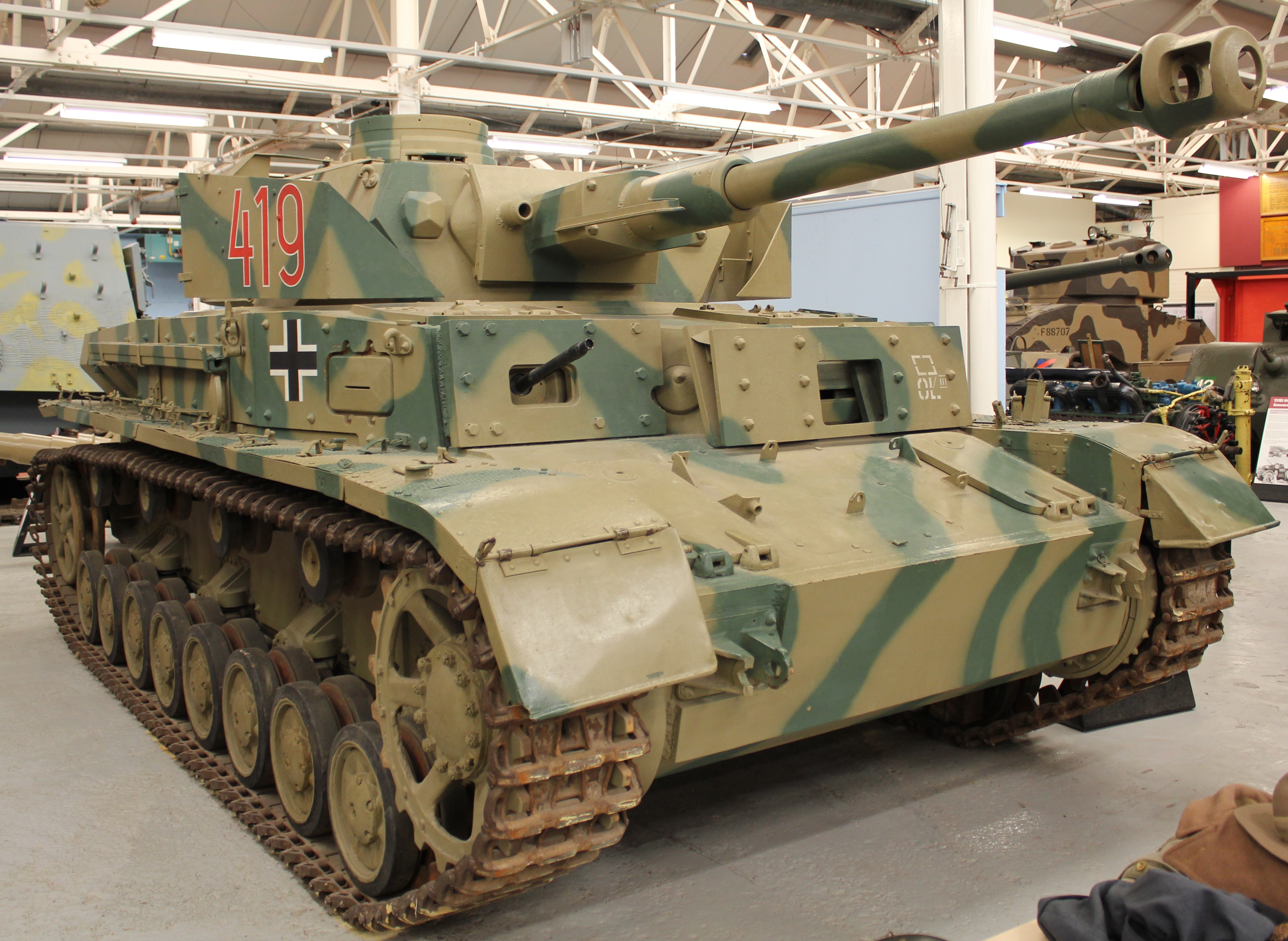
Panzer IV D/H with its 75mm main armament. 

Panzer IV. A German medium tank, weighing 25 tons.

Panzer IV. Armour thickness 30mm – D,  80mm – H.

Panzer IV, top speed of  38kph.

Panzer IV. The spaced armour around the turret  was to help reduce the effect of Russian anti-tank rifles.

Panzer IV had a crew of 5.

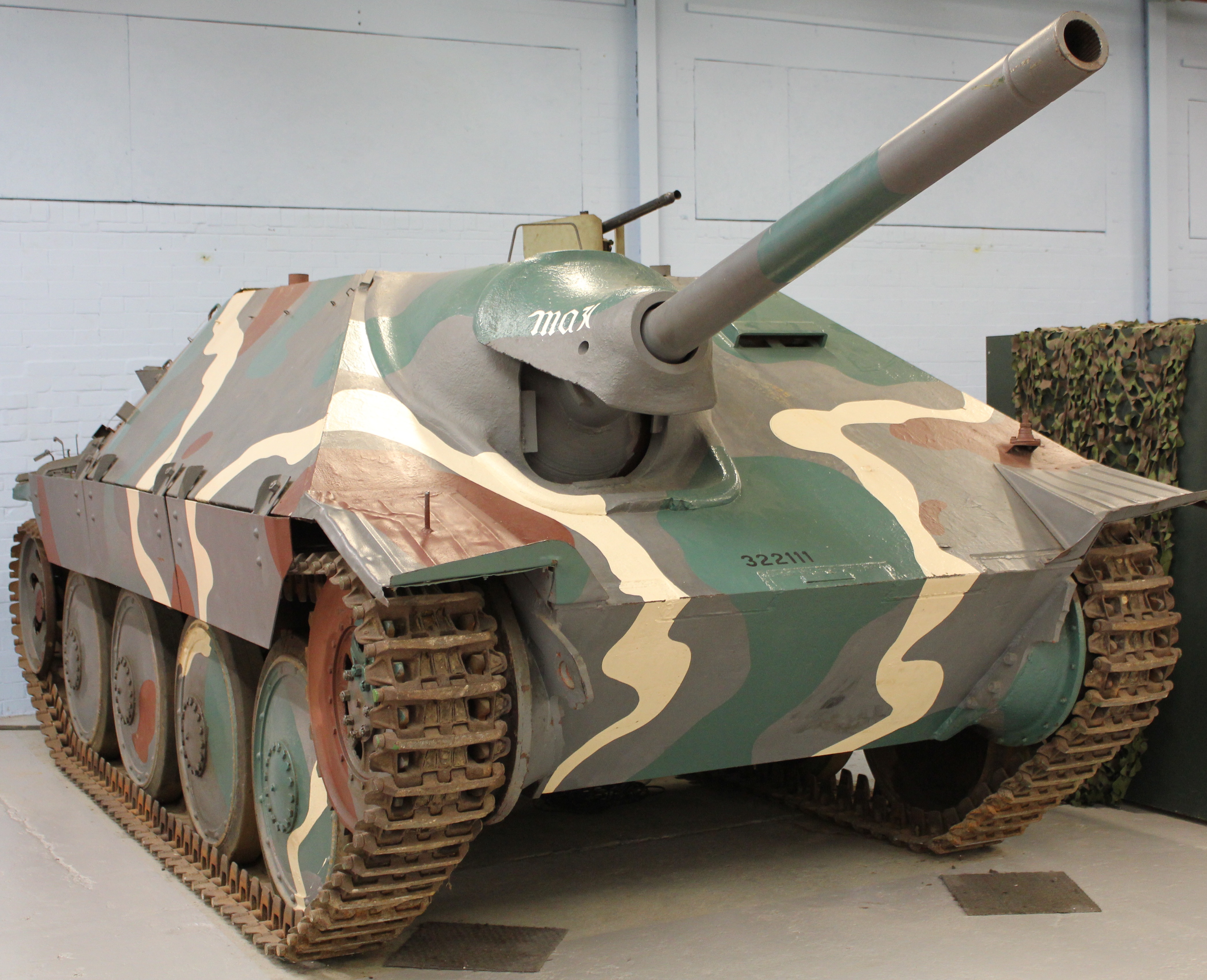
Hetzer Jagdpanzer 38(f). A compact and effective tank destroyer with its 75mm gun 

Hetzer Jagdpanzer 38(f). 15.75 tons, armour 60mm, crew 4, speed 42kph.

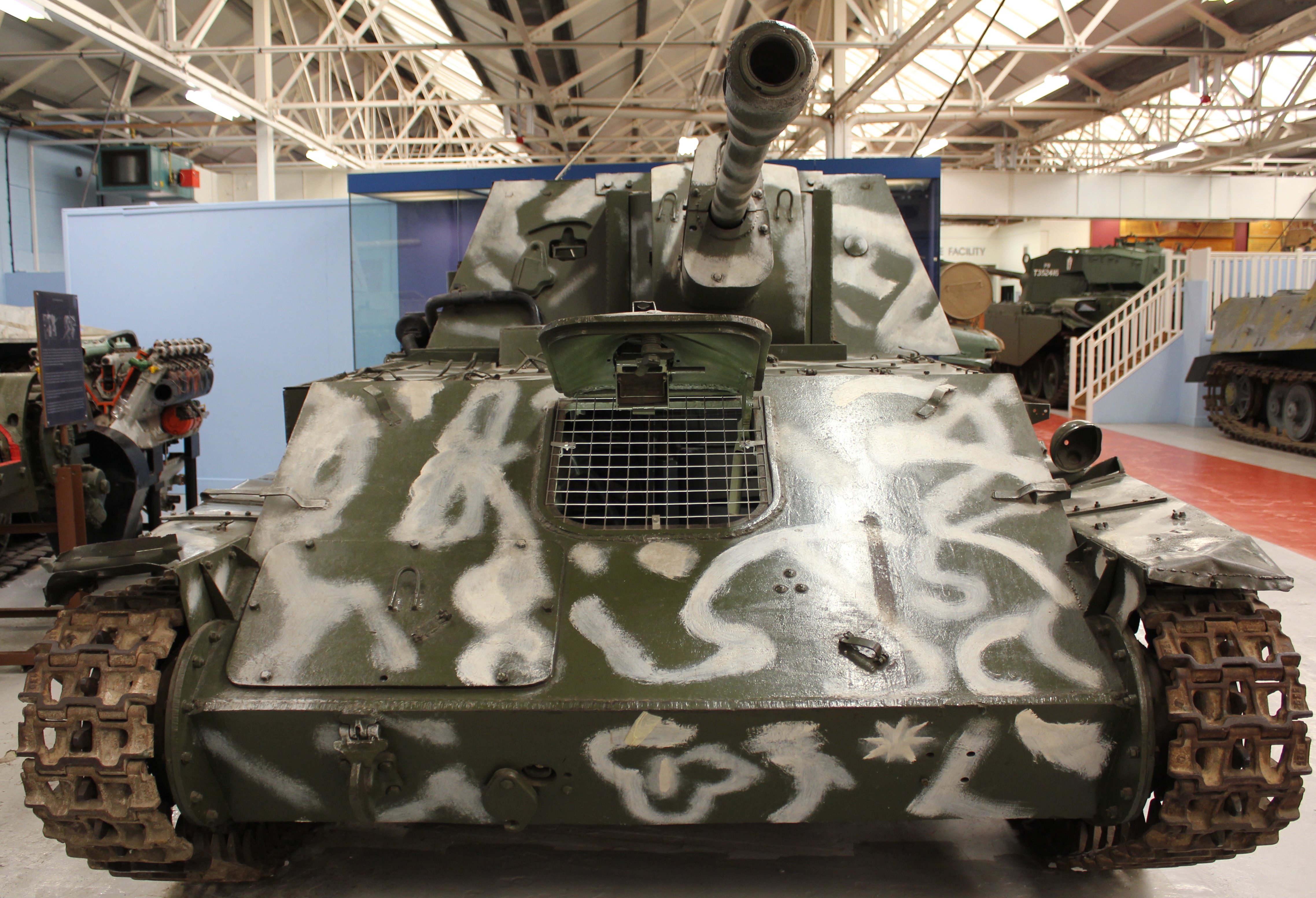
SU-76M, light mechanised gun. Zis-3, 76.2mm gun mounted on a T-70 chassis.

 SU-76M.10.2 tons, crew of 4 and top speed of 45kph. 

SU-76M. Armour 33mm. This one is a later model used by the Communist forces during the Korean War.

On the first day, Panzer Group 4’s 600 tanks crossed the River Neman and penetrated up to 80 kilometres. On reaching the area Raseiniai, the armoured units were counter attacked by 300 tanks of the 3rd and 12th Soviet Mechanised Corps. It took the German forces four days to encircle and destroy the Soviet armour. By the end of the first week, the Soviet Mechanised Corps had lost 90% of its strength.

My intention is not to portray a particular message, but just share some of my photographs and information with you and help set the scene for my forthcoming novel.

Photographs are copyrighted to Harvey Black

Devils with Wings ref=sib_dp_kd

Devils with Wings: Silk drop ref=sib_dp_kd
Devils with Wings: Frozen Sun ref=sib_dp_kd